WorldView: The Syunik Experience
The second centralized convening of WorldView’s three-tier regional teacher training program takes place in Syunik
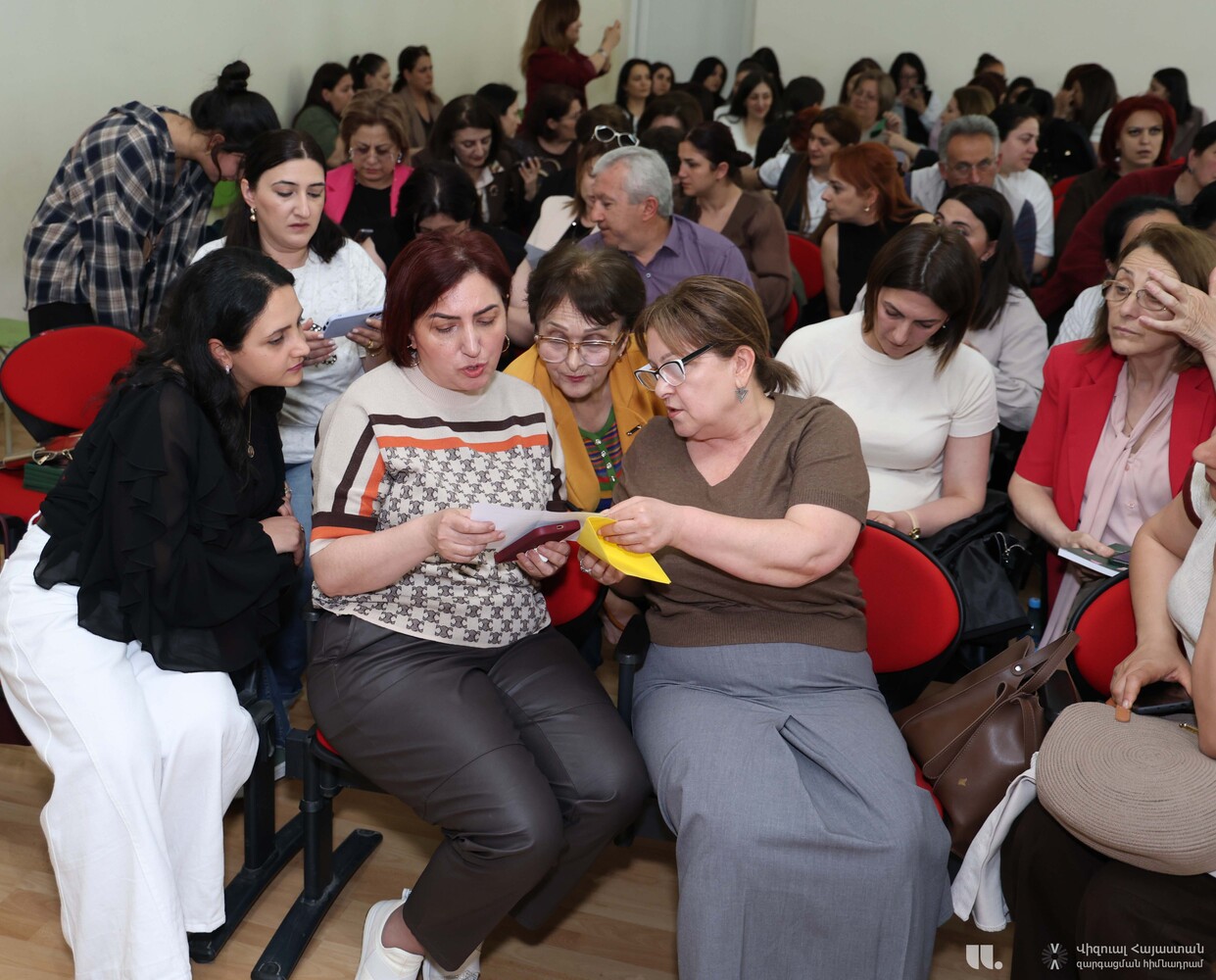
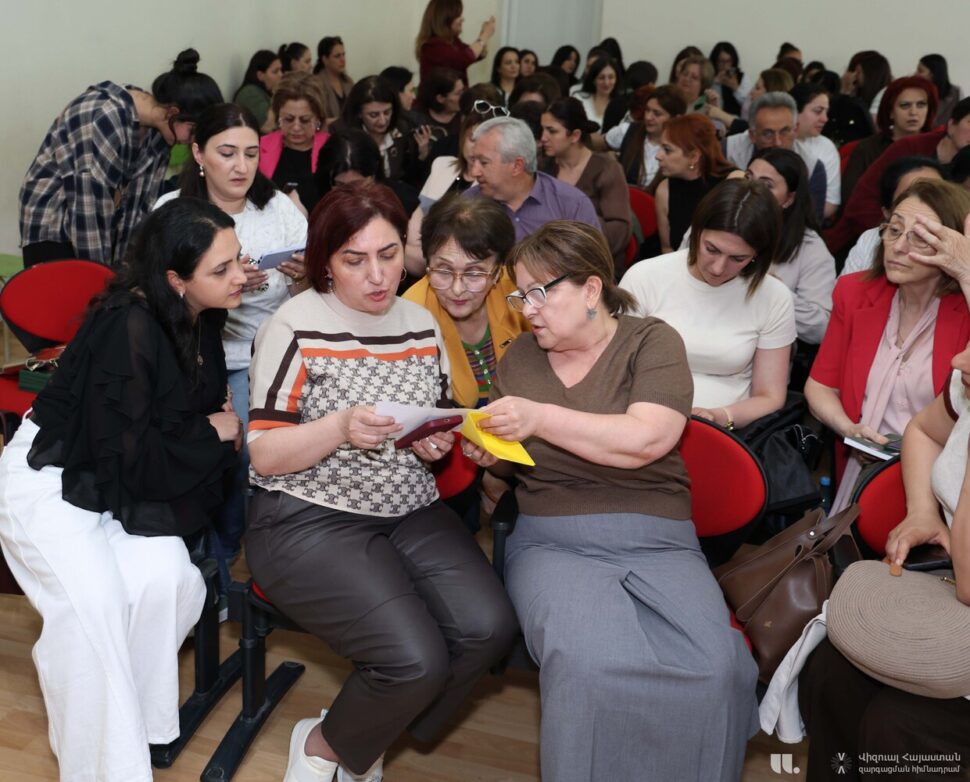
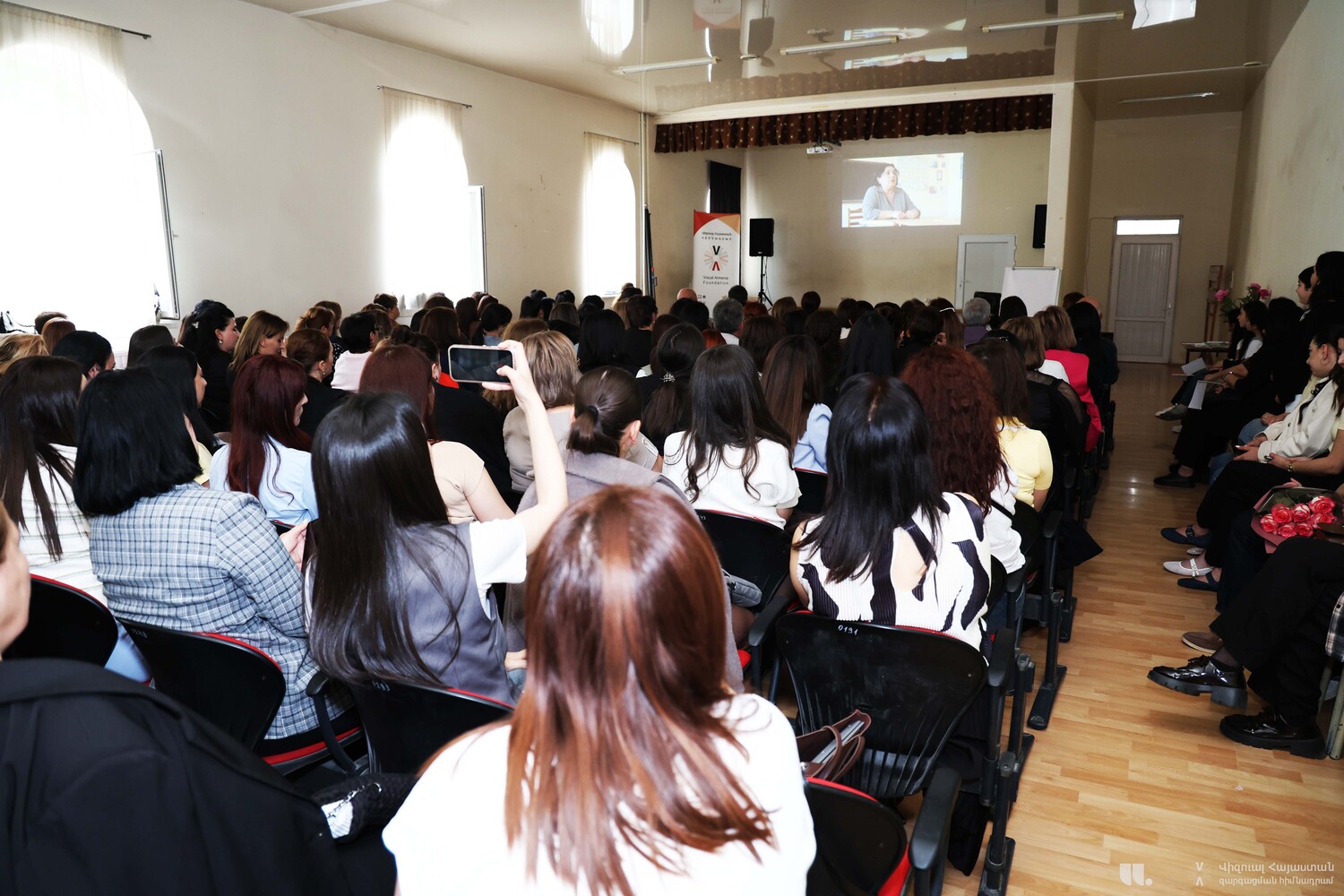
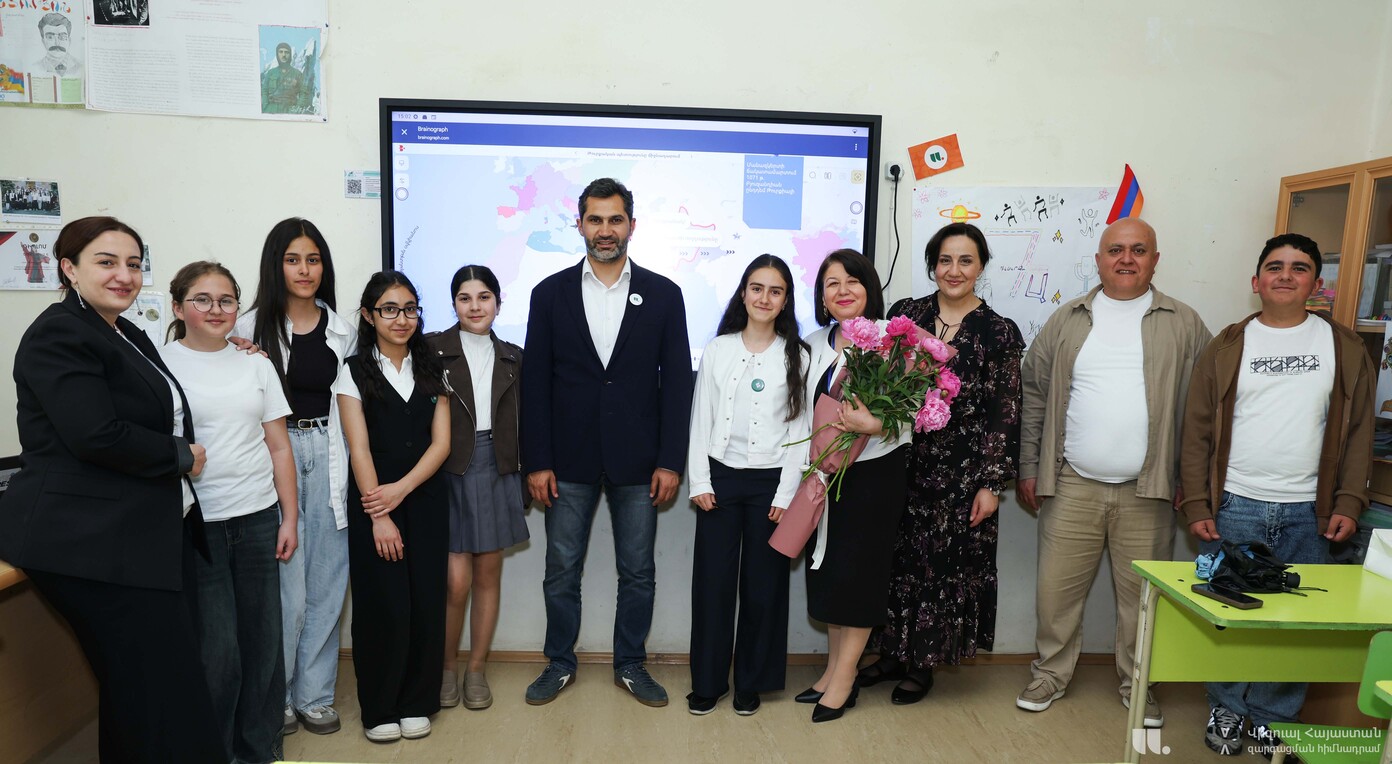
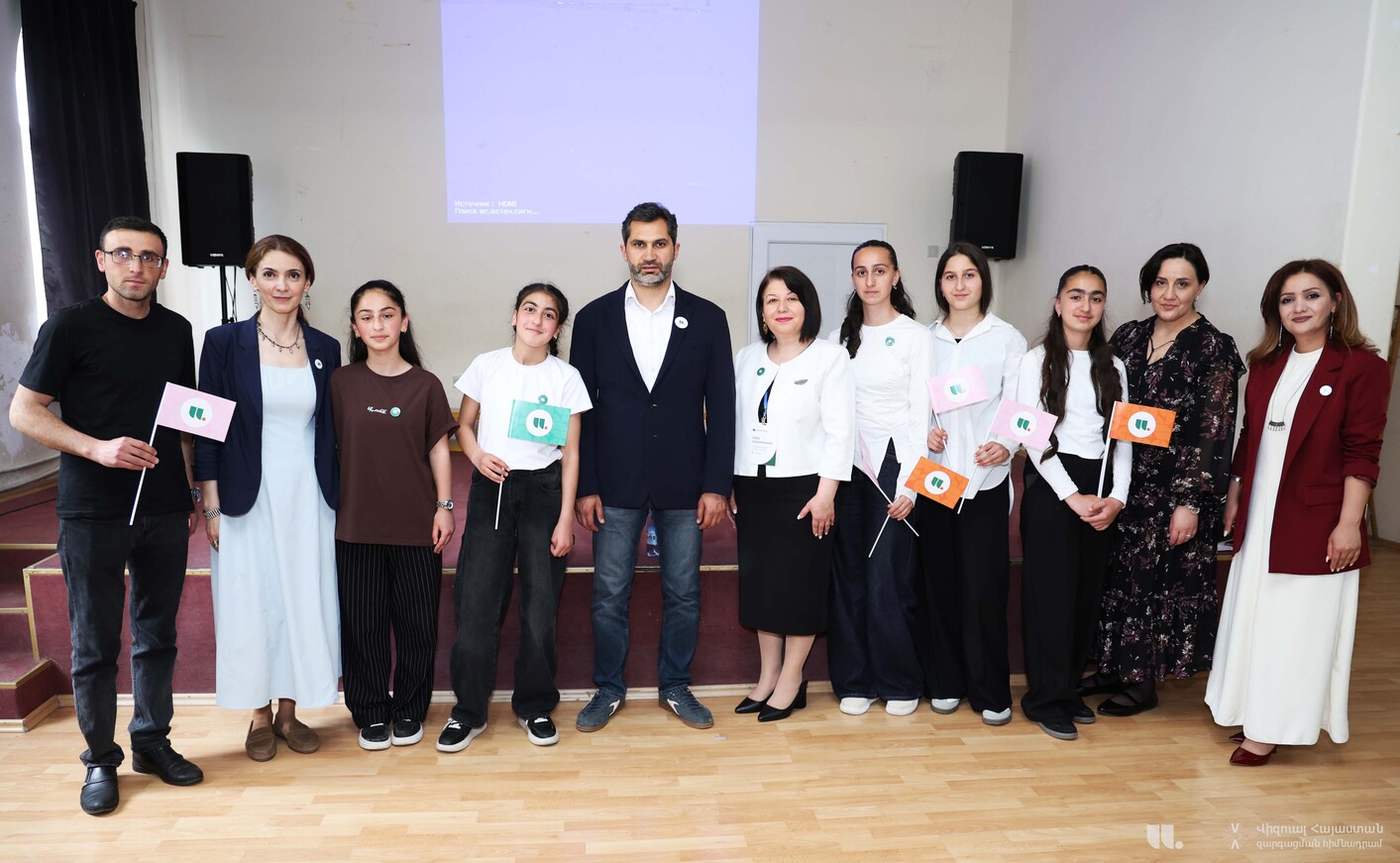
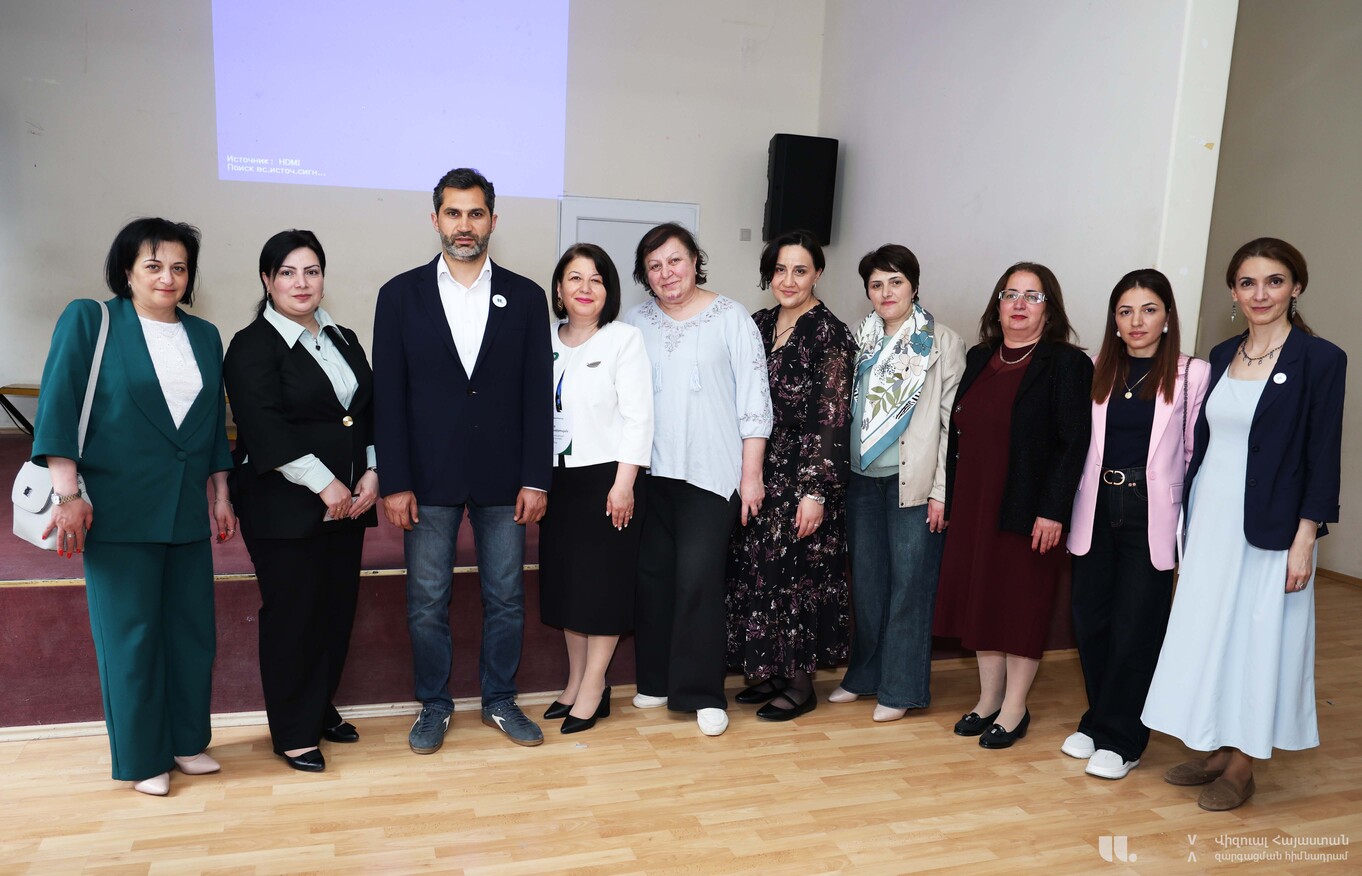
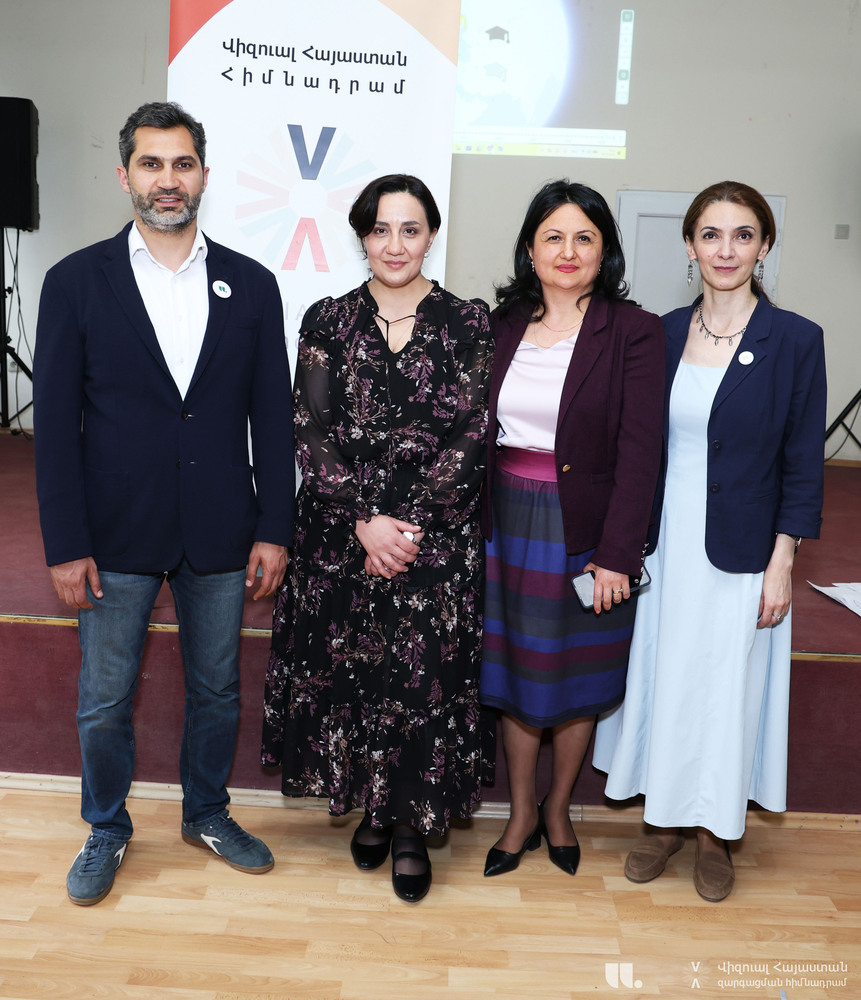
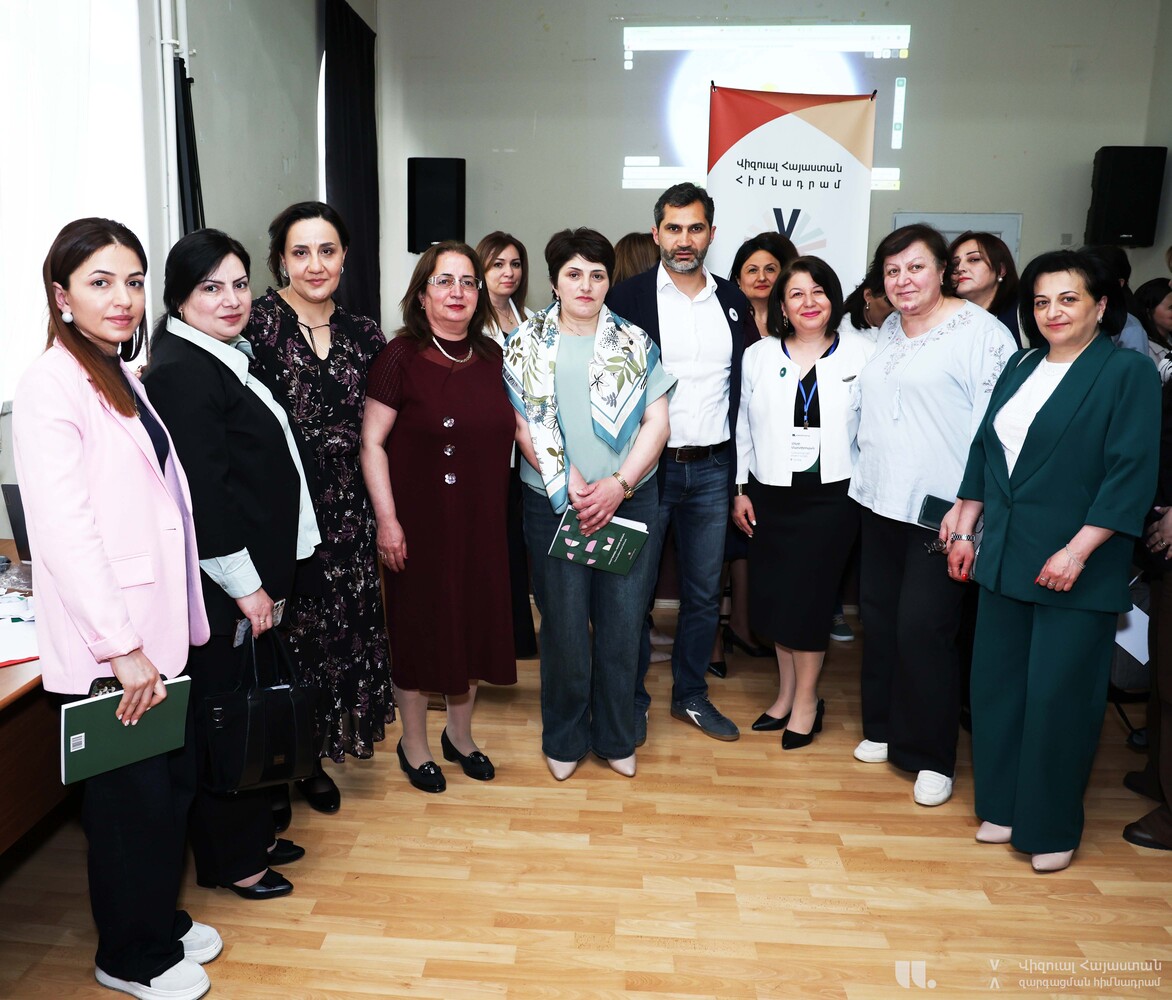
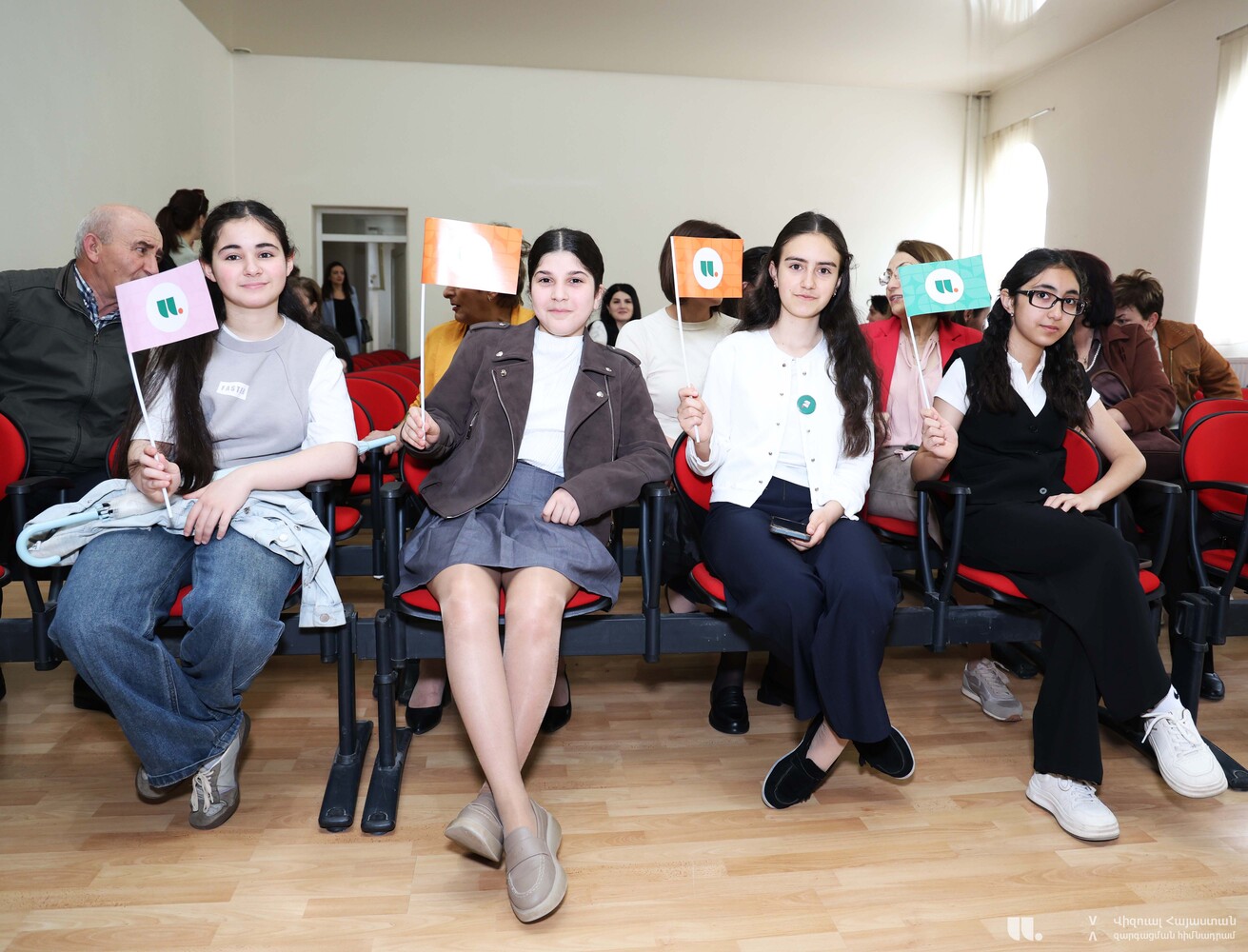
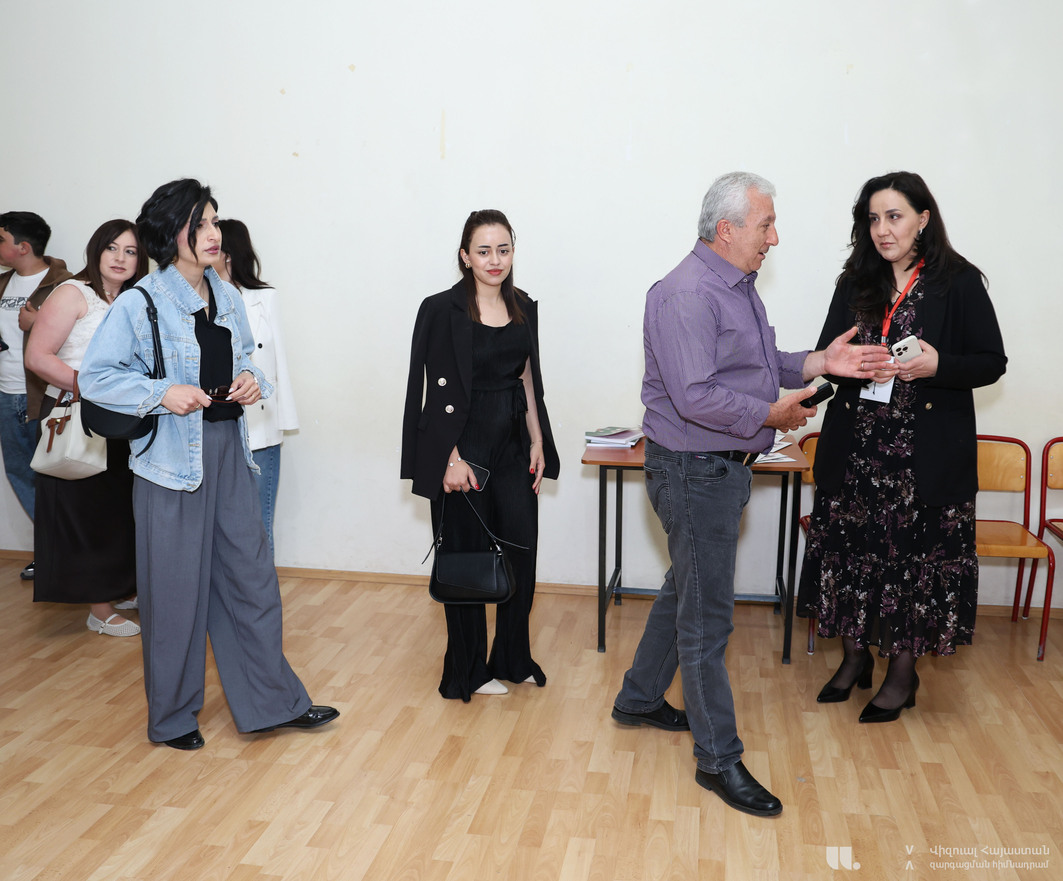
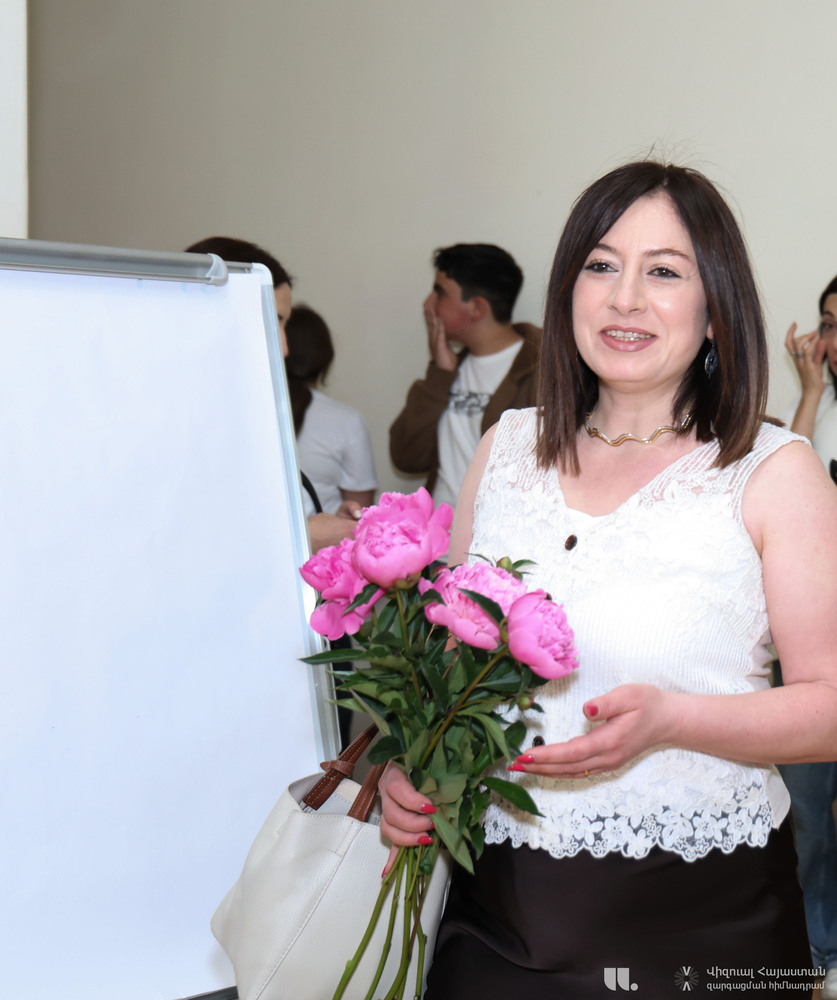
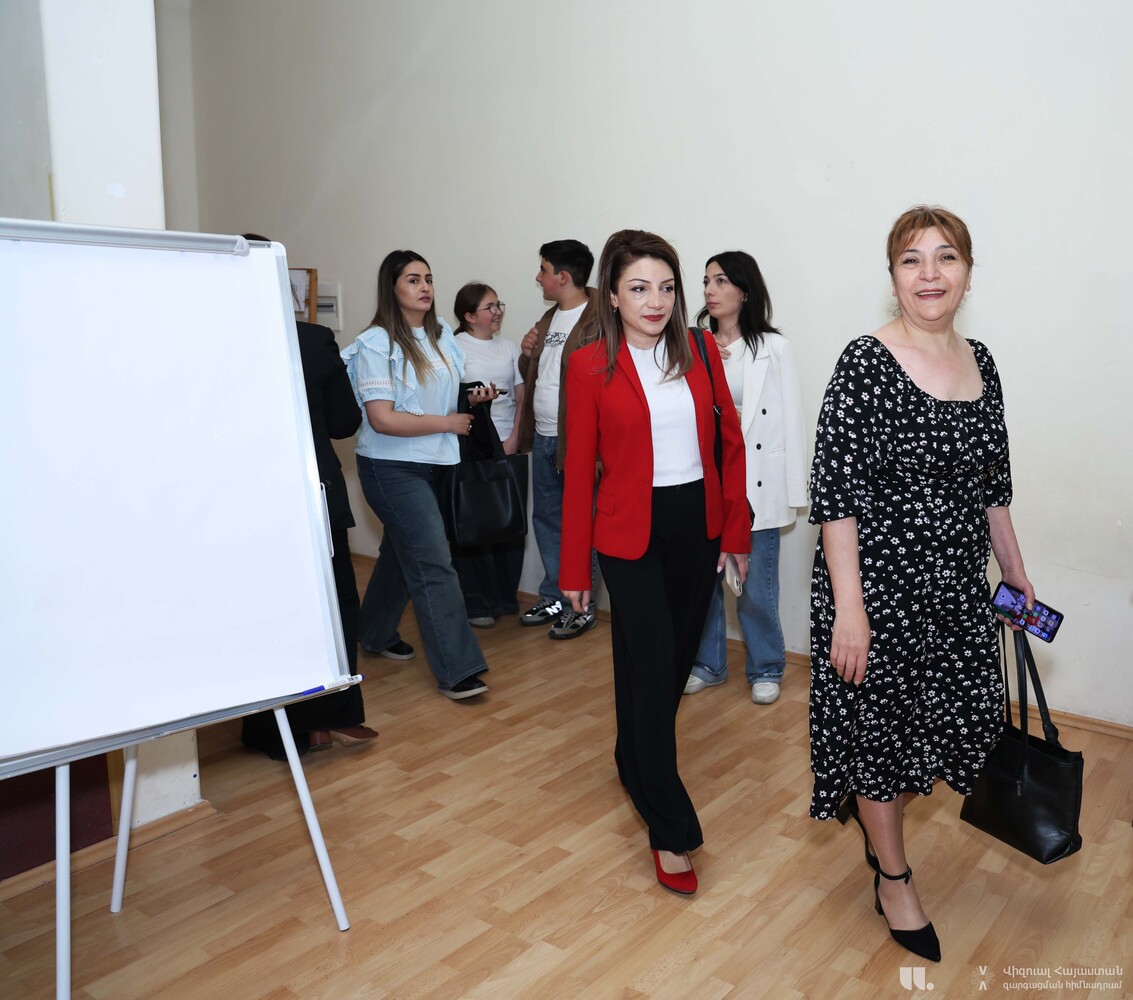
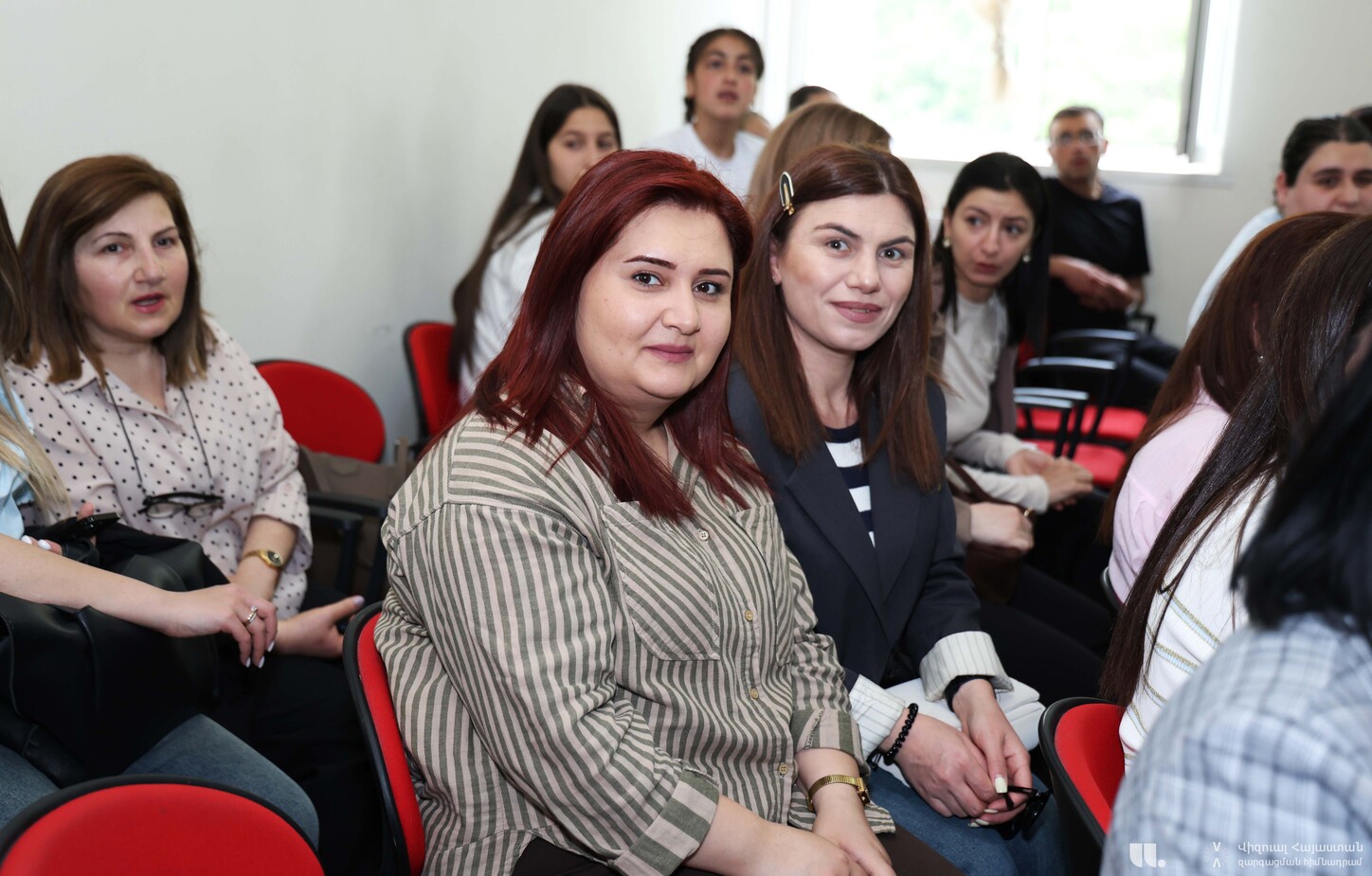
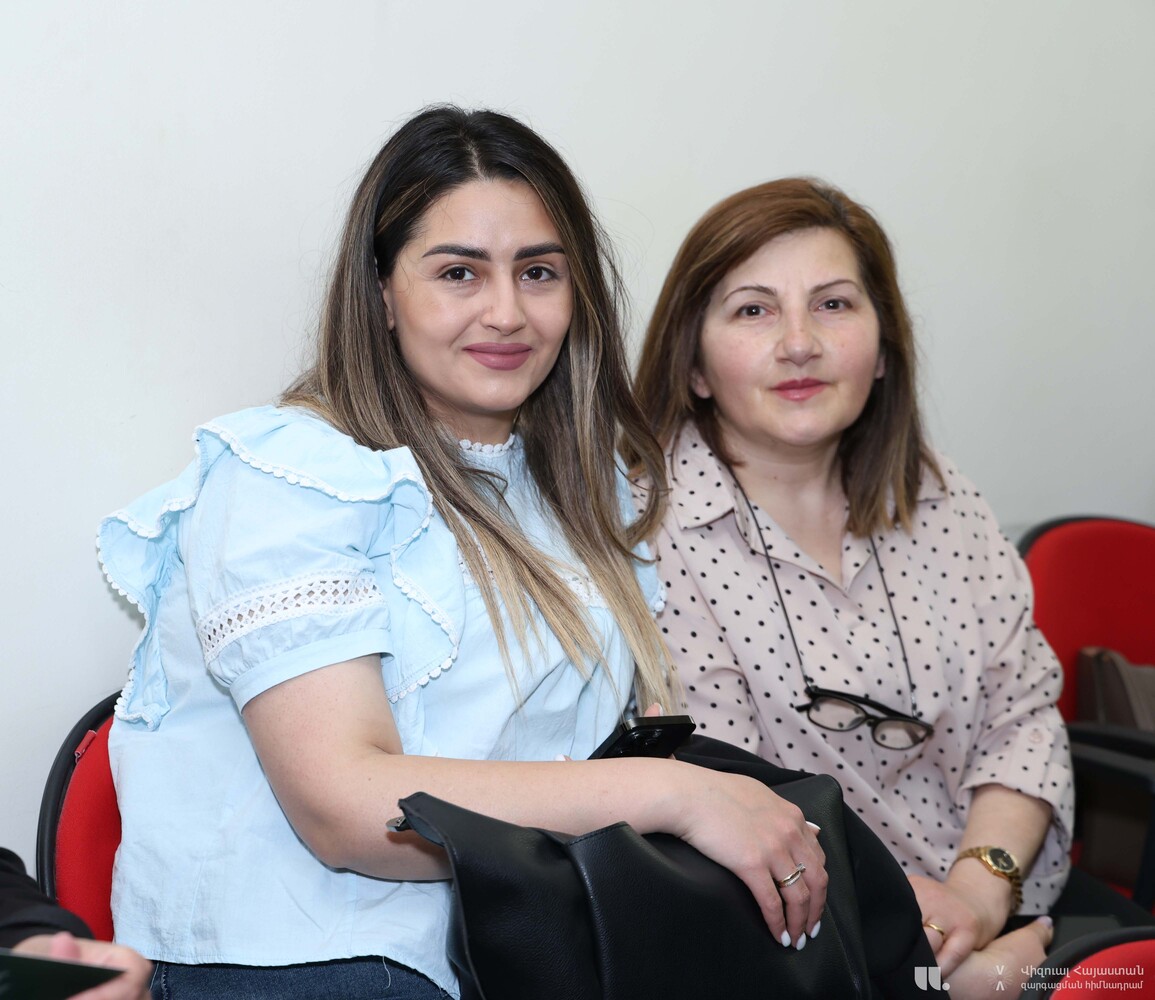
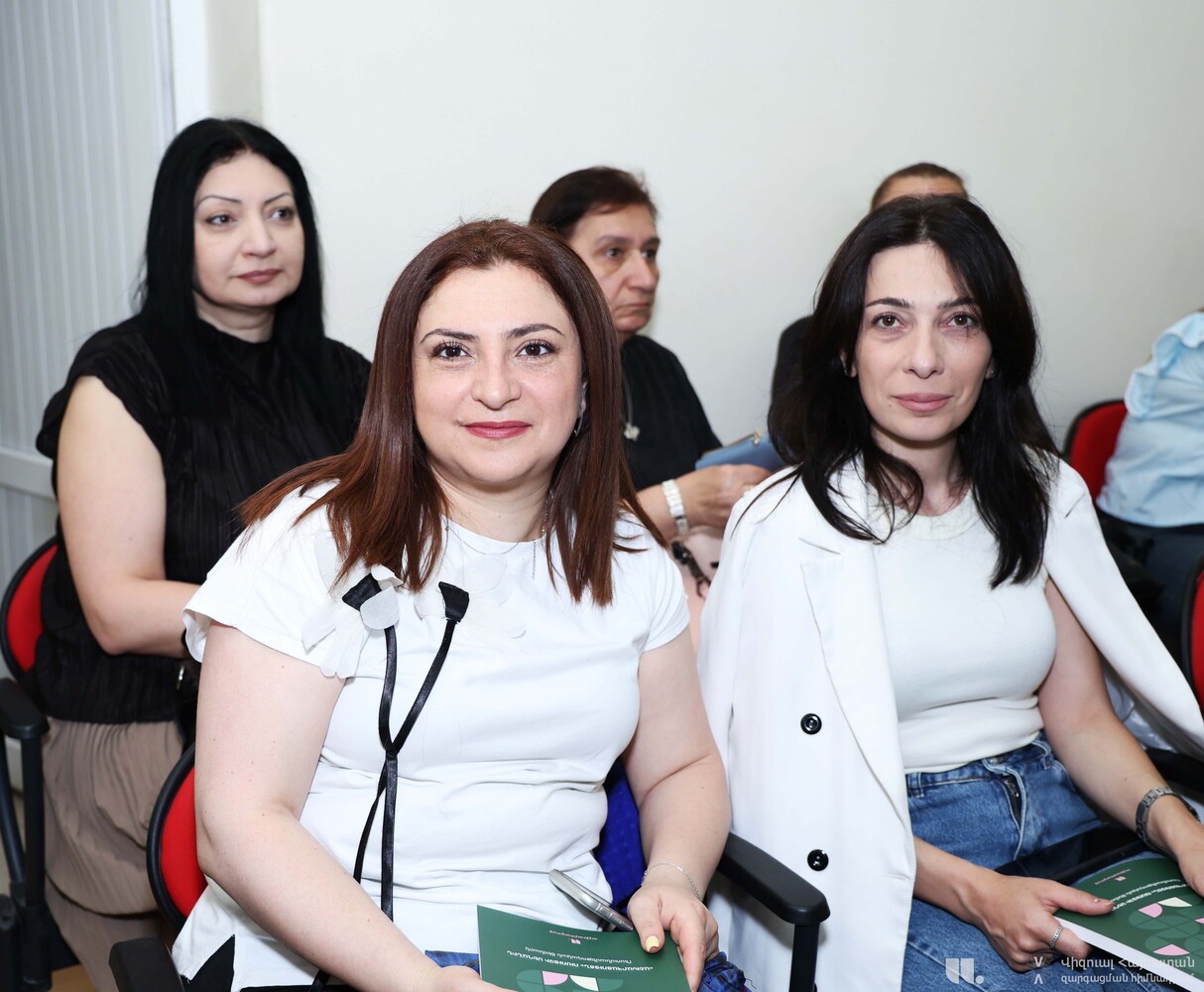
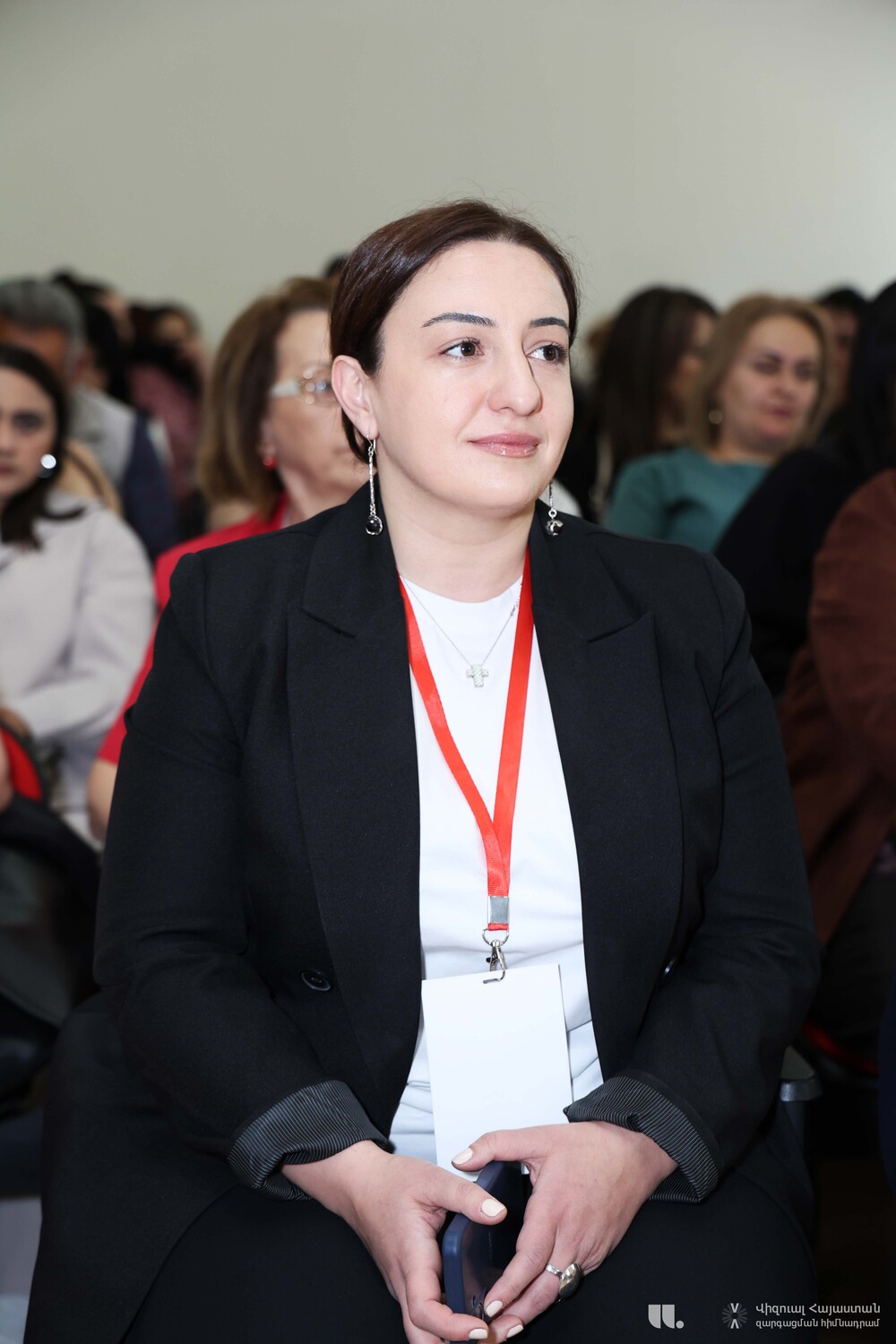
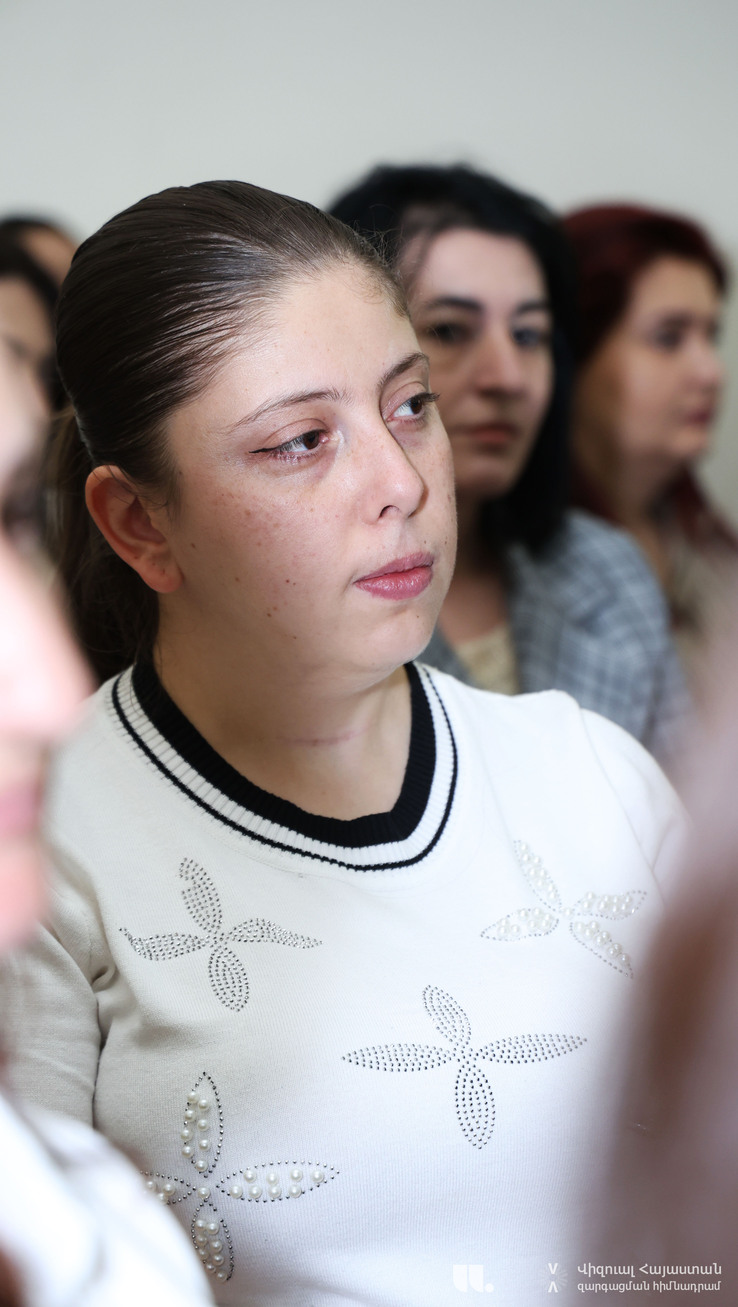
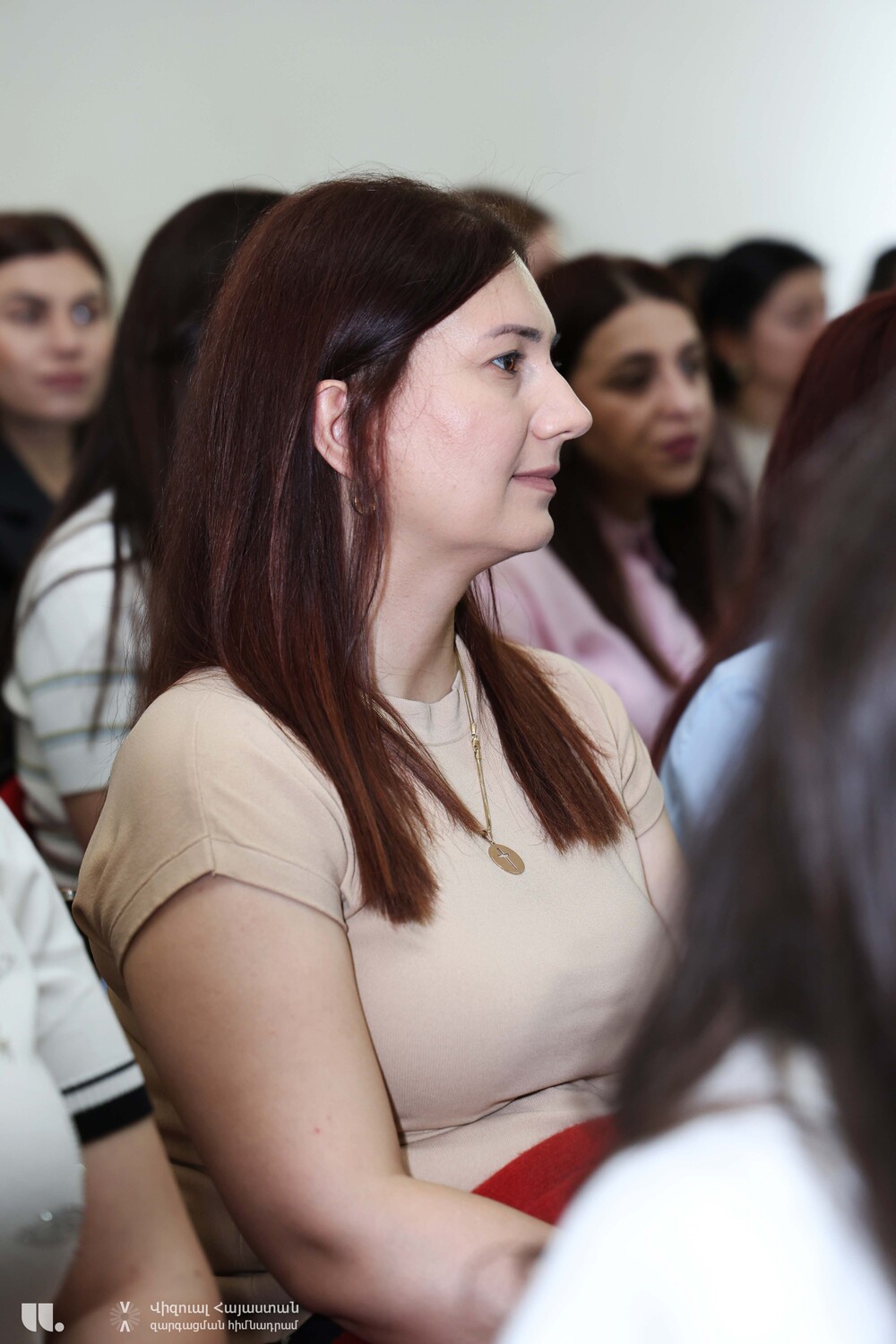
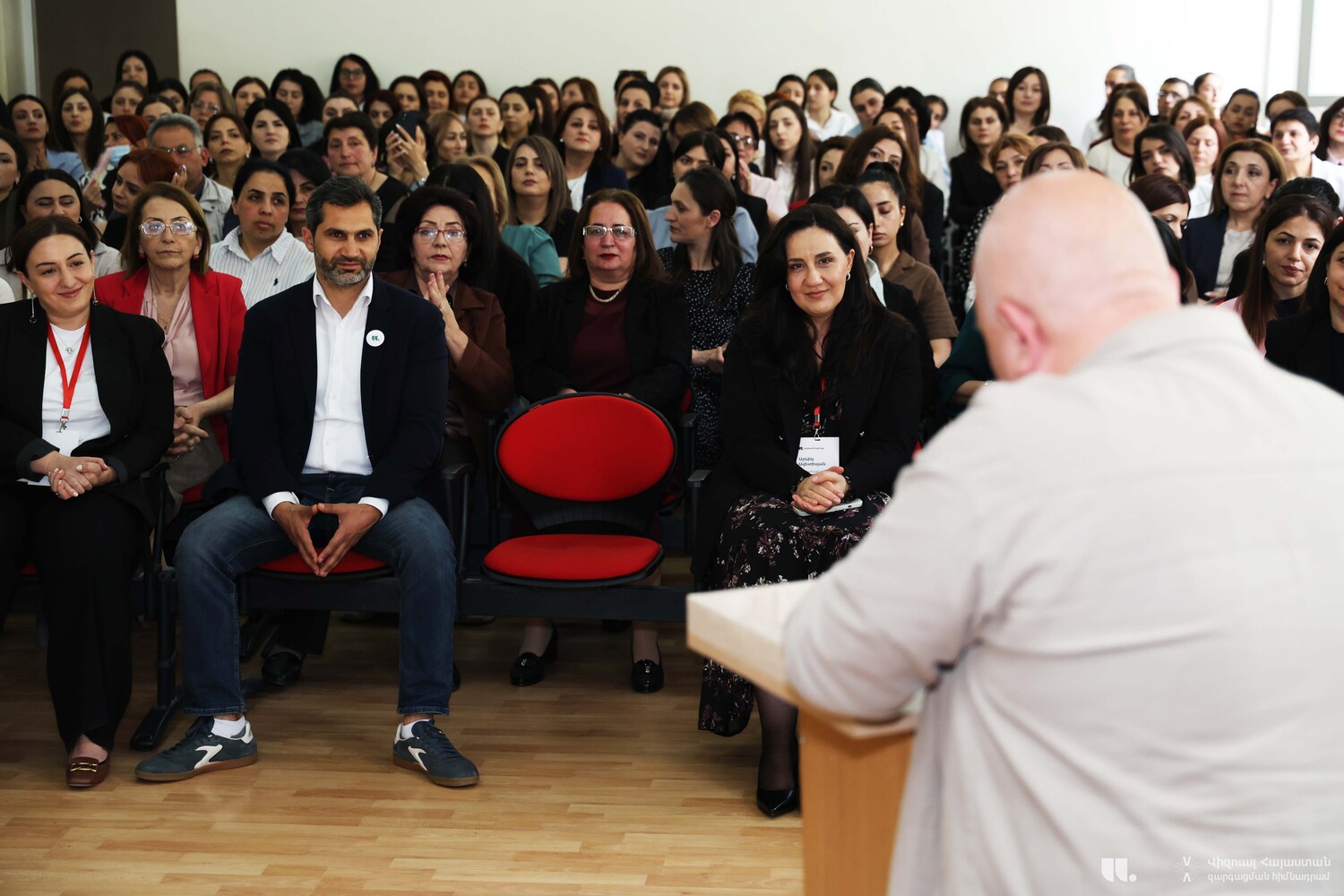
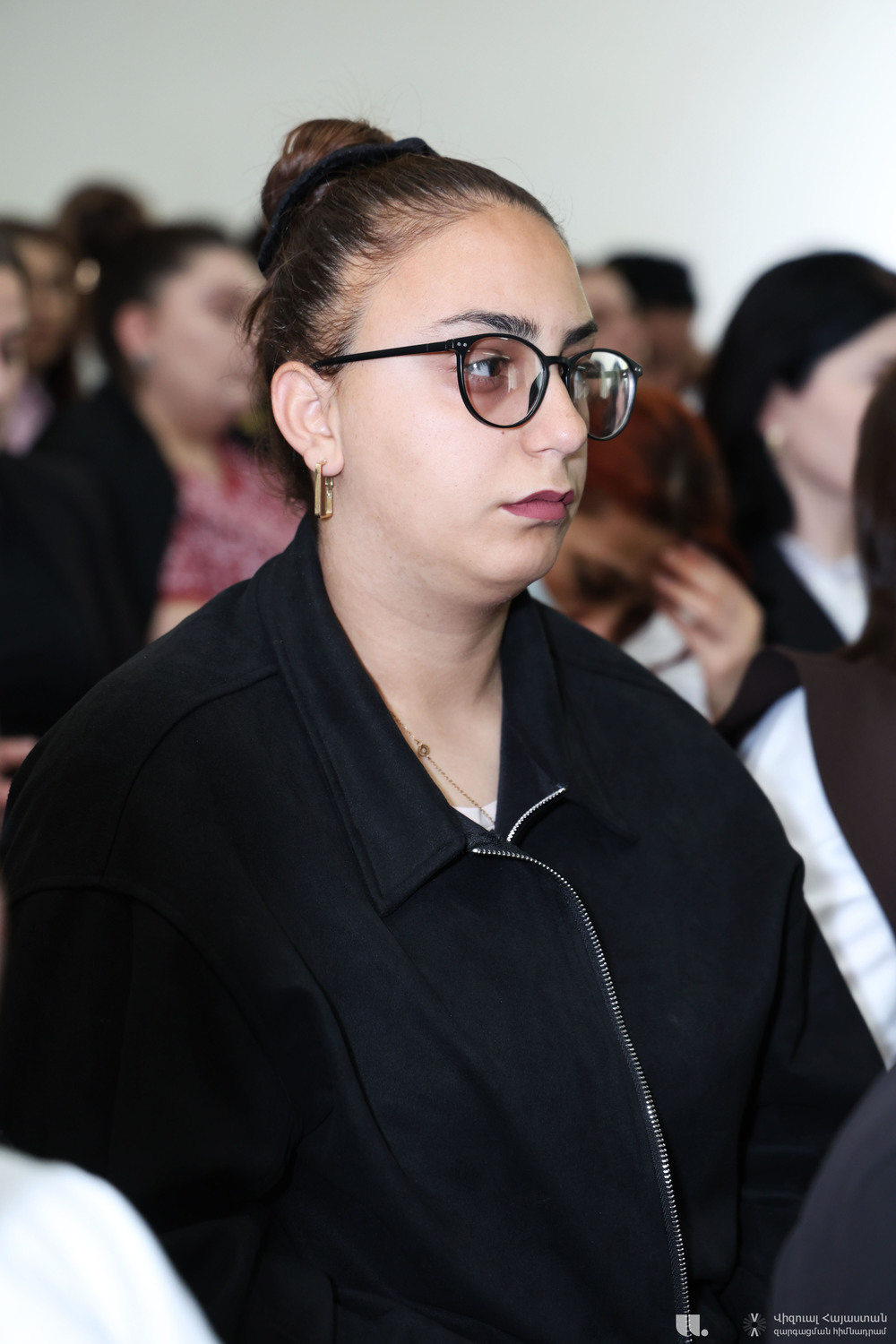
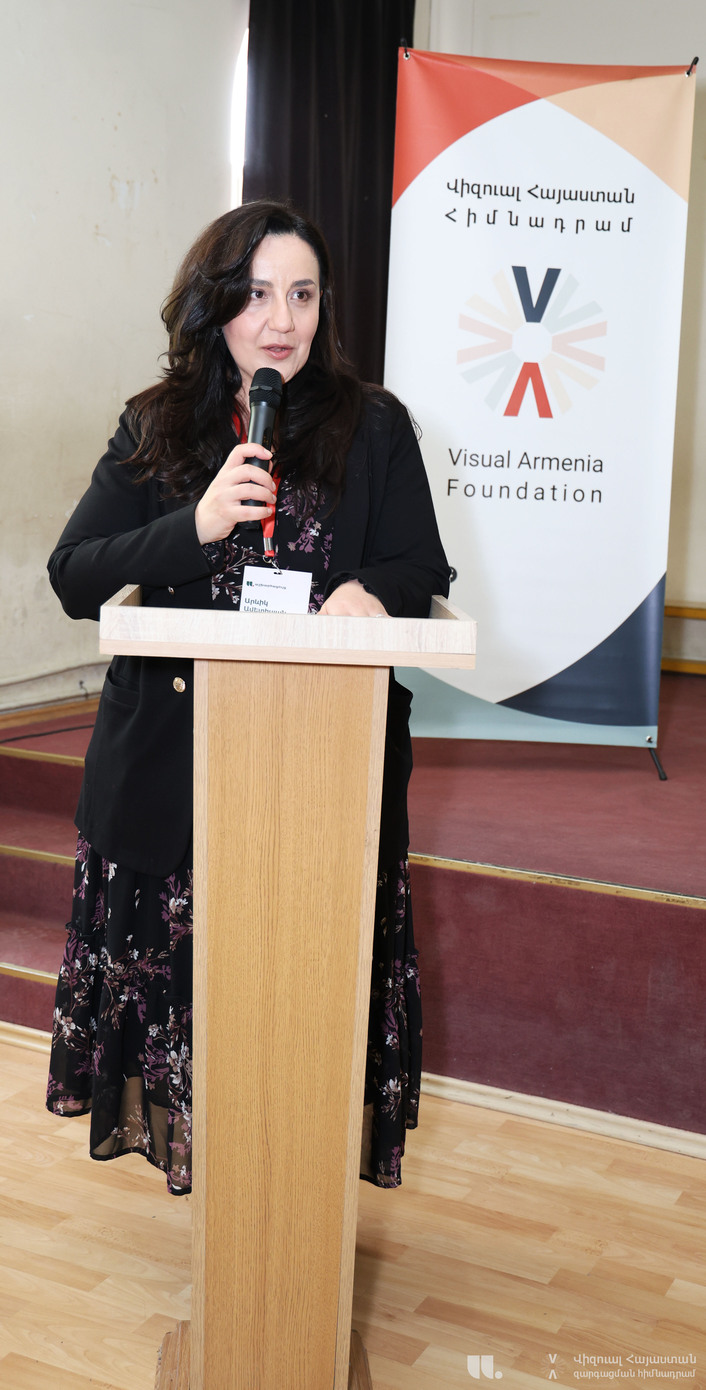
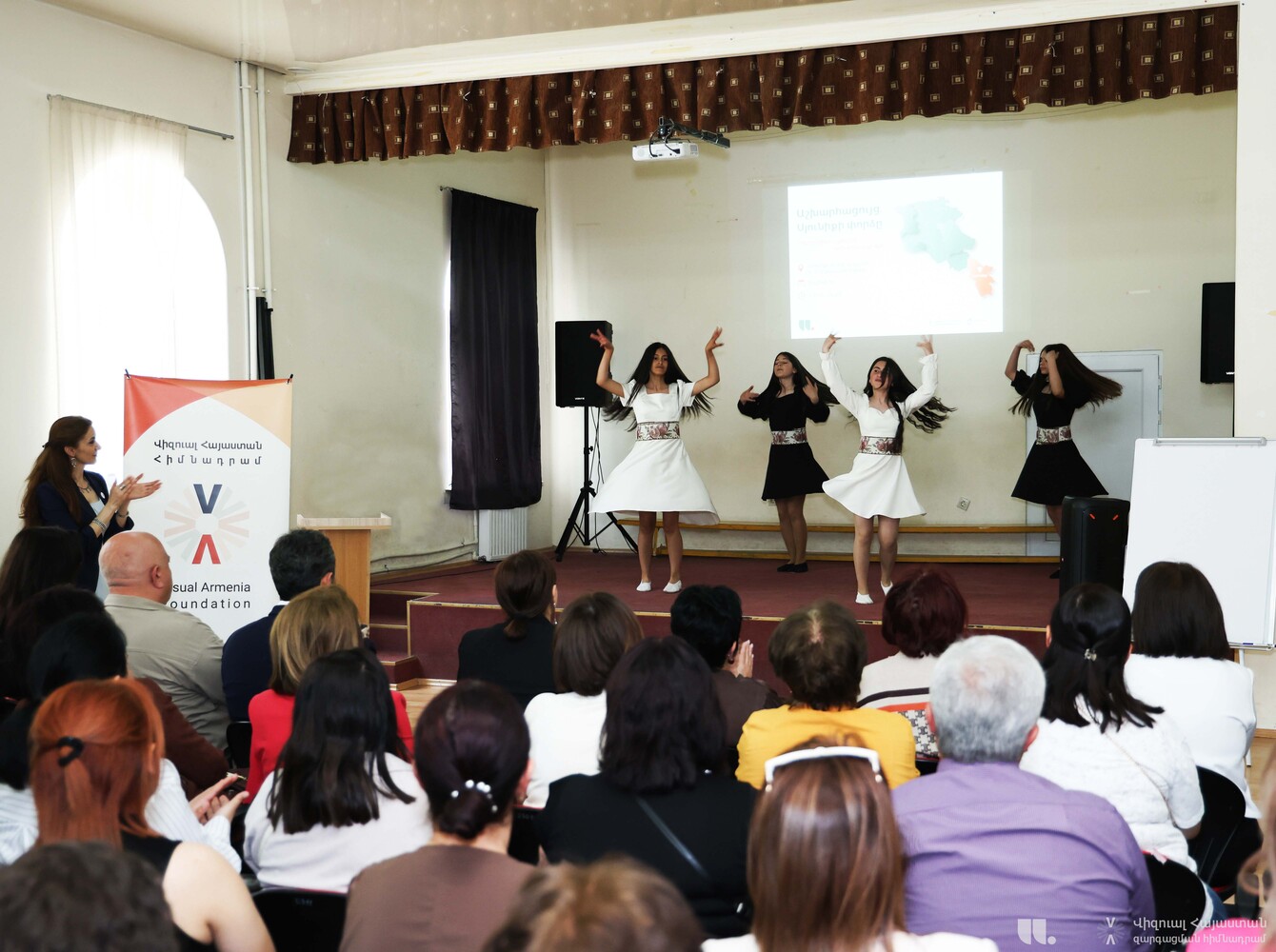
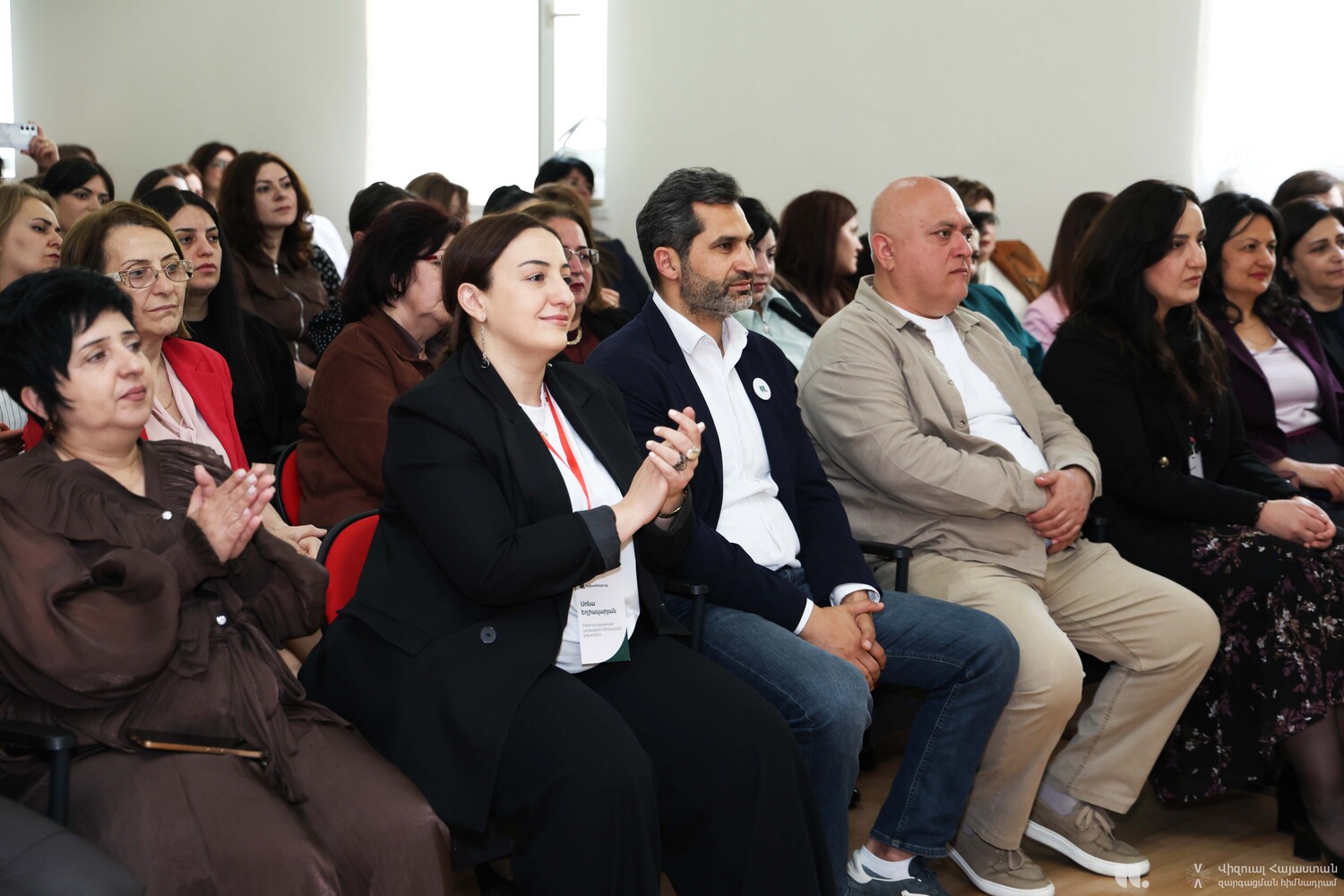
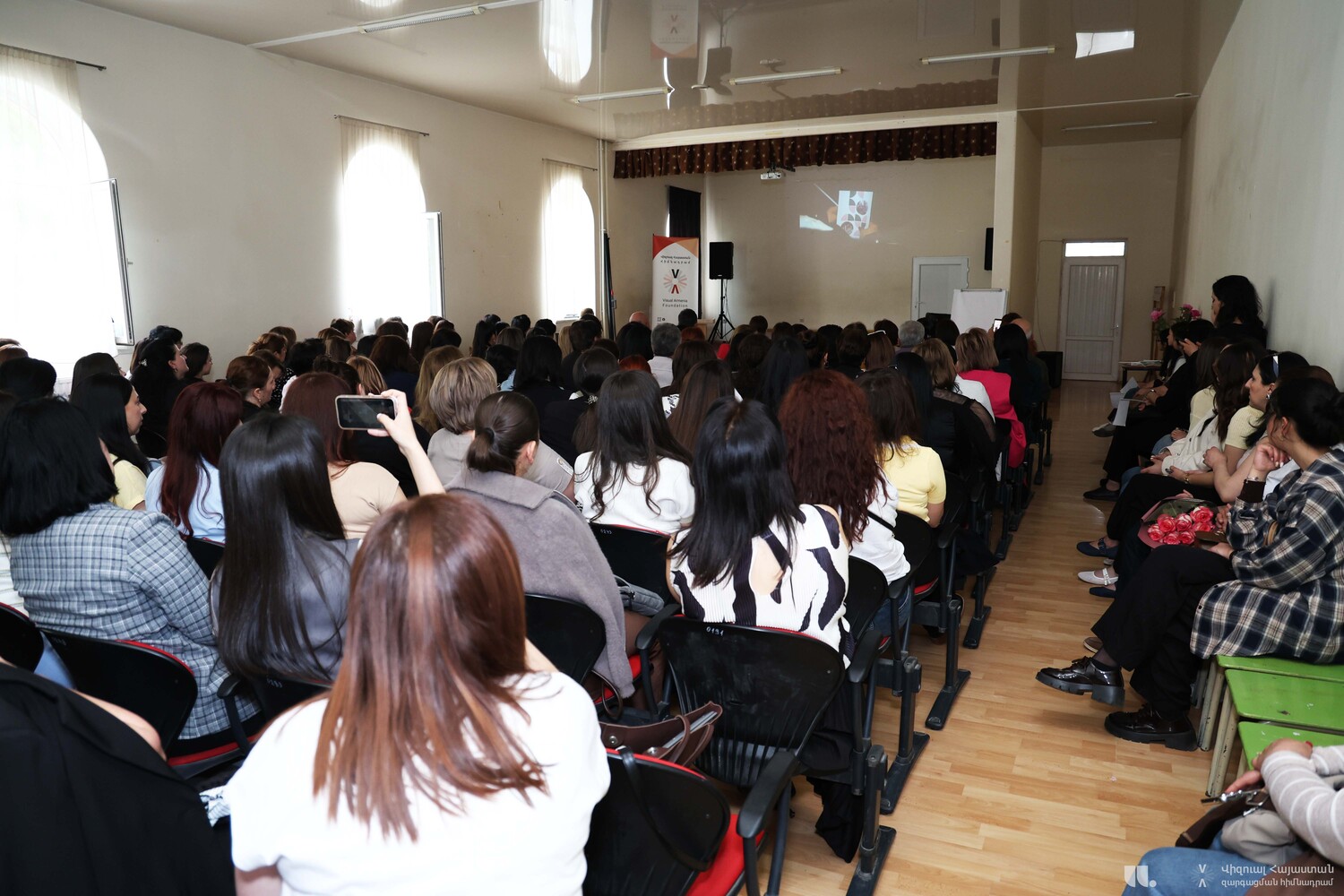
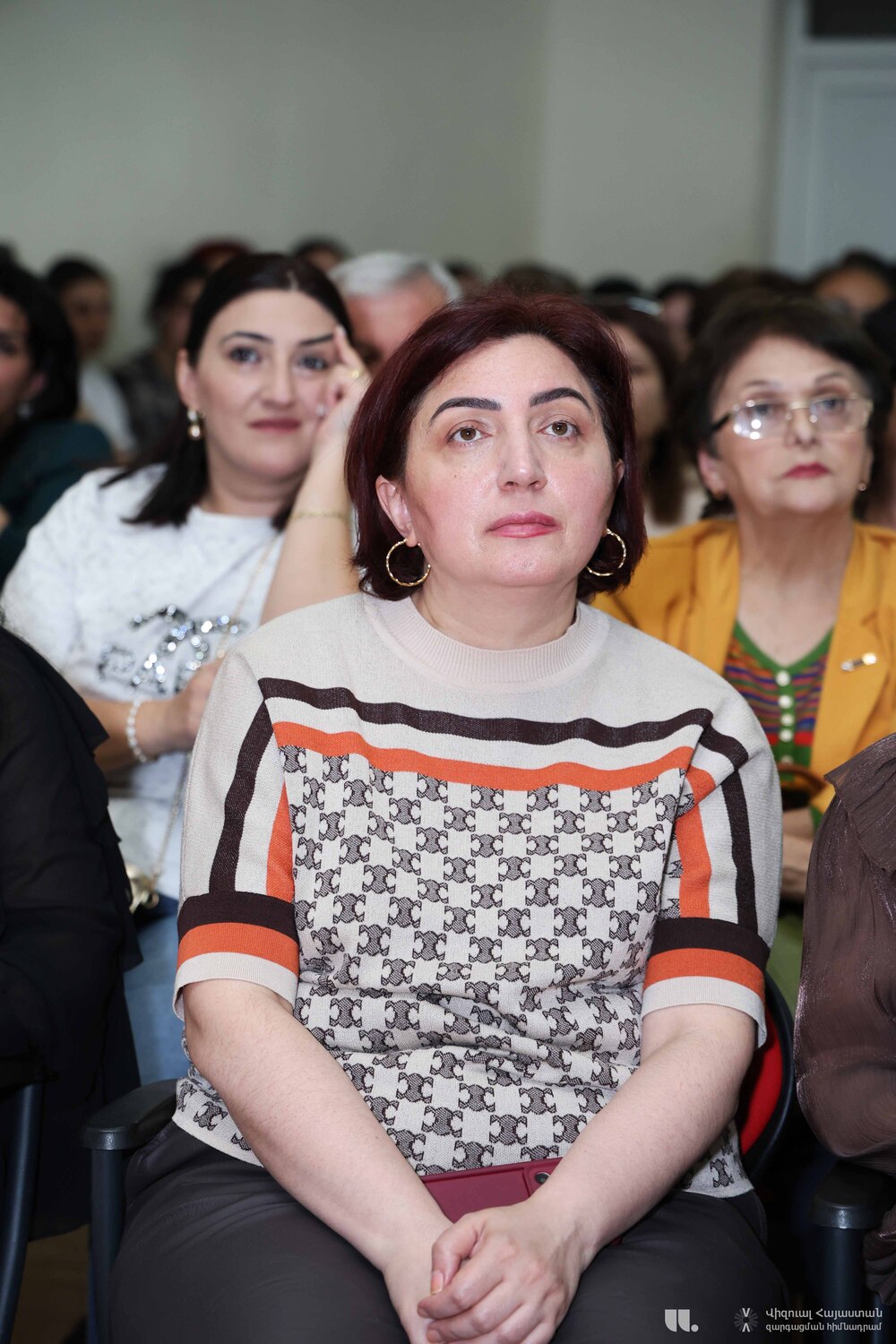
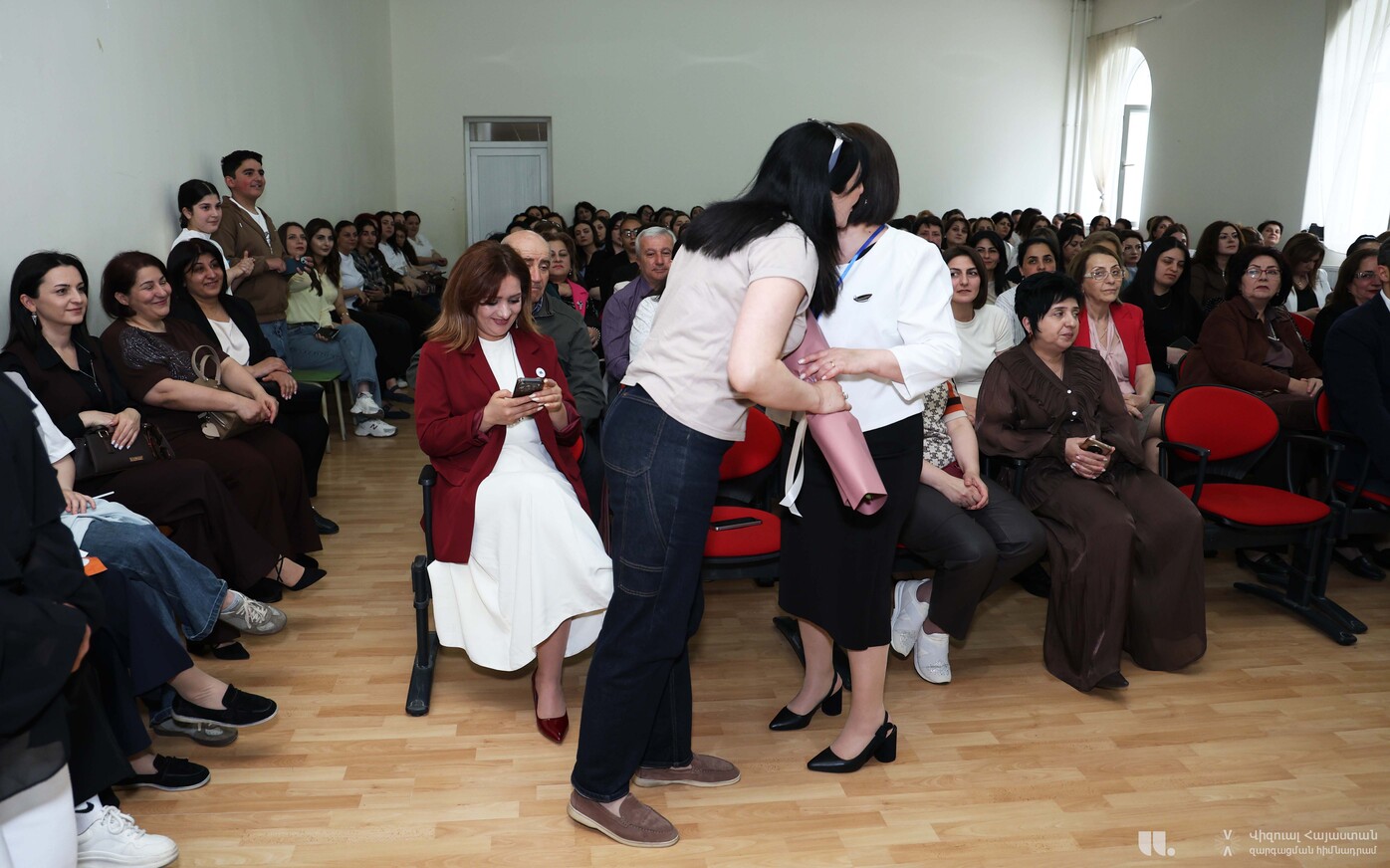
On May 16, the Visual Armenia Foundation held the second centralized convening of its WorldView regional teacher training program in Syunik Province, hosted at Kapan Secondary School No. 3 under the title “WorldView: The Syunik Experience.”
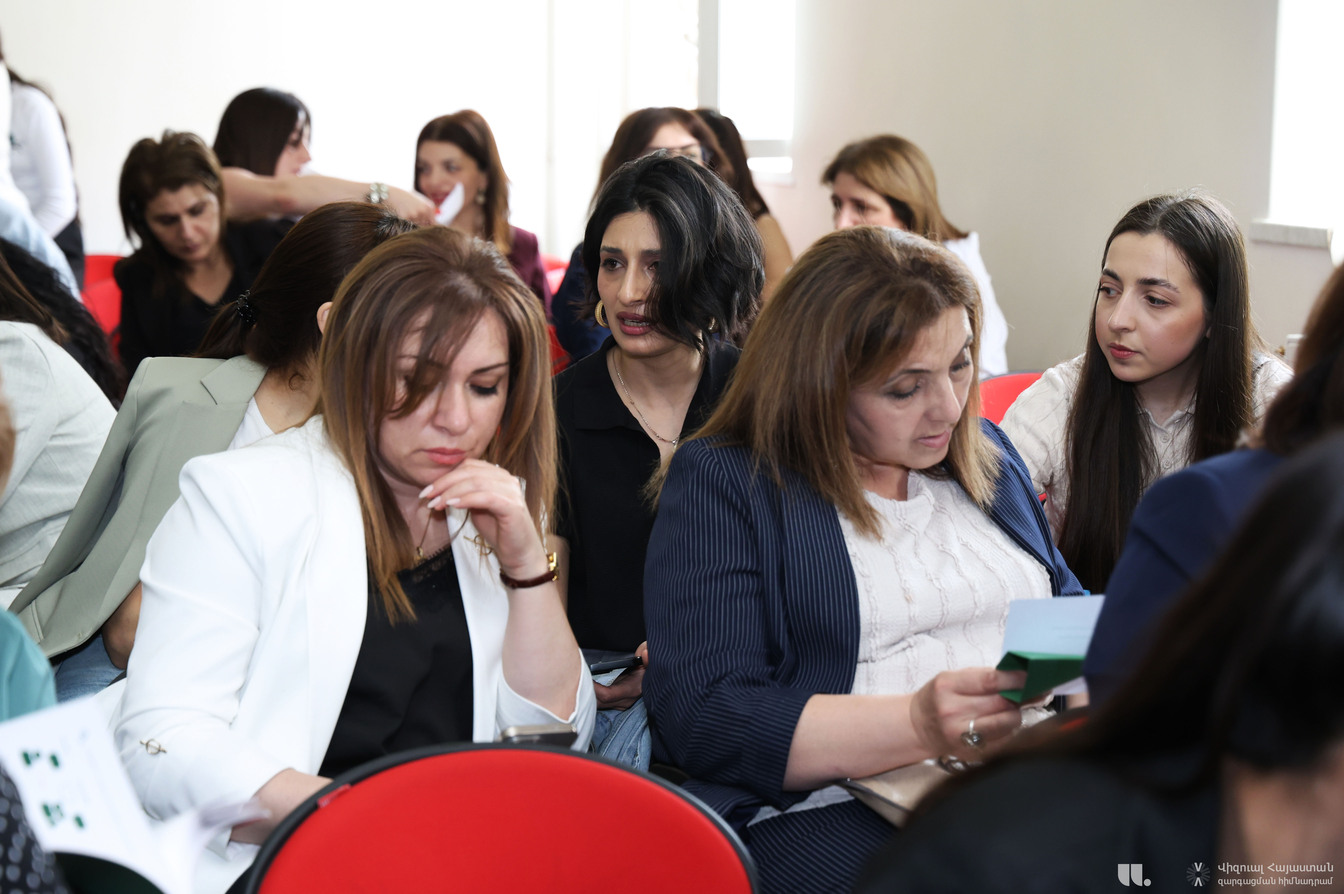
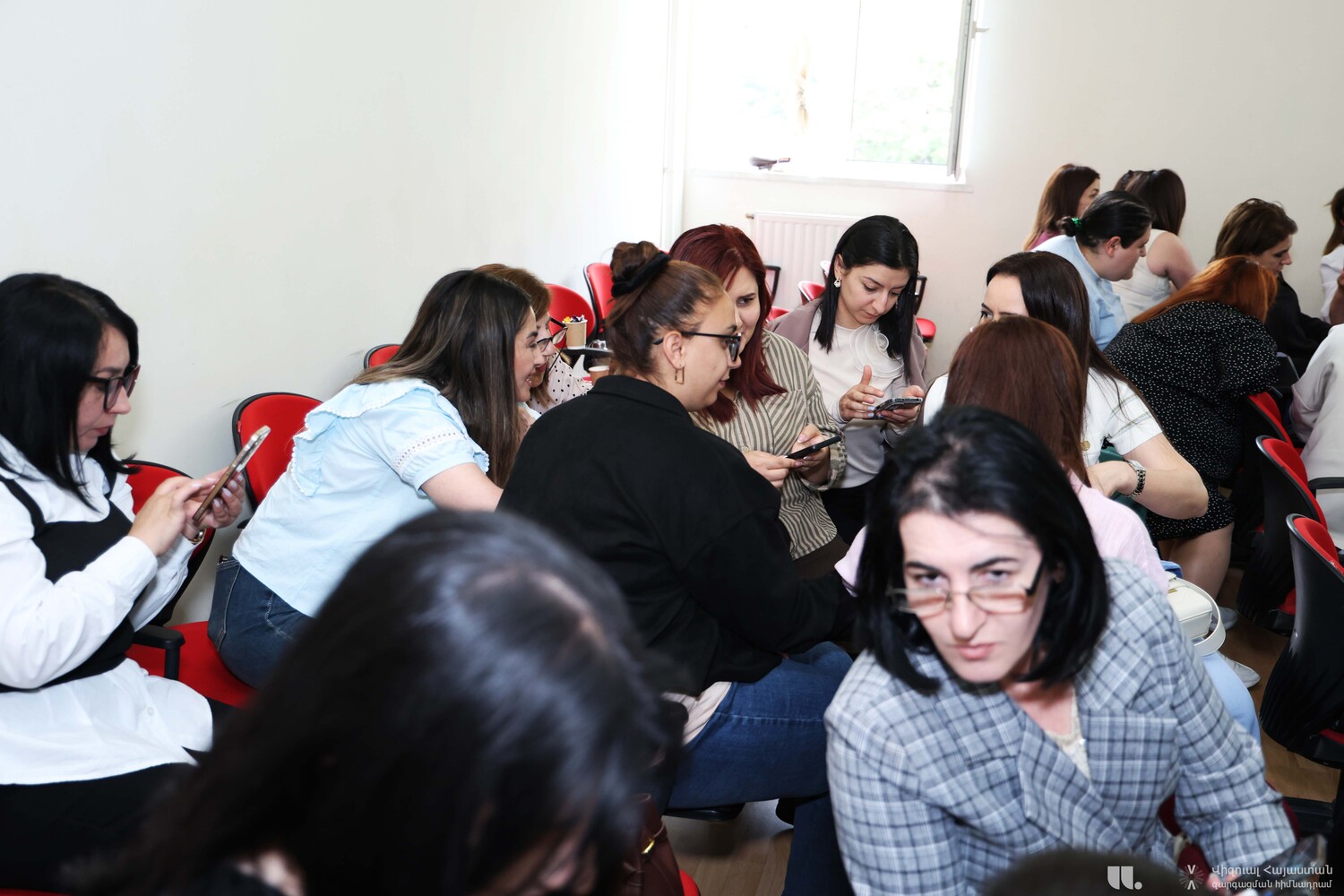
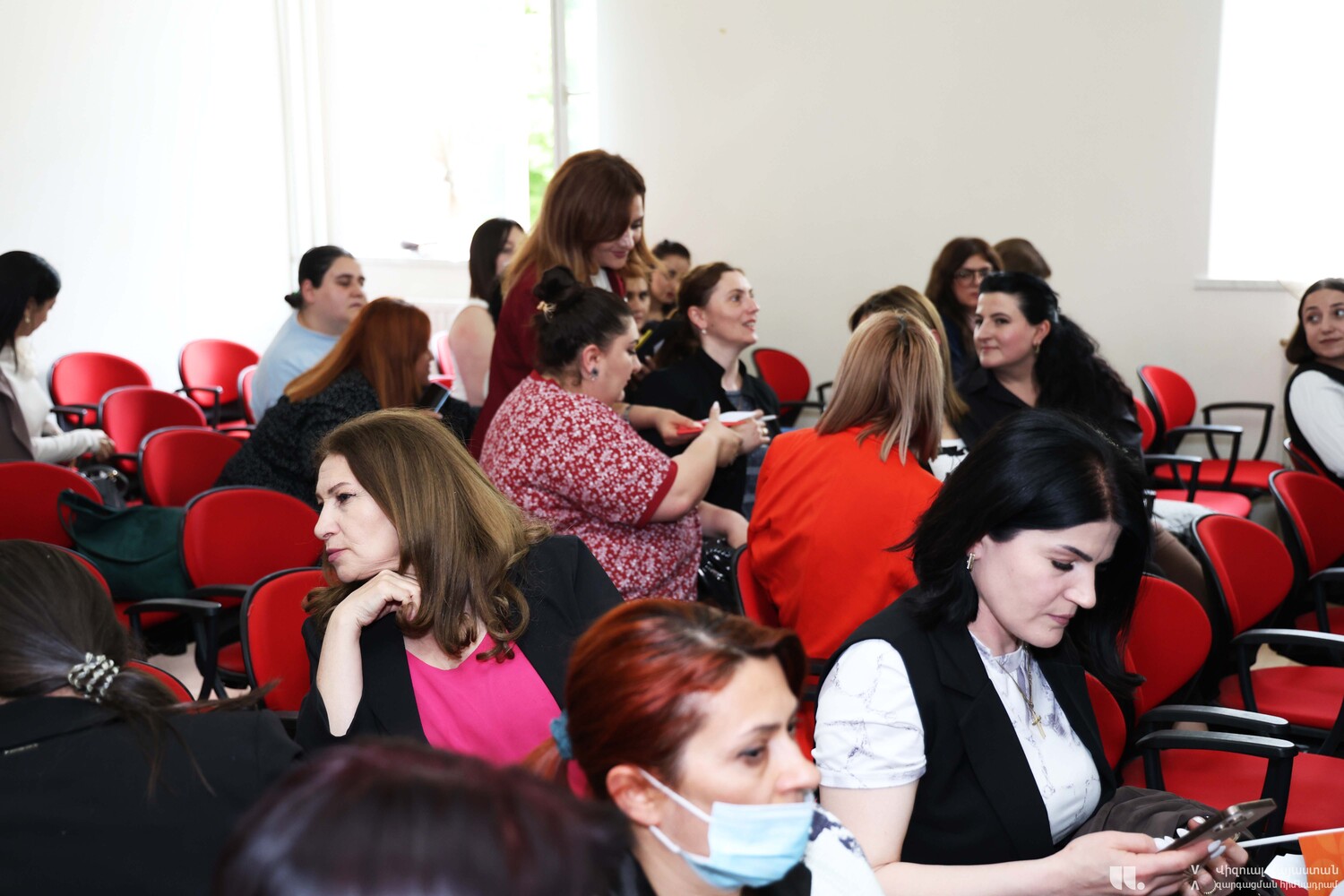
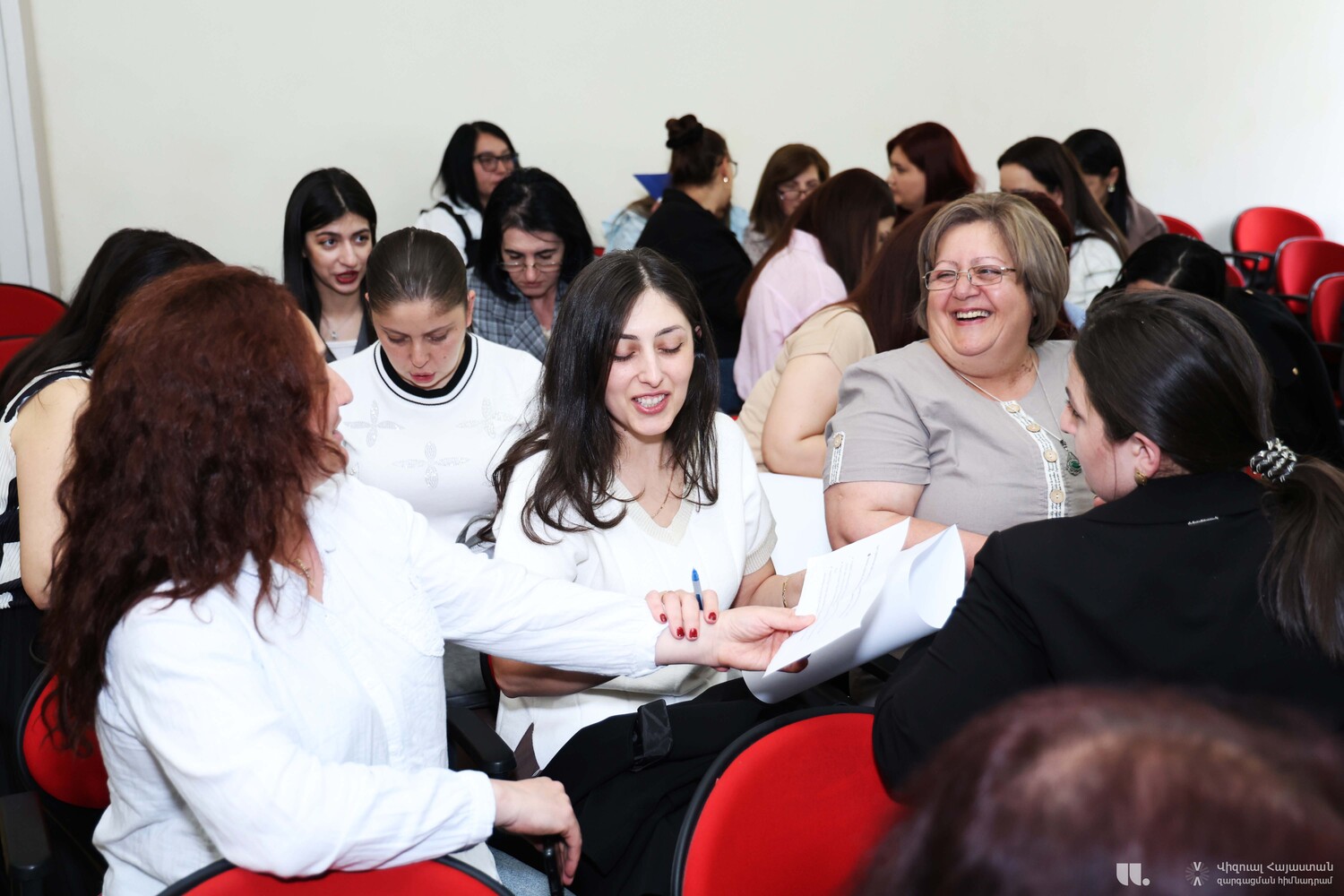
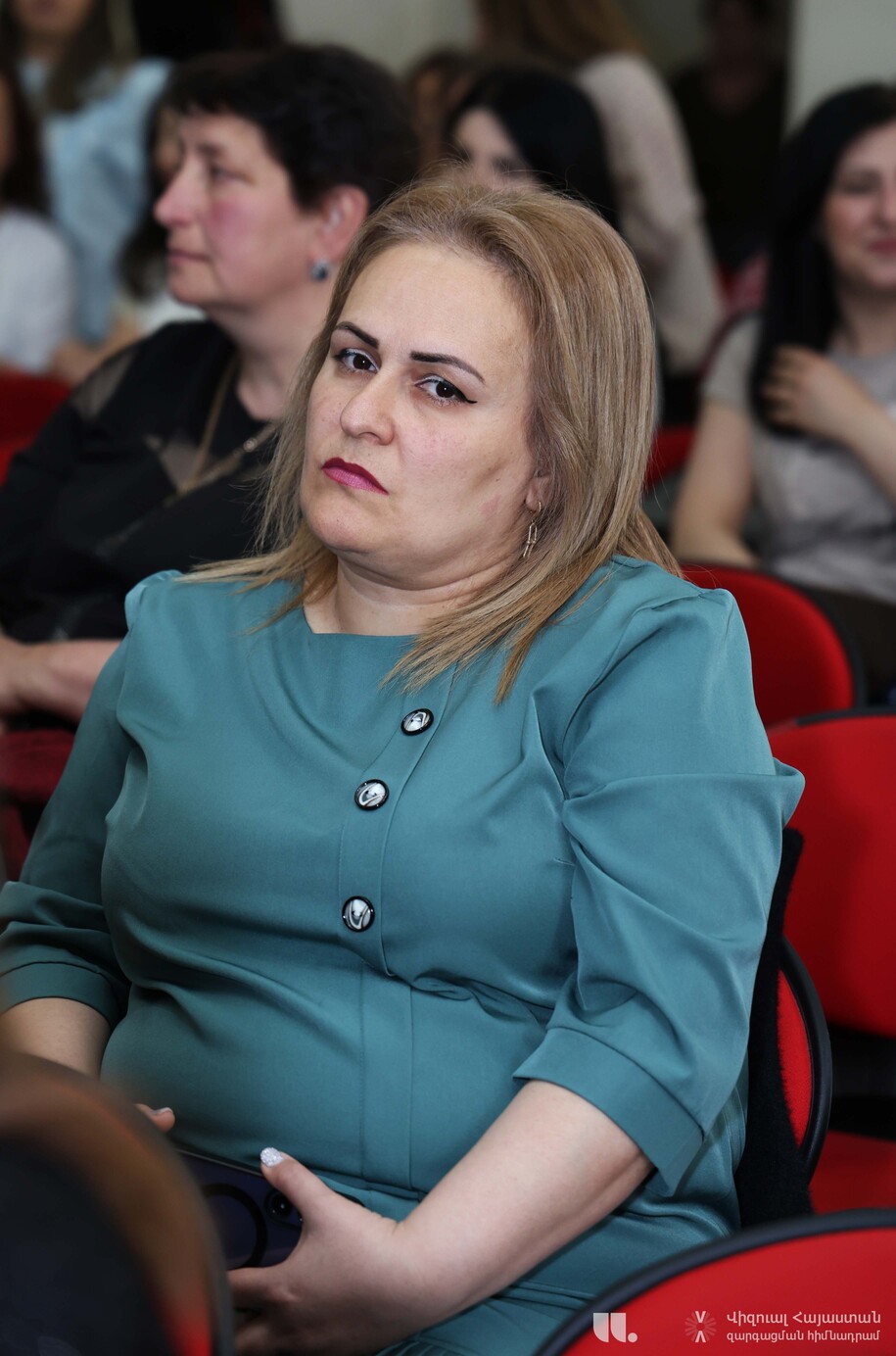
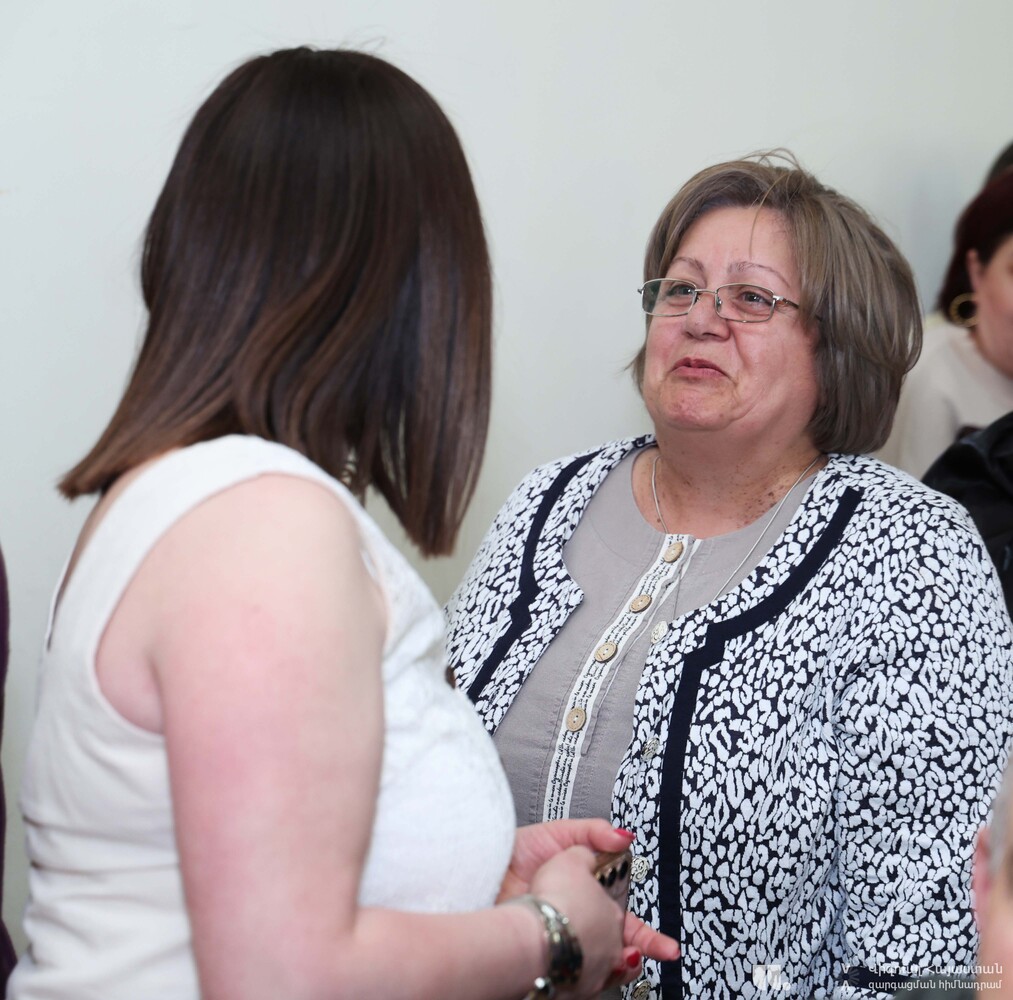
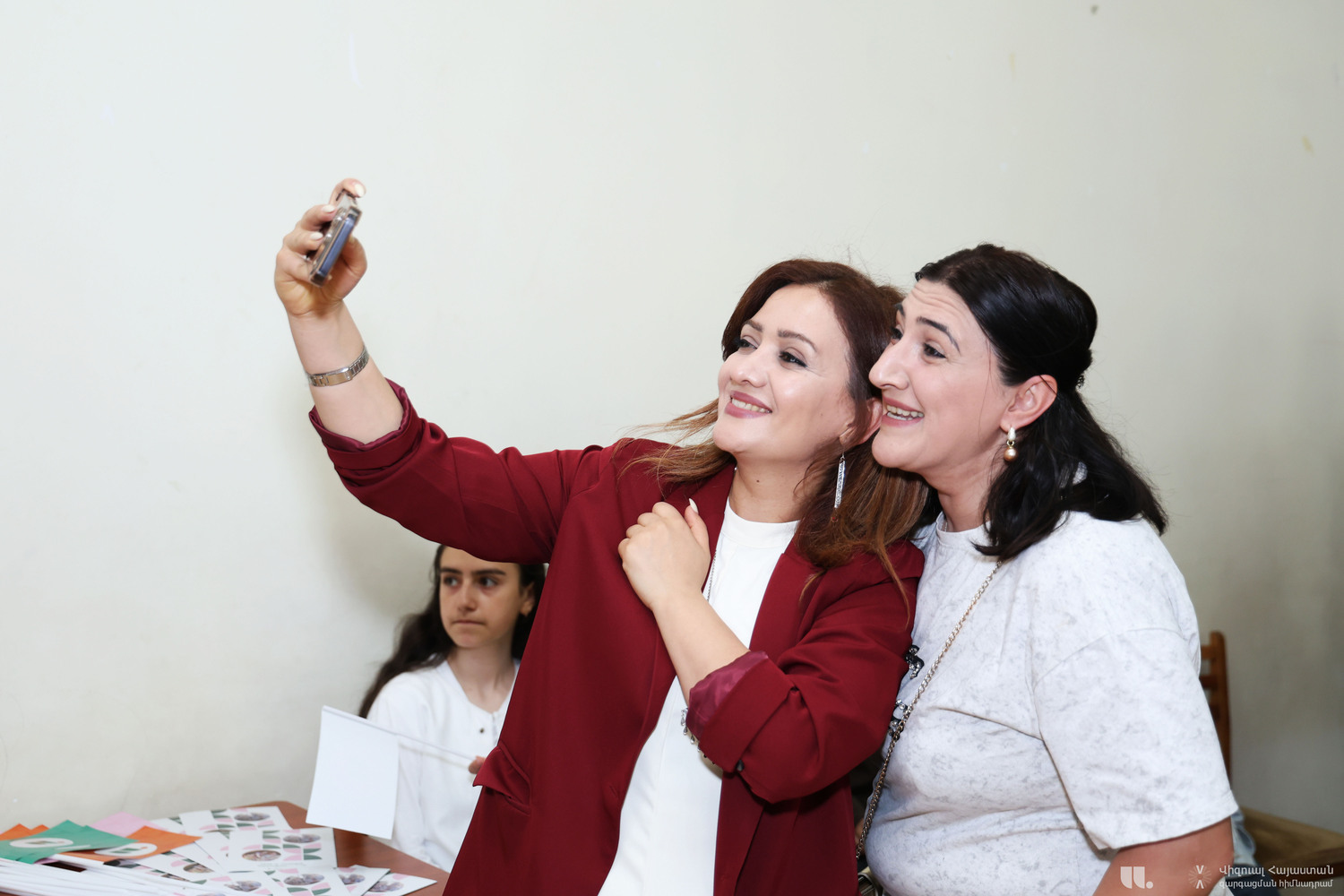
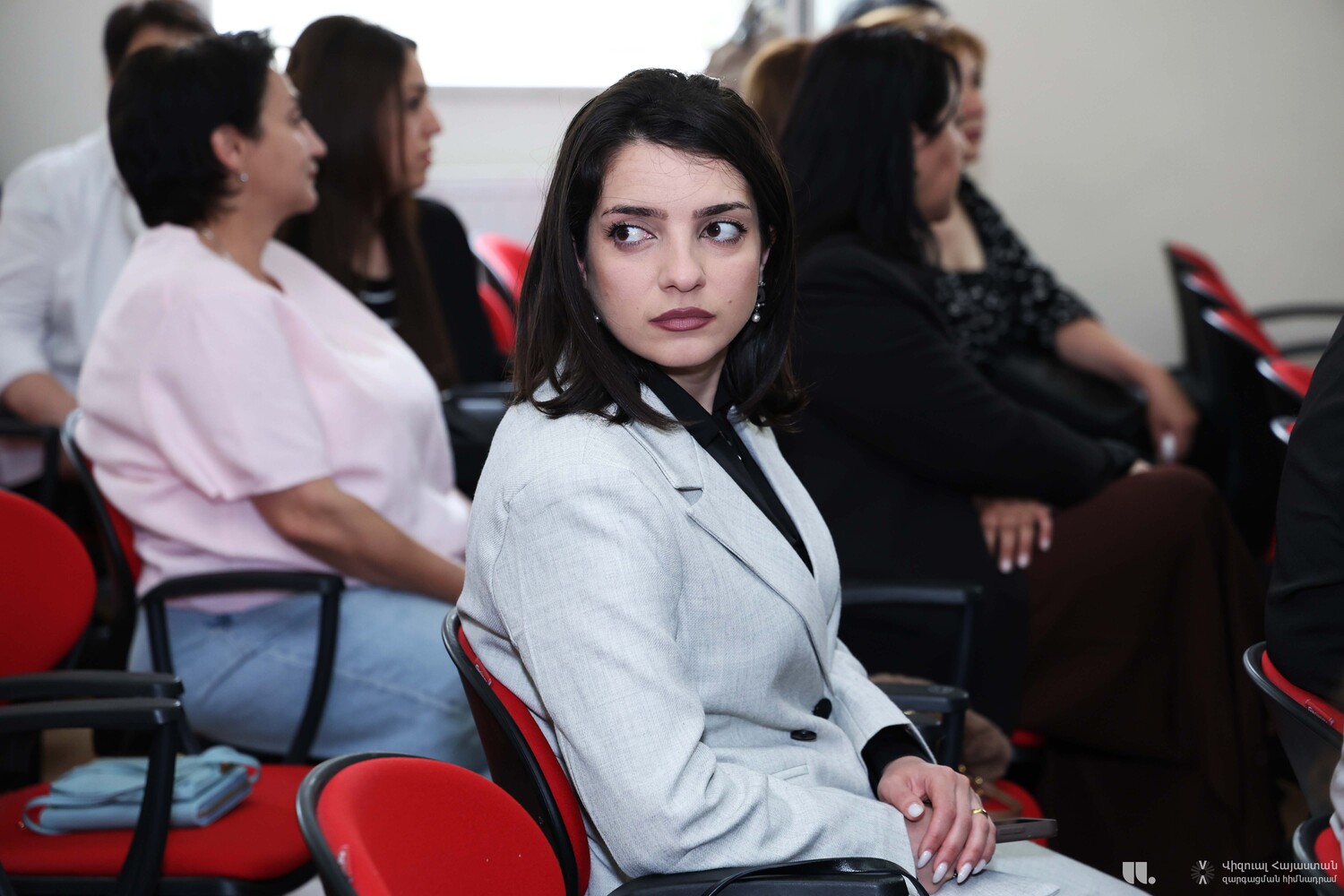
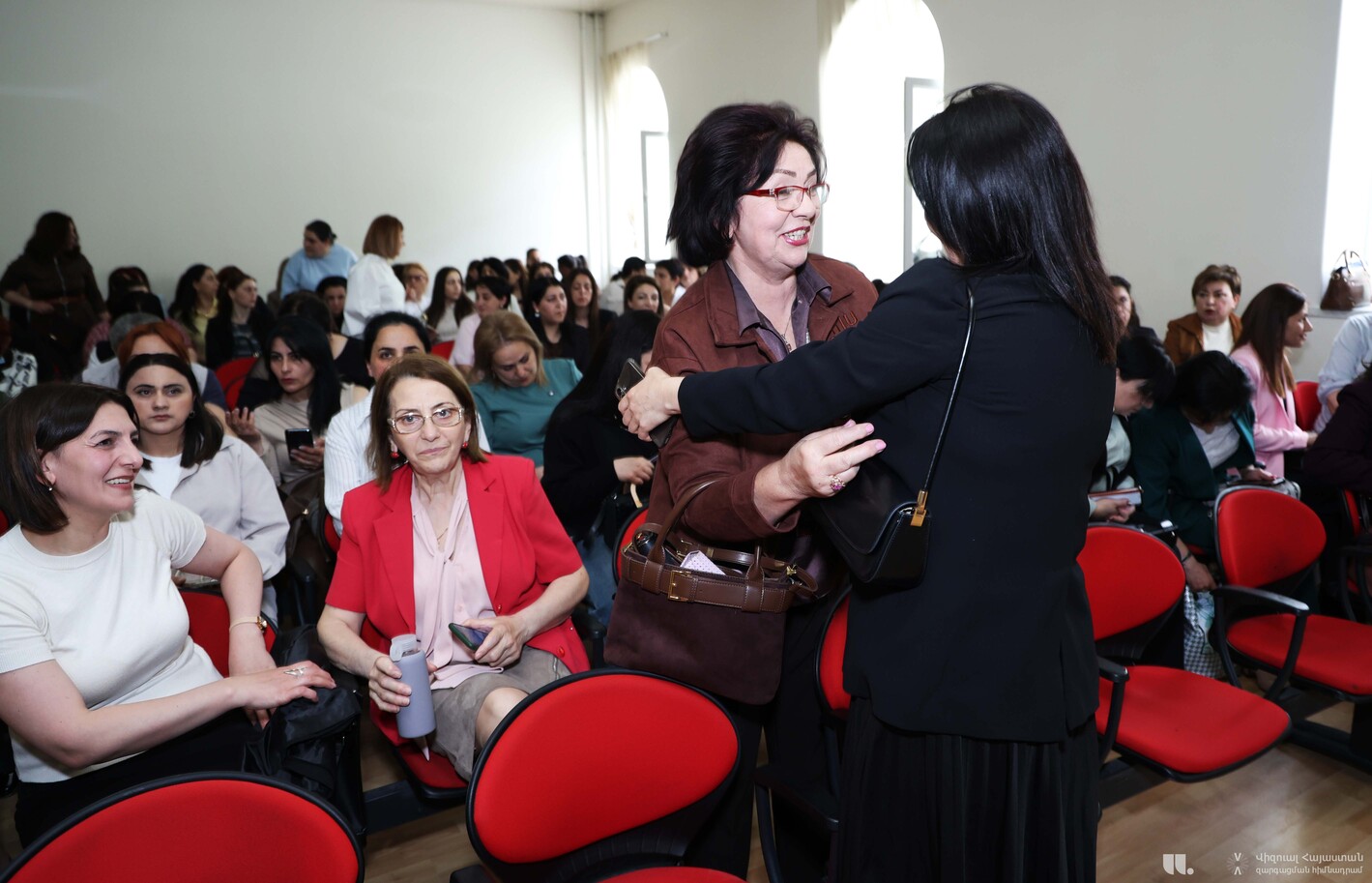
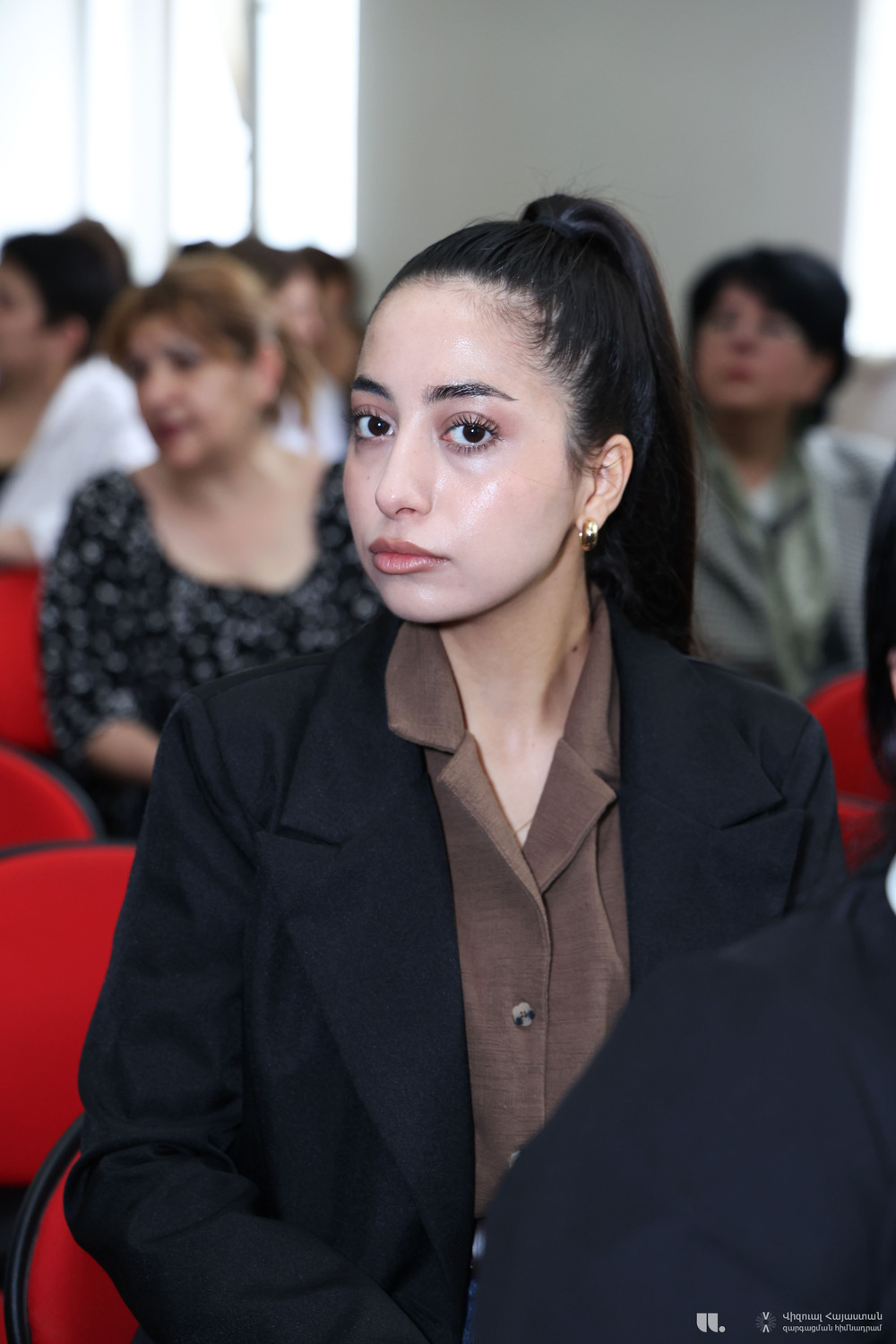
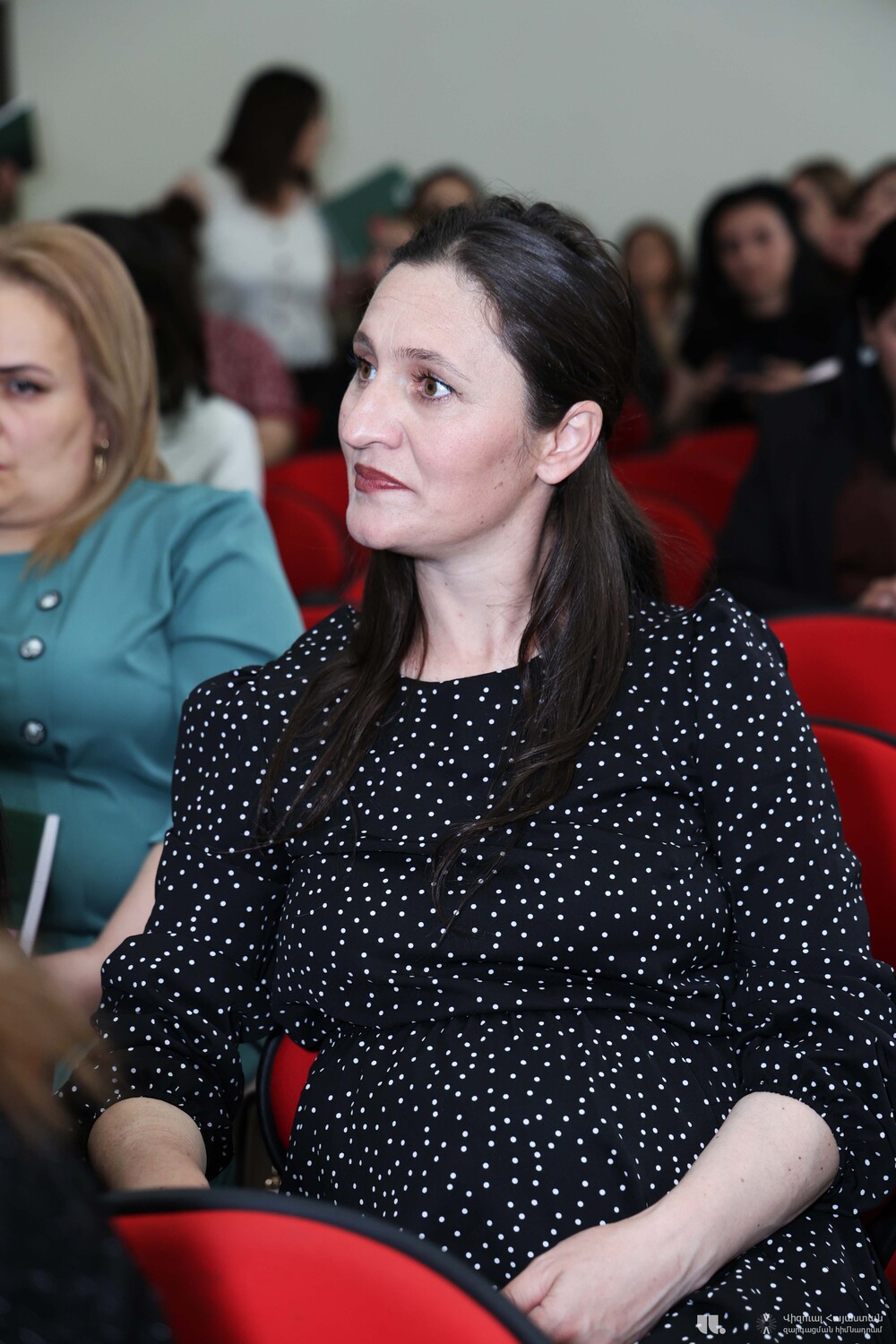
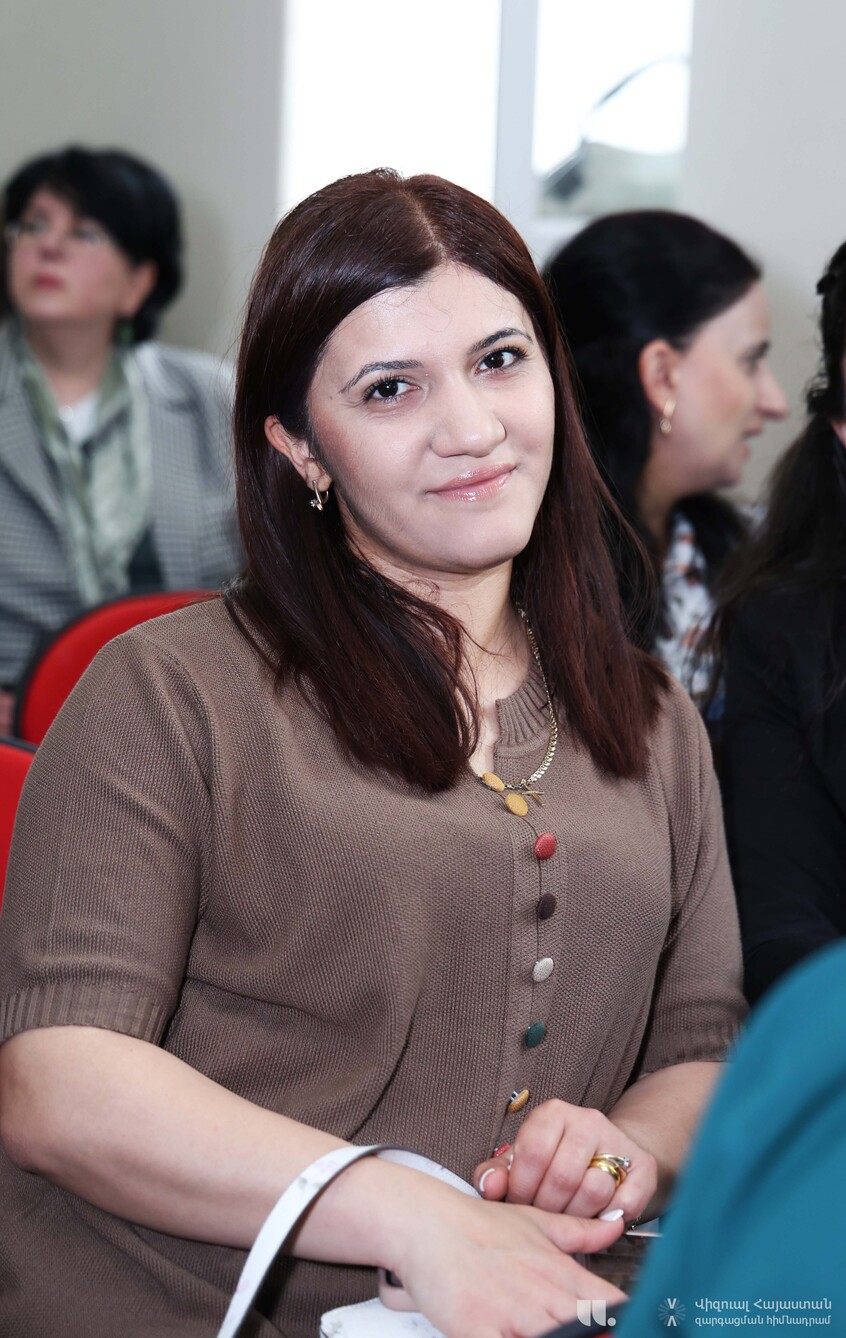
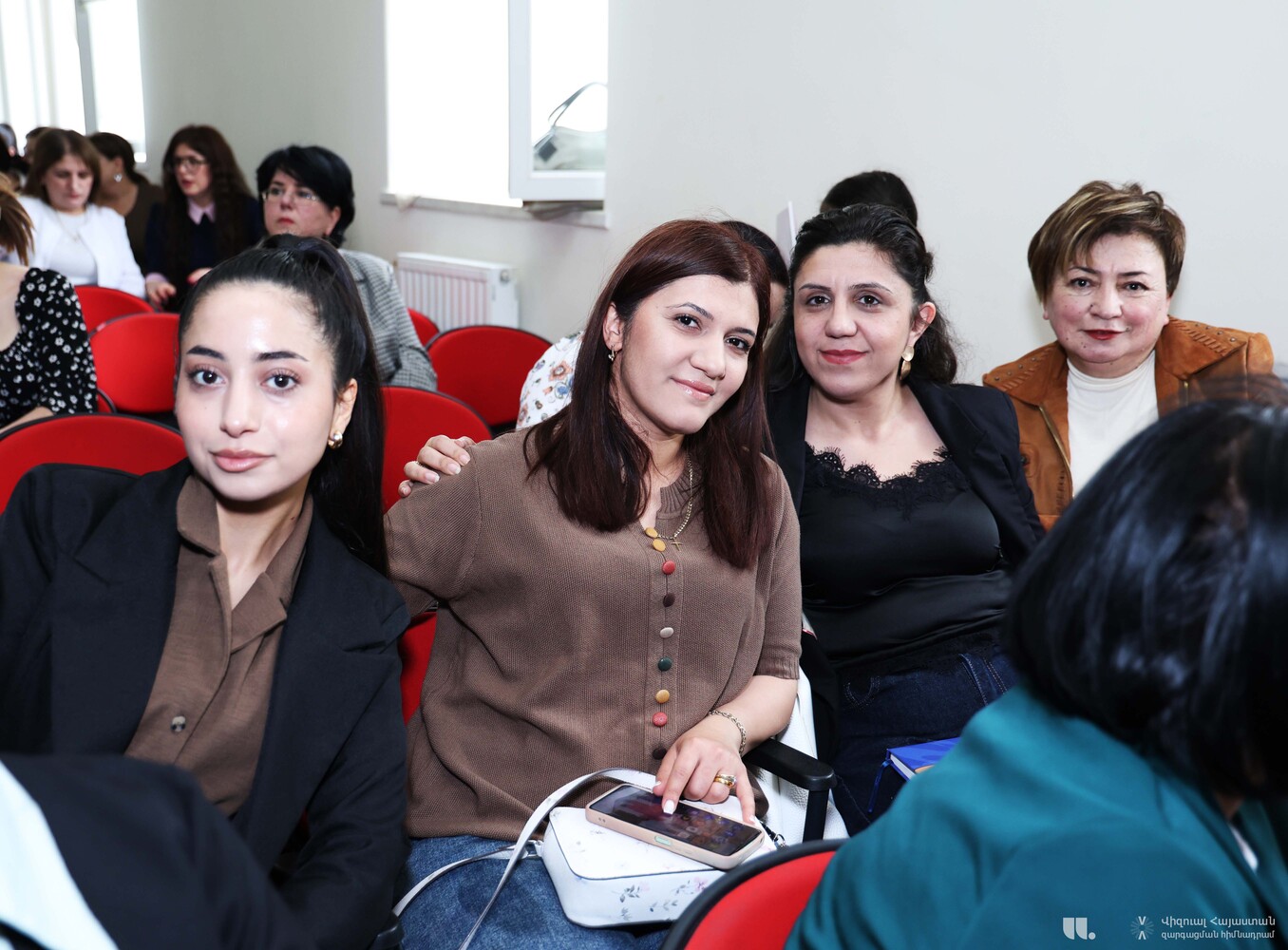
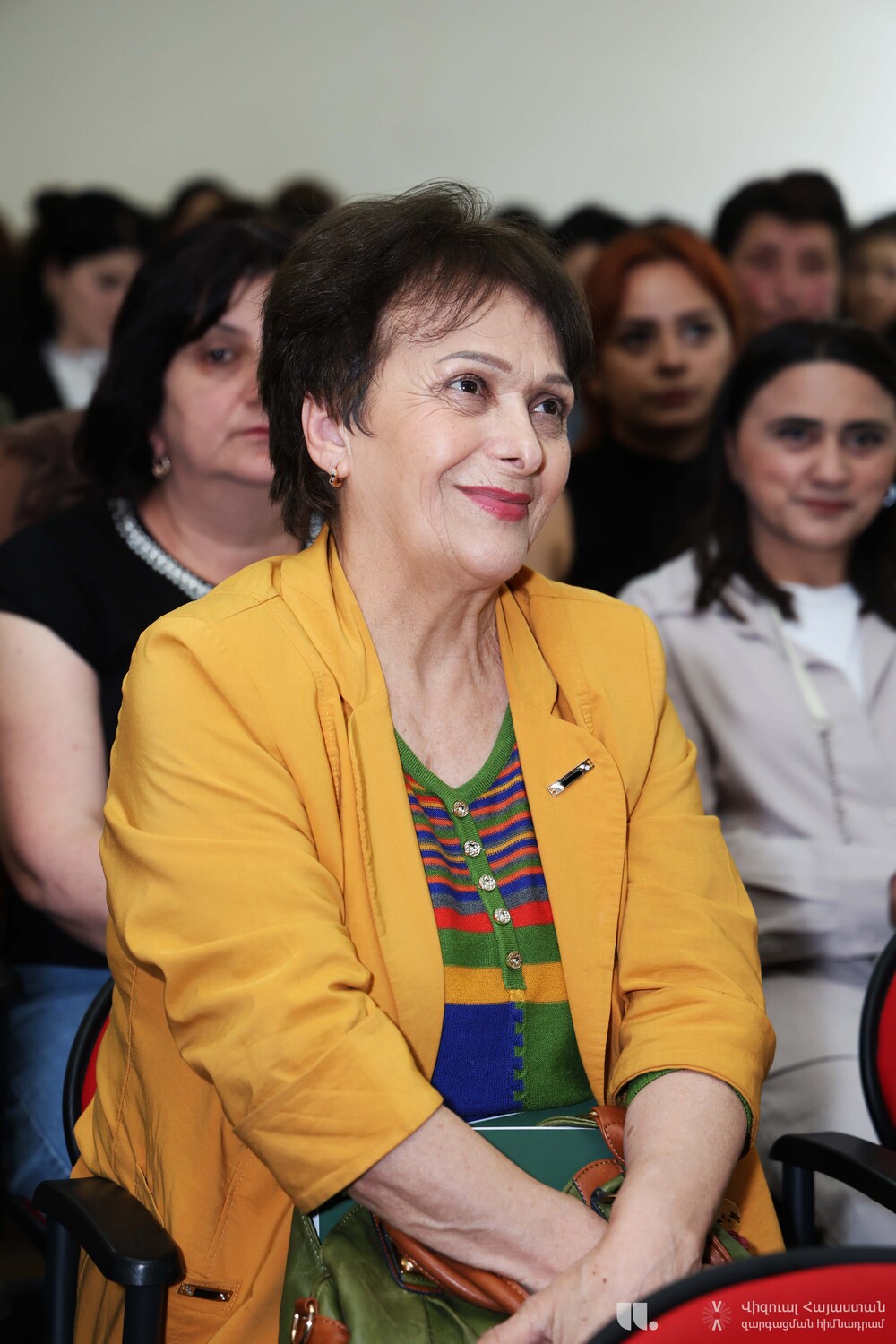
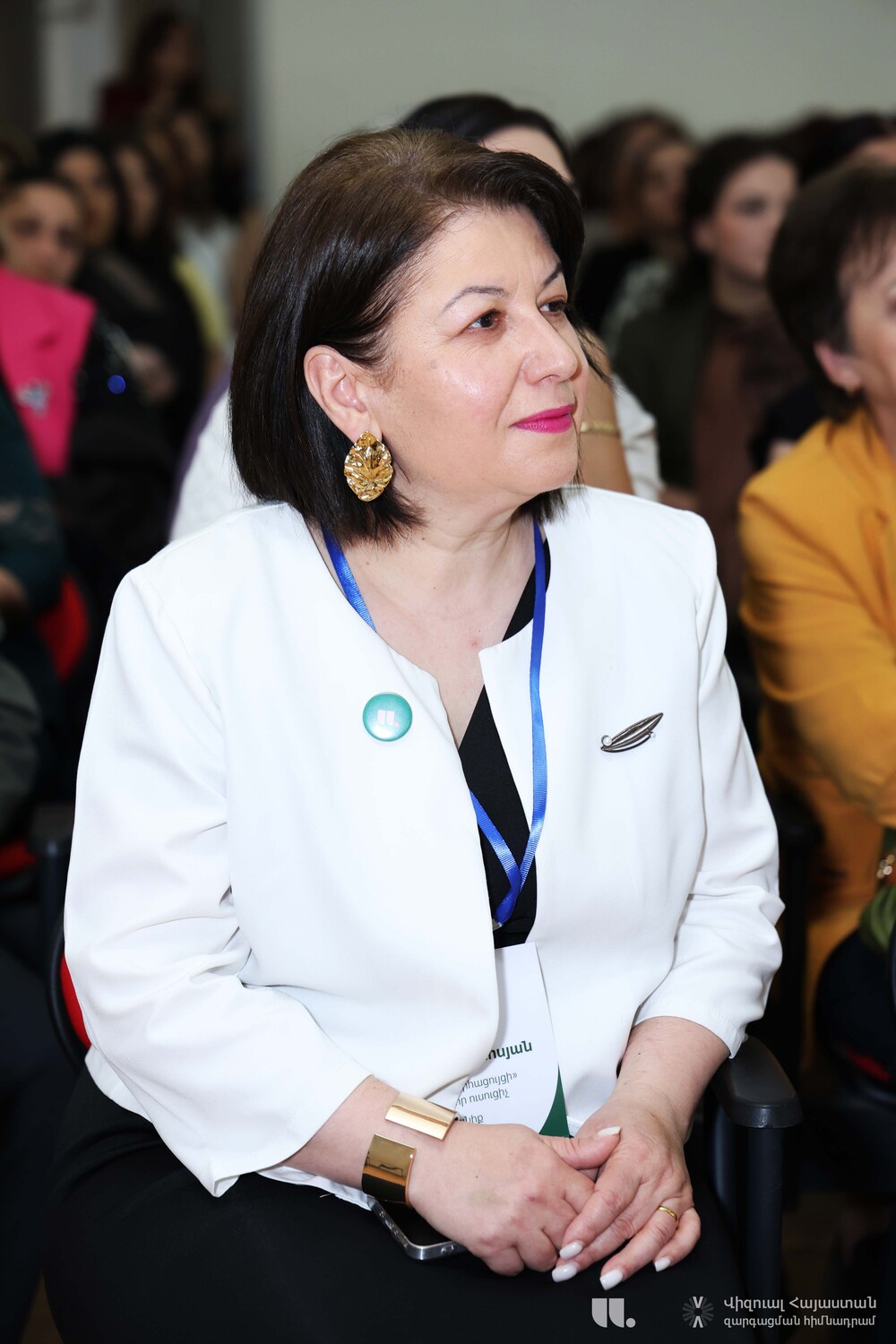
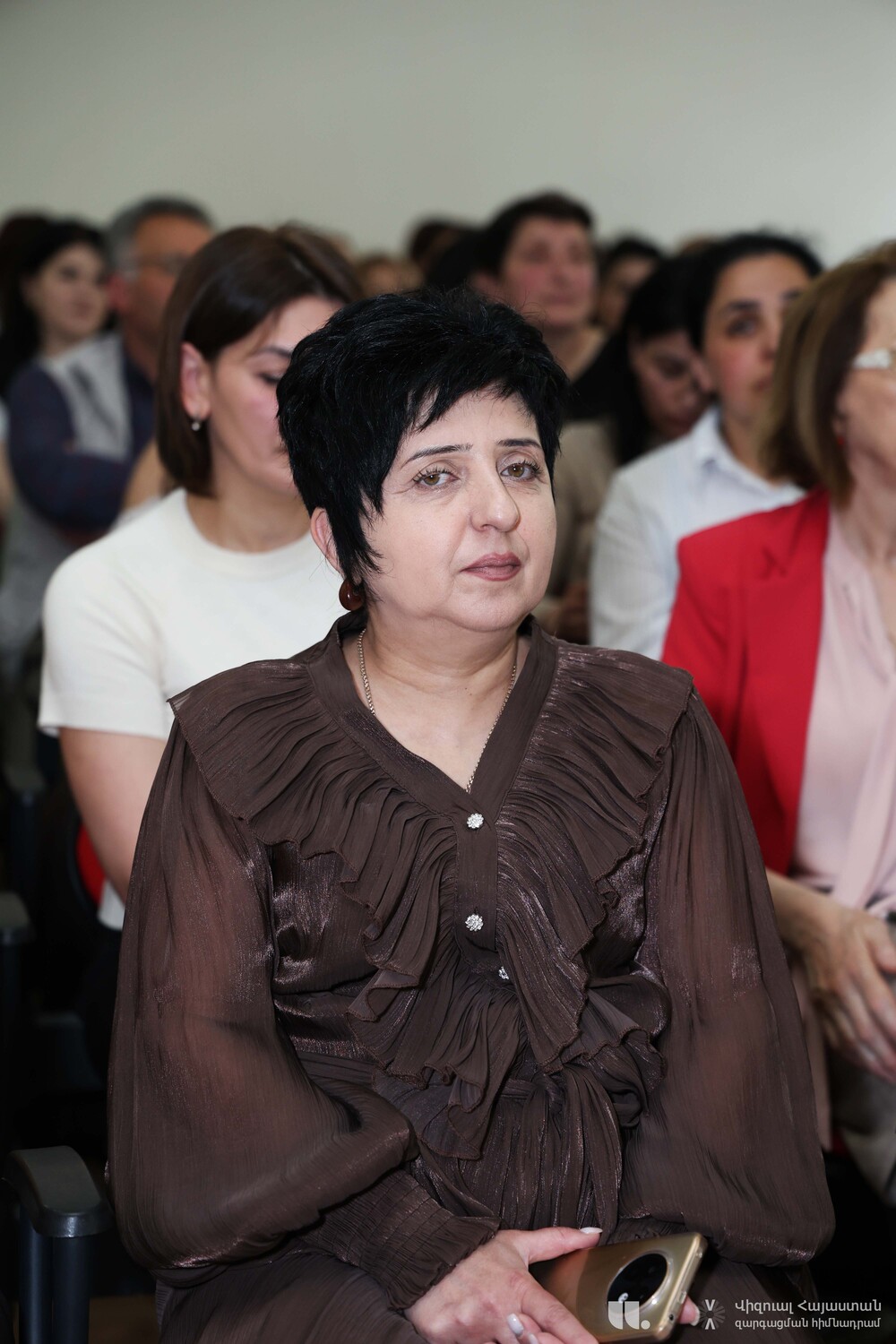
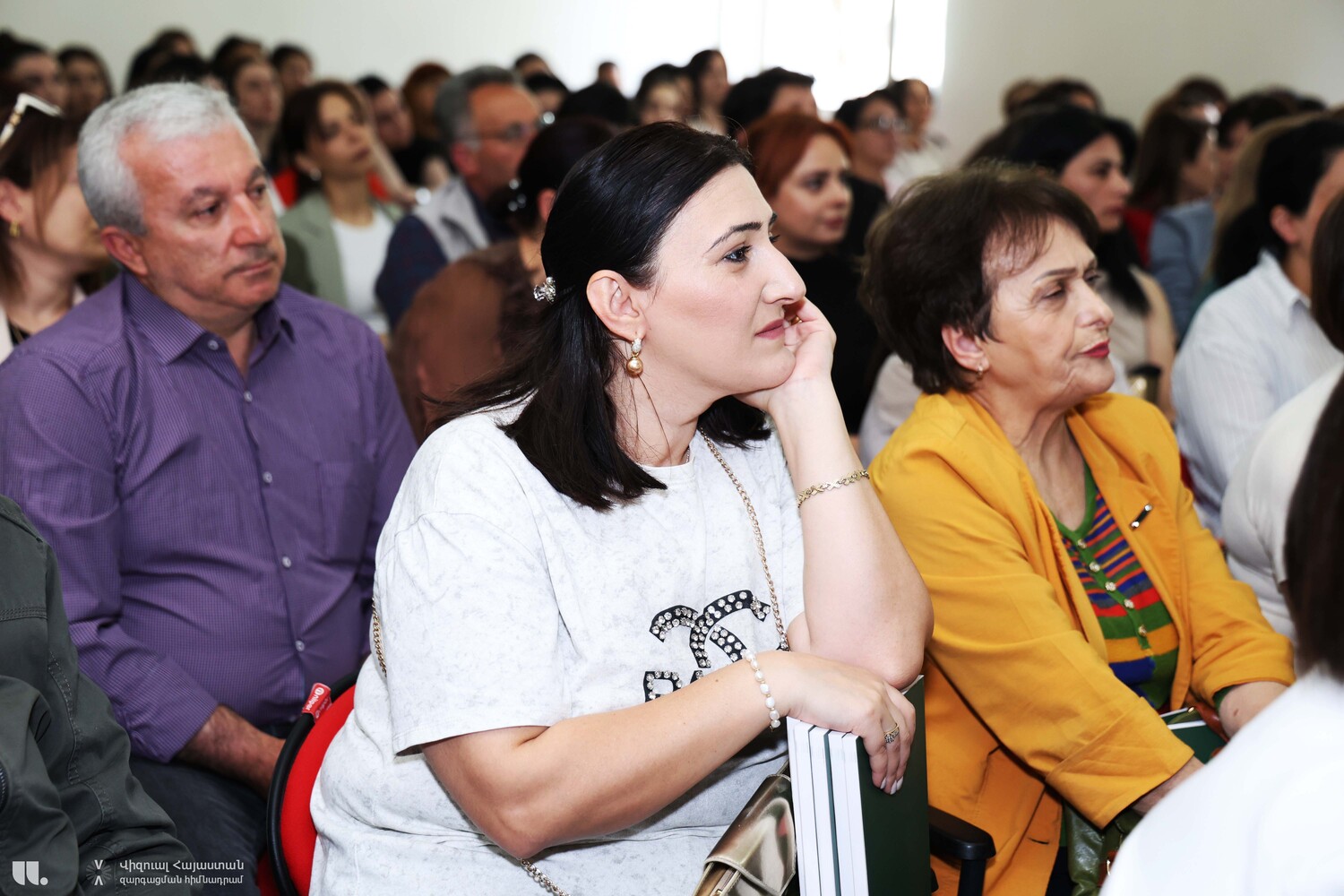
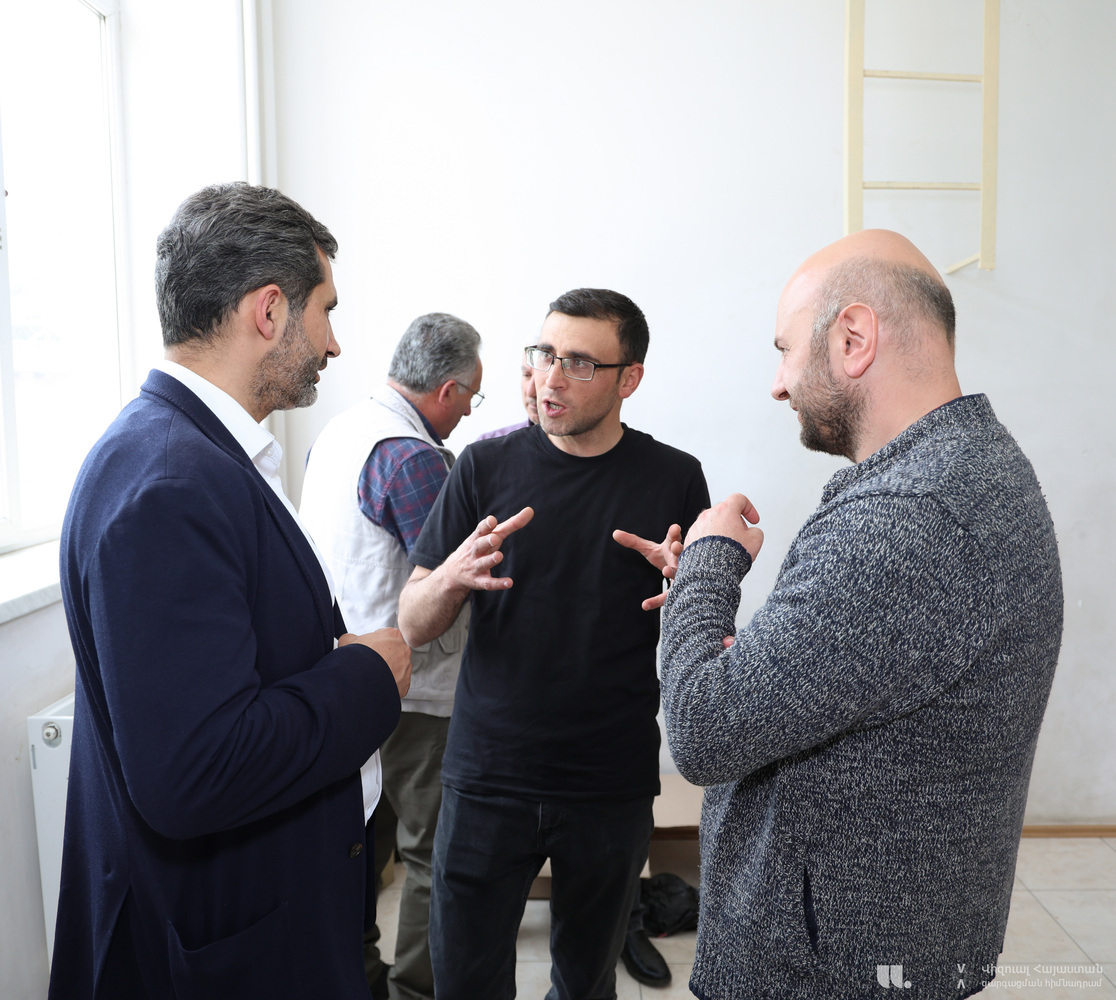
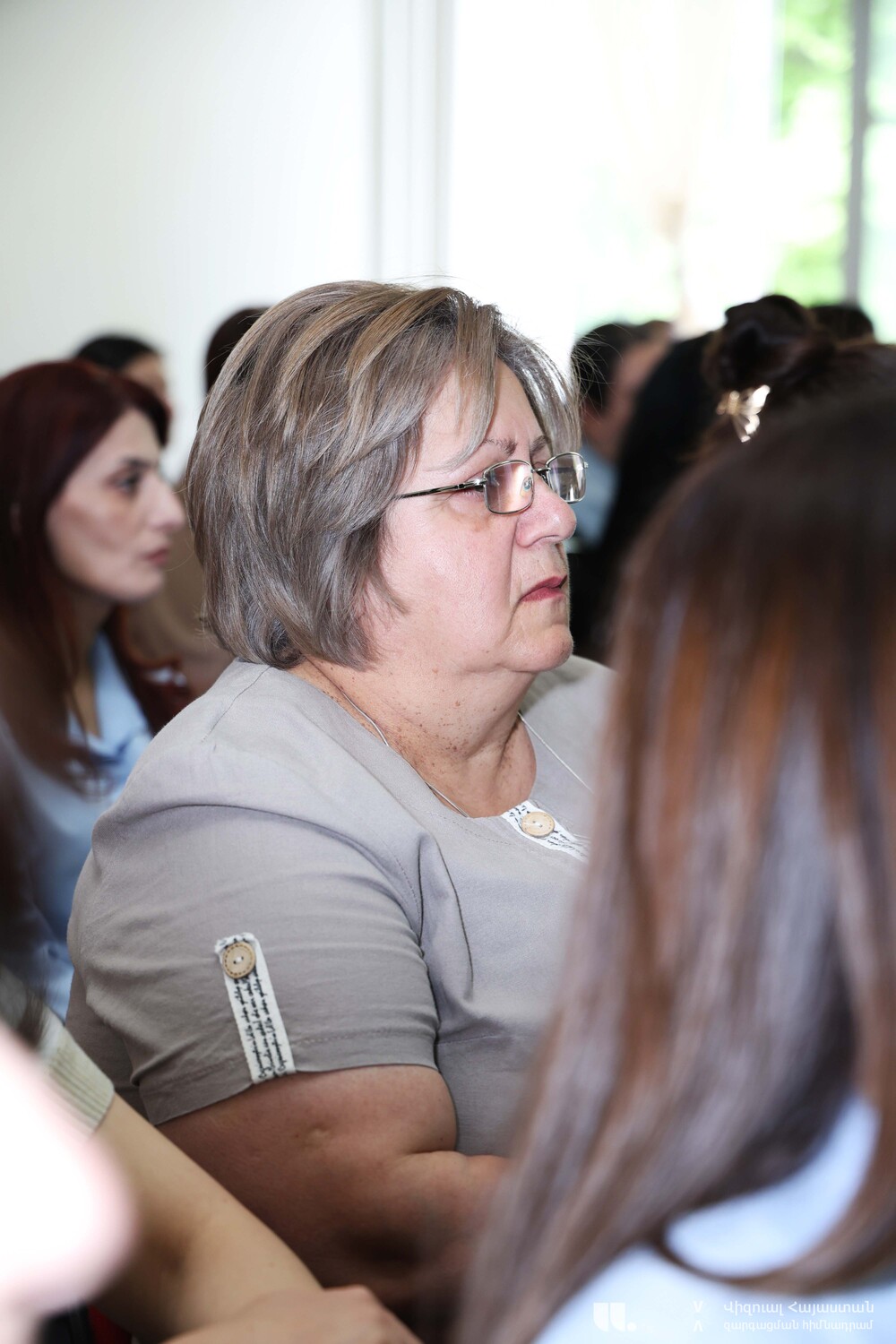
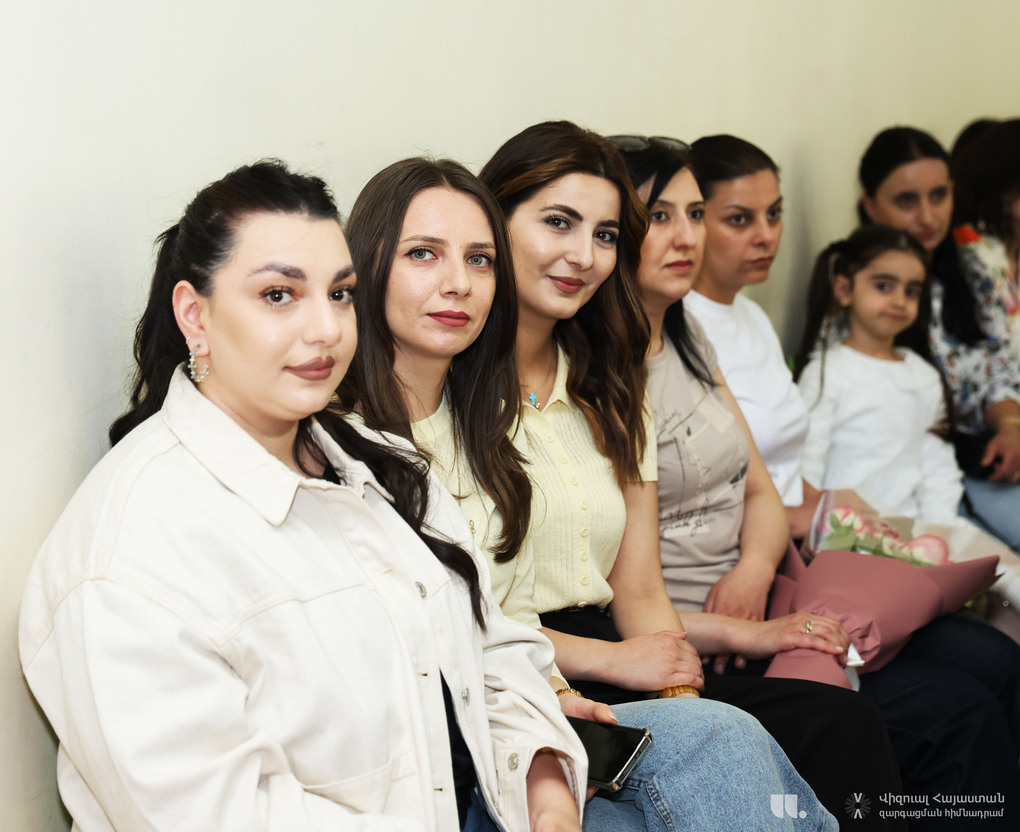
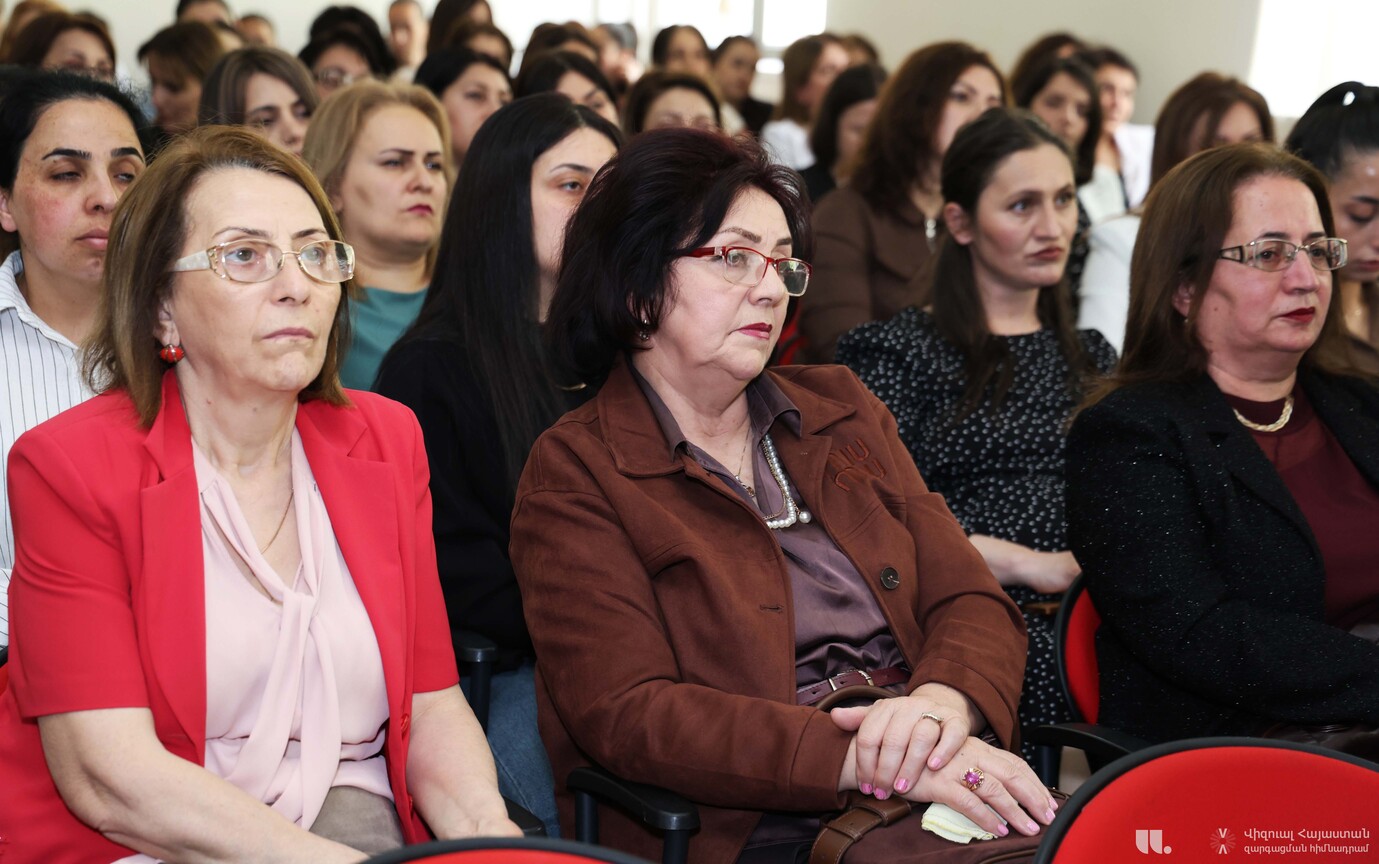
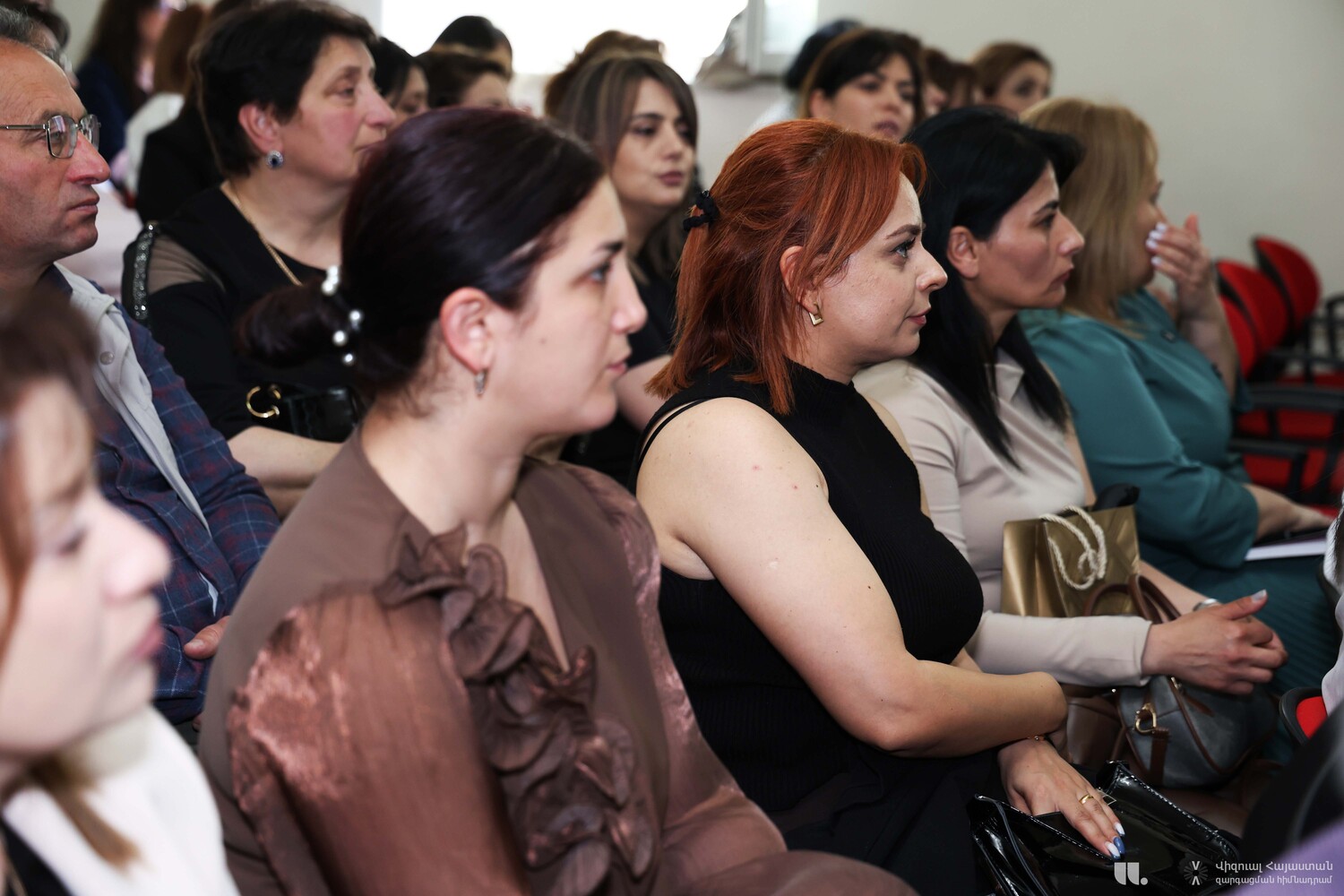
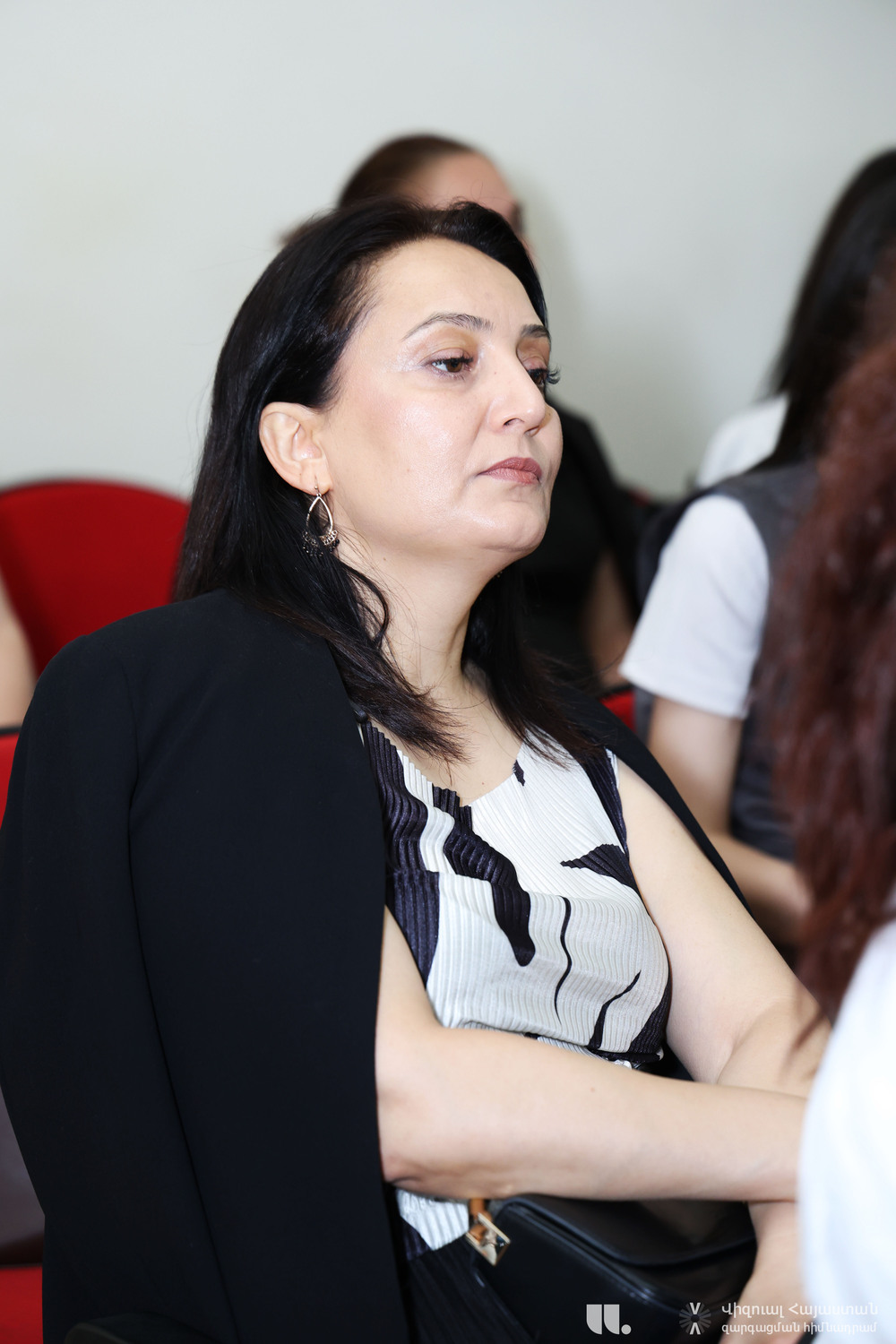
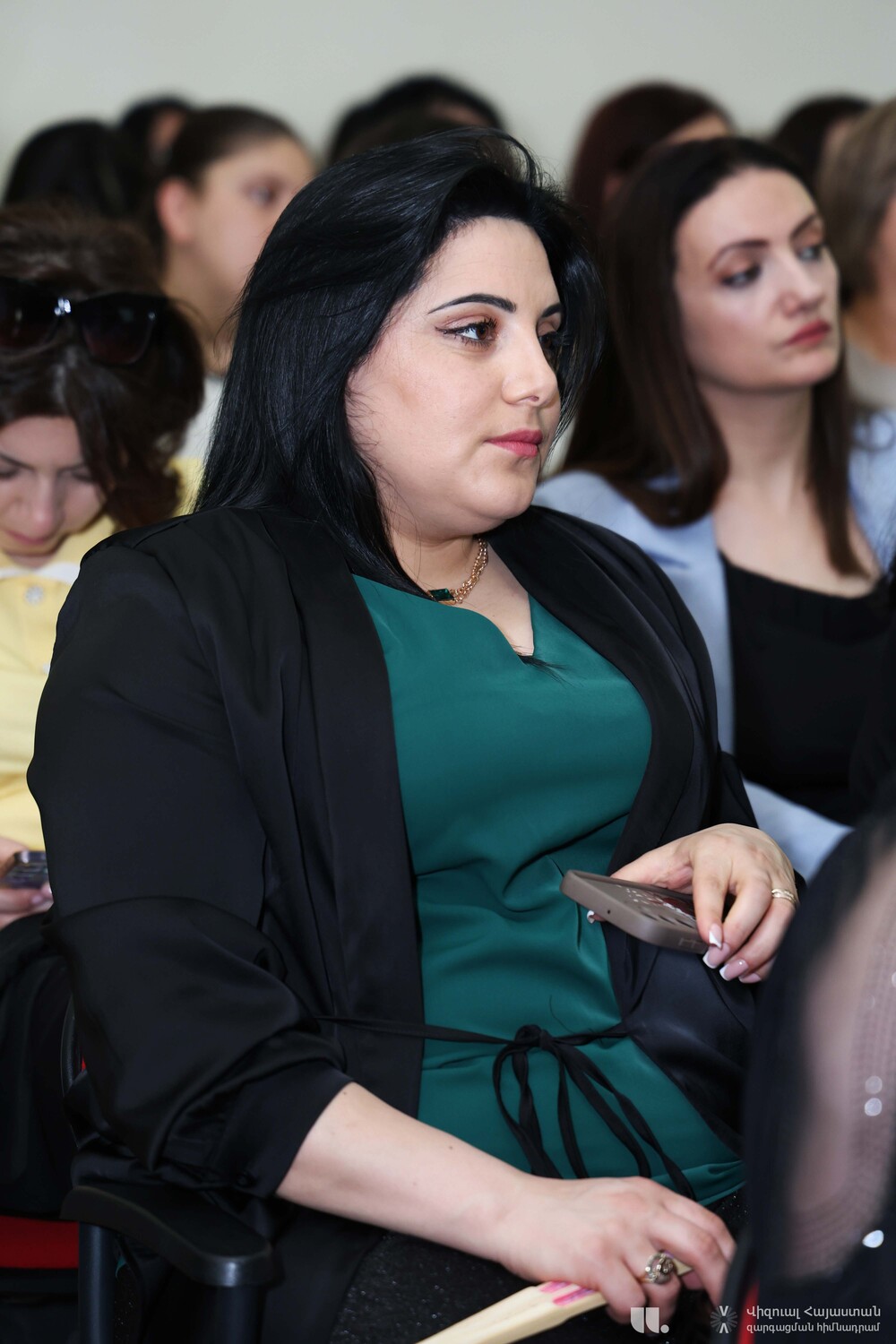
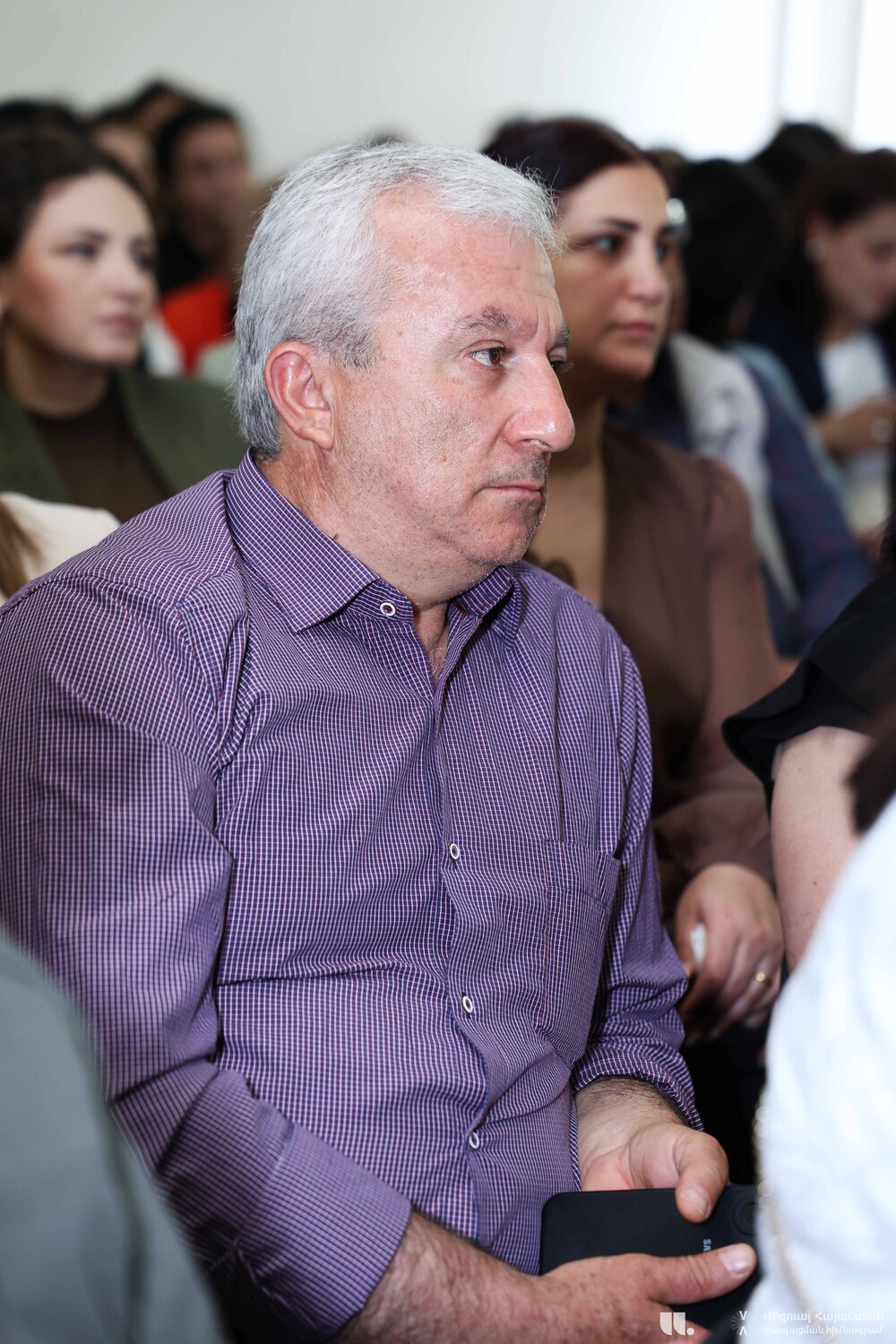
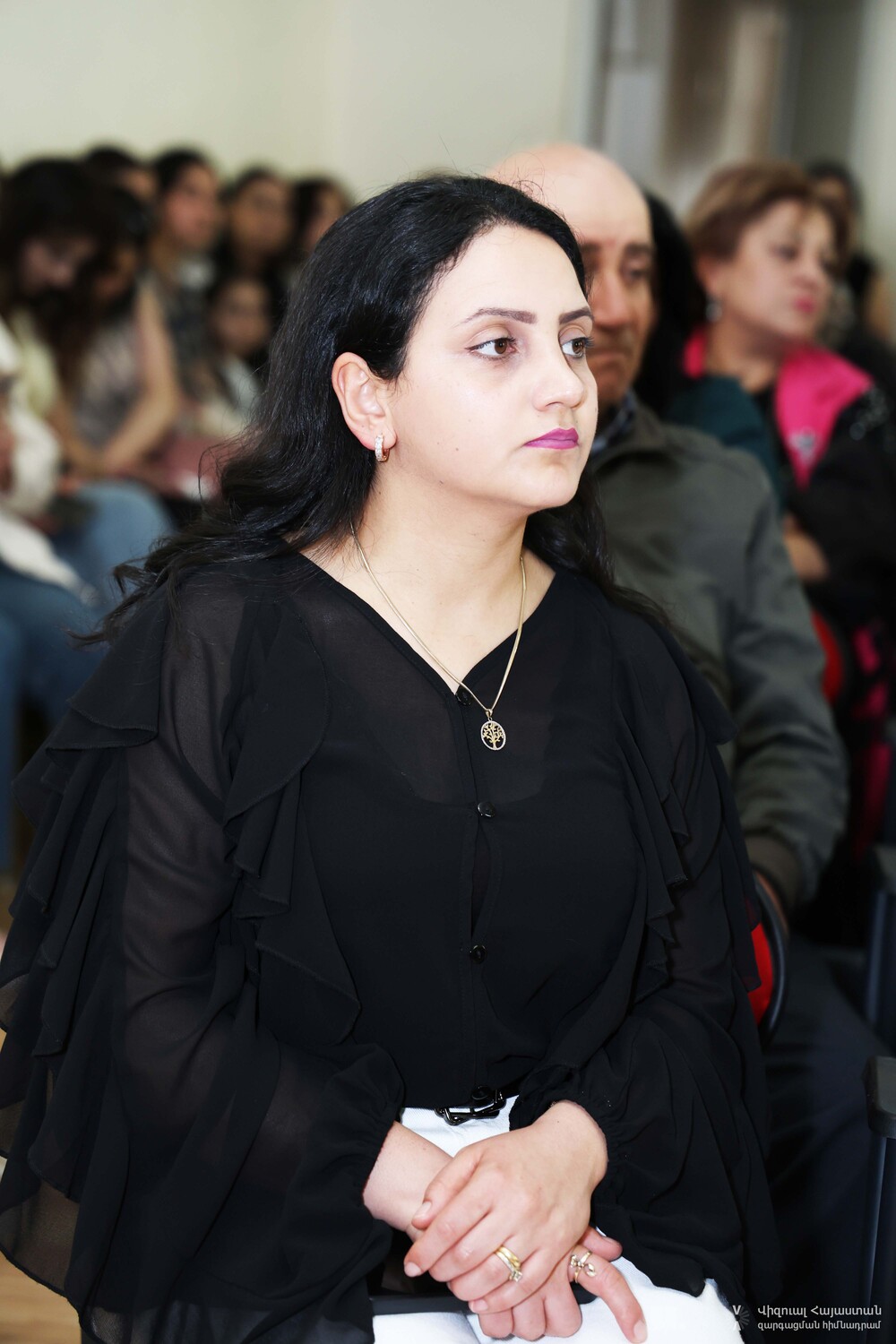
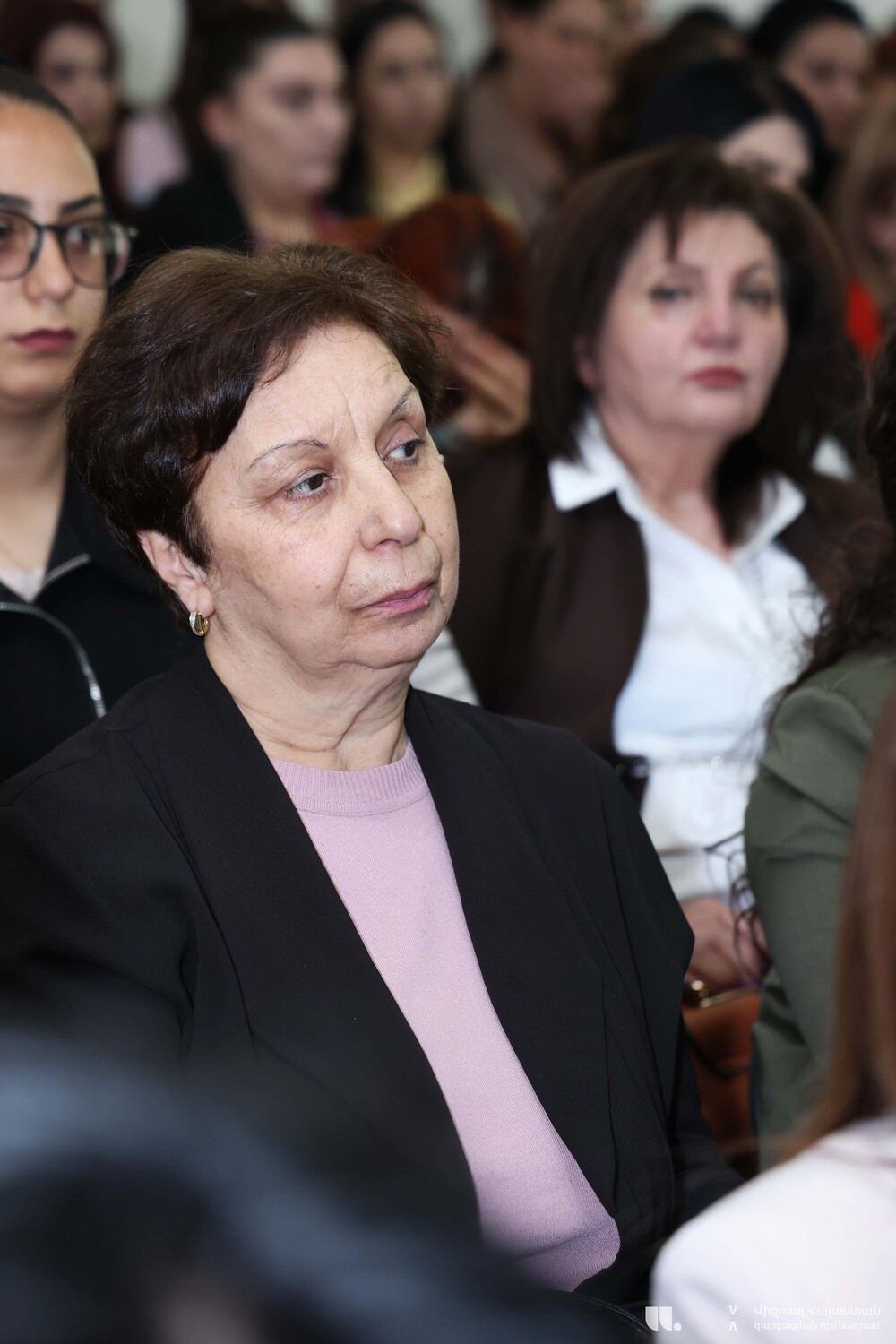
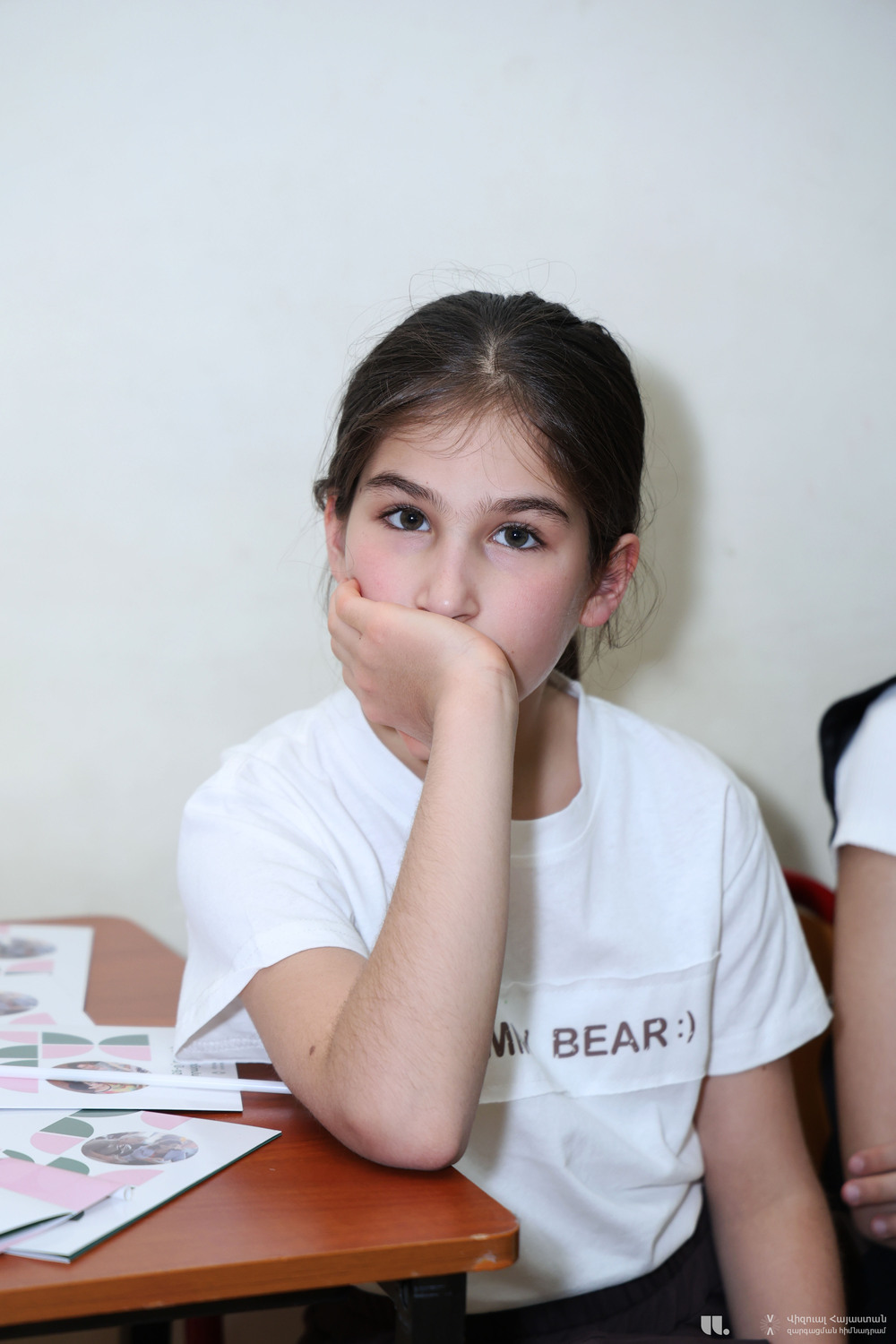
The event brought together school principals, teachers, members of the wider educational community, and program participants from across the province for a shared dialogue on educational transformation, collaboration, and the future of schooling.
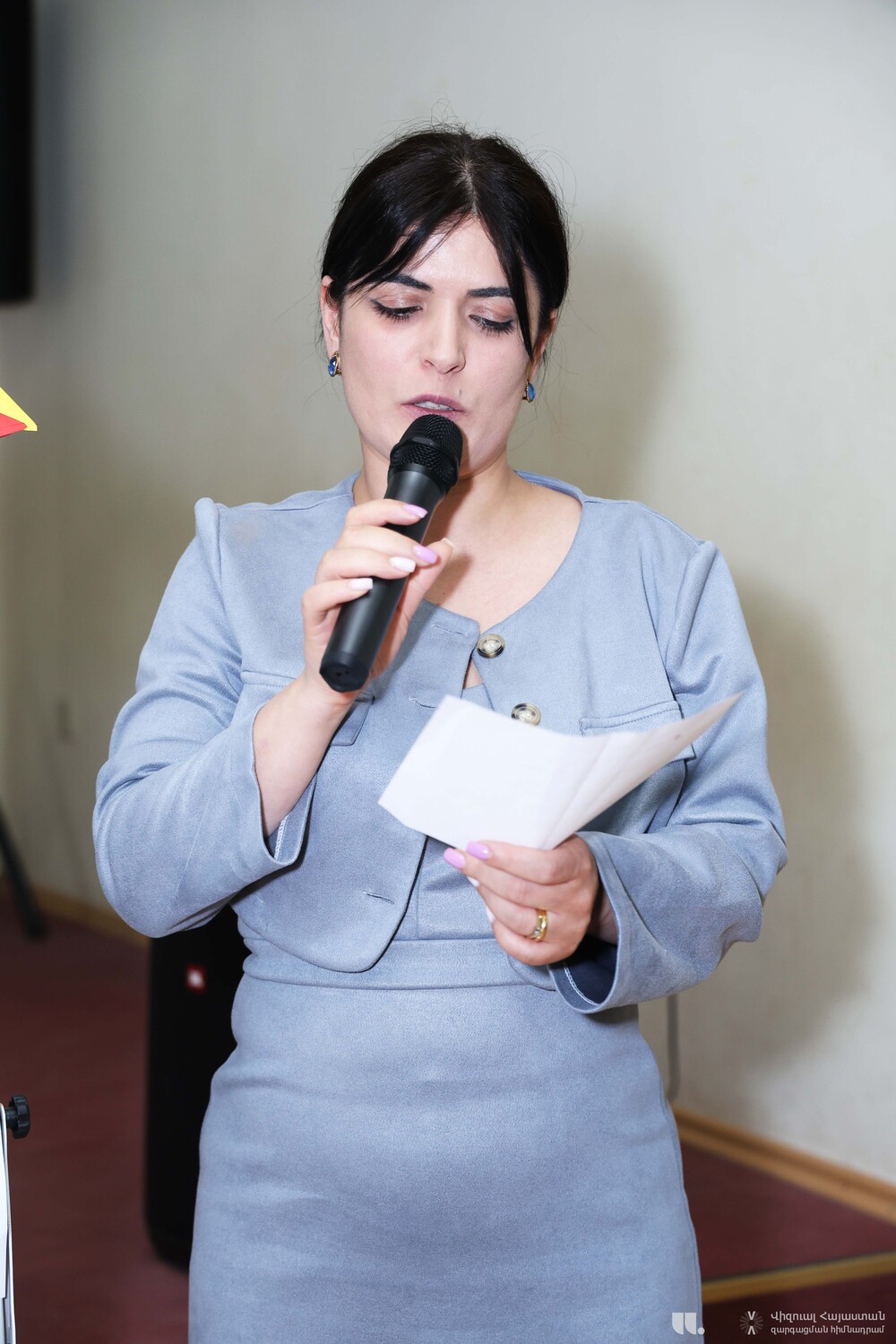
More than 150 participants were welcomed by Arthur Mnatsakanyan, Principal of Kapan Secondary School No. 3, who emphasized the importance of such initiatives in strengthening regional educational ecosystems and fostering meaningful community collaboration.
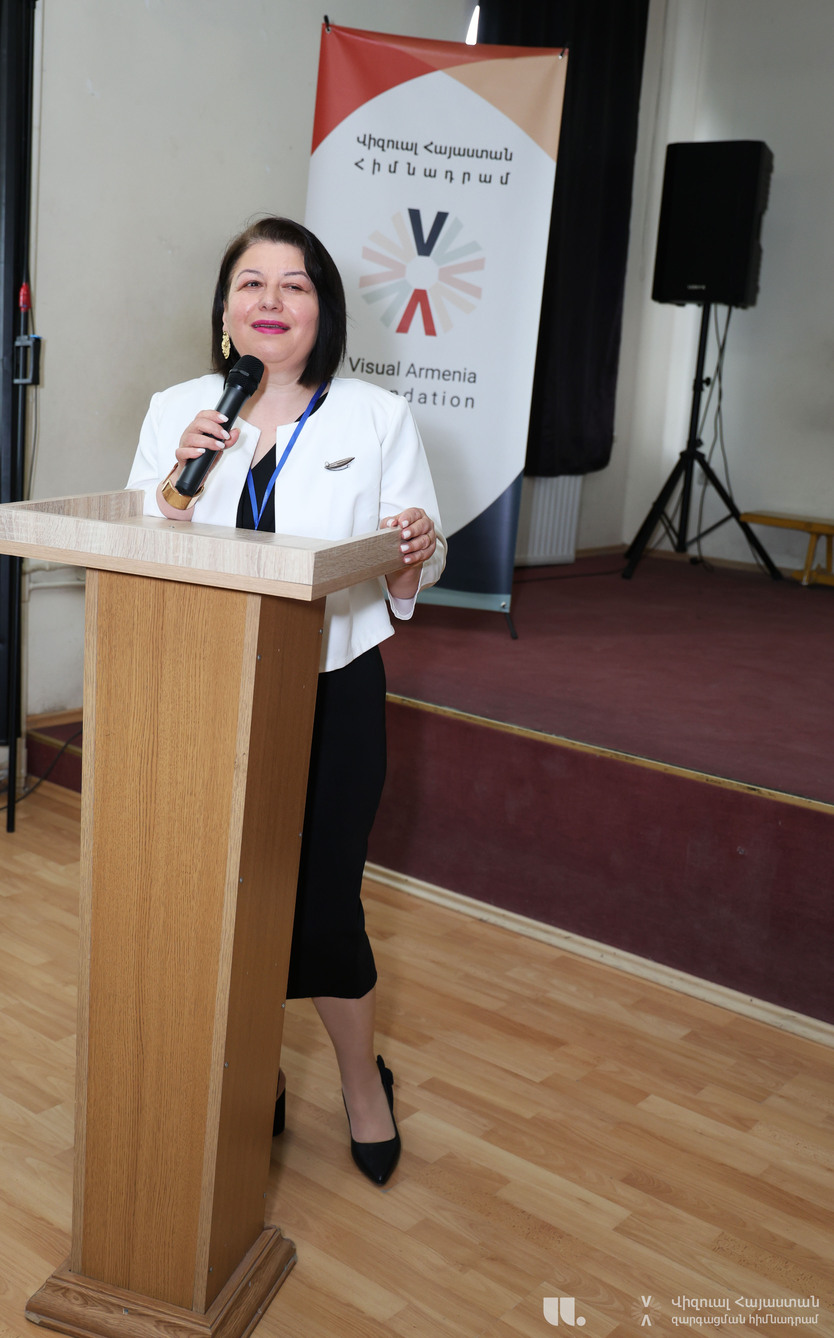
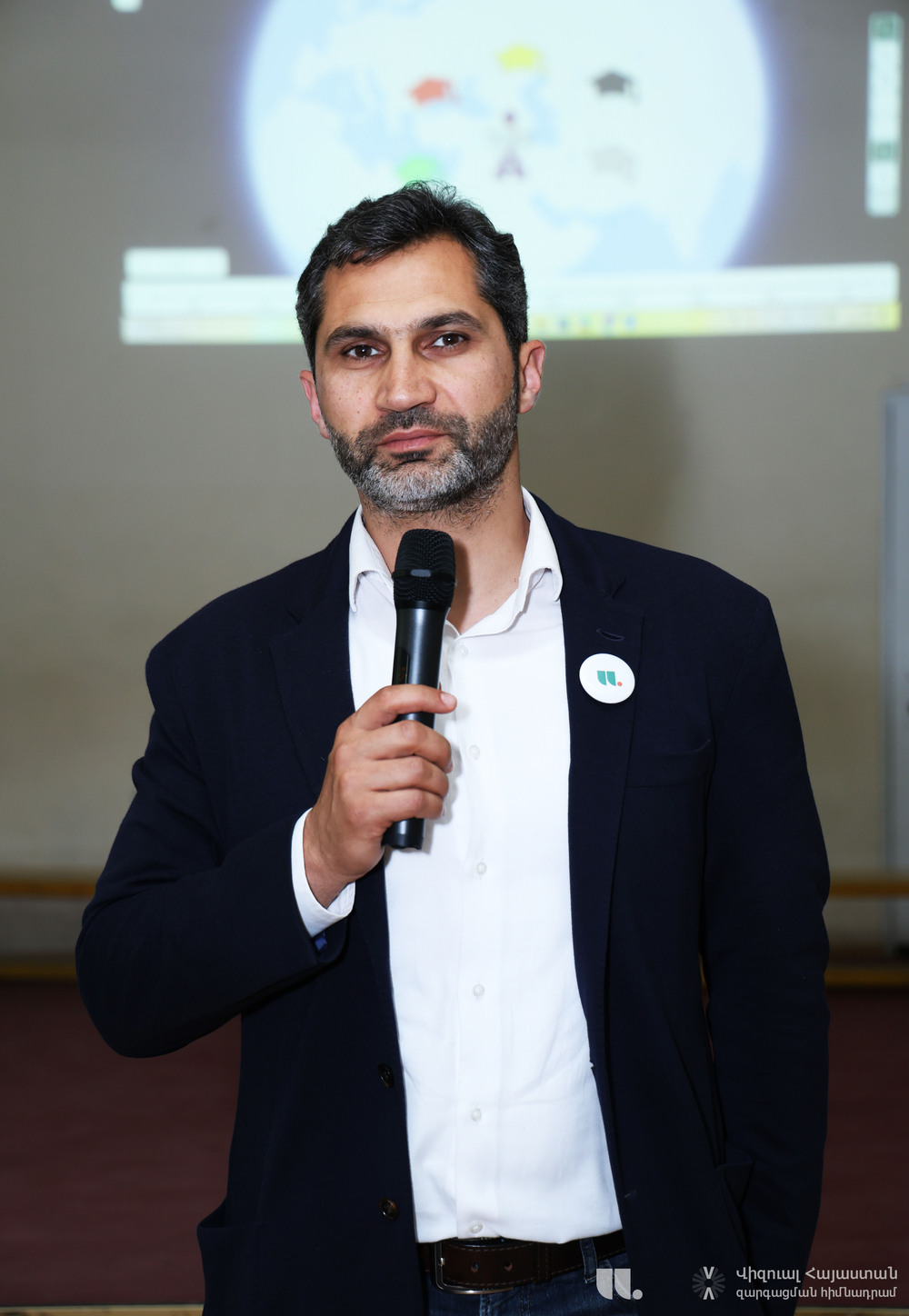
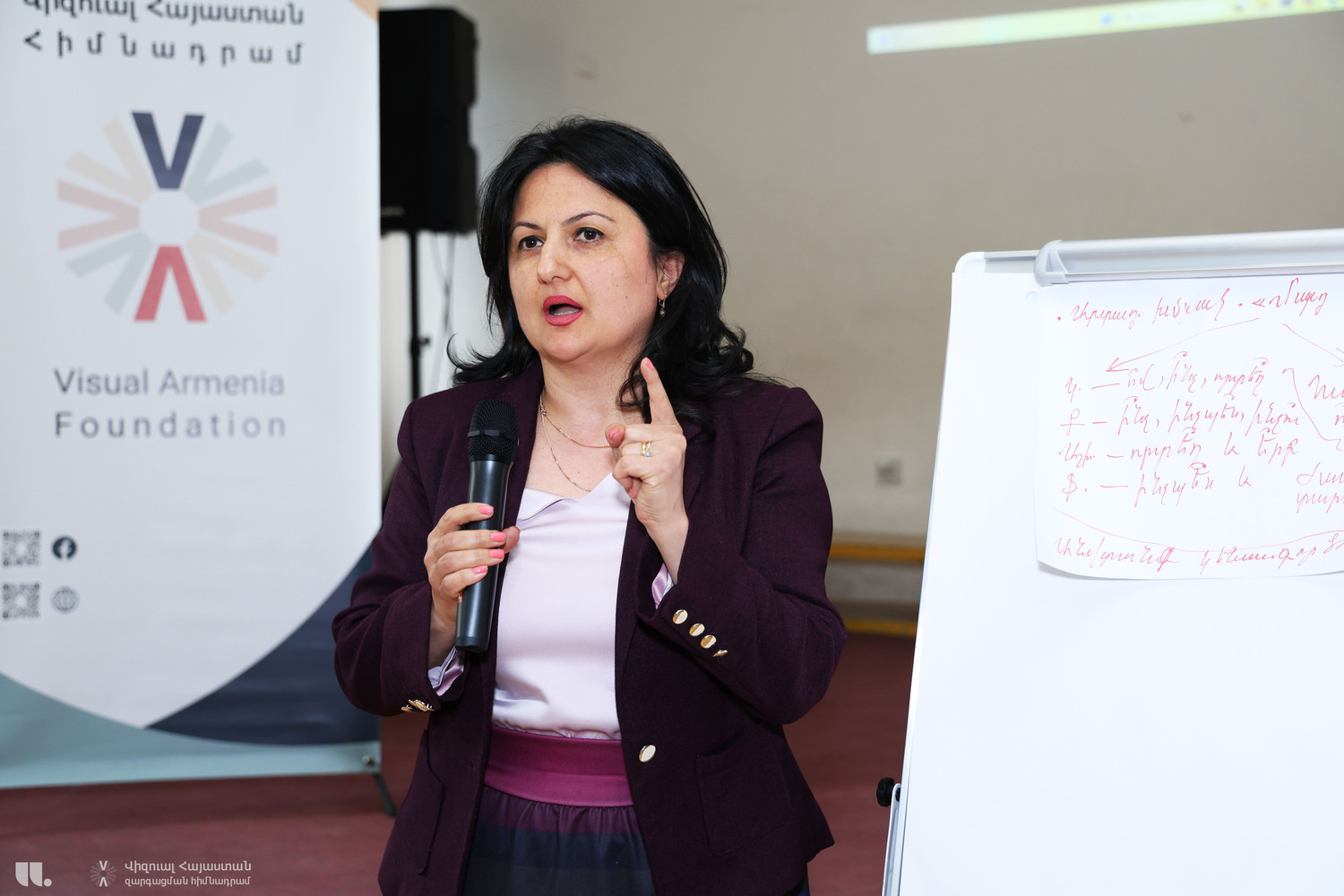
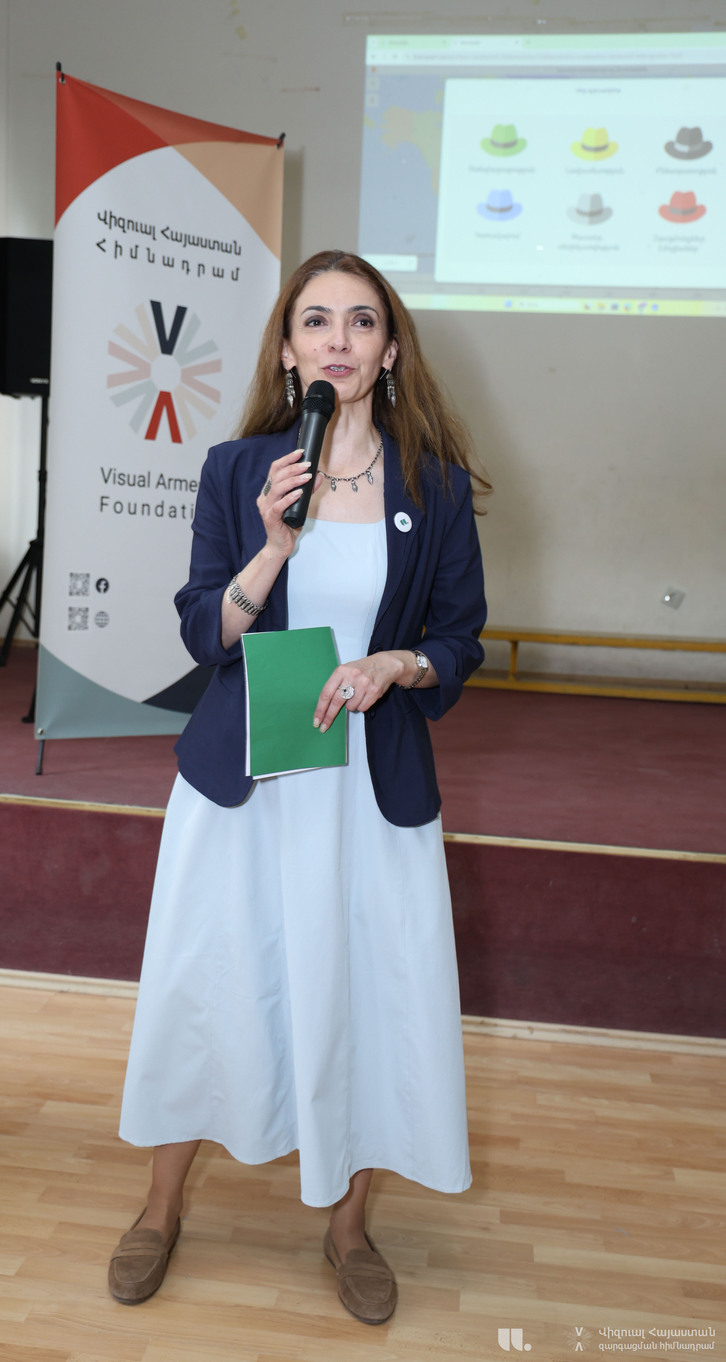
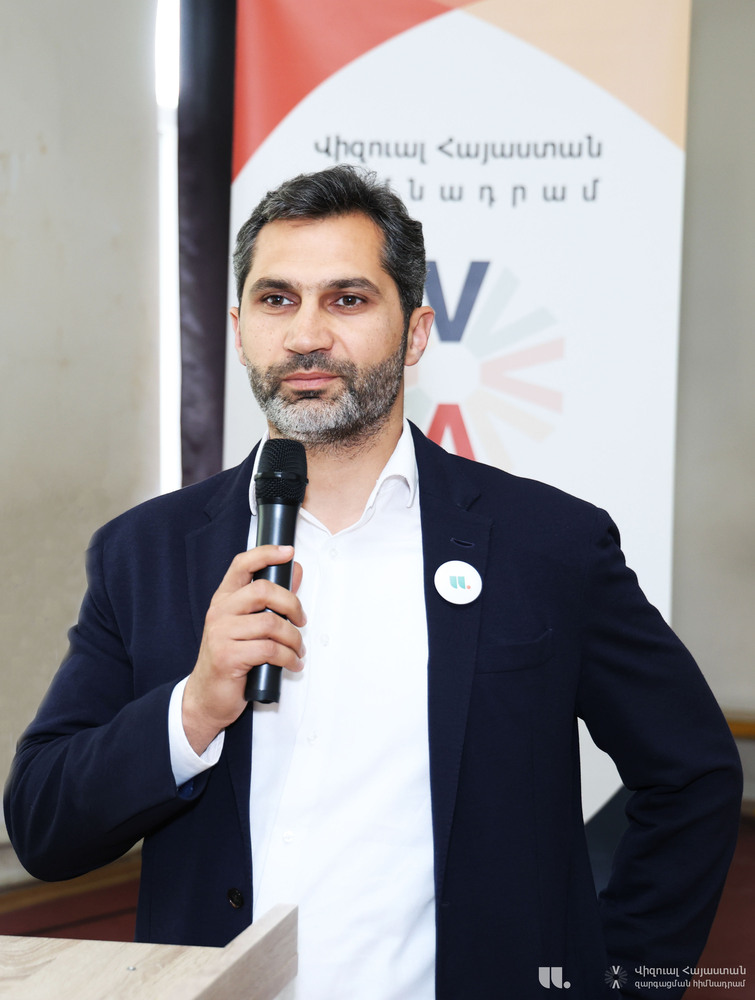
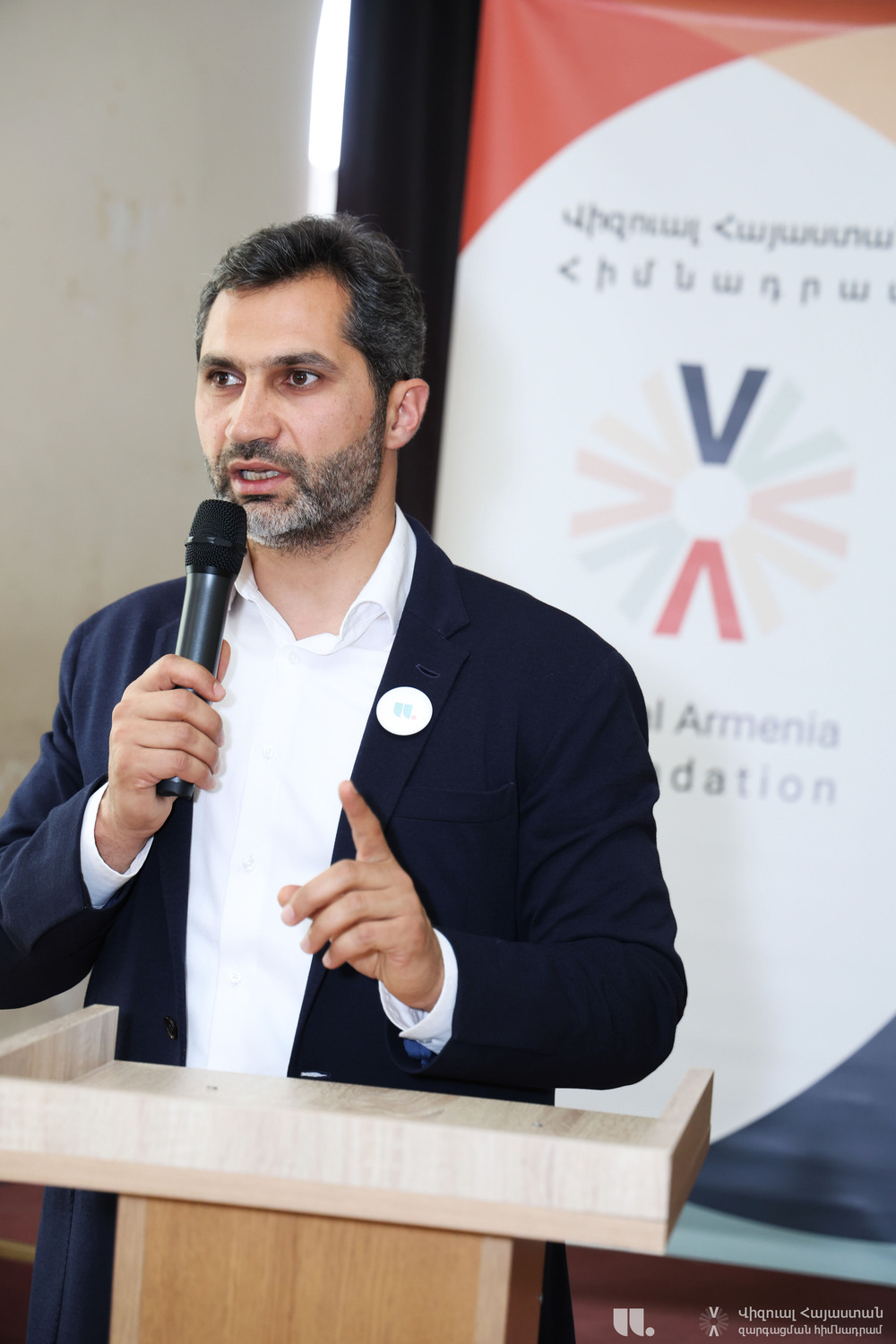
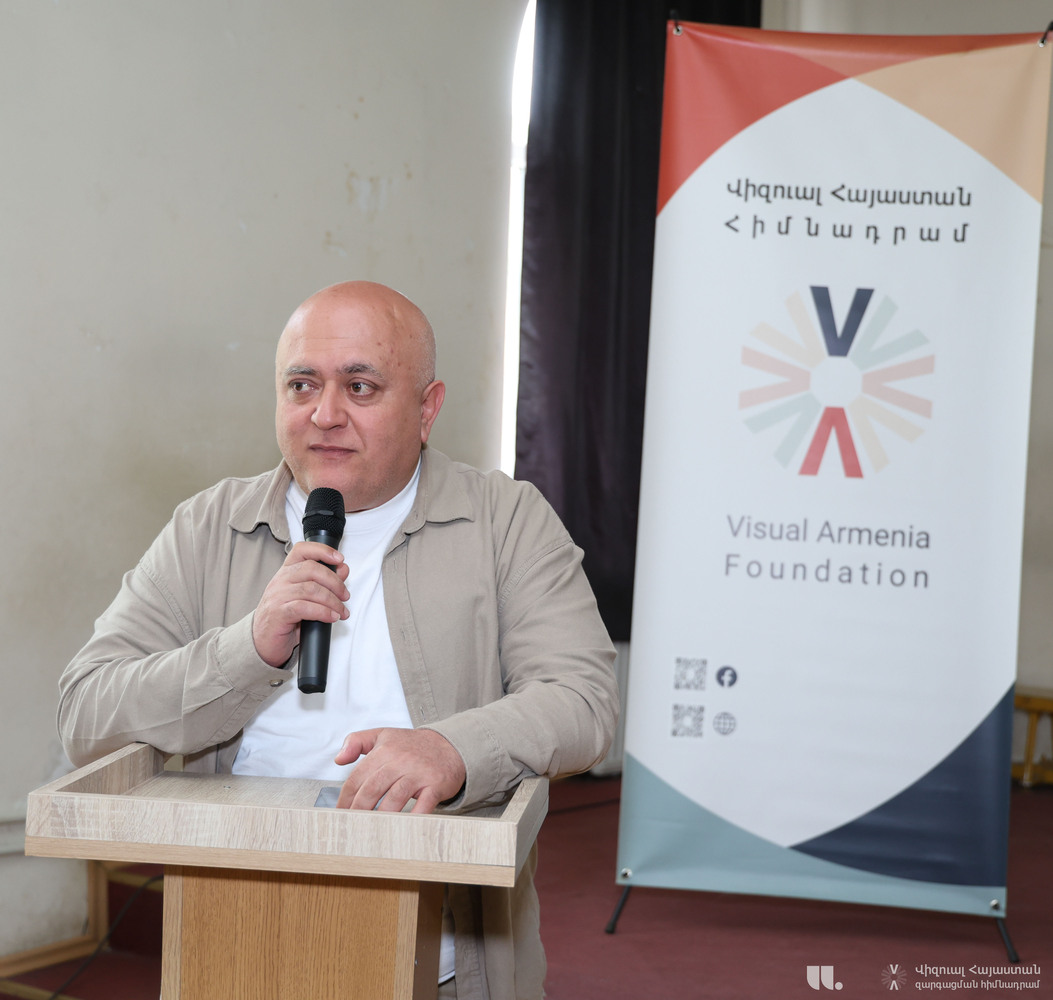
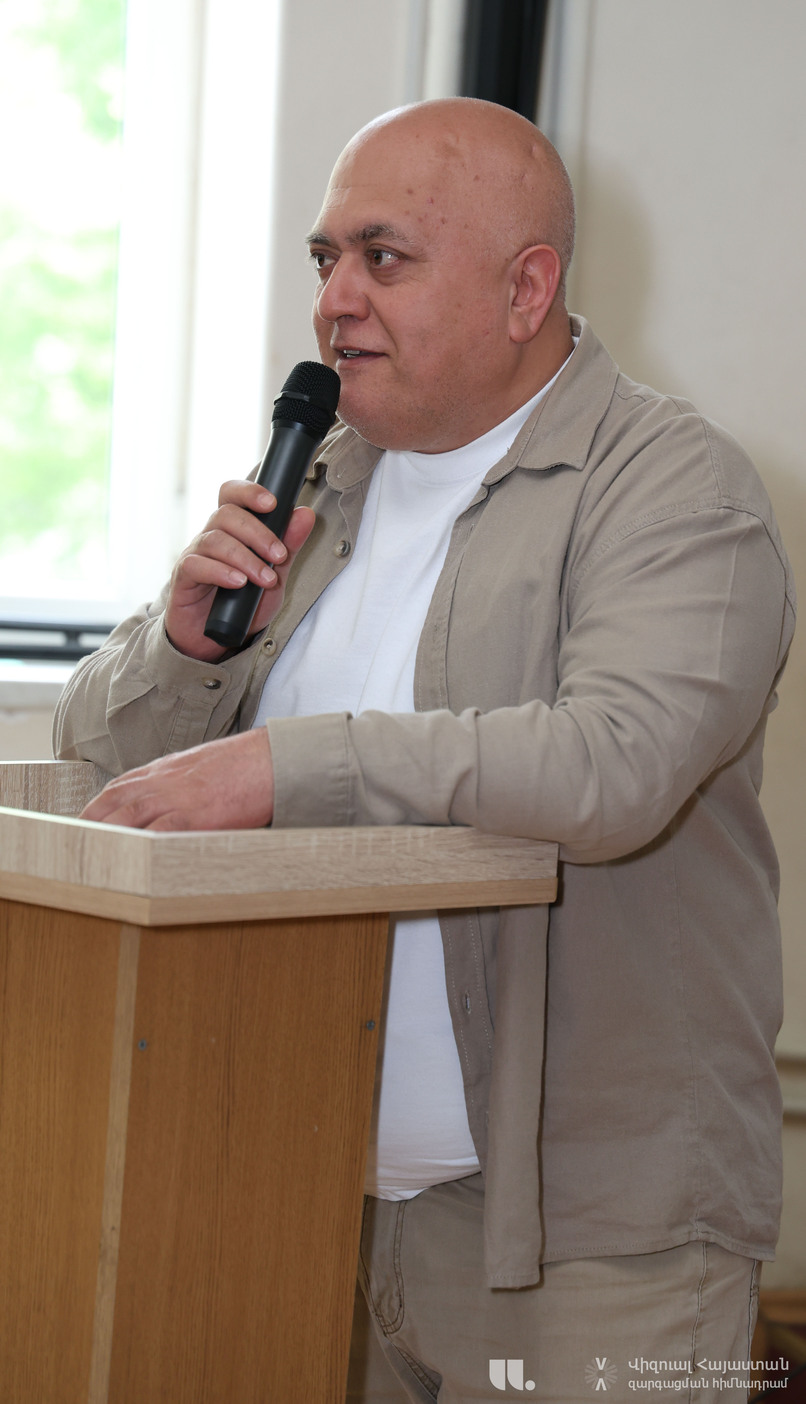
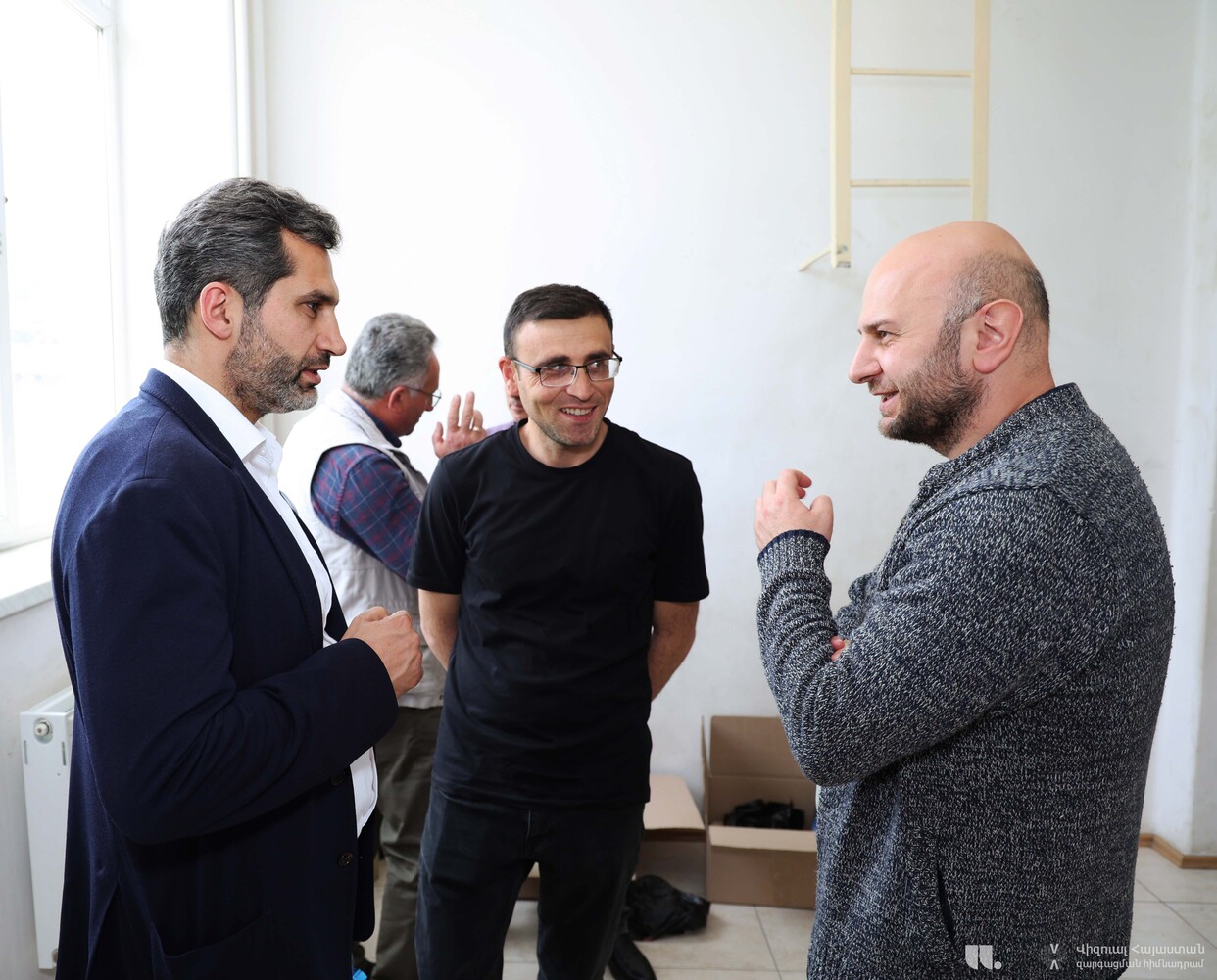
Participants were also welcomed by Hovhannes Ghazaryan, Chief Executive Officer of the Visual Armenia Foundation and creator of Brainograph EdTech, who presented the Foundation’s three strategic priorities aimed at positioning the Armenian school as a pillar of national excellence.
In his remarks, he noted: “One of the Foundation’s strategic priorities is the development of highly capable teachers. Without that backbone, no educational initiative can be successfully implemented or sustainably developed.”
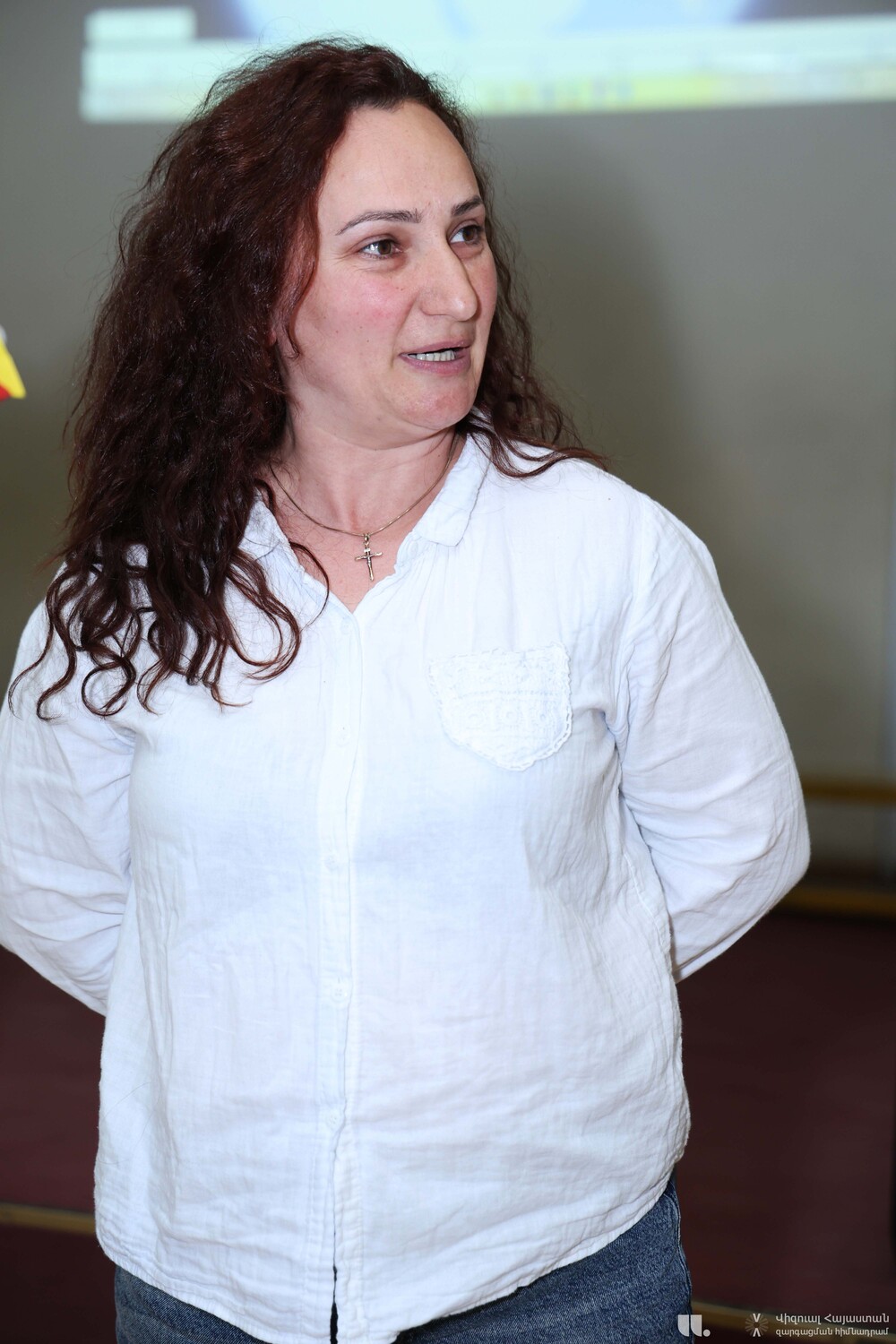
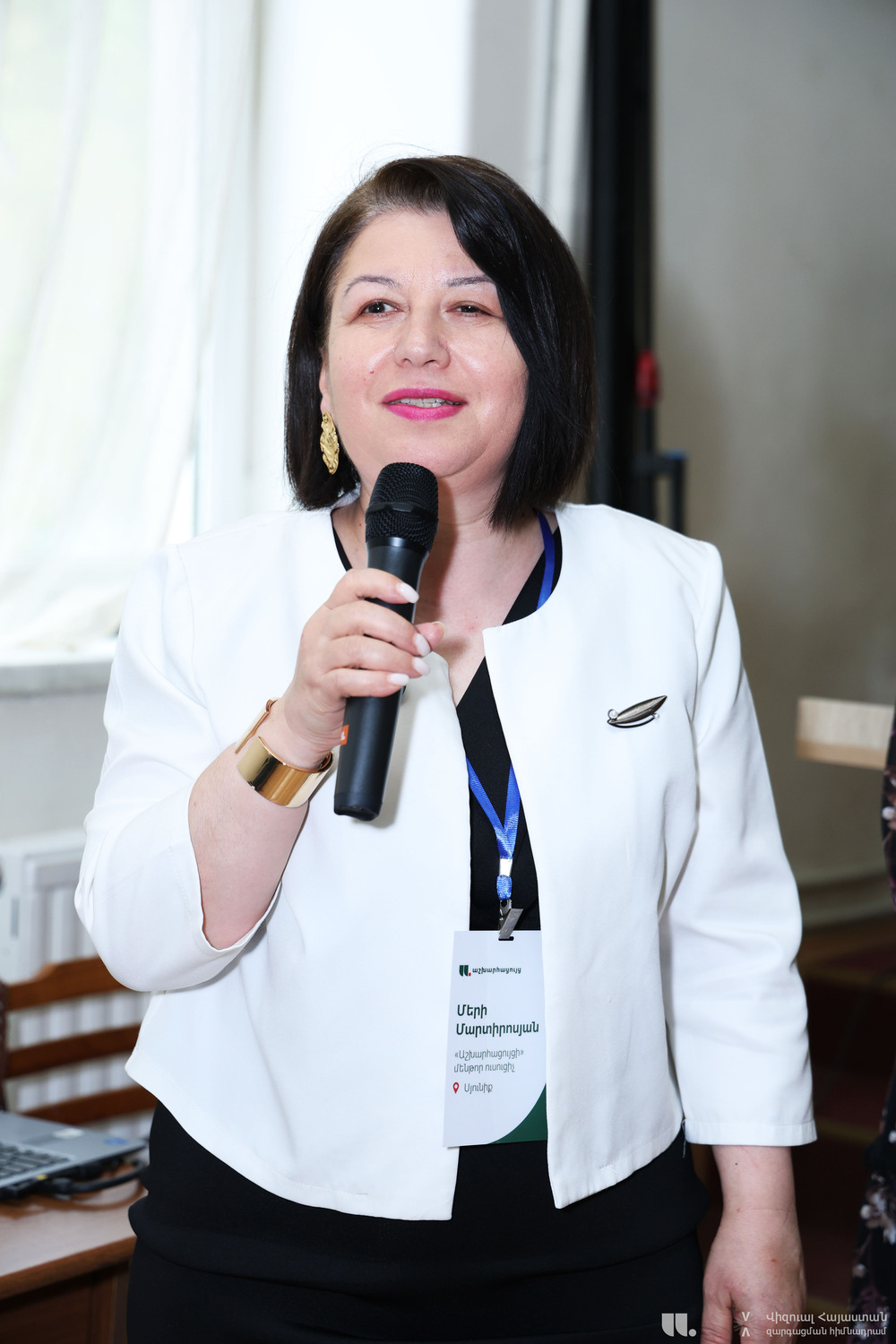
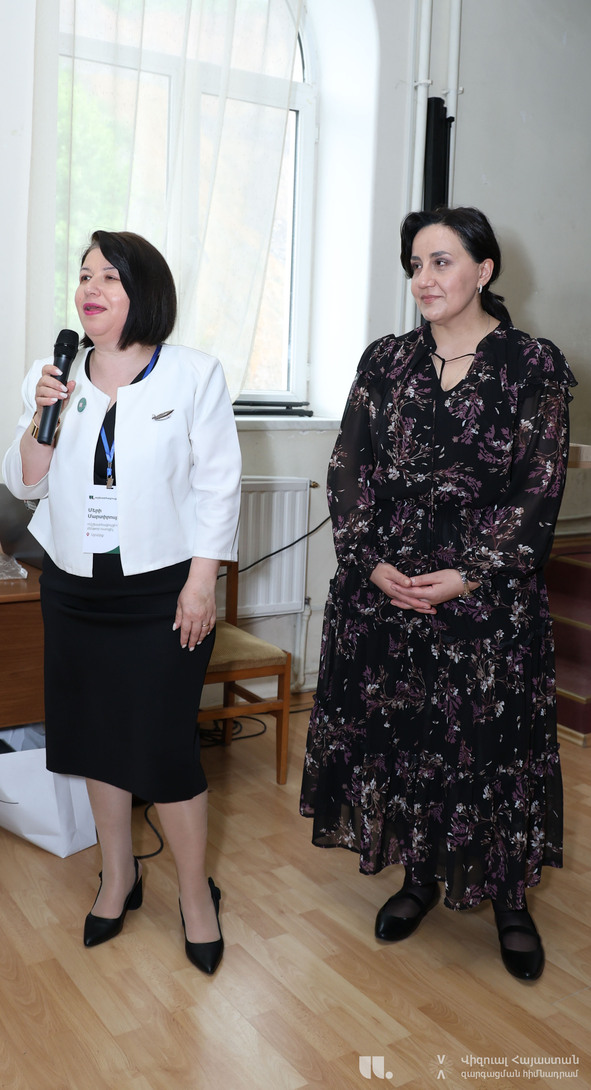
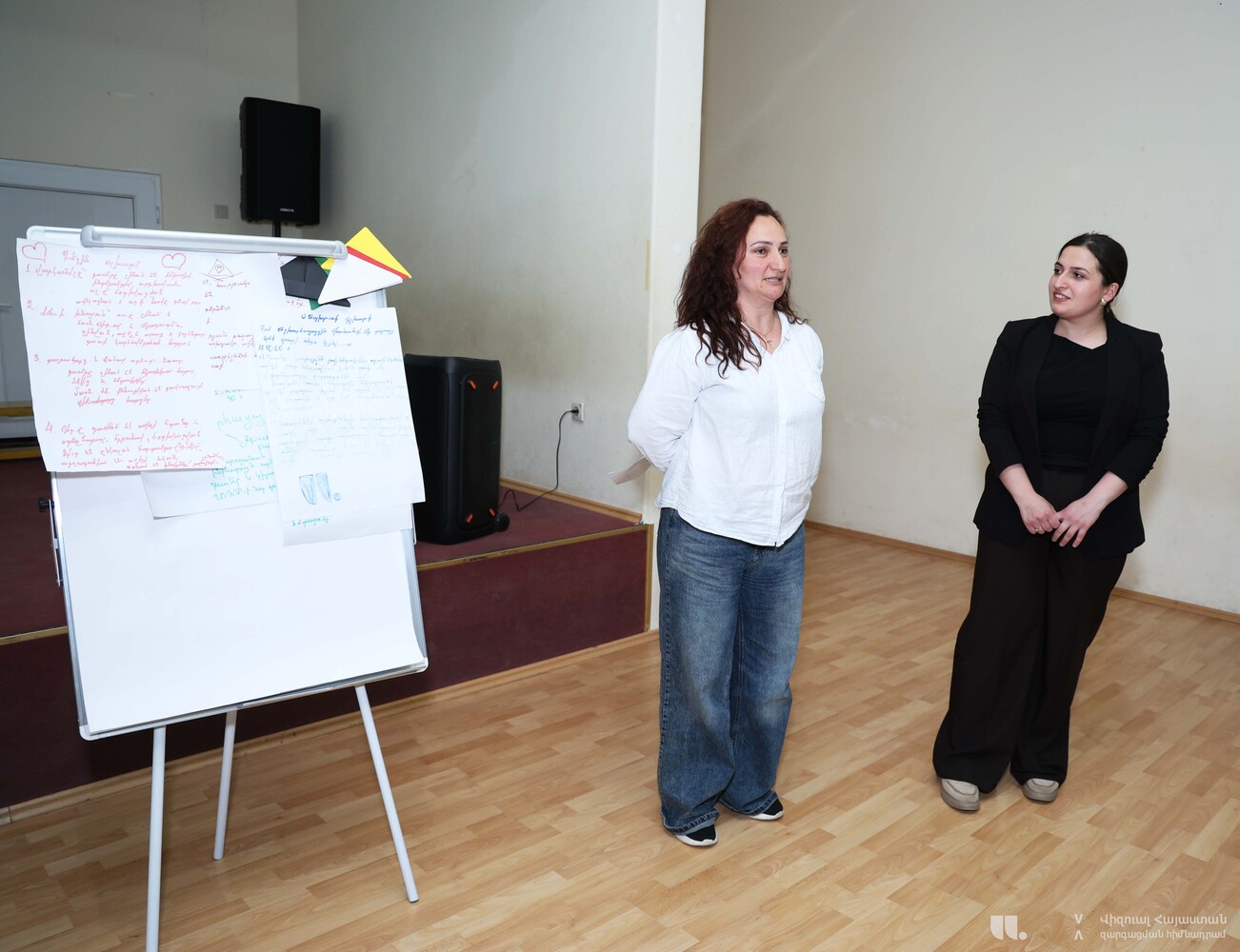
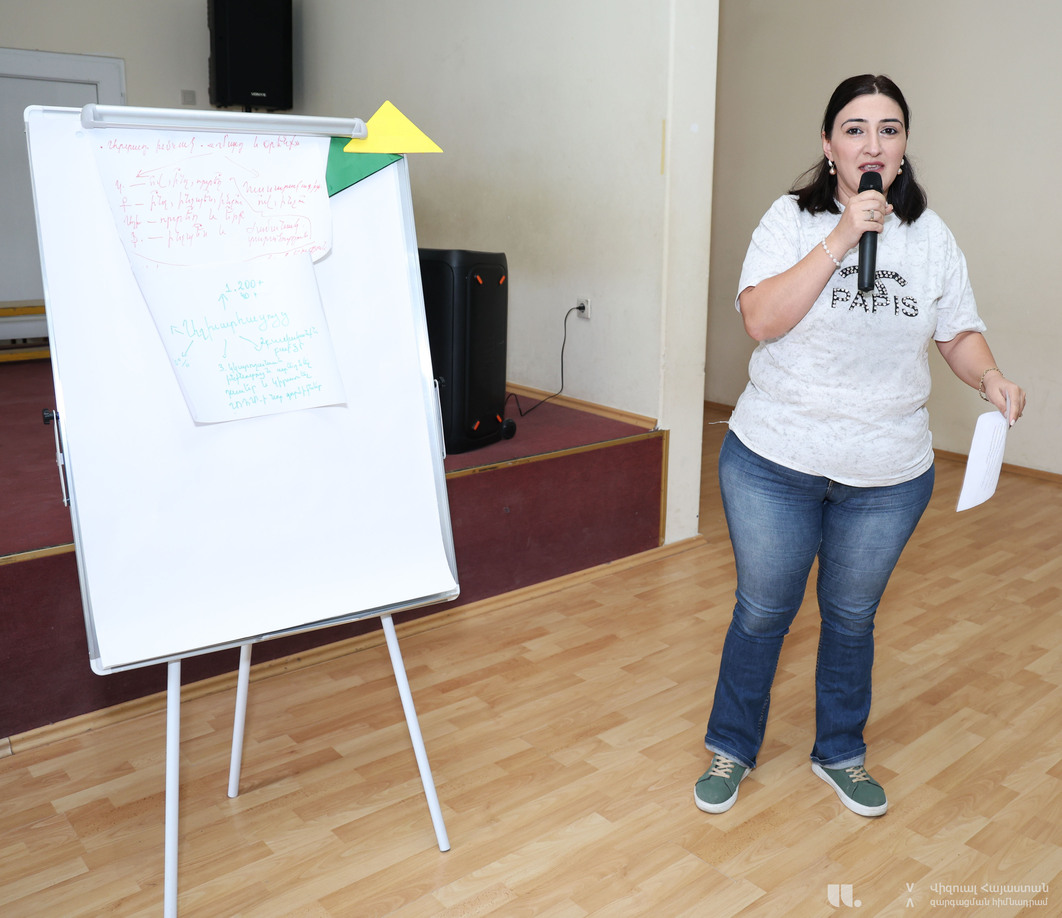
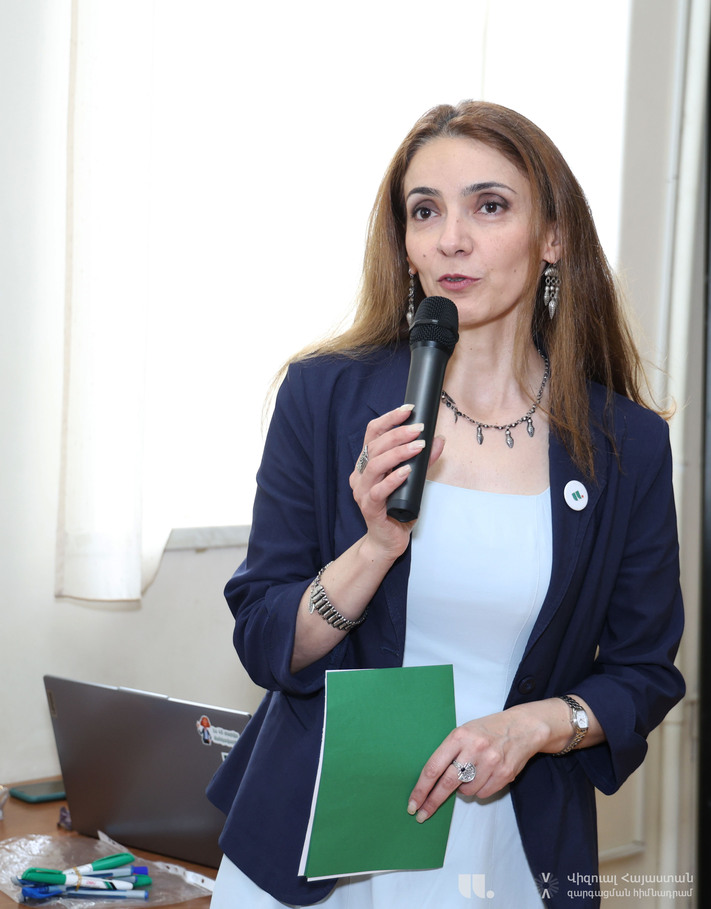
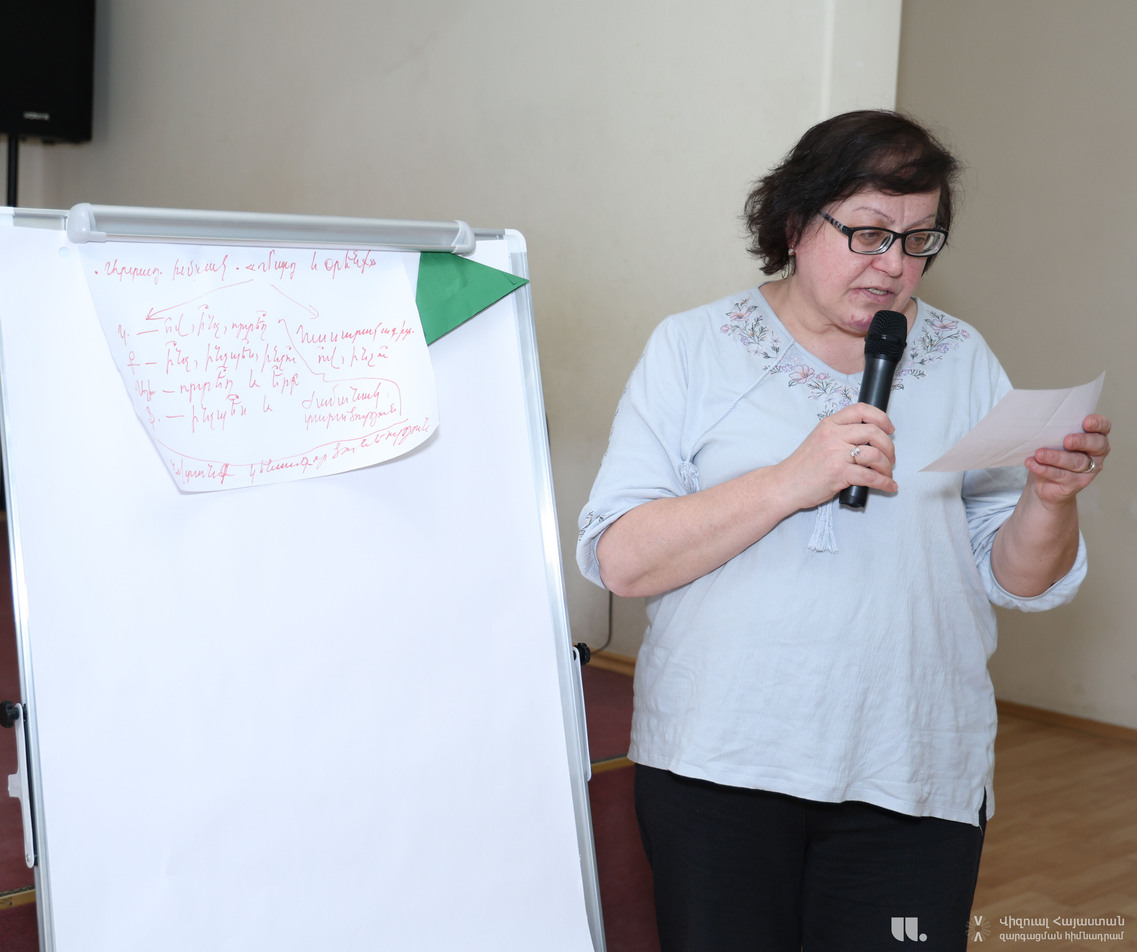
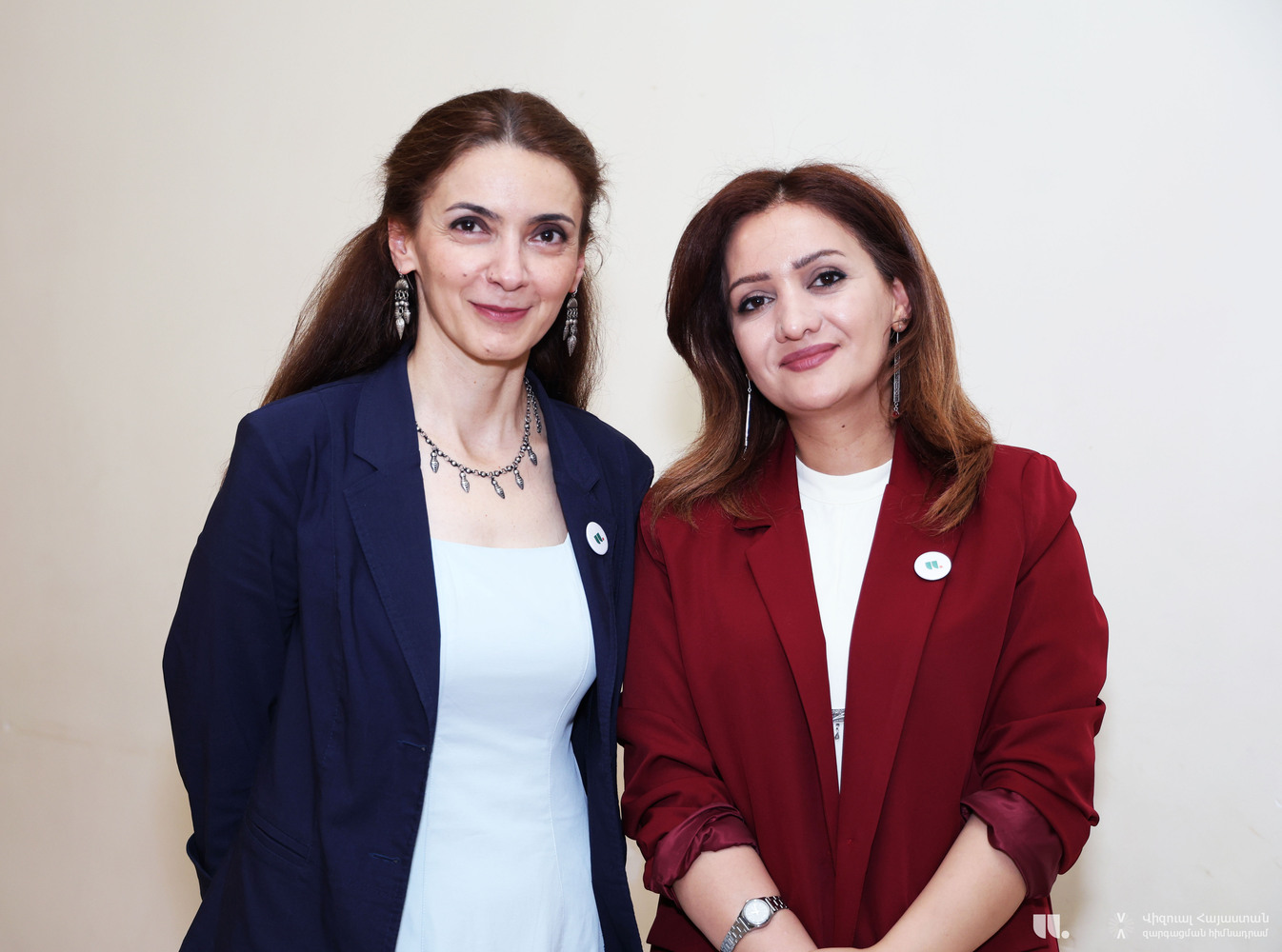
One of the defining moments of the event was the reporting presentation by Meri Martirosyan, WorldView’s regional mentor-teacher for Syunik, who reflected on the implementation journey across the province, sharing insights on teacher engagement, early outcomes, and lessons emerging from field practice.
Presenting the first measurable results of the initiative, she stated: “Since March 23, when I began conducting regional trainings, I have already worked with eight groups, reaching a total of 182 teachers. Among them, 54 teachers from rural schools have participated, and 106 have already received certificates of participation.”
Yet her presentation extended far beyond metrics. She brought forward the human stories that had emerged throughout the regional rollout, demonstrating how each community contributed its own realities, challenges, and discoveries.
Teacher reactions held a particularly memorable place in her reflections, some evolving into stories of their own. “I’m not letting you leave until you teach us how to create a pin,” she recalled with a smile, quoting one teacher during a training session.
Another memorable reflection spoke to the growing trust in the platform and its practical relevance: “If WorldView exists, then why do we even need Wikipedia?”
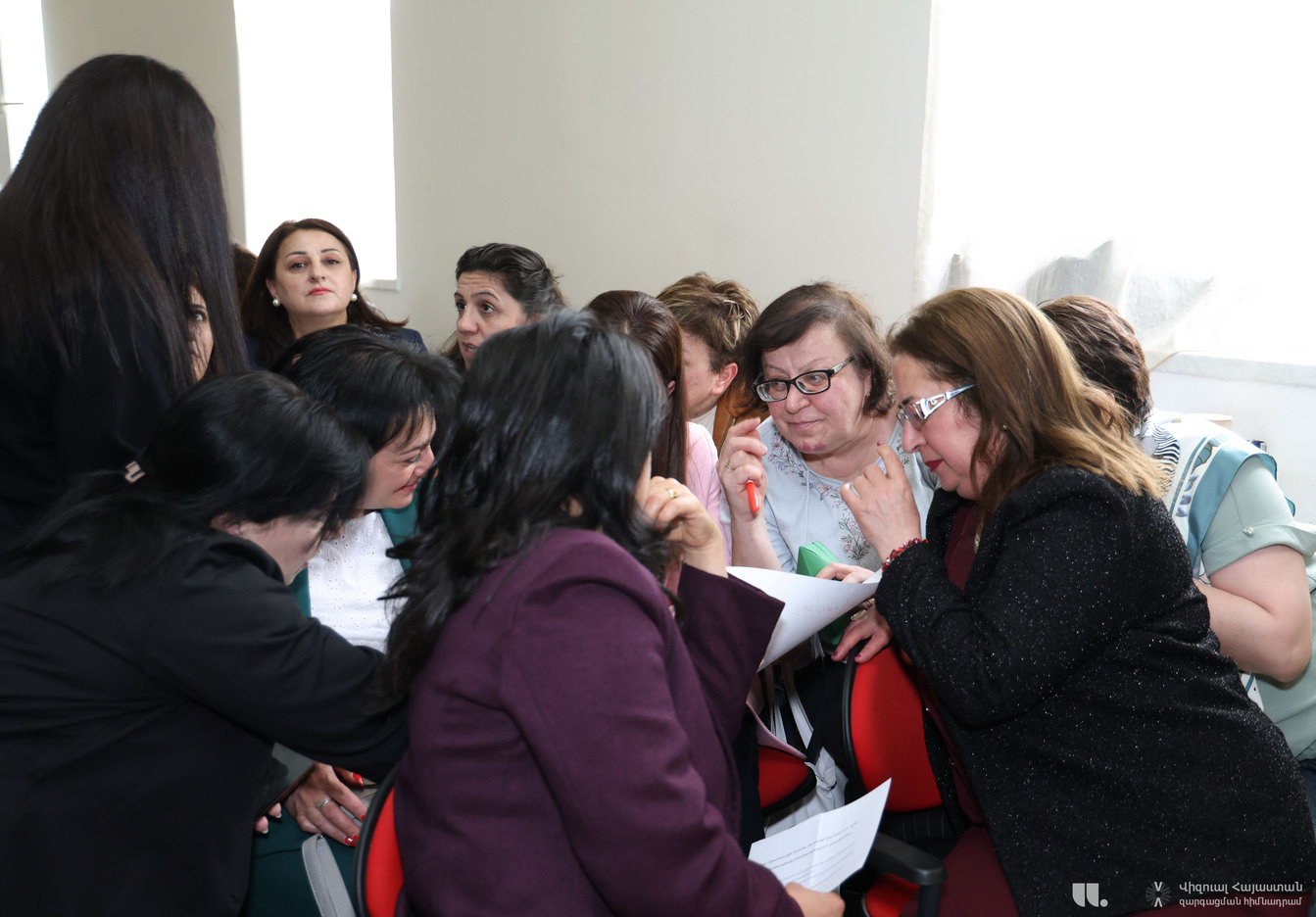
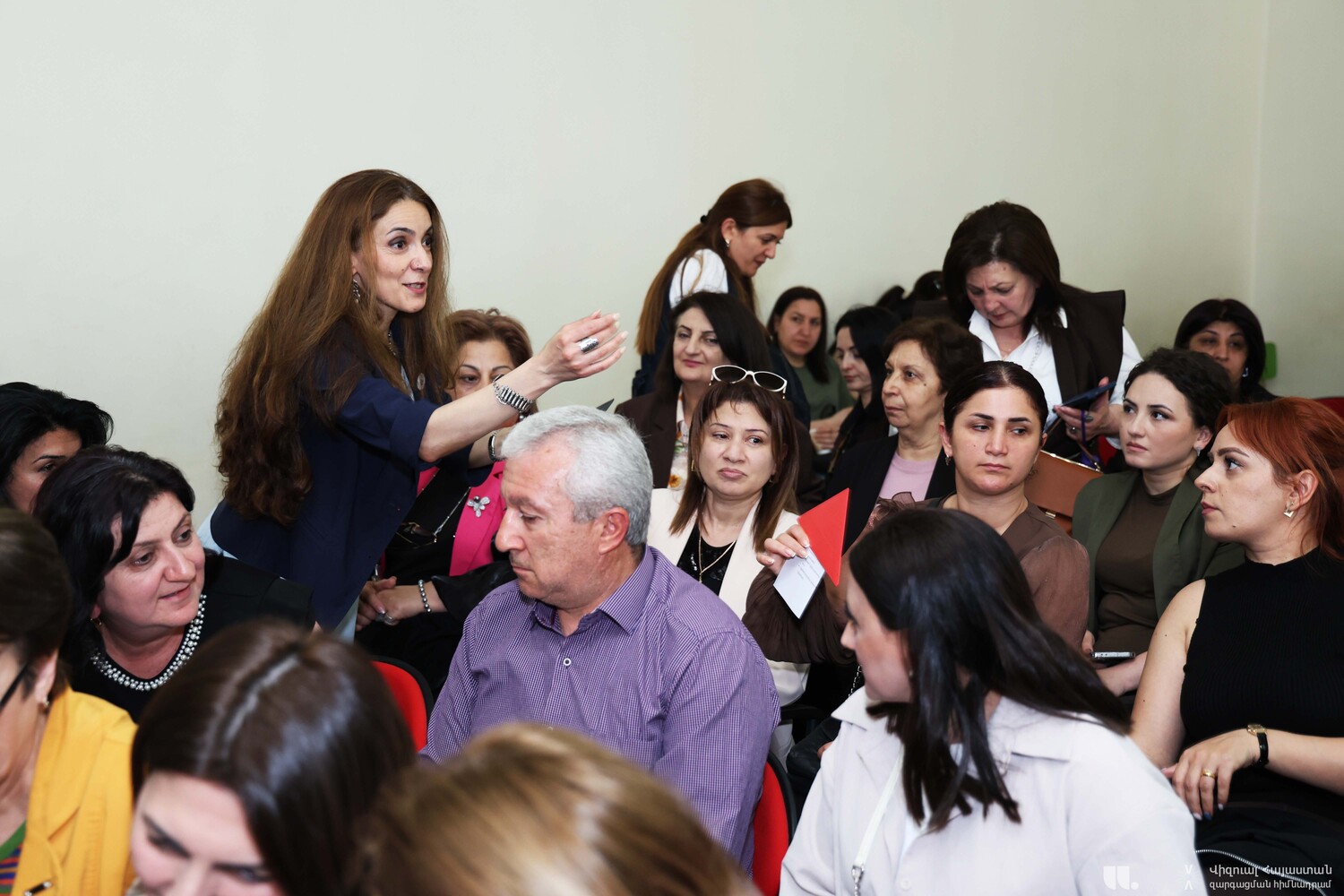
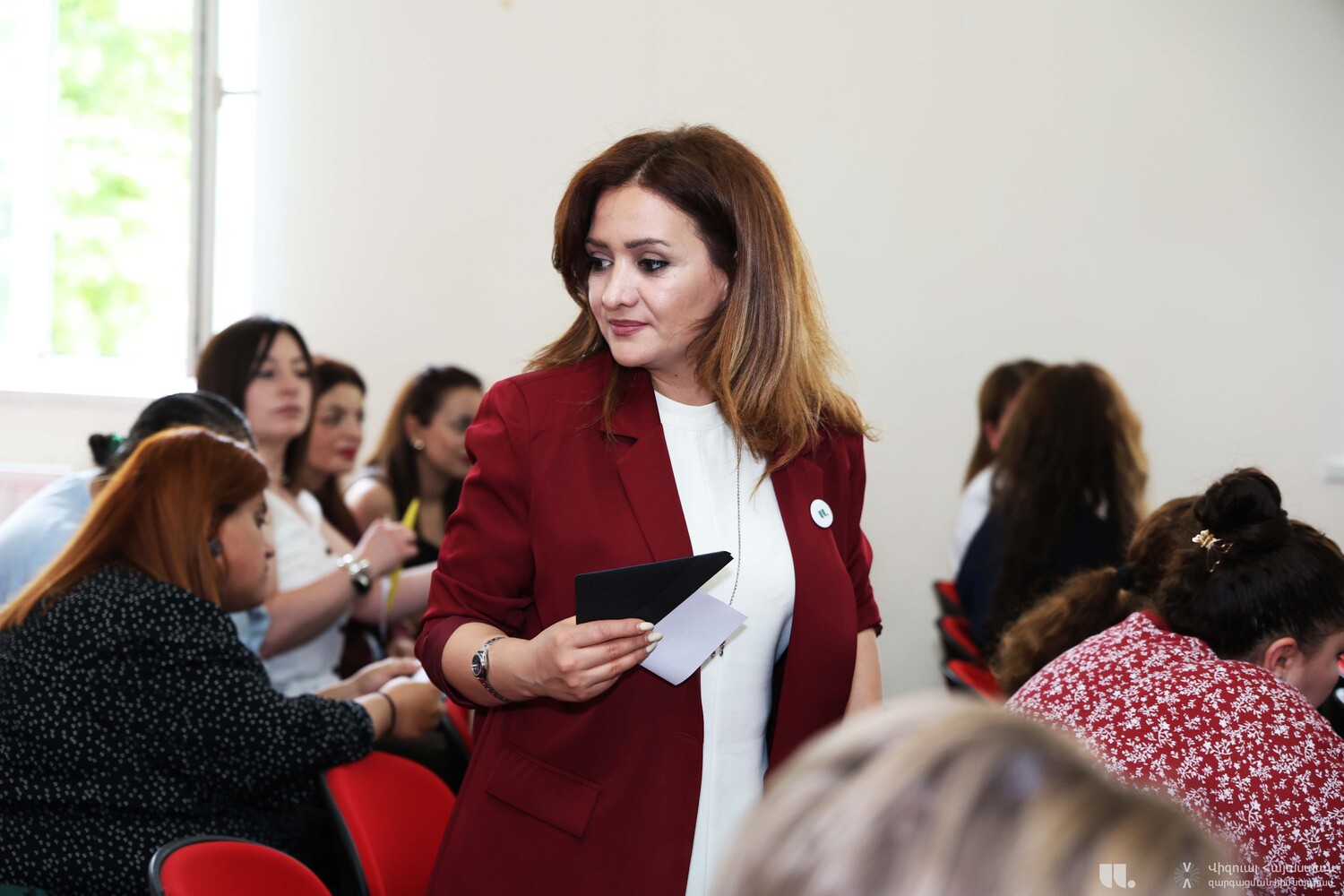
The event also included interactive segments that invited participants to reflect on fundamental questions around educational change: What do we want to transform, and why?
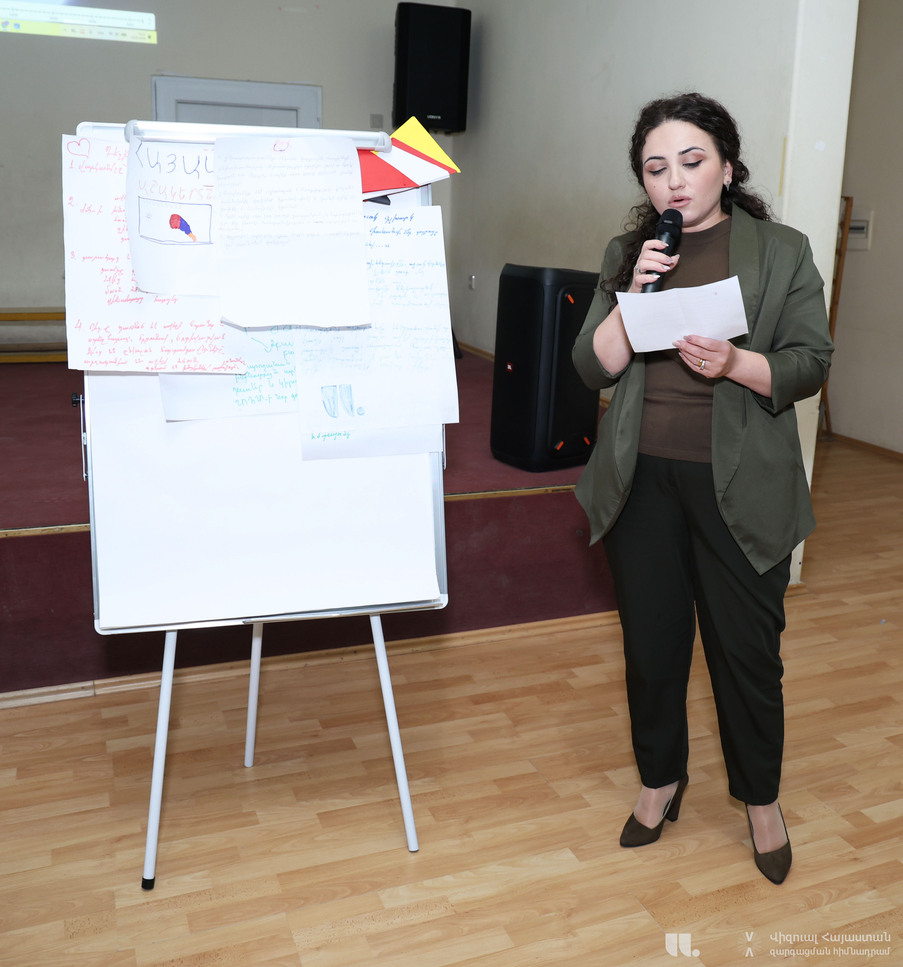
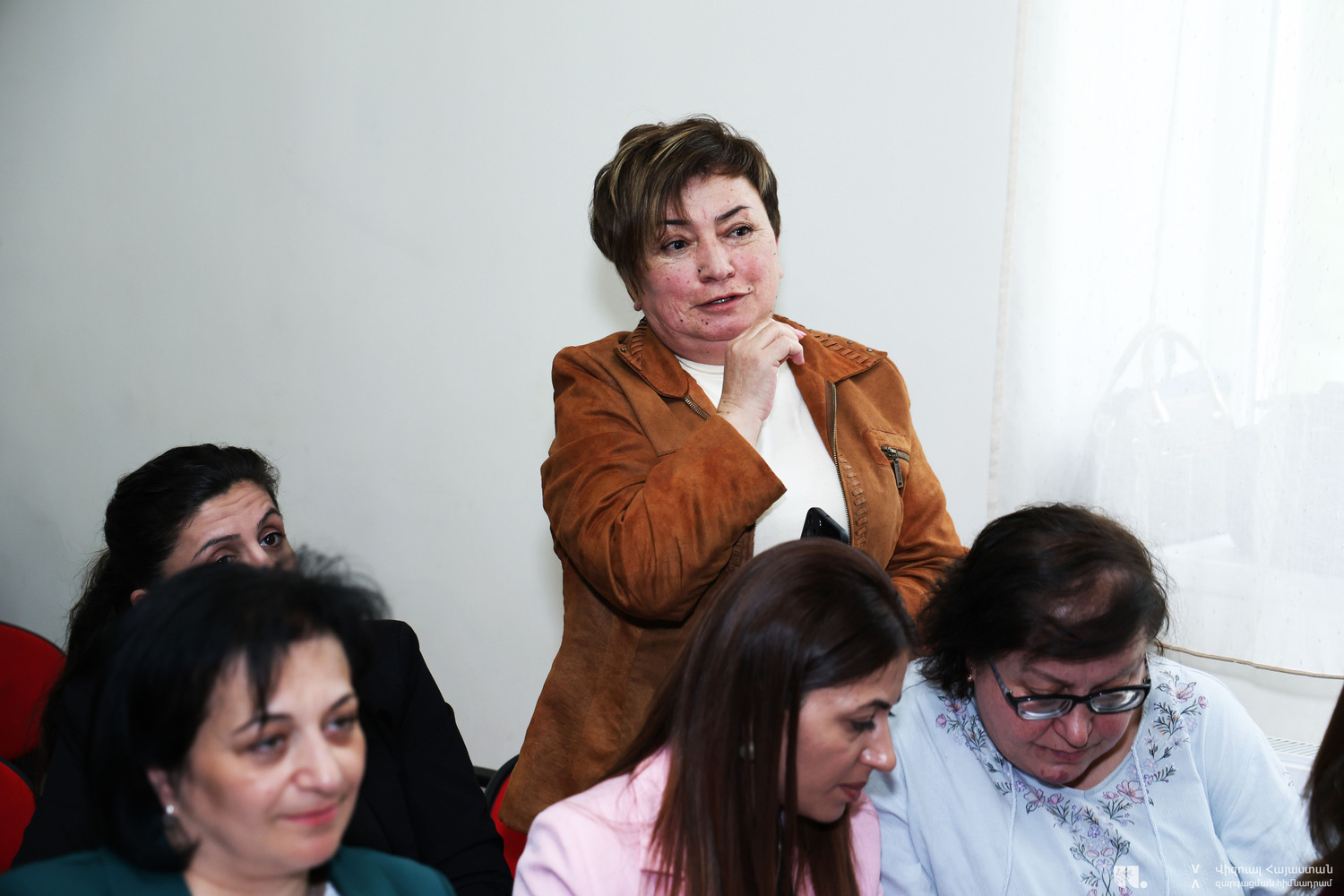
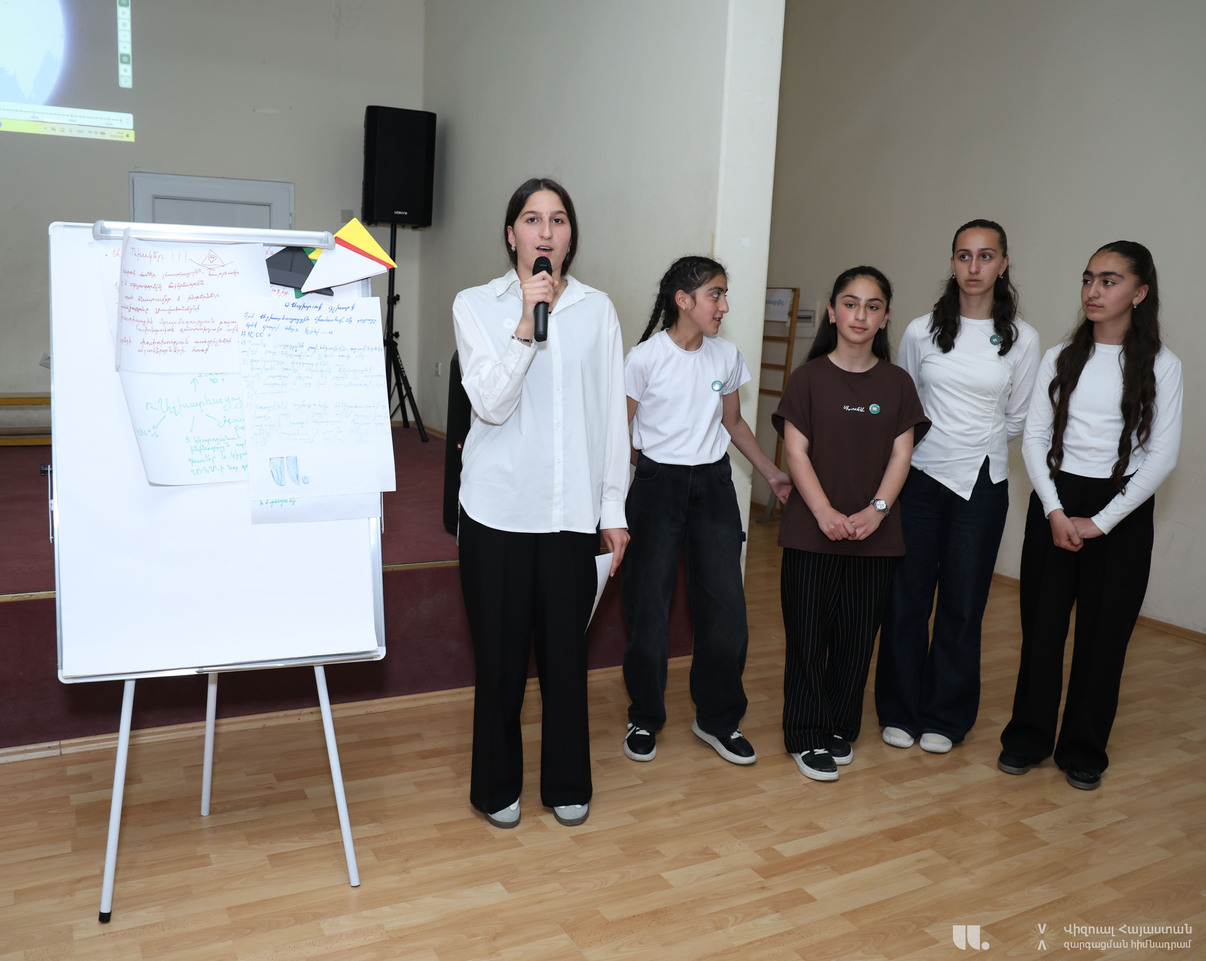
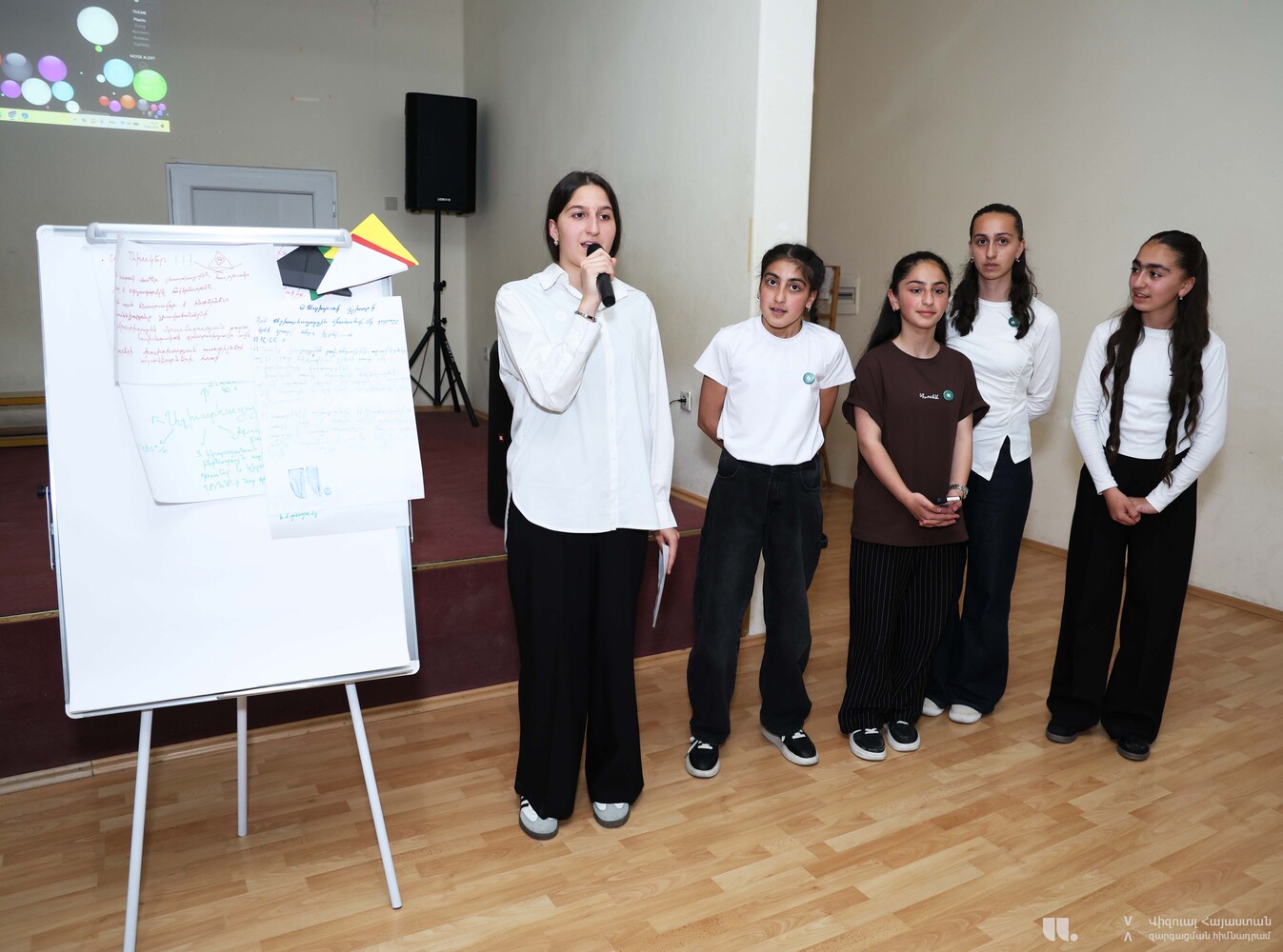
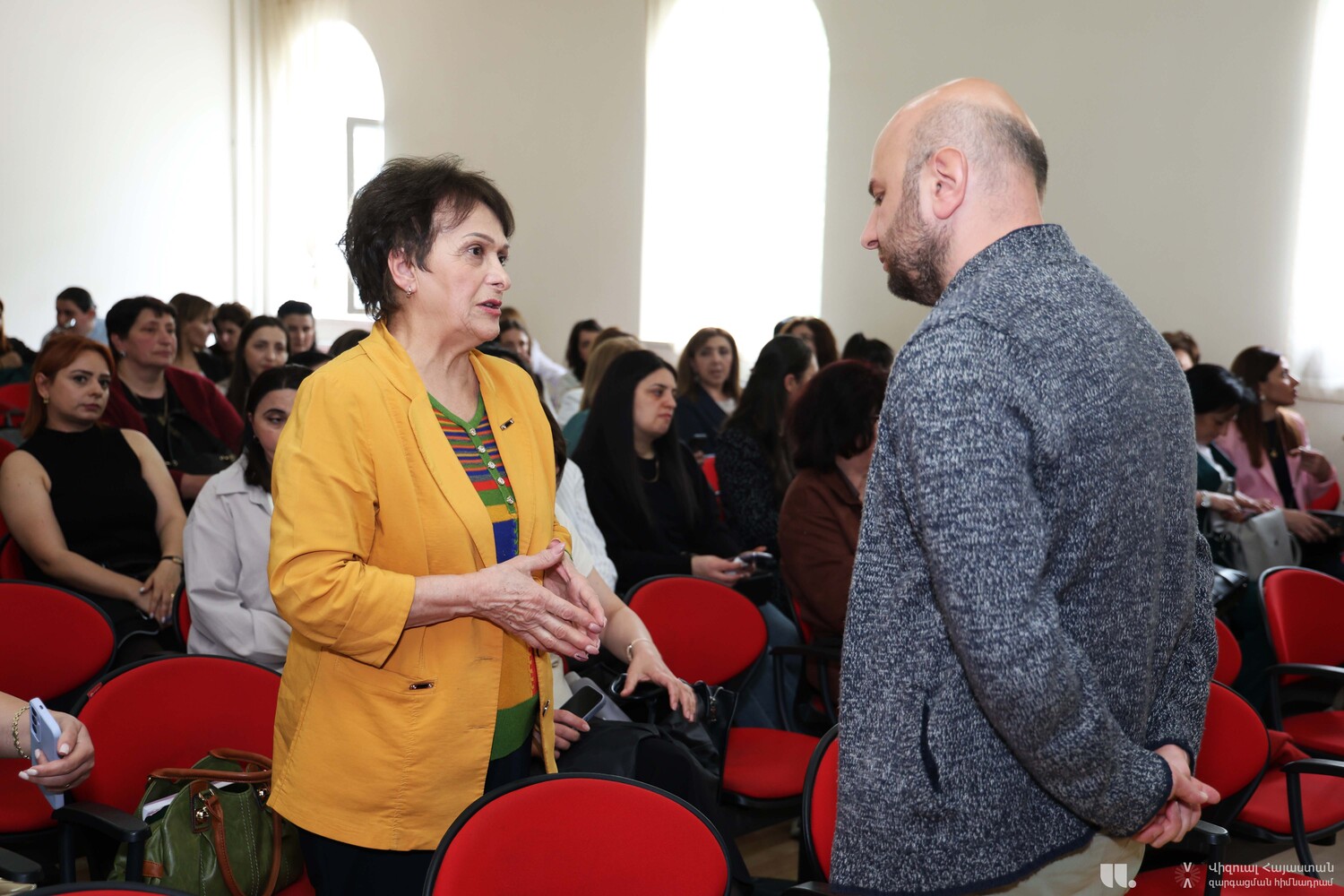
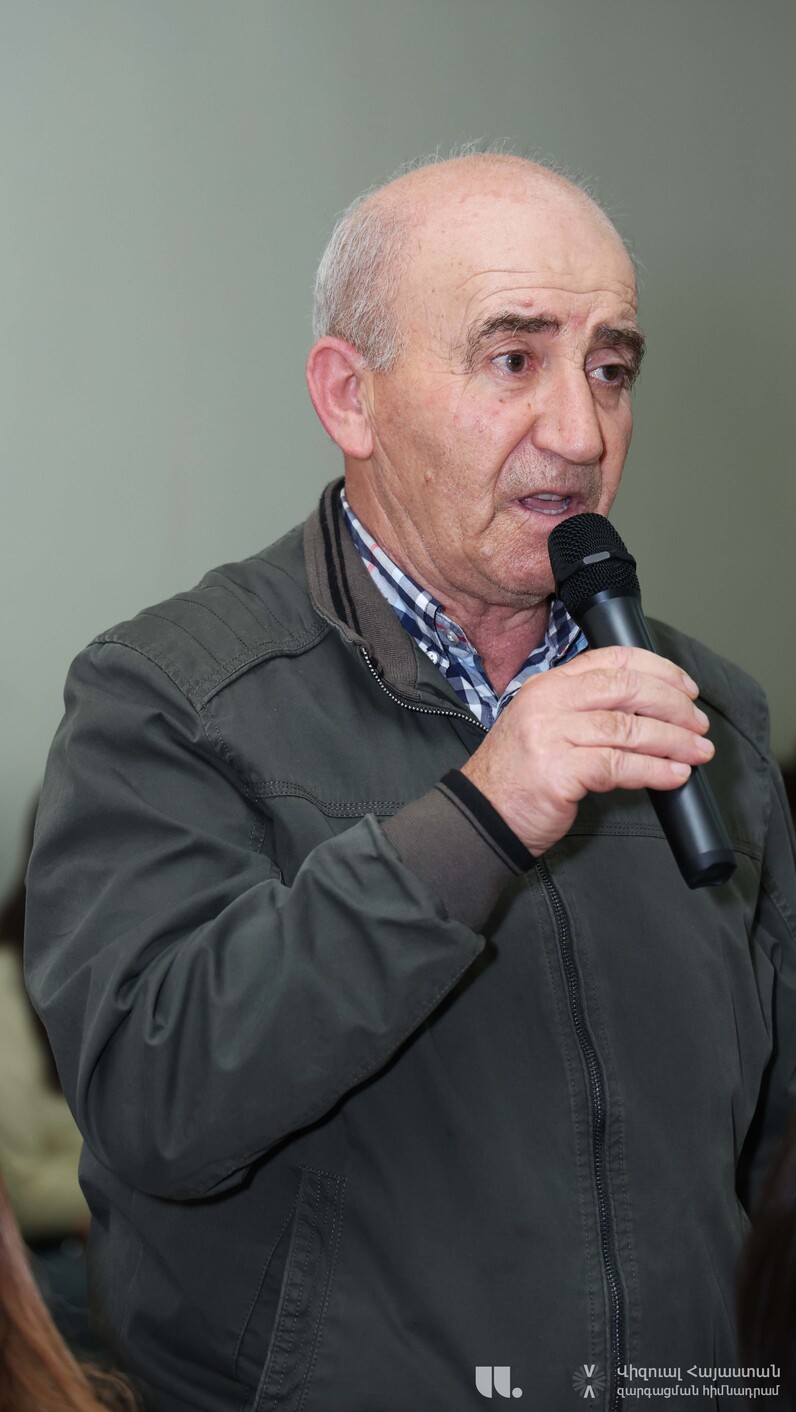
During an interactive discussion titled “If our school joins WorldView, in three years it will become…”, participants shared their vision for the school of the future, emphasizing the need for more collaborative, participatory, and creative learning environments.
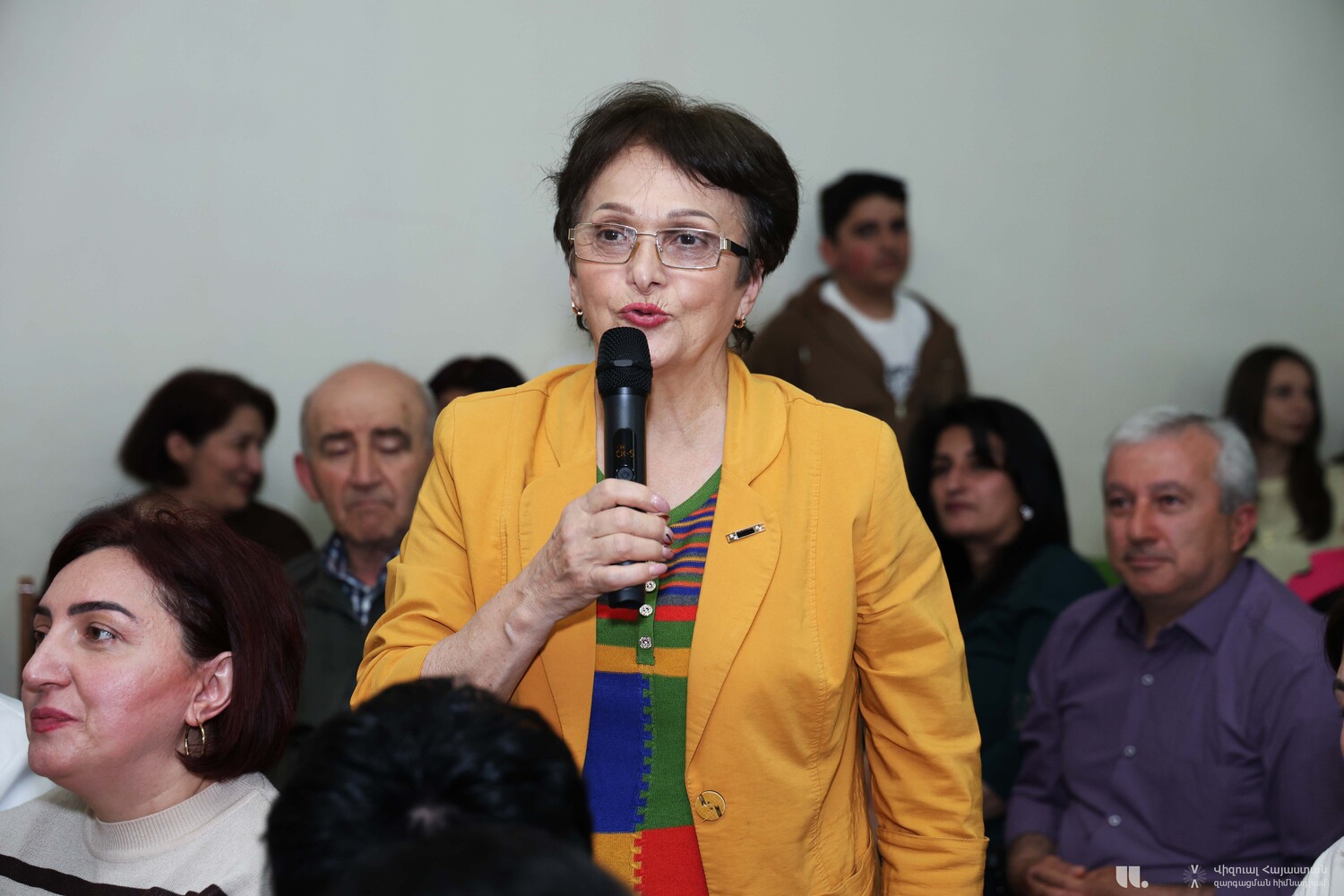
A particularly meaningful reflection came from Sofya Harutyunyan, a history teacher at Kapan Basic School No. 7 with more than 50 years of teaching experience. After exploring the platform with great interest, she remarked: “WorldView is the greatest educational reform of our time.”
Her words became one of the most powerful moments of the day, underscoring the fact that educational innovation knows no age boundaries, and that tools of genuine value can resonate across generations of educators.
A thoughtful and forward-looking perspective was also shared by Greta Martirosyan, a history teacher at the Axel Bakunts School in Goris, who spoke about the broader potential of the platform at the intersection of education and national identity.
In her remarks, she noted: “Our country is home to countless beautiful and historically significant places that could be presented in a far more structured, unified, and interactive way. This could help students not only feel closer to their homeland, but also develop a deeper understanding of and connection to it.”
This idea became an important continuation of the day’s discussions, suggesting that the applications of WorldView can extend far beyond classroom instruction and serve as a powerful tool for education, national awareness, and the strengthening of local identity.
The “WorldView: The Syunik Experience” convening once again demonstrated that educational transformation is most powerful when it is shaped locally through community engagement, collaboration, and mutual trust.
The Foundation will continue this series of regional convenings, expanding the program’s geographic reach while deepening the engagement of educational communities across Armenia.



 Antarayin 164/1