WorldView: The Tavush Experience
The First Centralized Meeting of the Three-Tier Regional Training Program Takes Place
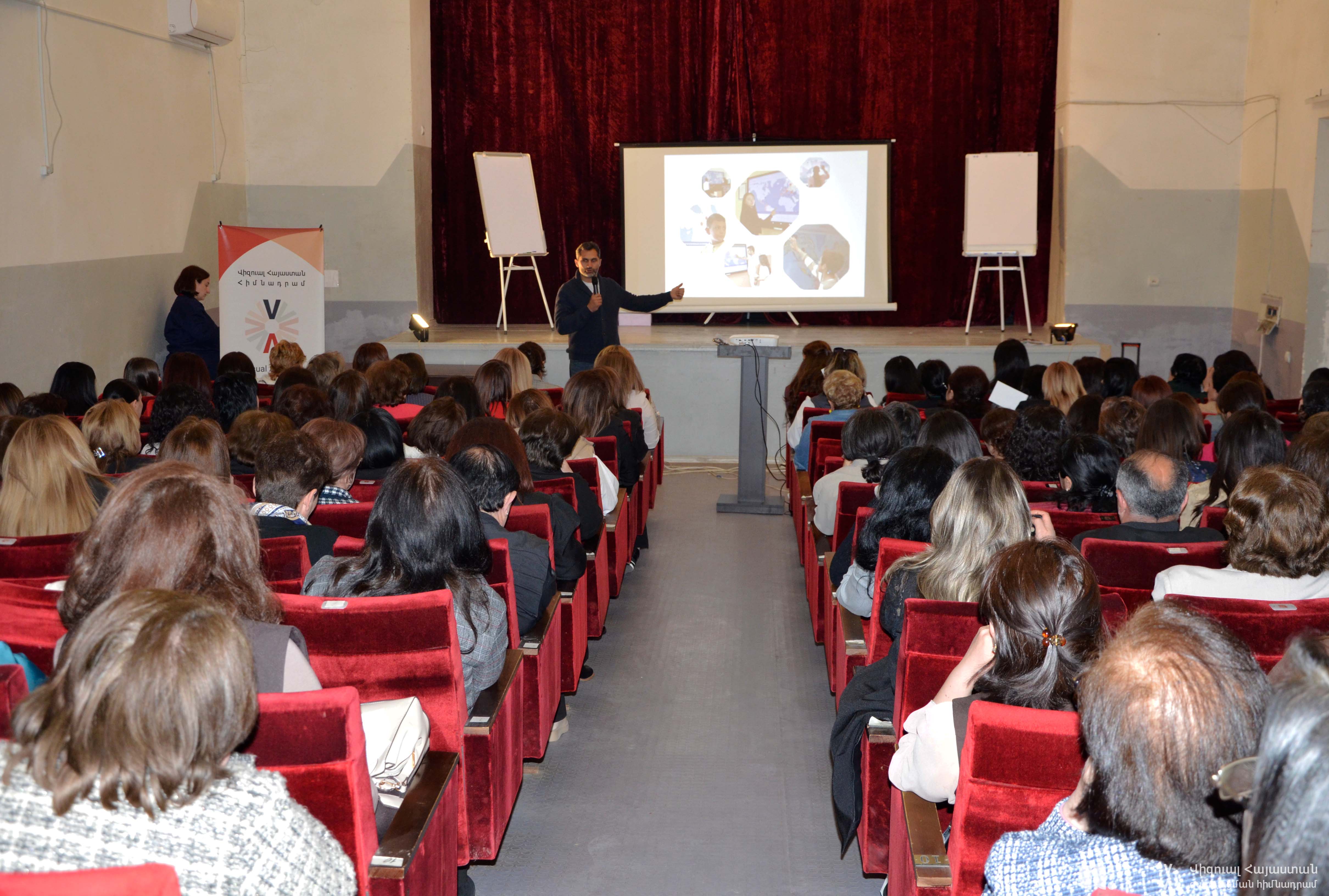
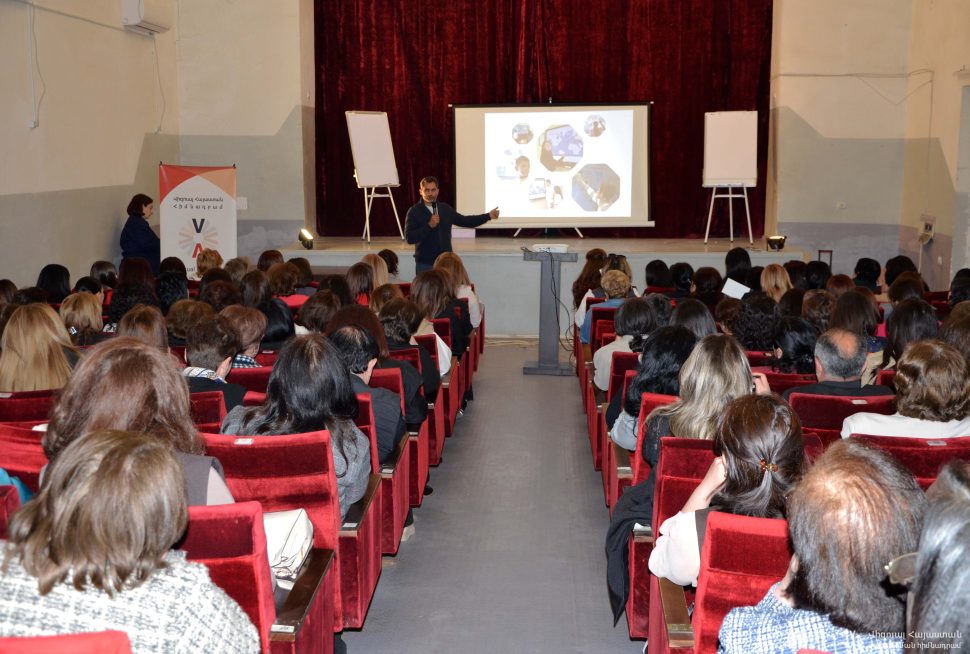
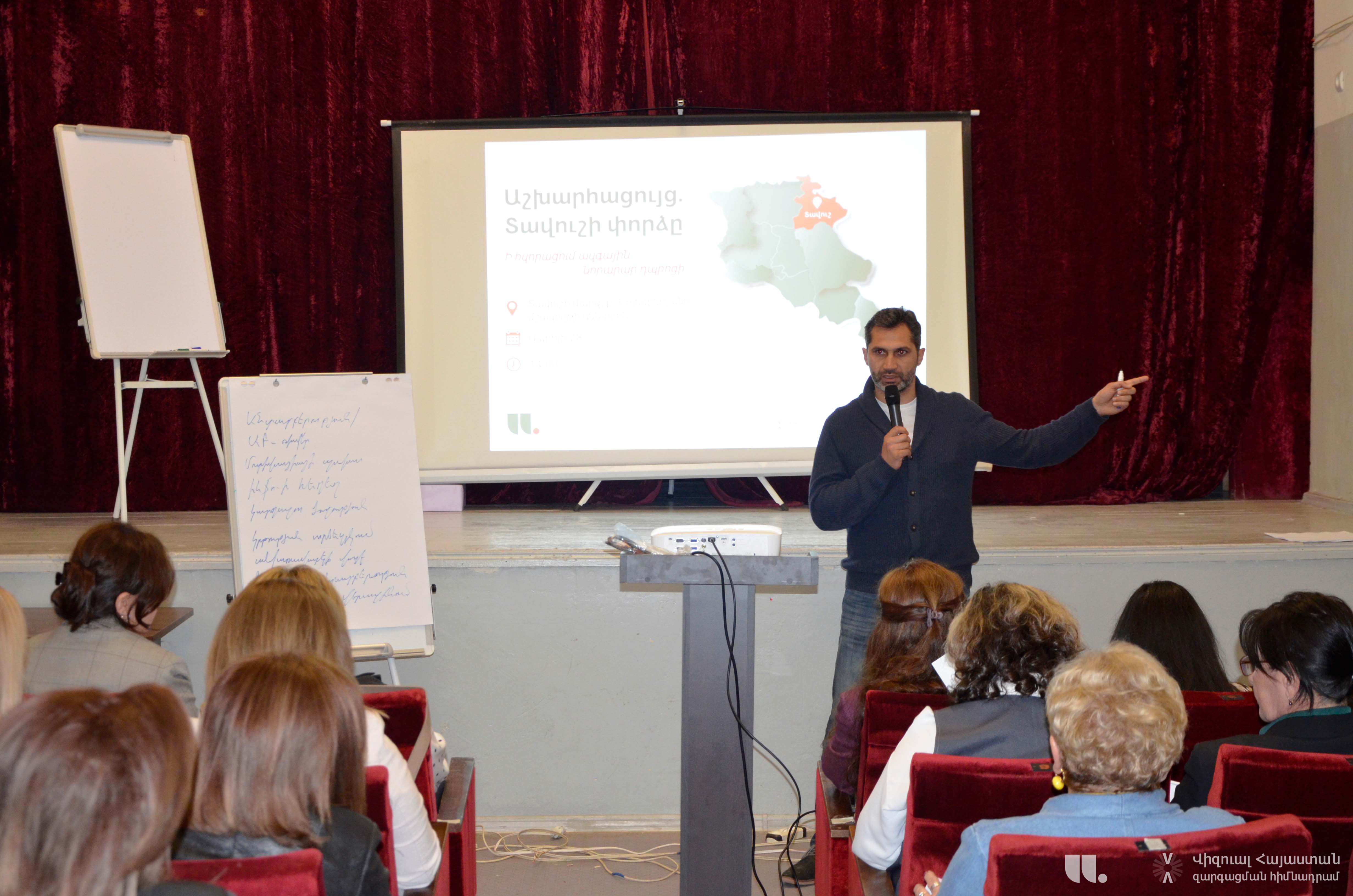
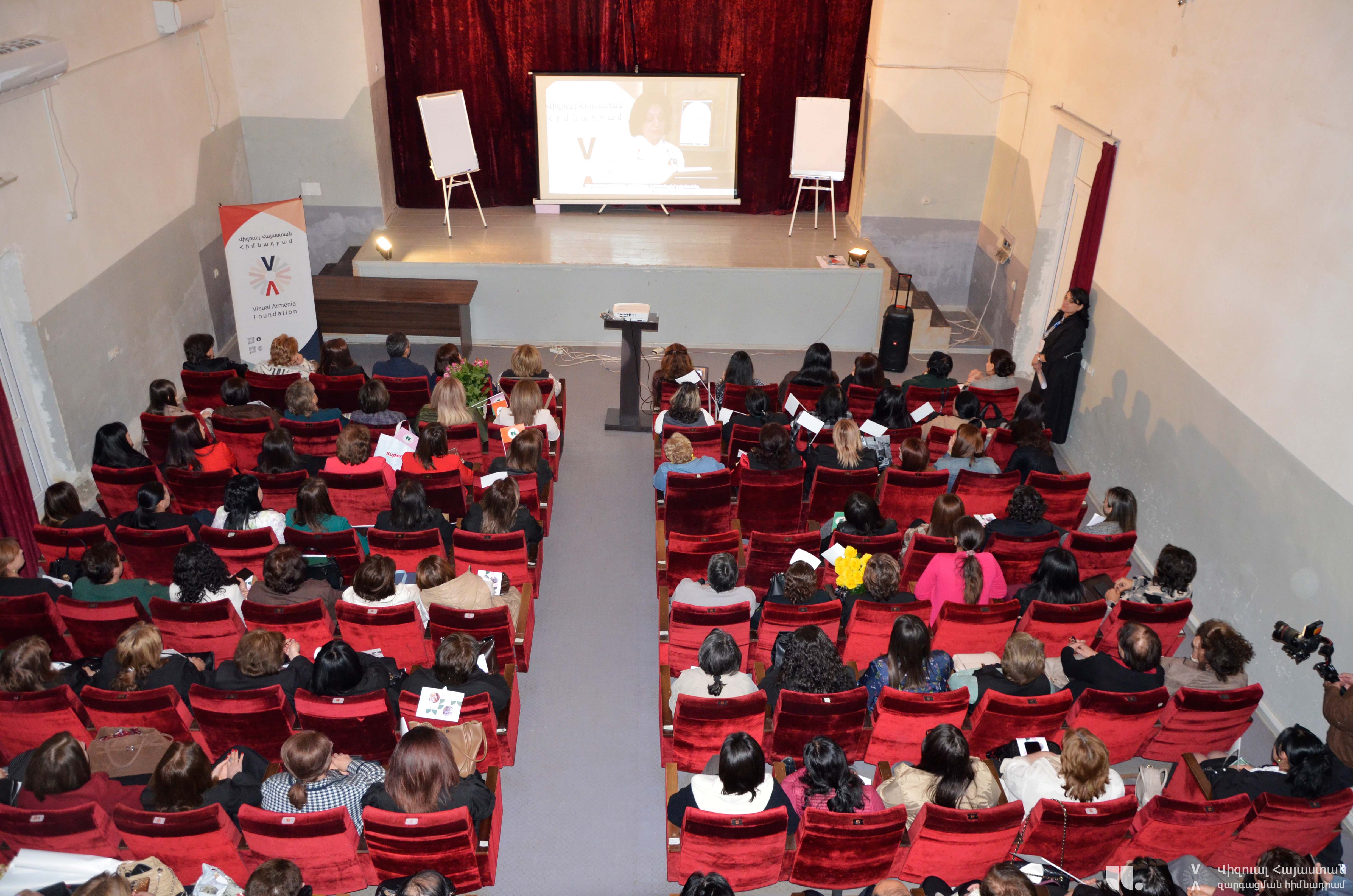
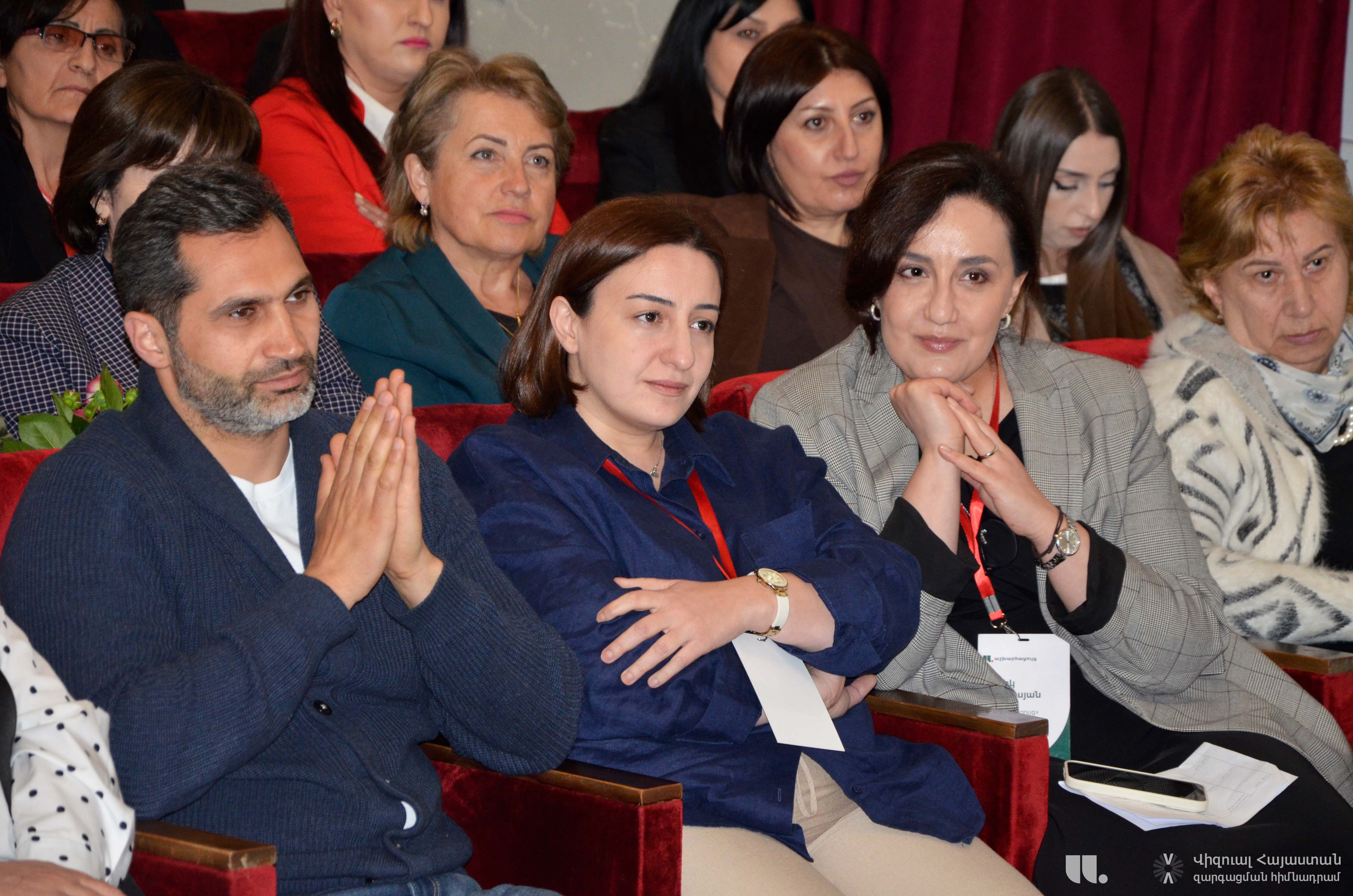
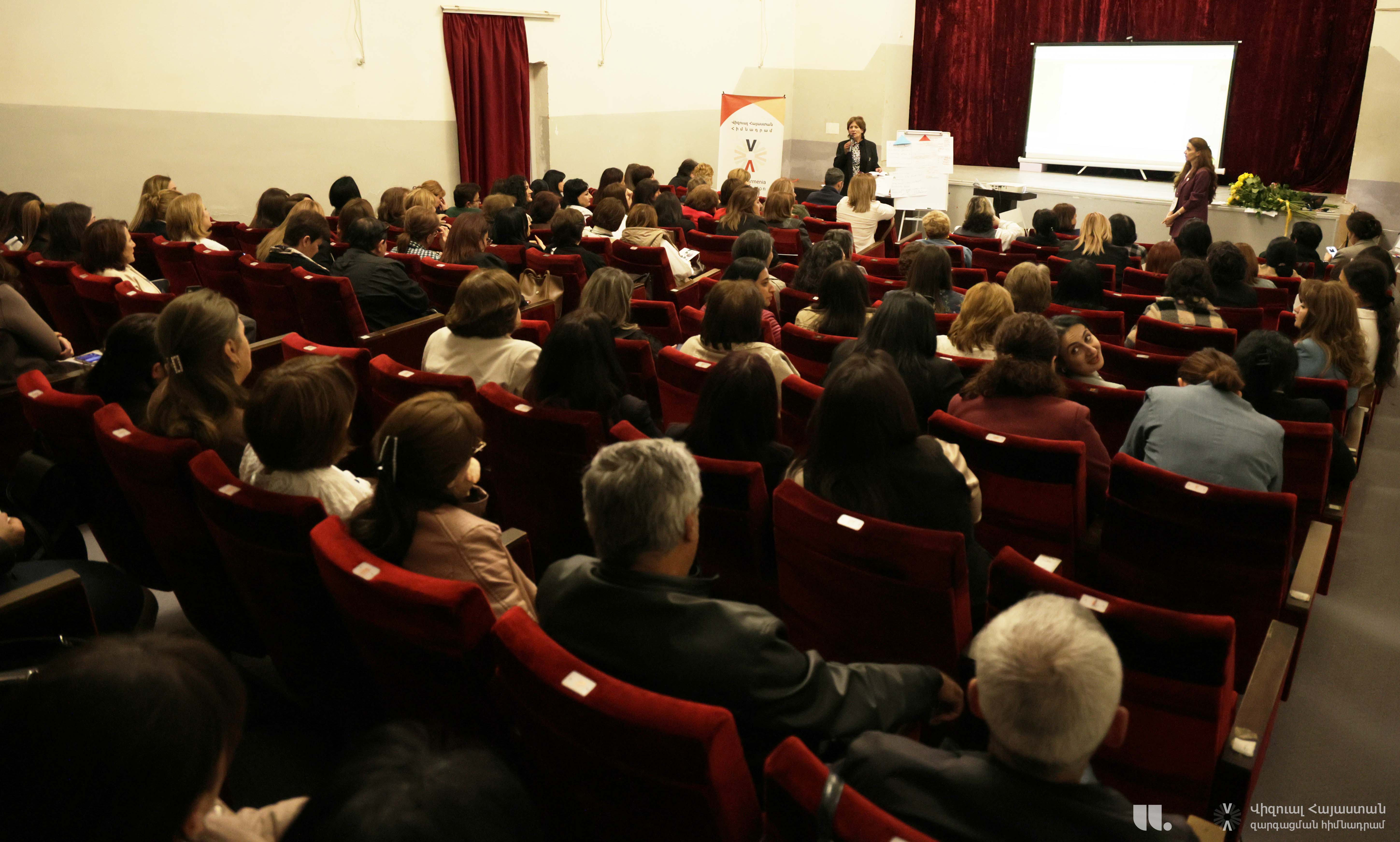
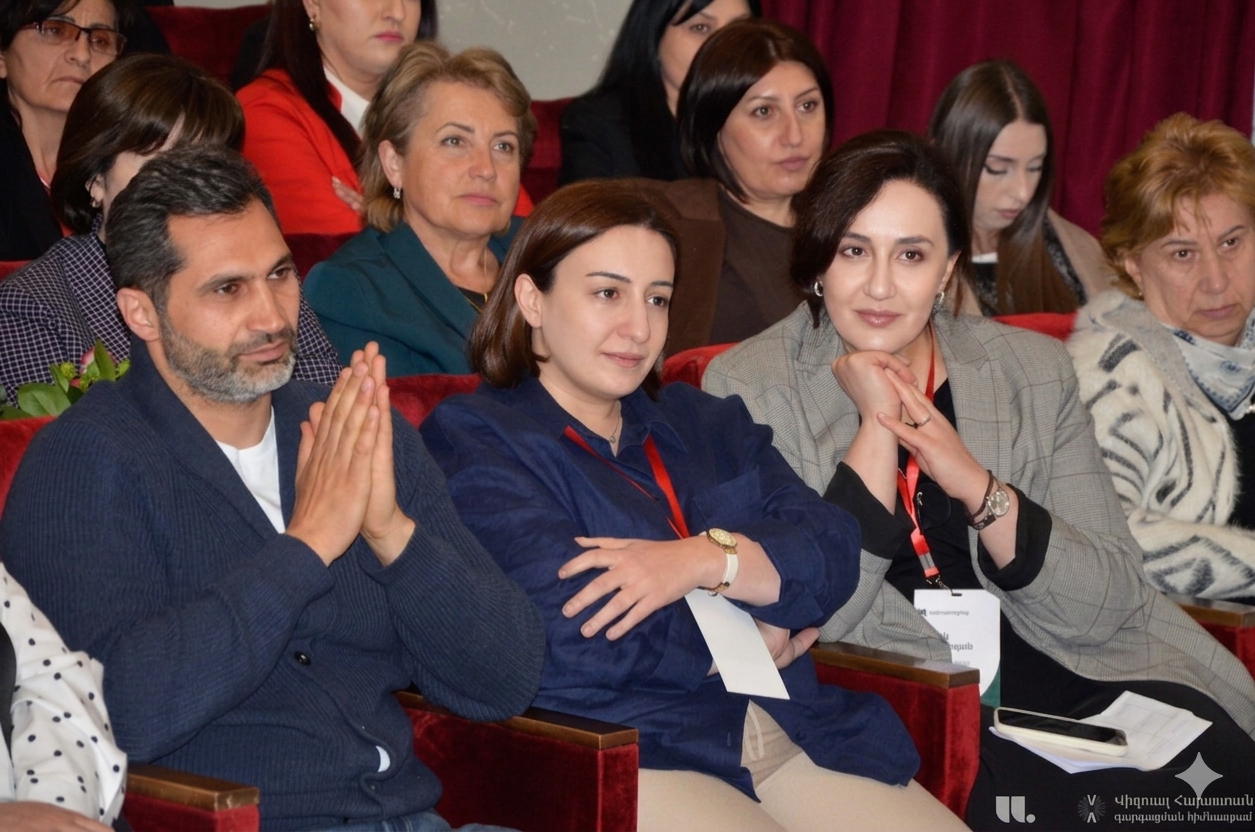
On April 28 of this year, the first centralized reporting meeting within the three-tier regional training program of the WorldView educational platform – implemented by the Visual Armenia Foundation – was held at the Noyemberyan Cultural Center in Tavush region, under the title “WorldView: The Tavush Experience.”
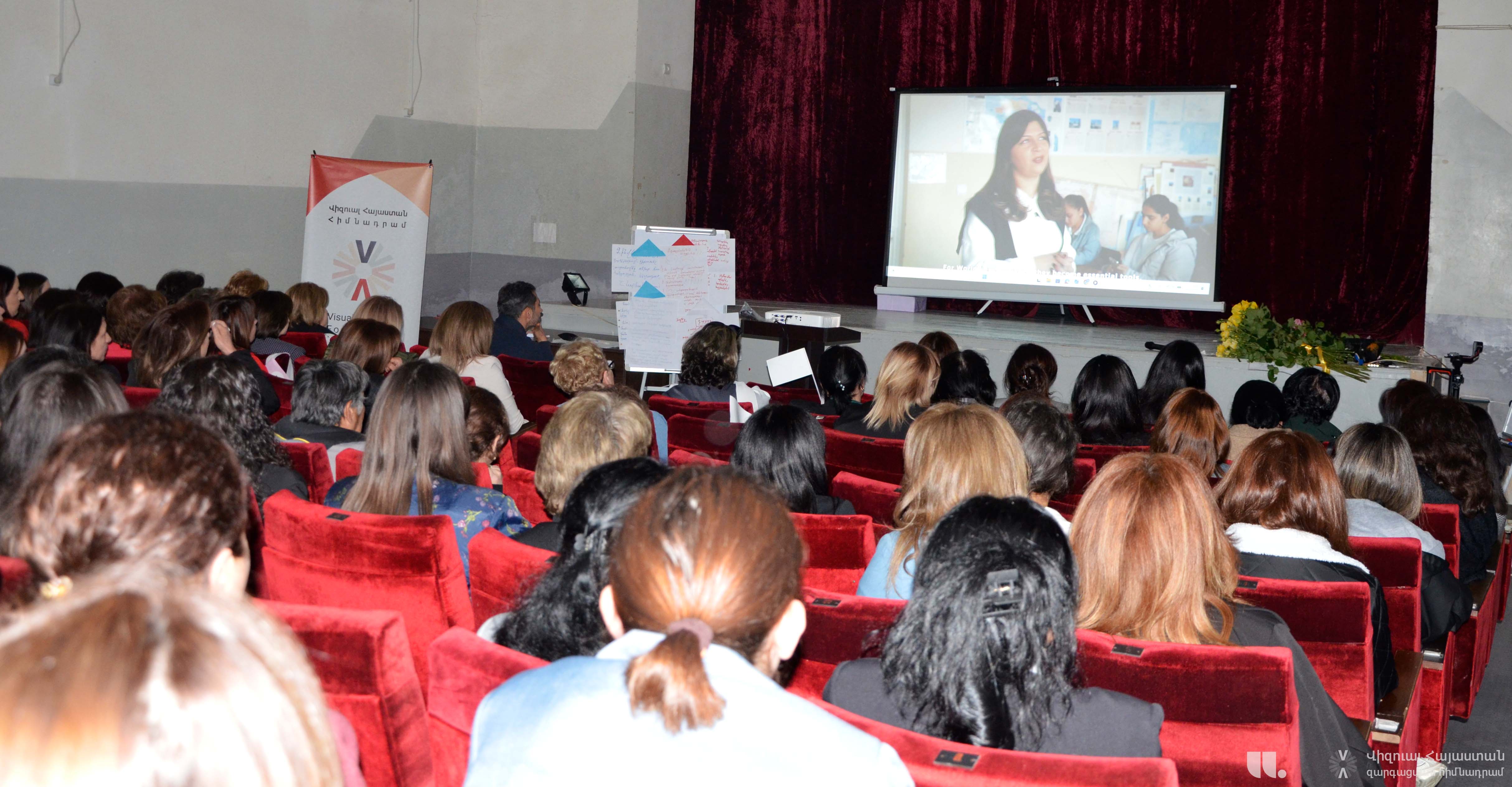
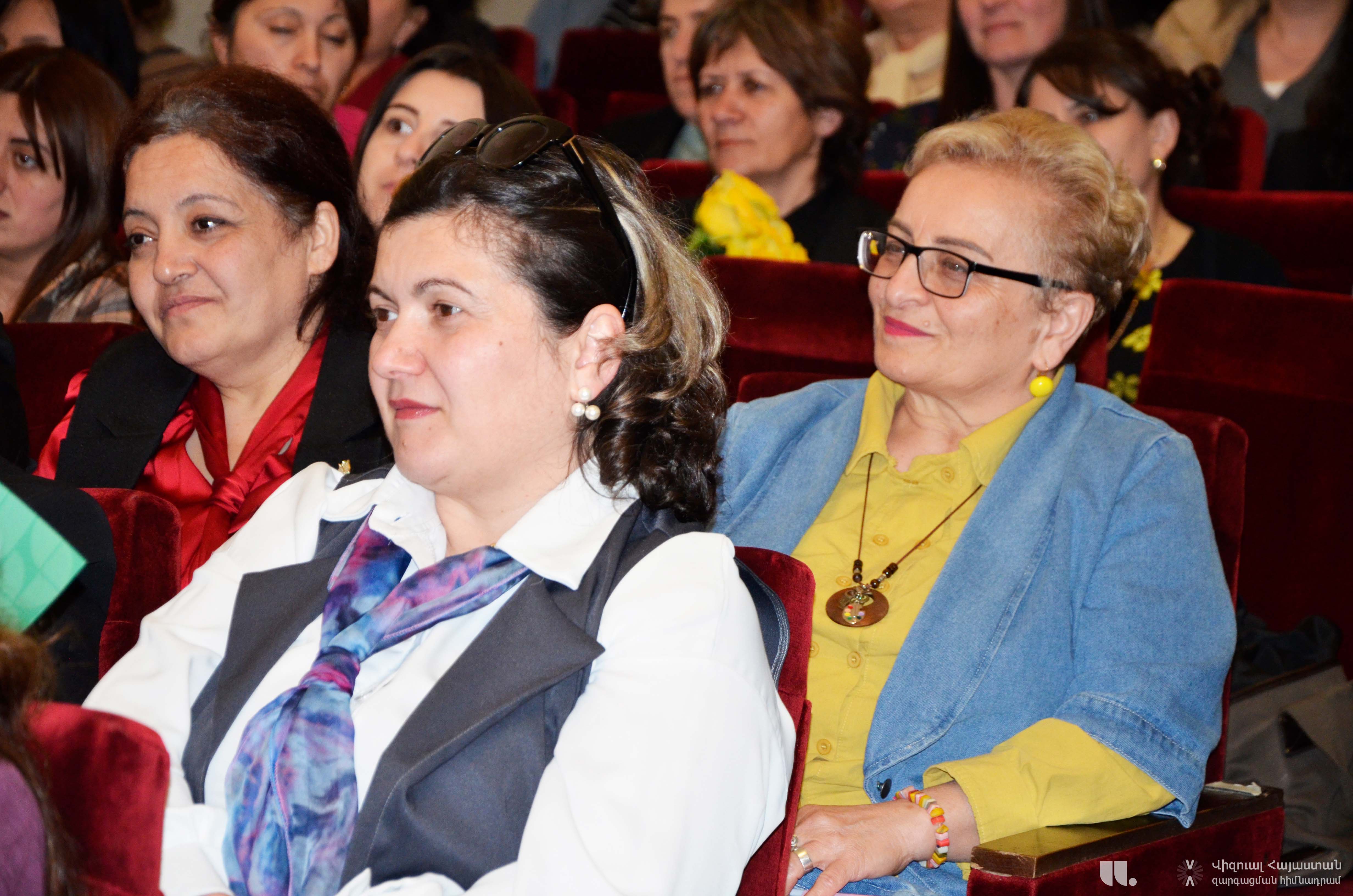
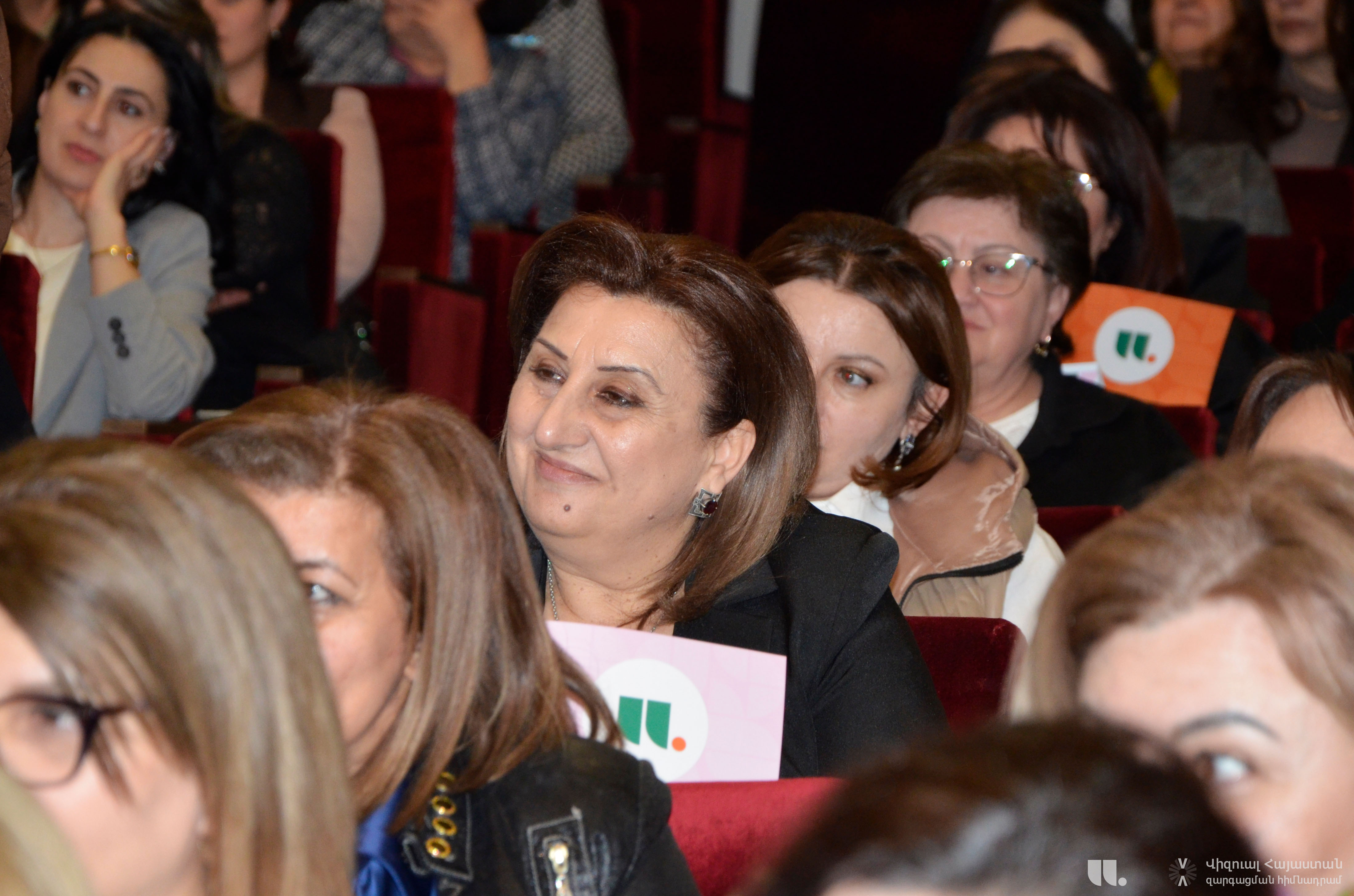
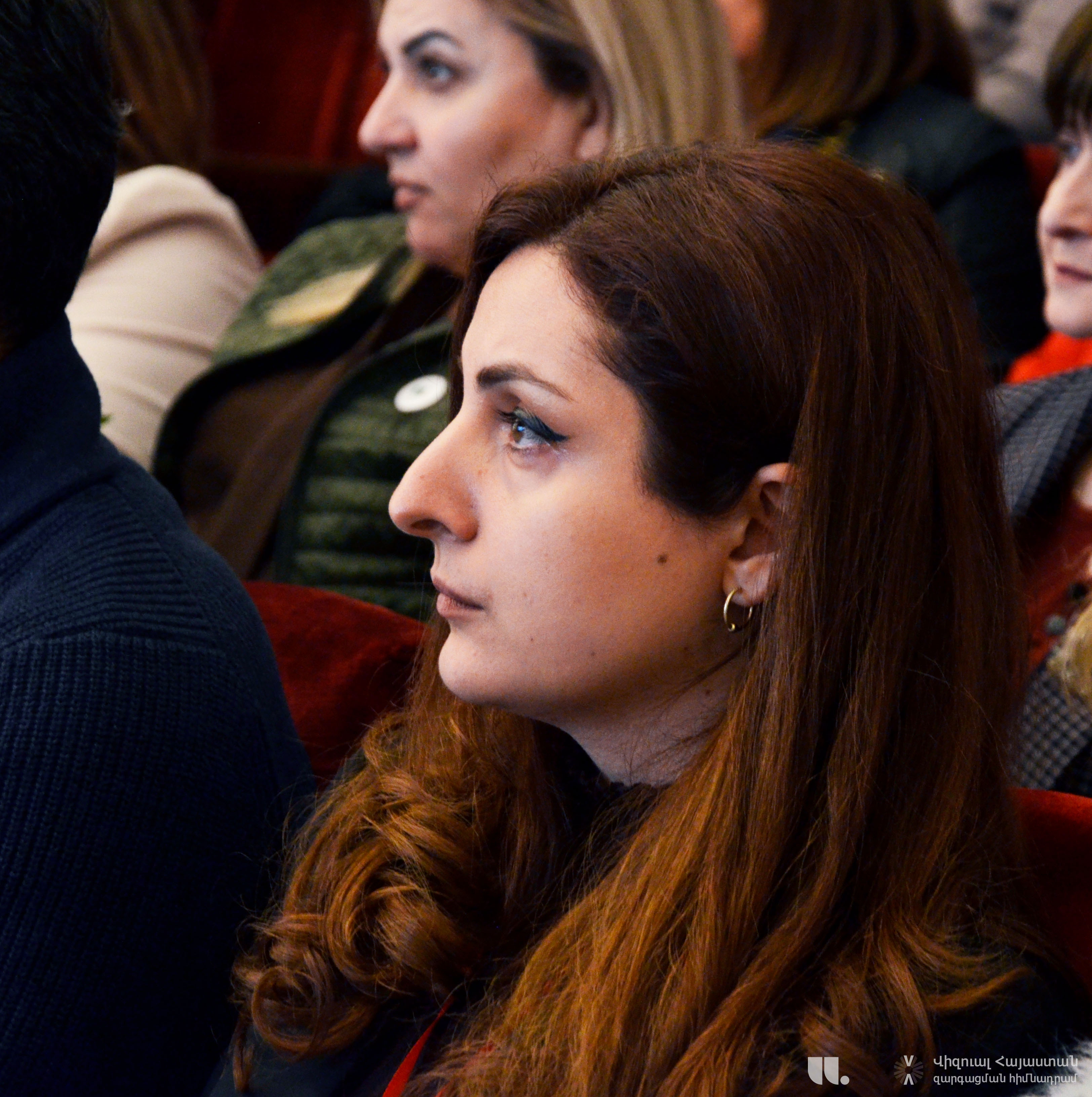
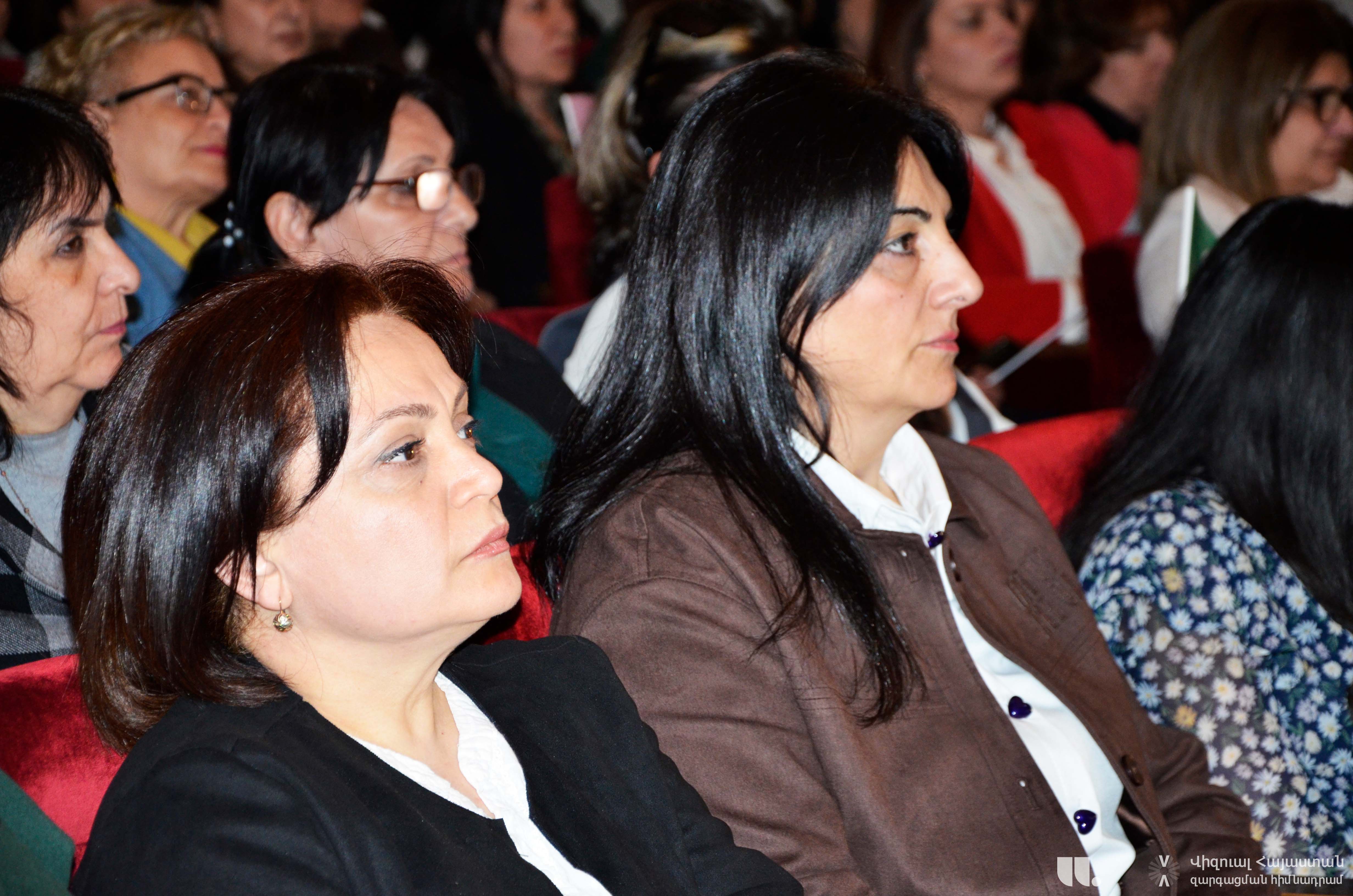
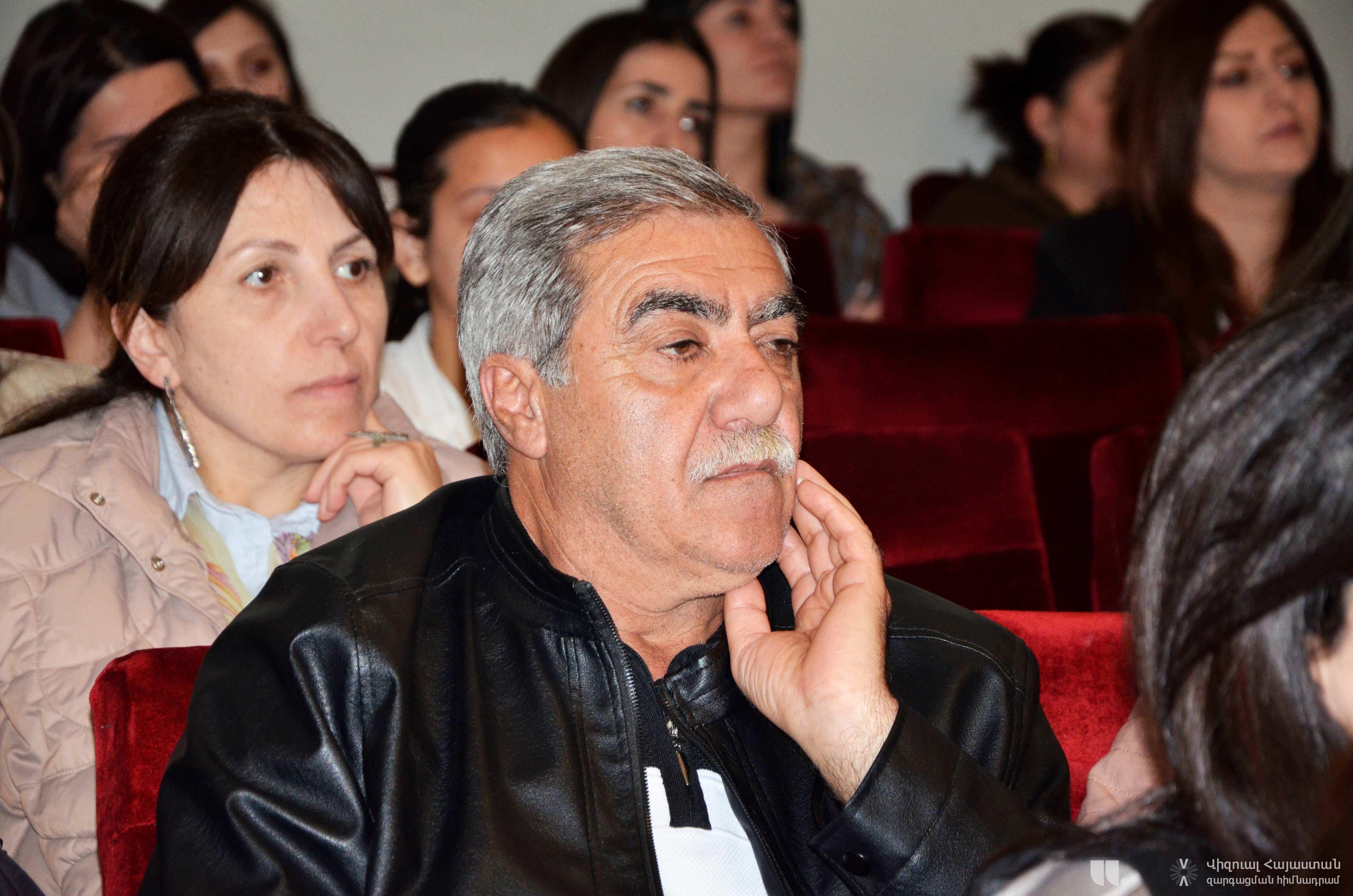
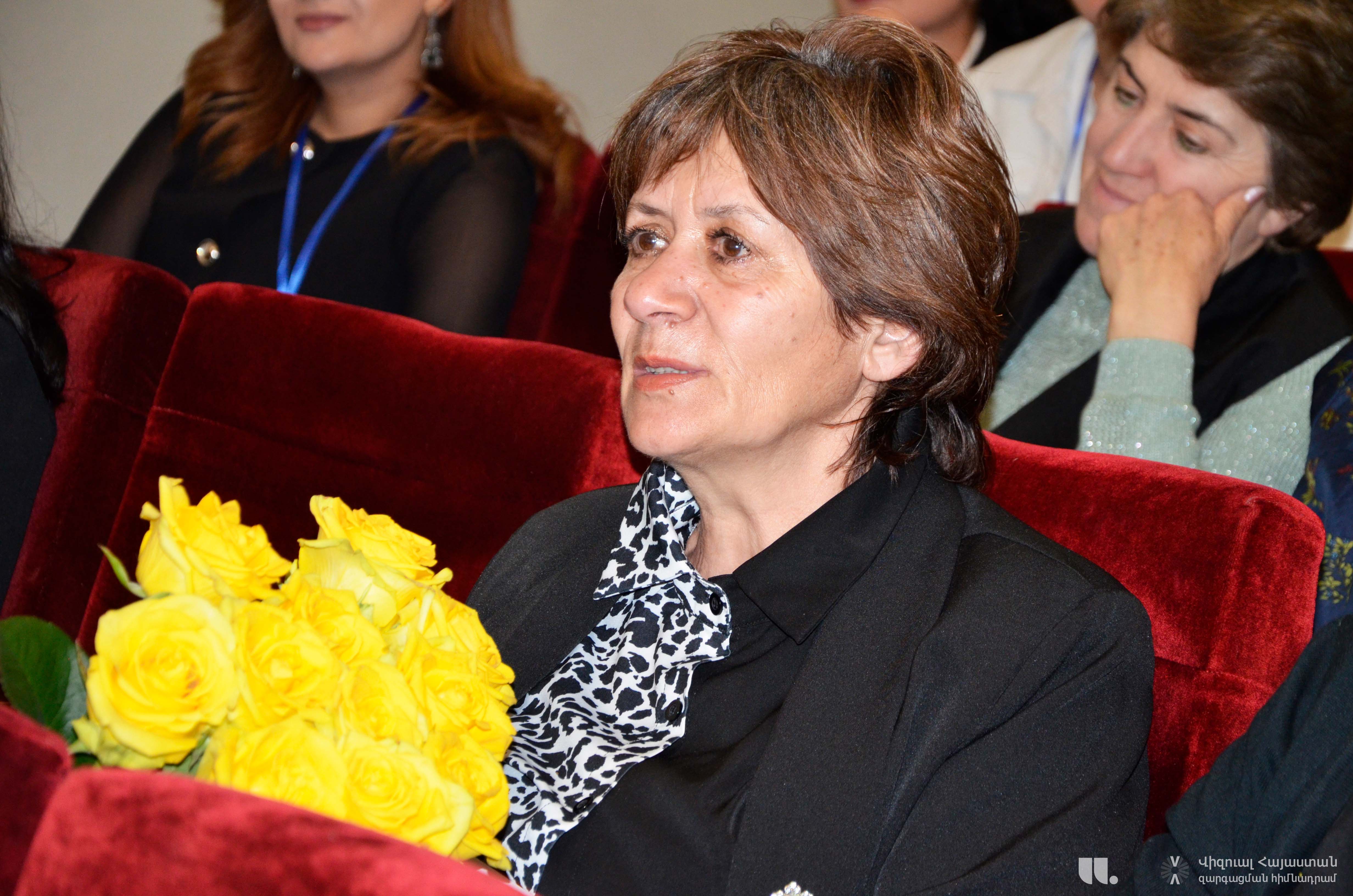
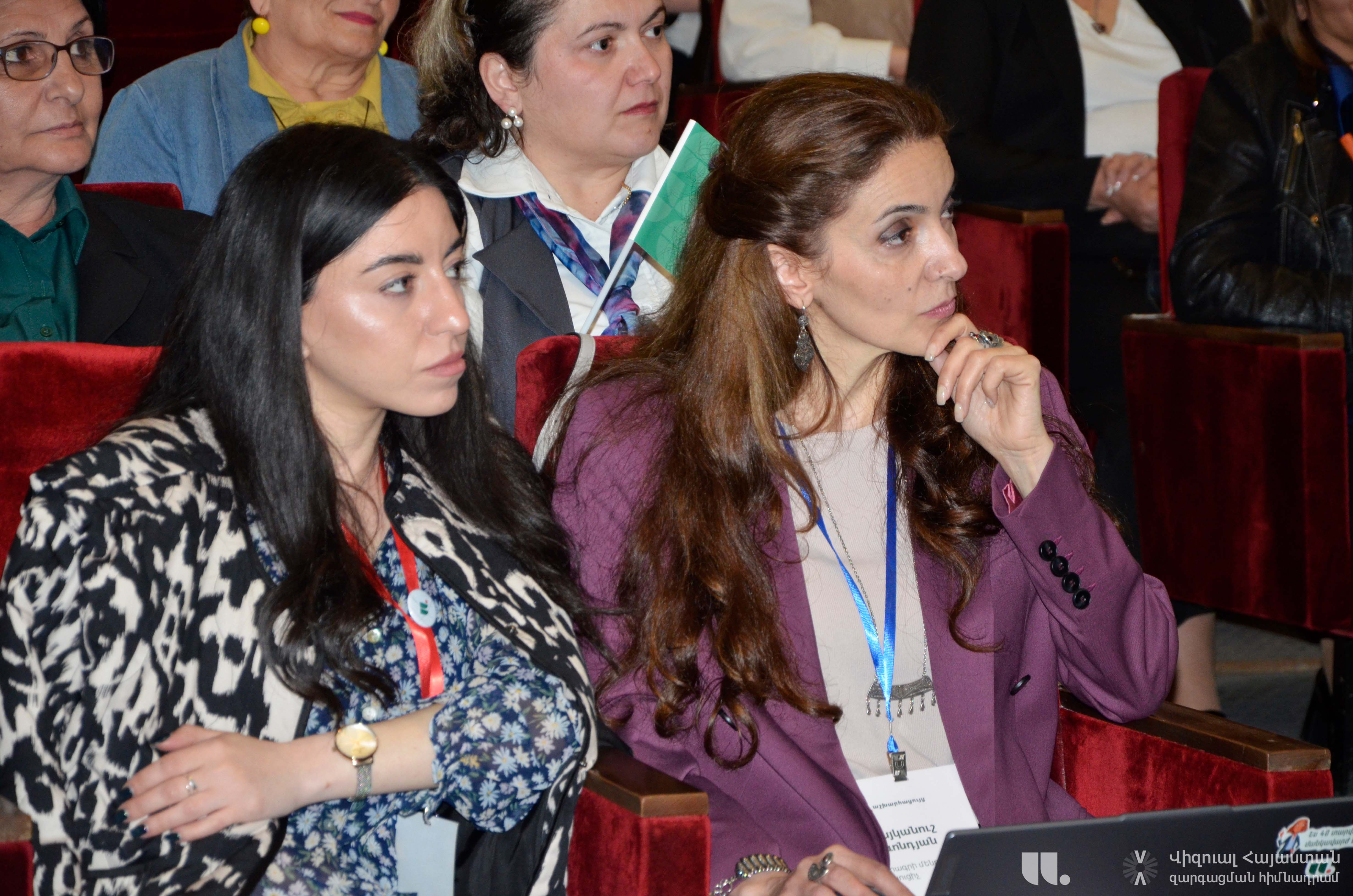
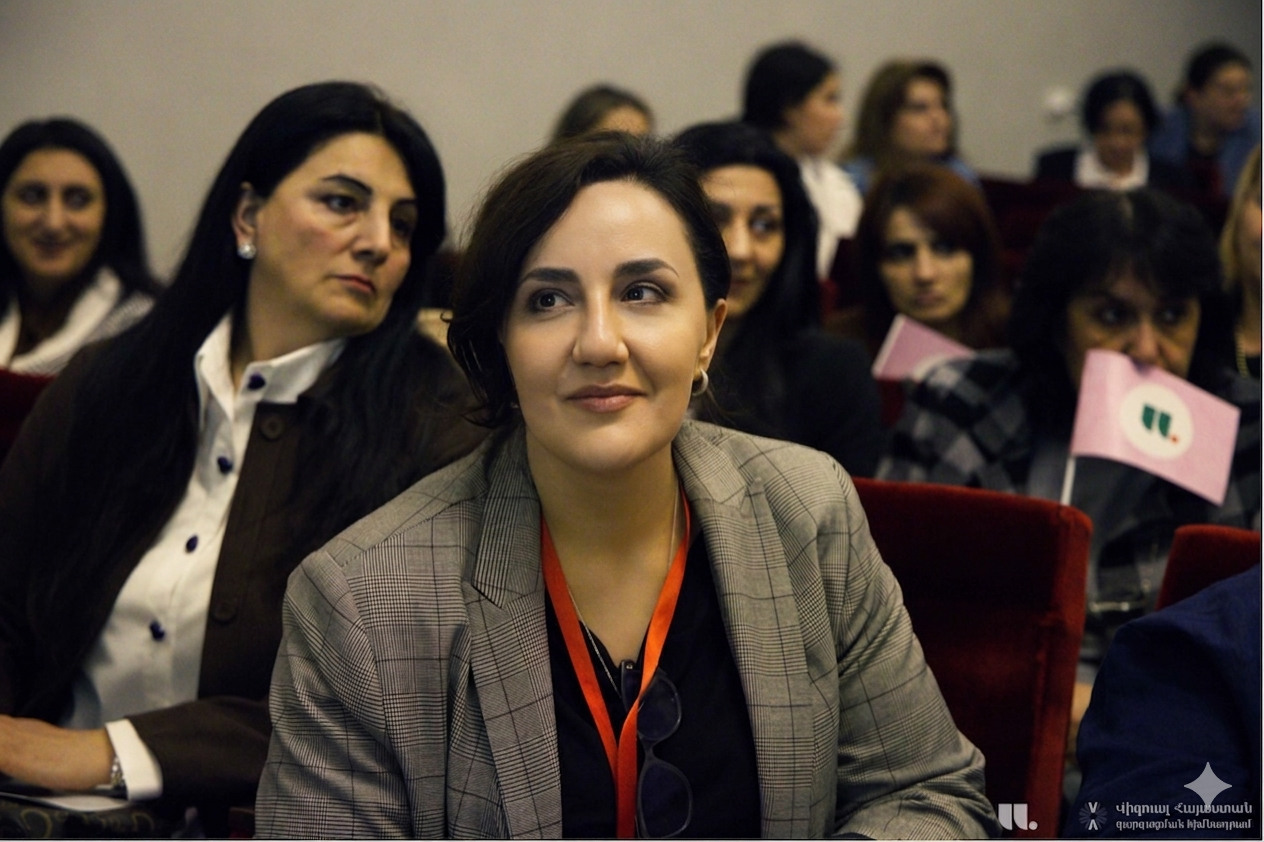
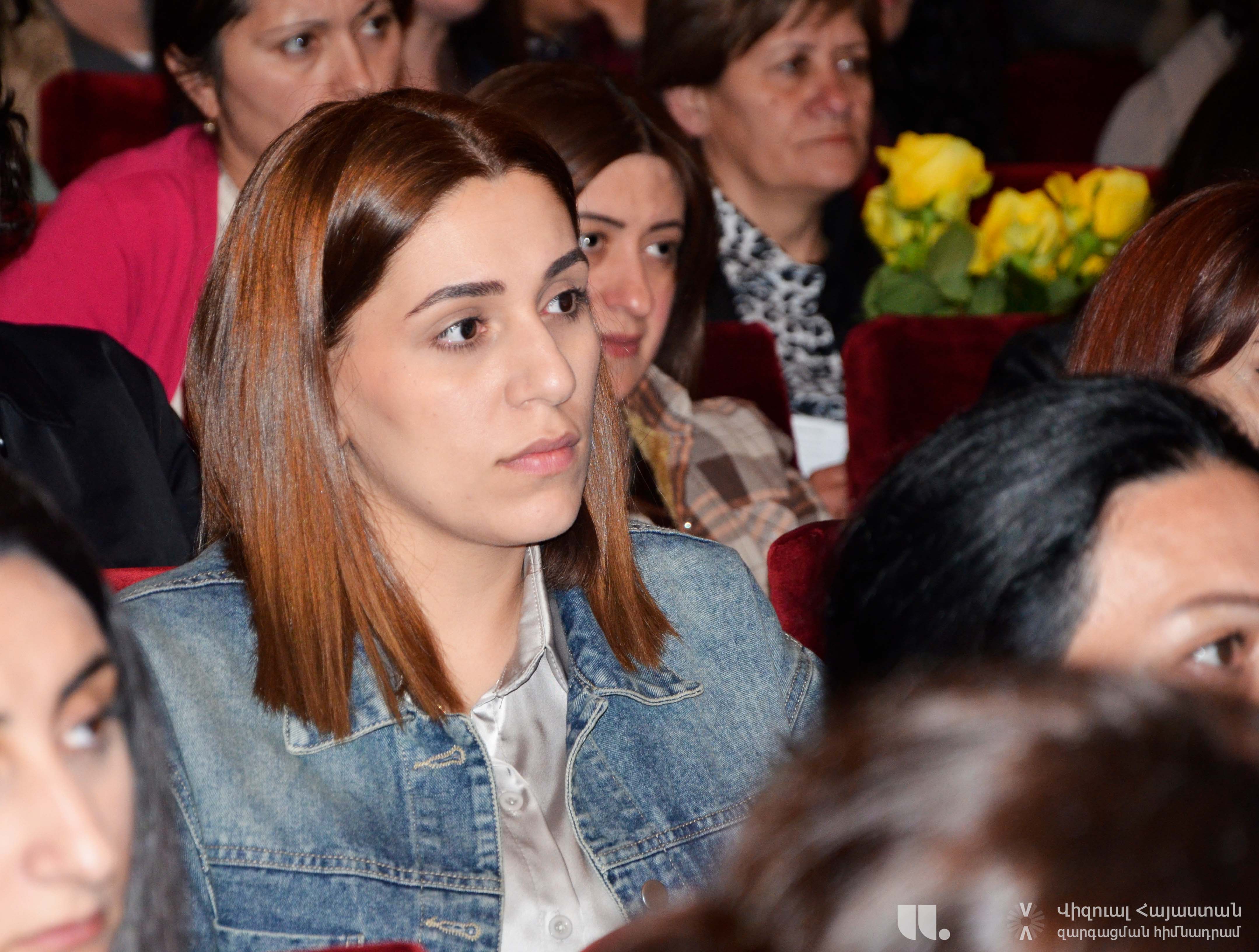
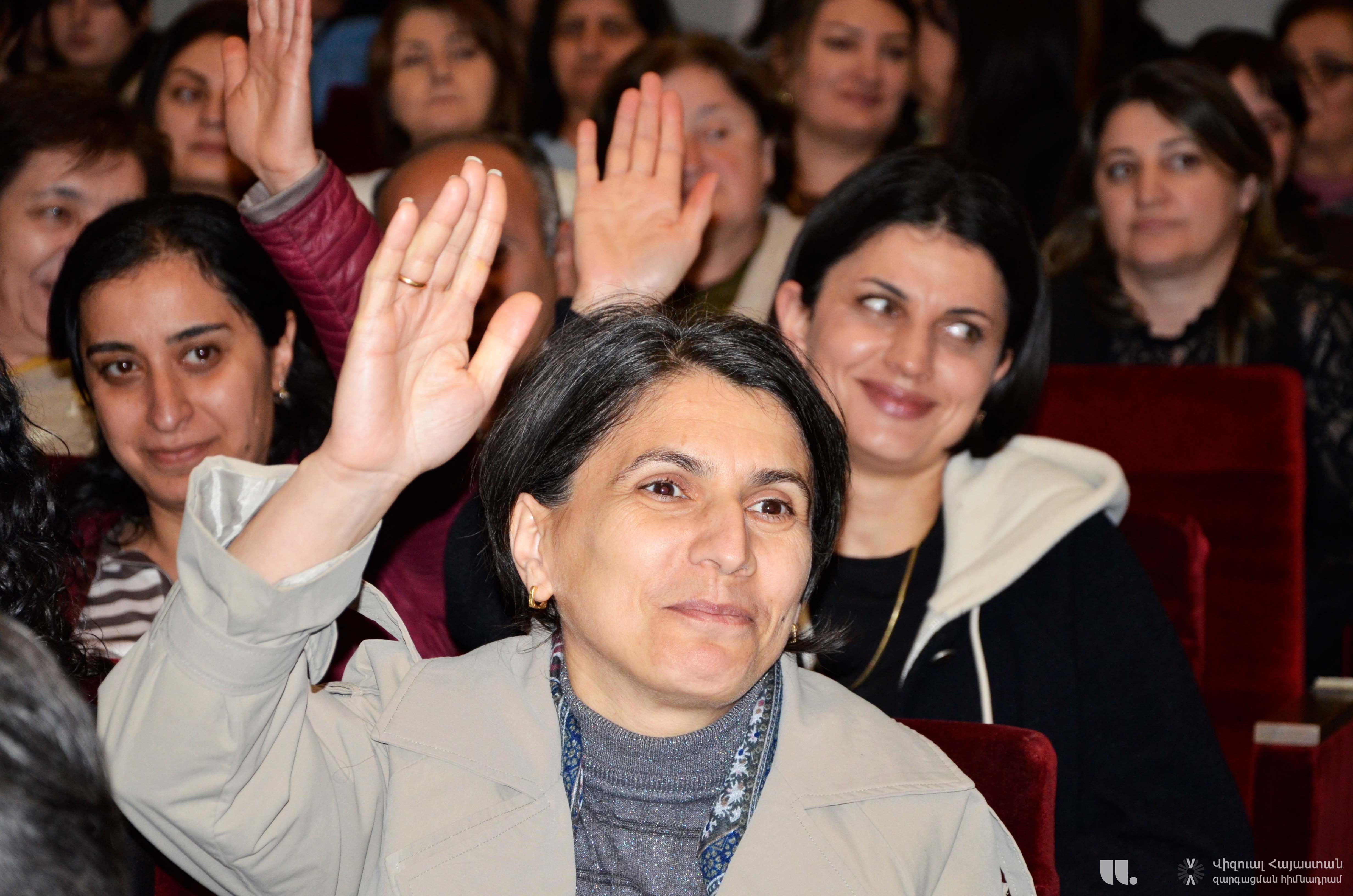
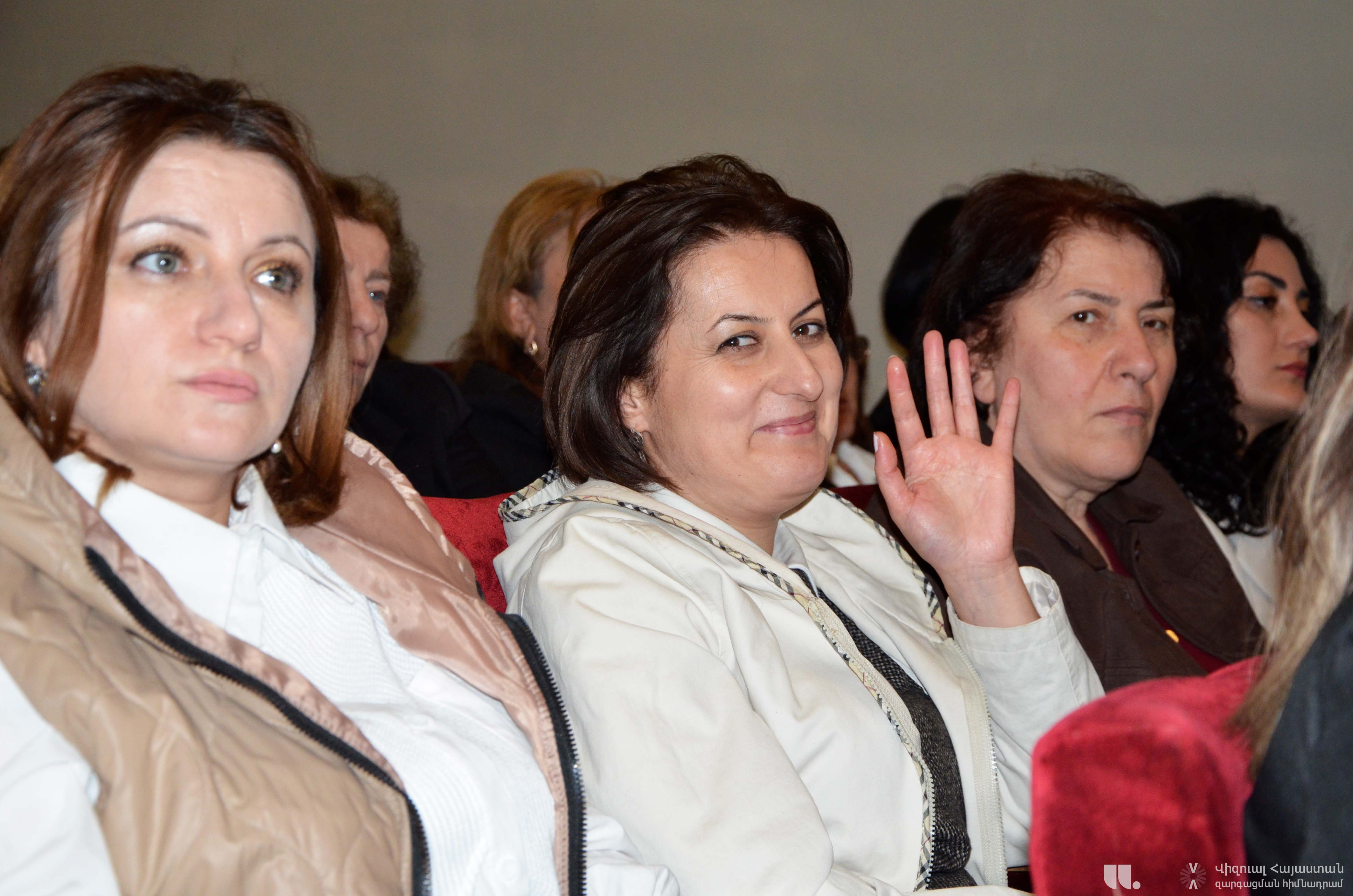
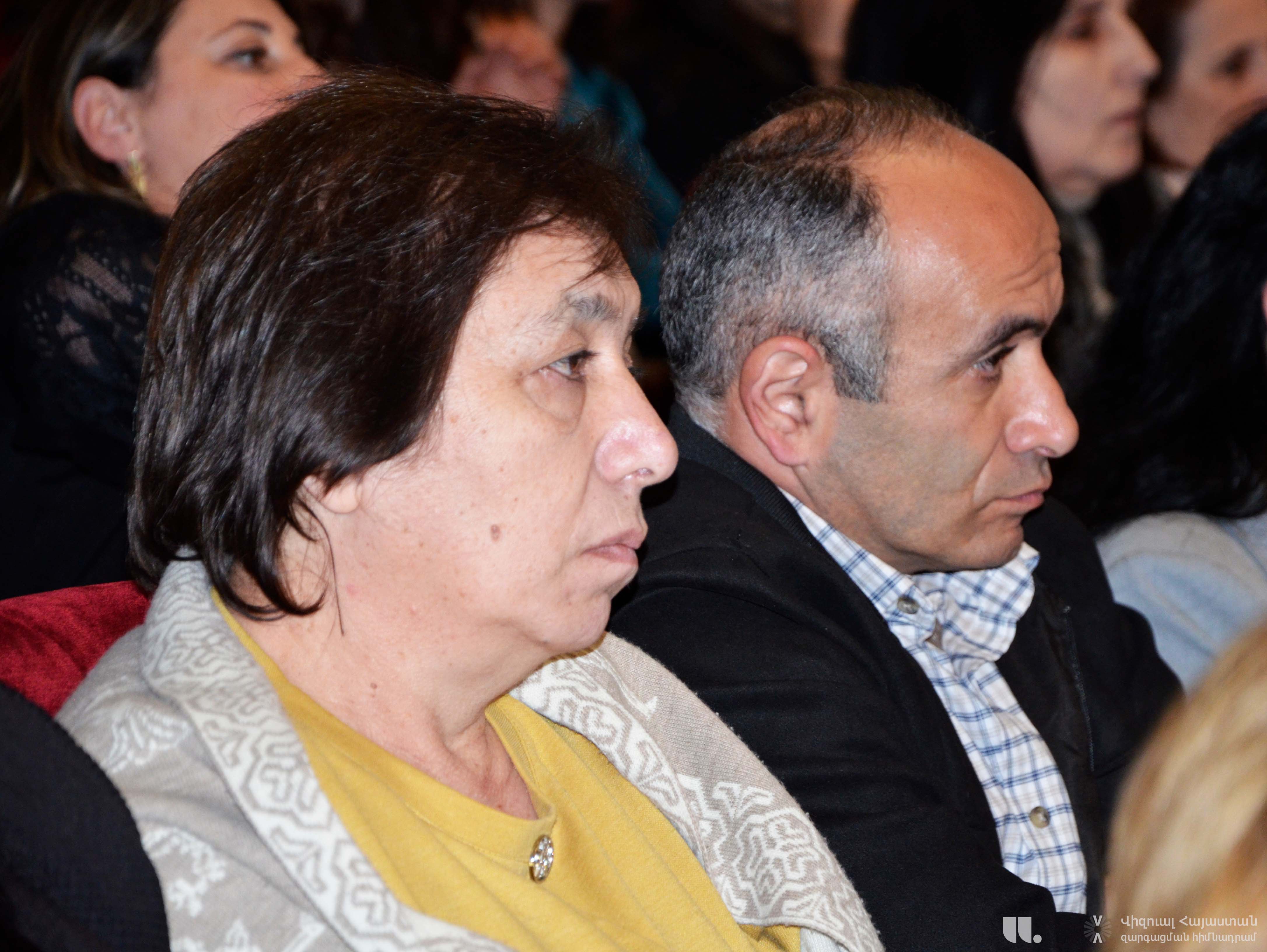
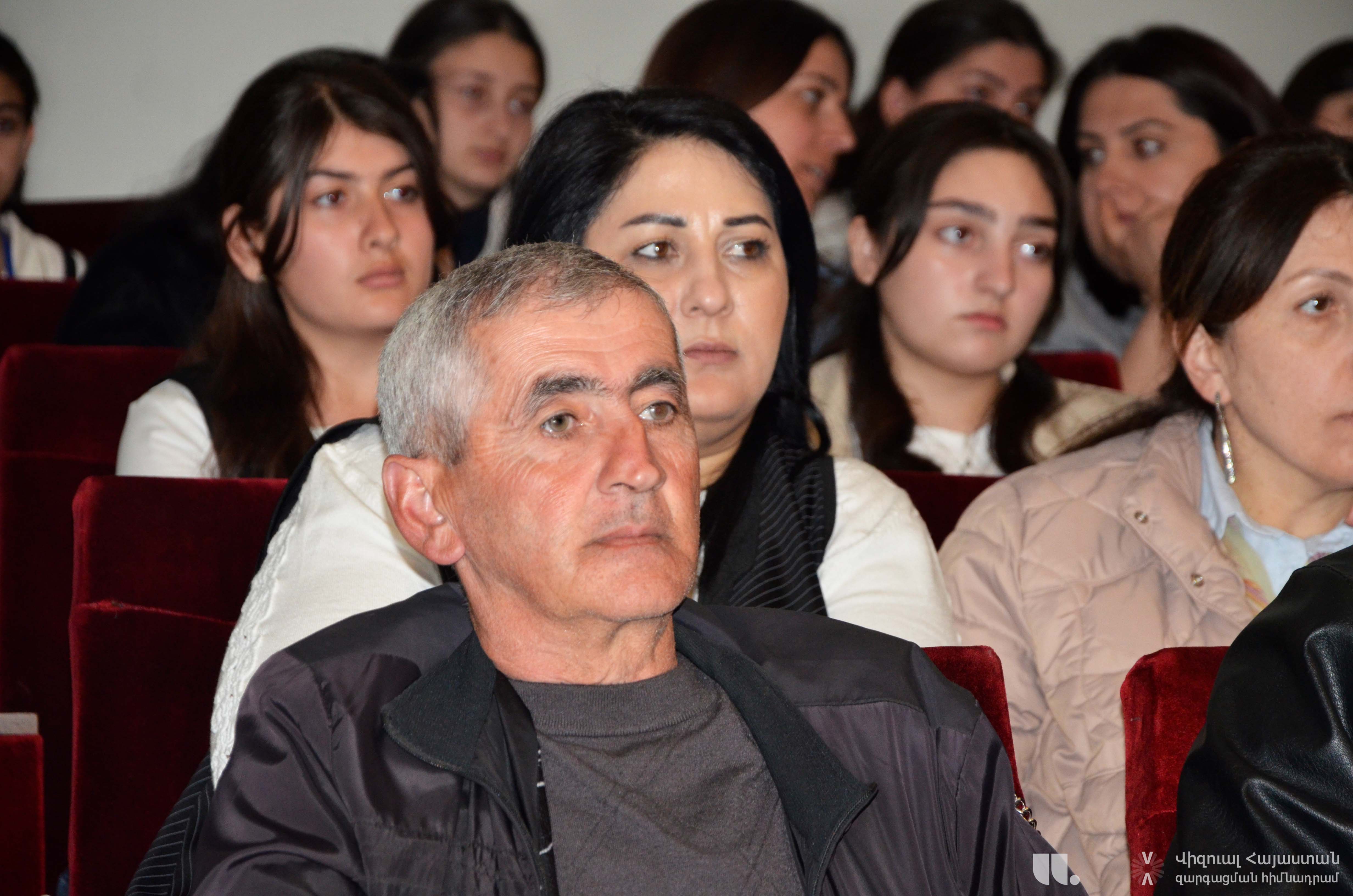
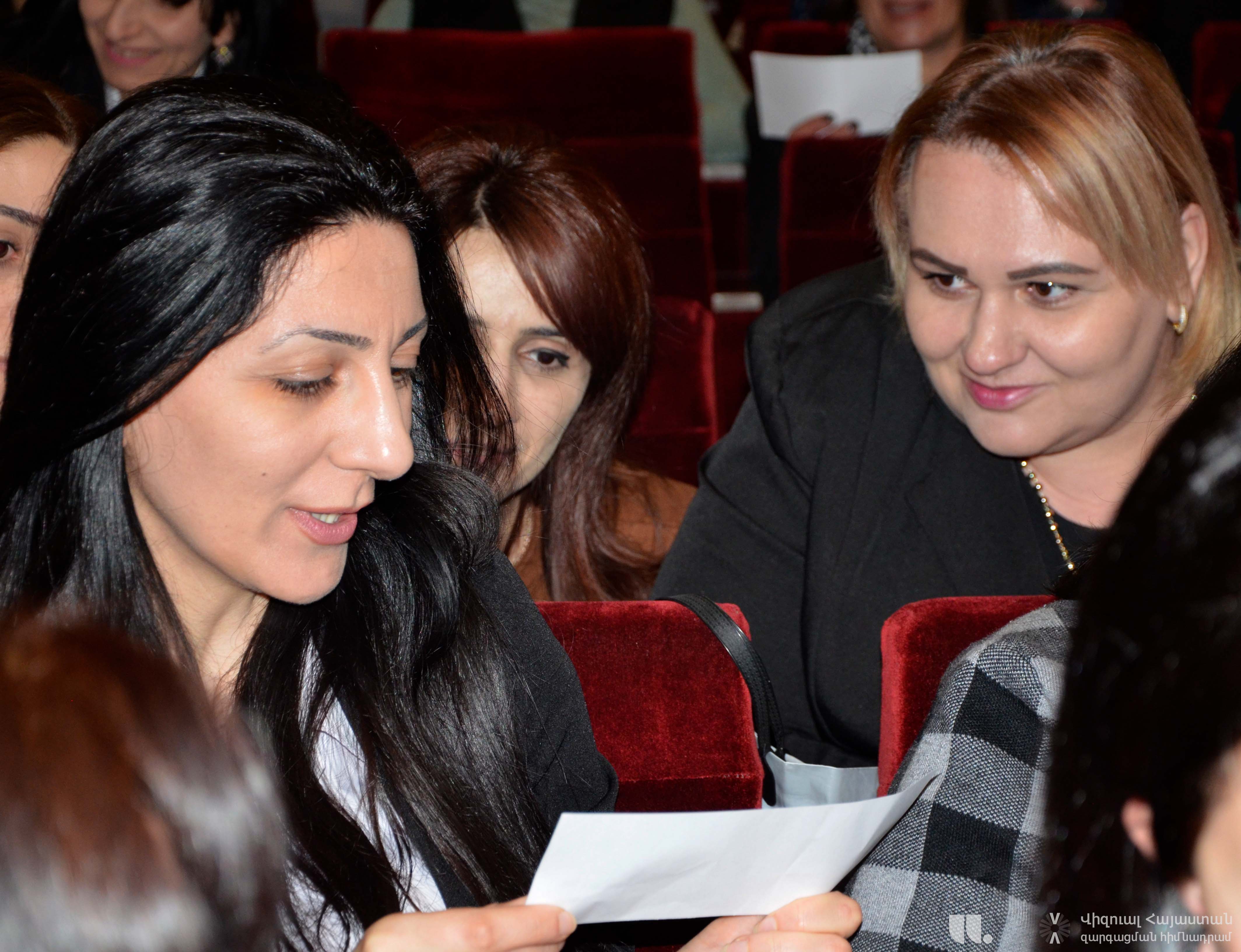
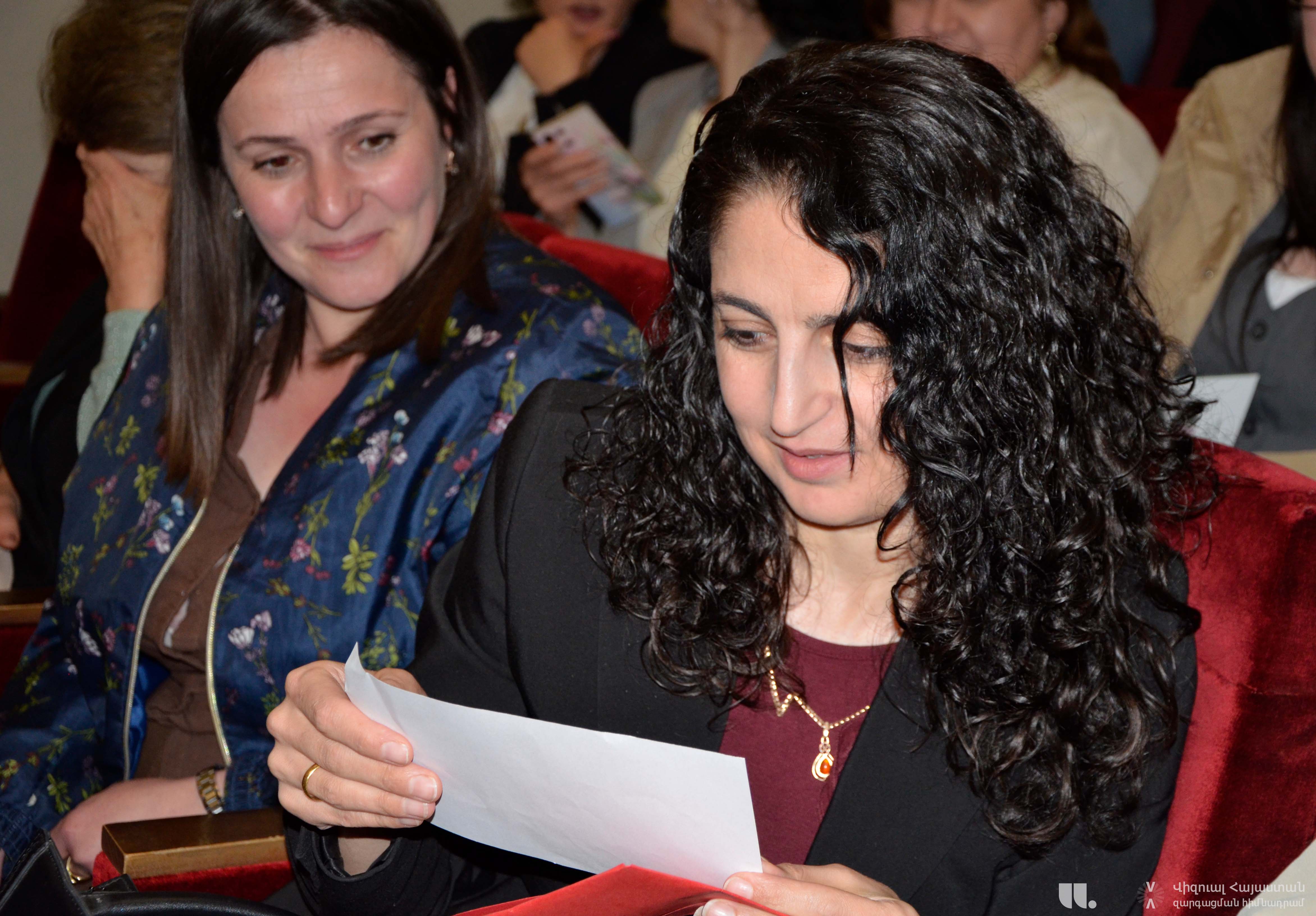
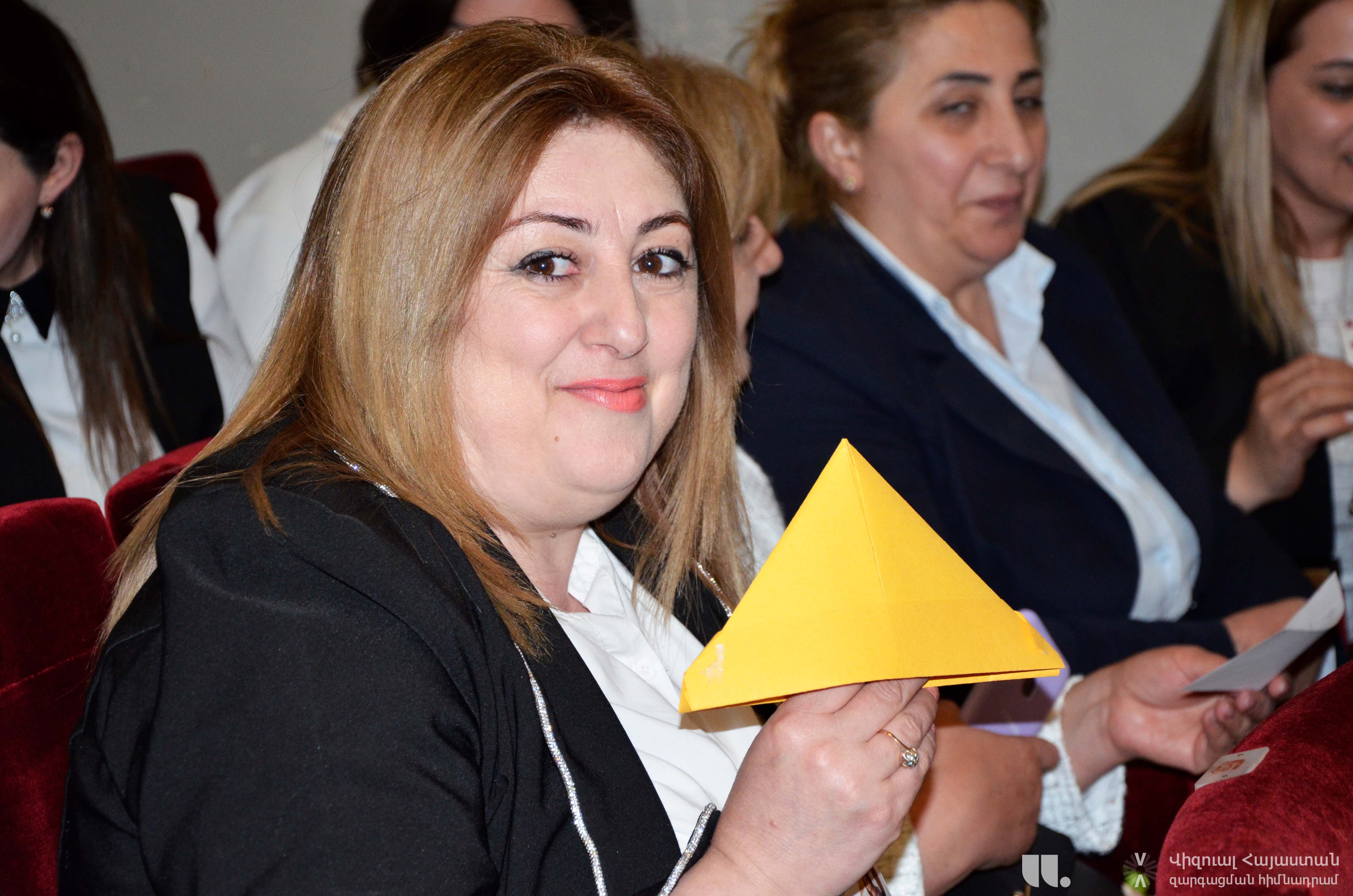
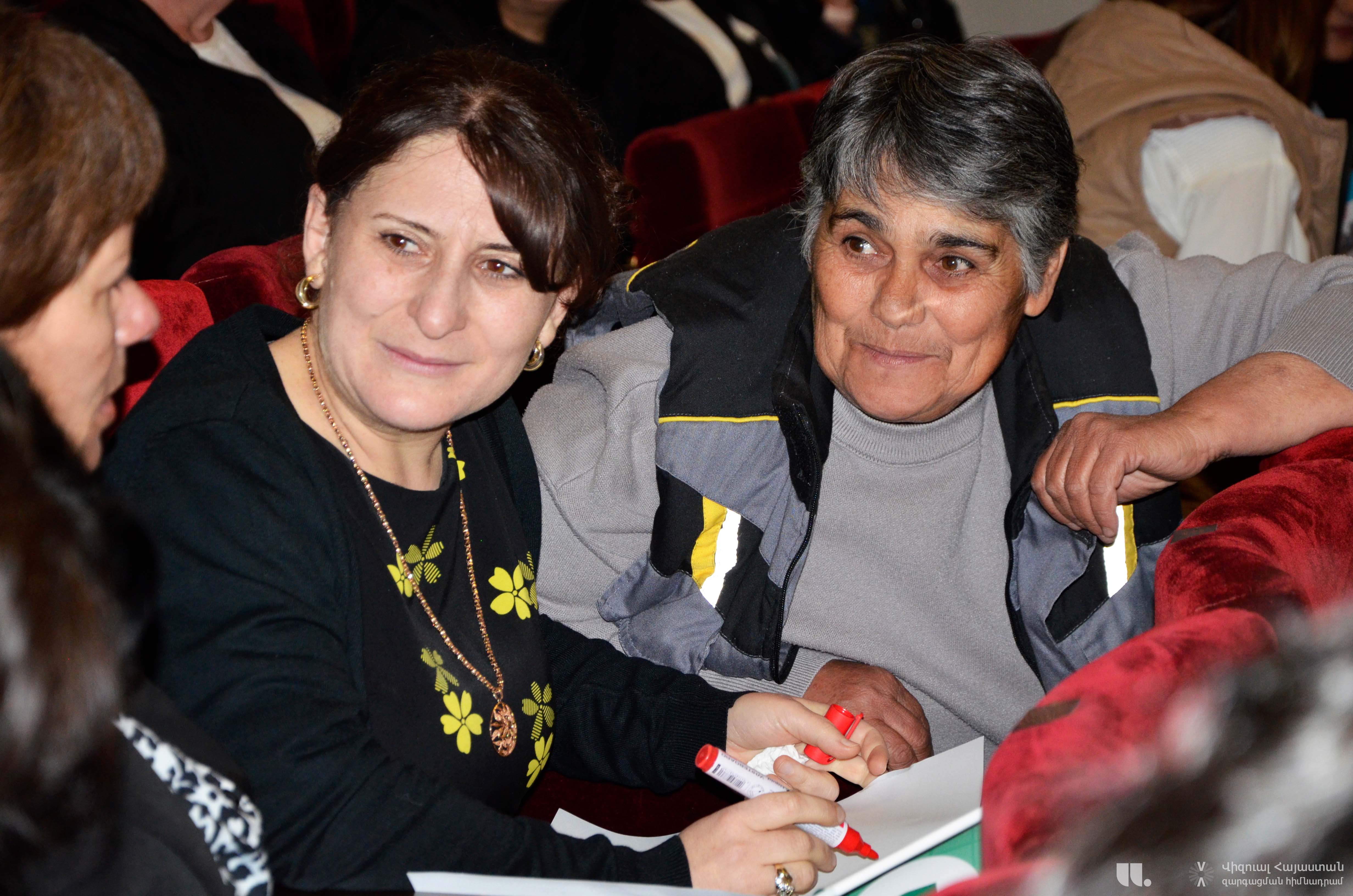
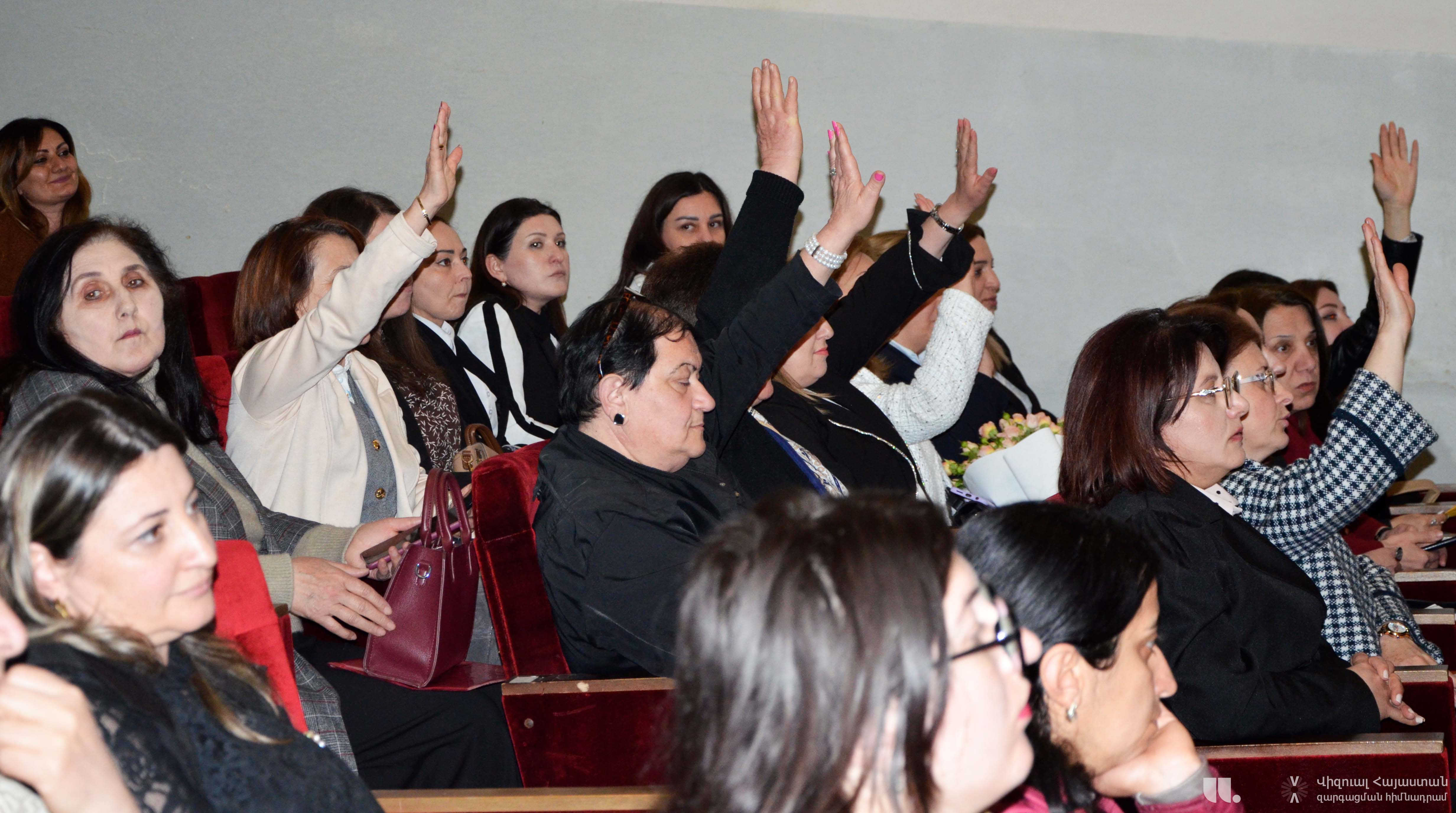
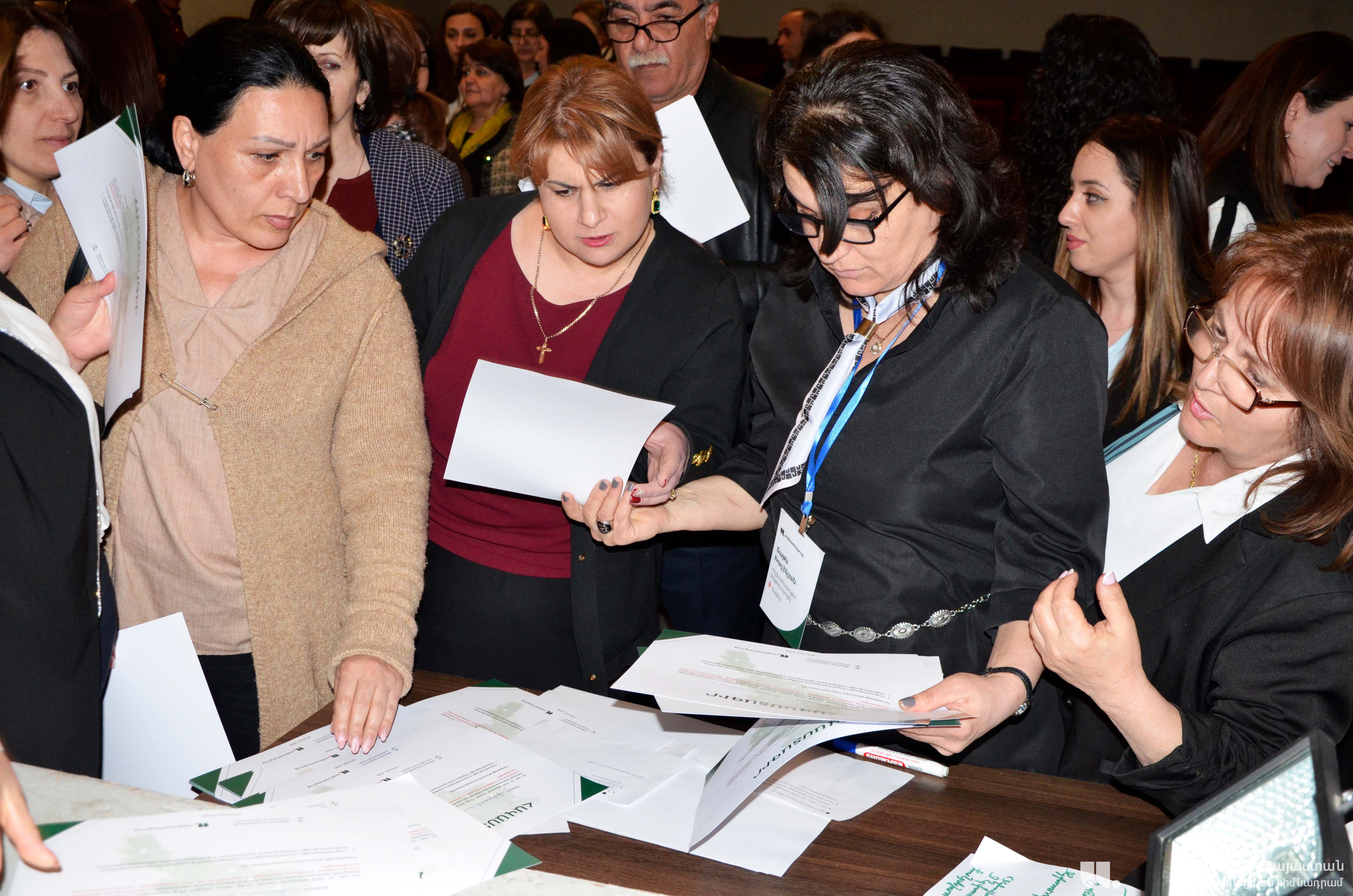
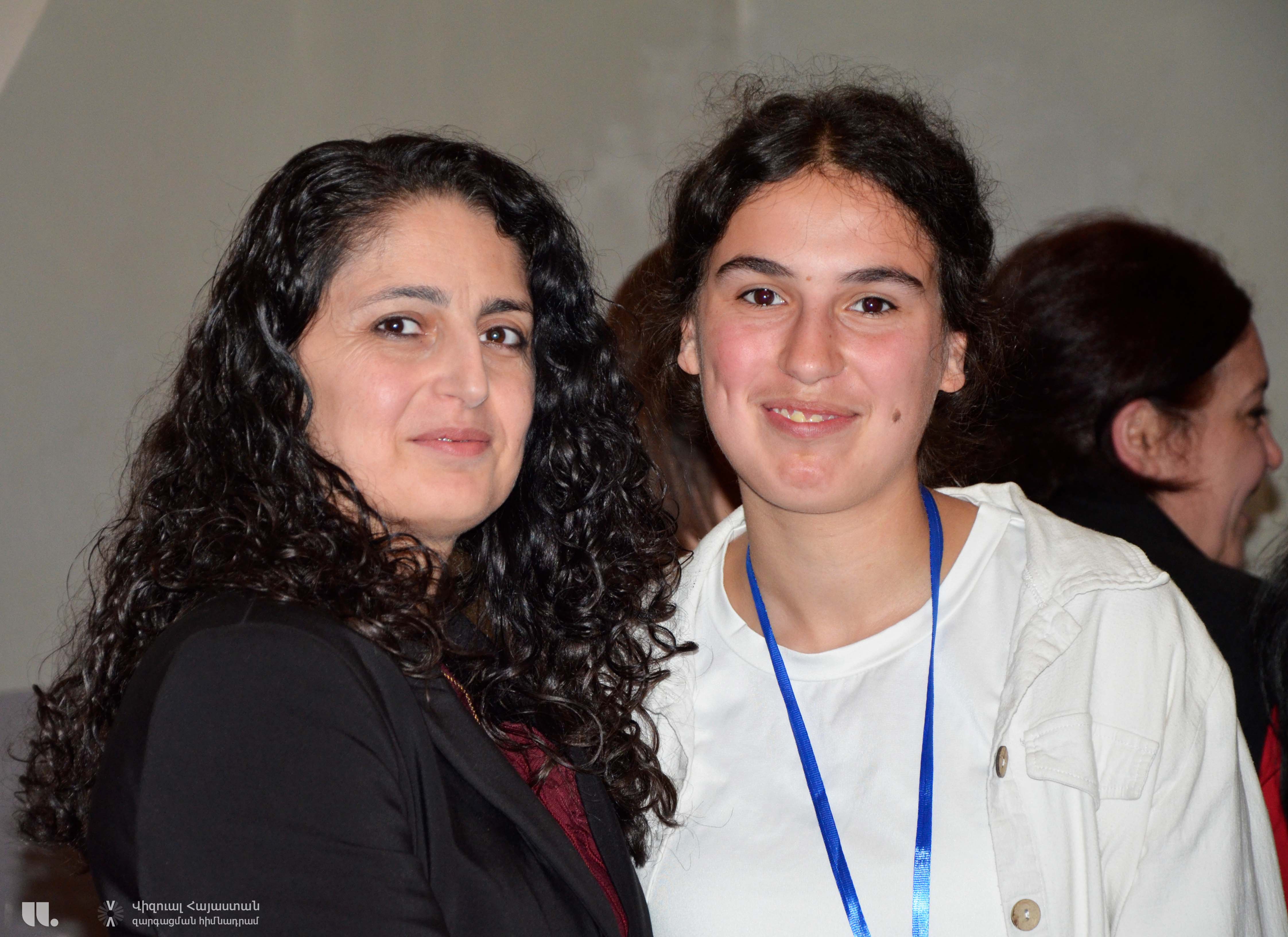
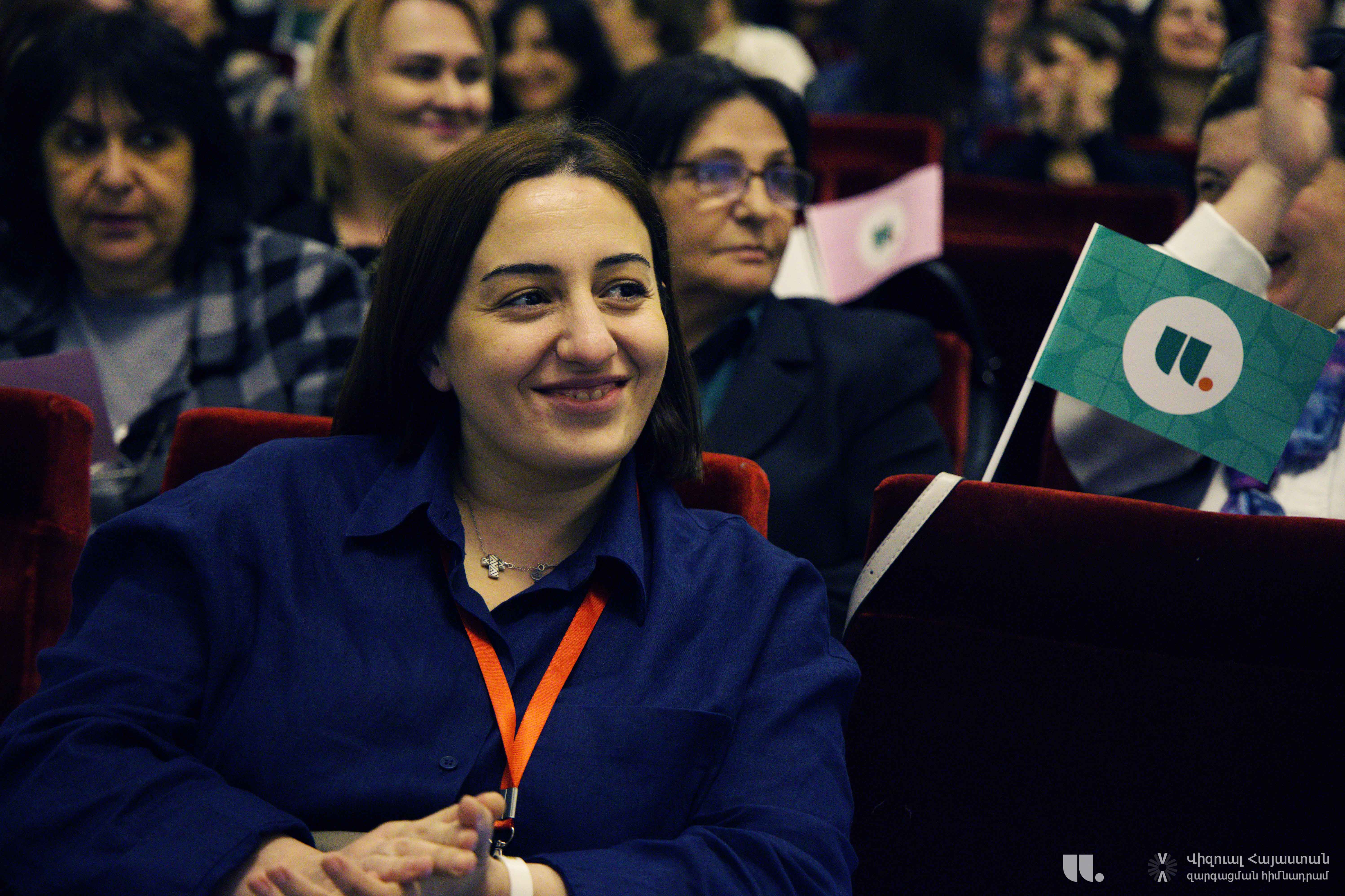
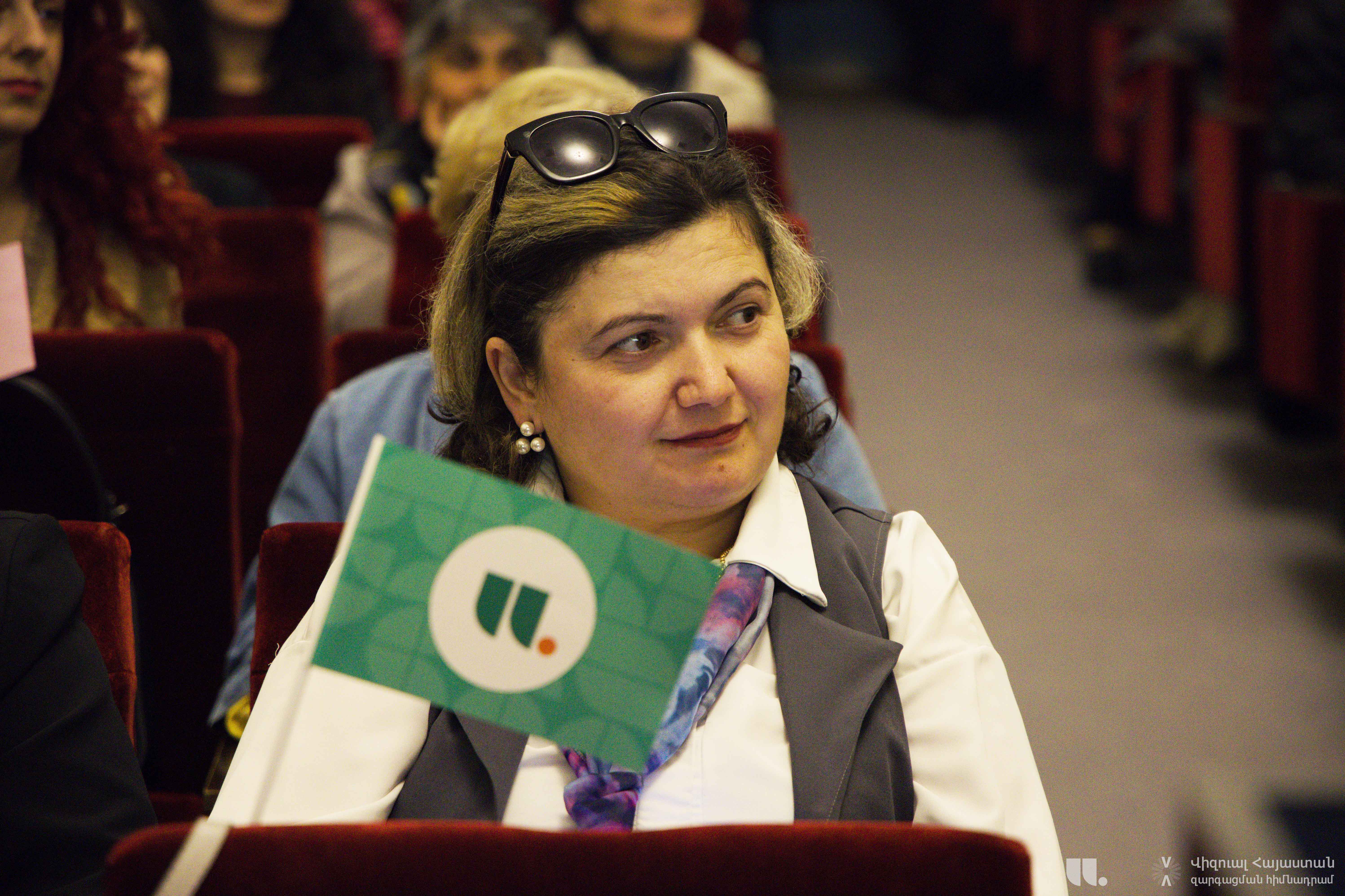
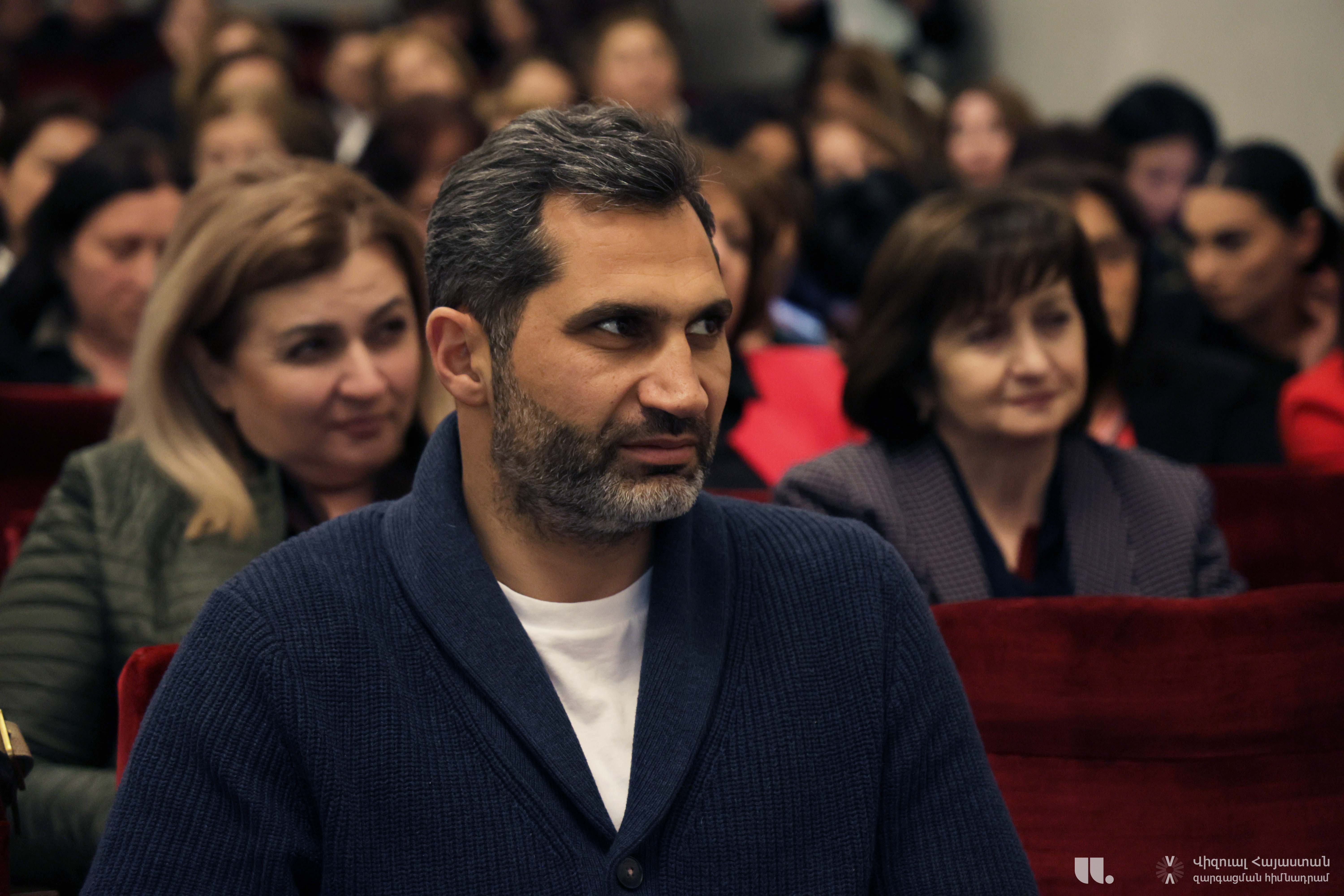
The event brought together approximately 200 participants, including school principals, teachers, and representatives of the parent community from across the region. On a shared platform, they discussed opportunities for modernizing education, reviewed program outcomes, and explored future directions for collaboration.
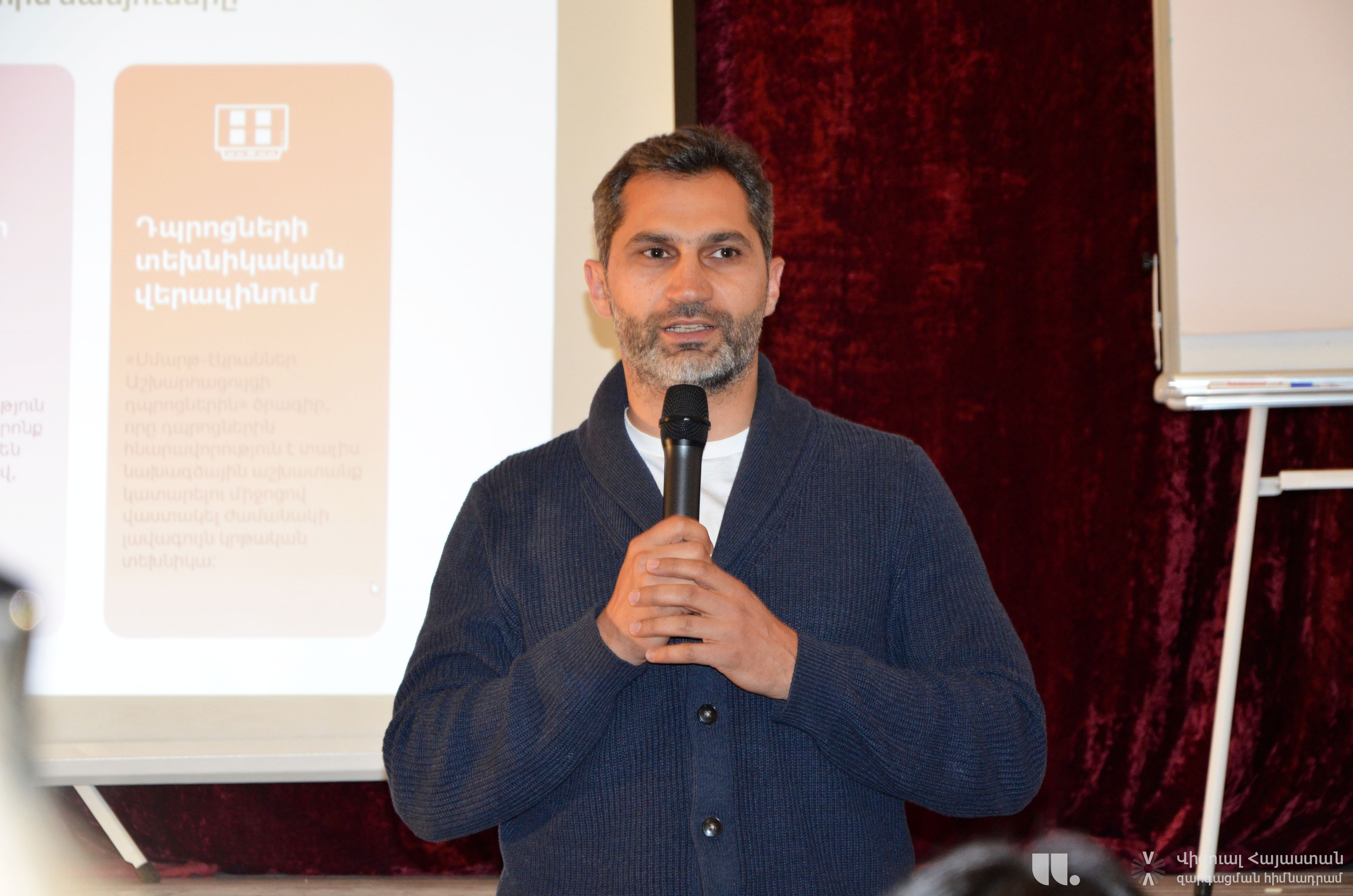
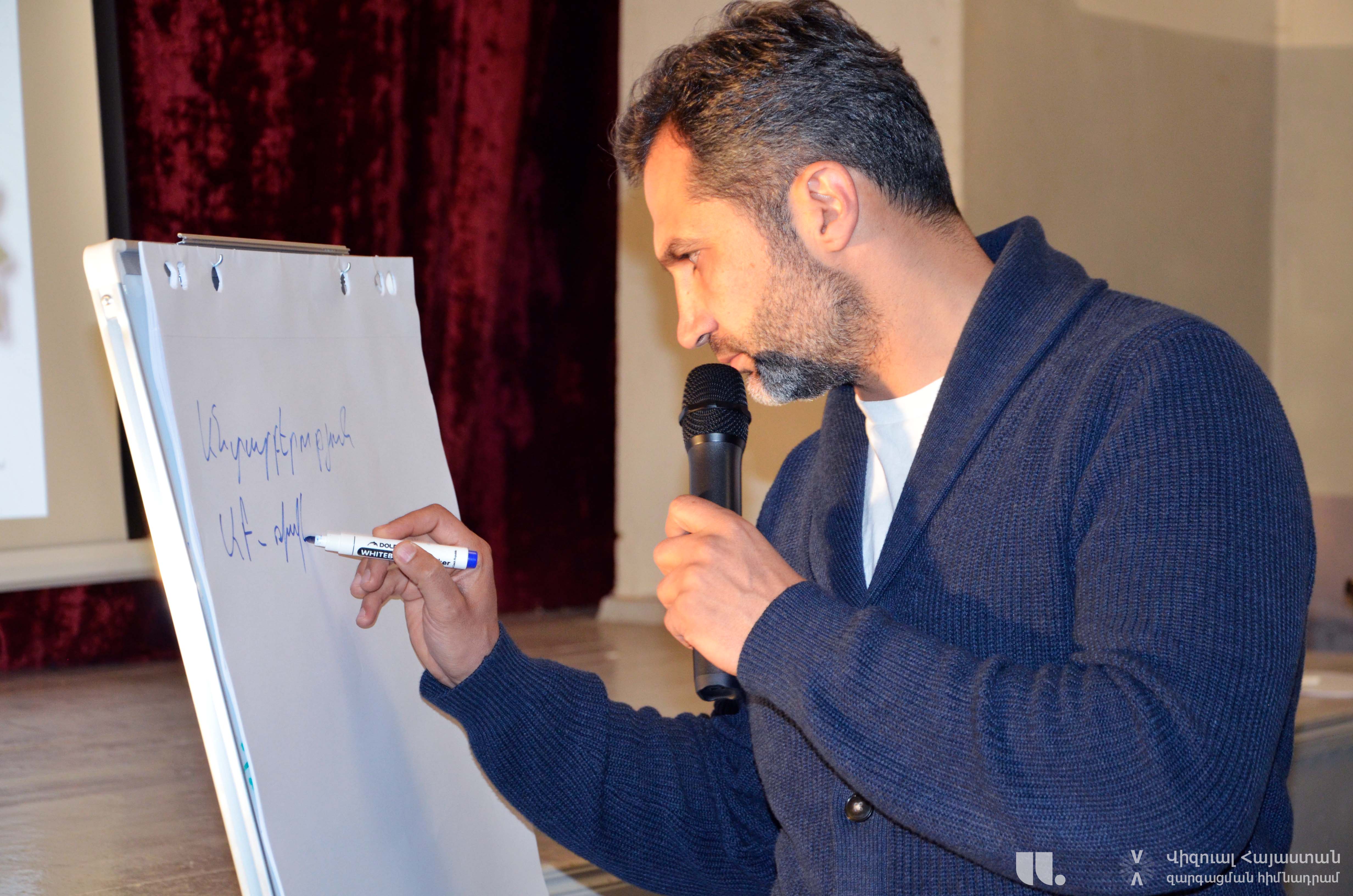
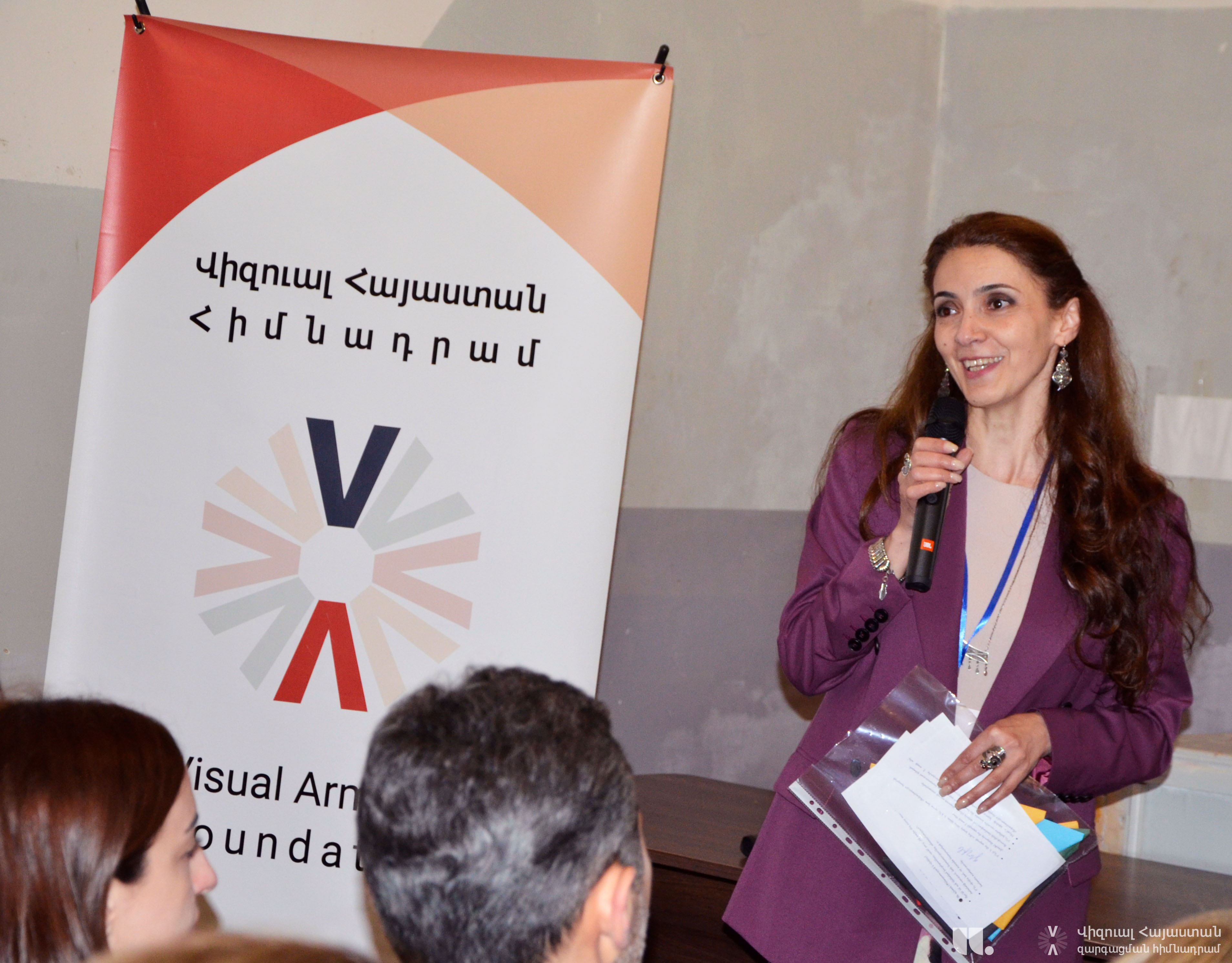
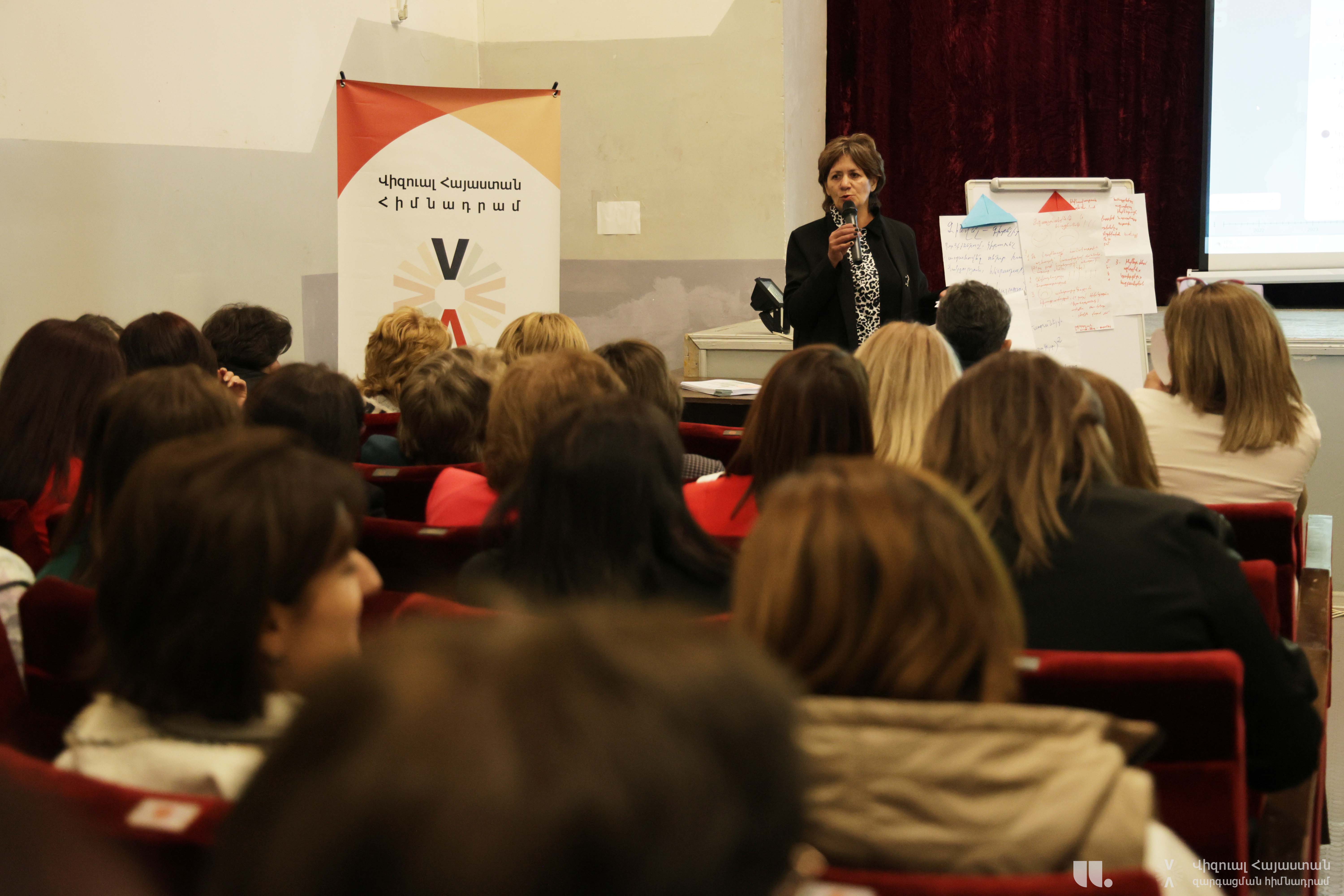
Participants were welcomed by Hovhannes Ghazaryan, CEO of the Visual Armenia Foundation and author of the Brainograph EdTech. He also led an open Q&A session, addressing key challenges hindering the development of the modern school.
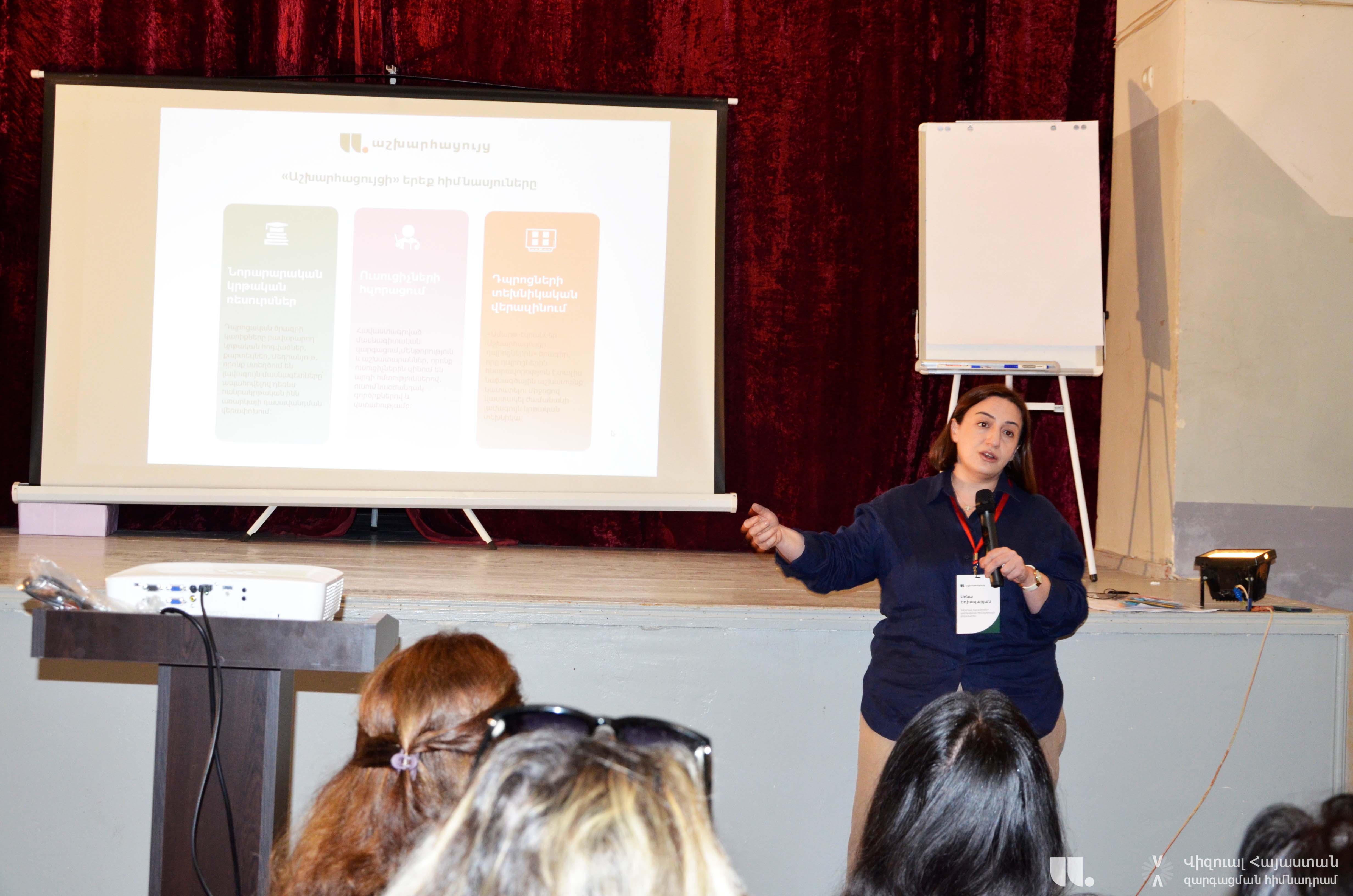
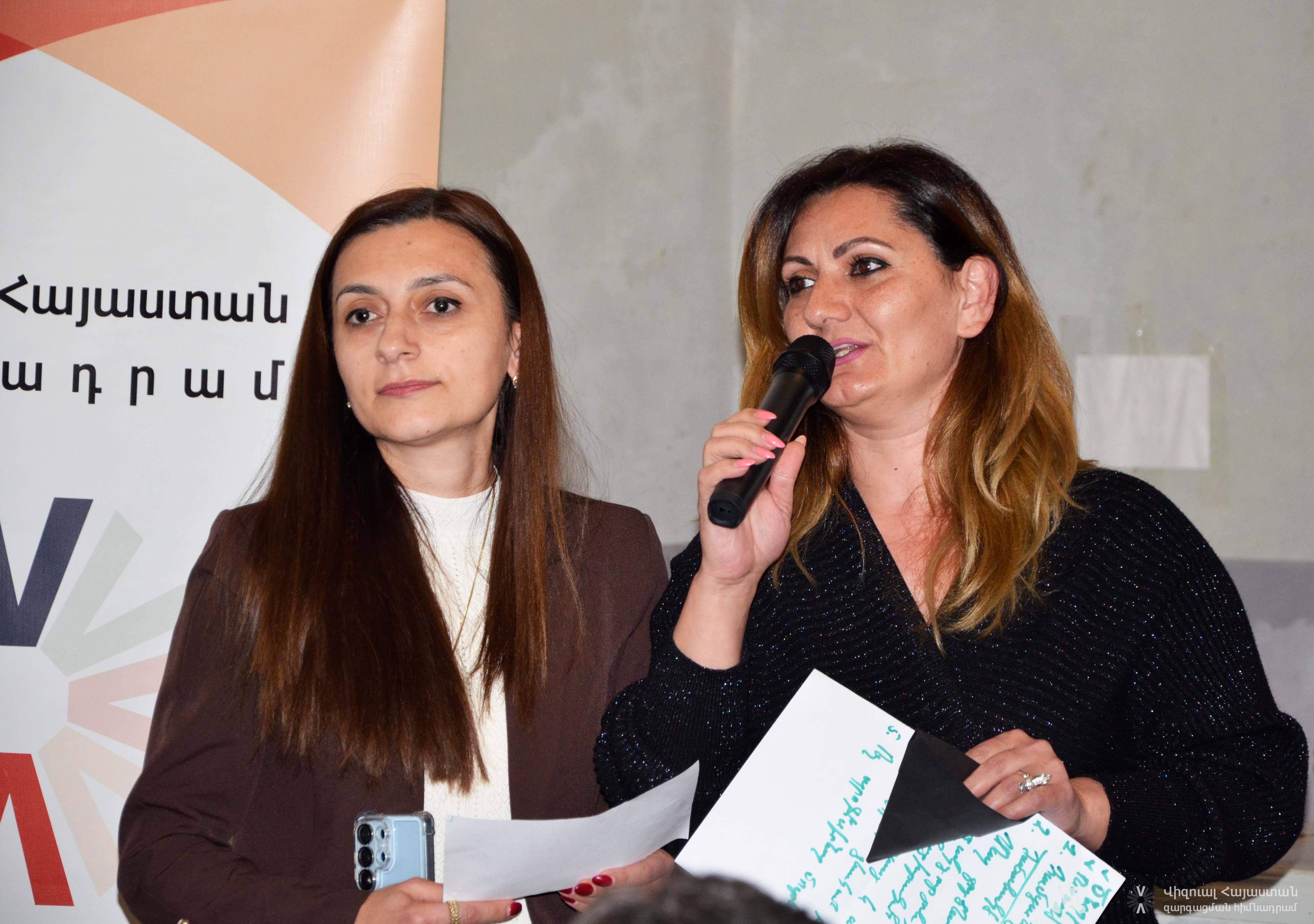
During the event, the progress and achievements of the training program in Tavush were presented, along with practical applications of the WorldView educational innovation in classrooms. Particular emphasis was placed on building local capacity and on the role of mentor-teachers as drivers of educational change within their communities.
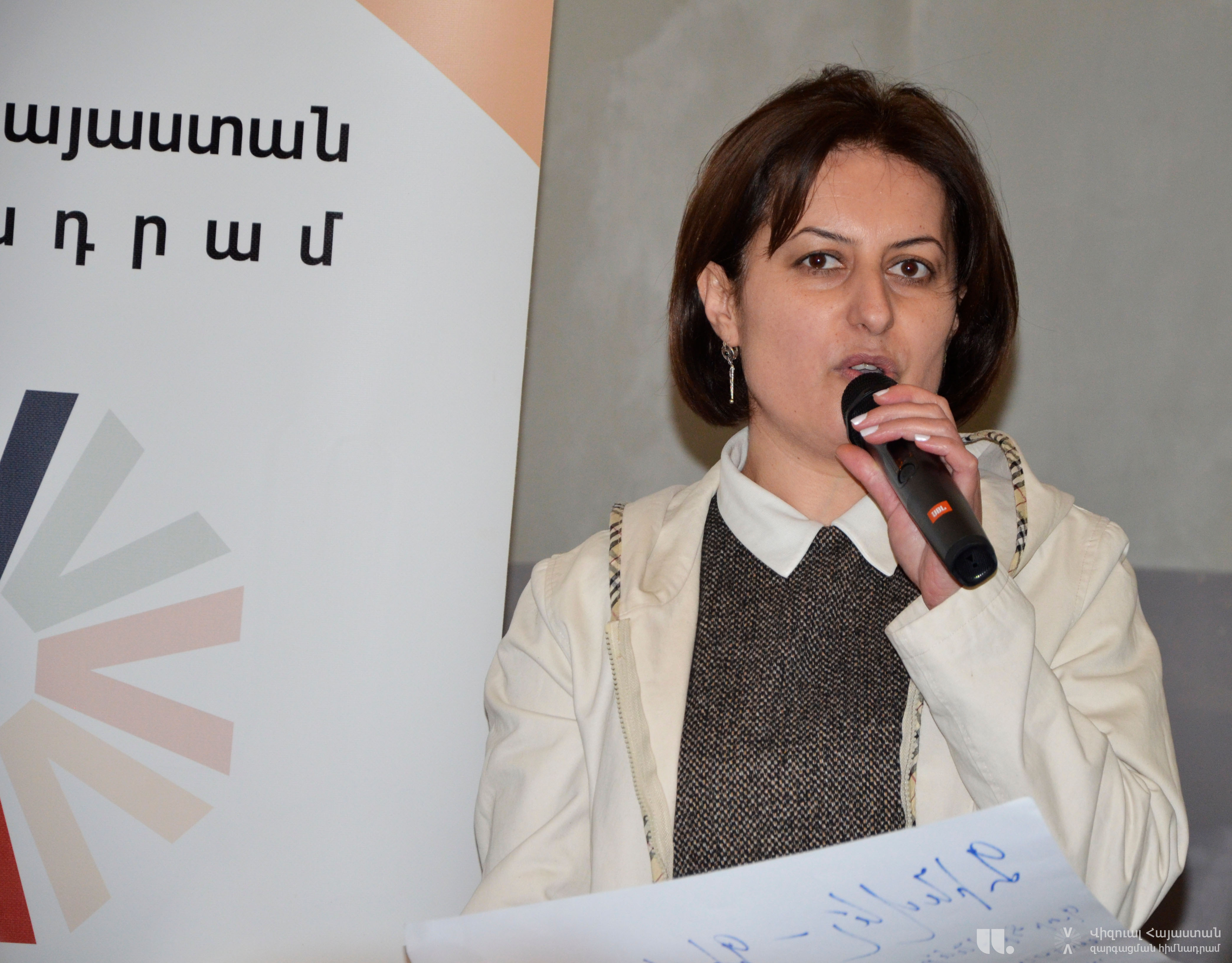
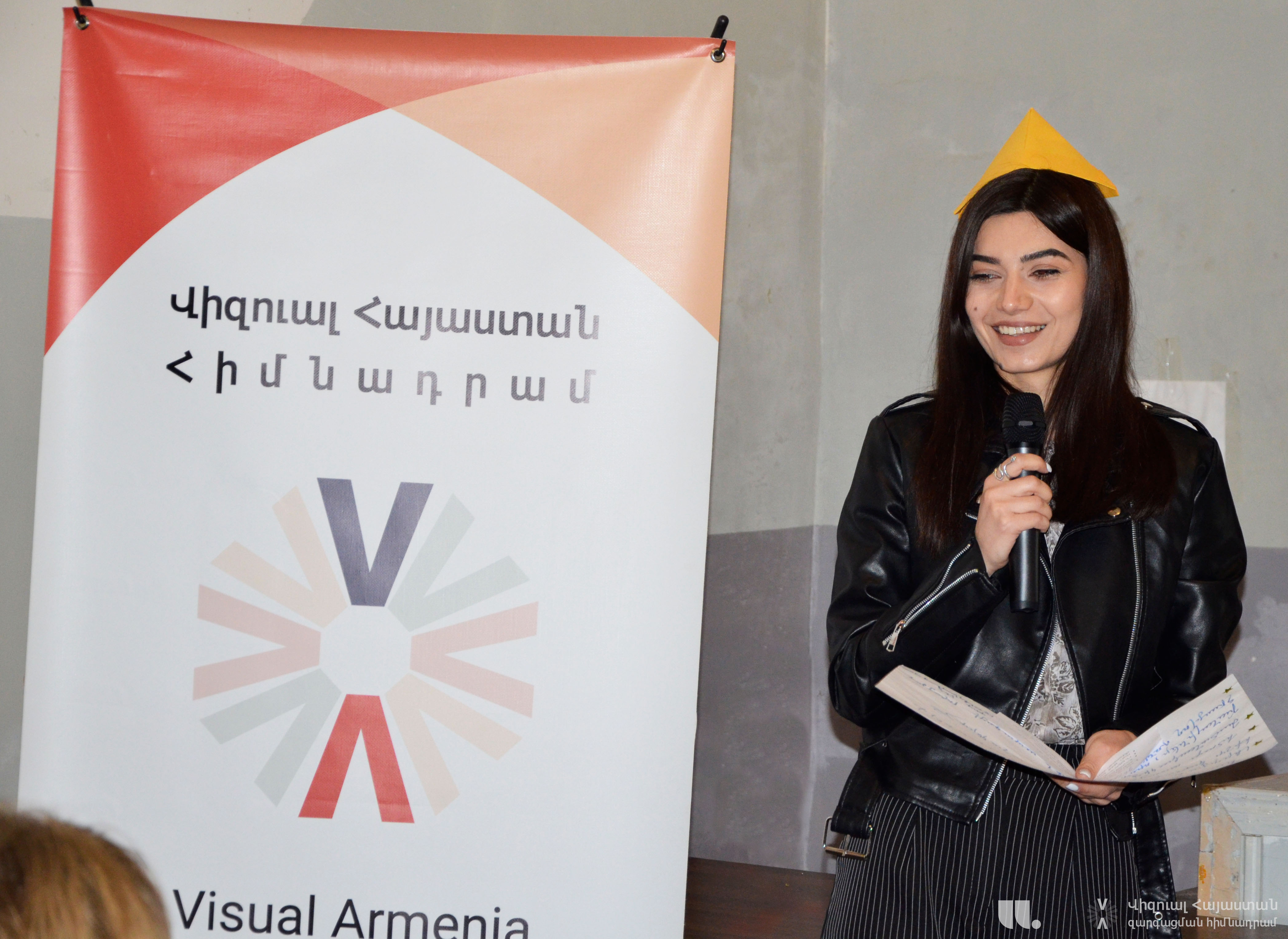
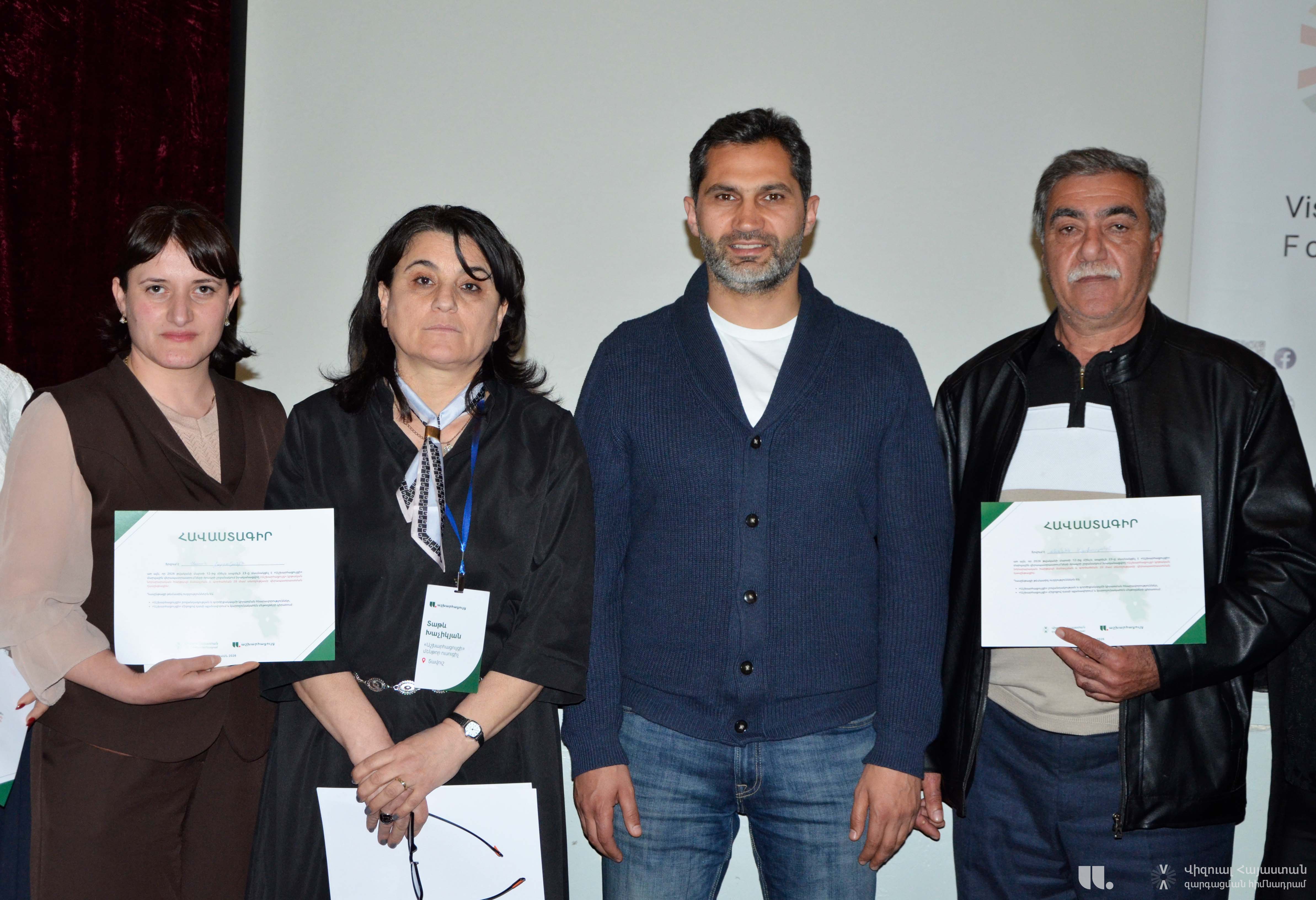
One of the central moments of the event was the report delivered by regional mentor-teacher Tatev Khachikyan, who presented a comprehensive overview of the work carried out—highlighting the journey, the circle of engaged teachers, and the initial changes observed in schools.
In her speech, she emphasized that in education, “technology and digital innovation are often perceived as end goals,” whereas in reality, they are merely tools for more effective teaching. She also noted that “the potential of mid- and senior-generation teachers is often underestimated,” yet, with the right approach, they can become the most stable and responsible carriers of educational change.
Tatev Khachikyan further highlighted that teachers are more willing to engage when they are offered not ready-made solutions, but “tools that allow them to create, experiment, and adapt lessons to their own context.”
The methodological approach of the program was also clearly articulated—marking a transition from passive knowledge transfer to active, engaged learning, where the student becomes a full participant in the educational process.
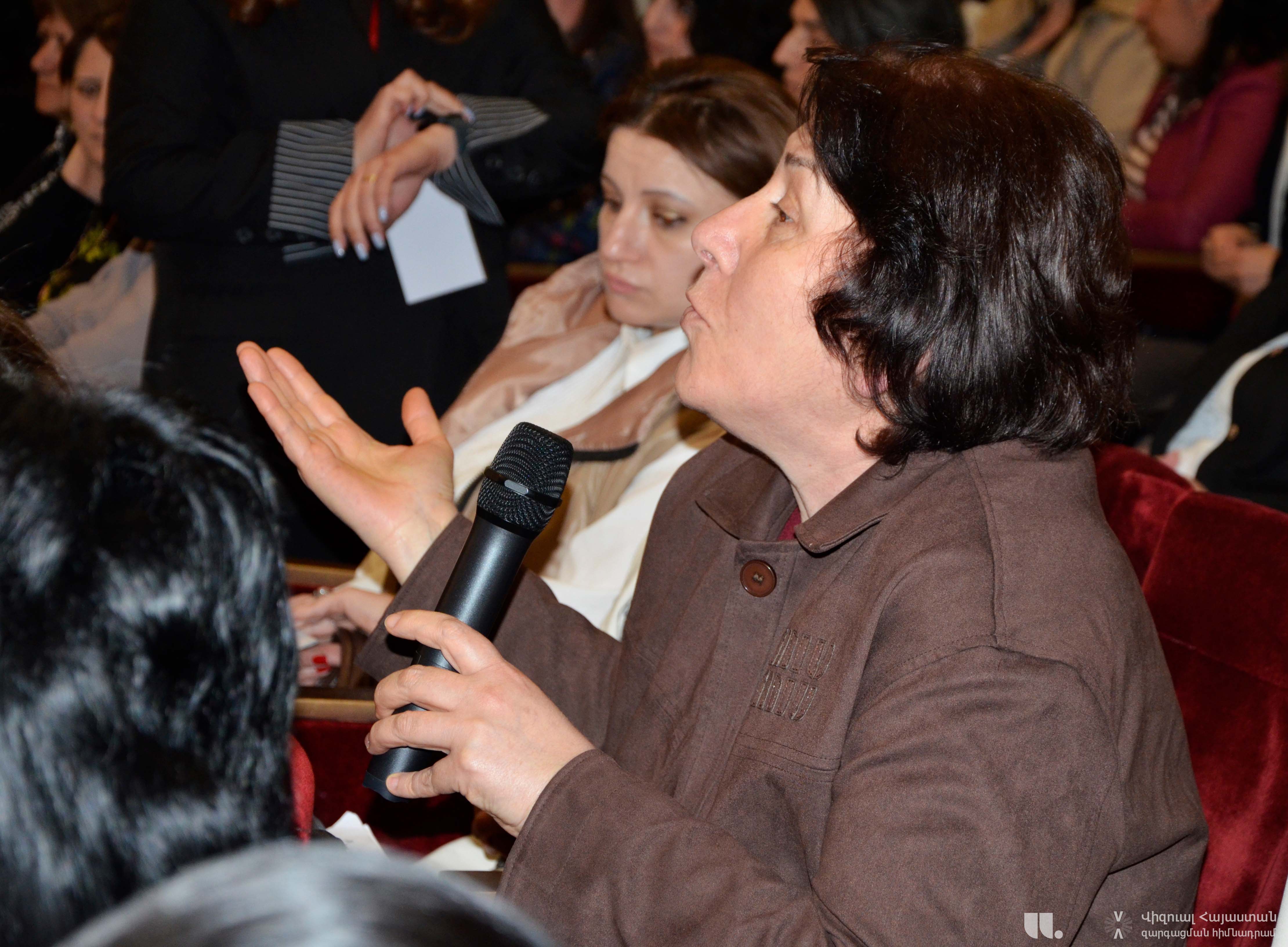
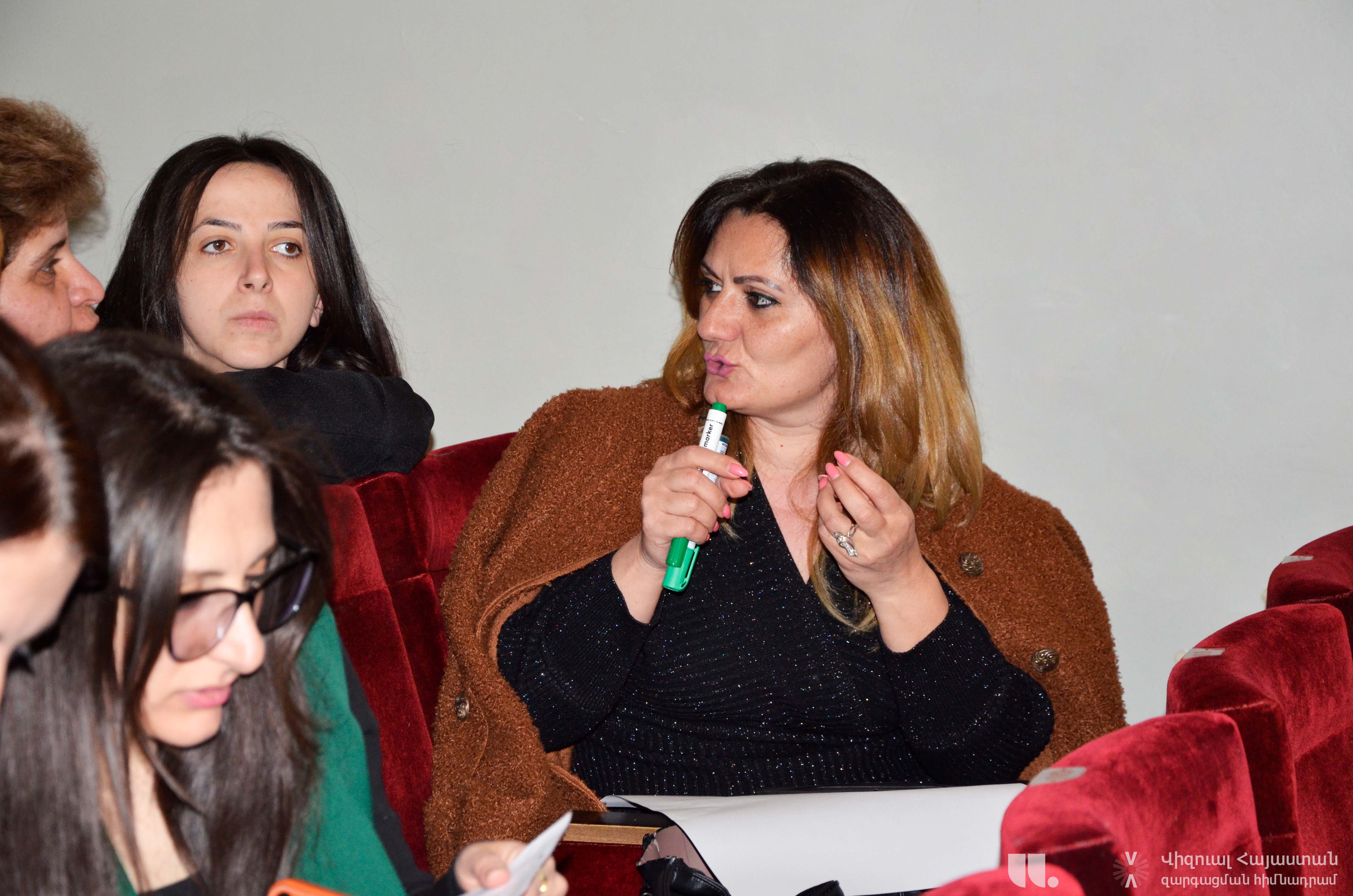
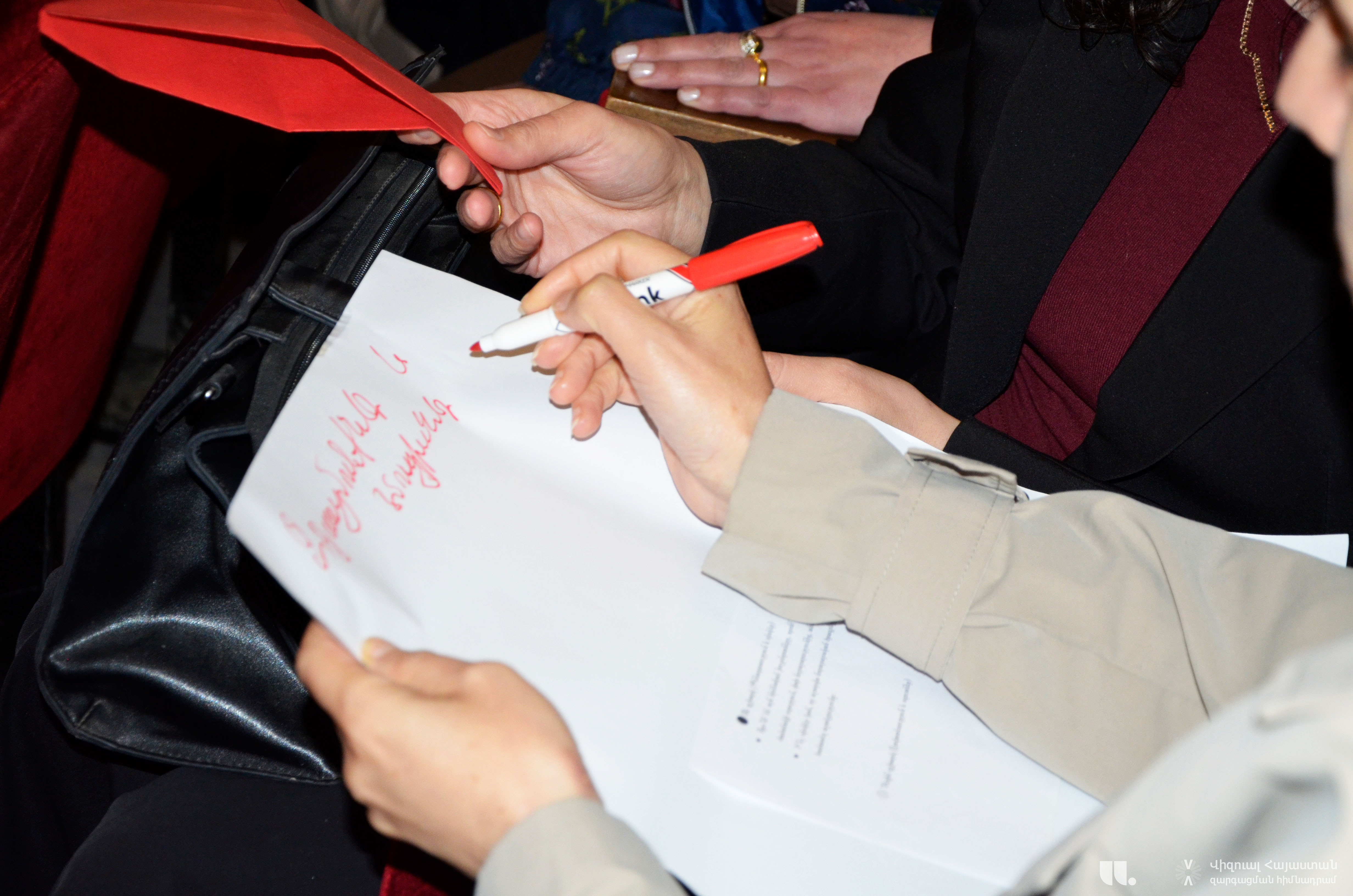
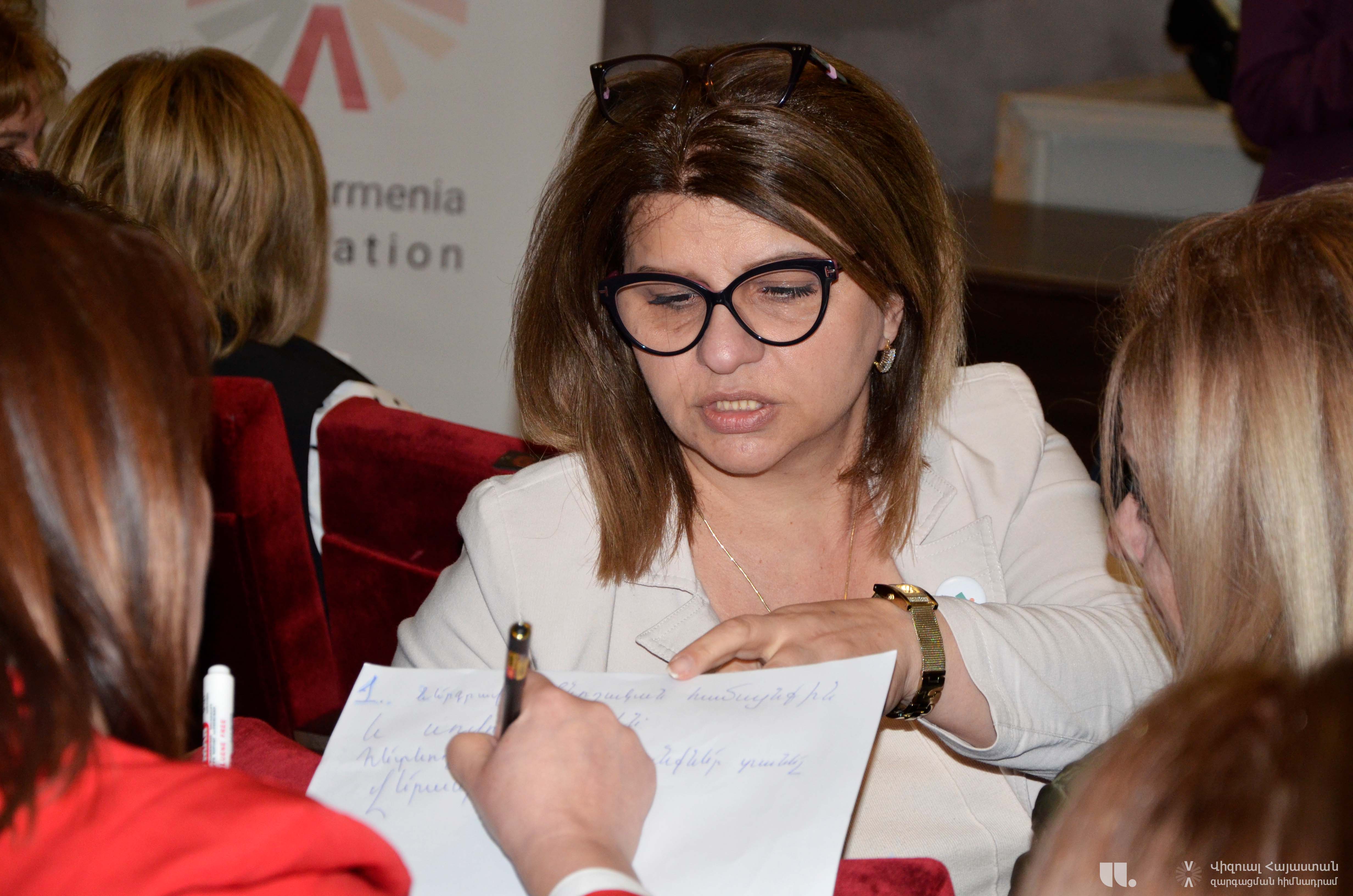
During the interactive discussion titled “Reimagining Our Schools: Three Years with WorldView…”, participants articulated their vision of the future school – one that is more participatory, collaborative, and student-centered. In this model, the teacher acts as a leader of the learning process, while lessons are built through the integration of modern methods and tools.
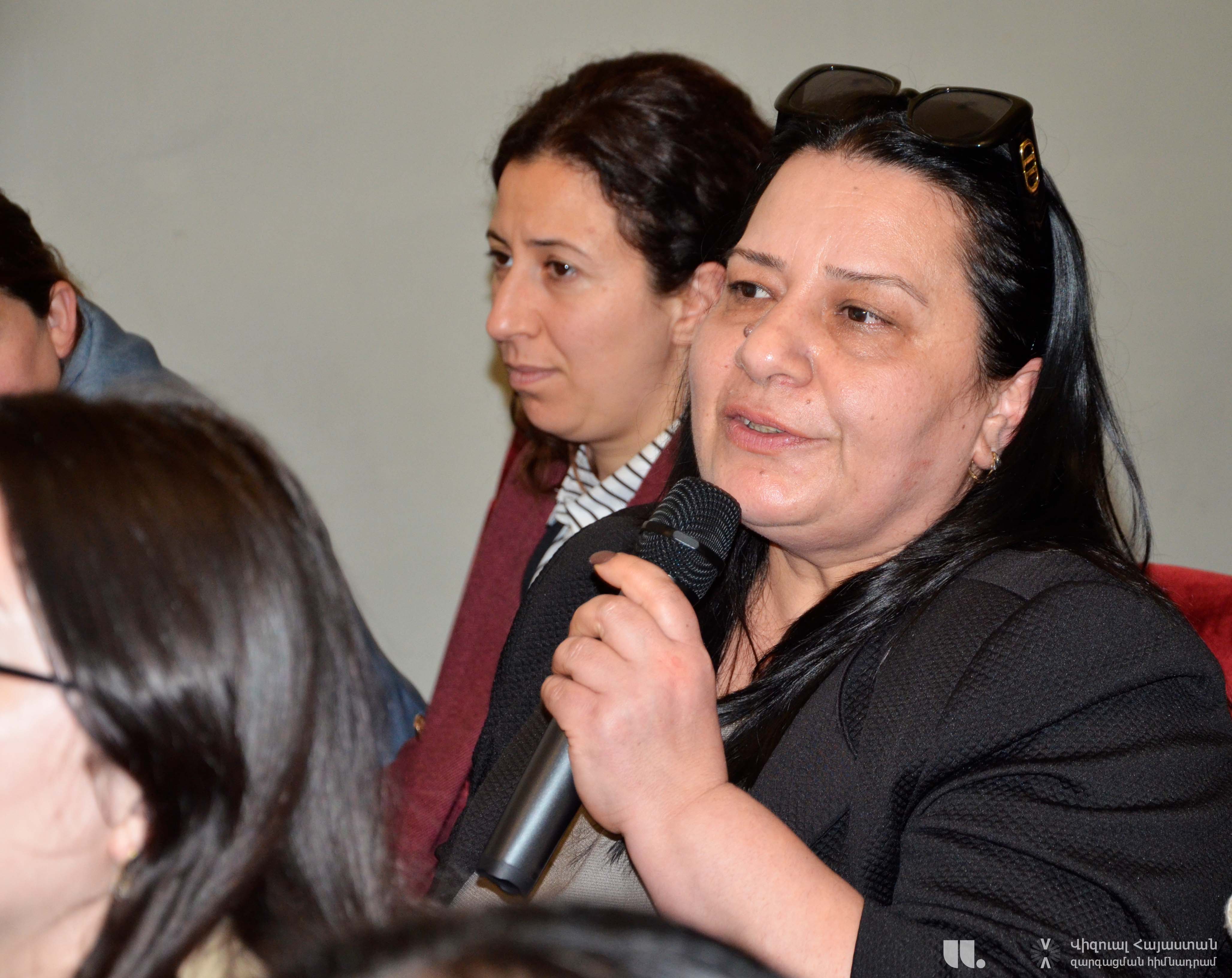
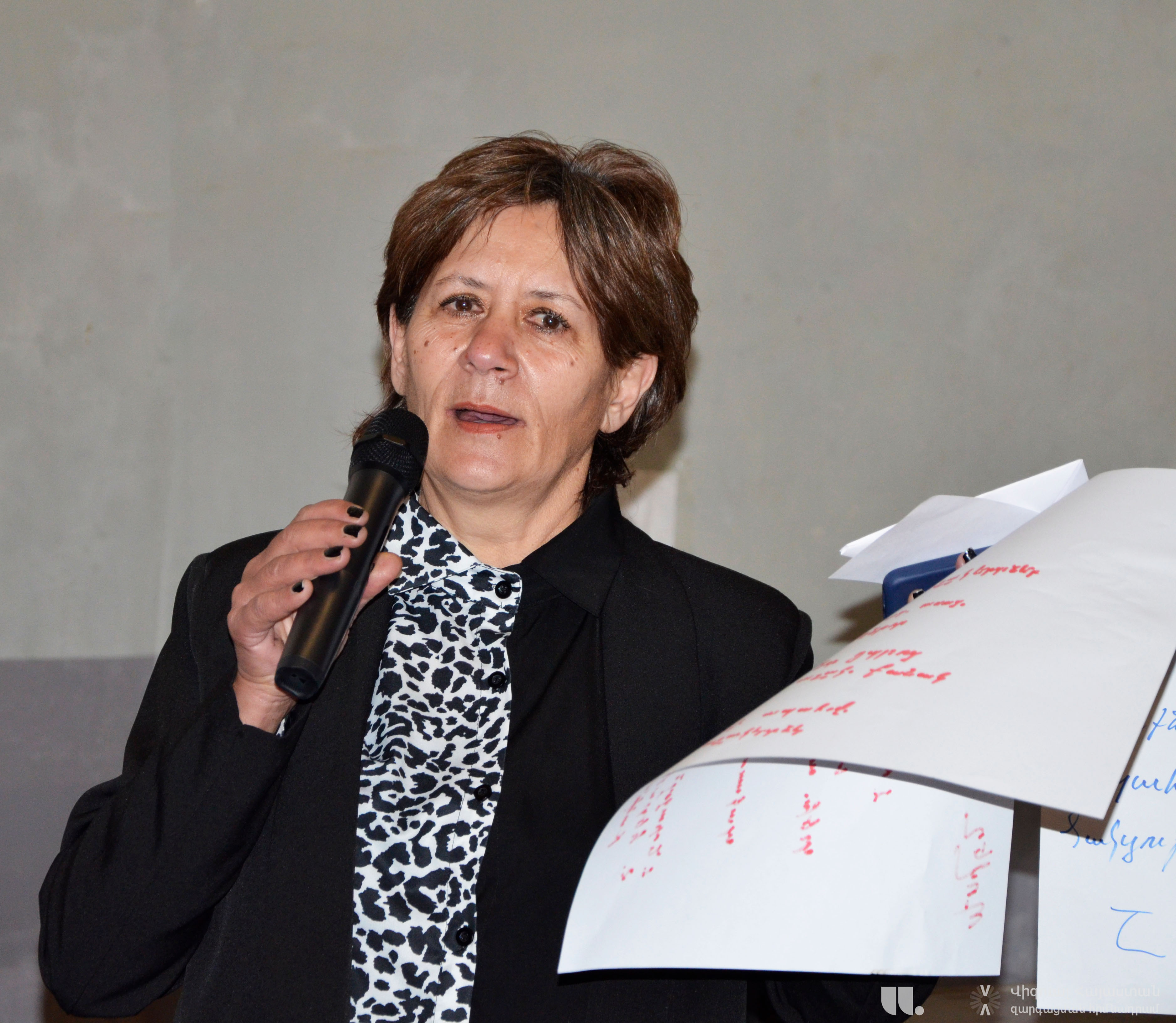
A powerful and symbolic idea also emerged during the discussion: “You love your homeland through action, not just words. And I will tell you this – not in three years, but in one year, the entire community of Dovegh will master the WorldView educational platform,” noted Manush Sarukhanyan, geography teacher at Dovegh Secondary School.
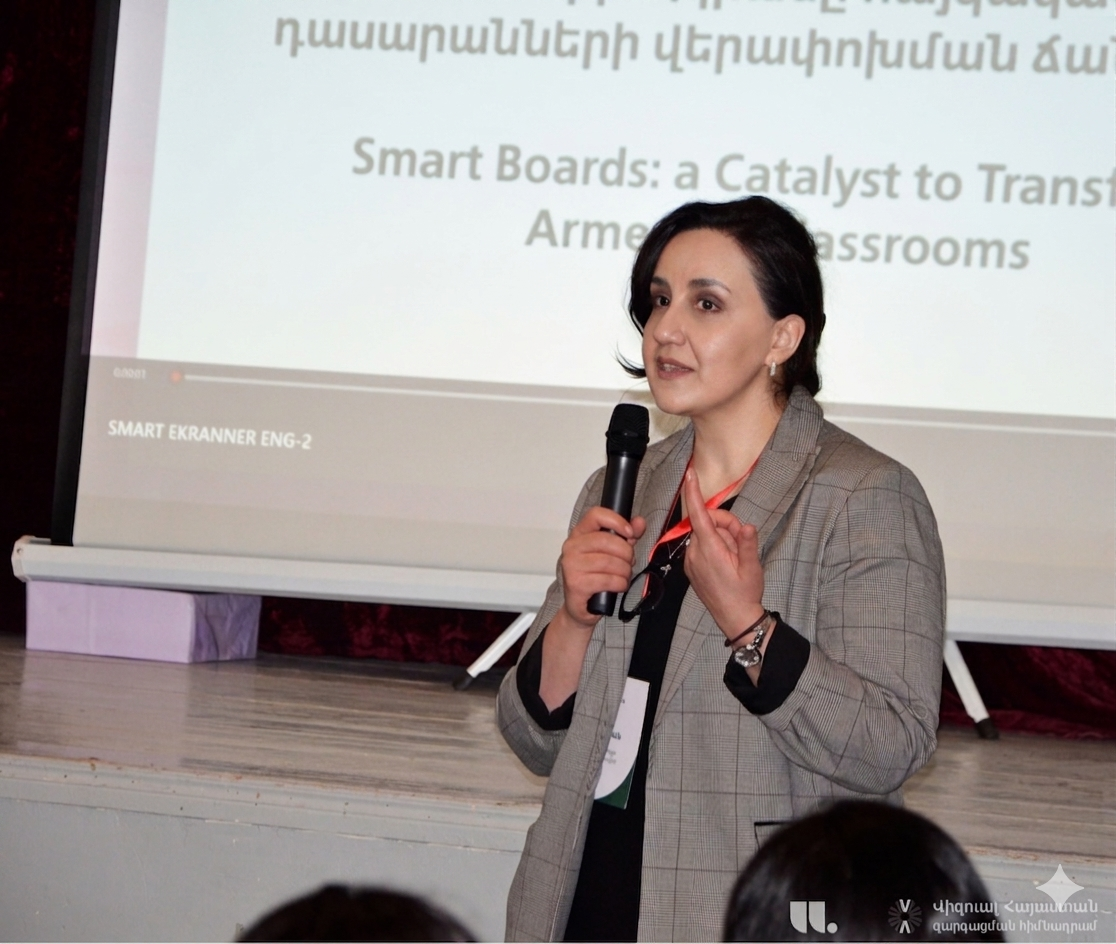
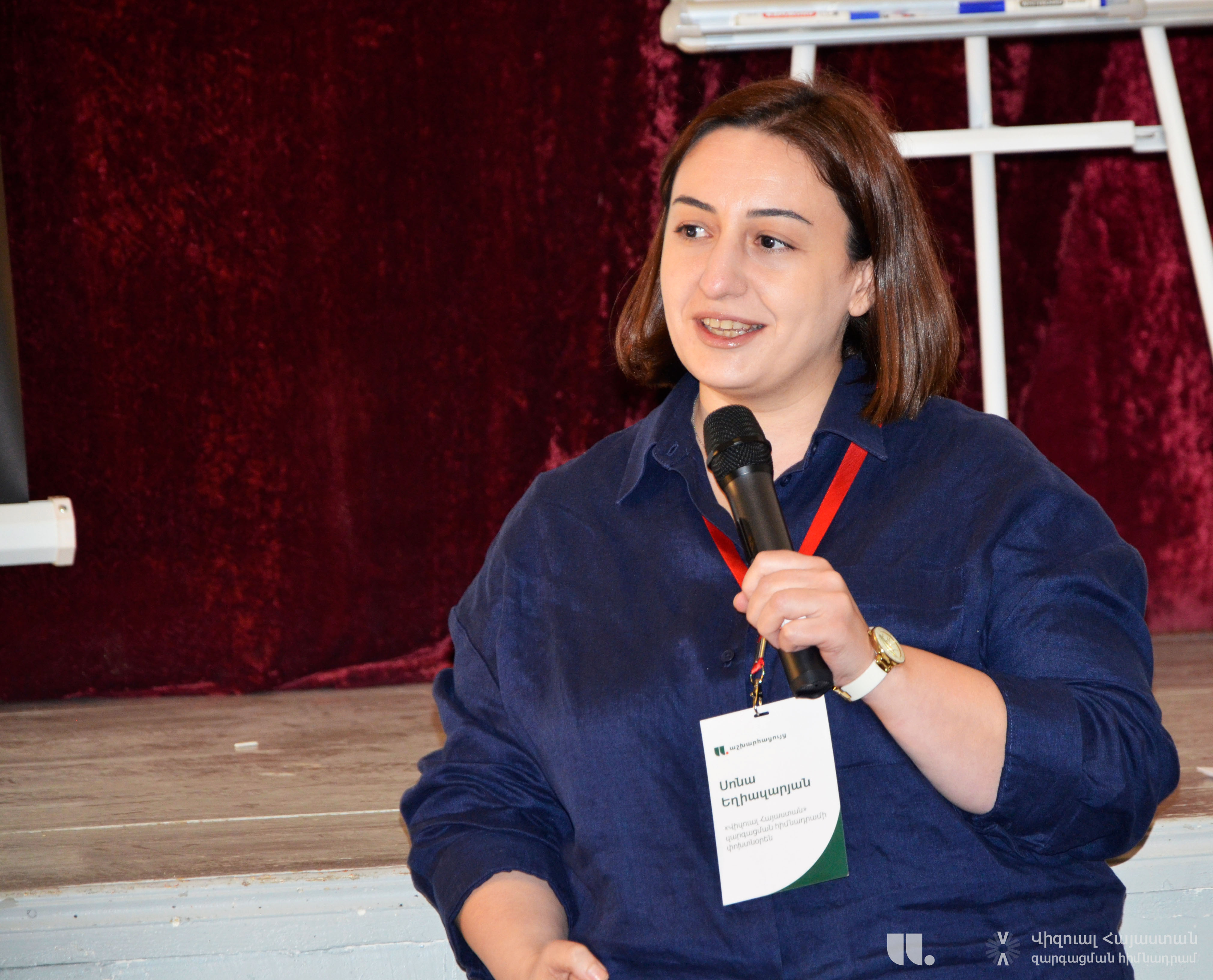
The event also featured presentations of other programs and initiatives of the Visual Armenia Foundation, emphasizing the importance of continuous and comprehensive work within the education system.
The “WorldView: Tavush Experience” meeting once again demonstrated that educational transformation is most effective when it is shaped locally through active community engagement and collaboration.
The Foundation will continue the series of regional meetings, expanding the program’s geographic reach and deepening the engagement of educational communities.



 Antarayin 164/1