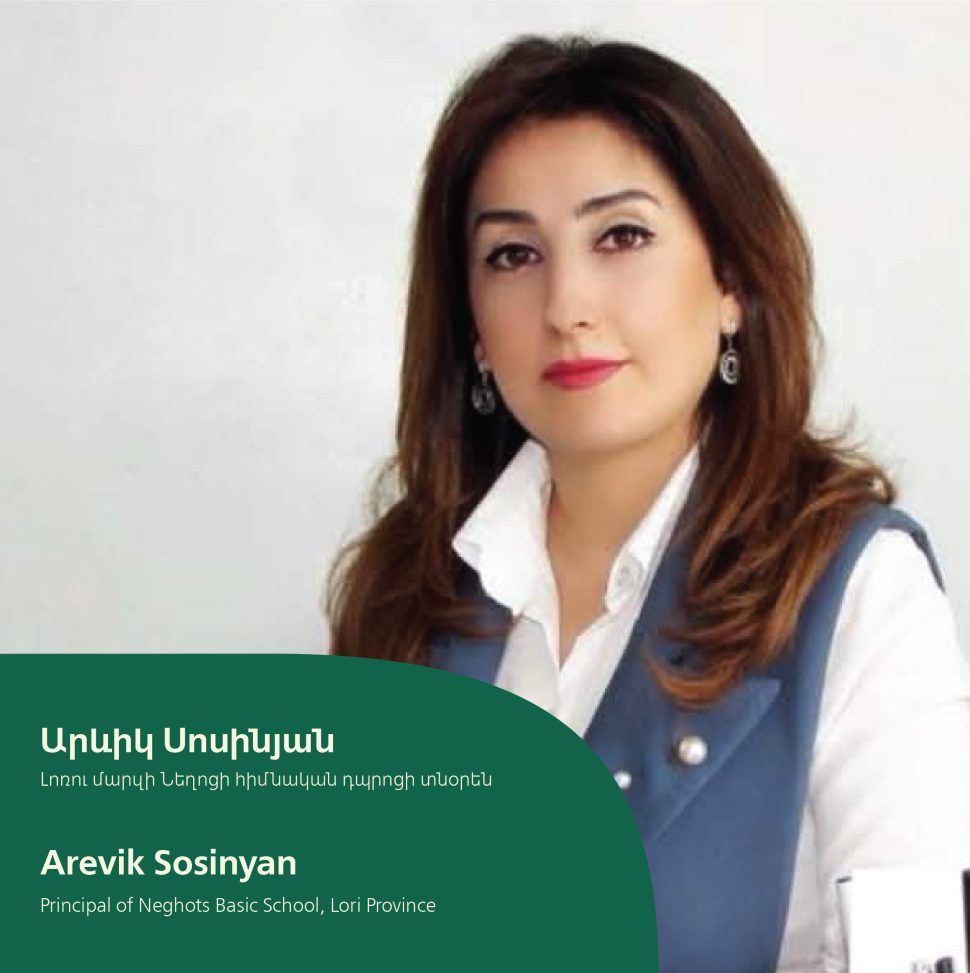
“WorldView Has No Equal in Armenia”: A Conversation with the Principal of Neghots Basic School
“Our teachers are no longer simply using ready-made materials; they are becoming creators themselves.”
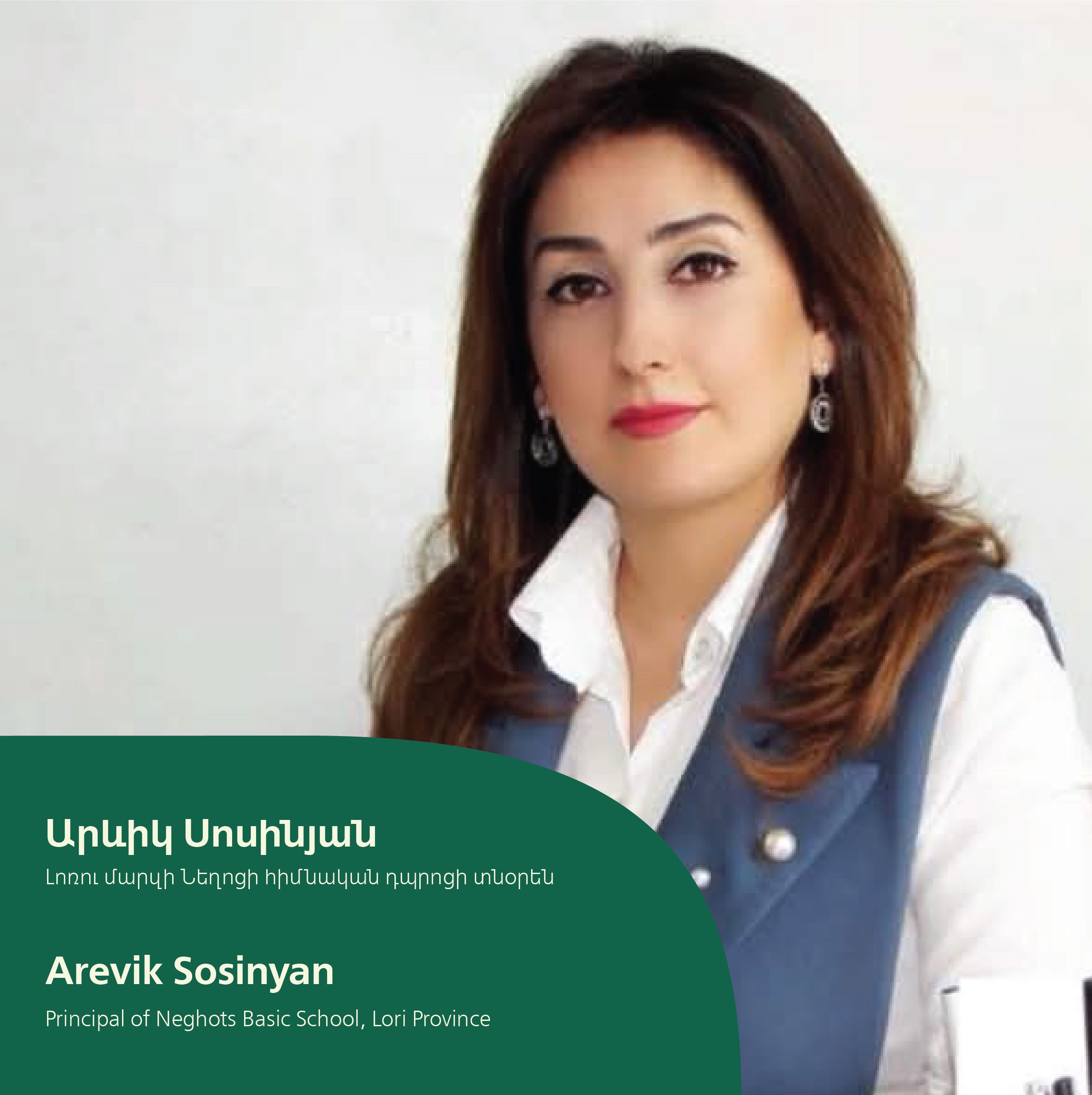
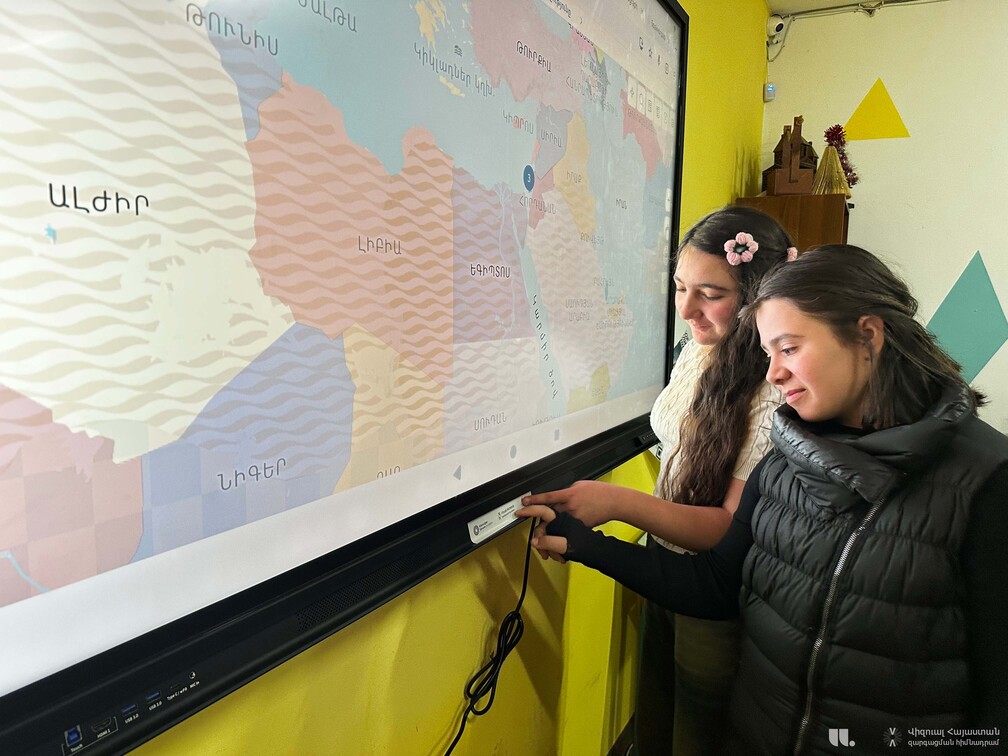
Near the Armenian–Georgian border in Lori Province lies a small community—and within it, a small school with big ambitions. Neghots Basic School enthusiastically embraces educational innovation and eagerly participates in a wide range of competitions and programs. Yet there is one initiative that Principal Arevik Sosinyan speaks about with particular pride: Smart Boards for WorldView Schools.
“At first, we had no idea, figuratively speaking, what we were getting ourselves into. We decided to enter the competition with teachers and students who had never used WorldView and were unfamiliar with its tools,” Sosinyan recalls, still speaking with the same enthusiasm nearly a year later.
Her eyes light up as she remembers how they challenged themselves. Even their chosen subject was unfamiliar, yet they threw themselves wholeheartedly into the project. Day by day, they discovered more of what WorldView could offer, gradually developing a portrait of Yousuf Karsh’s life and mapping the journey he had travelled. For a small school, it was a major undertaking—and winning was the outcome they had dreamed of.
“This competition and the smart board are important for every school, but for a rural school—especially a small one—they mean something even greater: breaking down stereotypes. They show that the size of your school does not matter, nor does its distance from the capital. They mean that you can stand on equal footing with everyone else and have access to the full range of resources that modern education has to offer,” the principal explains.
Arevik Sosinyan has led Neghots Basic School since 2013. Long before becoming its principal, she was a student there and later returned as a geography teacher. She knows the school intimately—its strengths, its potential, and the opportunities available to it.
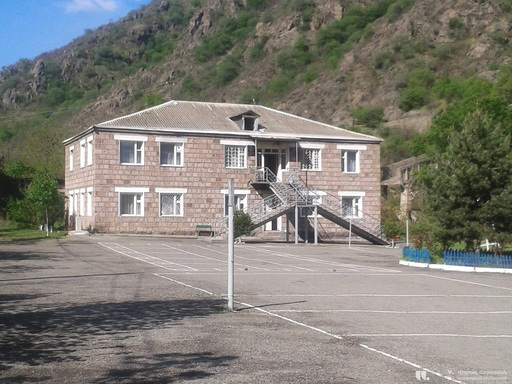
The smart board has clearly contributed to stronger student performance.
“Every single one of our most recent examination projects was prepared using the platform. As I watched the students present their work, I realized that without the smart board, they would not have been able to produce projects of that quality and present them so effectively.”
Sosinyan values the school’s partnership with the Visual Armenia Foundation both as a teacher and as a principal. She was among the first educators at the school to begin using WorldView. Today, more than half of the teaching staff use the WorldView platform, and many have completed one or more of the Foundation’s professional development programs.
“Our partnership with Visual Armenia is important because it is not a one-time engagement. It is continuous and gives us access to a wide range of professional development opportunities. The platform itself is also constantly evolving and being updated. What makes it especially appealing is its ease of use, the depth of its content, and the ability to visualize virtually everything. Students do not simply read a lesson or listen to the teacher; they can see, explore, compare, and discover connections between different developments and events,” Sosinyan says, describing the platform’s strengths.
“I also greatly value the high level of student engagement. With WorldView, lessons become genuinely student-centred. The students’ interest is visibly greater, as are their motivation and participation in the learning process.”
Sosinyan highlights another important achievement: working with WorldView has made teachers more willing to learn, develop, and embrace new approaches. A school may have access to any number of educational technologies and tools, she notes, but the true measure of their value lies in how effectively they are used.
“What matters most is how a particular technology transforms the quality of teaching and learning. WorldView and Visual Armenia’s professional development programs offer our teachers, first and foremost, a wealth of new knowledge and opportunities. They are no longer simply using ready-made materials; they are becoming creators themselves. As an educational tool, WorldView currently has no equal in Armenia—whether in the value it offers teachers and students or in its capacity to make lessons more effective.”



 Antarayin 164/1