WorldView Flash Mobs: From an Educational Initiative to a Creative Learning Community
Summer at the Visual Armenia Foundation does not mean slowing down. It is a season for new ideas, creative collaboration, and reconnecting with the educational community that has grown around WorldView.
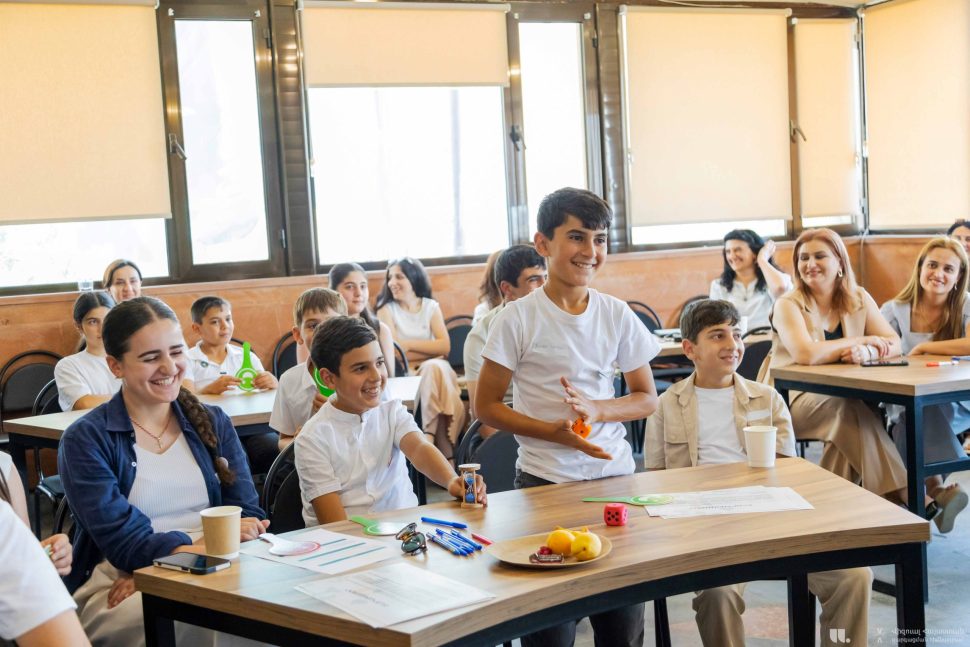
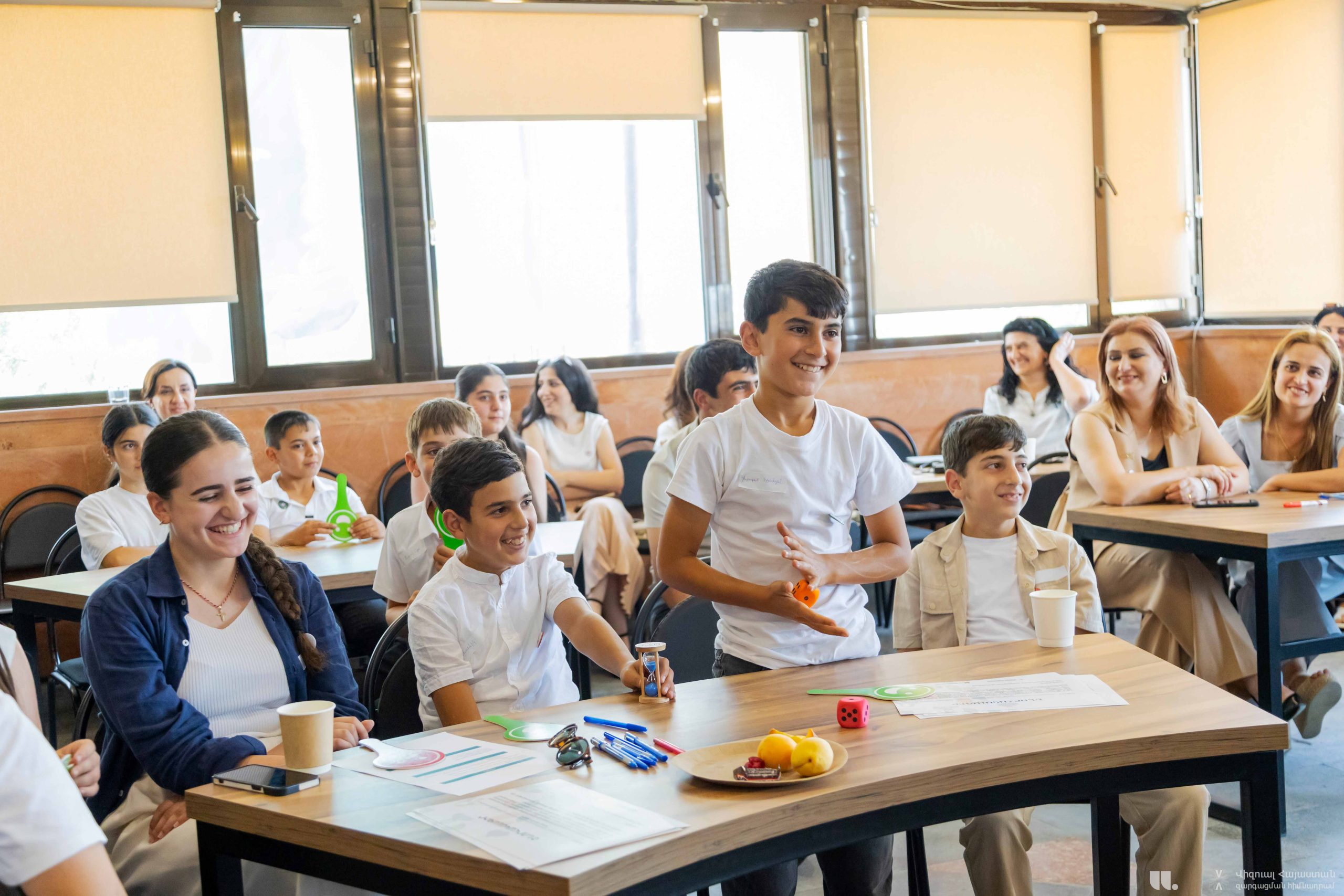
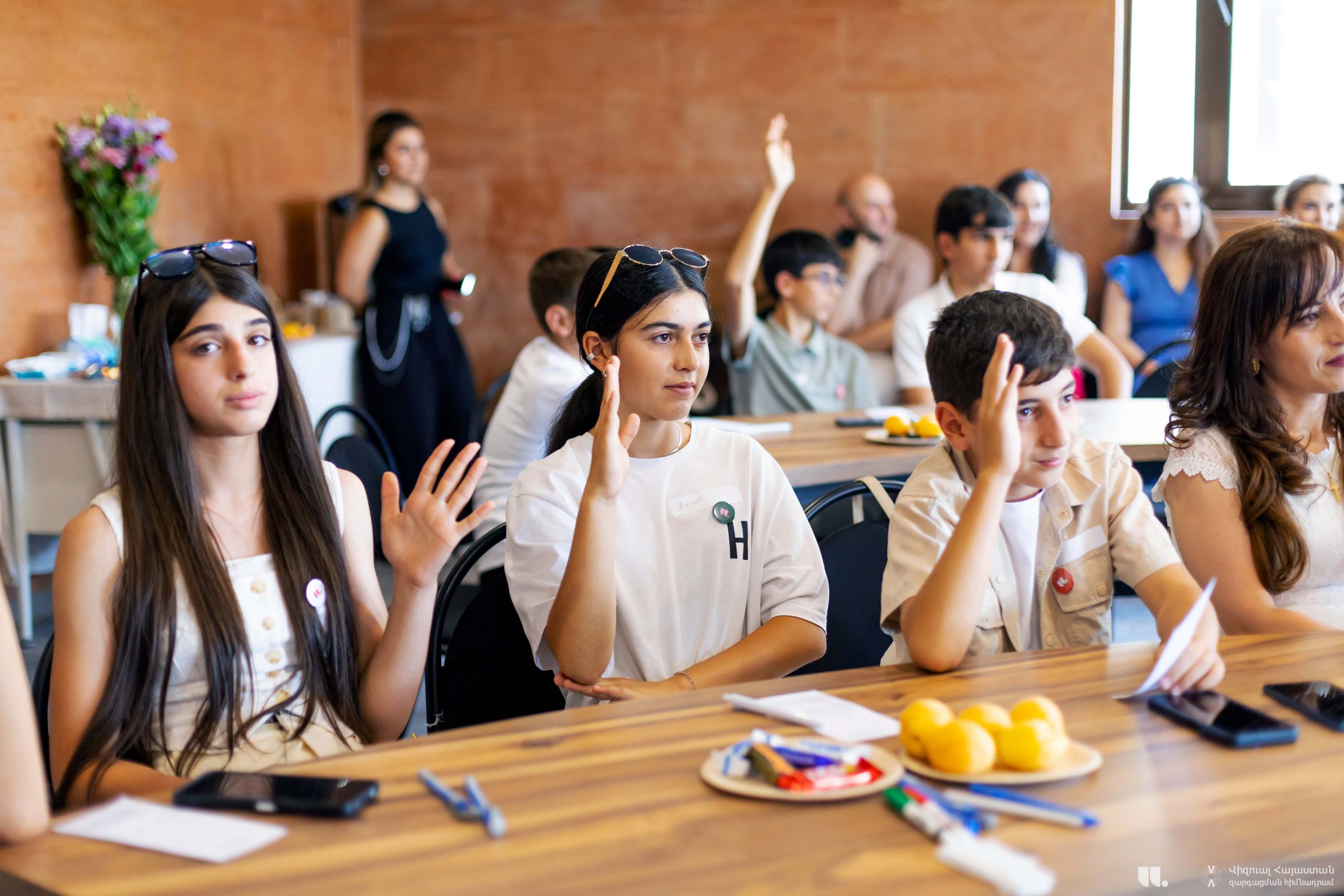
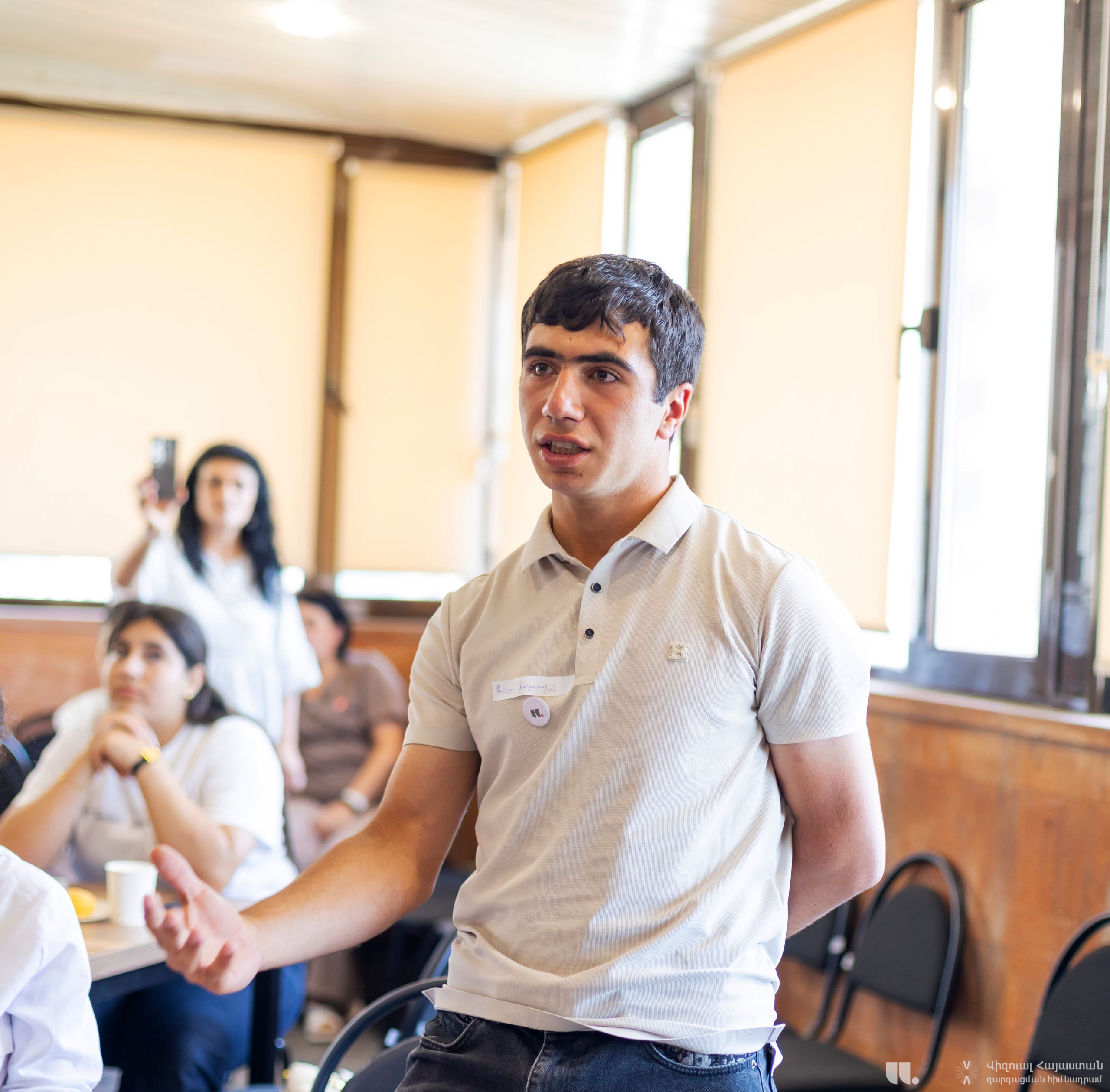
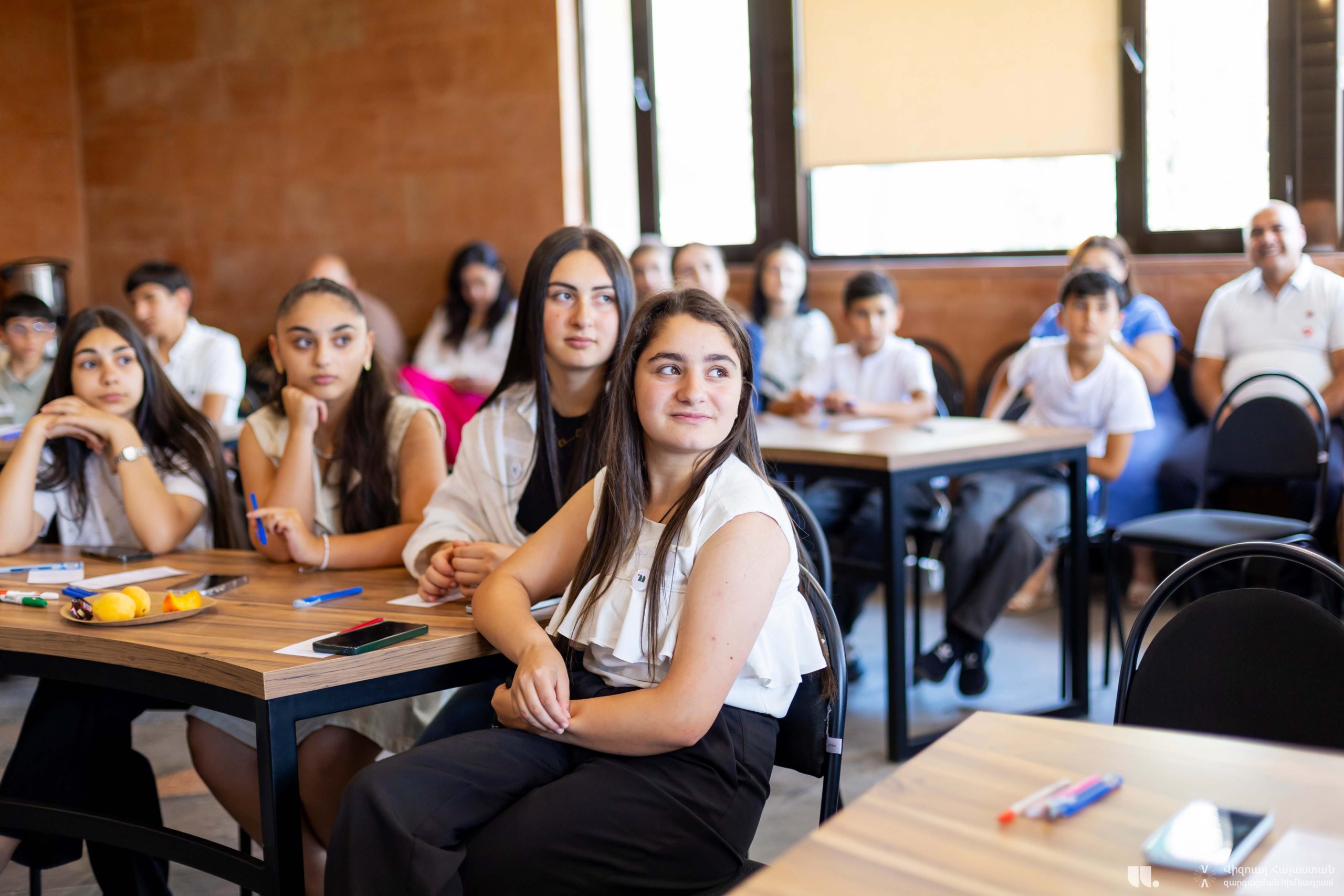
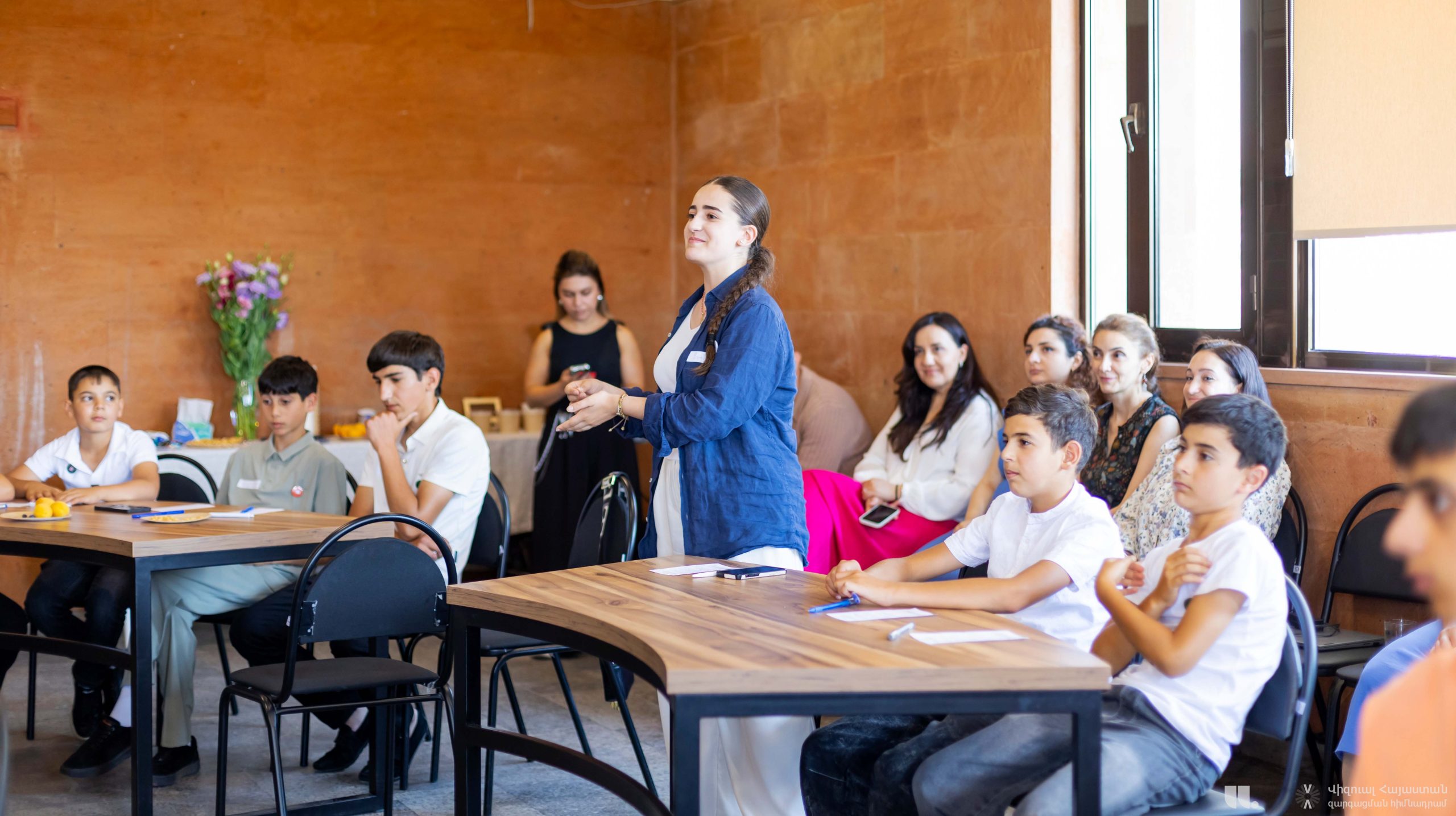
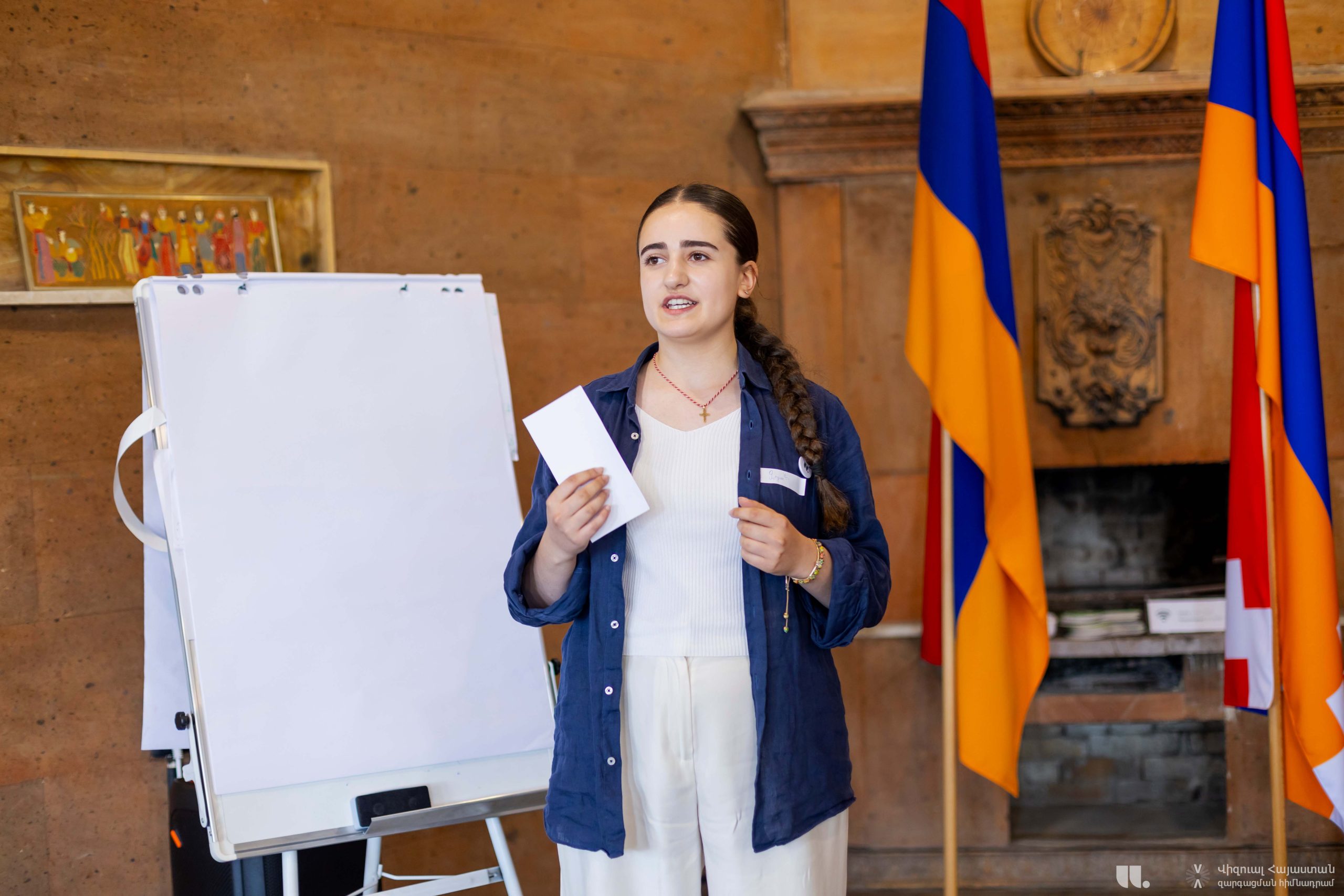
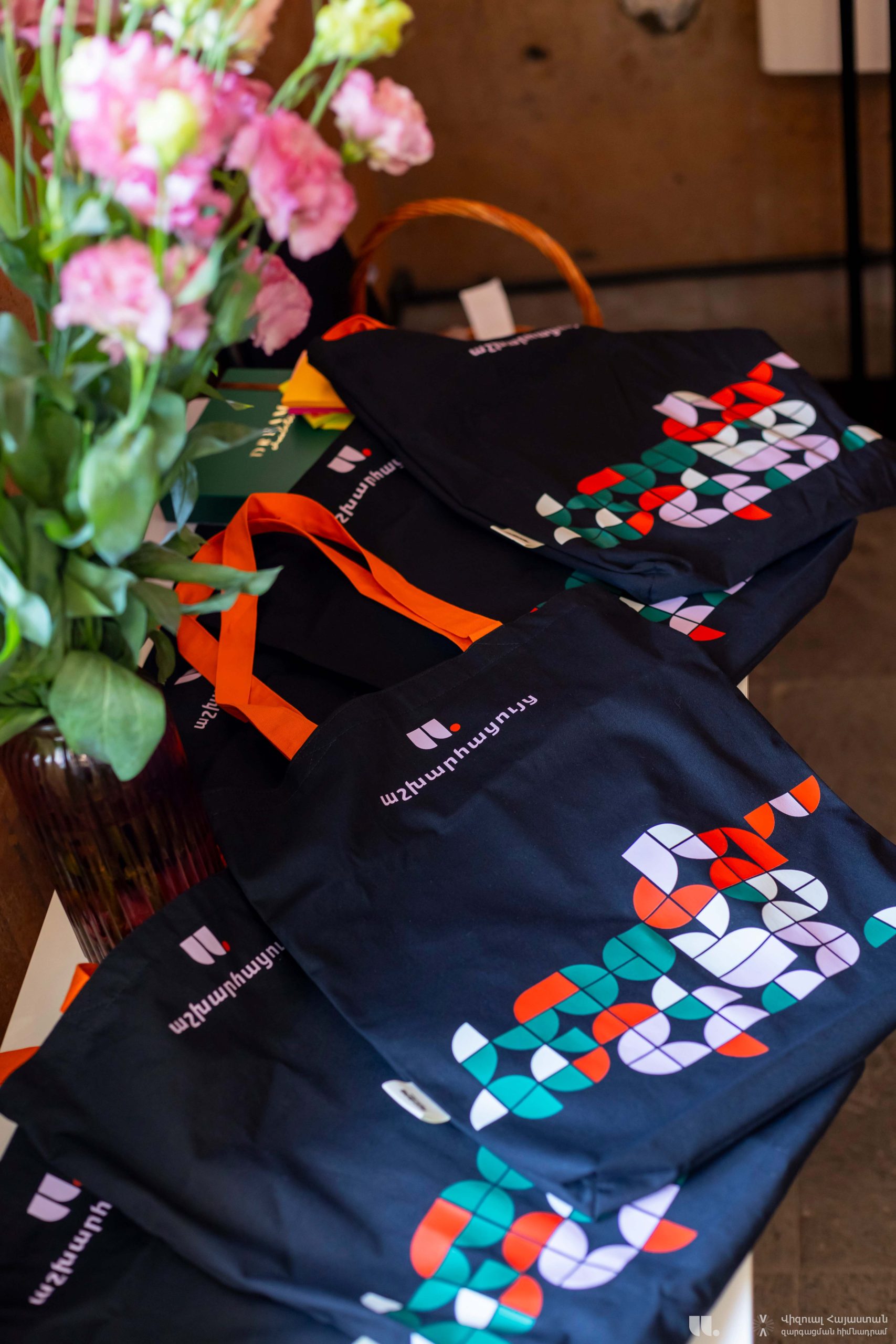
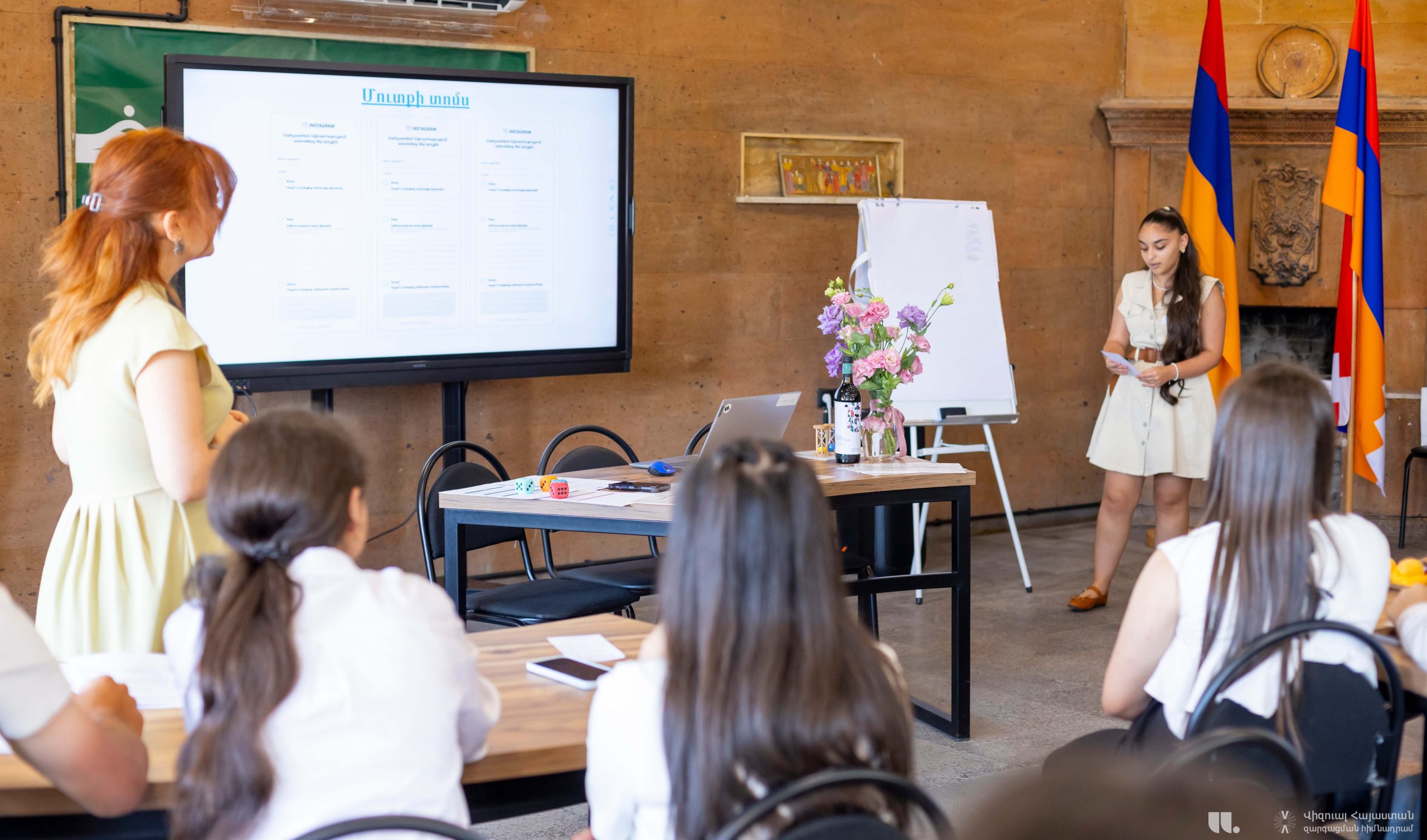
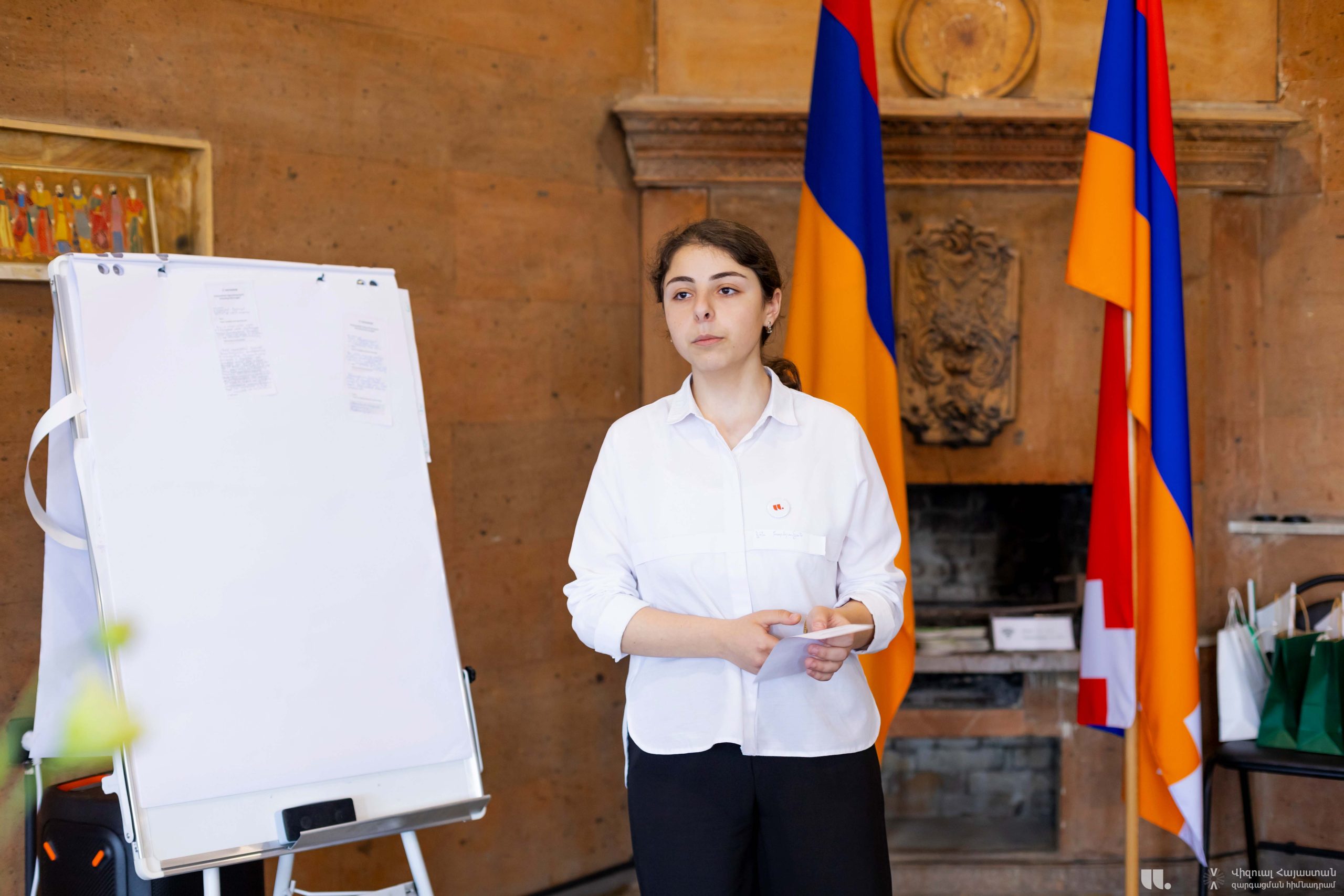
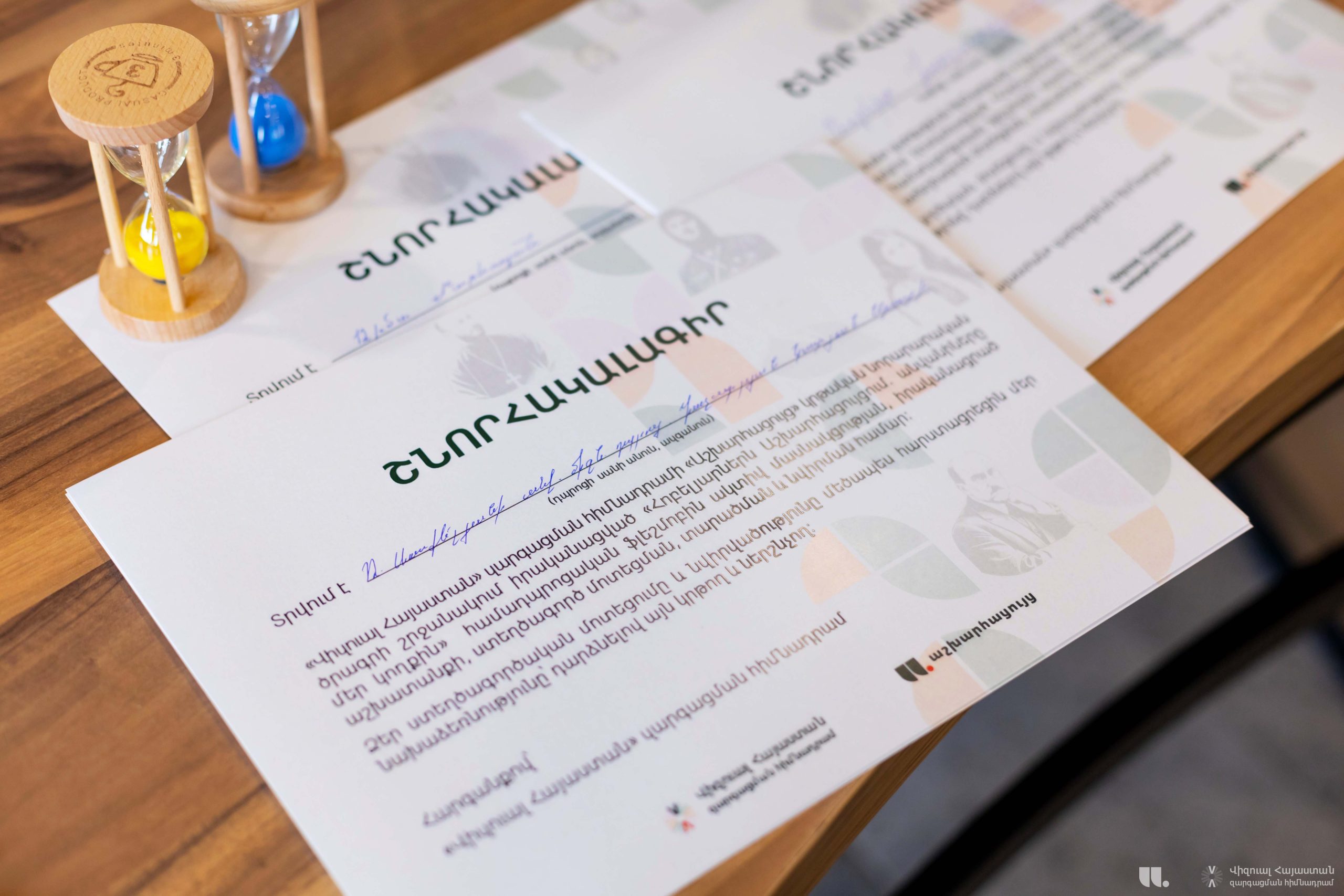
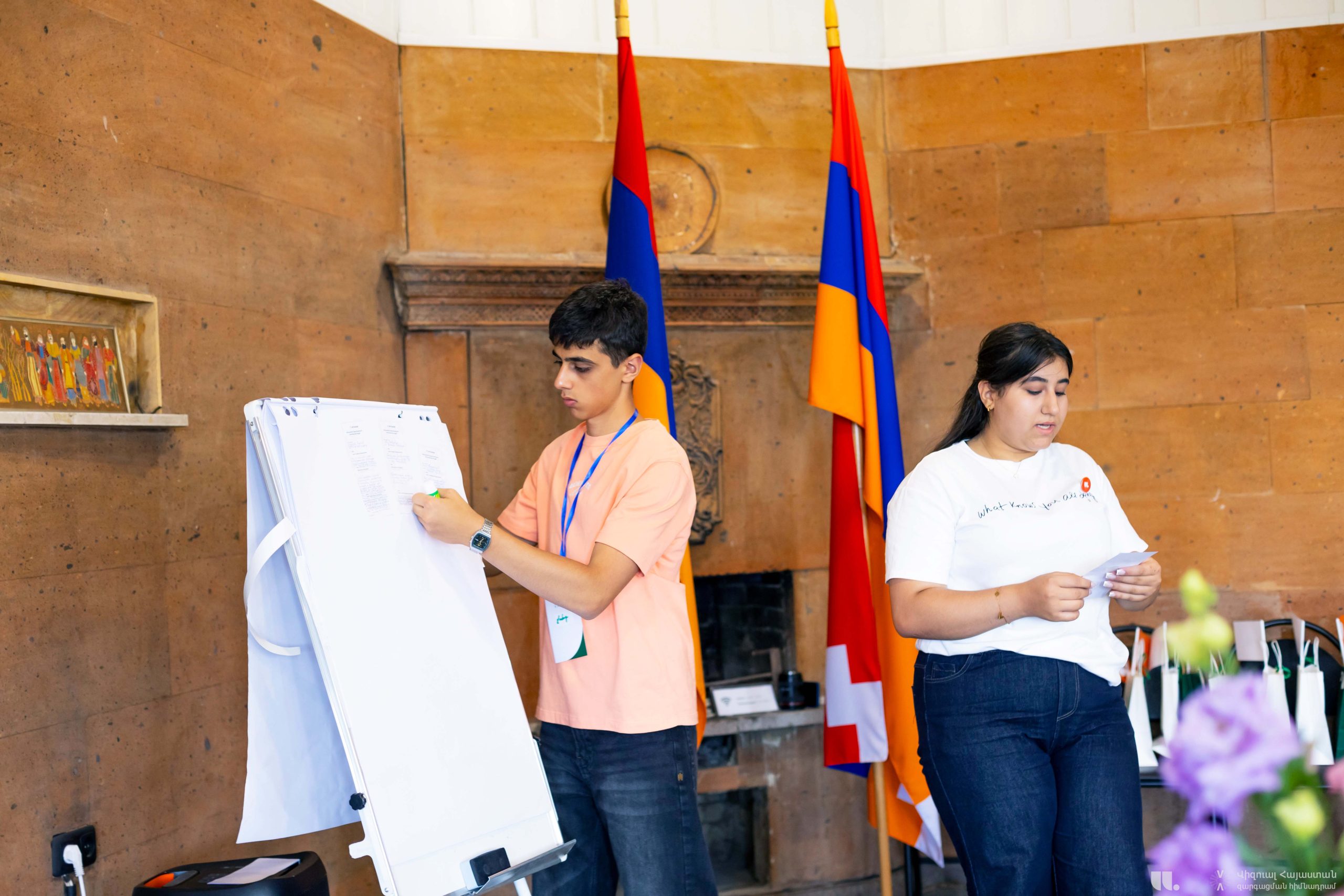
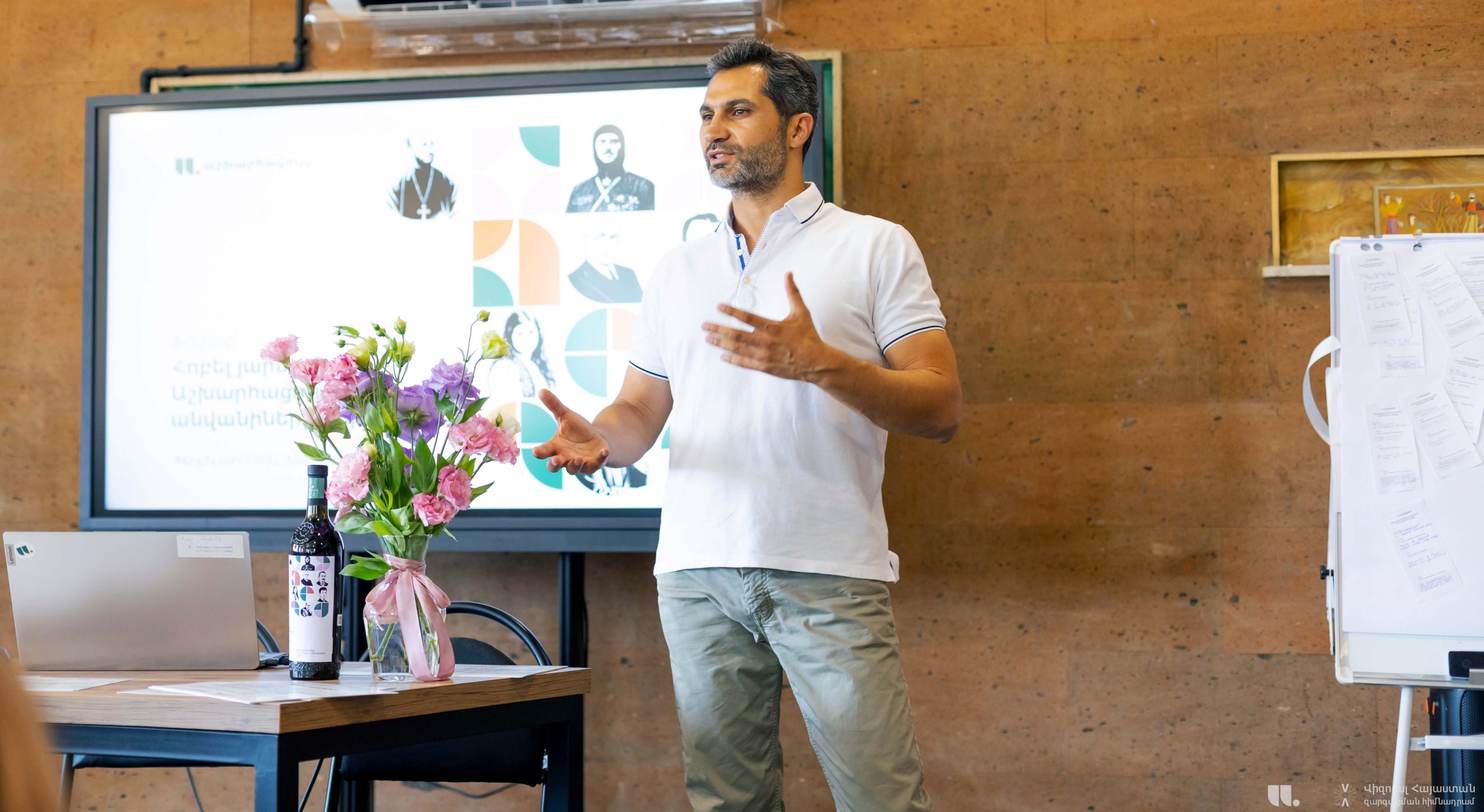
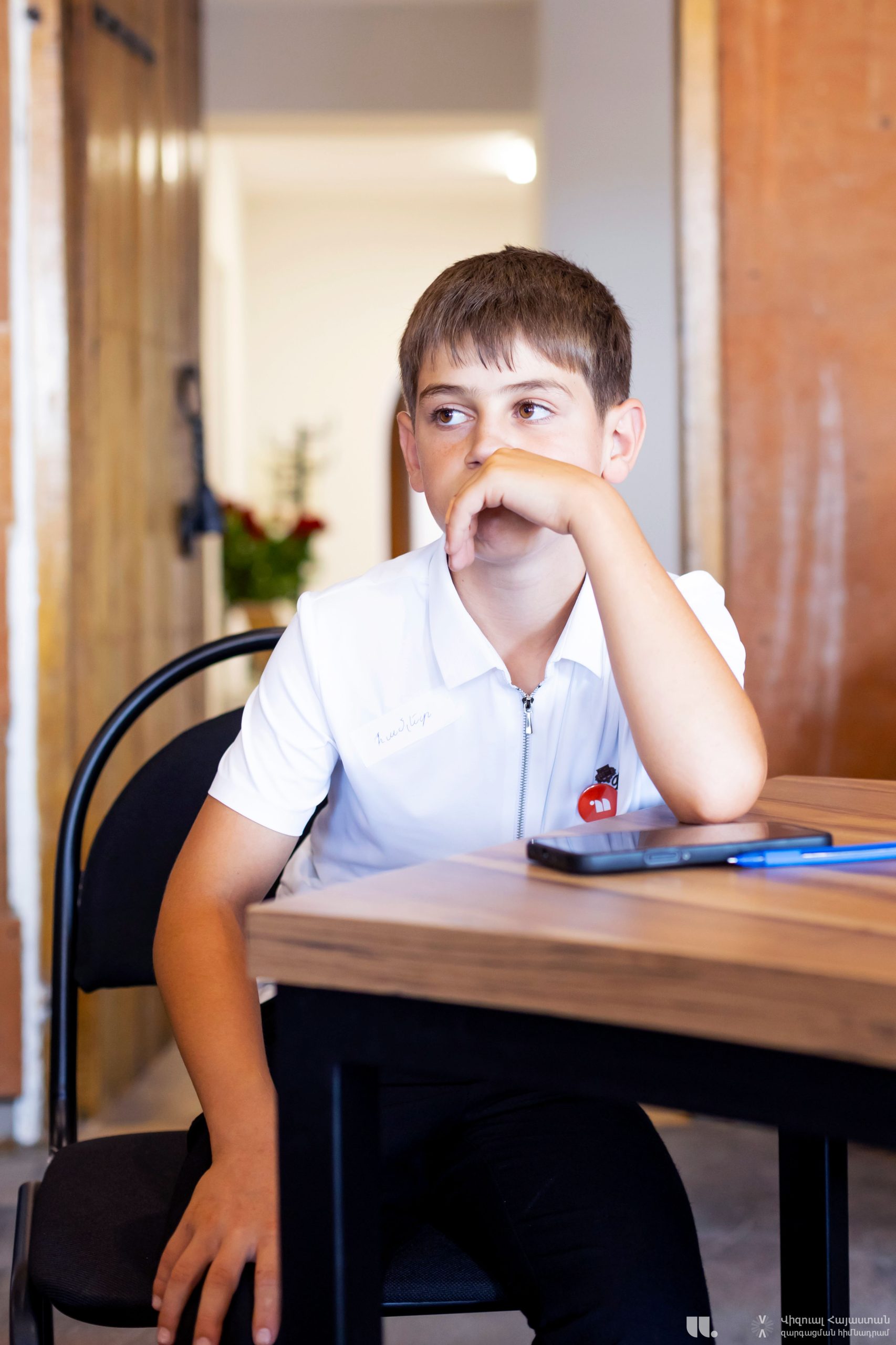
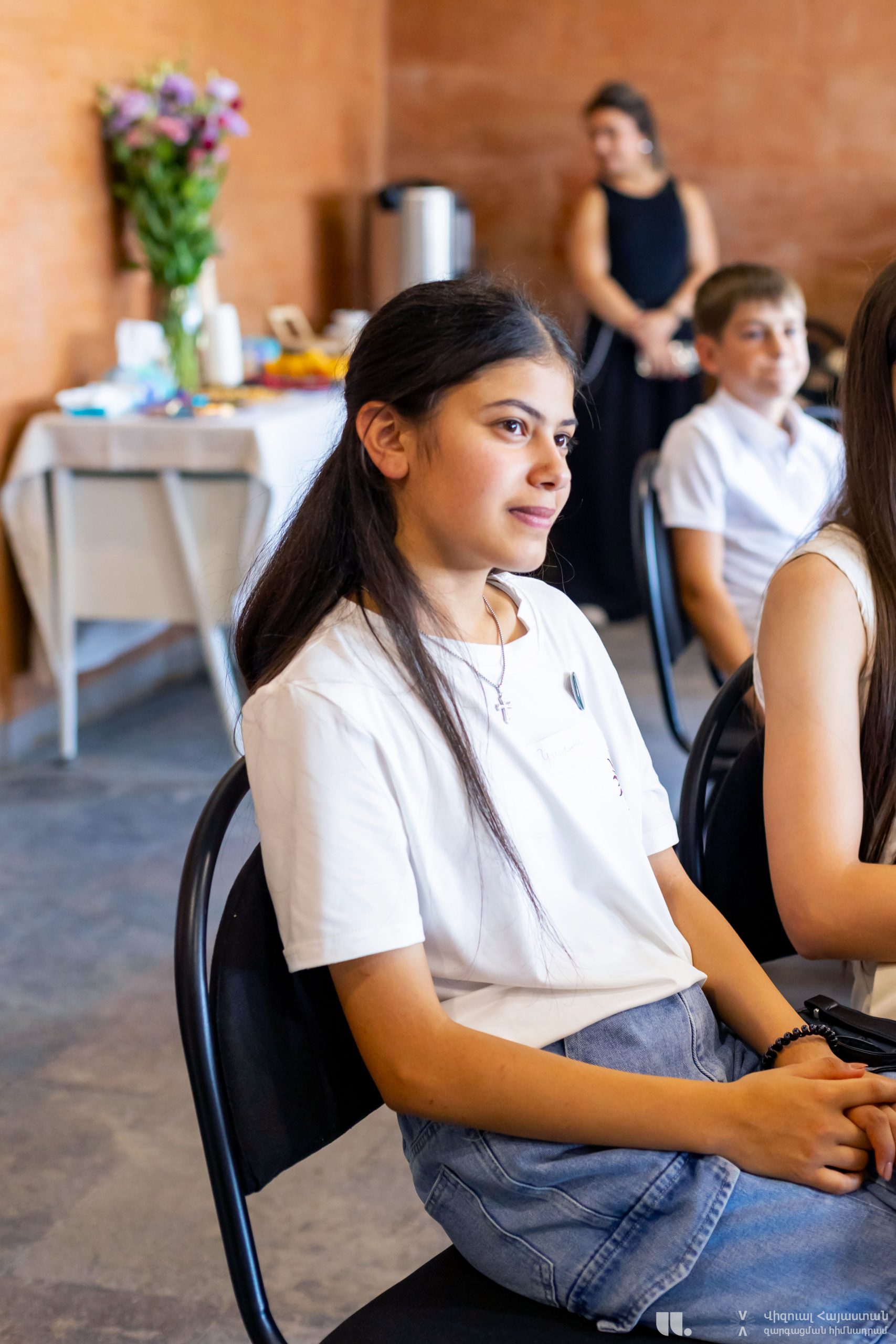
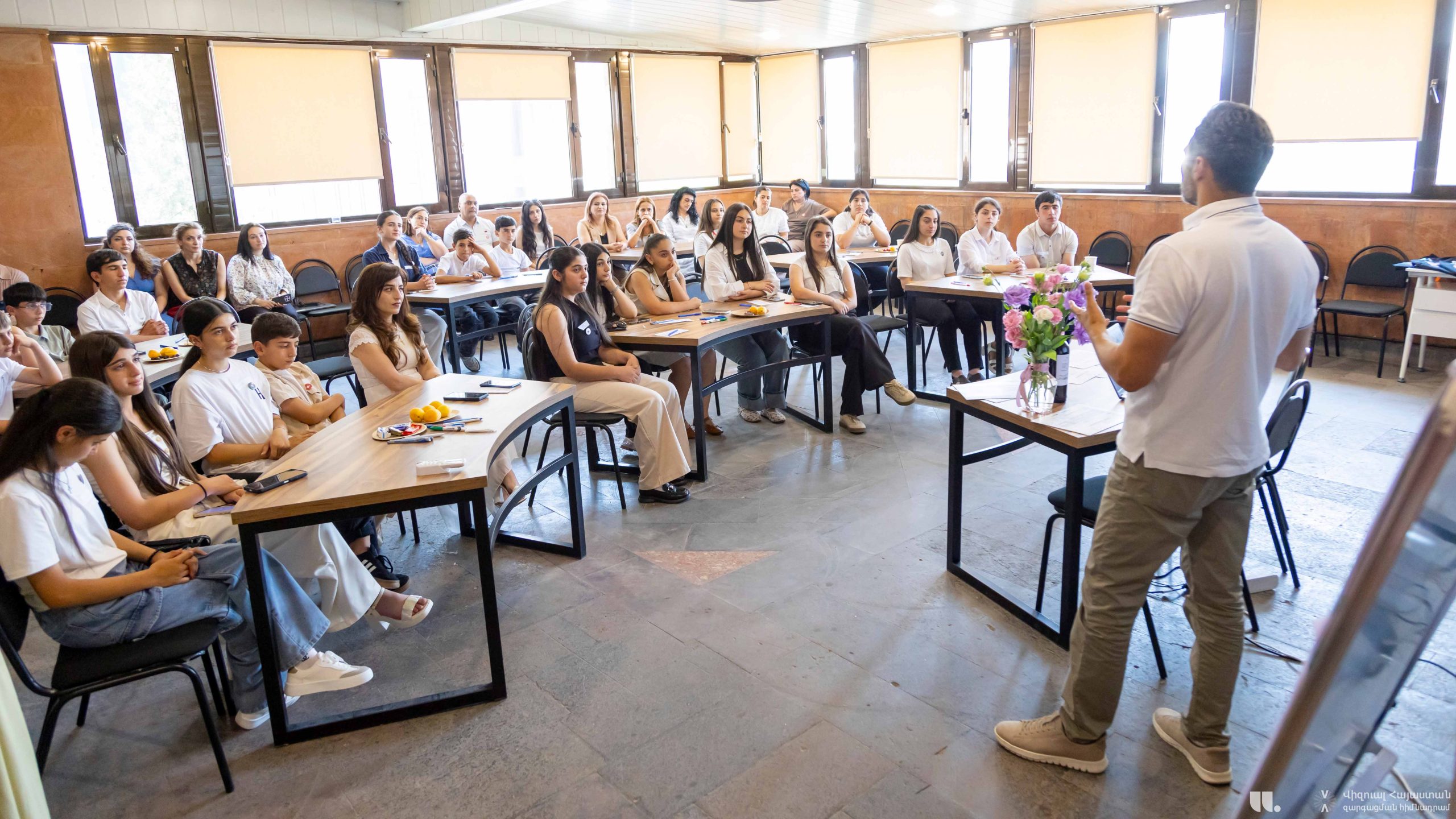
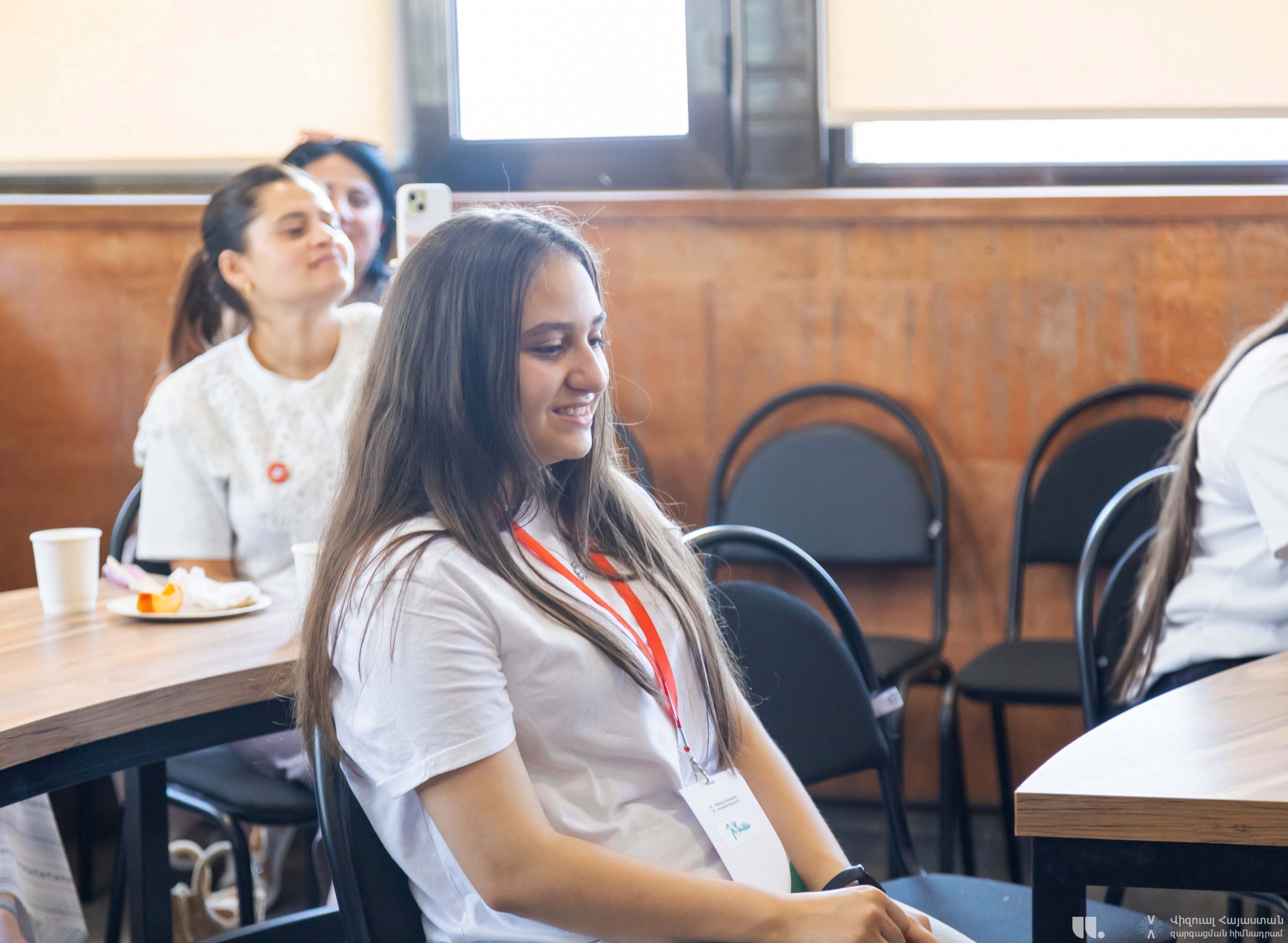
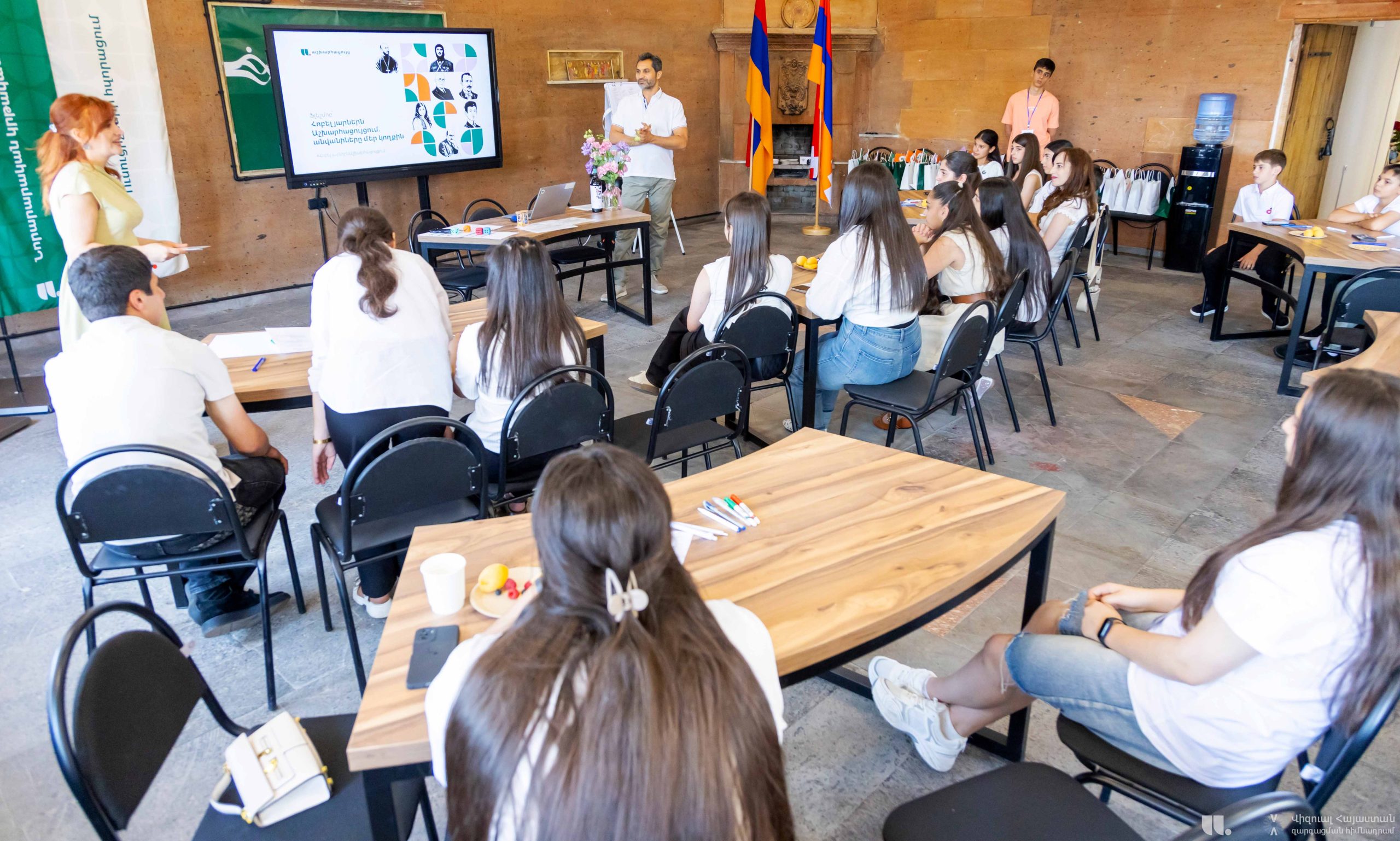
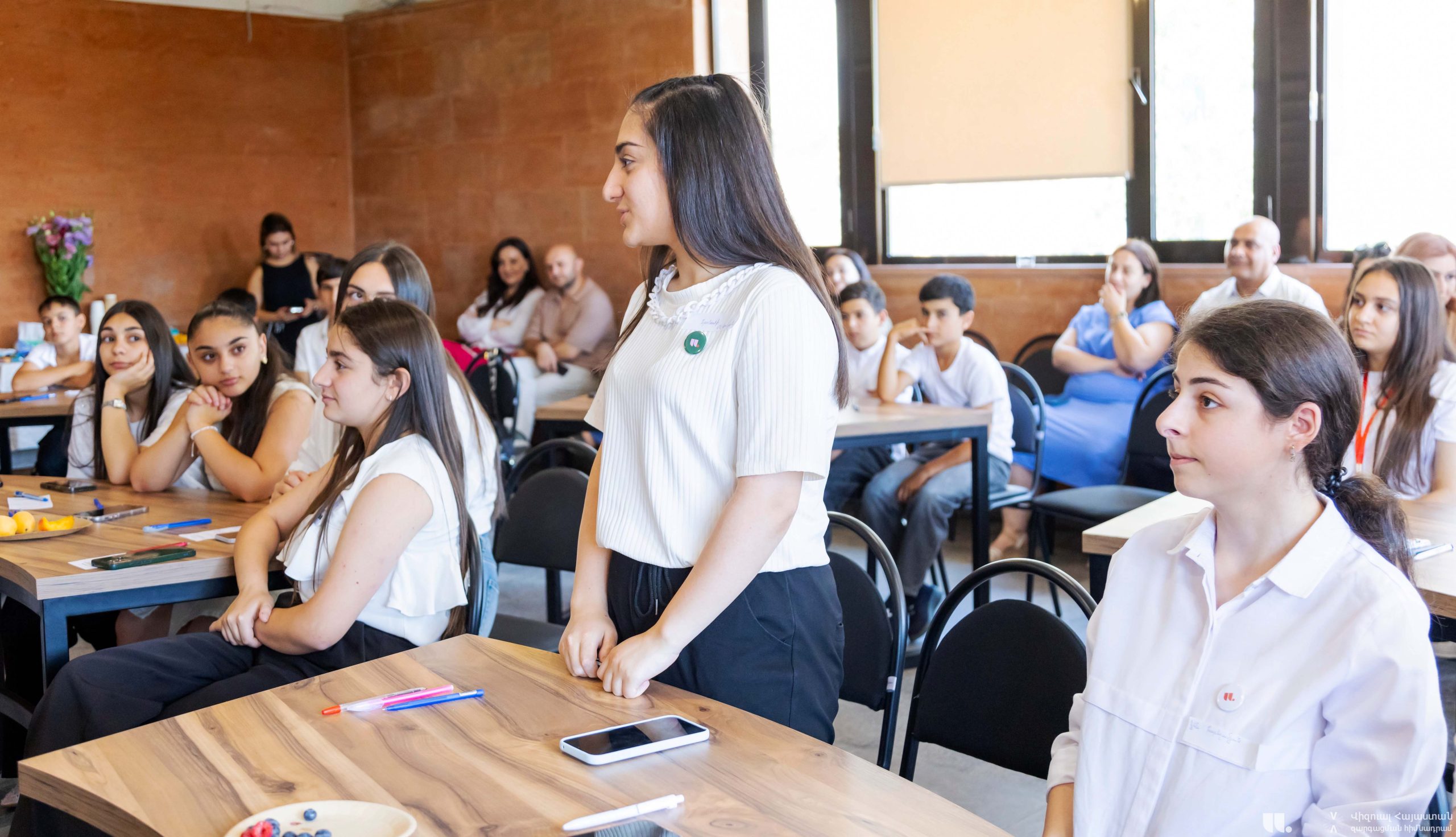
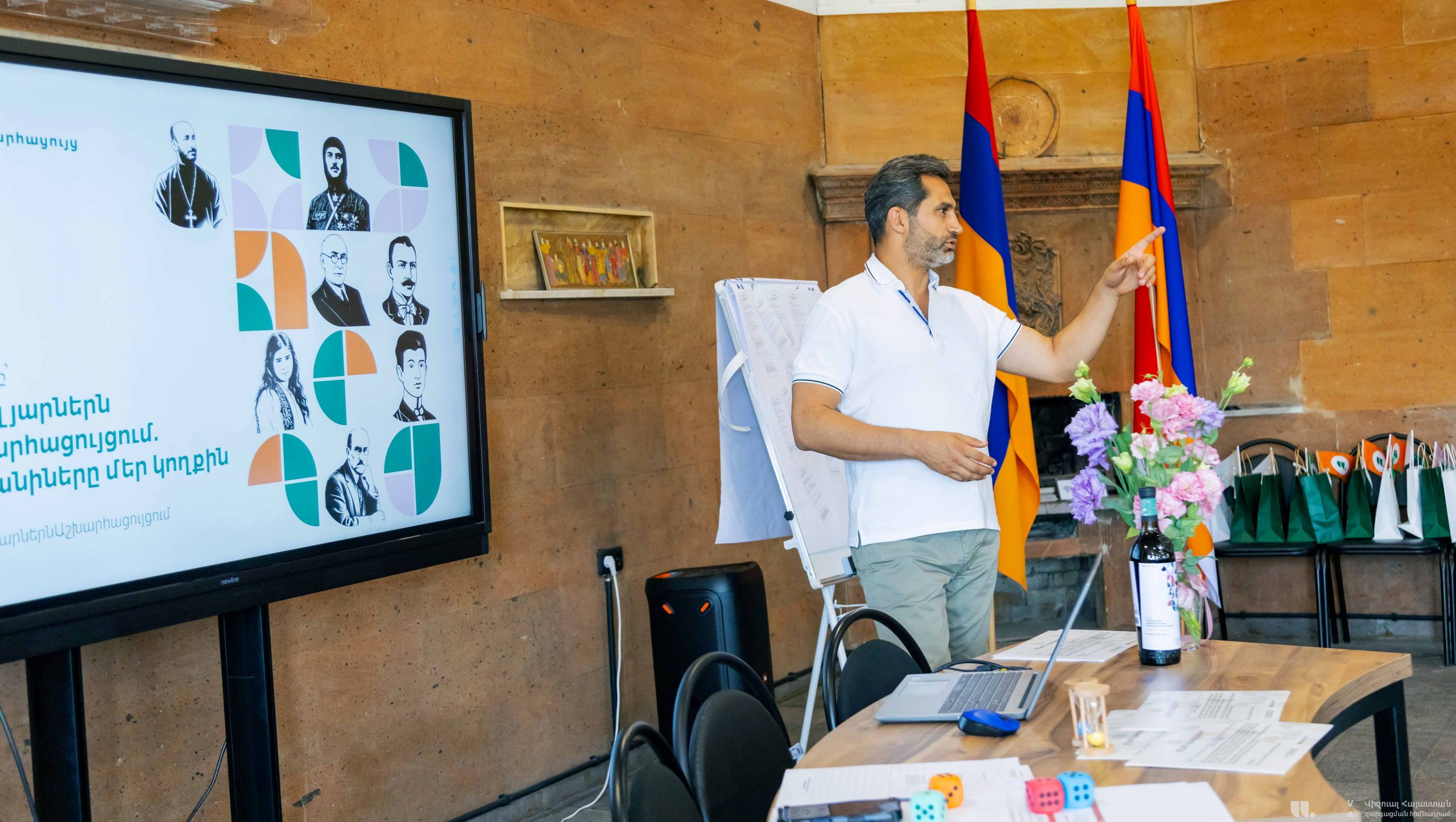
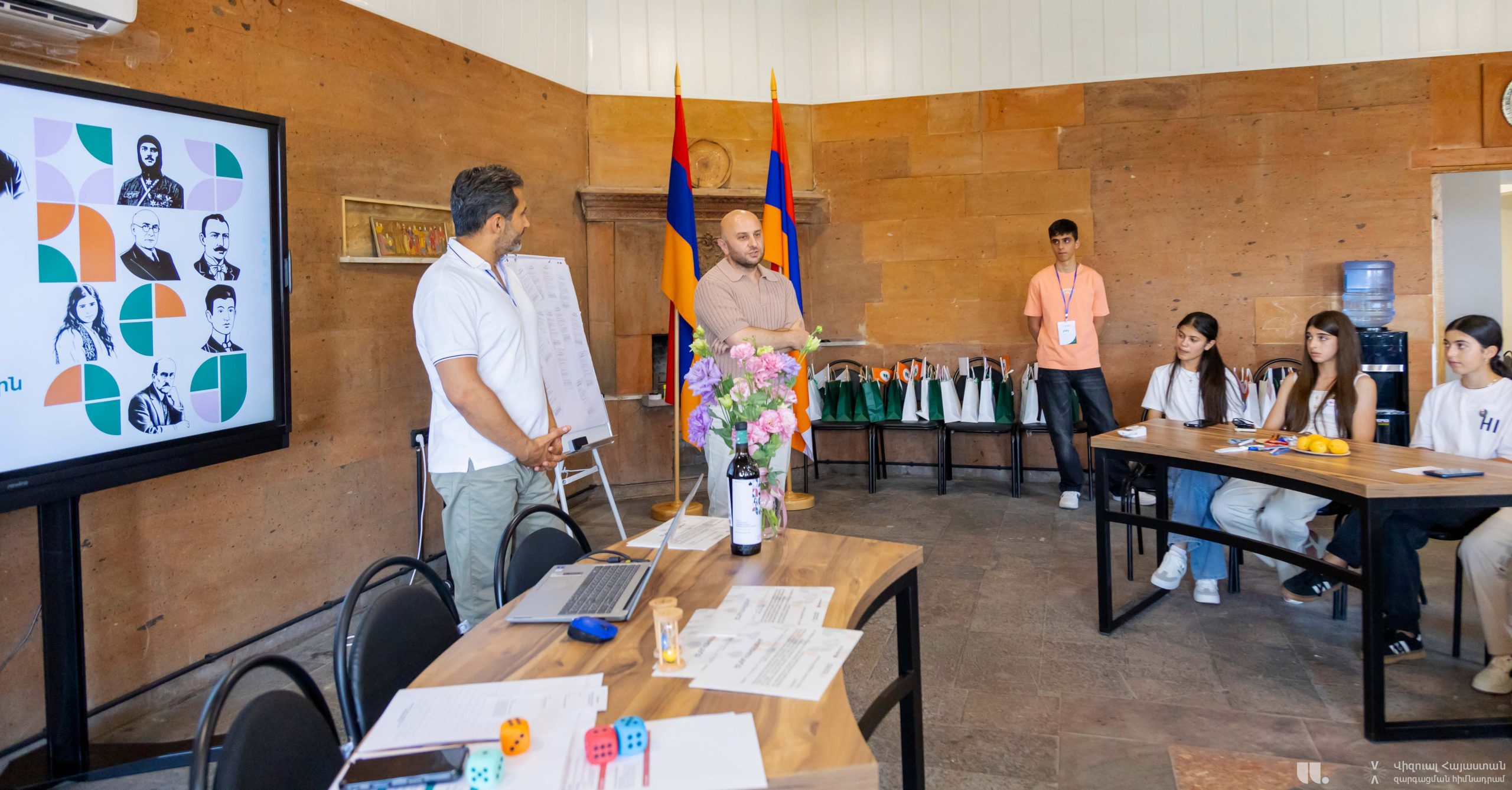
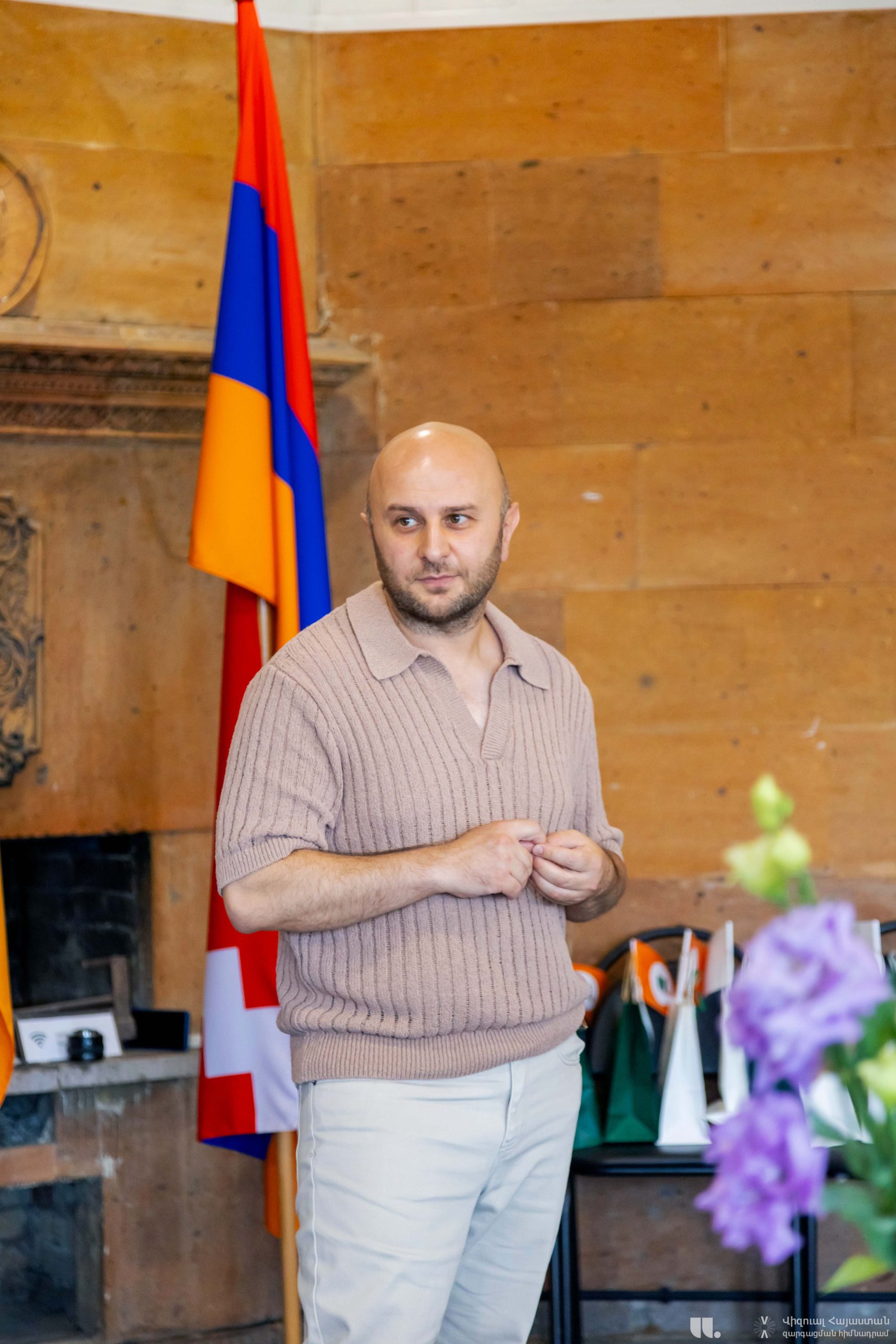
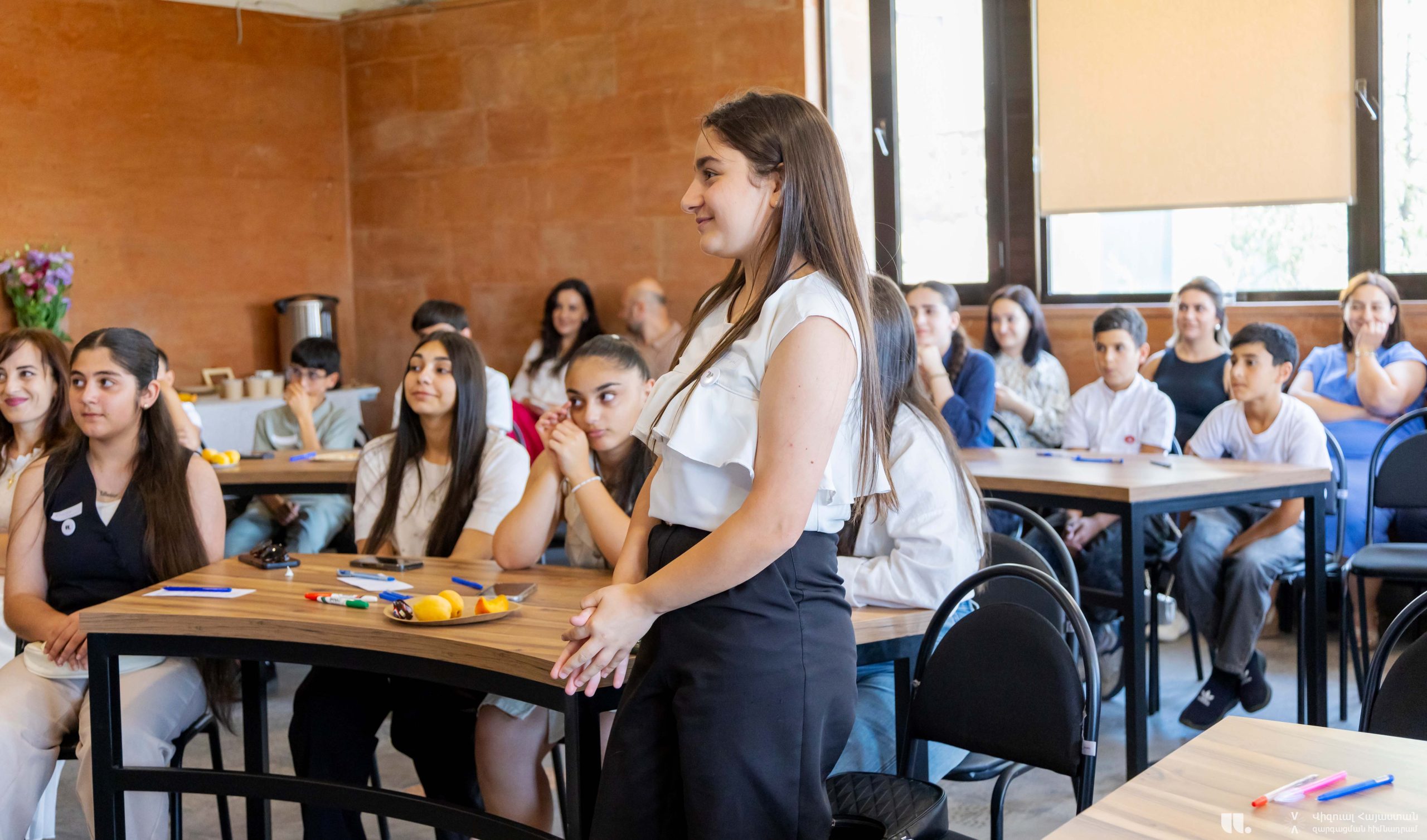
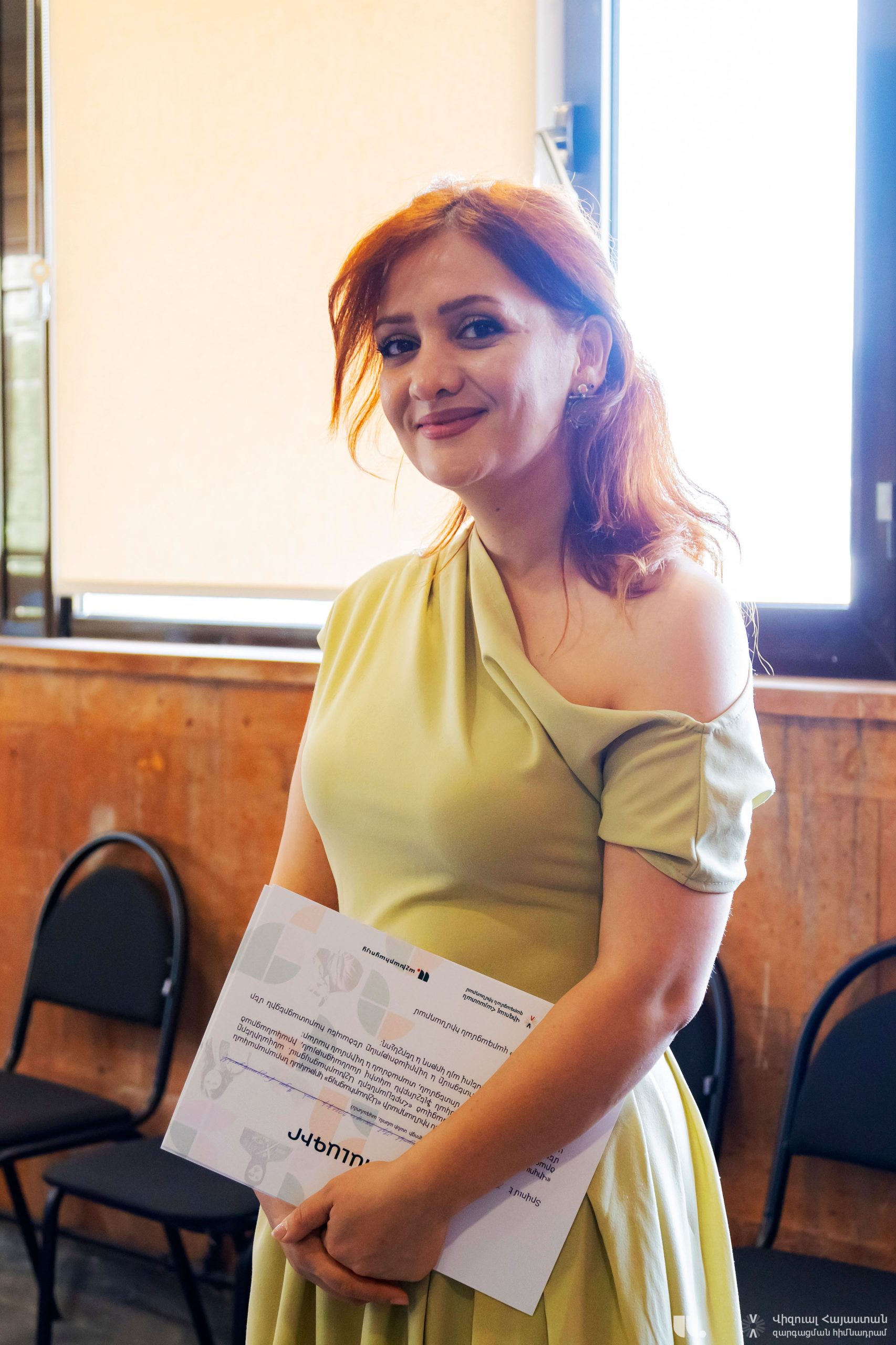
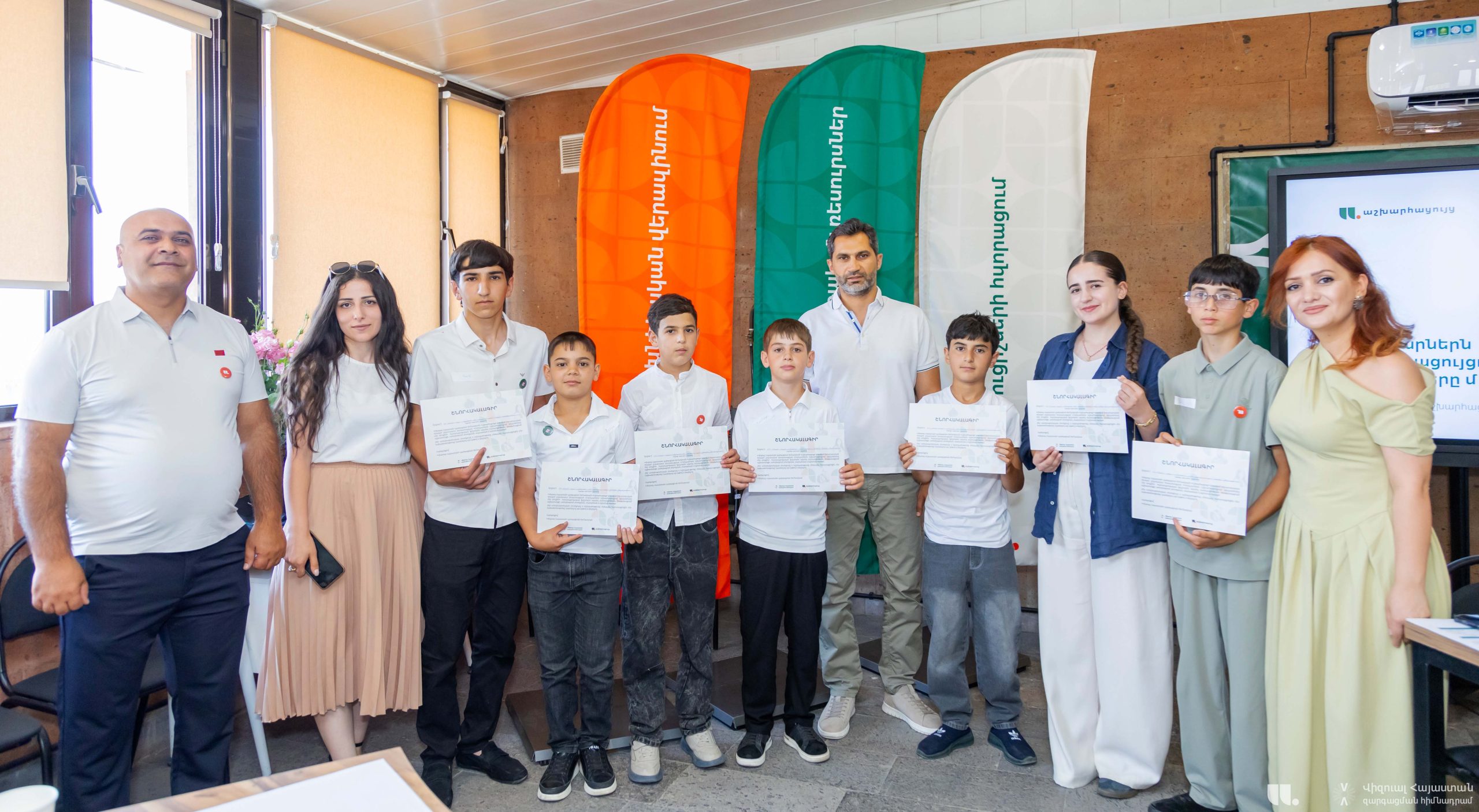
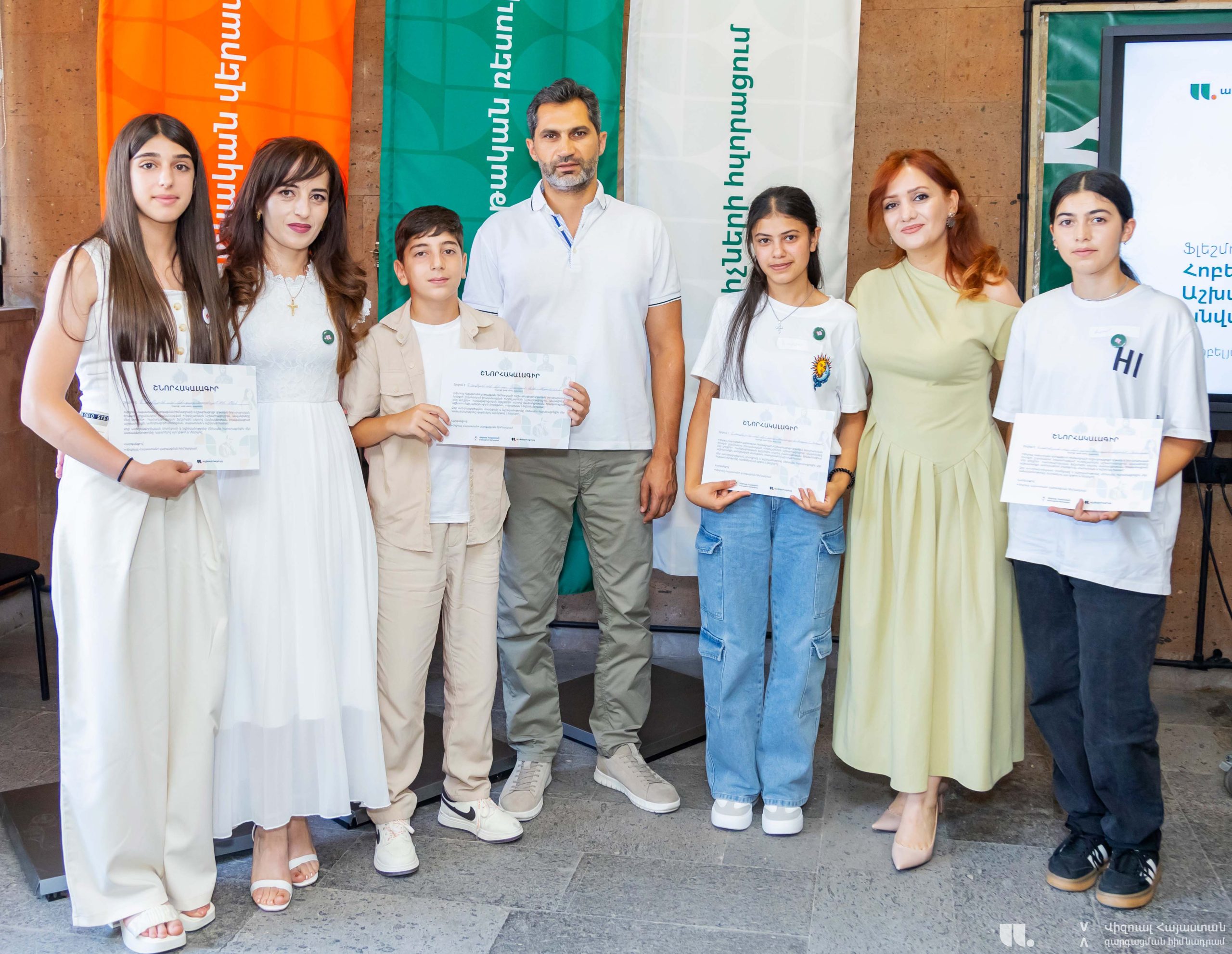
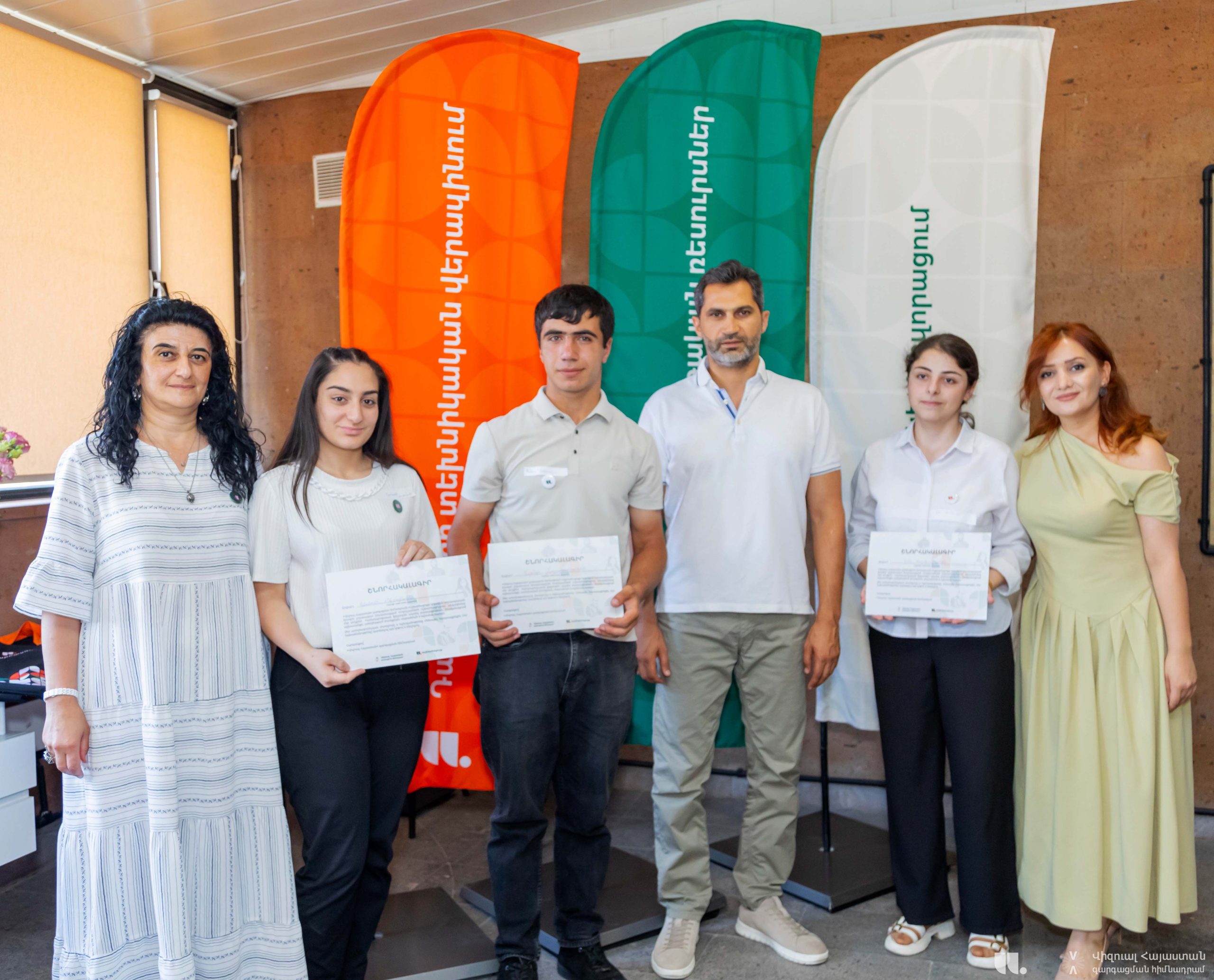
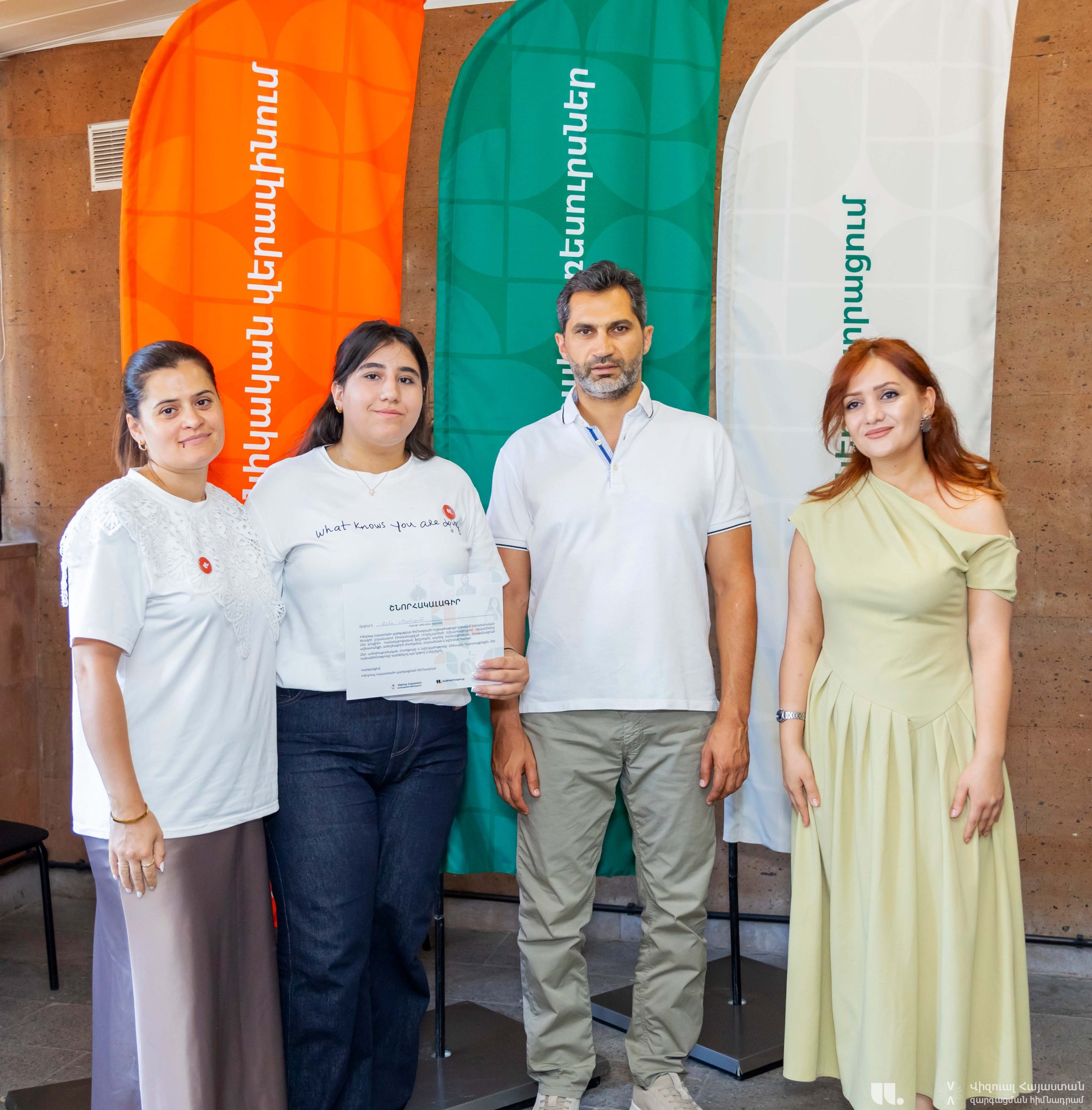
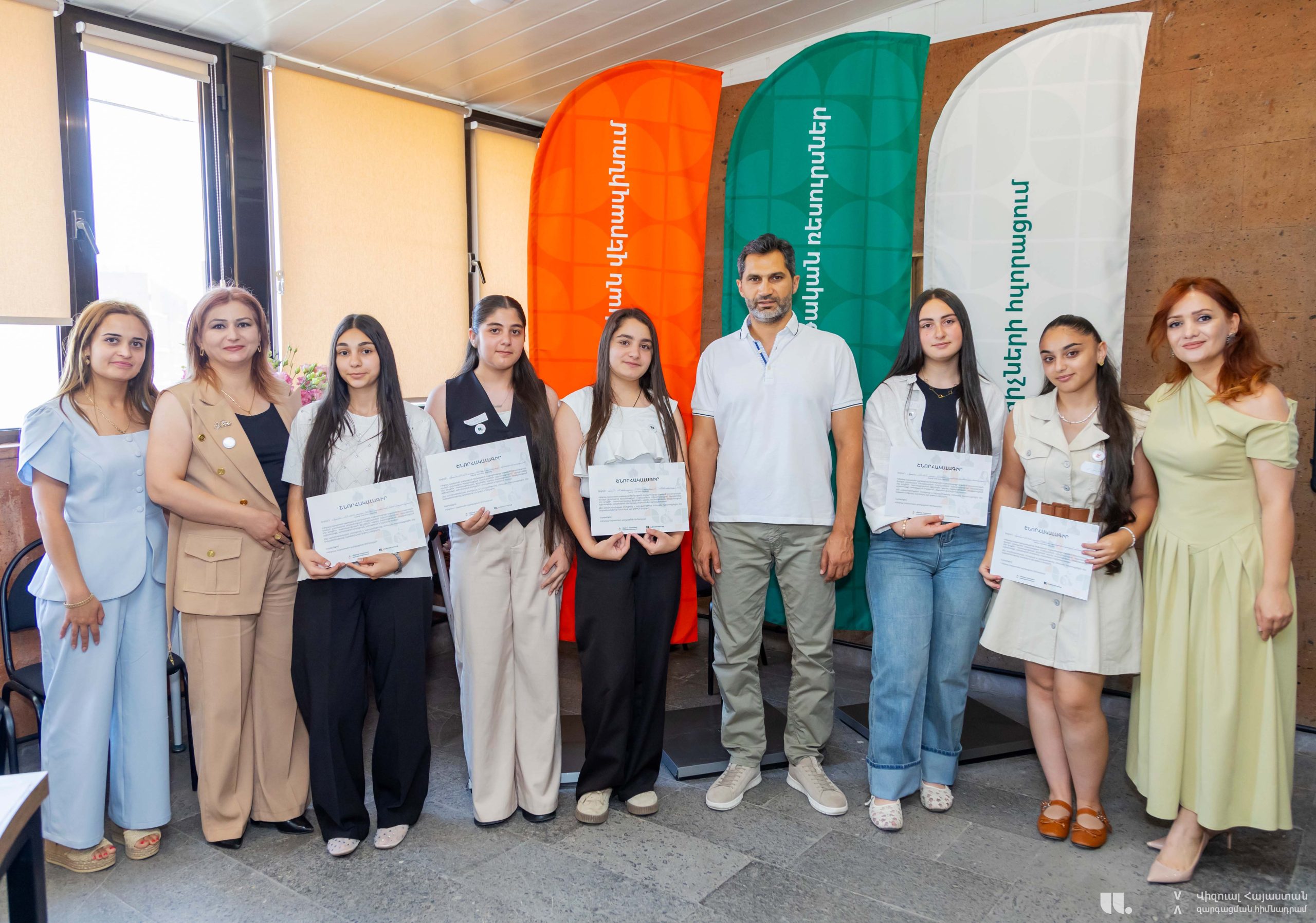
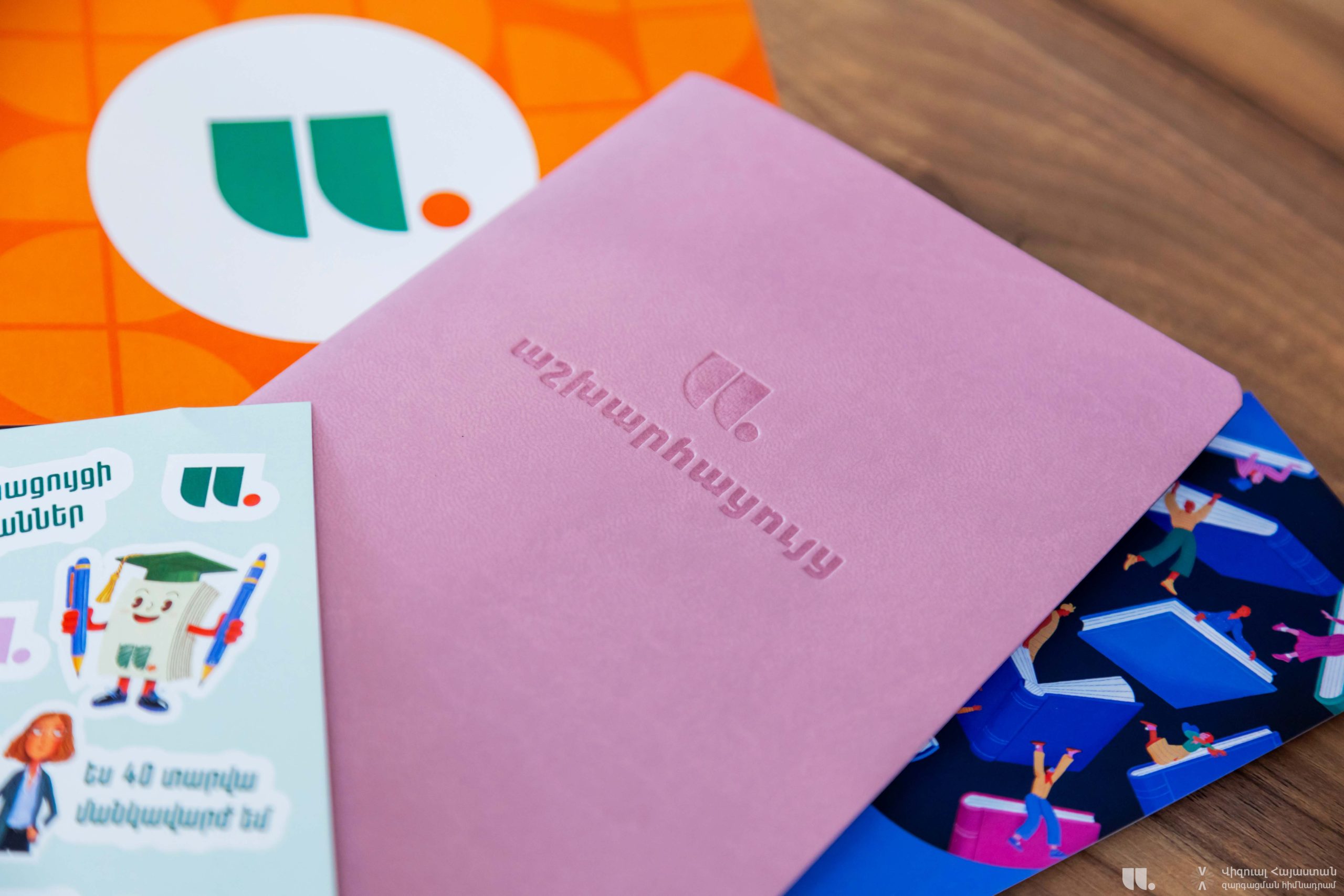
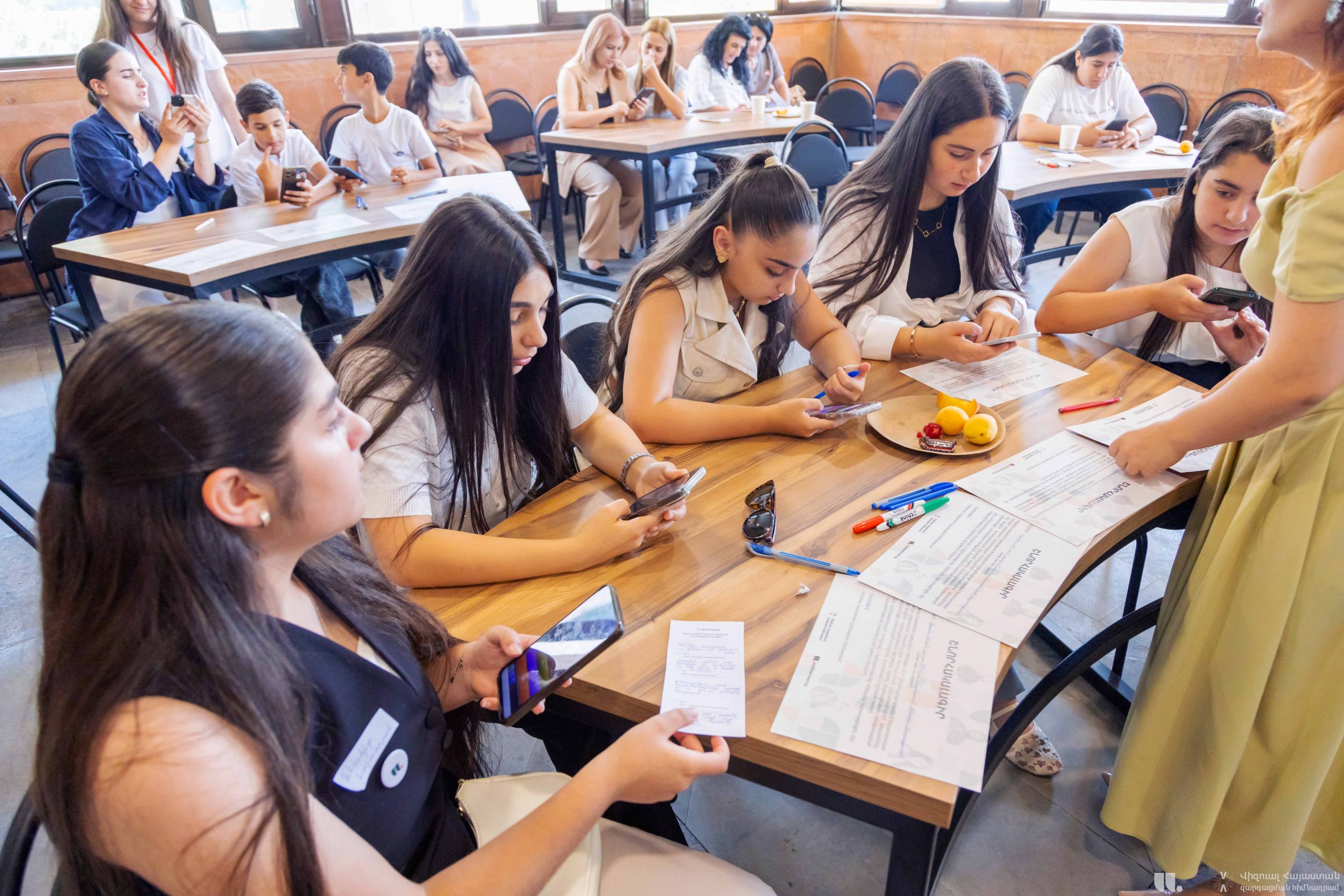
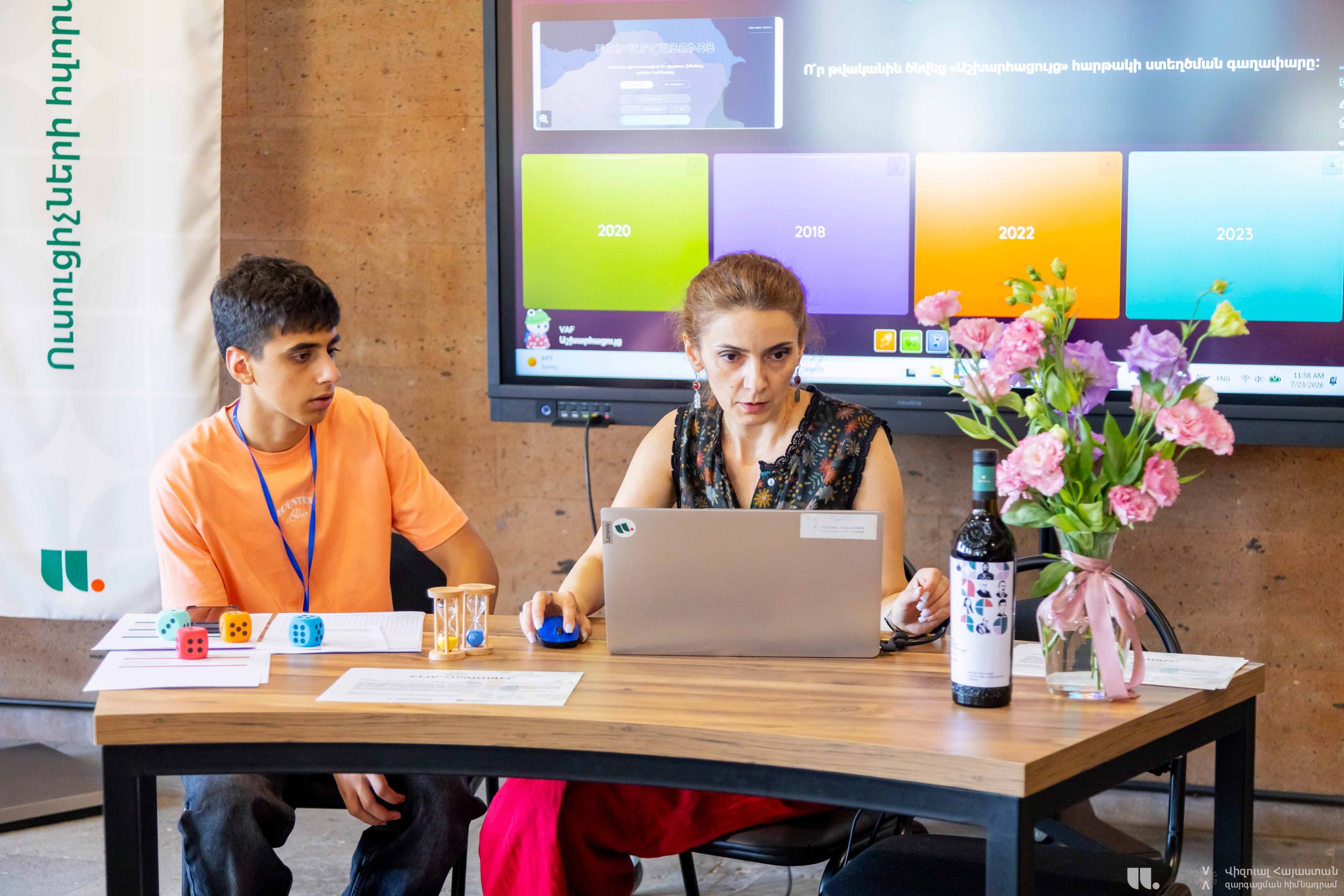
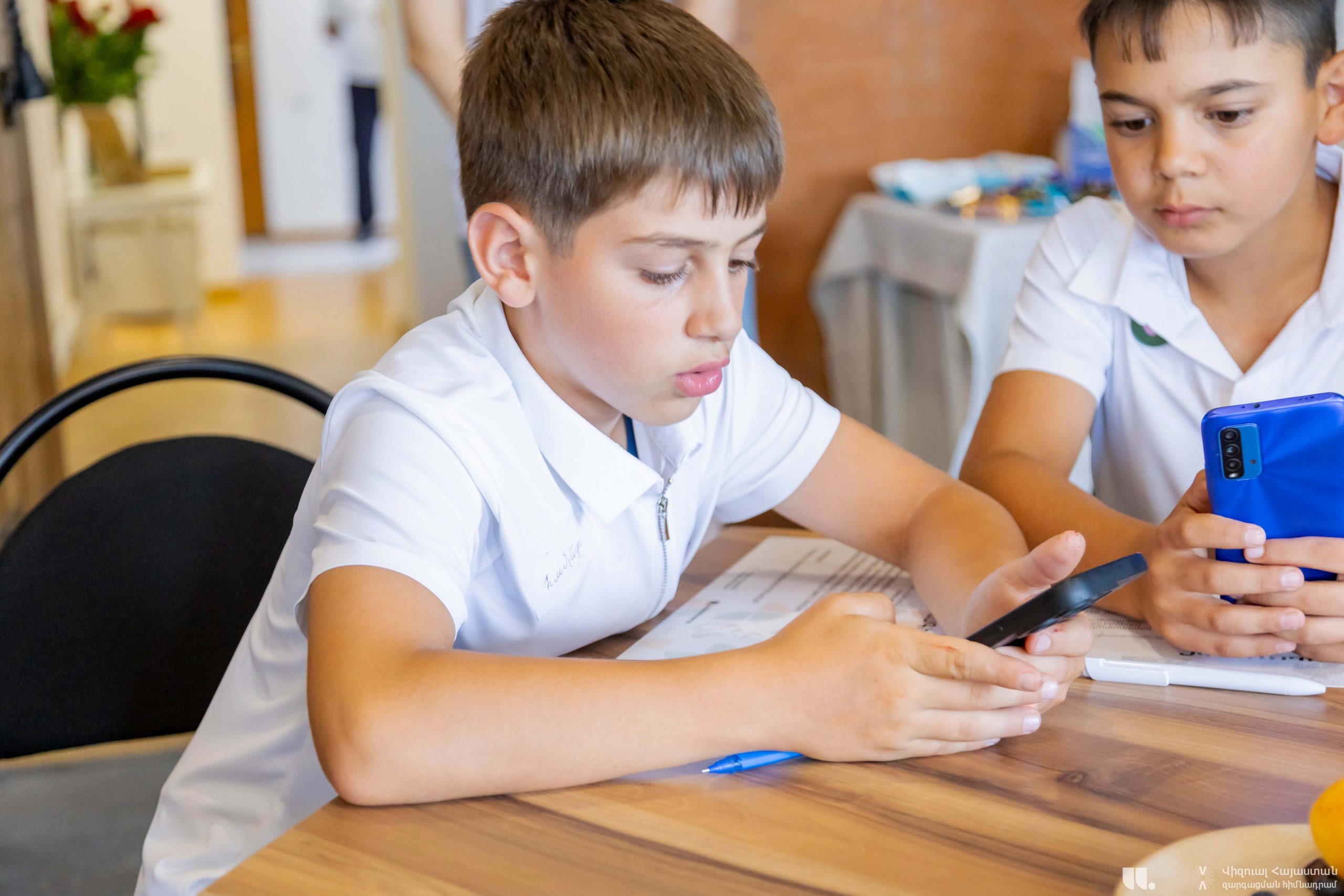
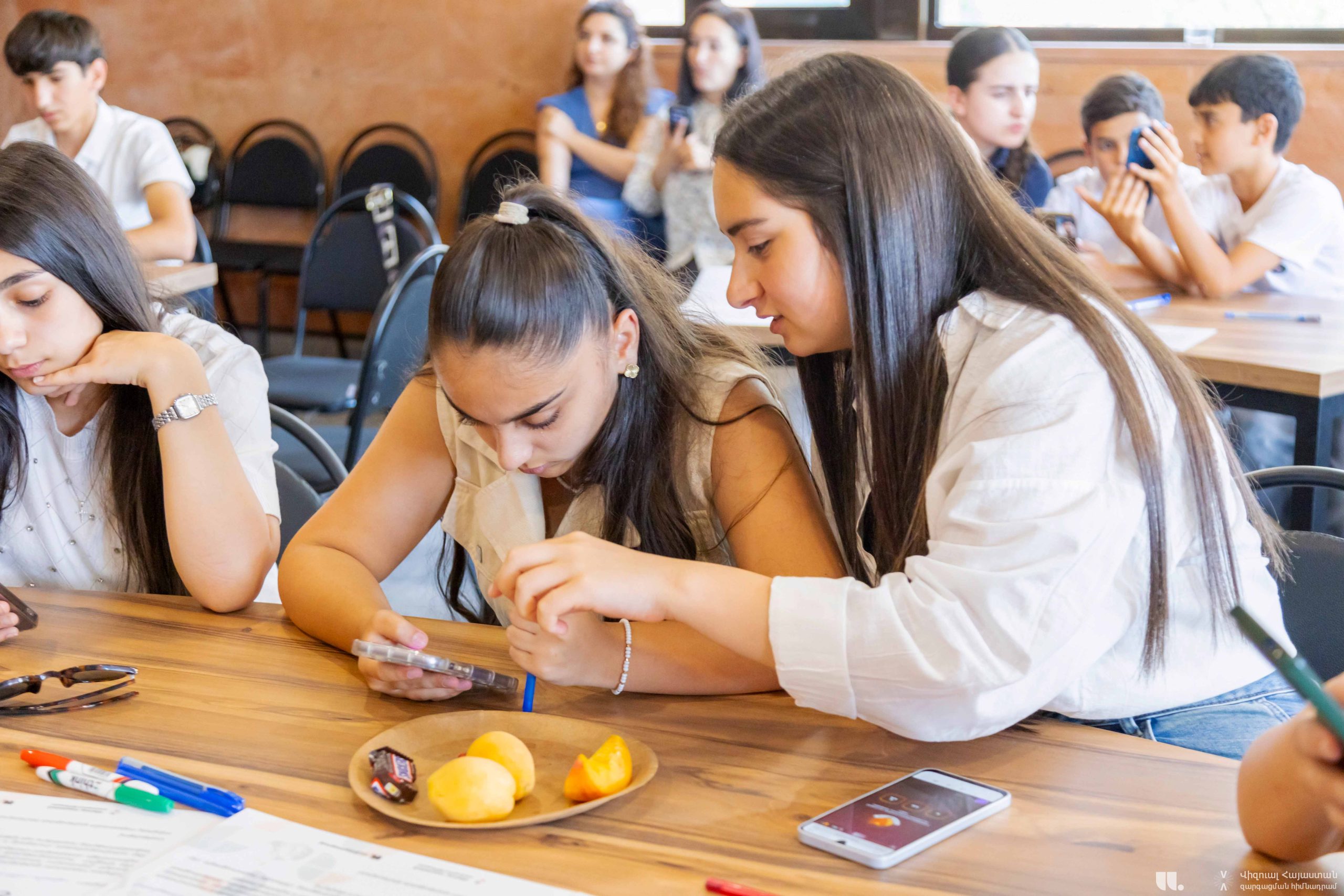
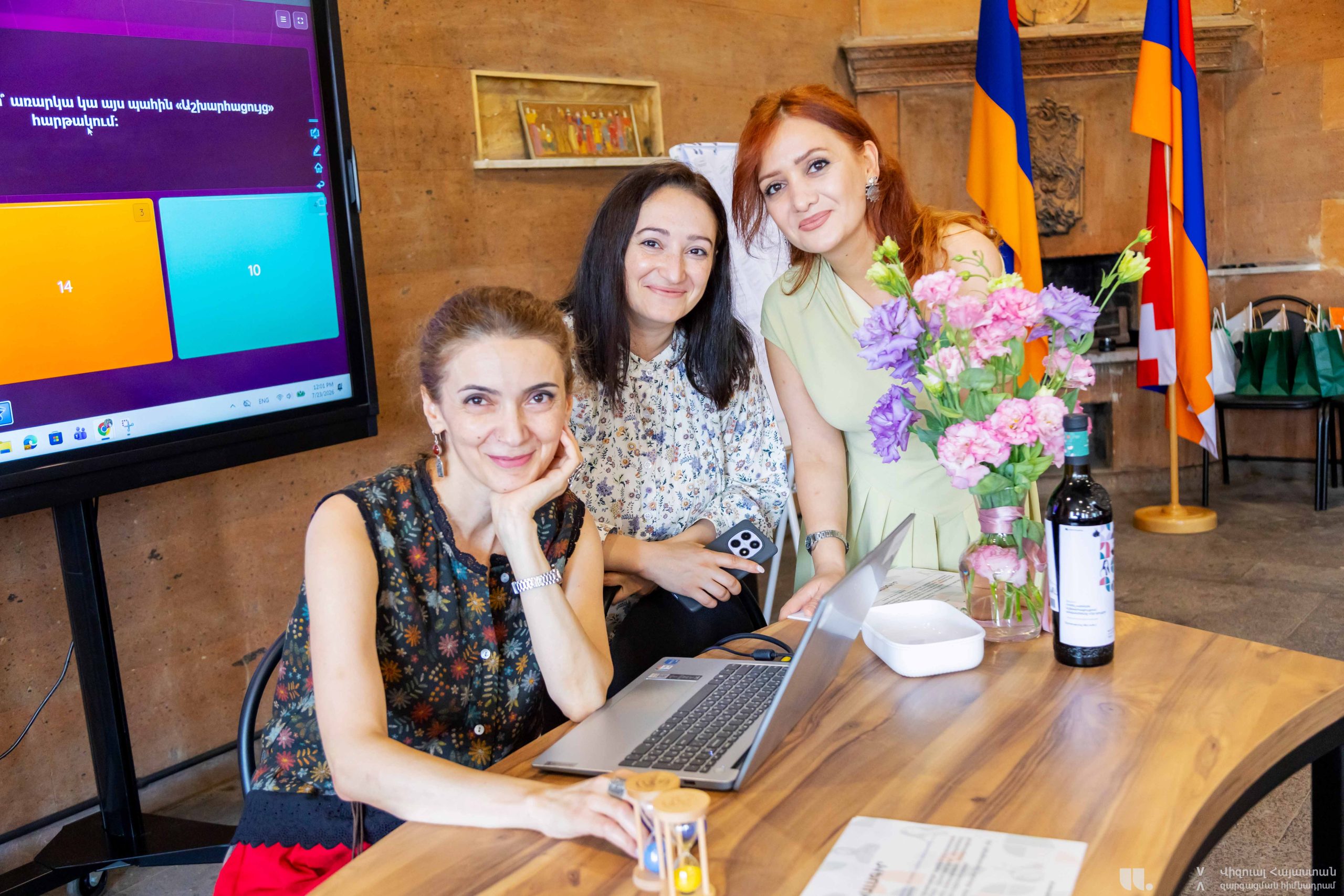
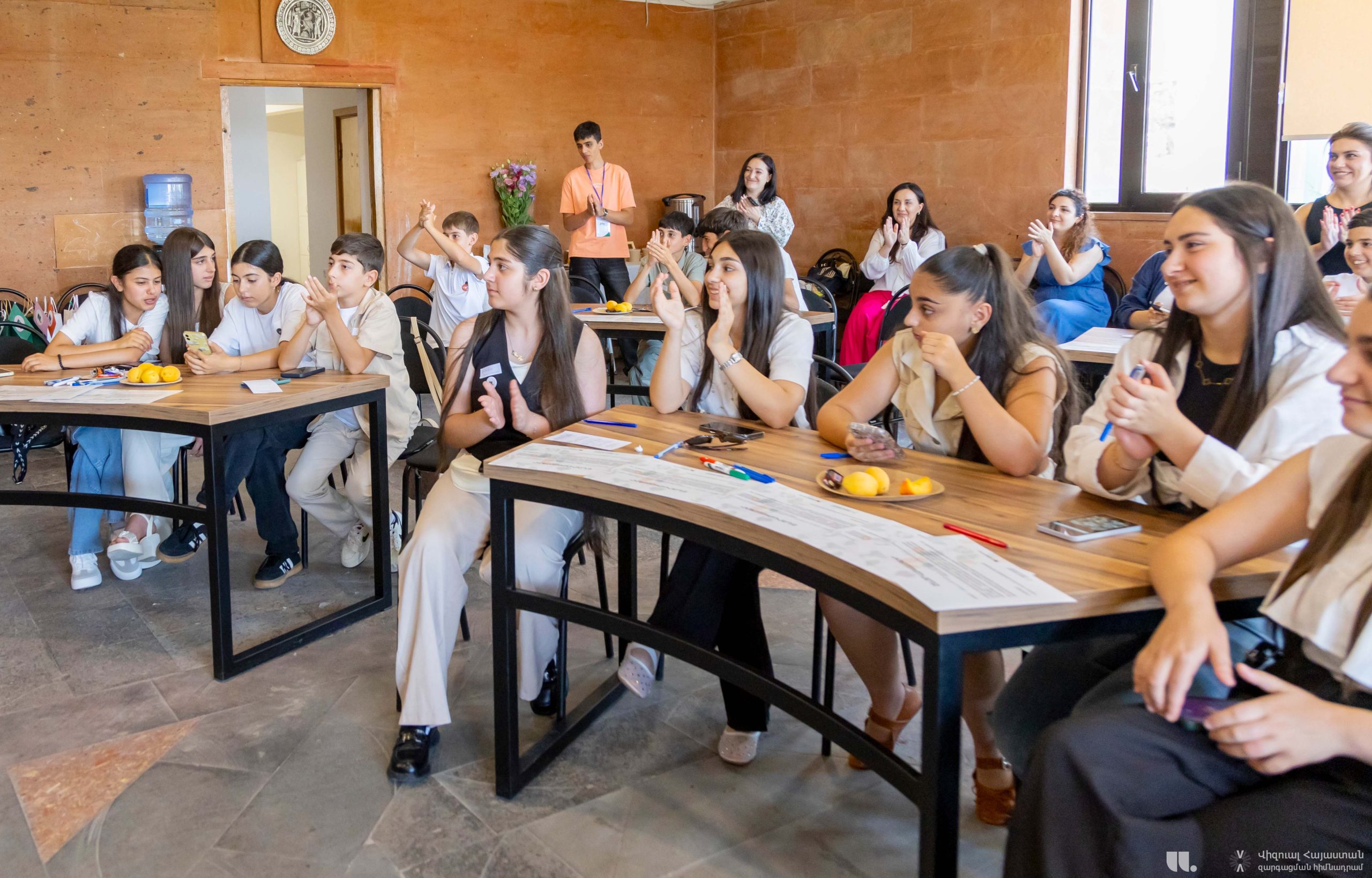
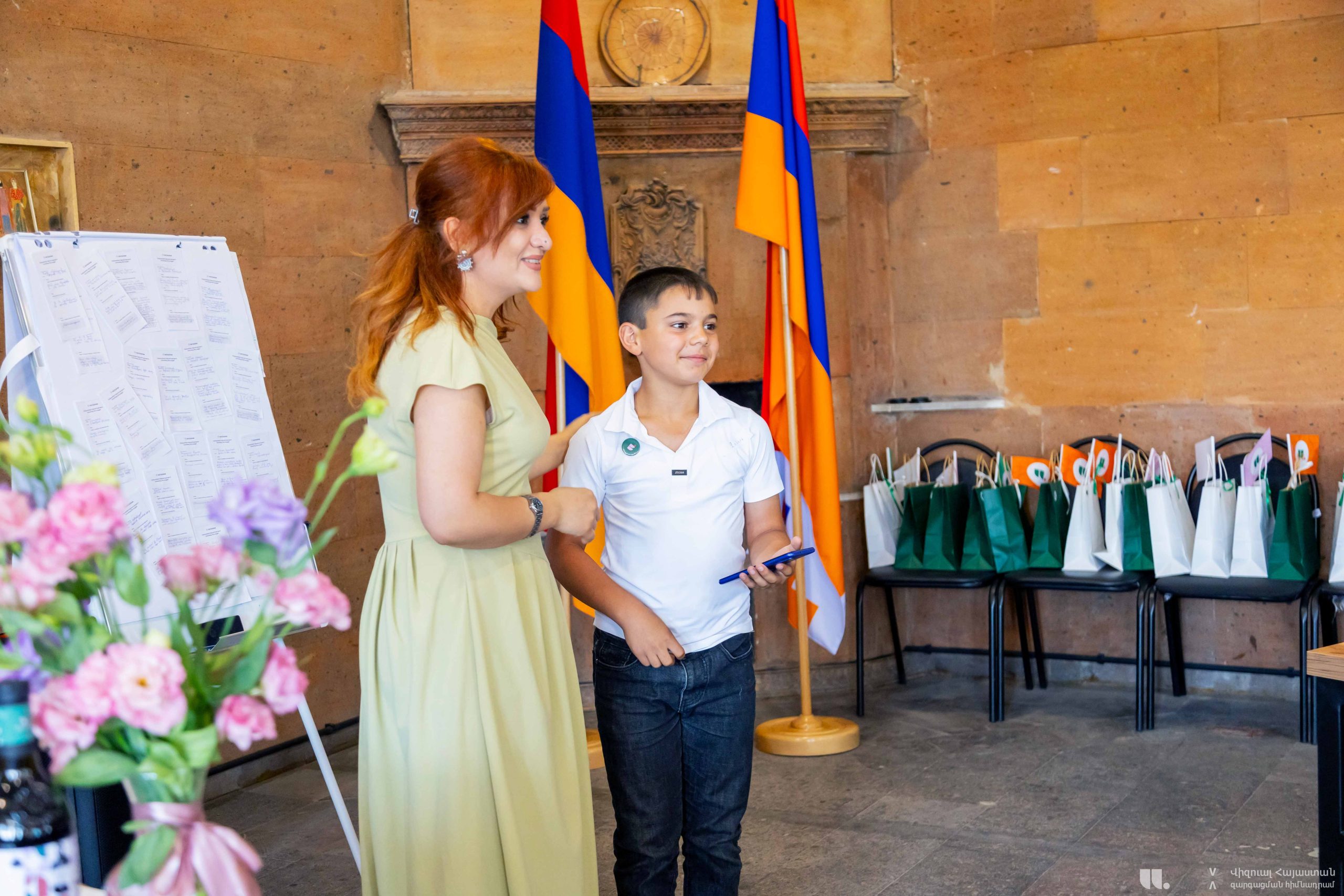
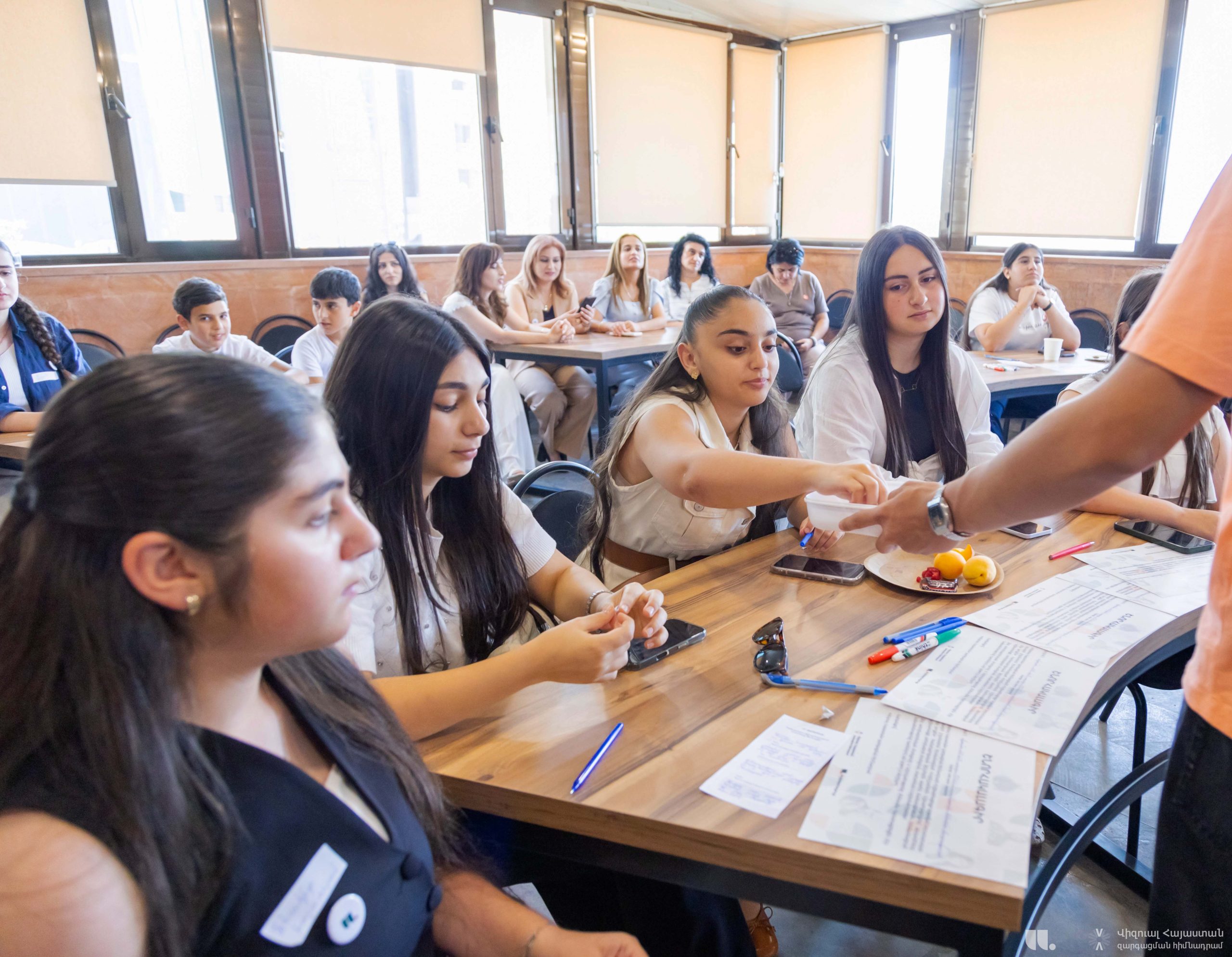
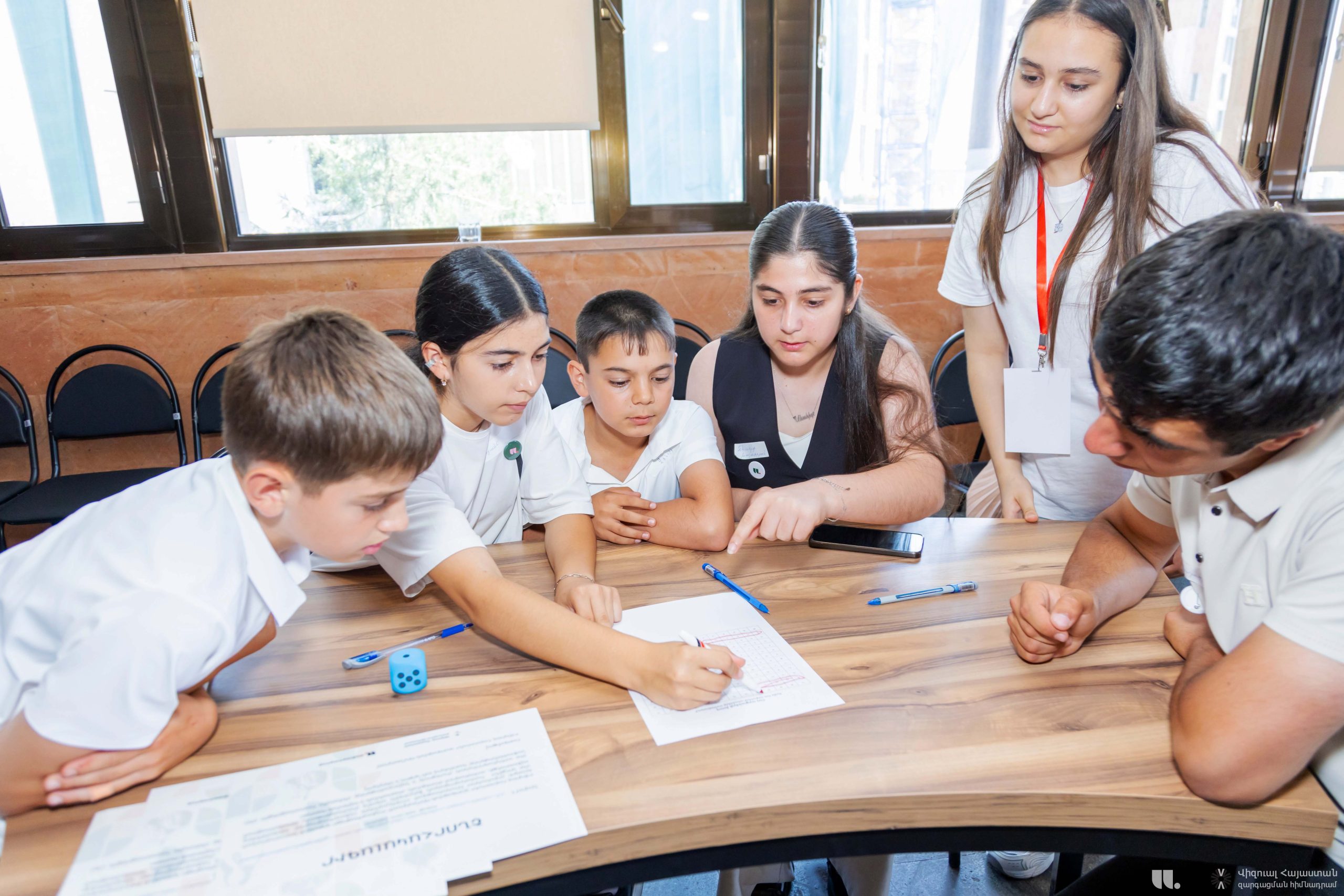
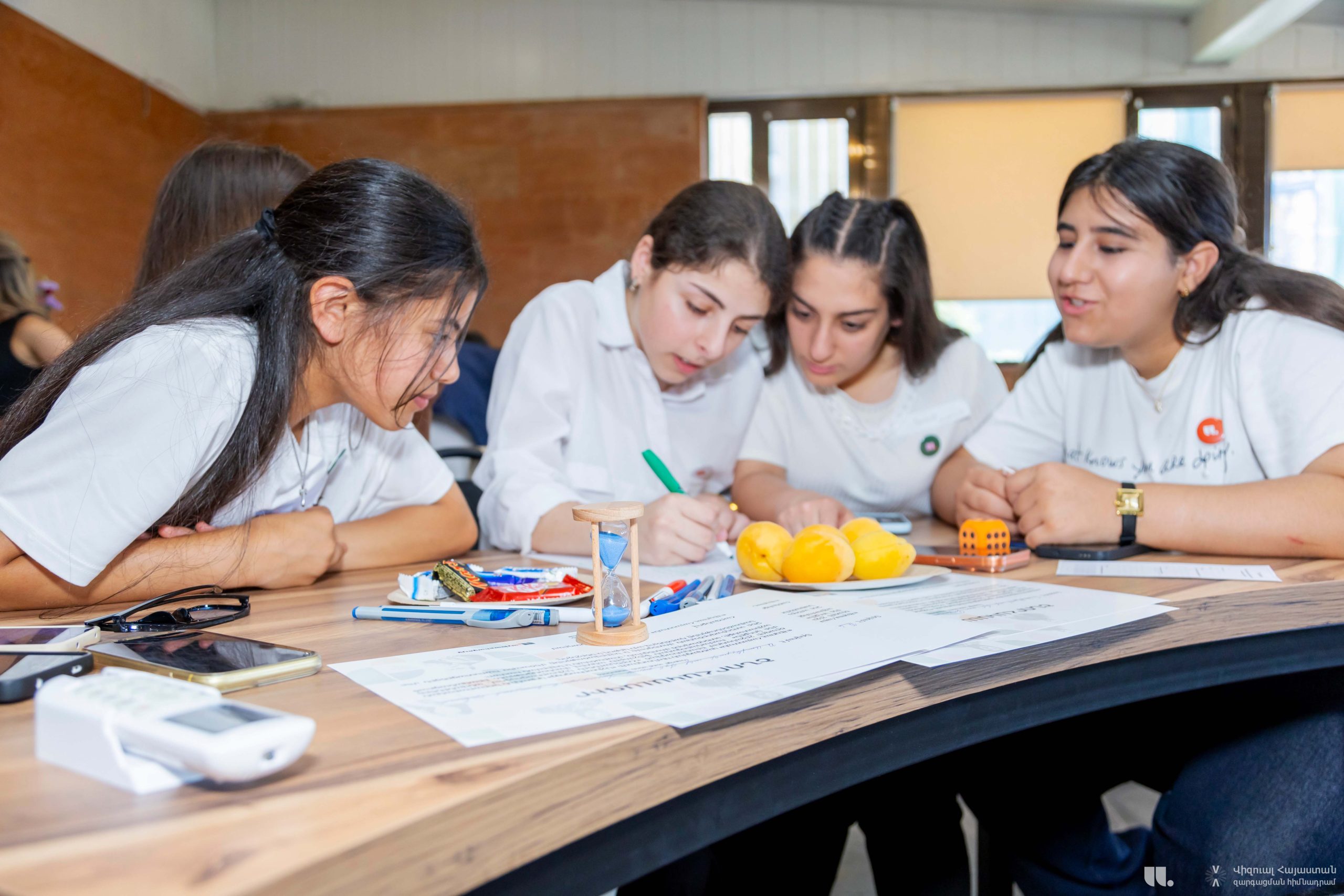
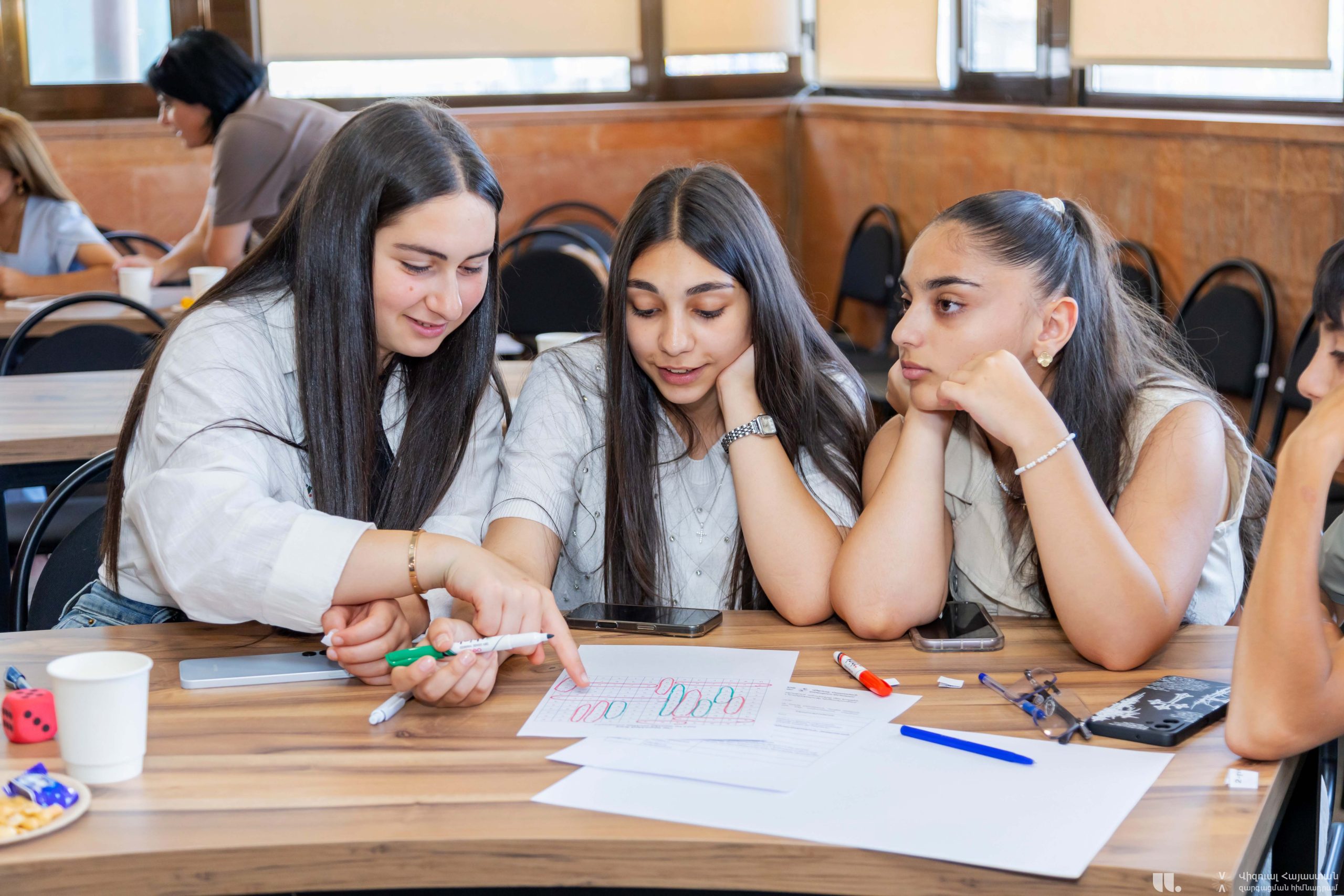
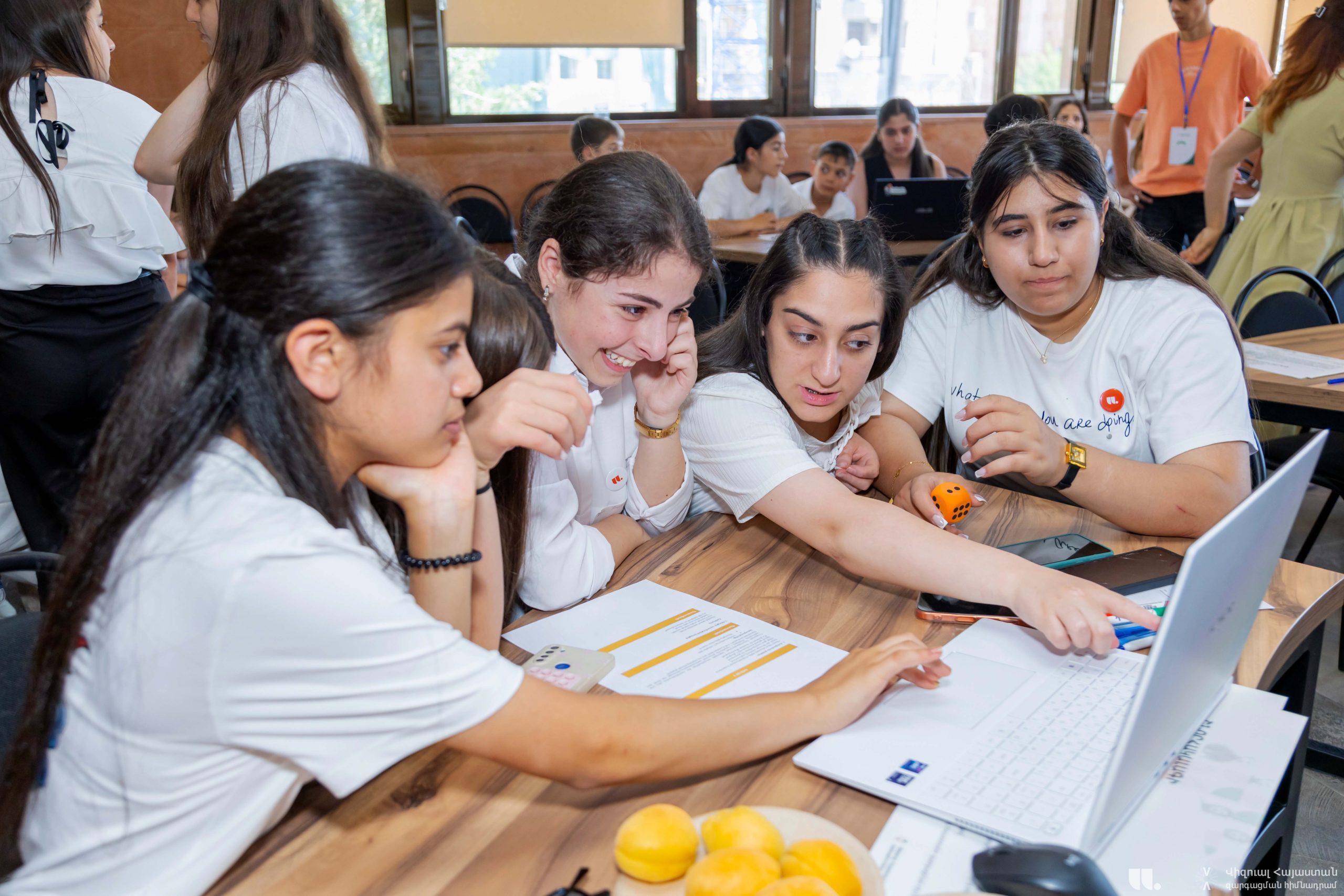
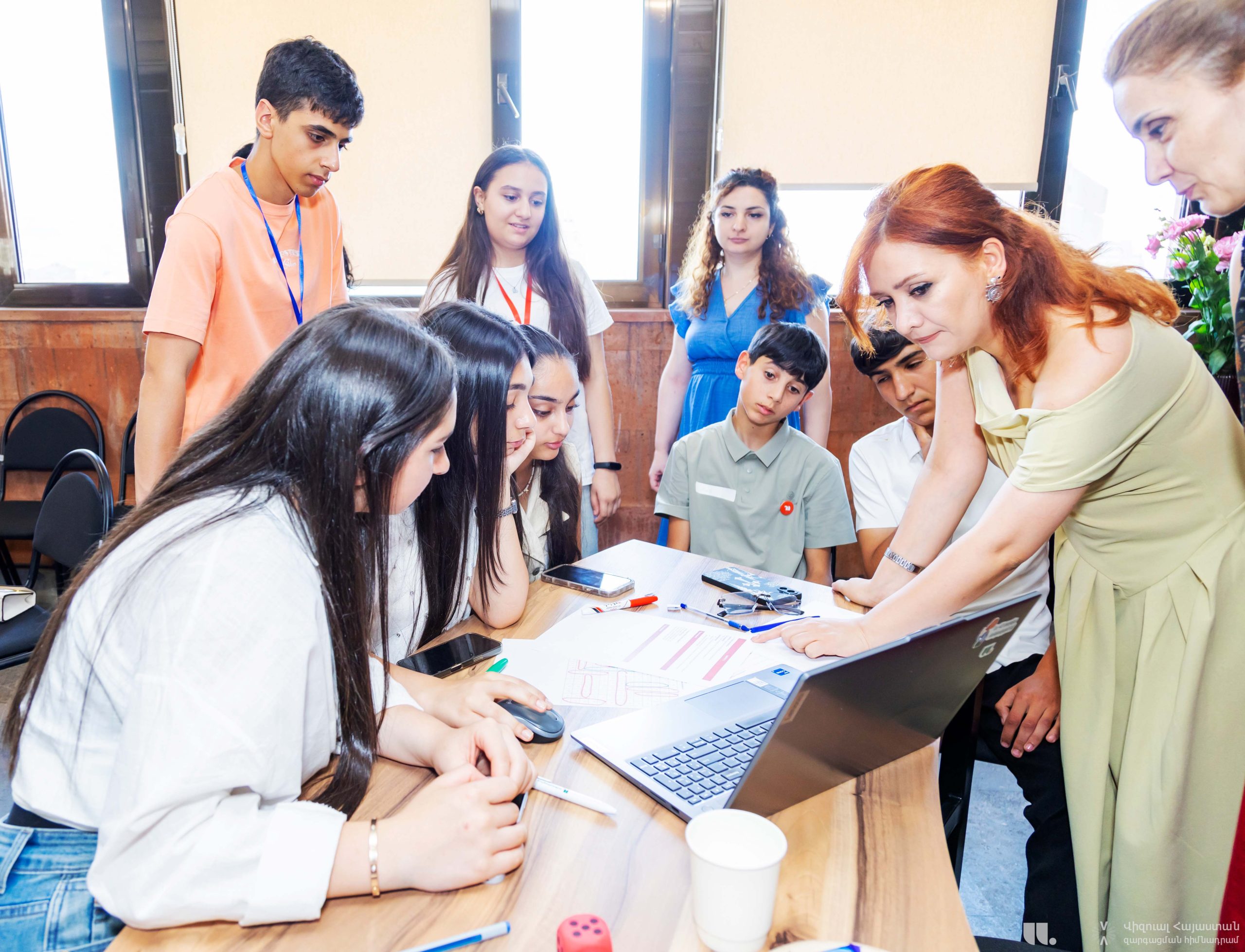
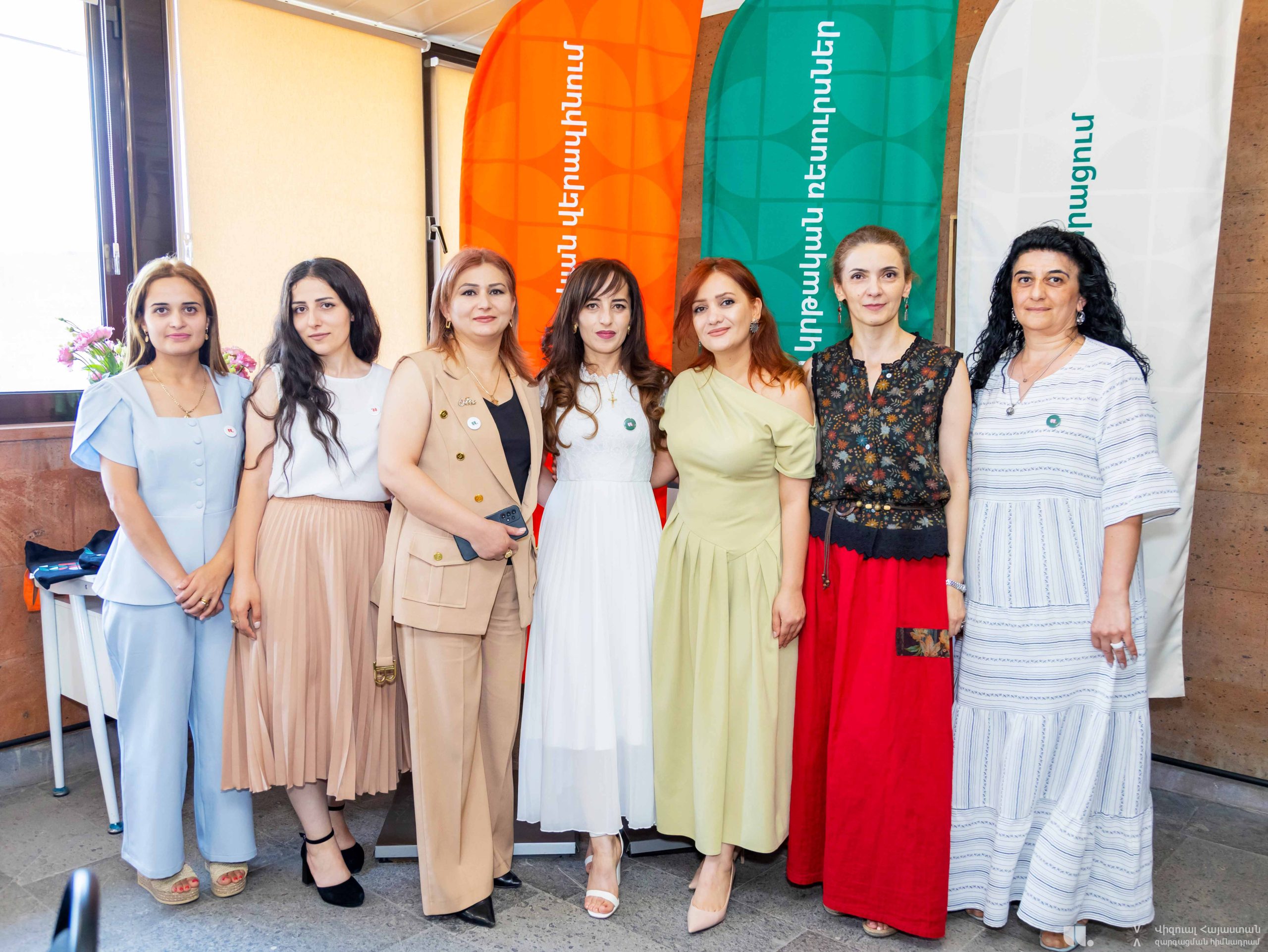
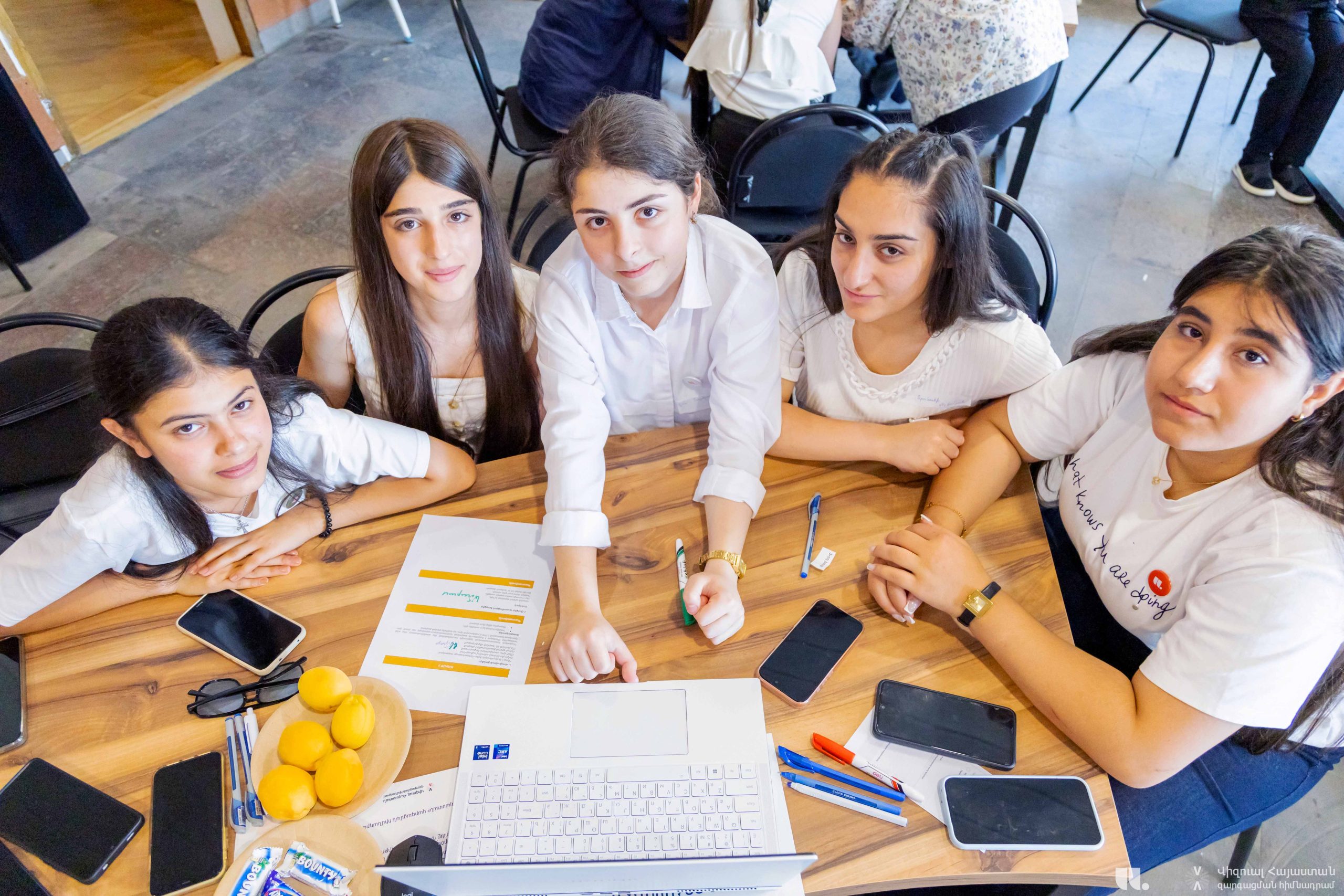
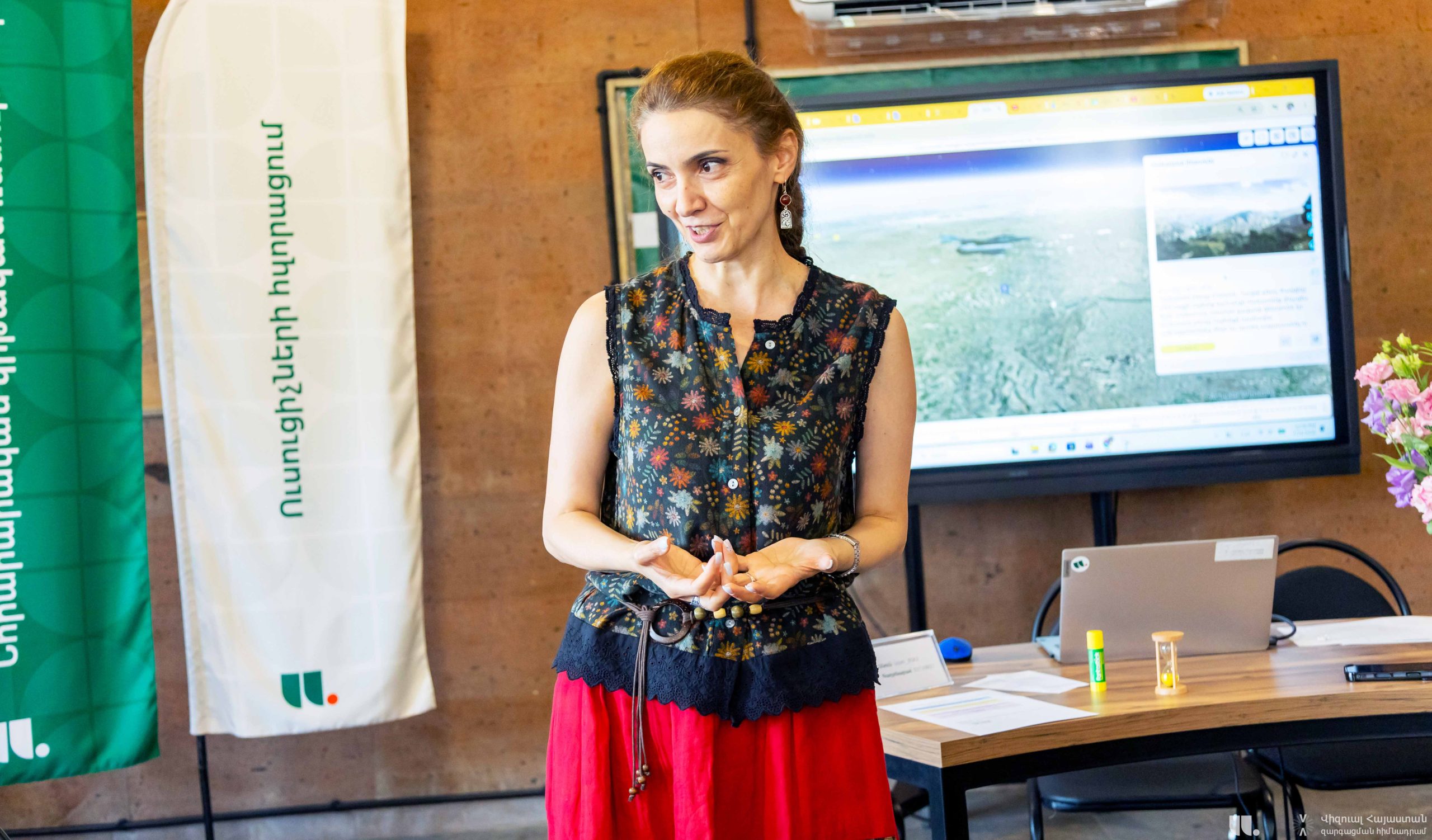
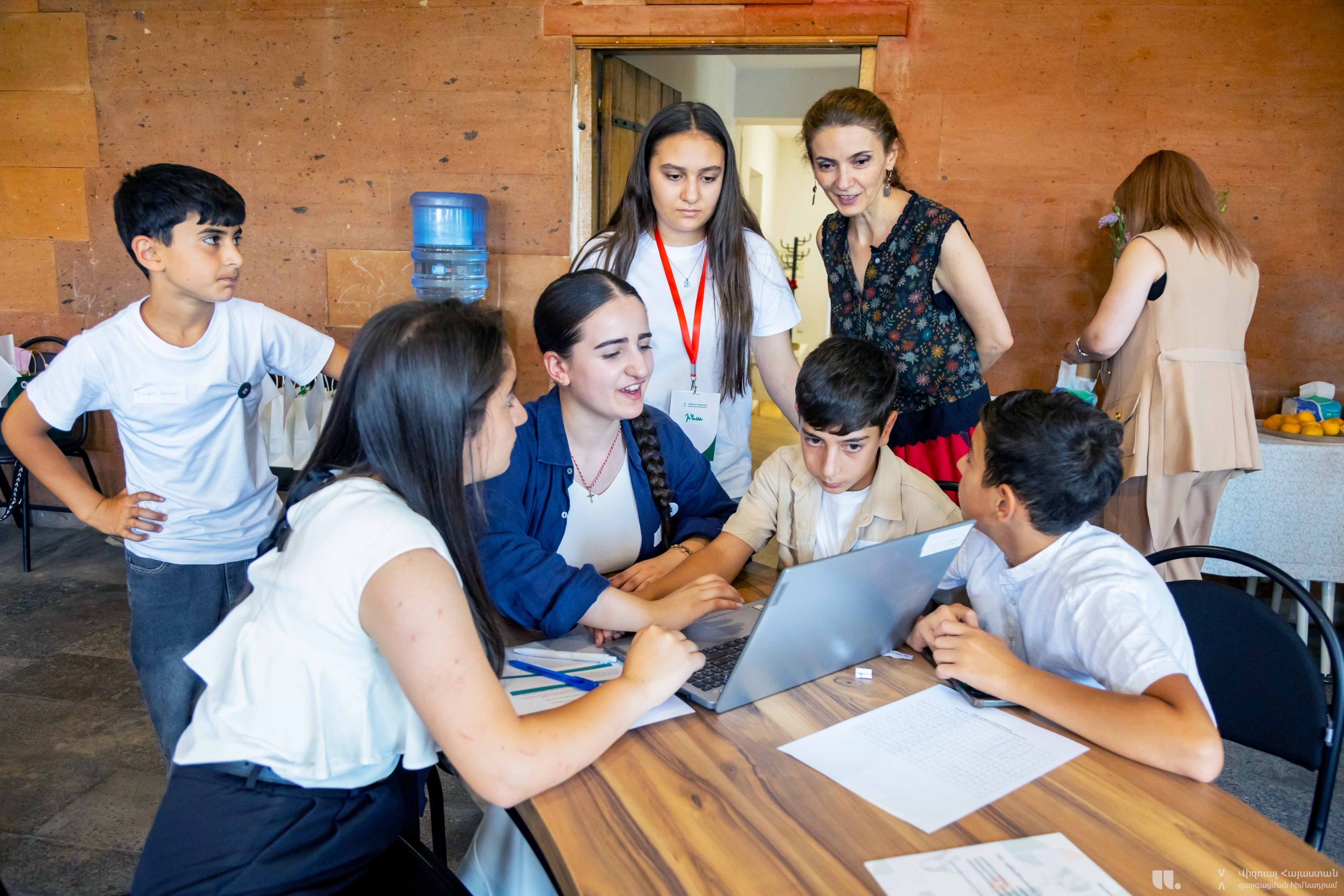
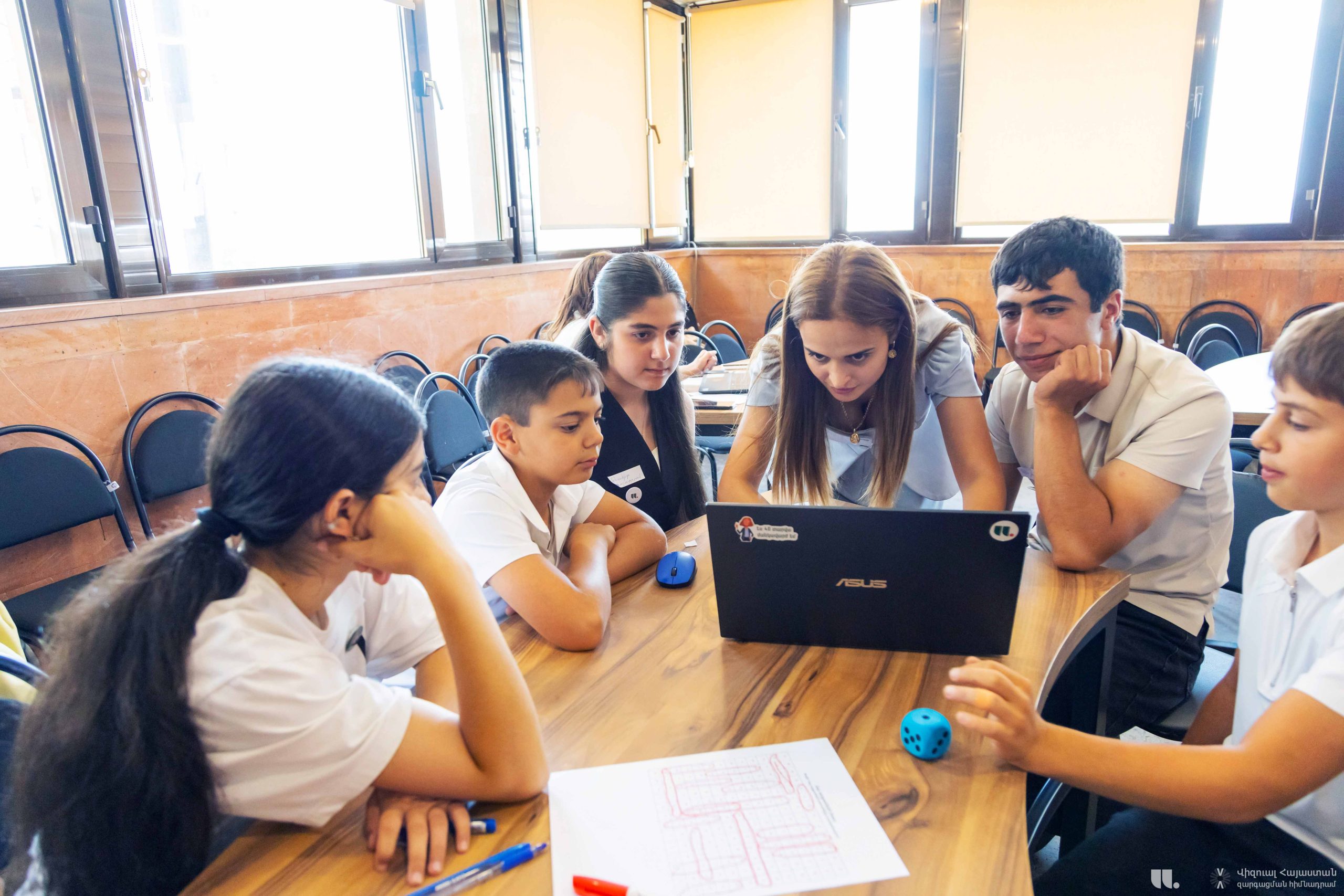
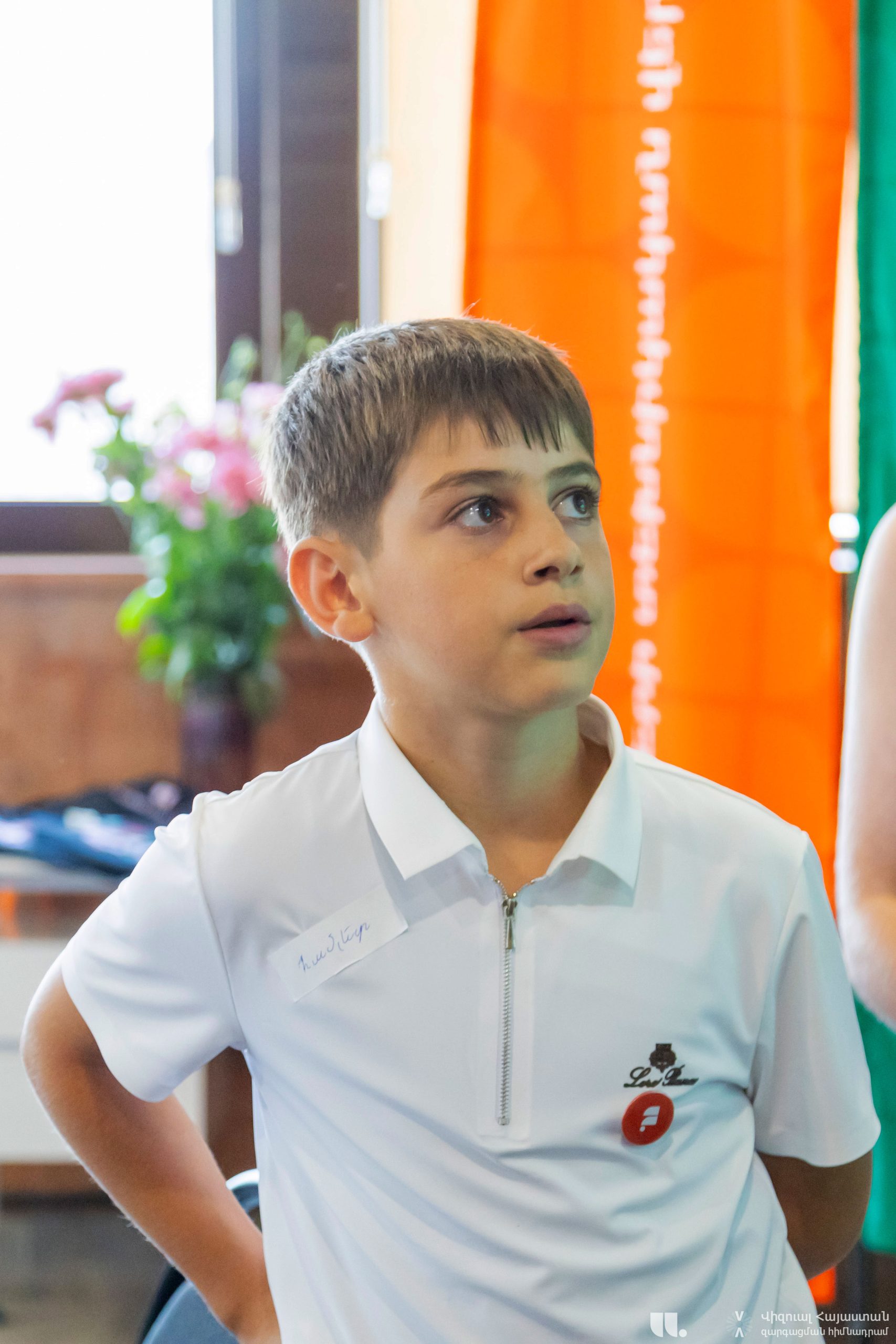
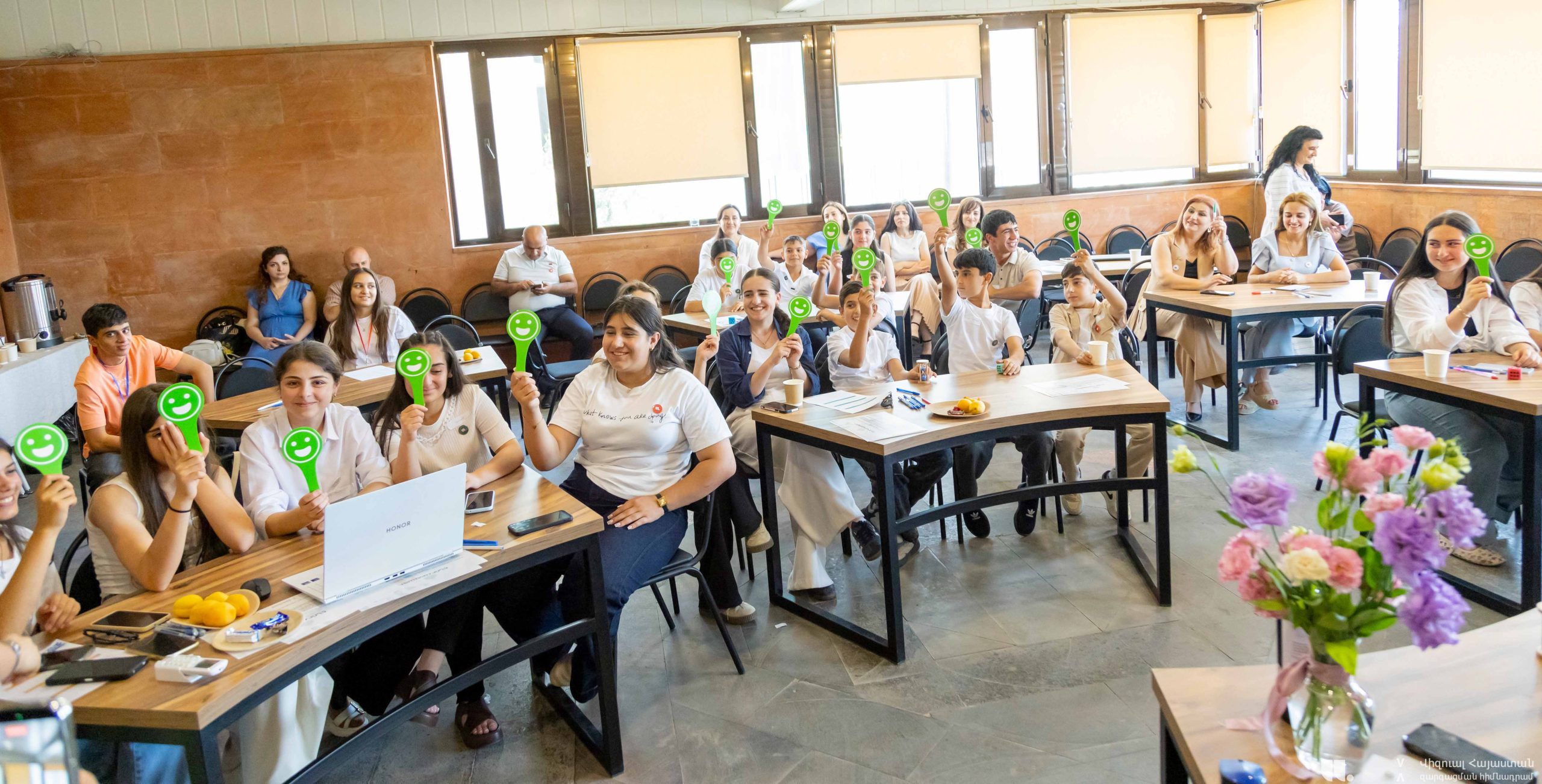
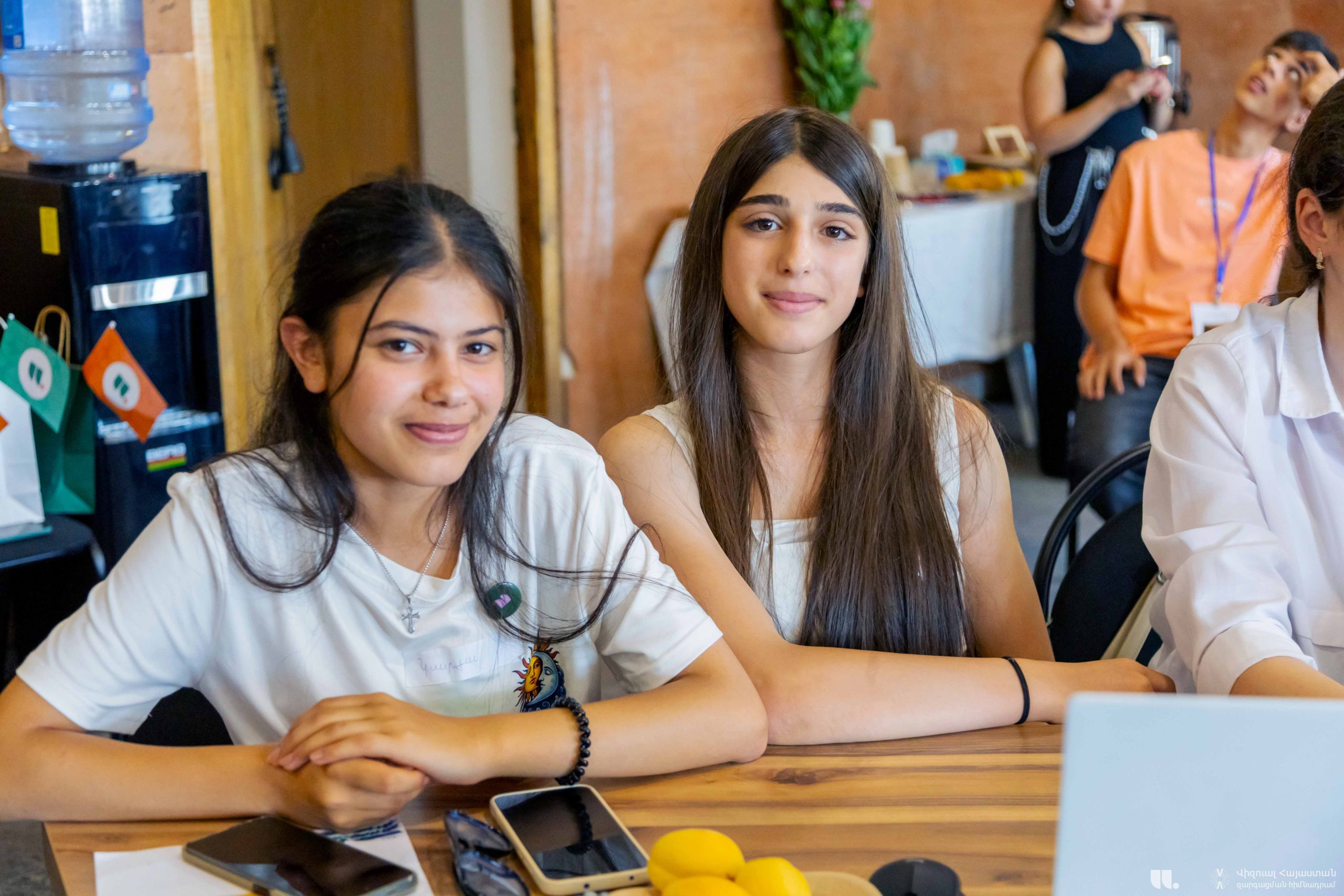
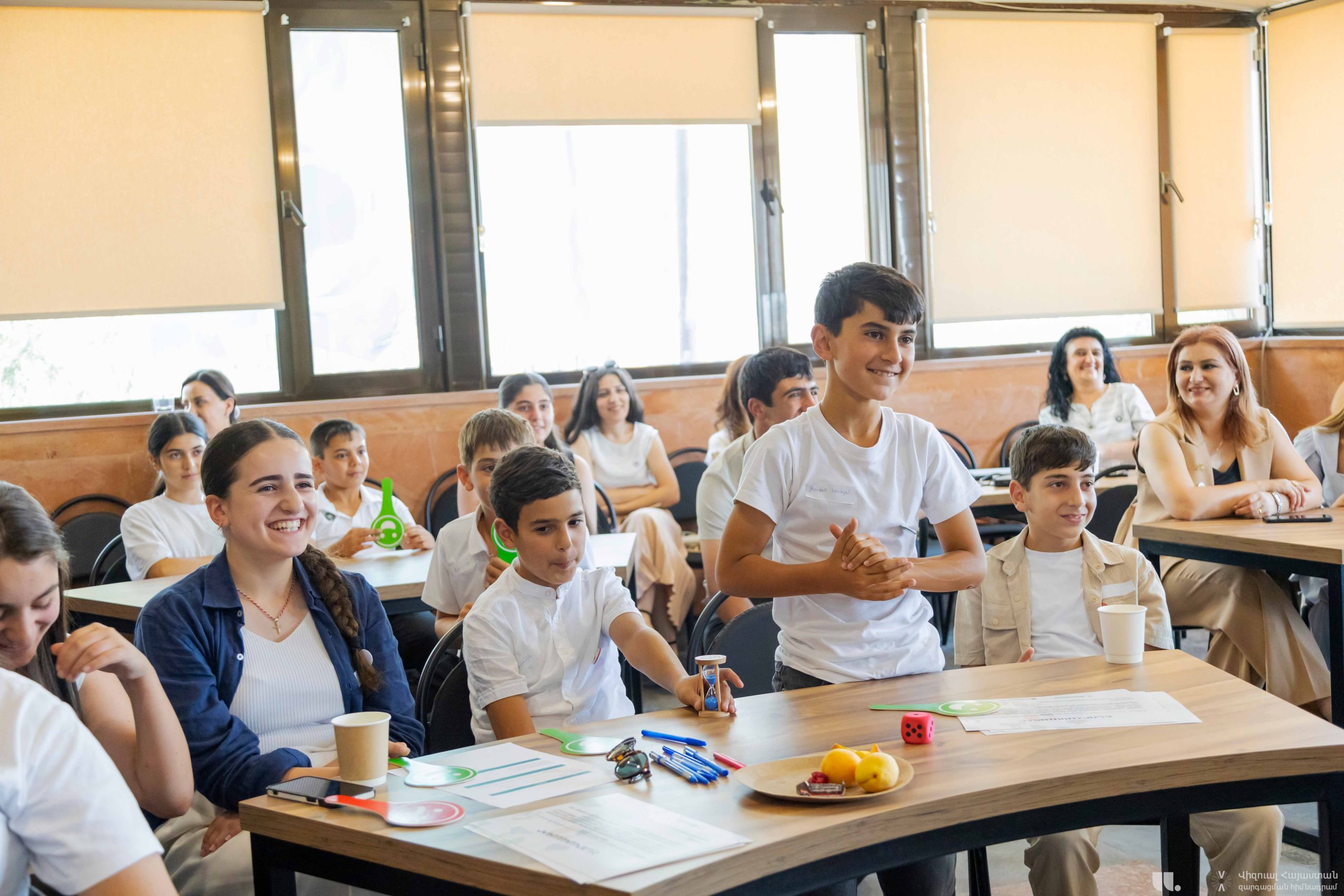
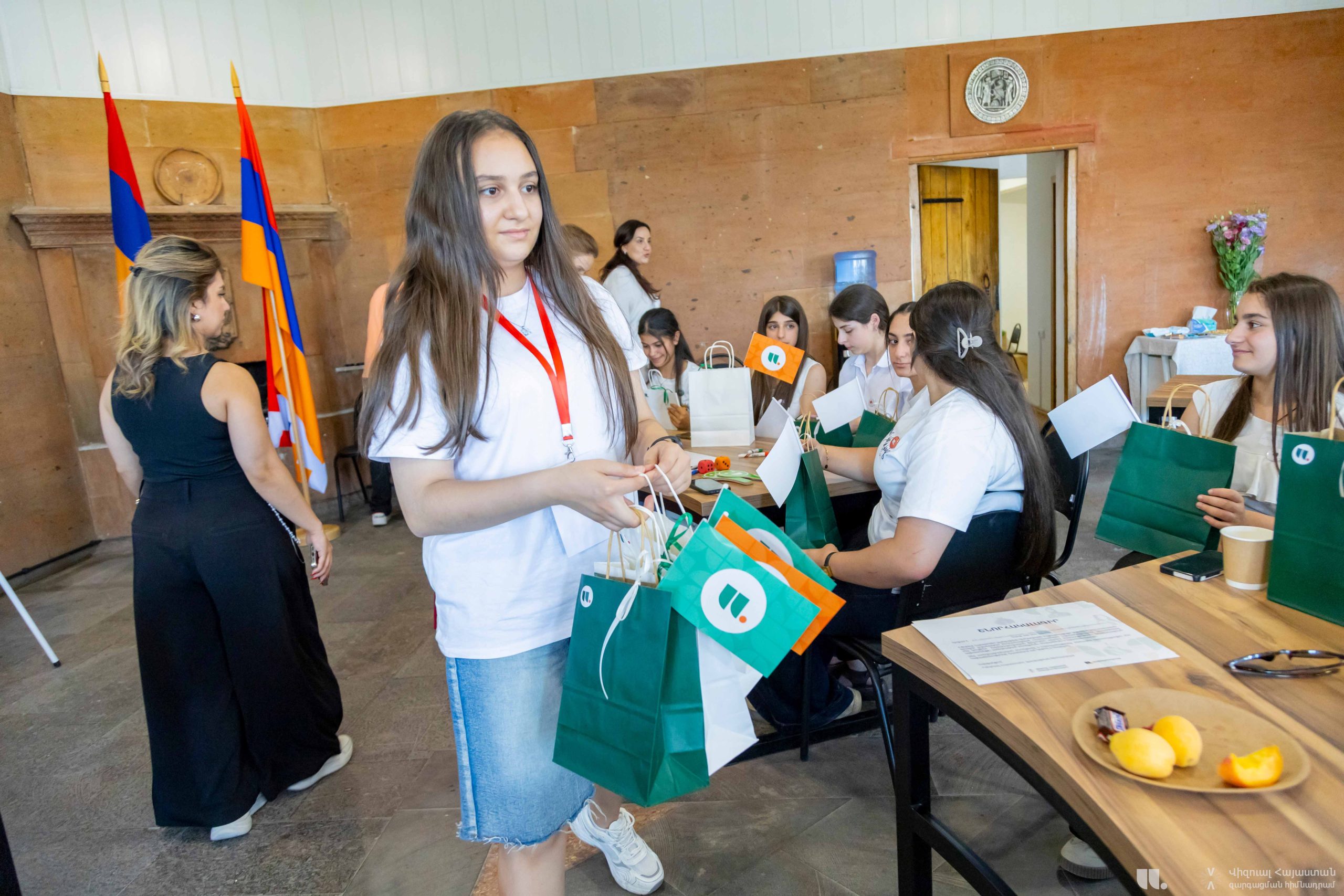
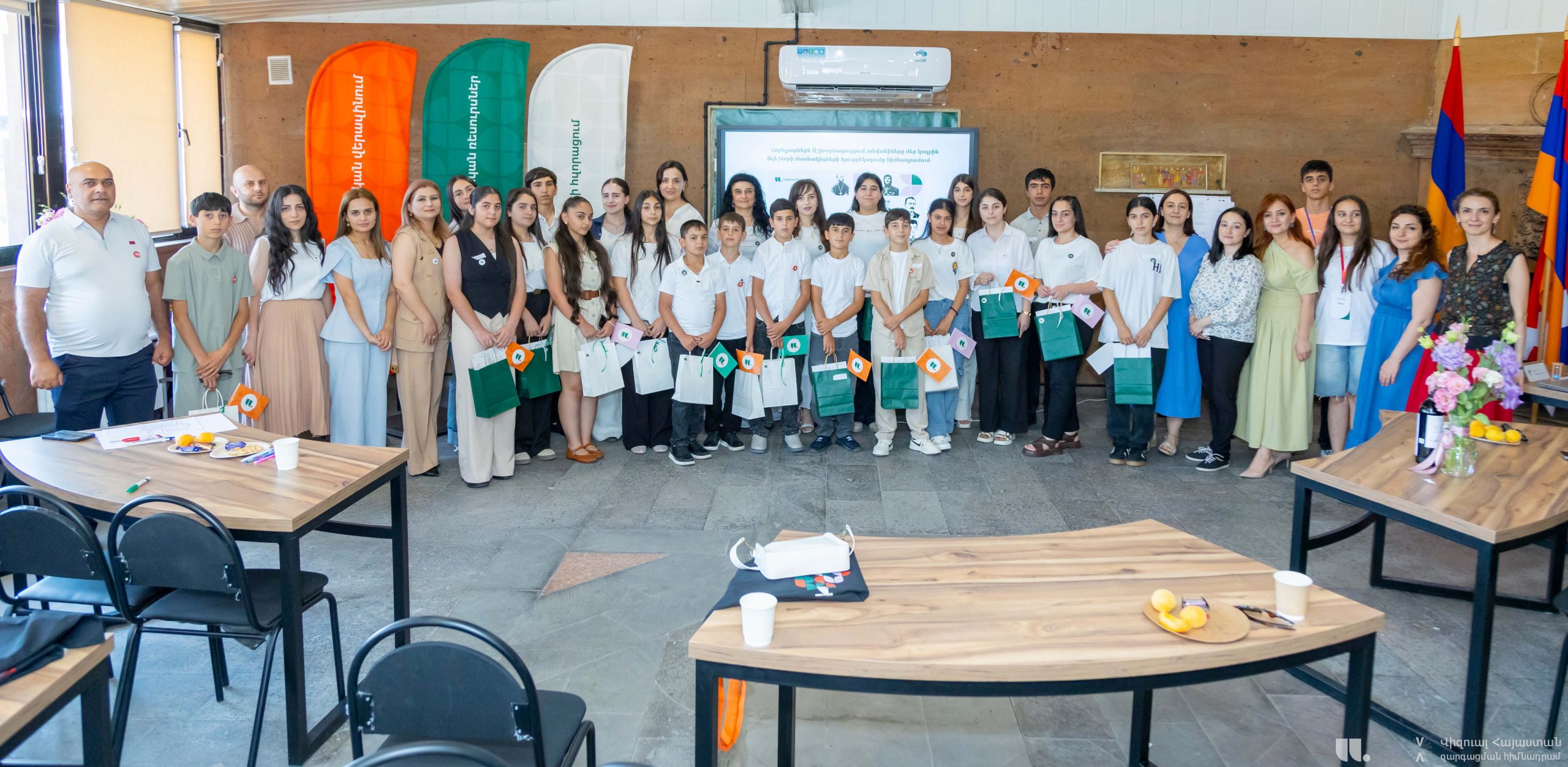
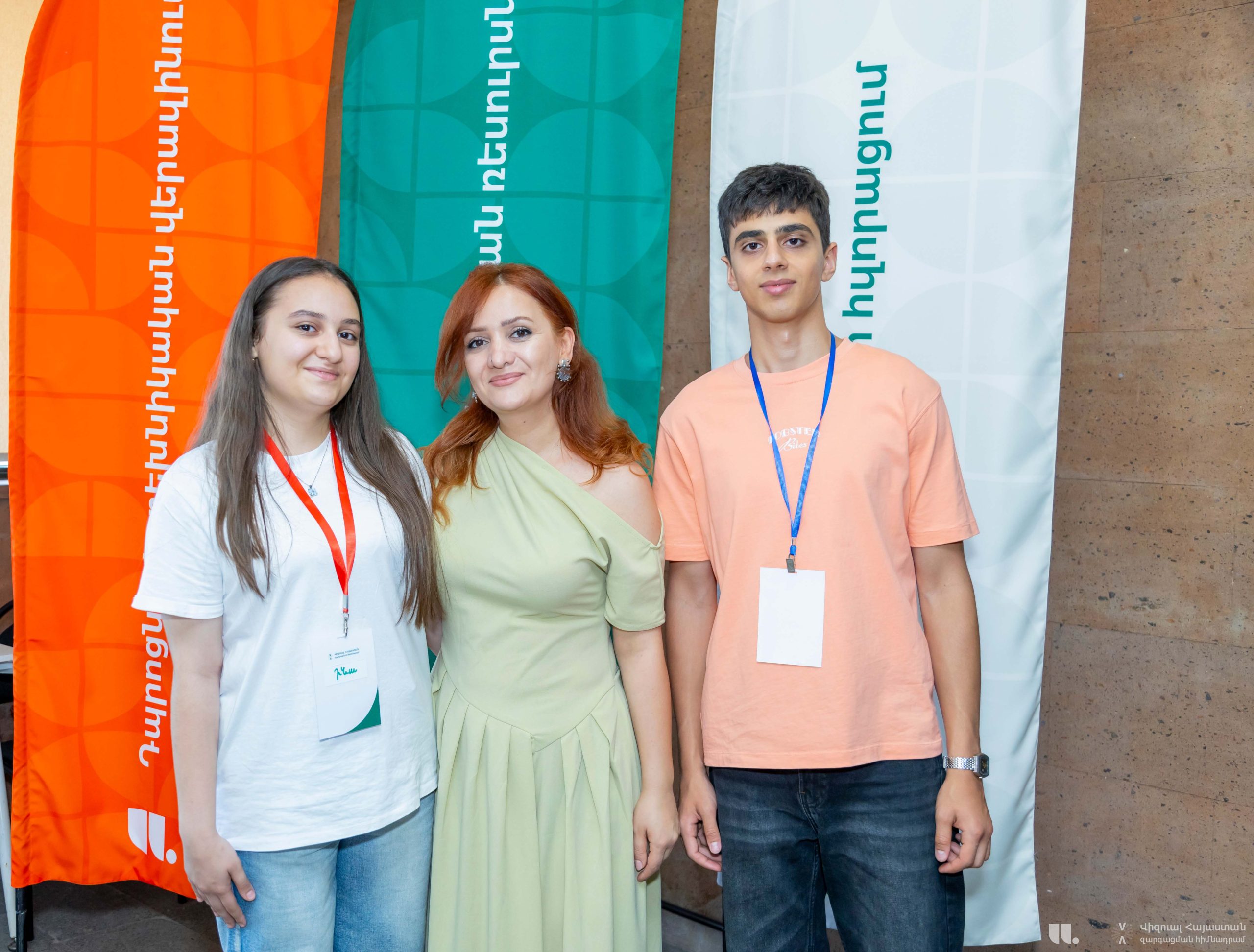
On July 23, the Foundation welcomed the winners of the “Jubilees in WorldView: Distinguished Figures Among Us” flash mob. Twenty-two student ambassadors and their teachers from Shirak and Gegharkunik provinces, as well as Yerevan, came together to celebrate their achievements, receive certificates of appreciation and awards, reflect on the journey they had shared, exchange experiences in creating and promoting their projects, and participate in collaborative activities that generated fresh ideas for future WorldView initiatives.
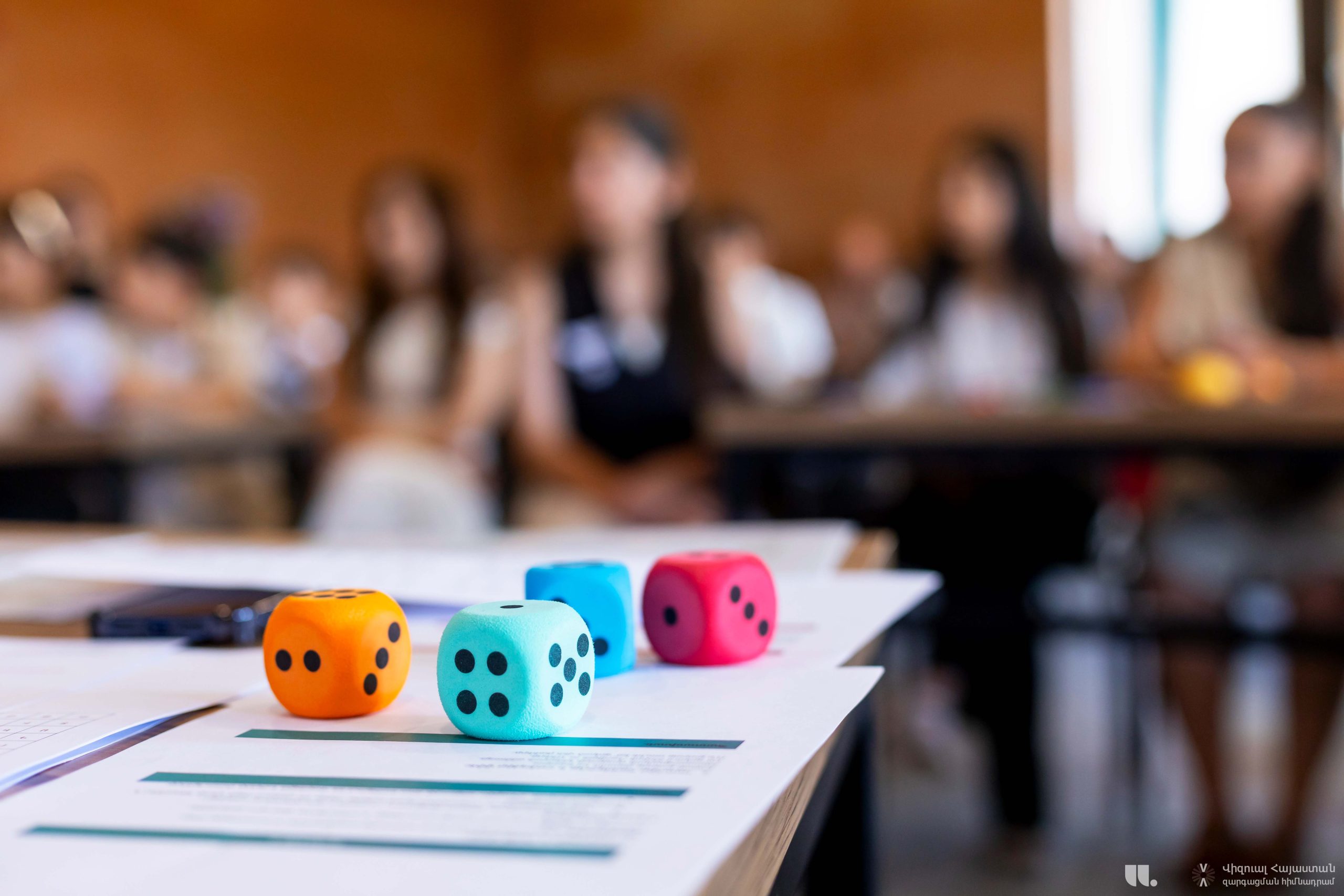
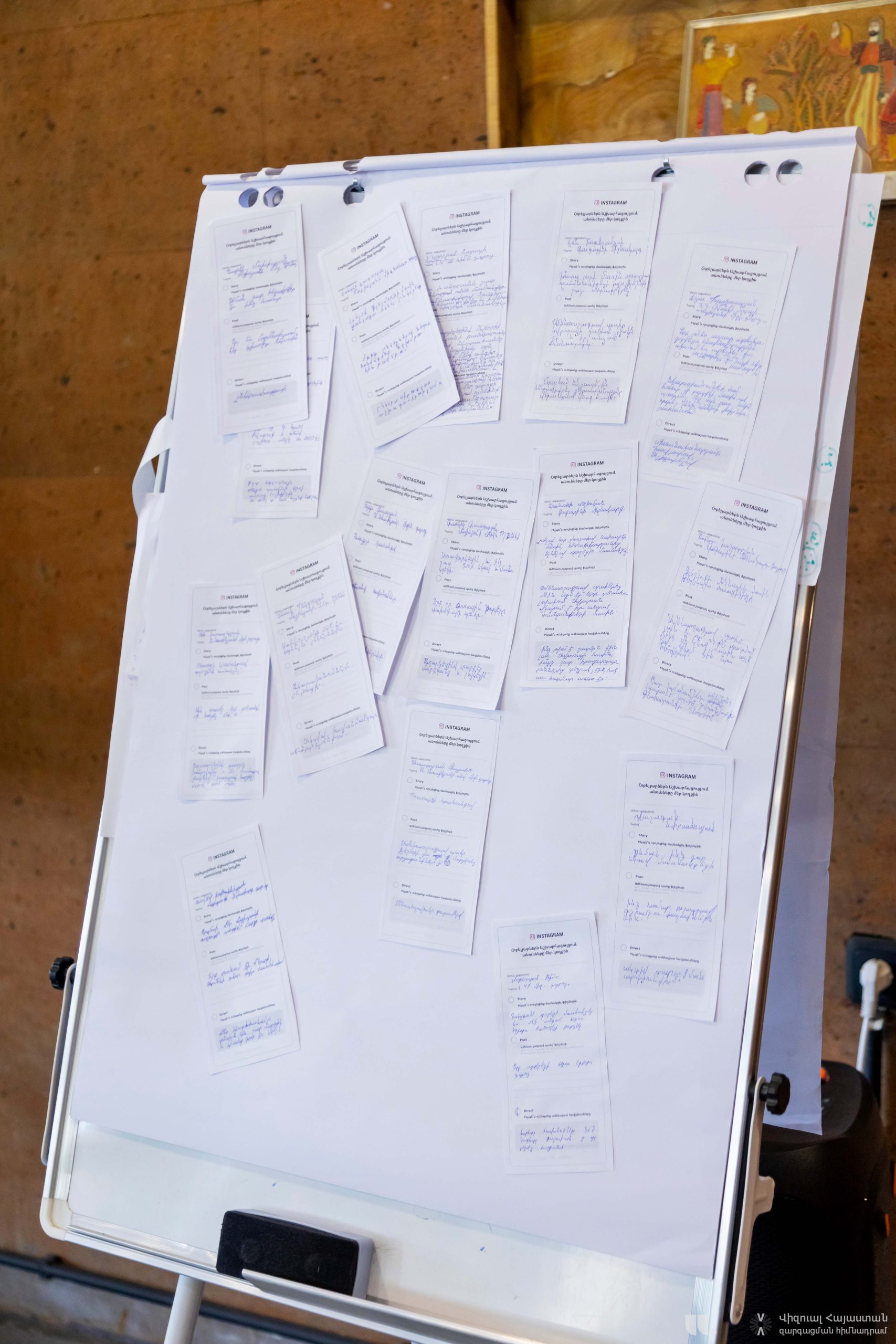
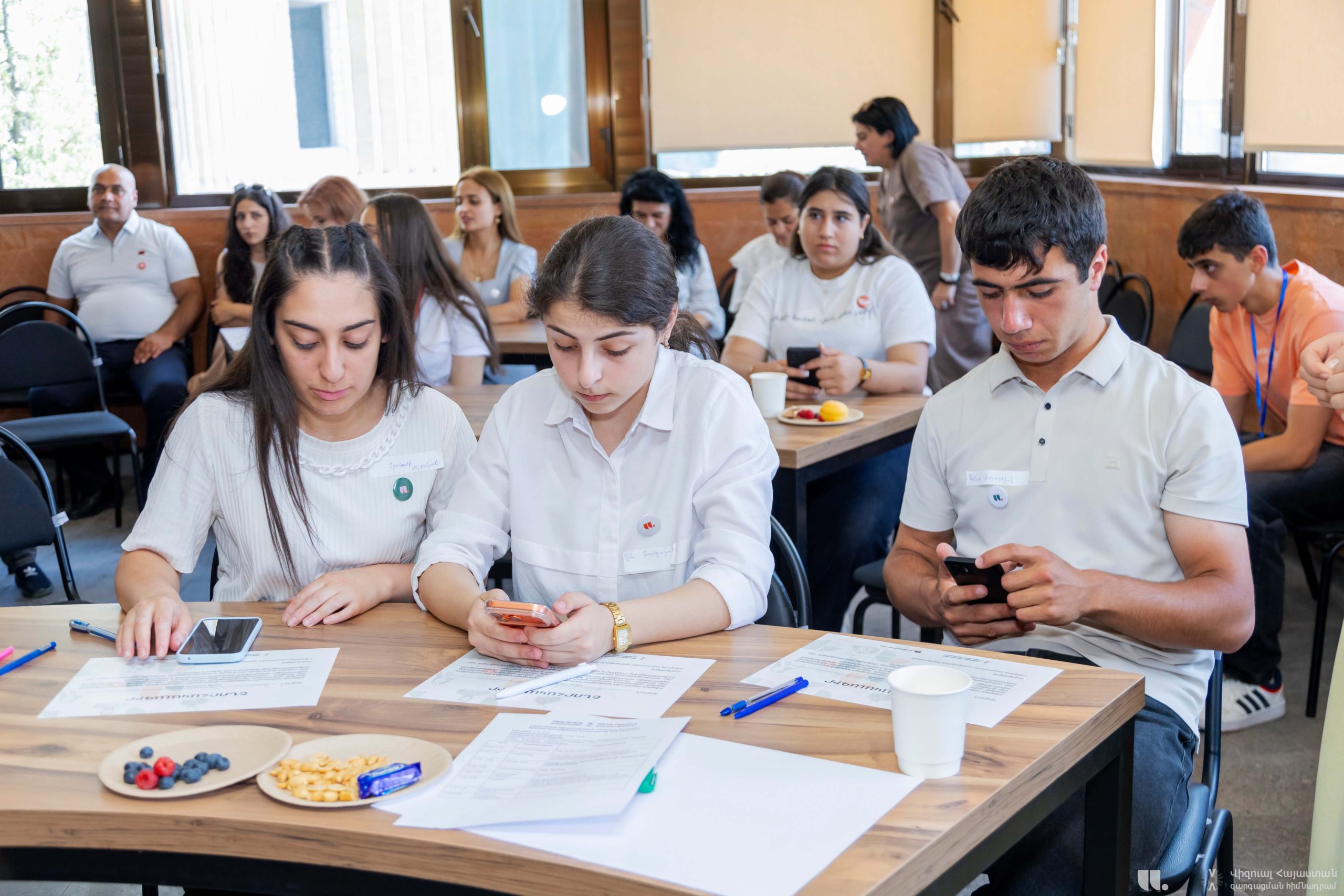
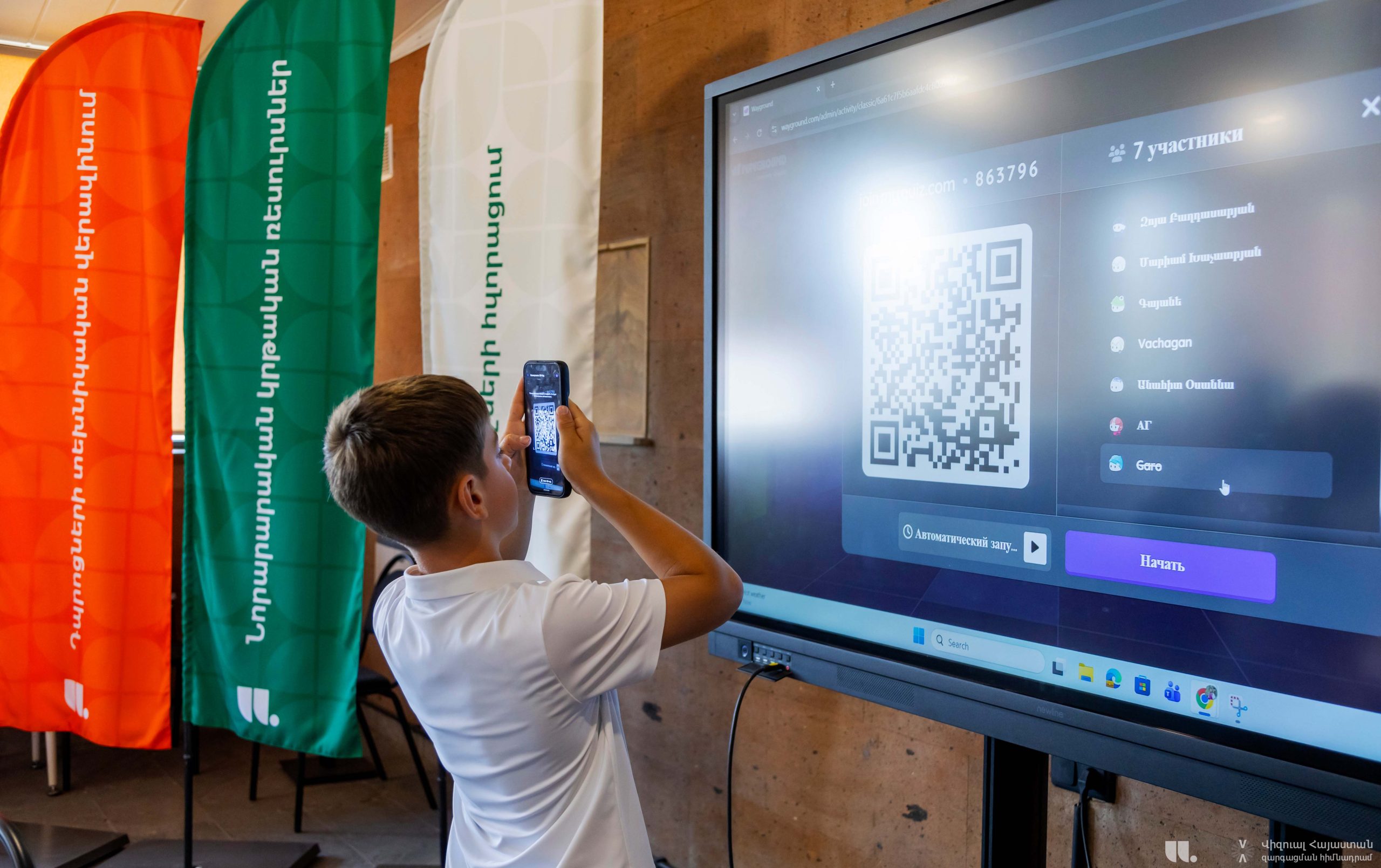
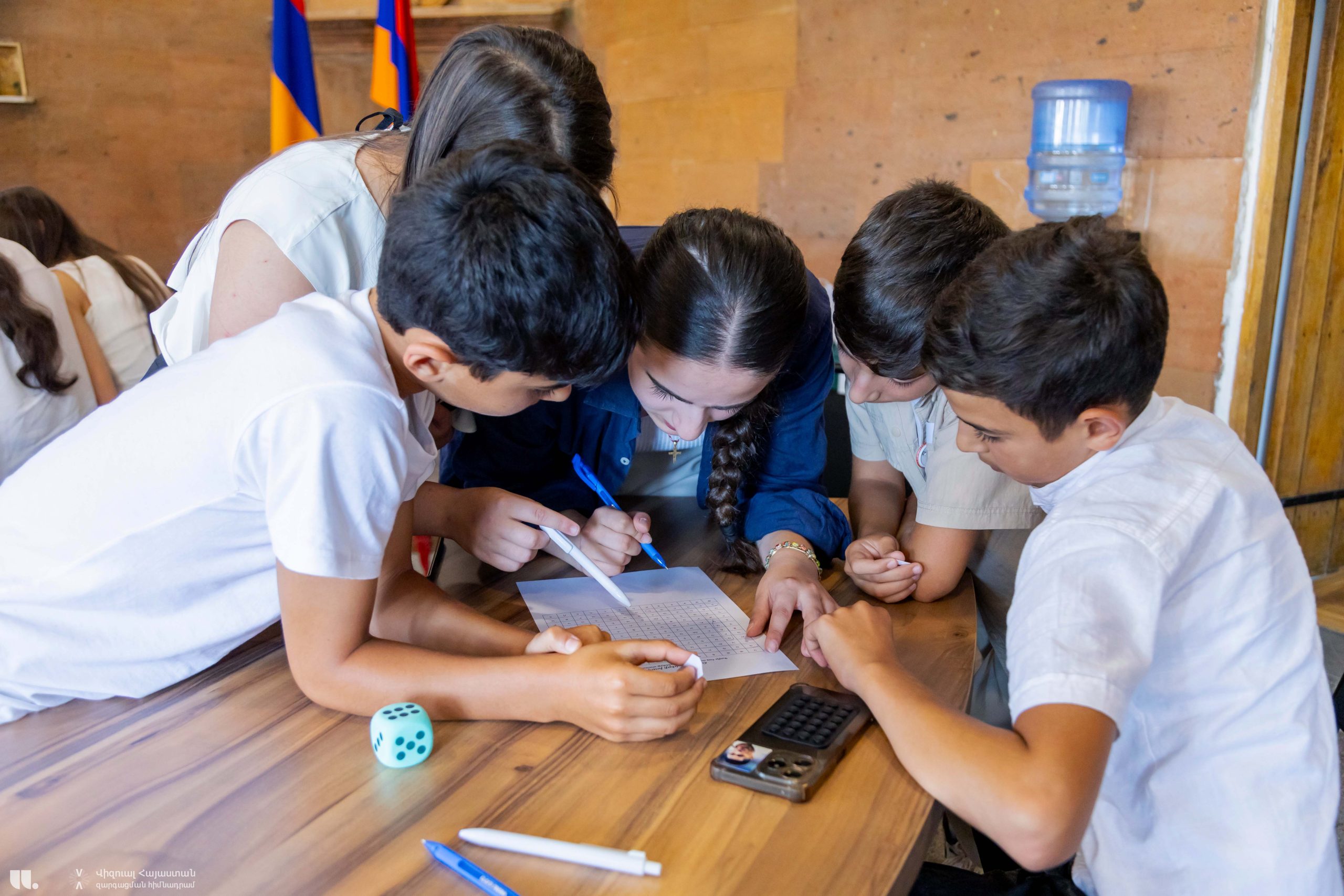
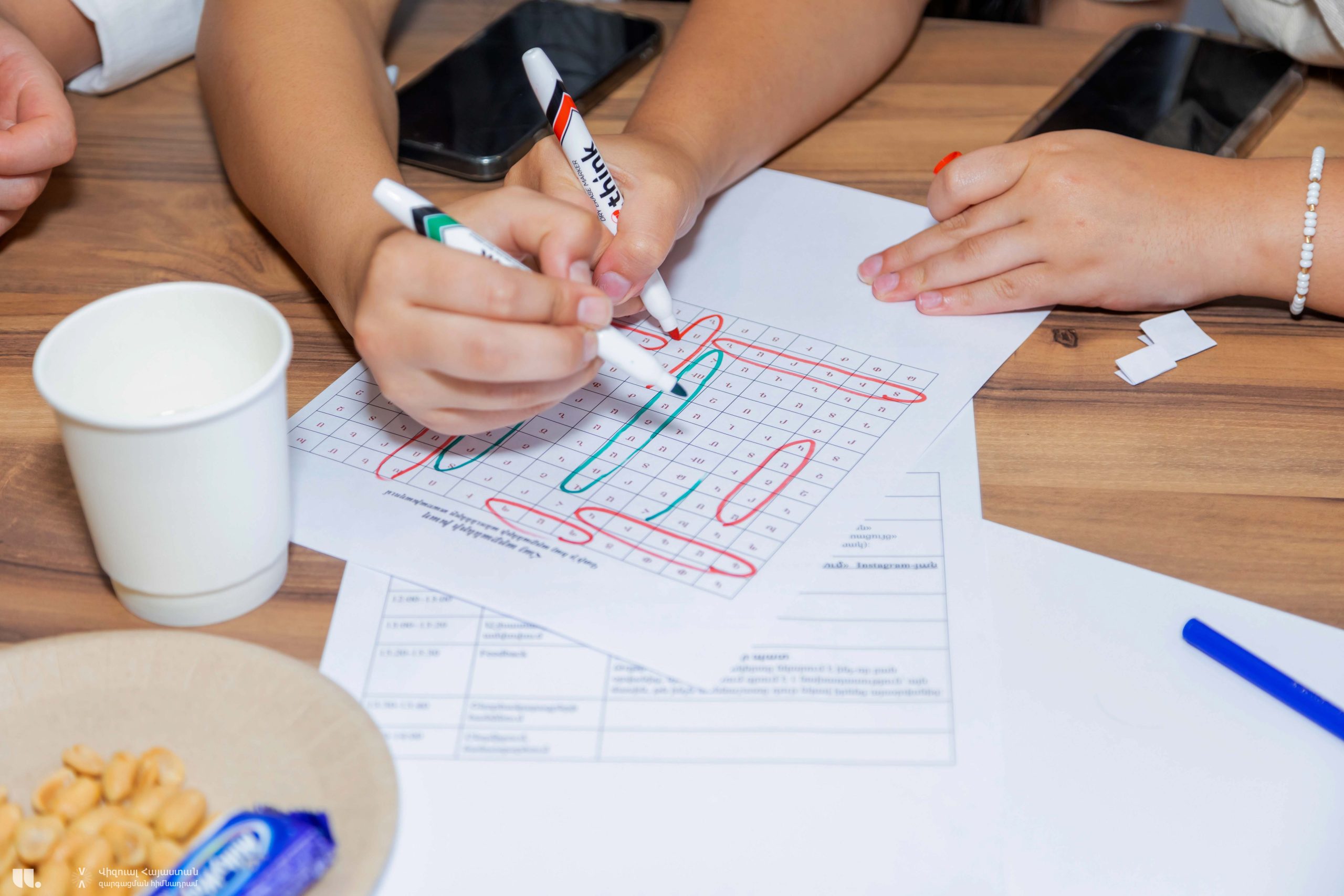
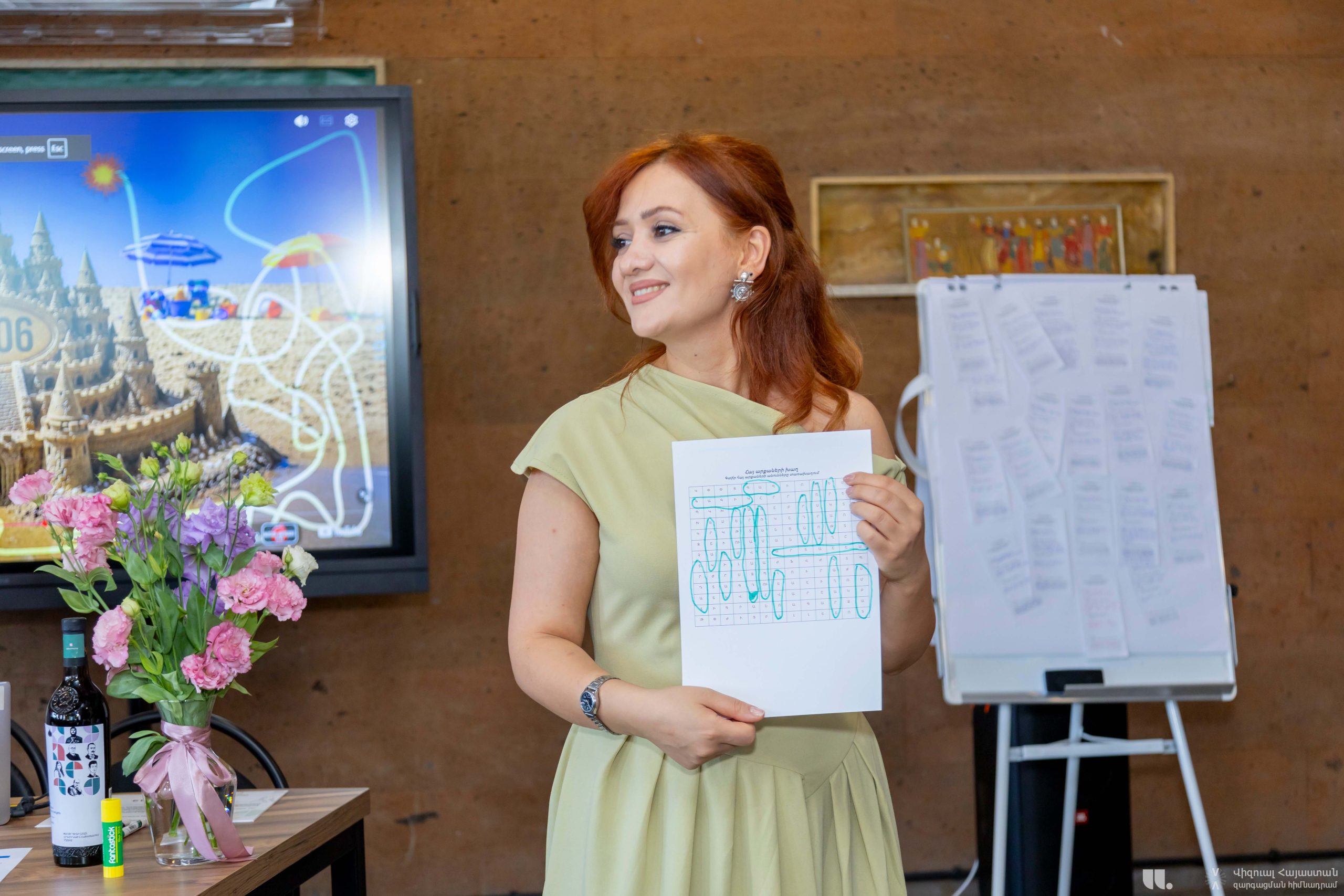
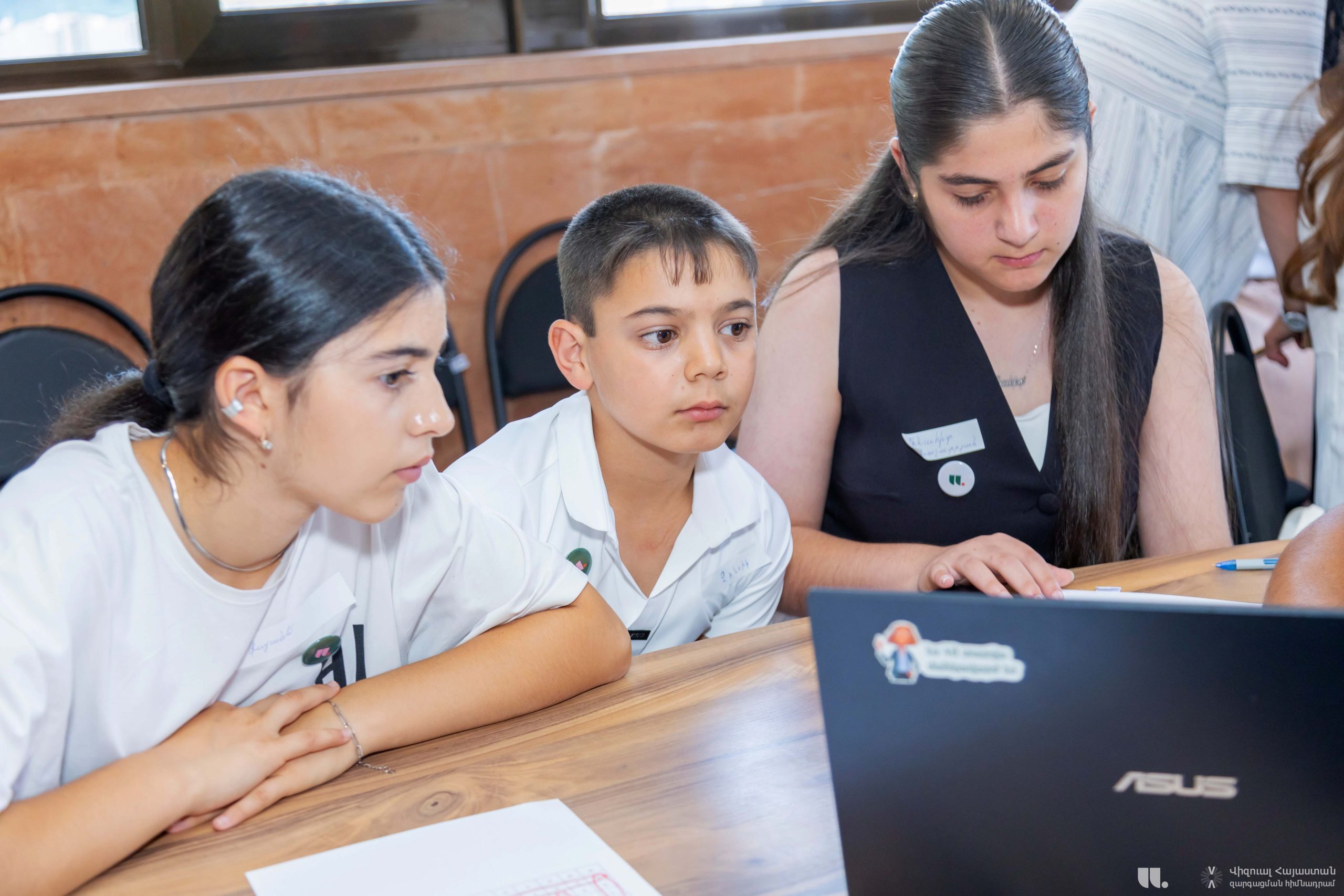
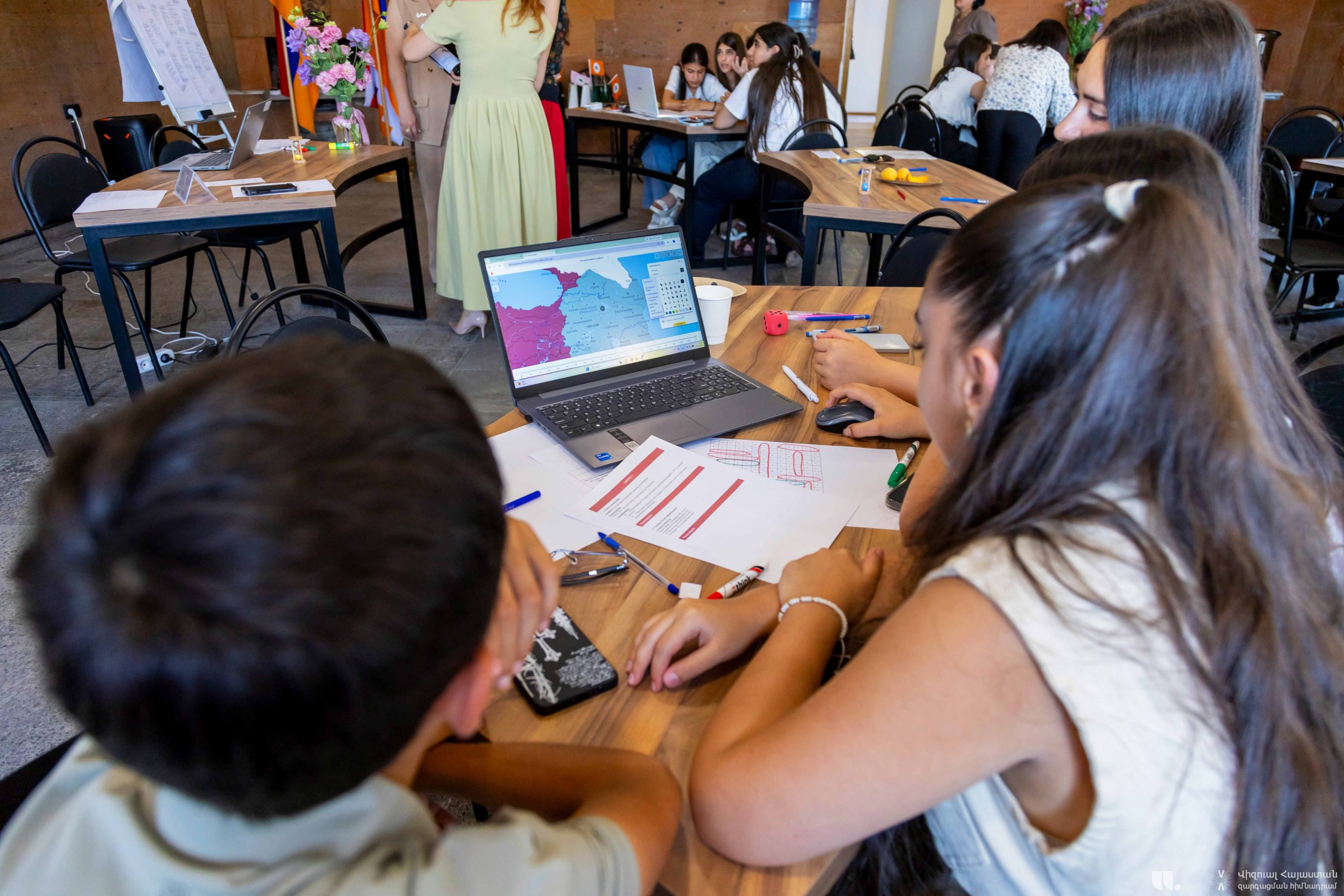
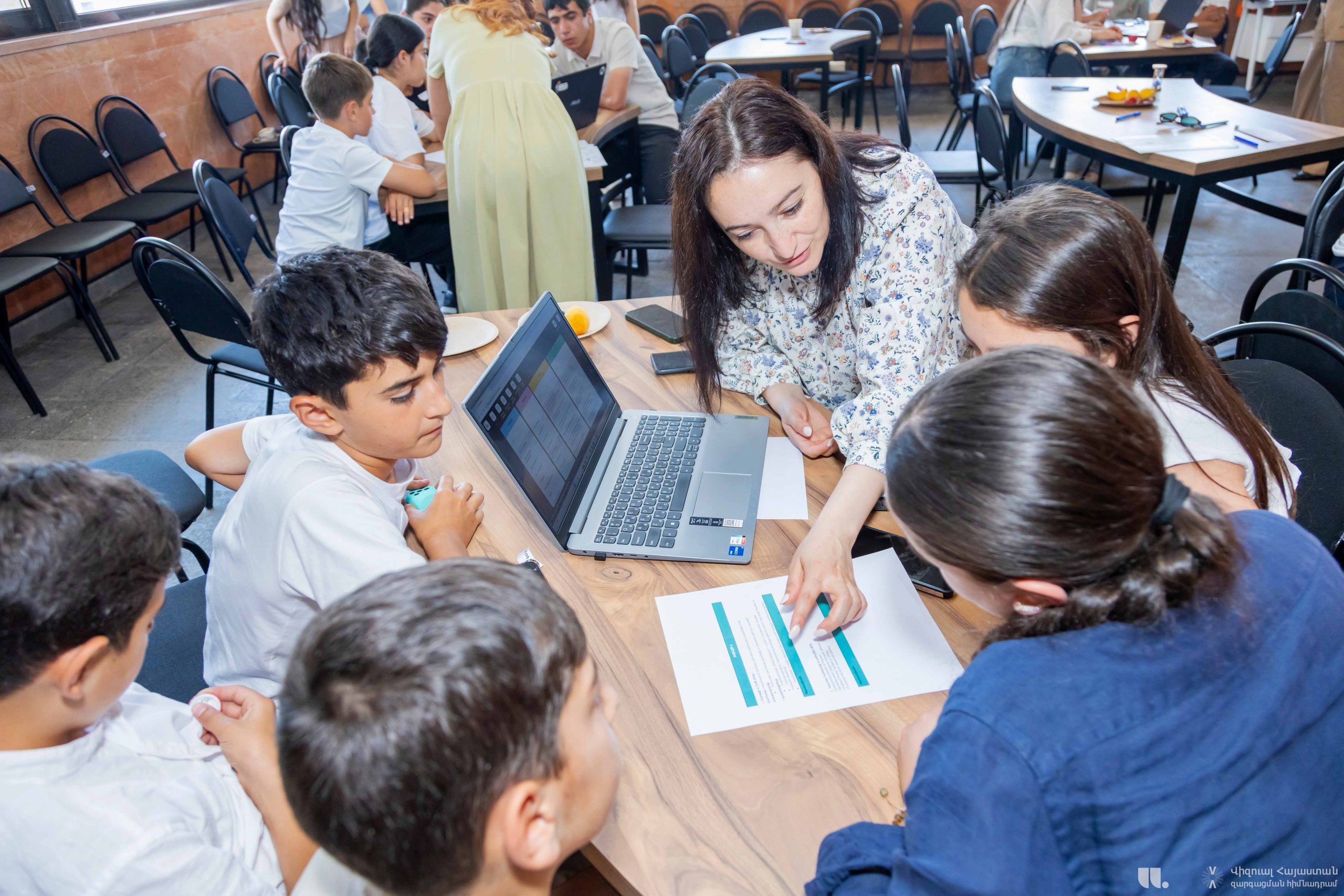
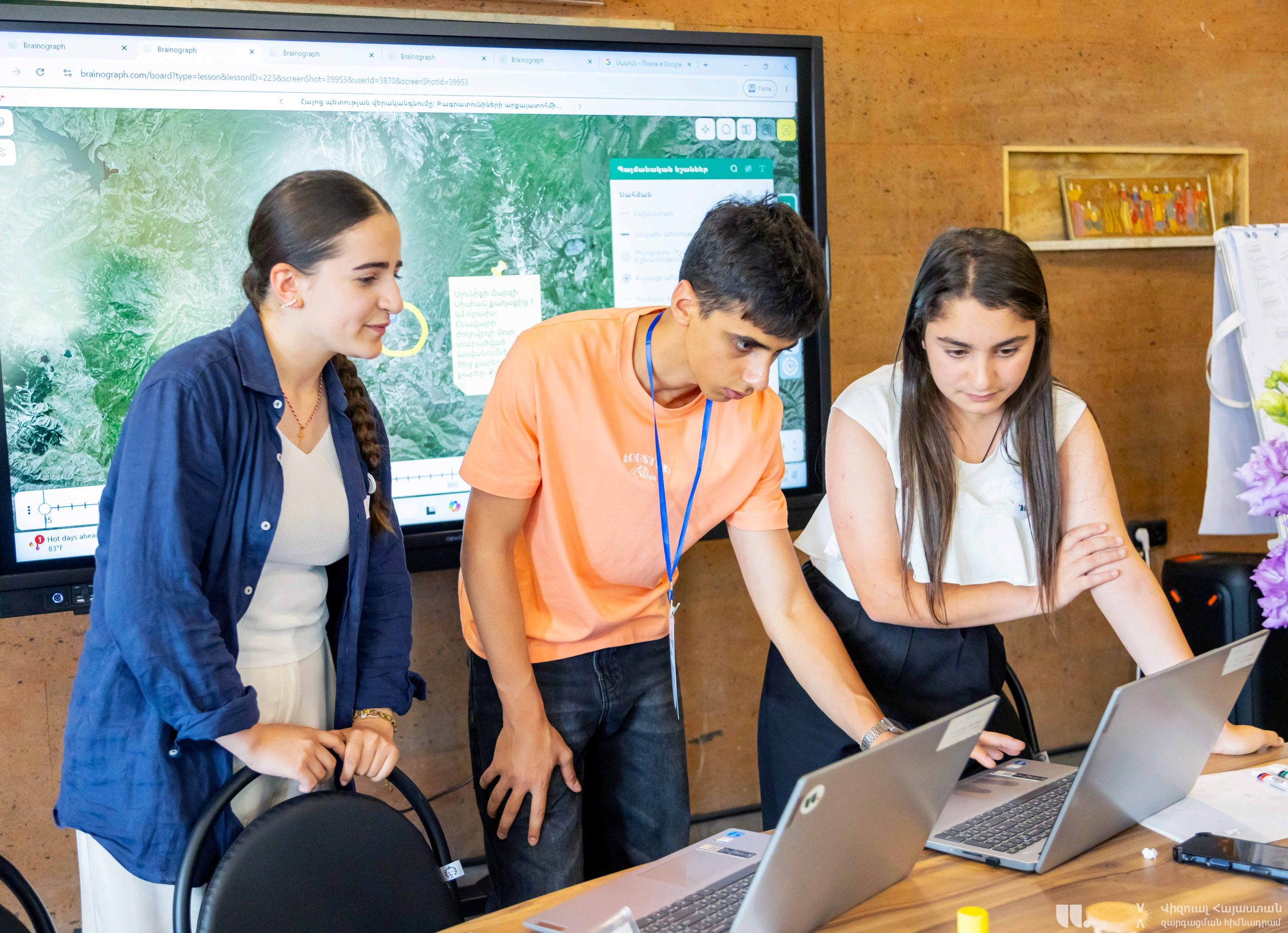
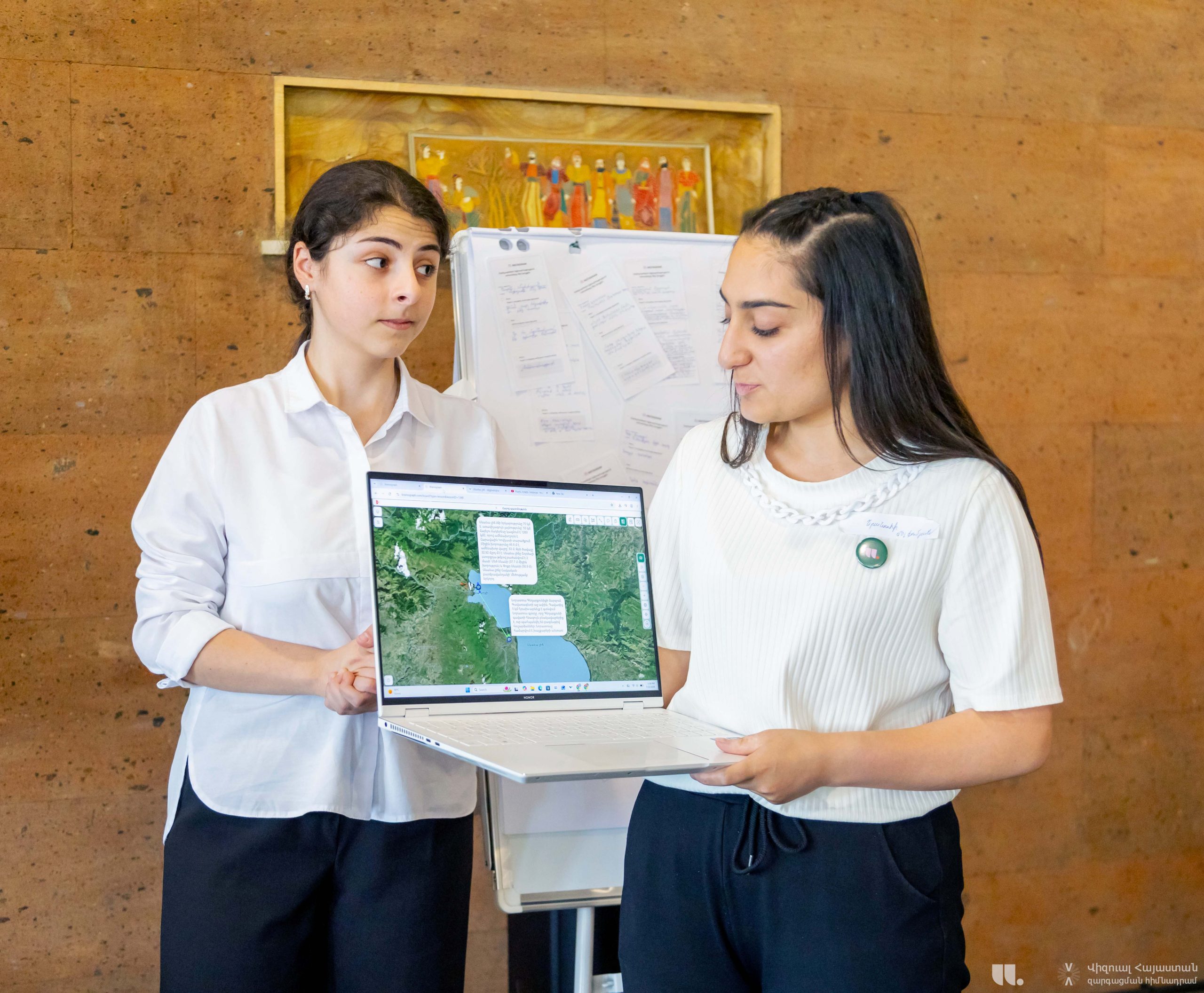
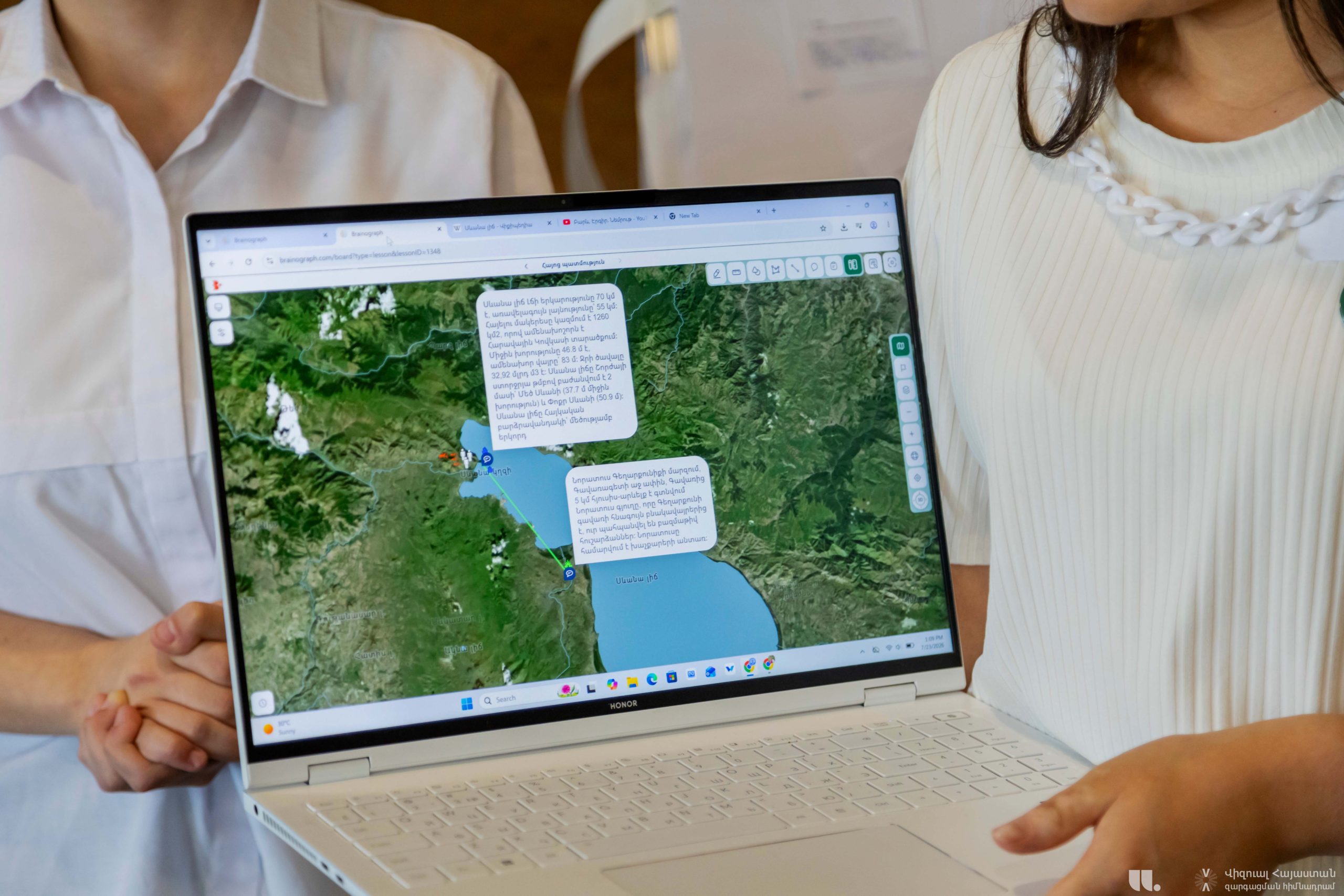
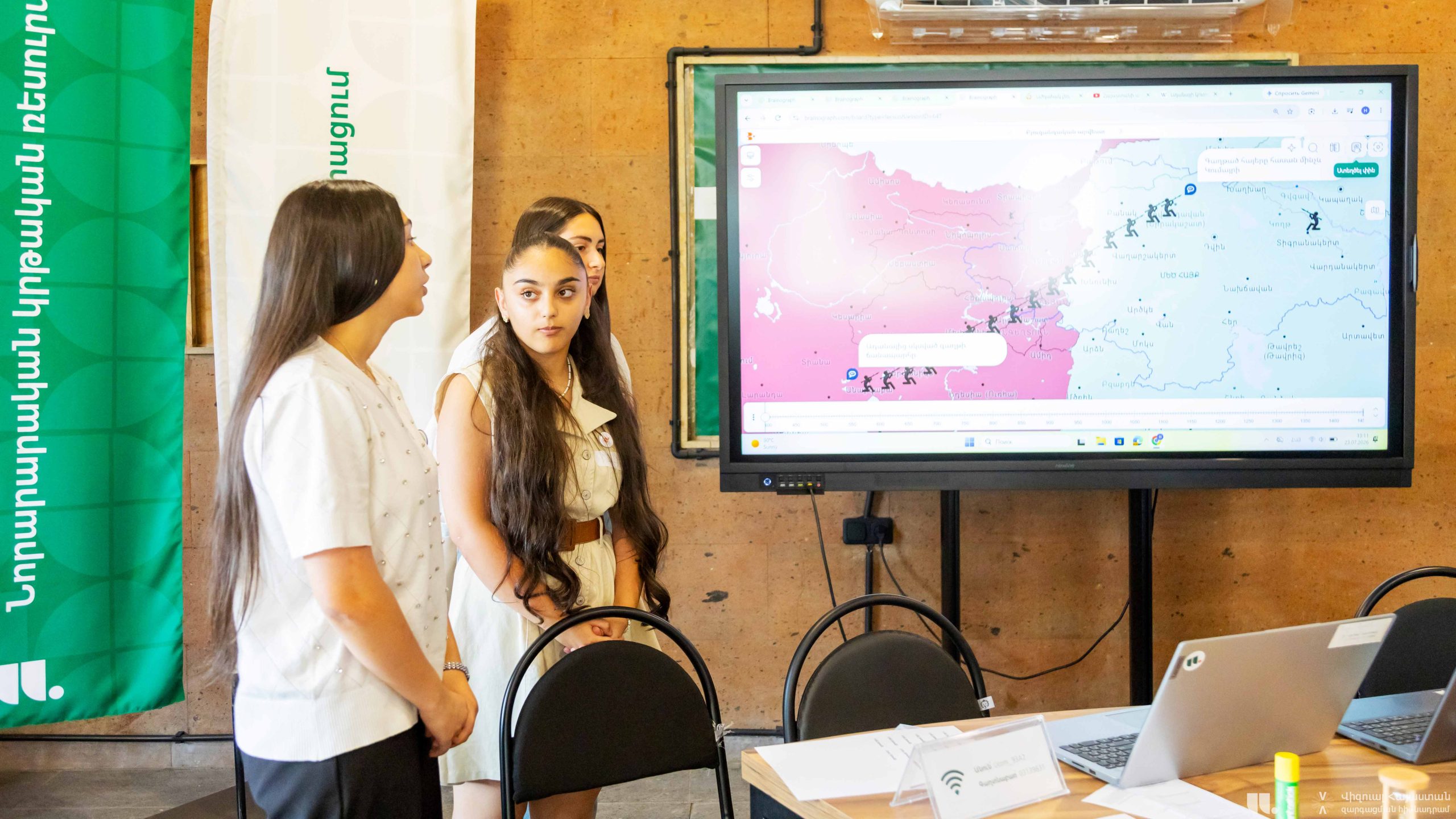
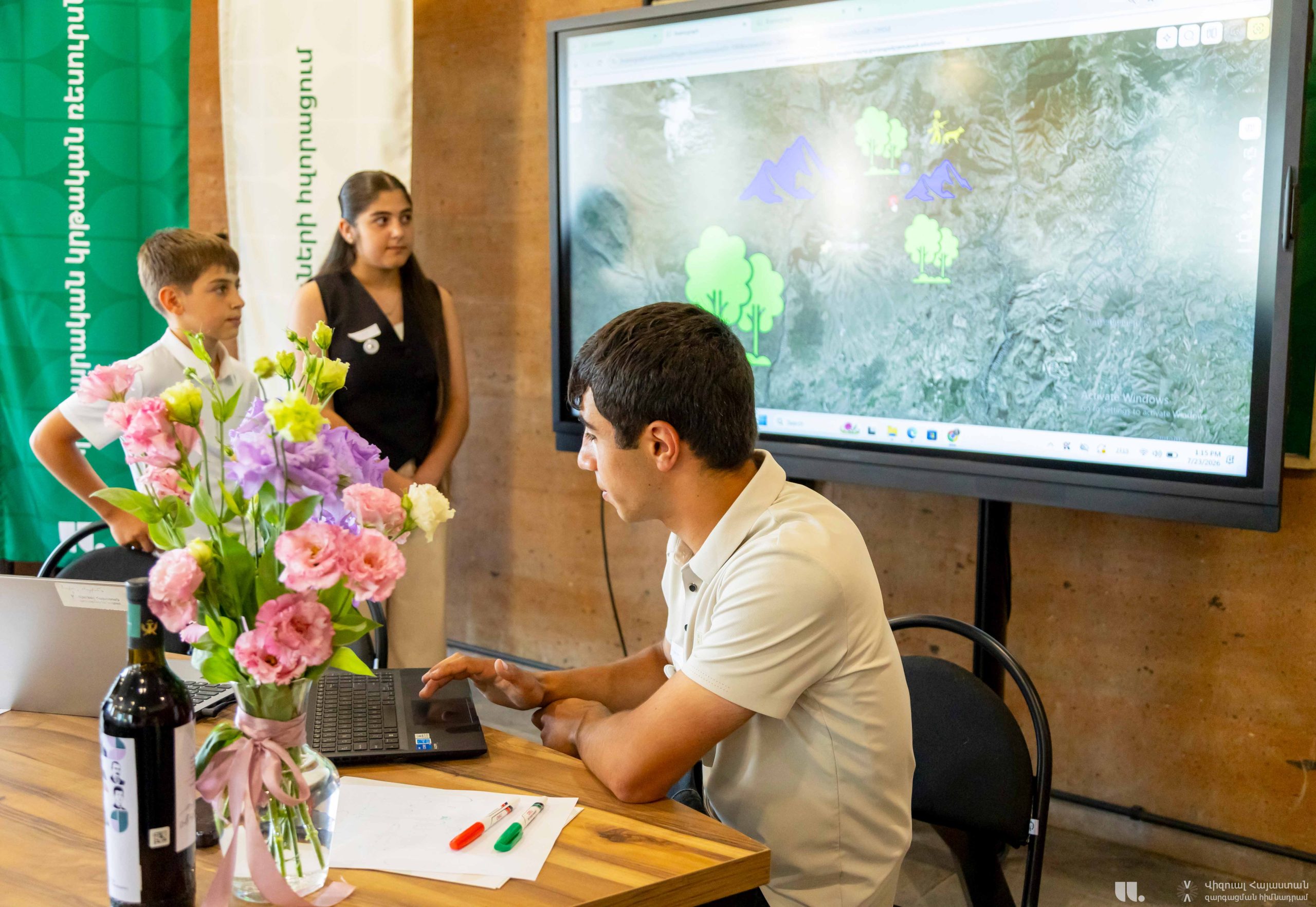
The gathering was far more than a closing ceremony. It resembled a creative laboratory where every idea had the potential to become the Foundation’s next educational initiative. Students solved historical puzzles, took part in team challenges, designed new pins and dynamic screenshots, explored interactive maps, and presented their concepts during a “Pin Fair,” demonstrating that history can be not only learned, but also creatively reimagined.
The event marked the conclusion of an initiative that had long outgrown the boundaries of a traditional competition. The “Jubilees in WorldView” flash mob engaged 130 schools from every province of Armenia. The highest level of participation came from Shirak Province, with 28 schools, followed by Yerevan with 16 schools, while Gegharkunik, Syunik, and Lori each contributed 14 participating schools.
Across social media, the schools’ creative projects attracted thousands of views and reactions. The clear standout was Gagarin Secondary School, whose submission received 7,500 likes, while several other videos reached tens of thousands of views.
Yet the greatest achievement of the flash mob was not reflected in the numbers. Organized during one of the busiest periods of the academic year, the initiative relied entirely on voluntary participation. Many teachers involved several classes simultaneously, numerous schools submitted multiple projects, and the resulting work was shared not only through WorldView’s official channels but also across schools’ and teachers’ own communication platforms, reaching local communities and generating genuine public interest.
Together, these outcomes signal that WorldView has entered a new stage of development. It is gradually evolving beyond a digital educational platform into a vibrant professional learning community—one in which teachers and students take the initiative to create, experiment, collaborate, and share their own ideas.
Perhaps the clearest sign of this transformation came after the flash mob had officially concluded. Teachers reported hearing the very same question from their students again and again: “When is the next challenge?” Even more encouraging, students themselves had already begun proposing new formats—including the idea of organizing a nationwide WorldView Essay Competition.
WorldView continues to grow as a community where every student and every teacher can be more than a participant—they can become a creator, an innovator, and a co-author. And perhaps this is the greatest measure of any educational initiative’s success: when the next generation of ideas begins to emerge from within the community itself.




 Antarayin 164/1