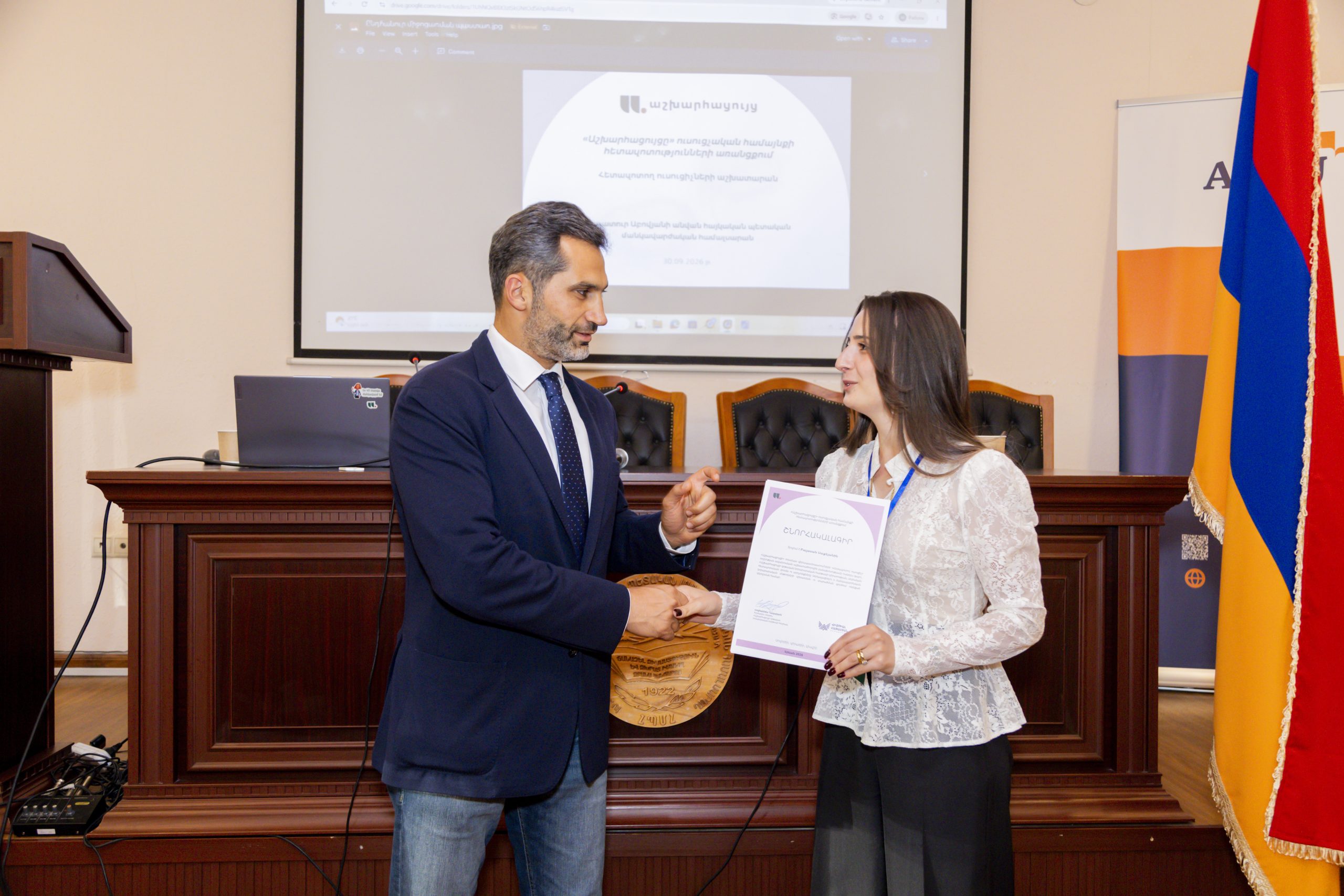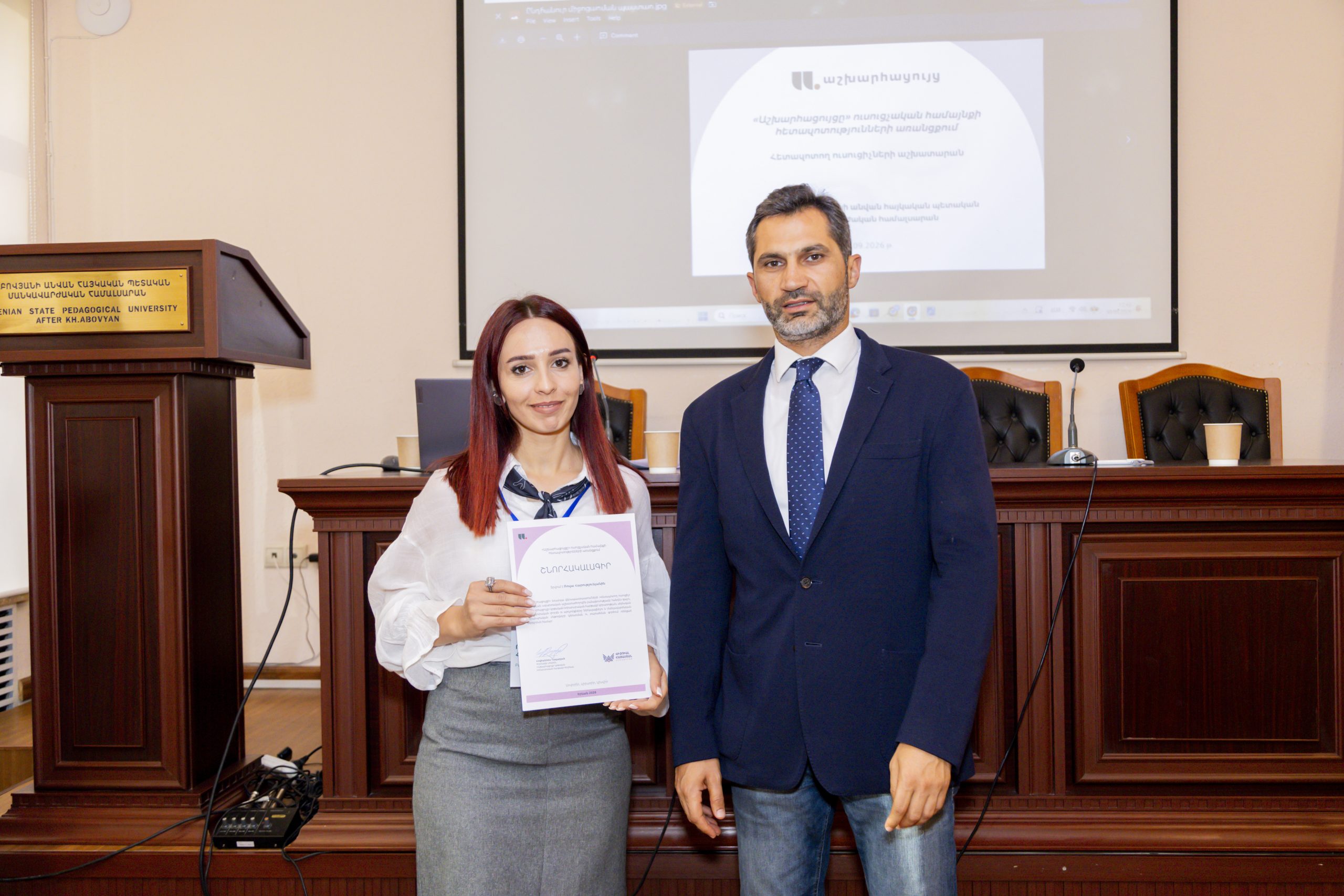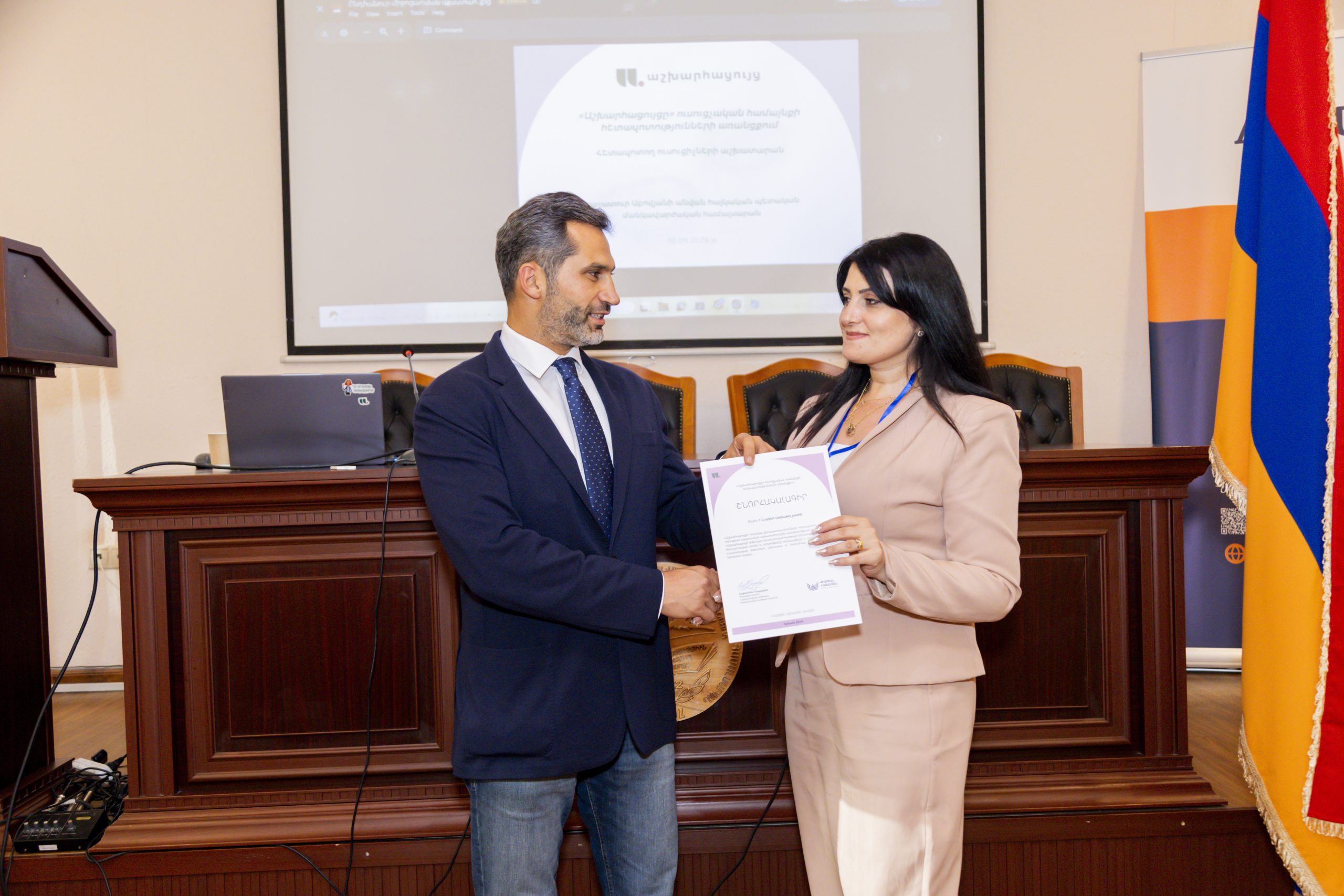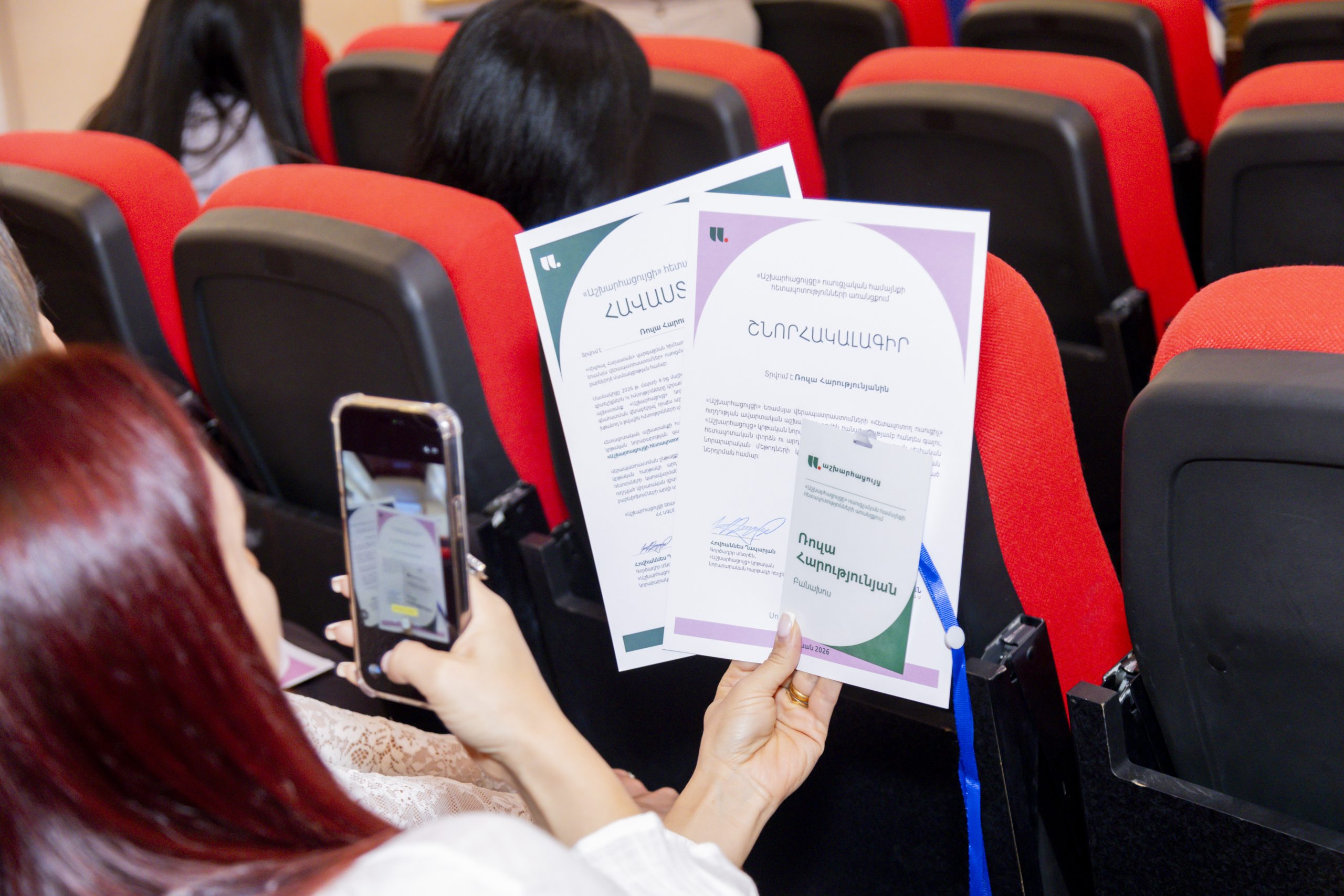
WorldView’s “Researcher Teacher” final workshop brought classroom practice, teacher-led research, and university expertise into one professional space
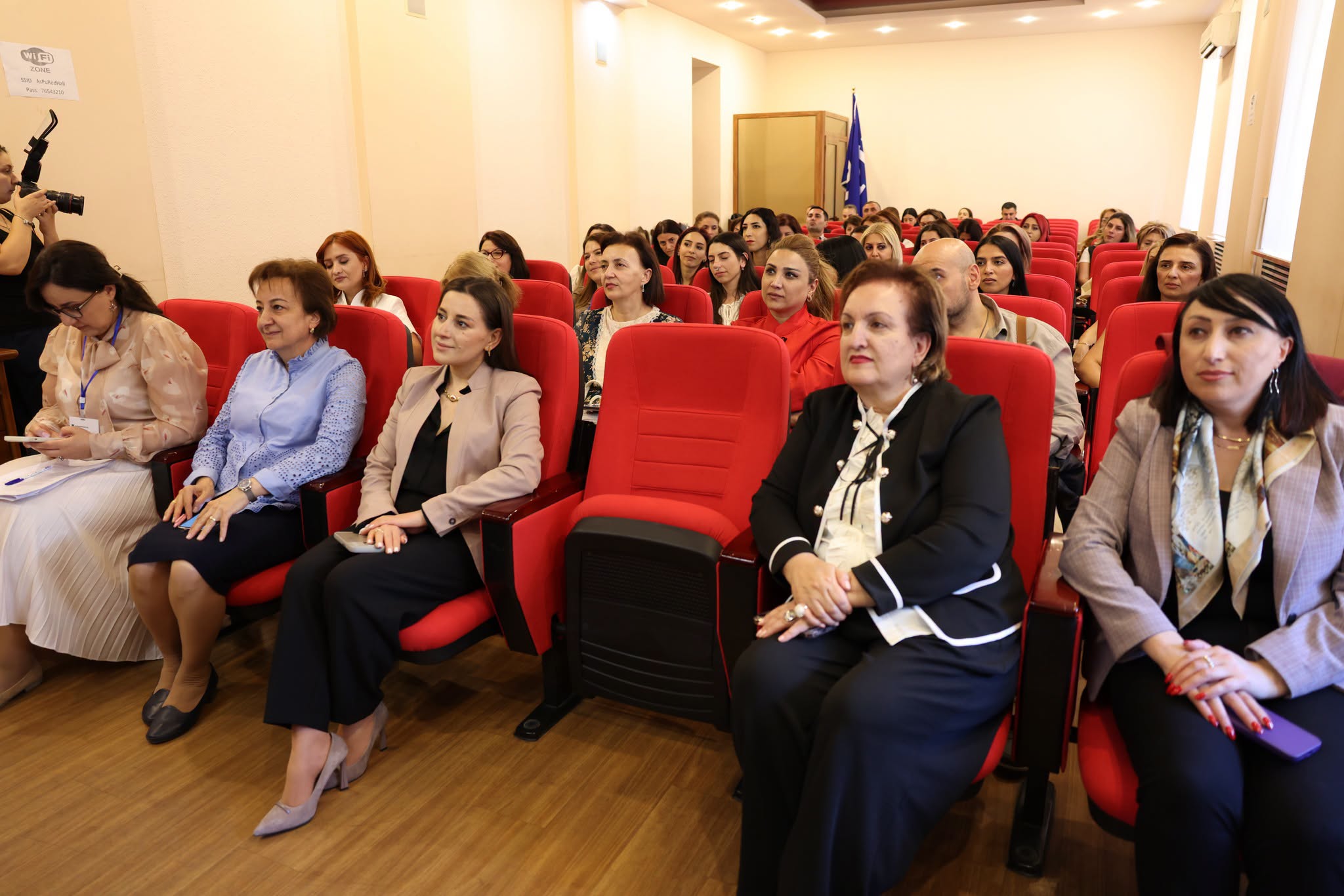
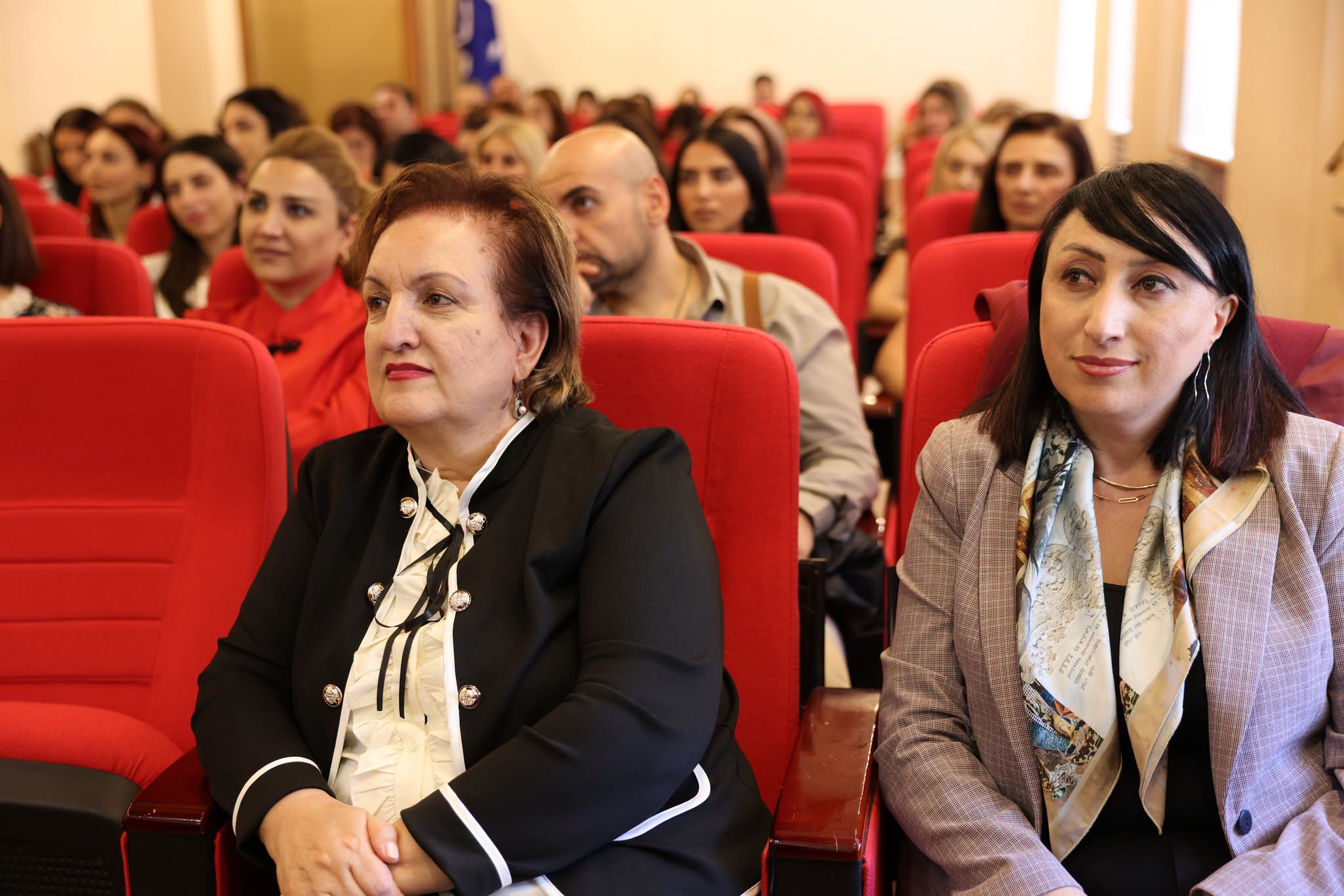
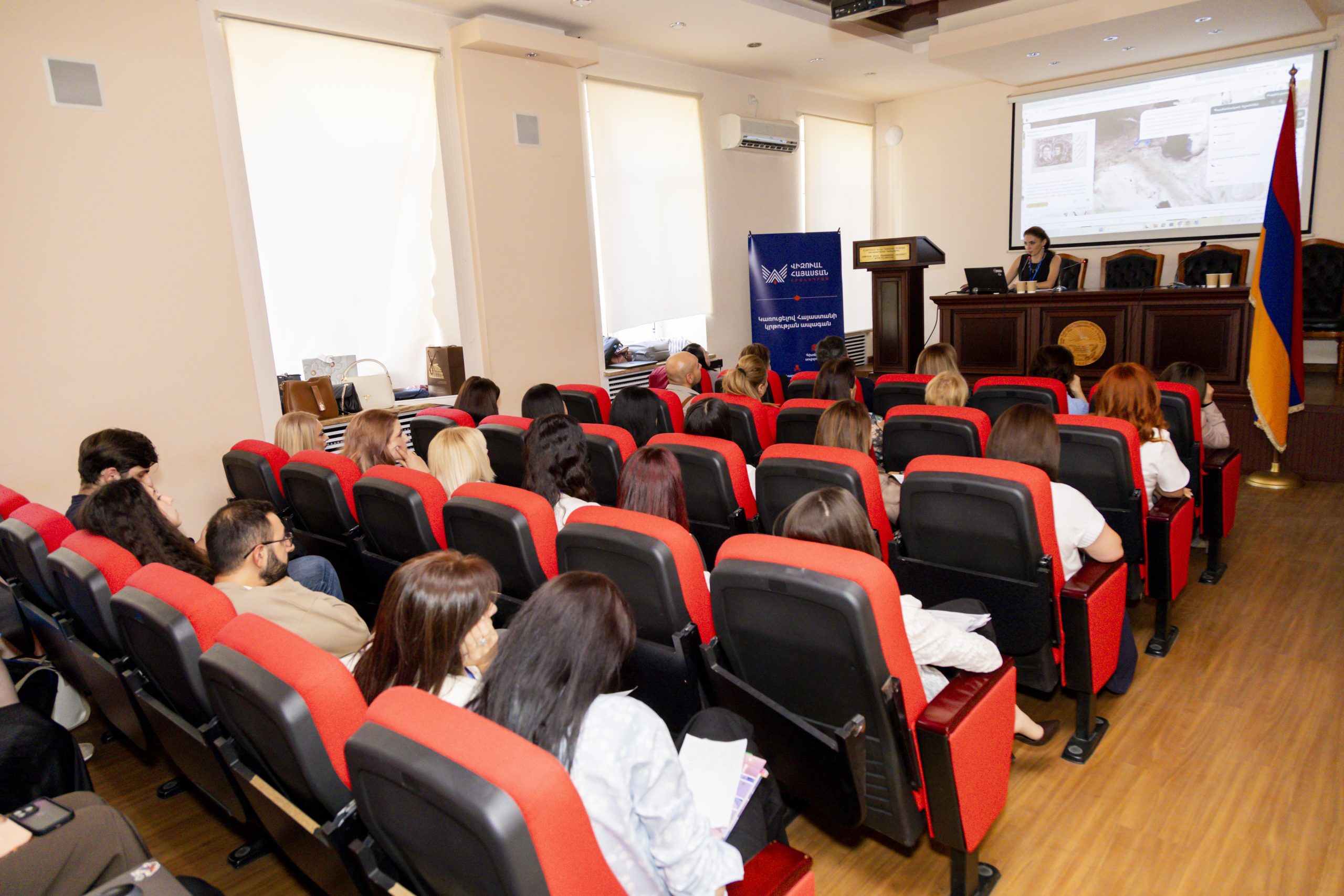
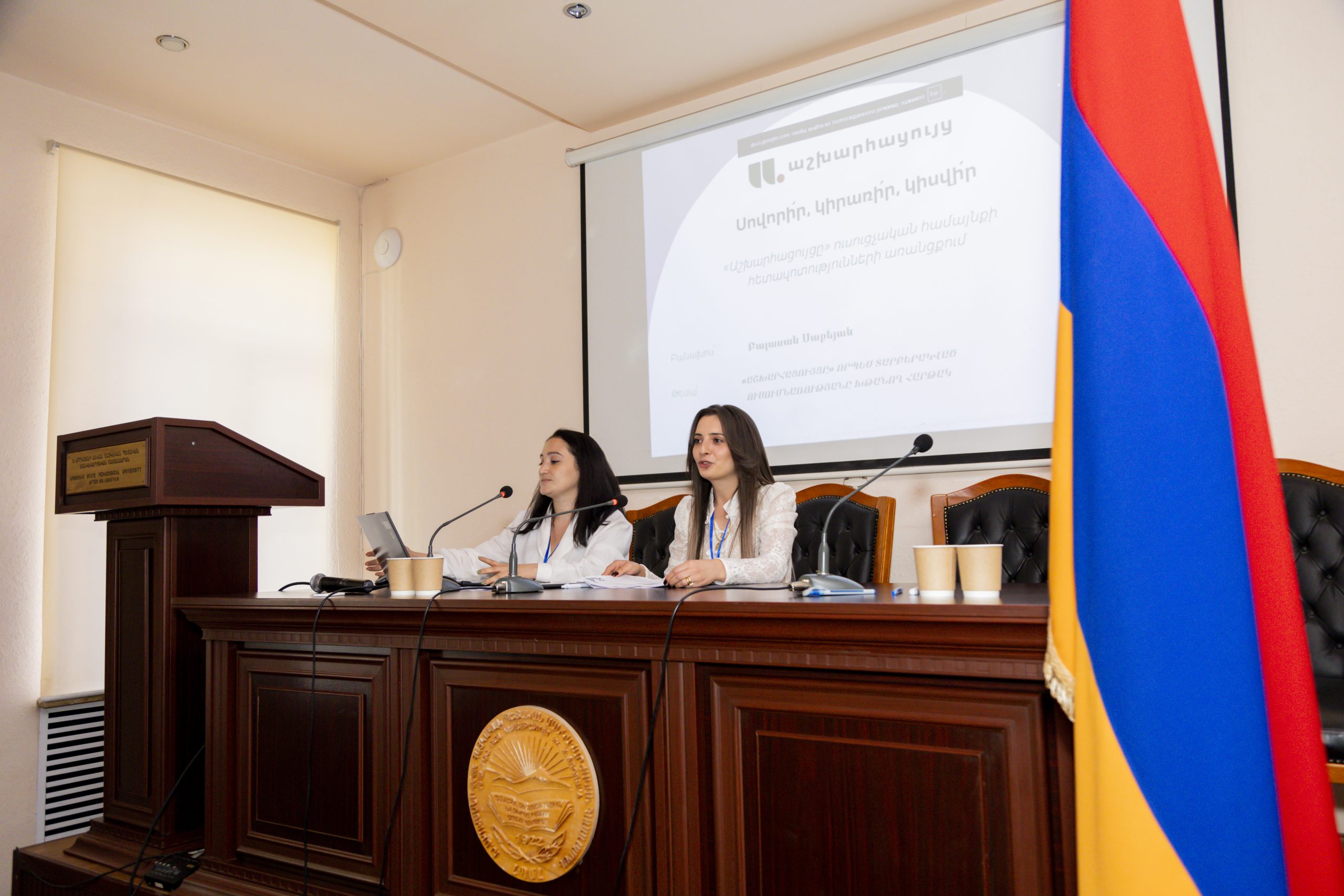
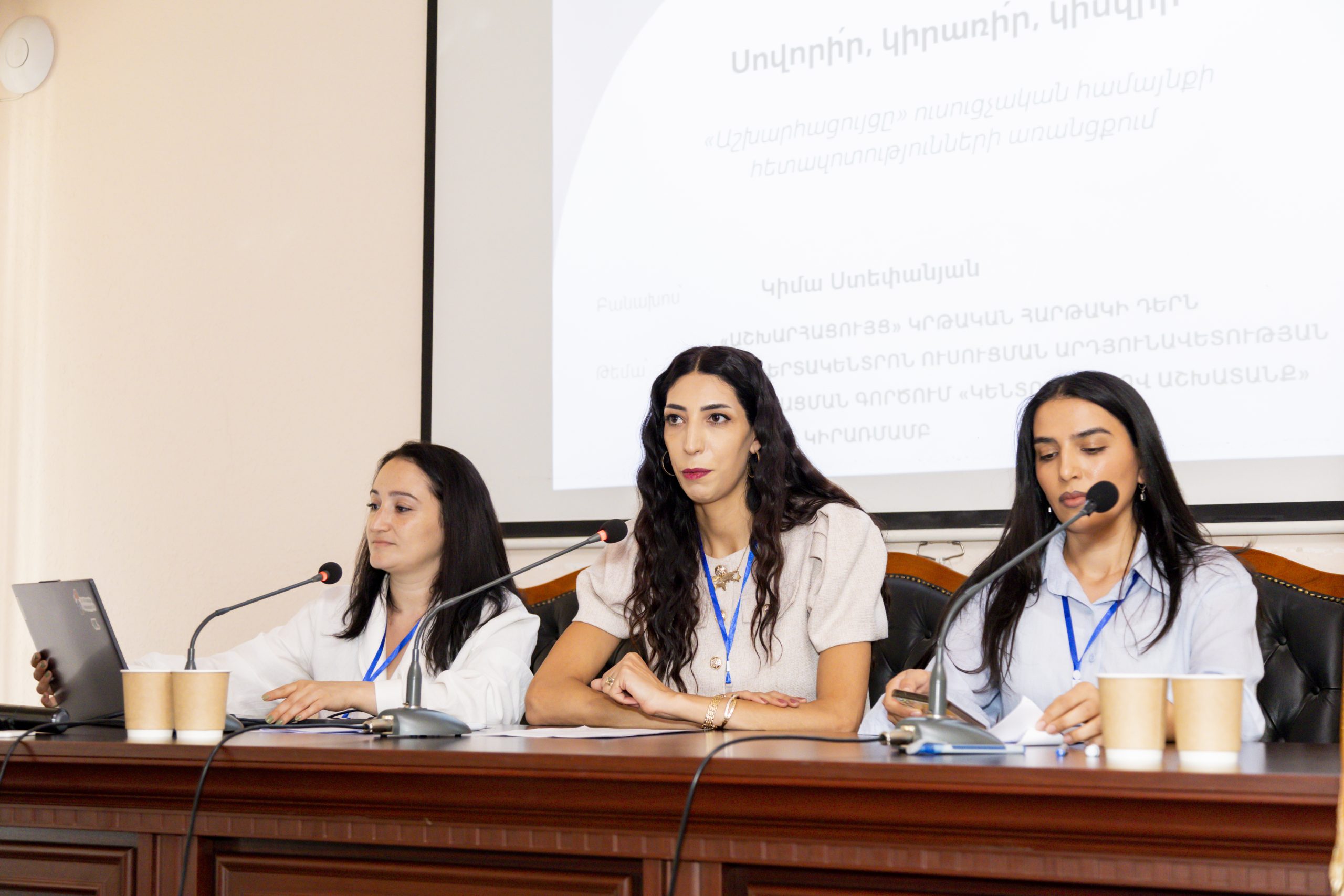
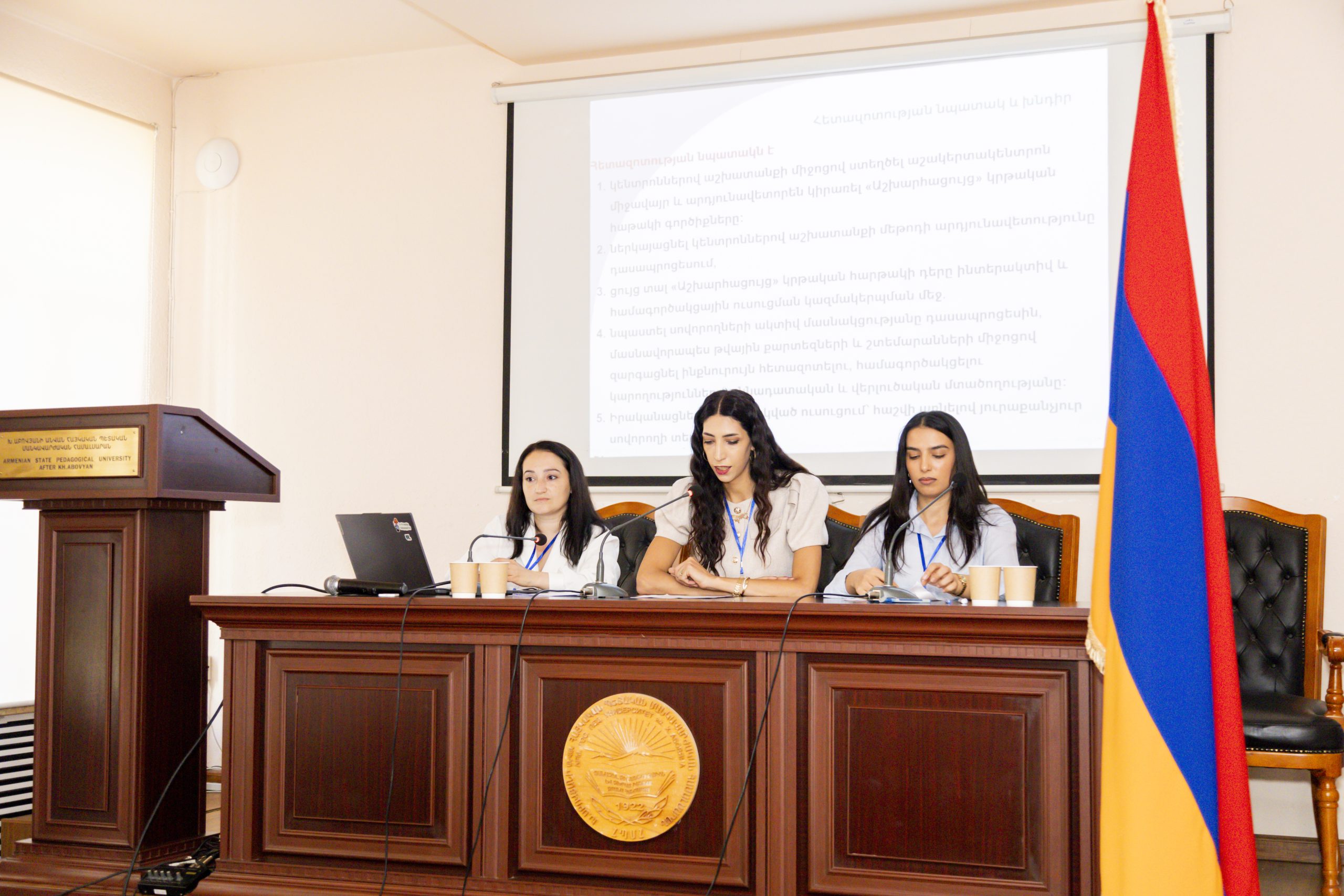
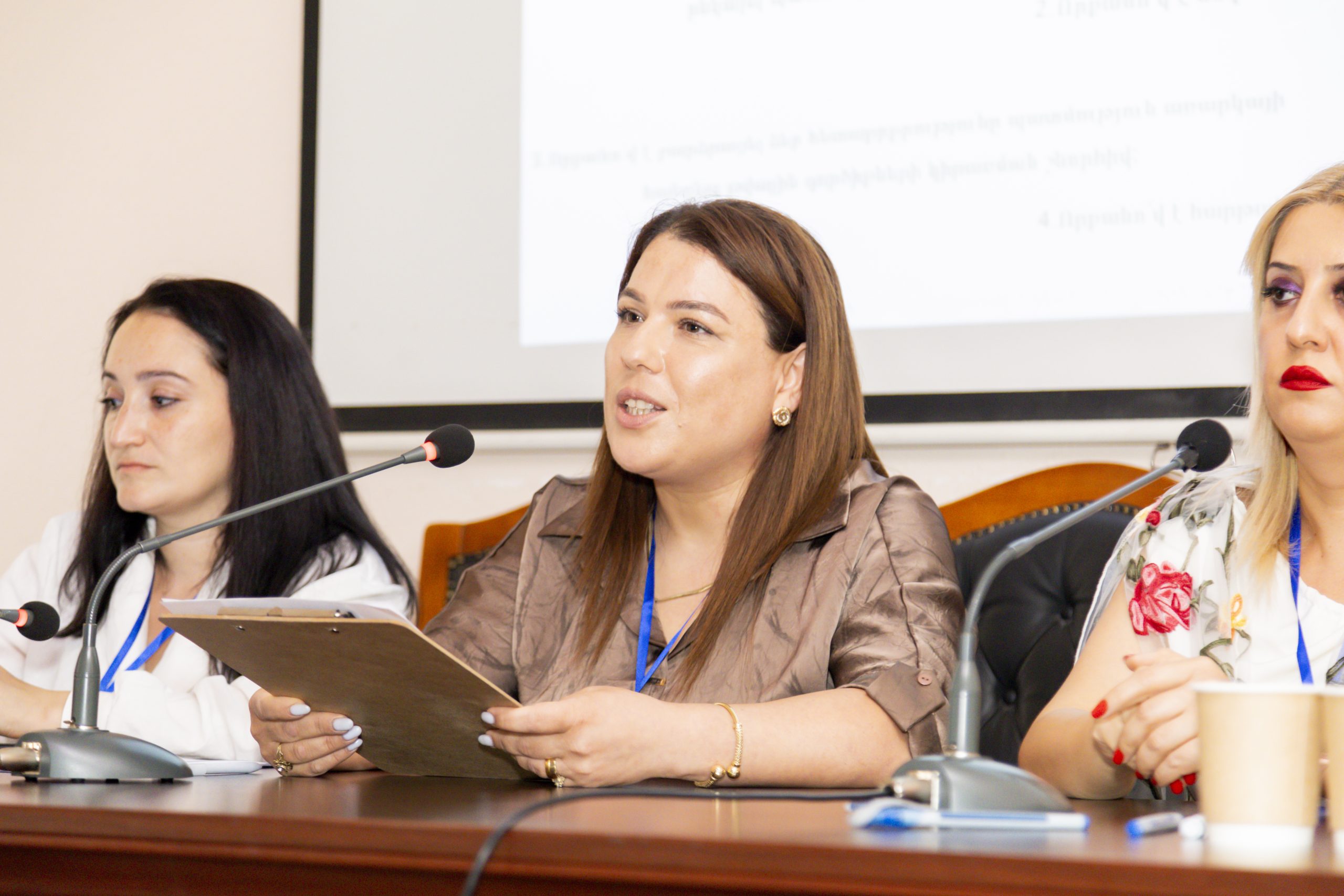
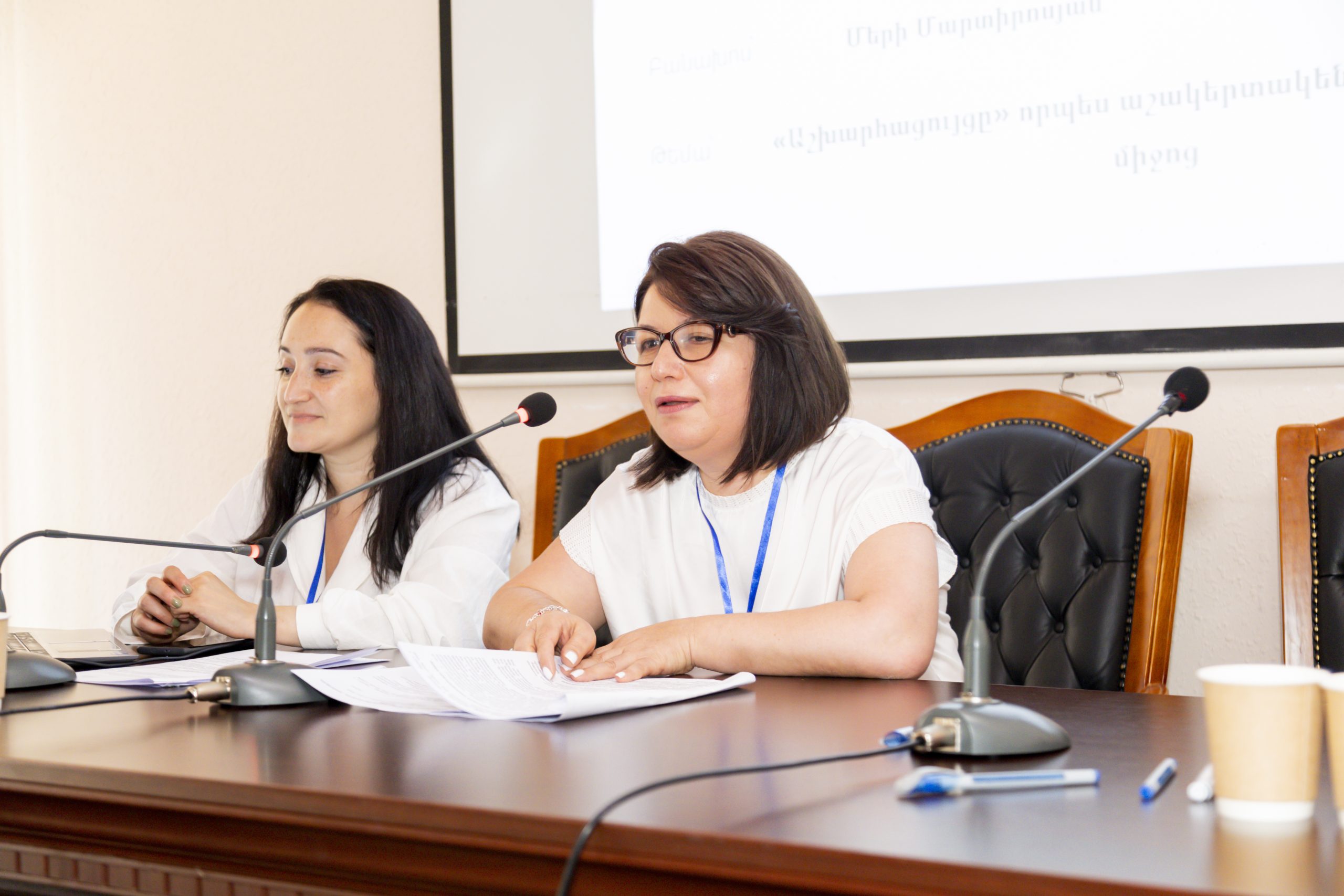
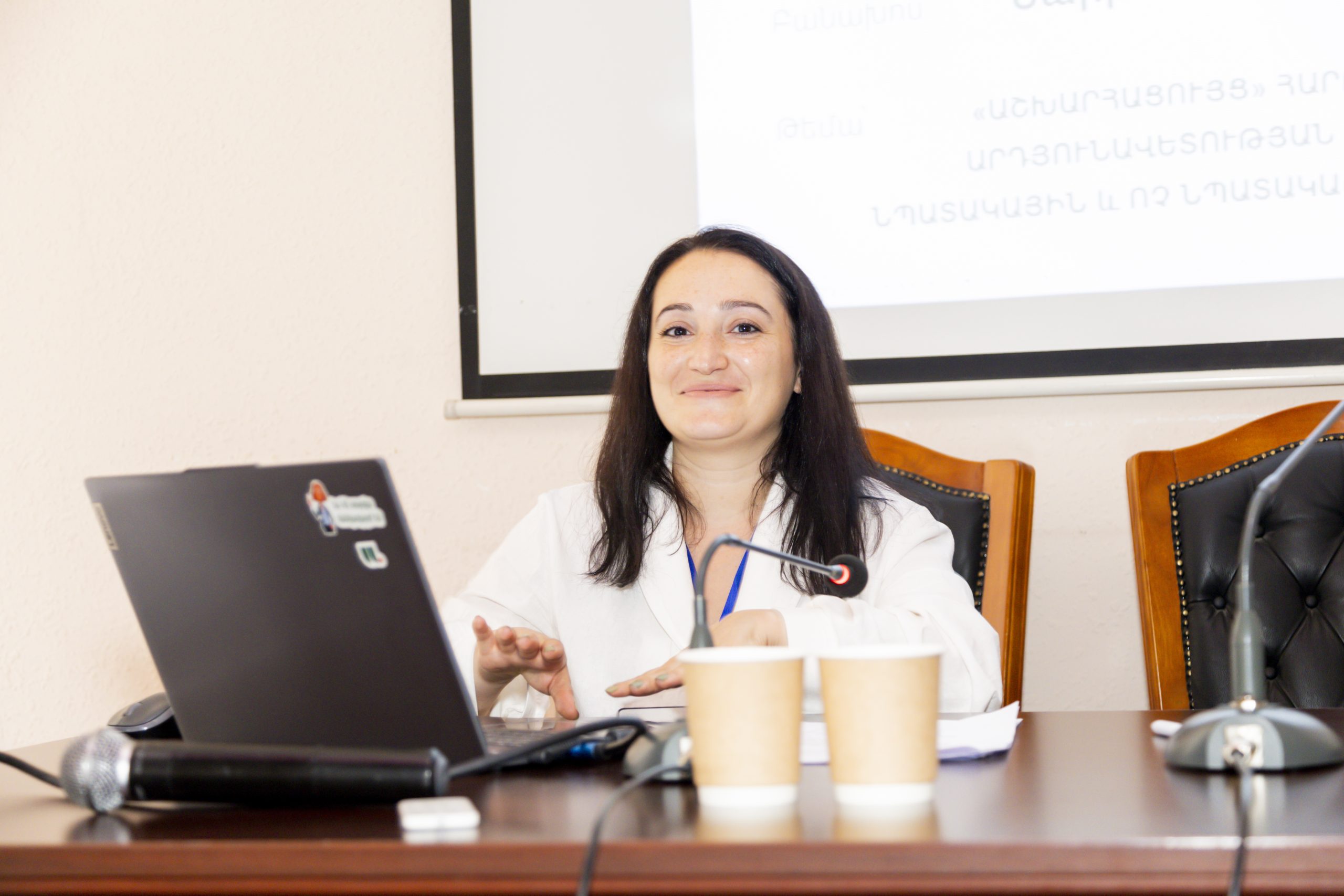
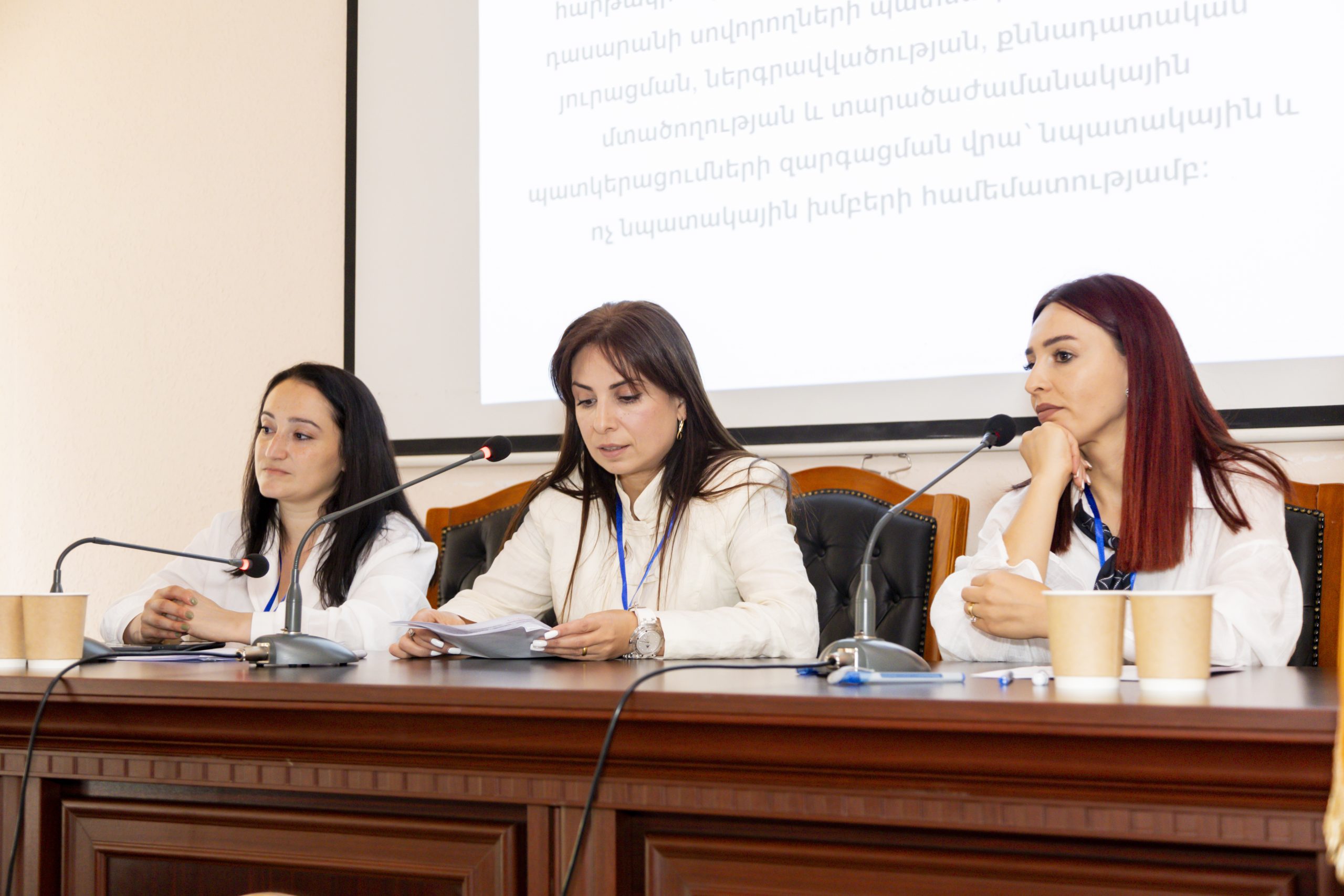
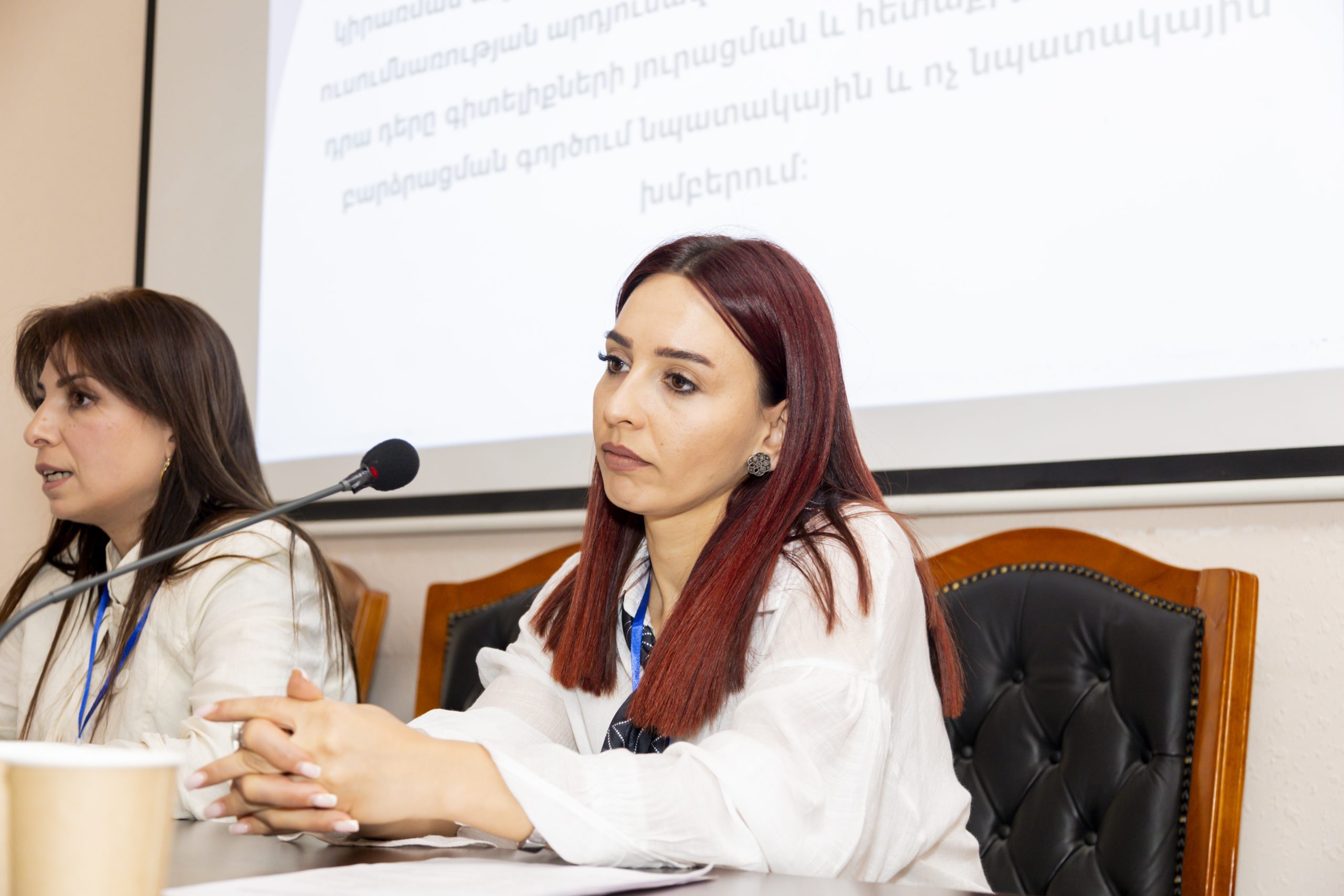
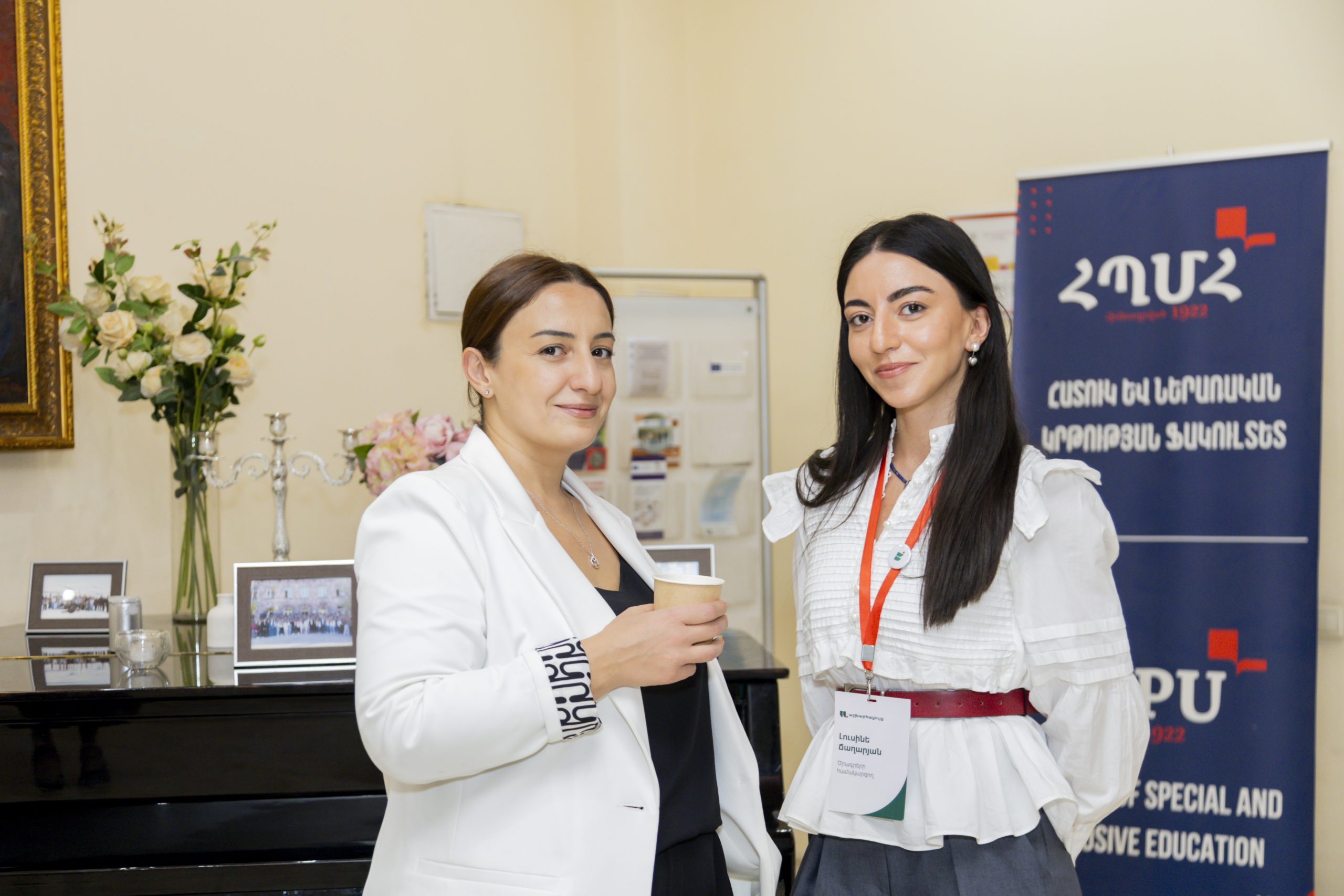
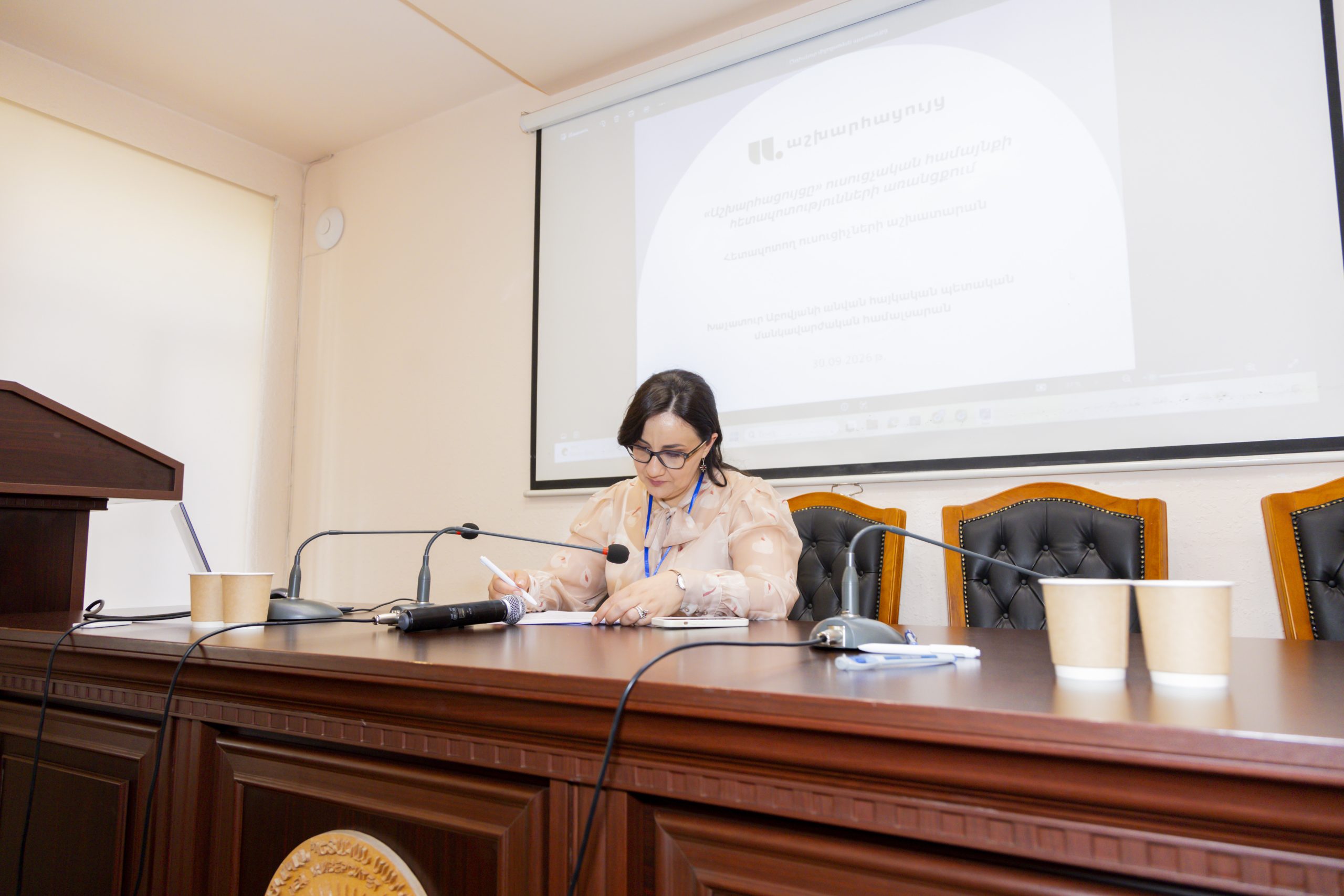
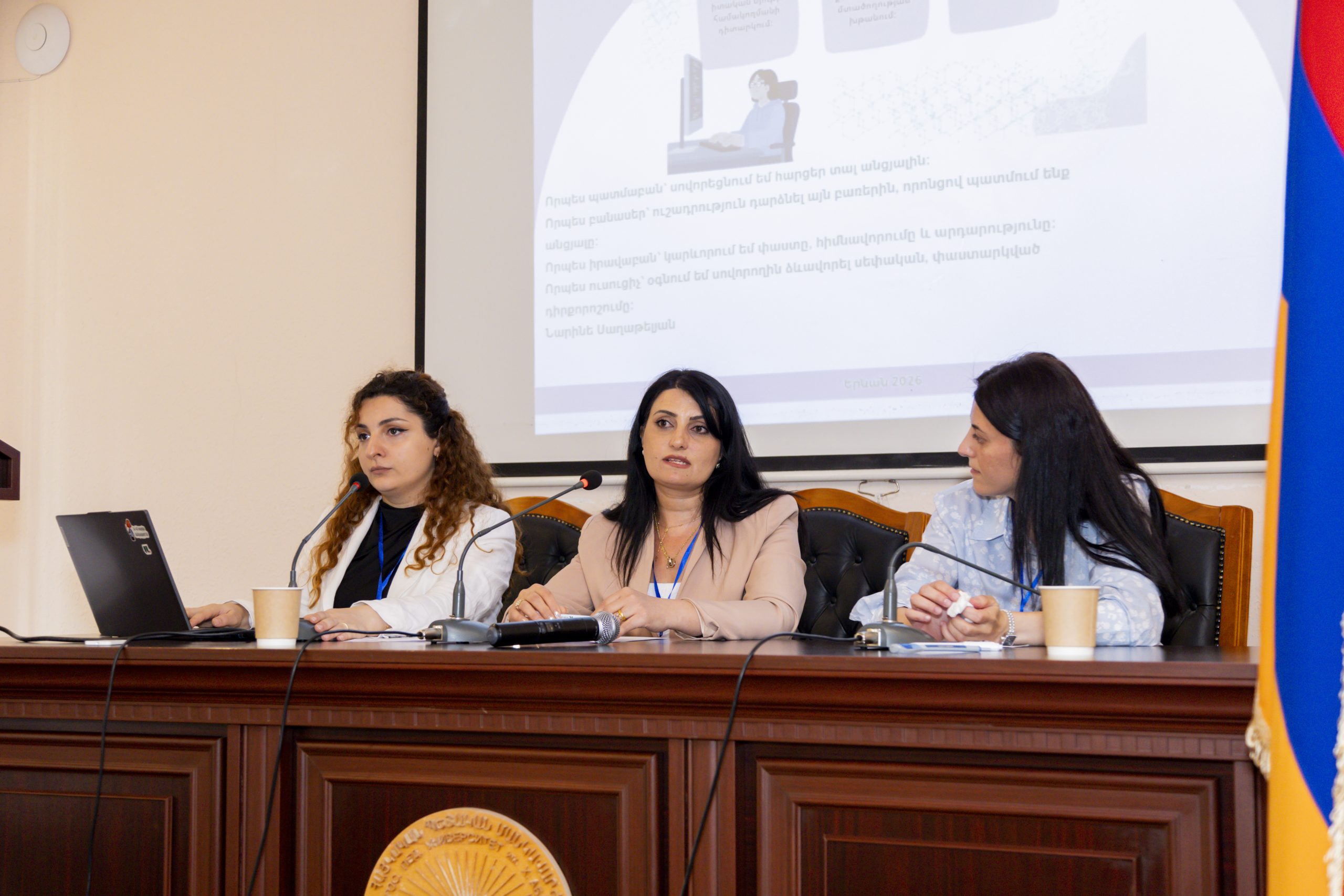
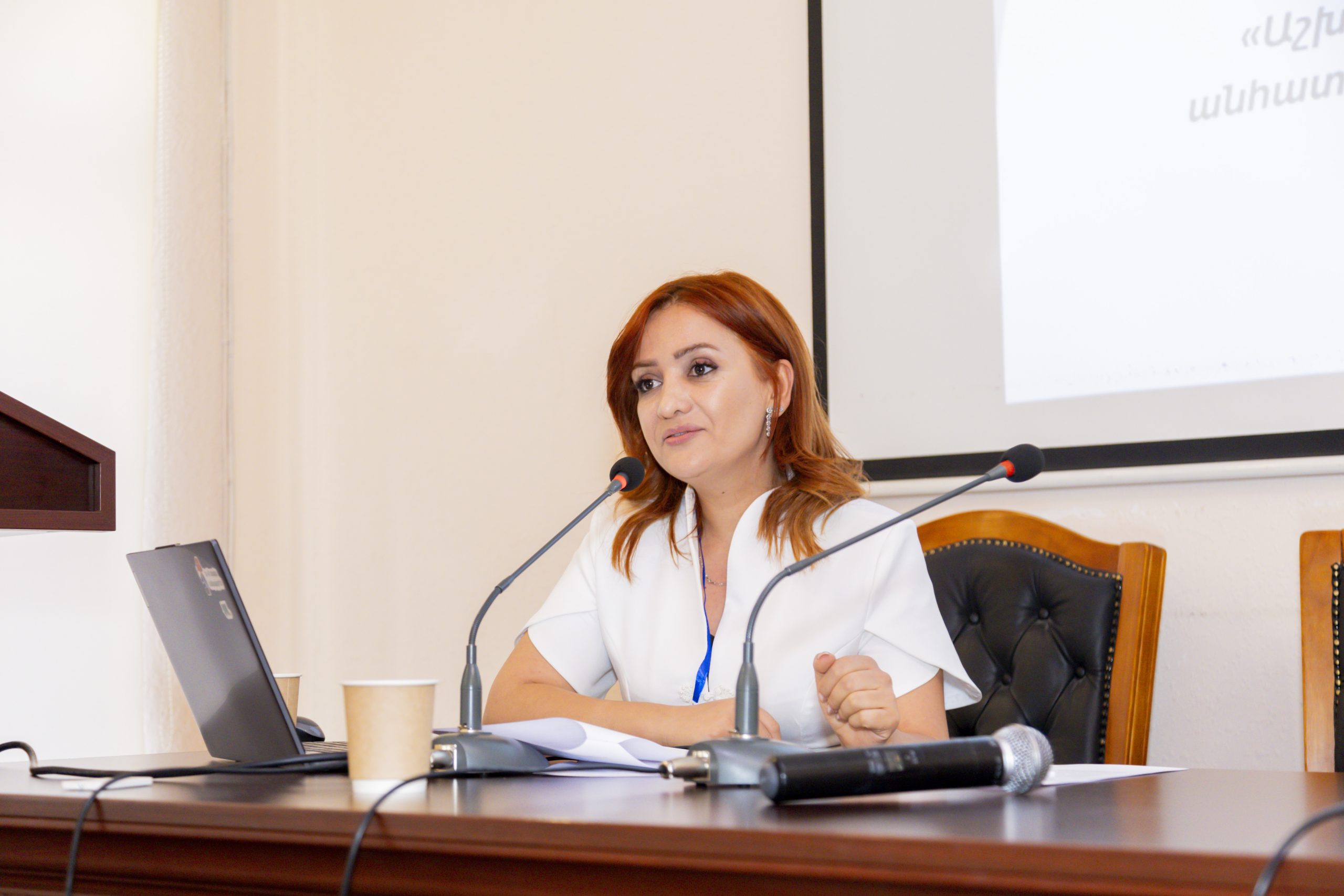
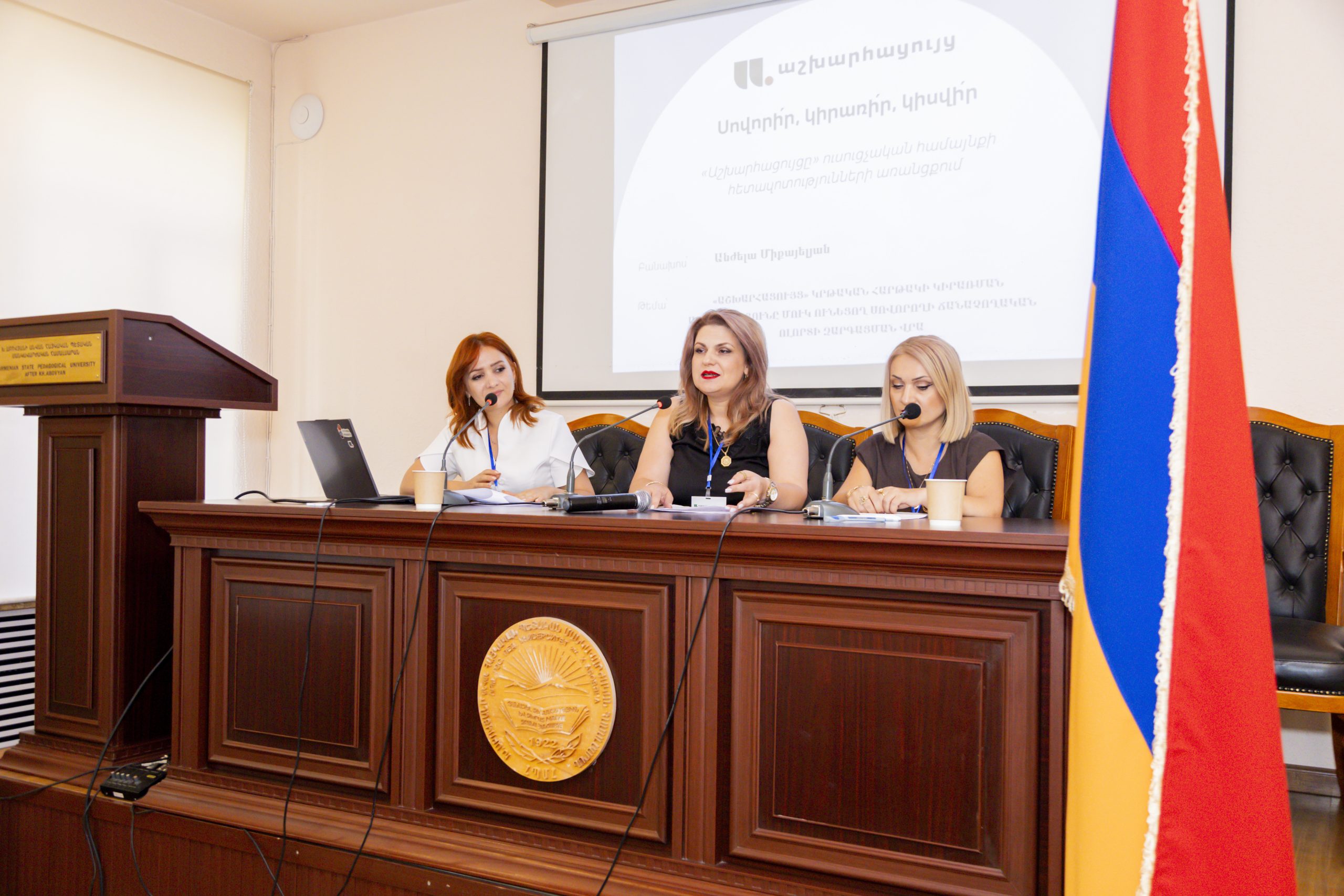
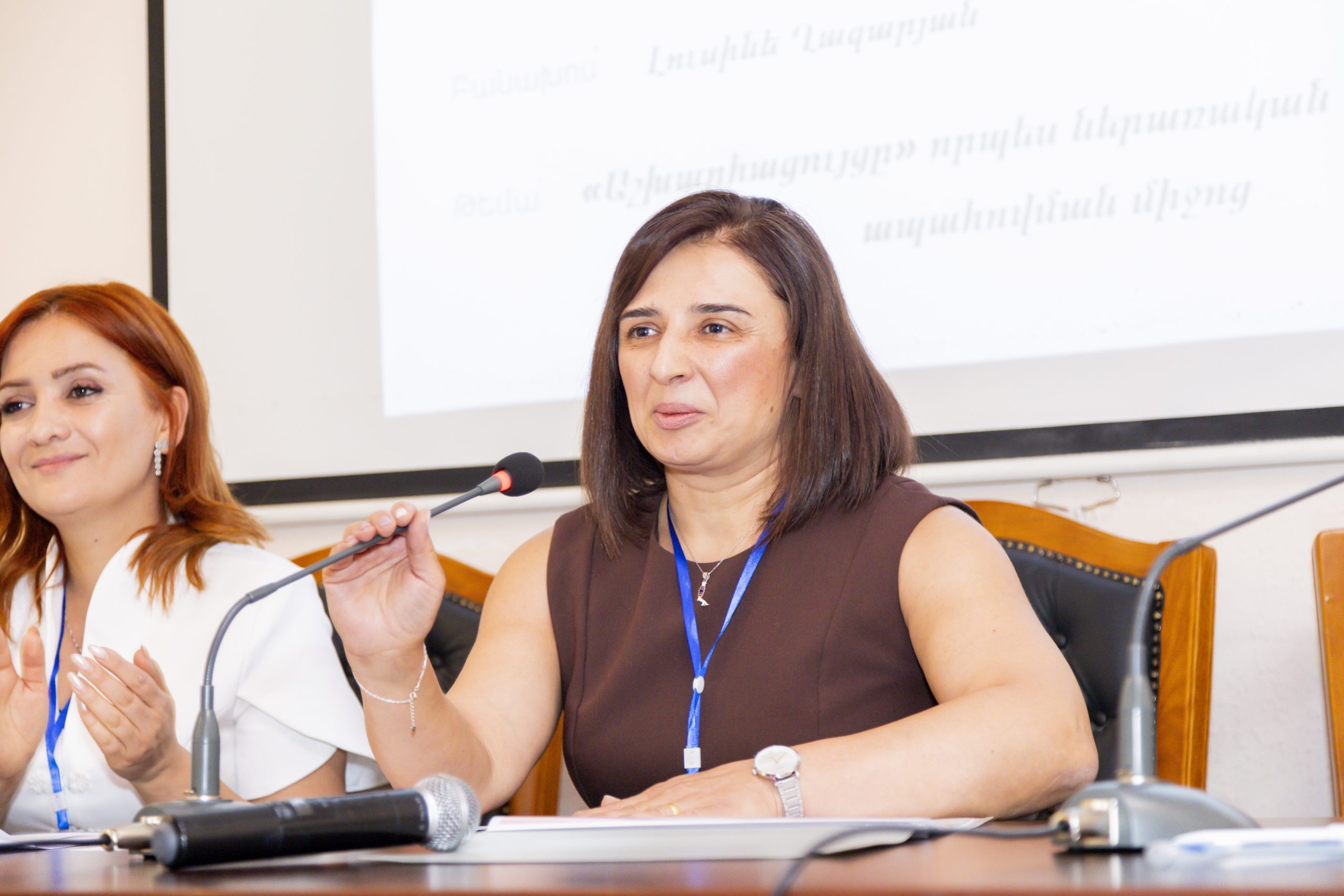
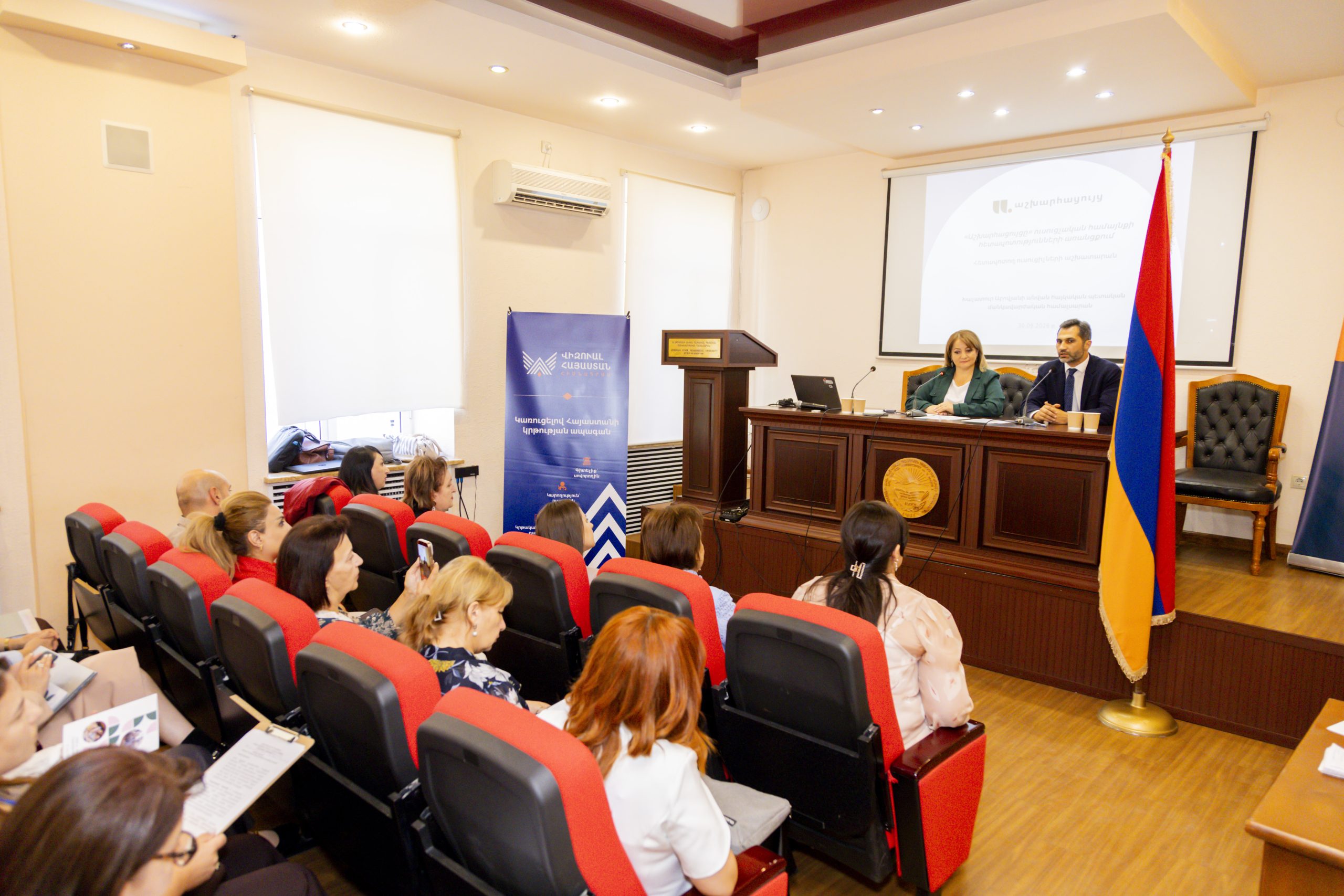
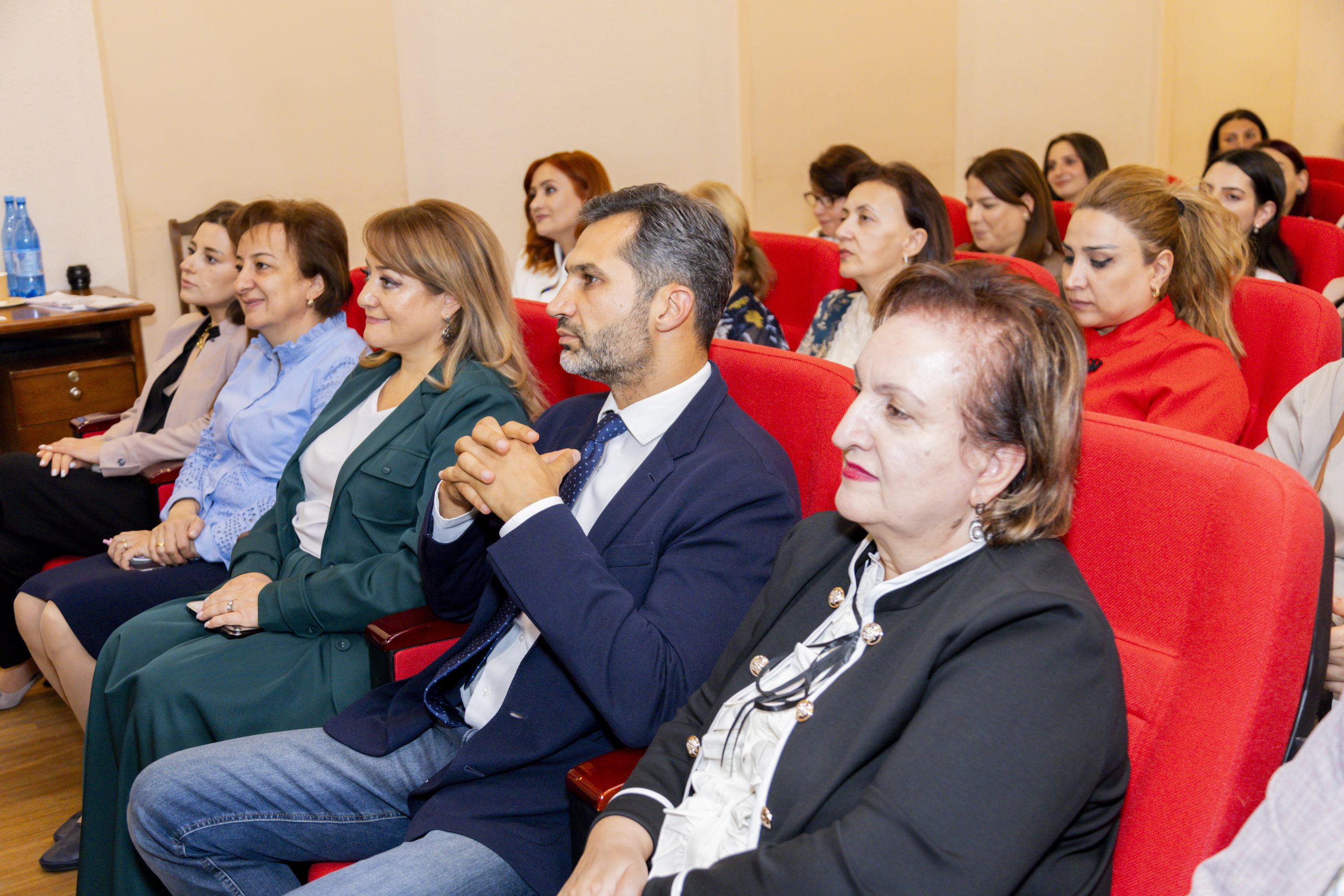
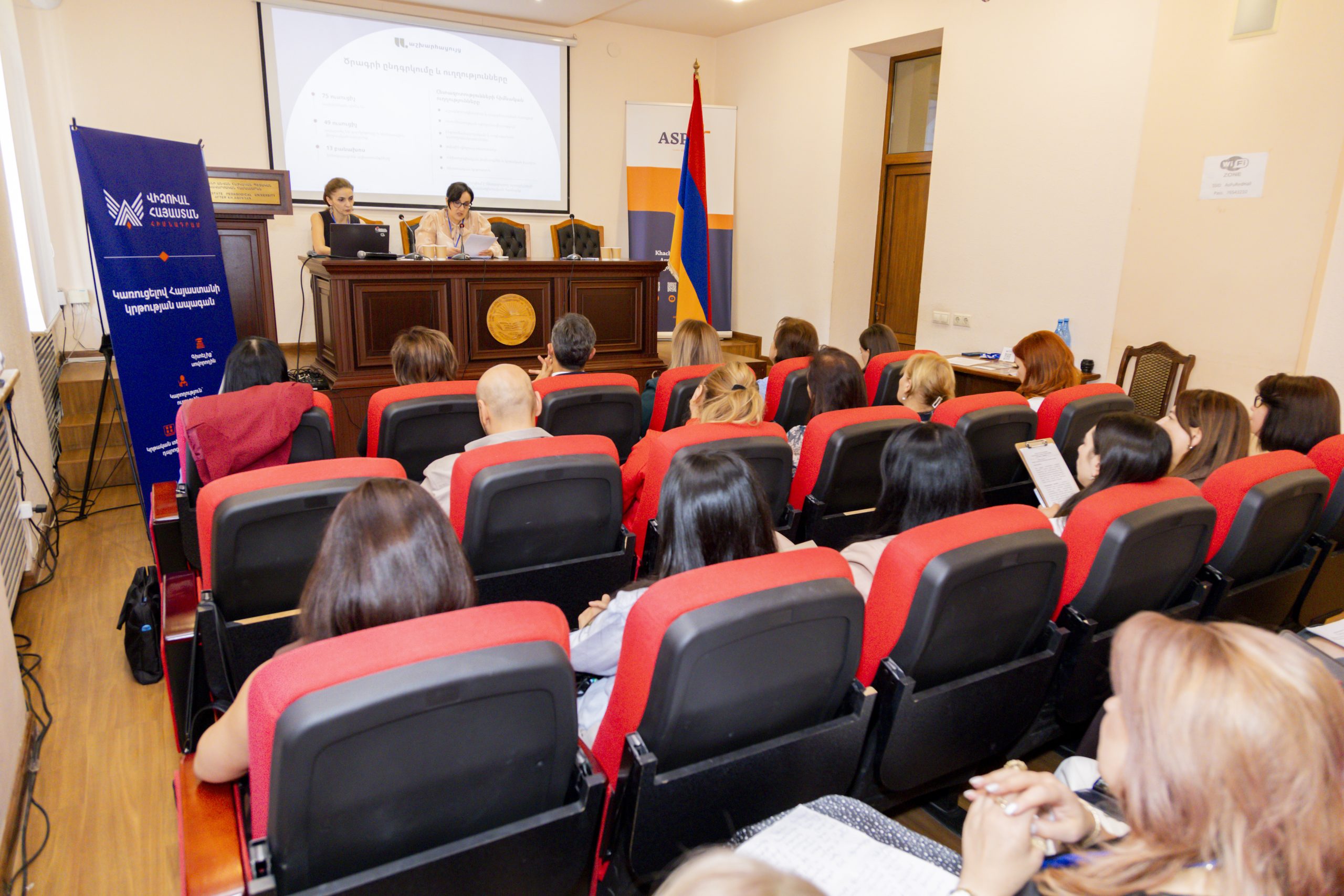
On September 30, Khachatur Abovyan Armenian State Pedagogical University (ASPU) hosted “WorldView at the Center of Teacher Community Research,” the final workshop of the Researcher Teacher track within WorldView’s three-month teacher training program.
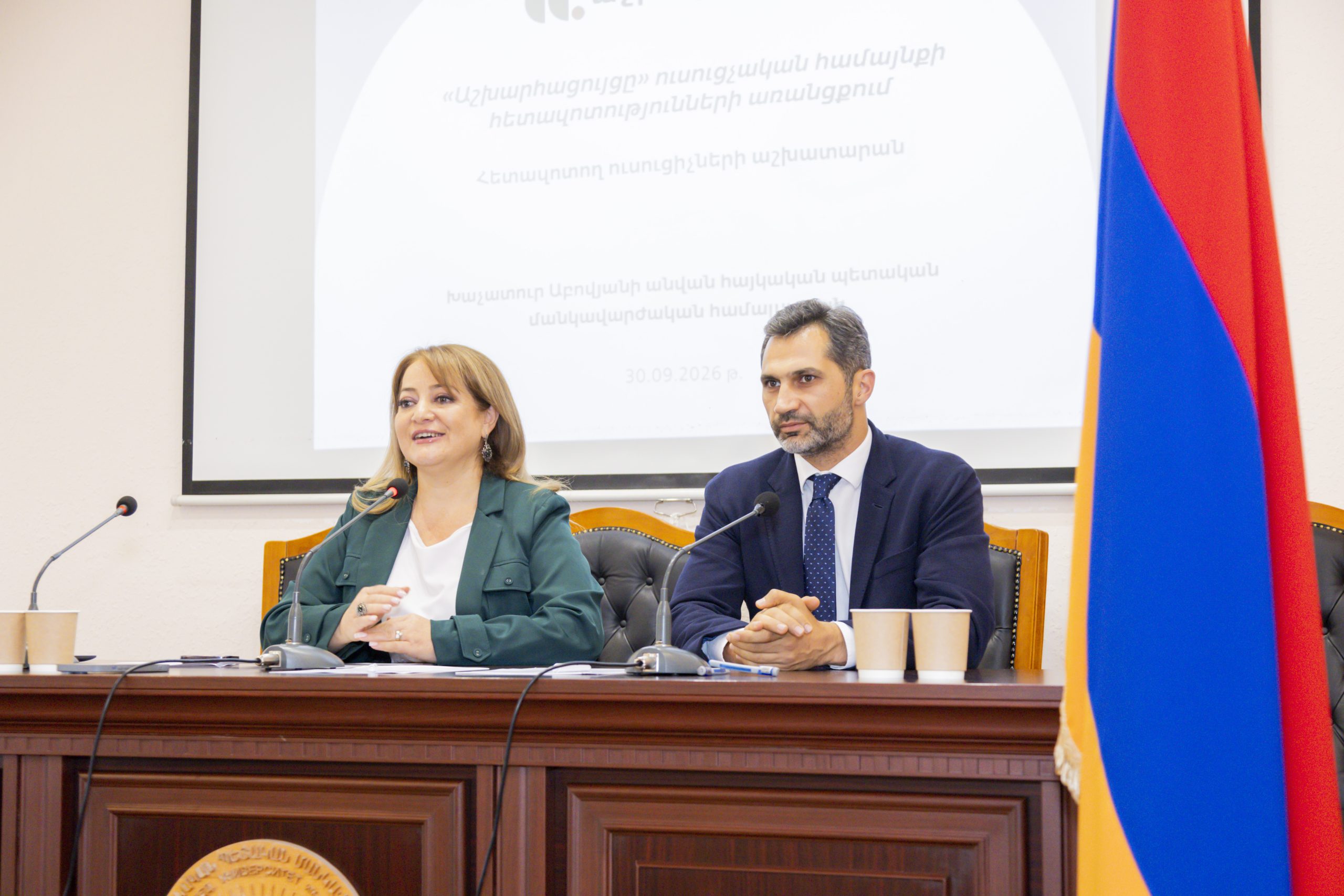
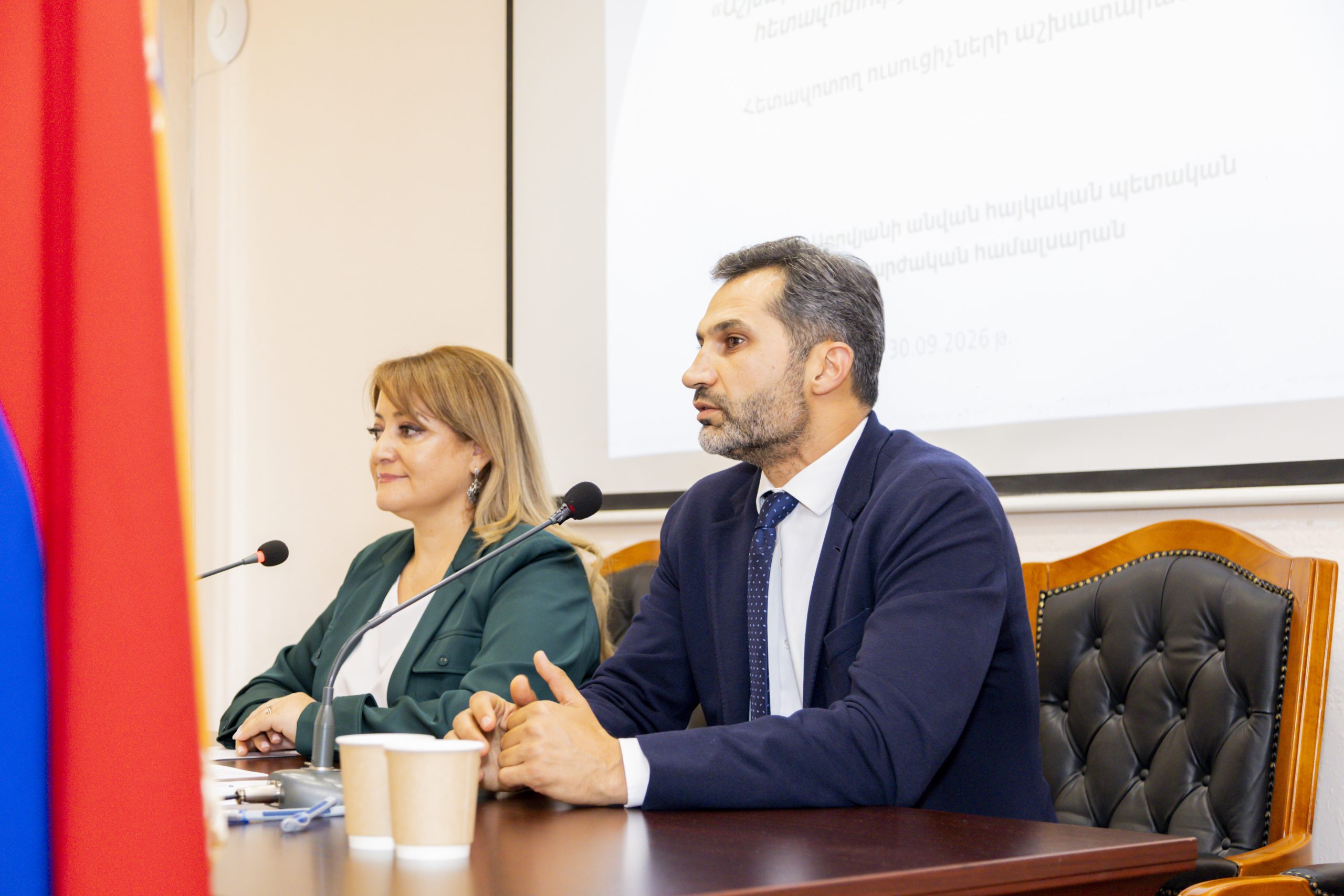
The event opened with remarks by Lilit Mkrtchyan, Acting Rector of ASPU, and Hovhannes Ghazaryan, Executive Director of the Visual Armenia Foundation and creator of the WorldView innovative educational platform.
Lilit Mkrtchyan emphasized the importance of sustained cooperation and exchange with WorldView, noting that schools are a critical link in the chain of educational change, particularly as Armenia moves from knowledge-based toward competency-based education. She also highlighted the value of such partnerships in identifying shared needs and creating new opportunities for collaboration.
Hovhannes Ghazaryan, in turn, underscored the strategic role of the Pedagogical University as the institution where future teachers are prepared. He noted that education and pedagogy lie at the heart of both organizations’ work, while WorldView’s accumulated experience with practicing teachers provides a strong basis for continuously developing the platform, its tools, and the approaches built around them.
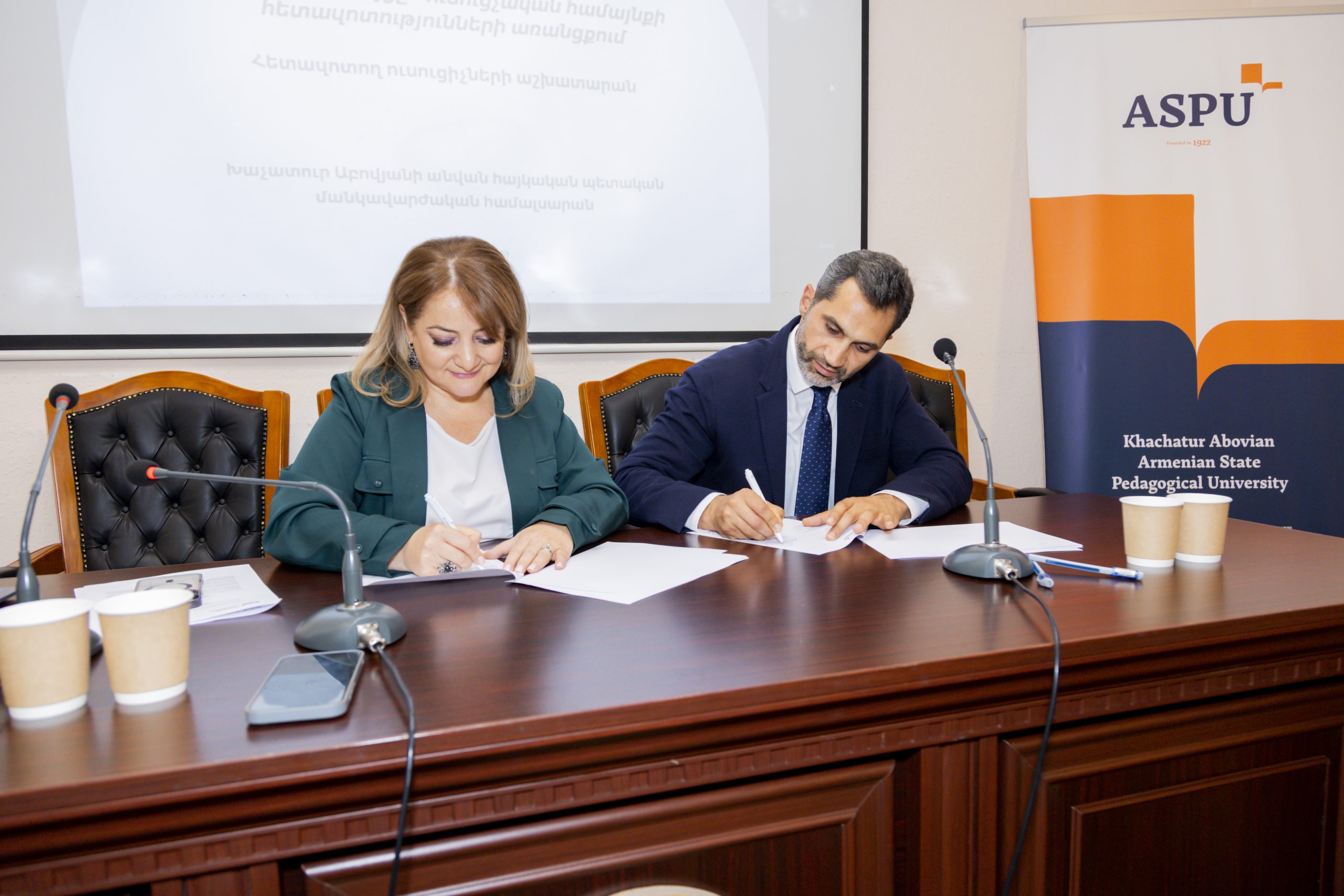
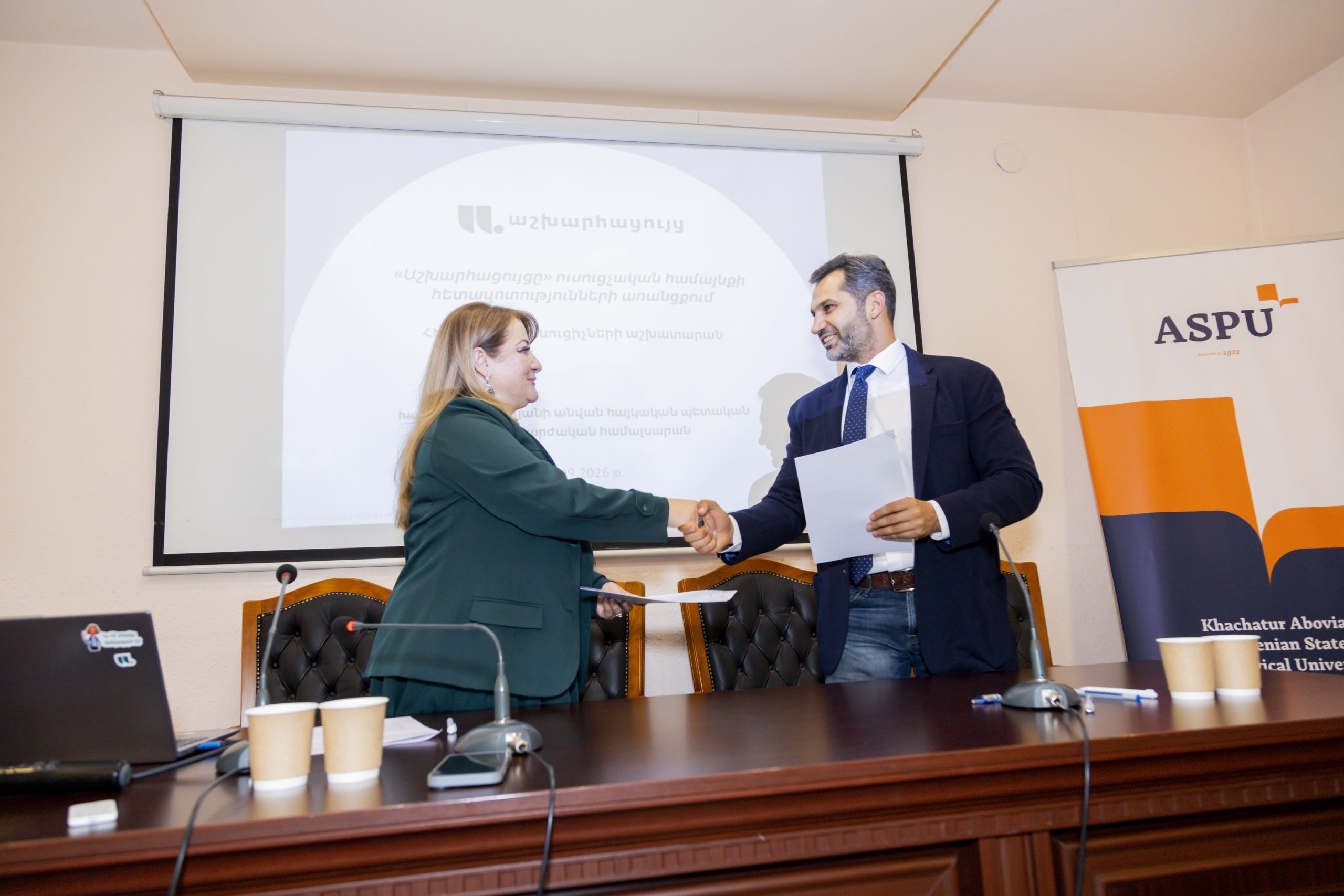
During the workshop, Mkrtchyan and Ghazaryan also signed a Memorandum of Cooperation between ASPU and the Visual Armenia Development Foundation. The memorandum reflected one of the central ideas of the day: schools and universities should not function as separate educational worlds, but as connected parts of the same professional development continuum.
The workshop itself put that idea into practice.
At its core was a simple but important question:
What changes when a teacher moves beyond teaching and applying new methods and begins to systematically investigate their own classroom practice?
The workshop presented research conducted by teachers while creating a space for professional dialogue between schools and the university bringing questions, evidence, and experience from real classrooms into an academic setting, and returning professional feedback and academic expertise back to schools.
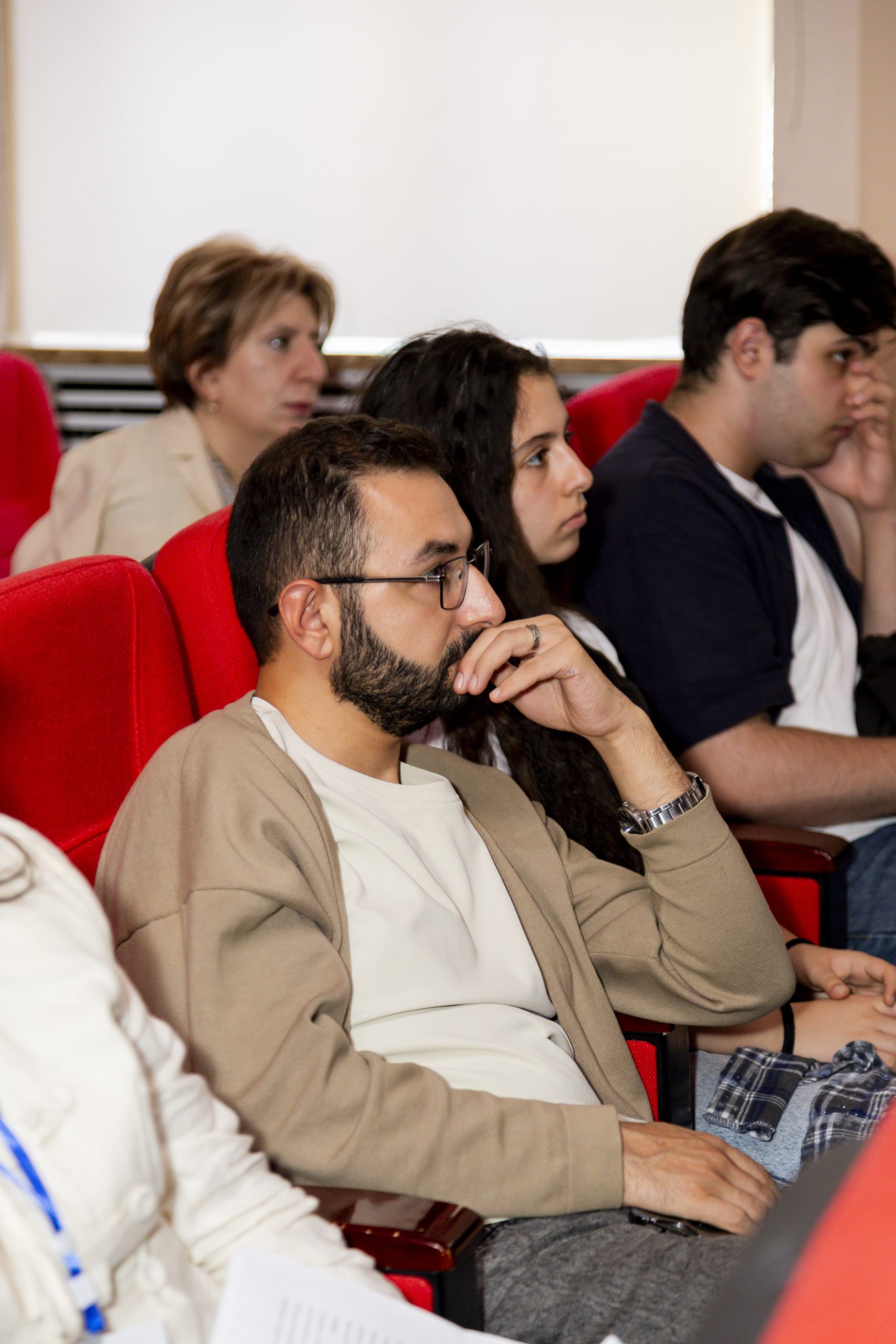
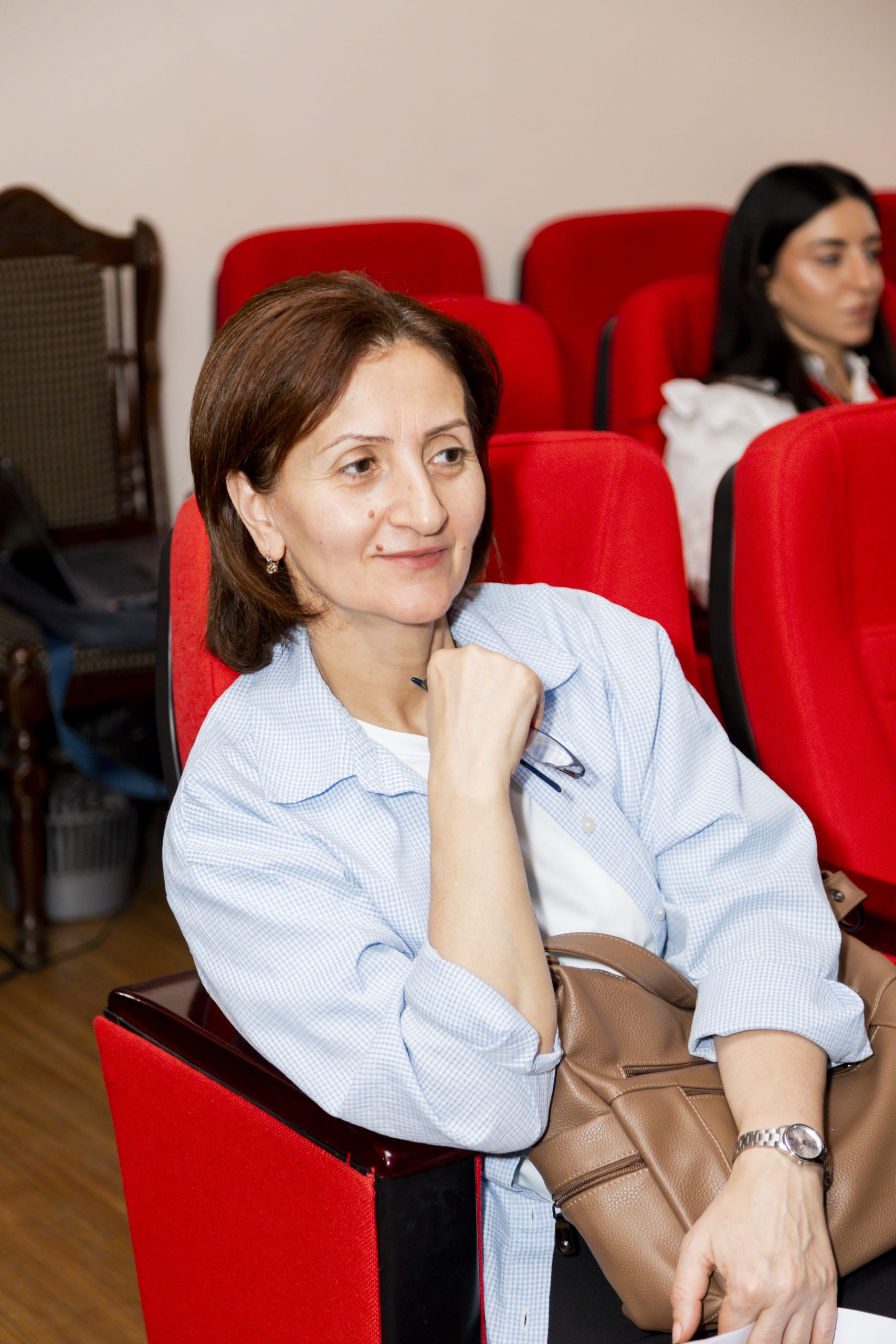
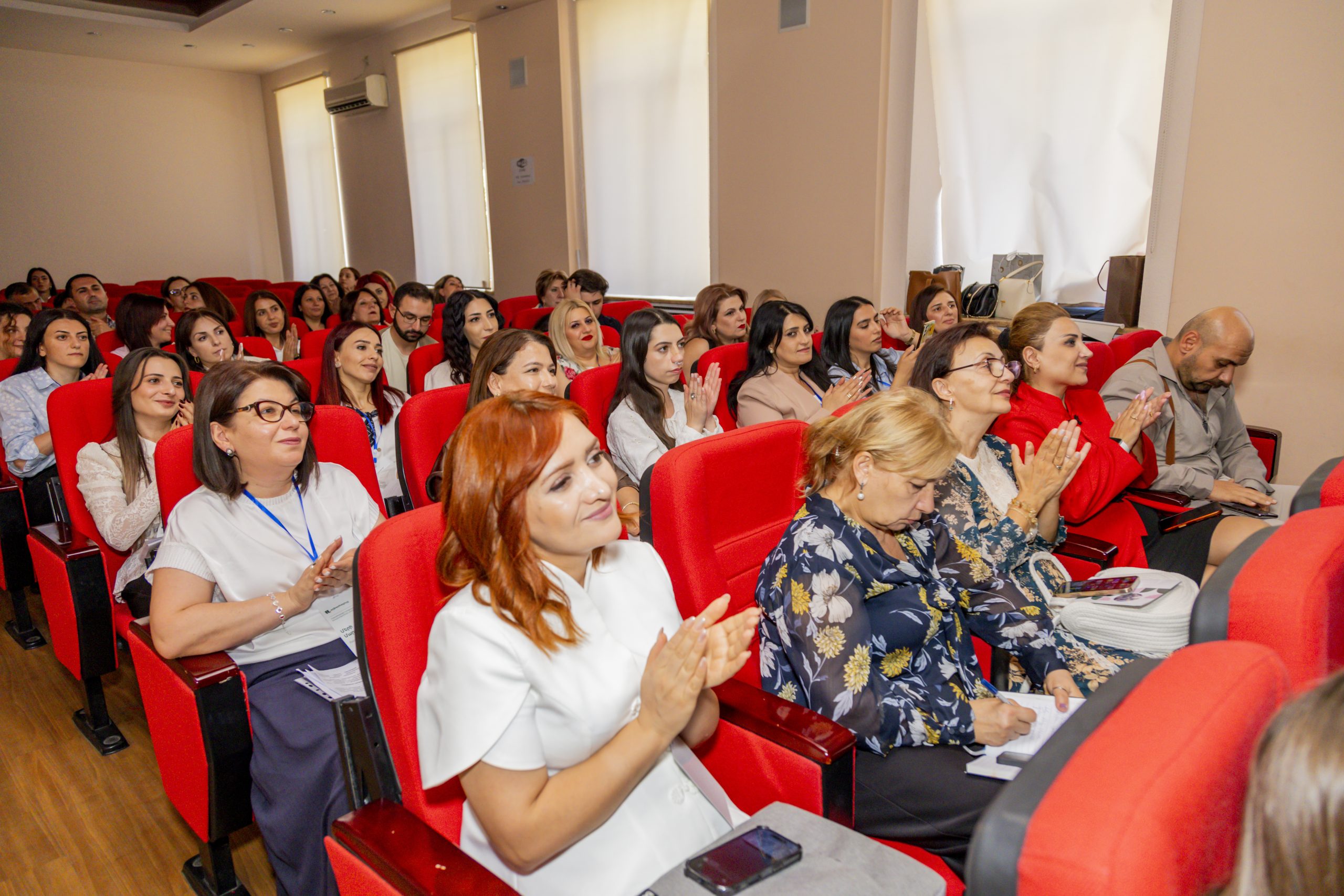
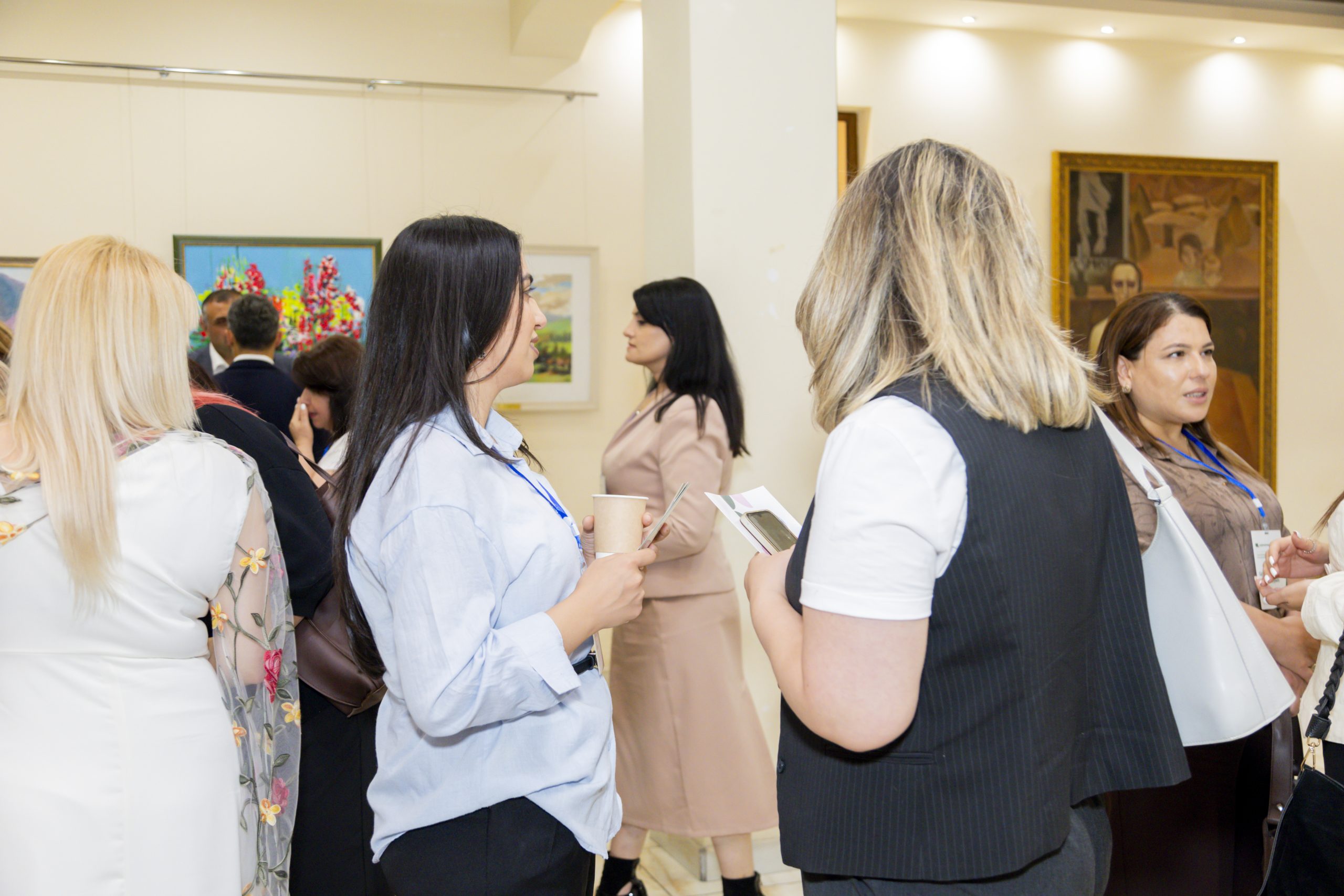
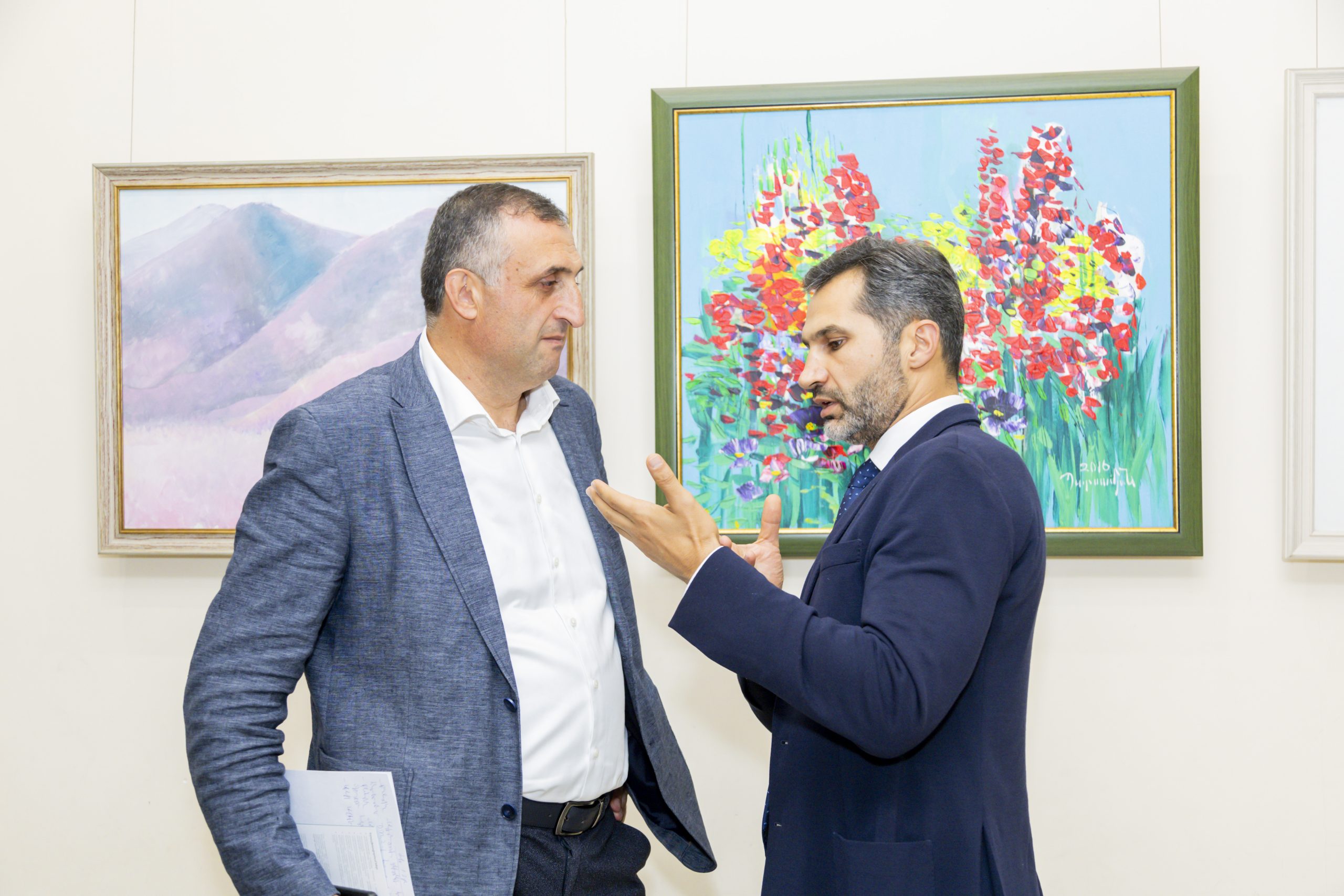
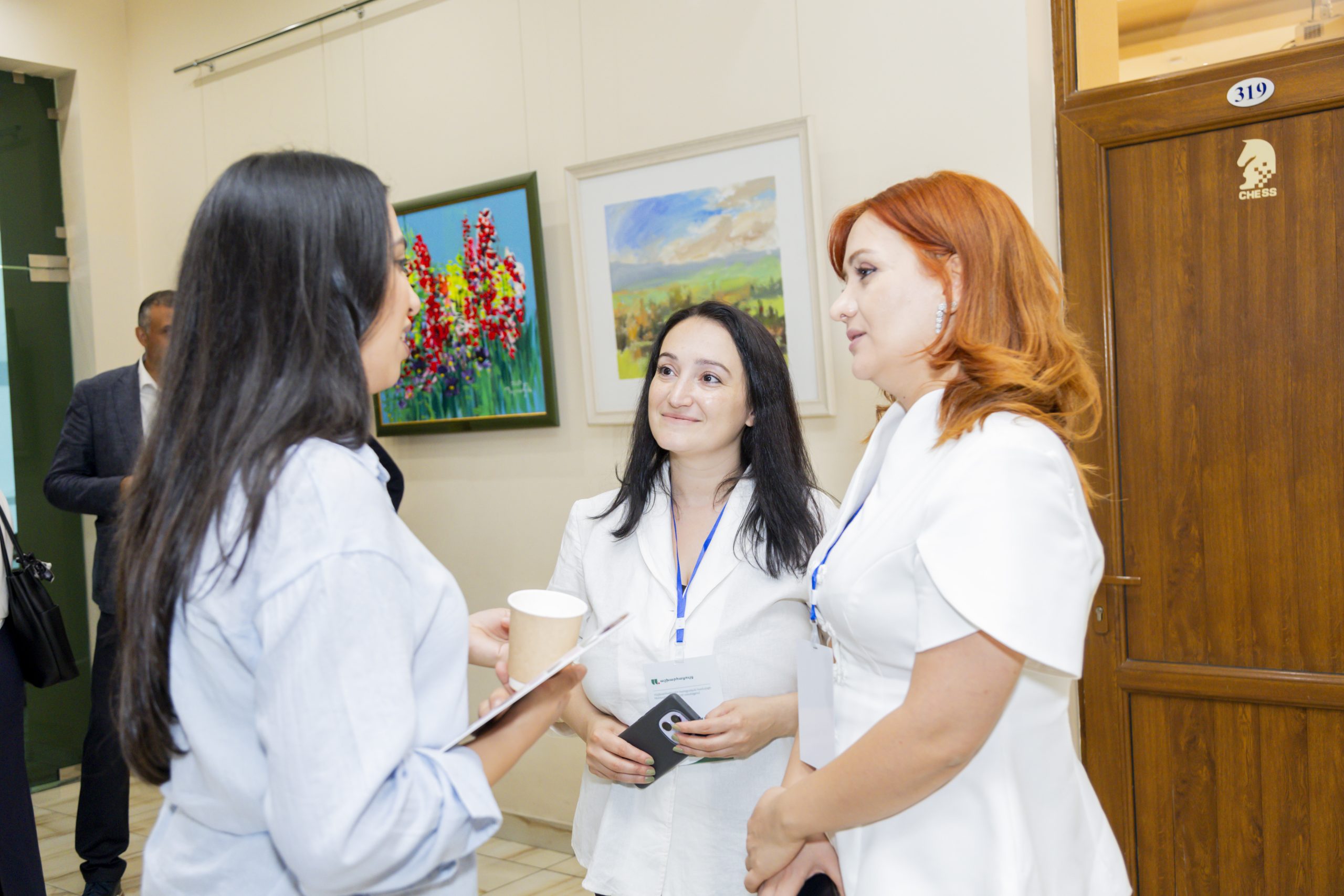
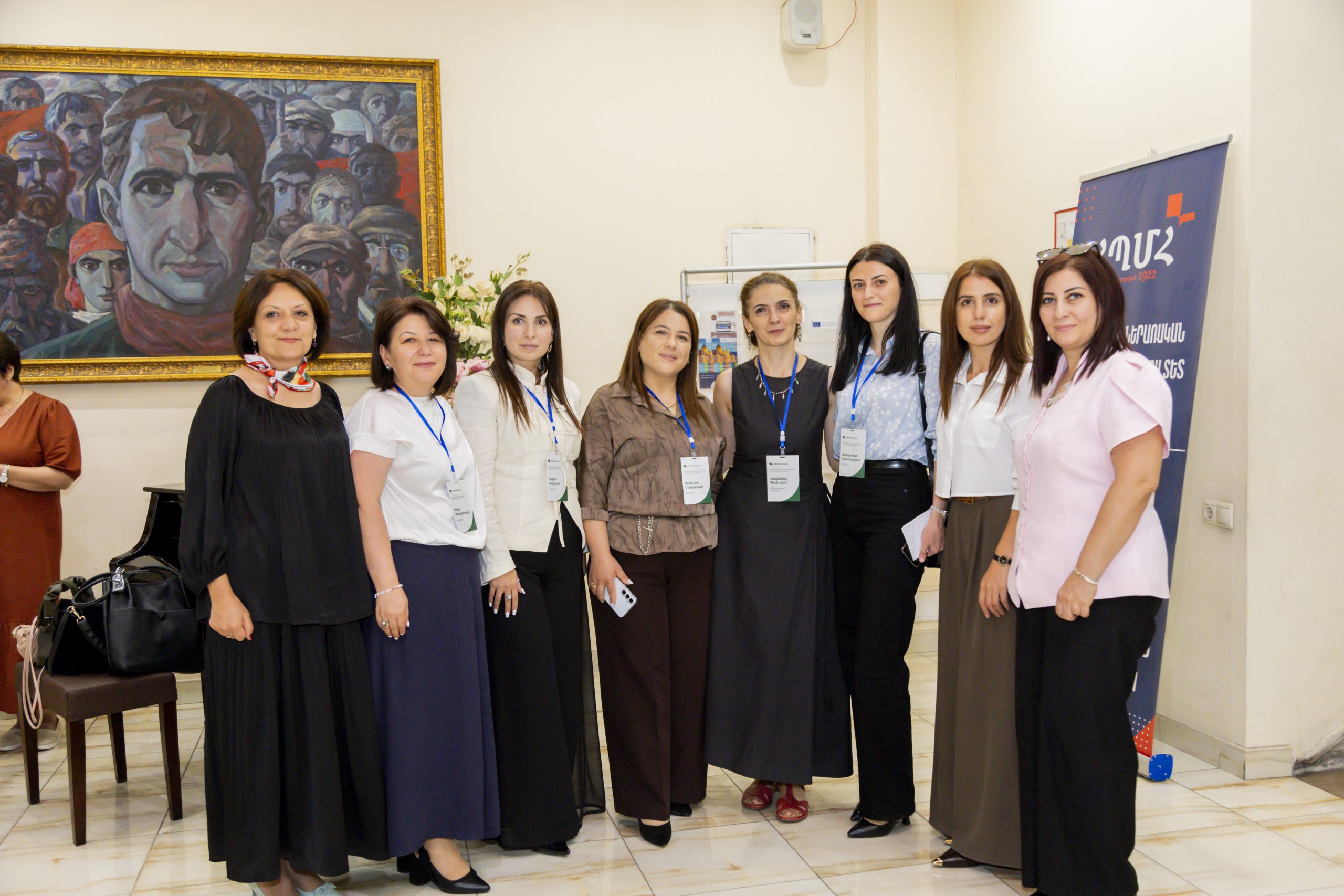
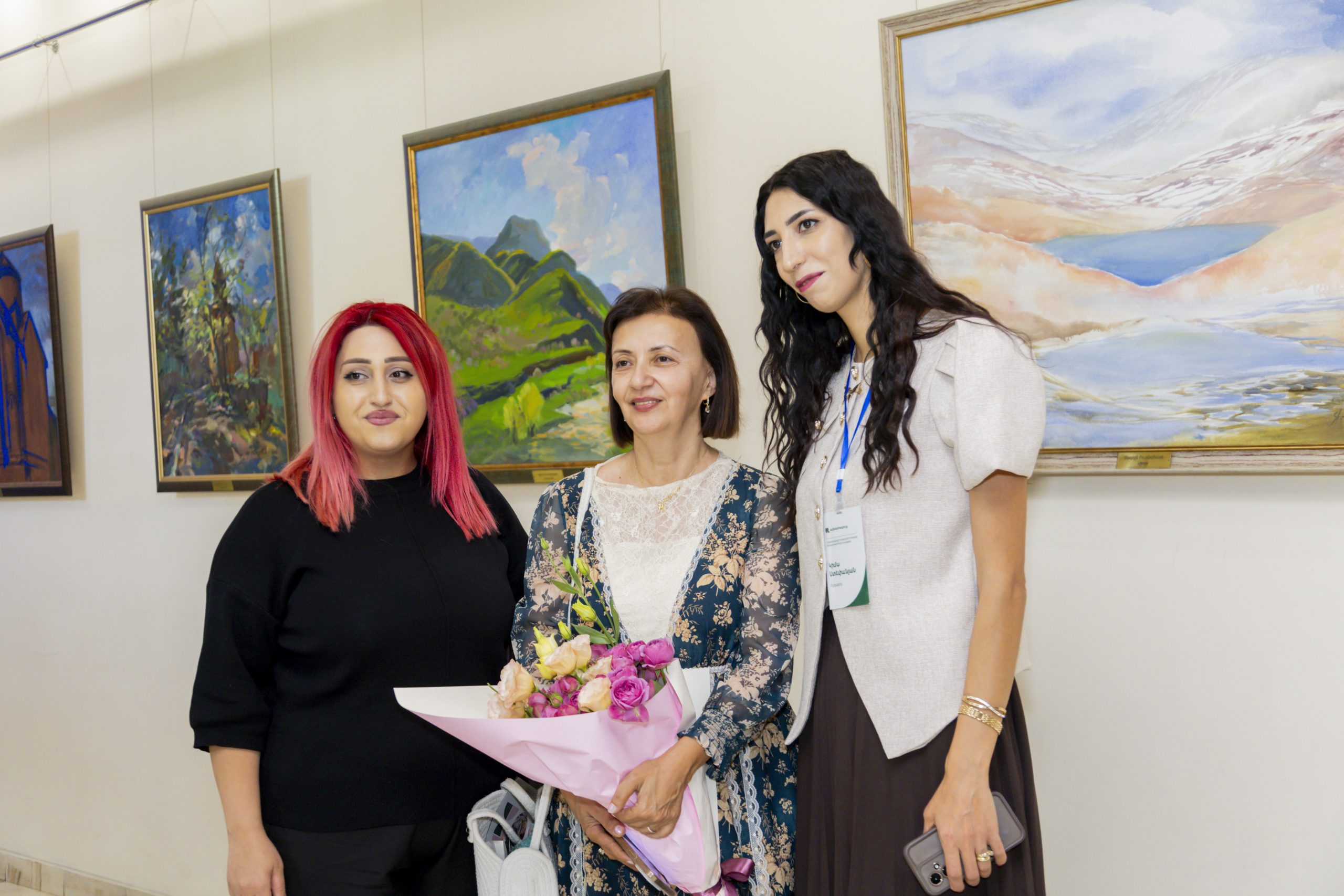
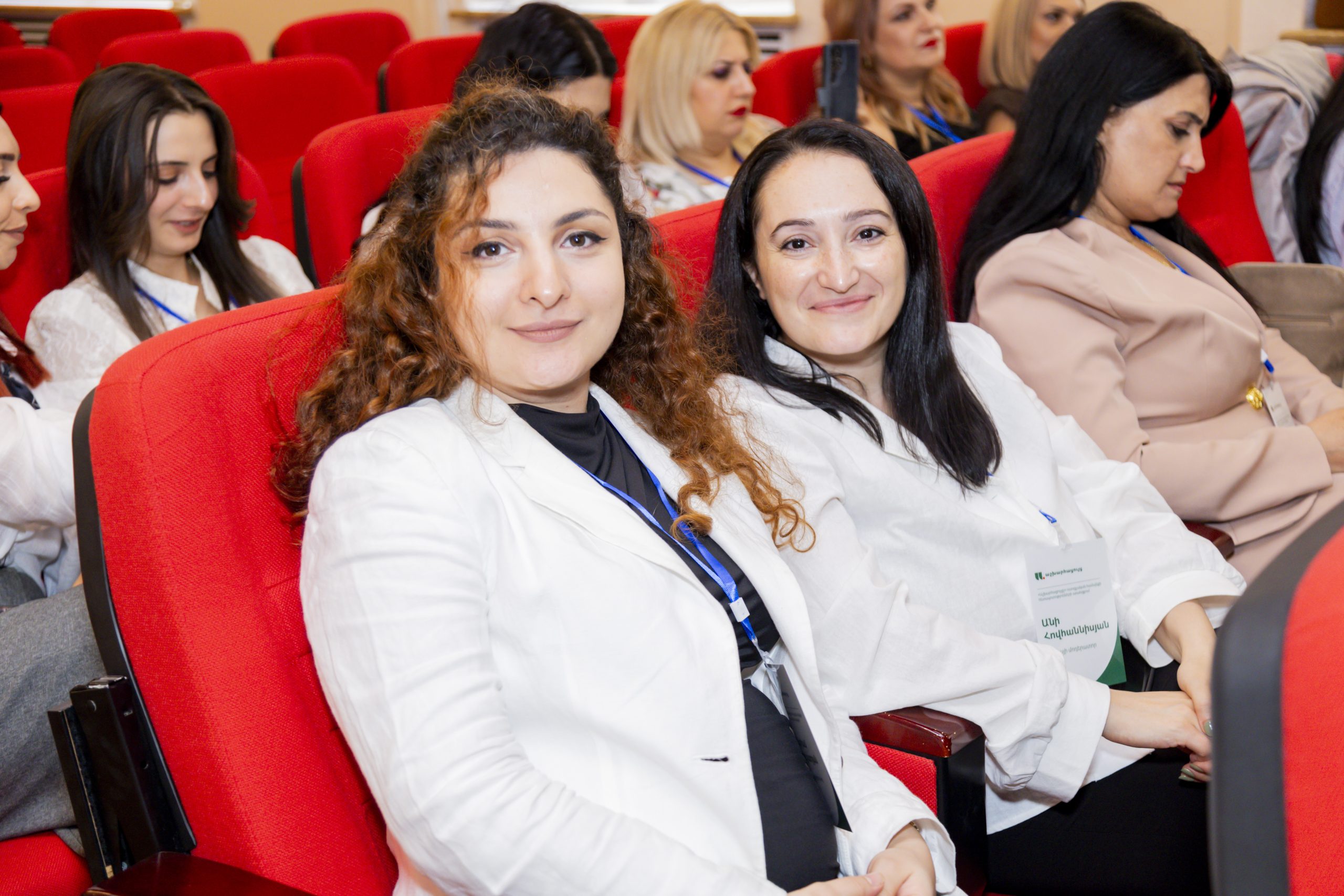
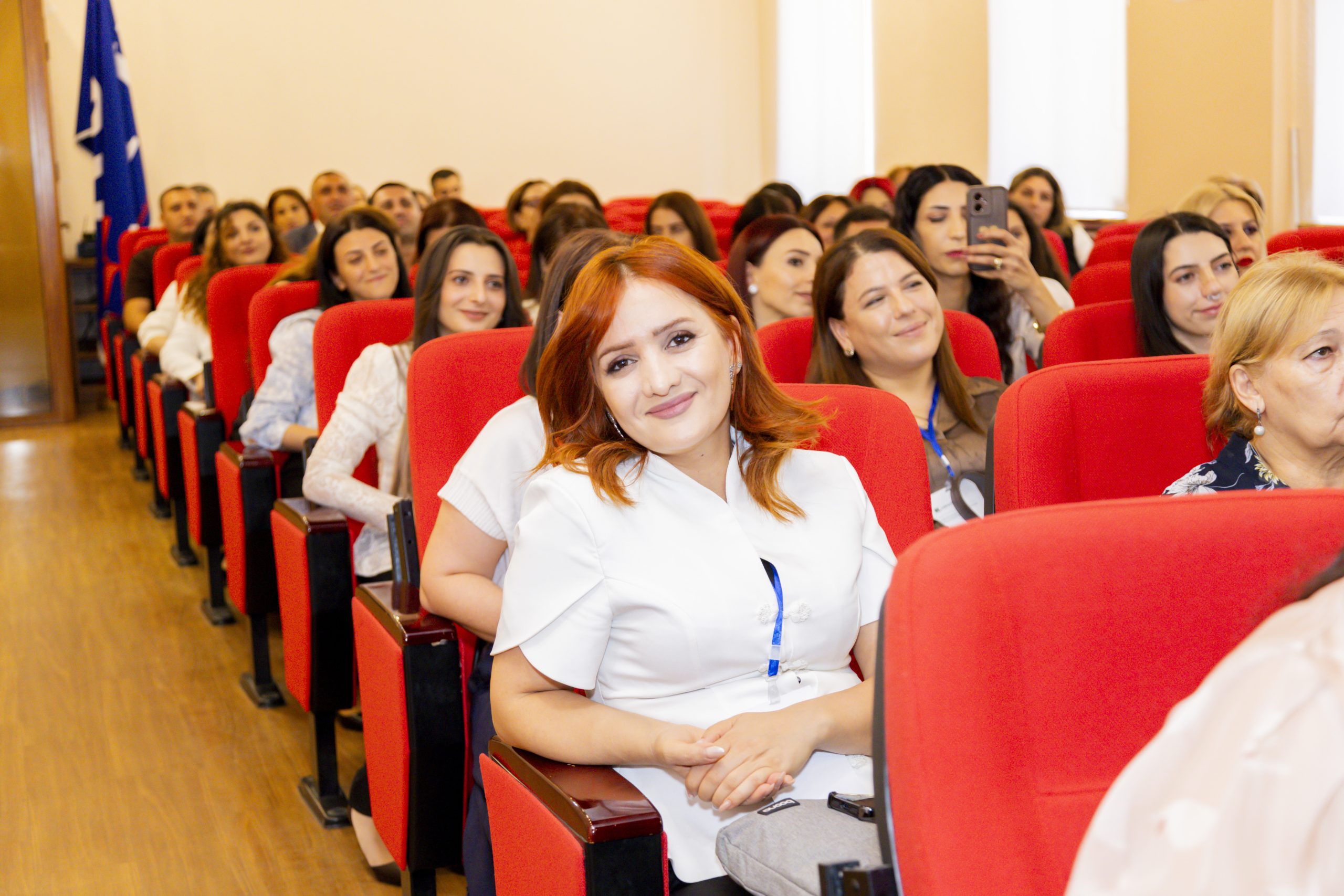
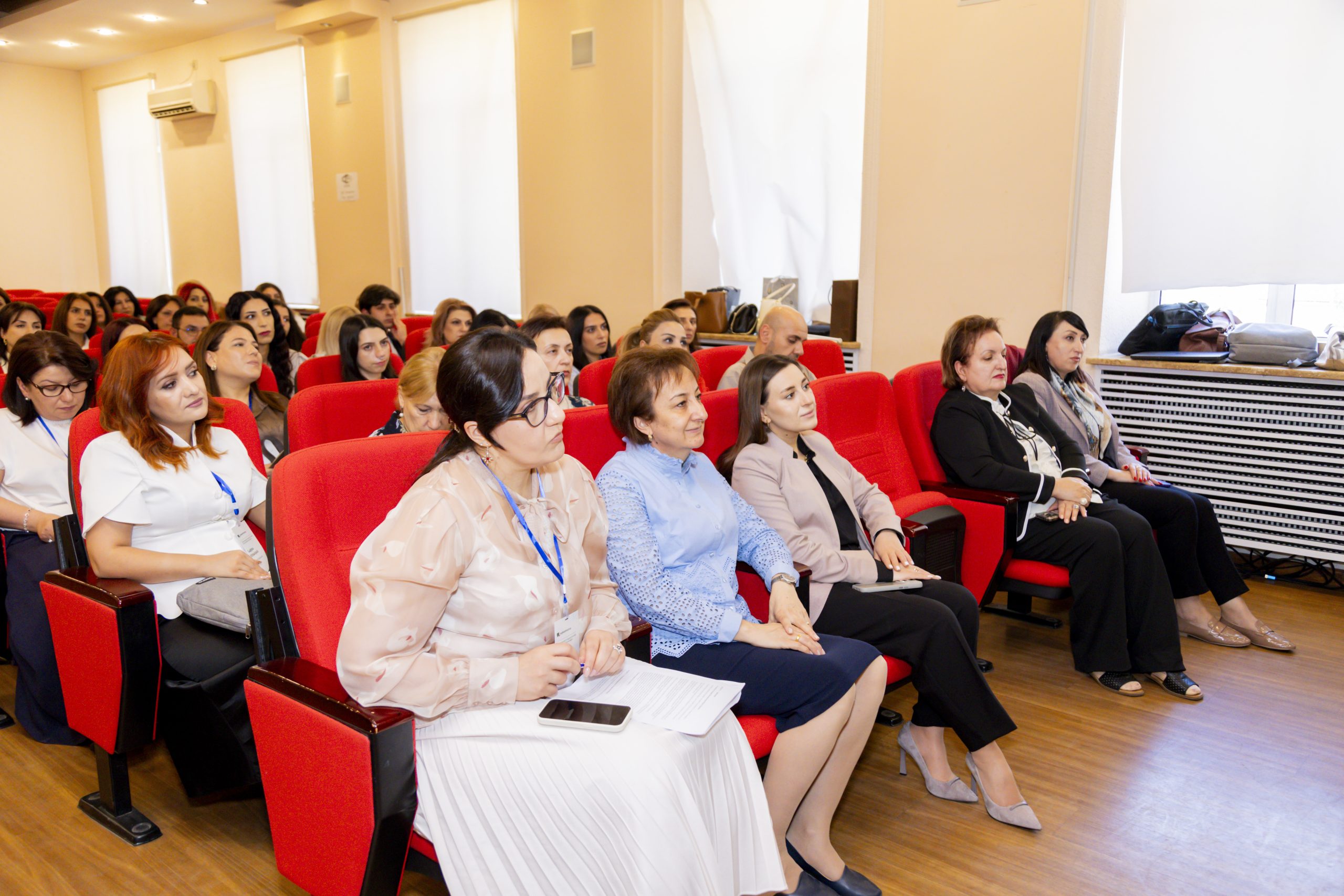
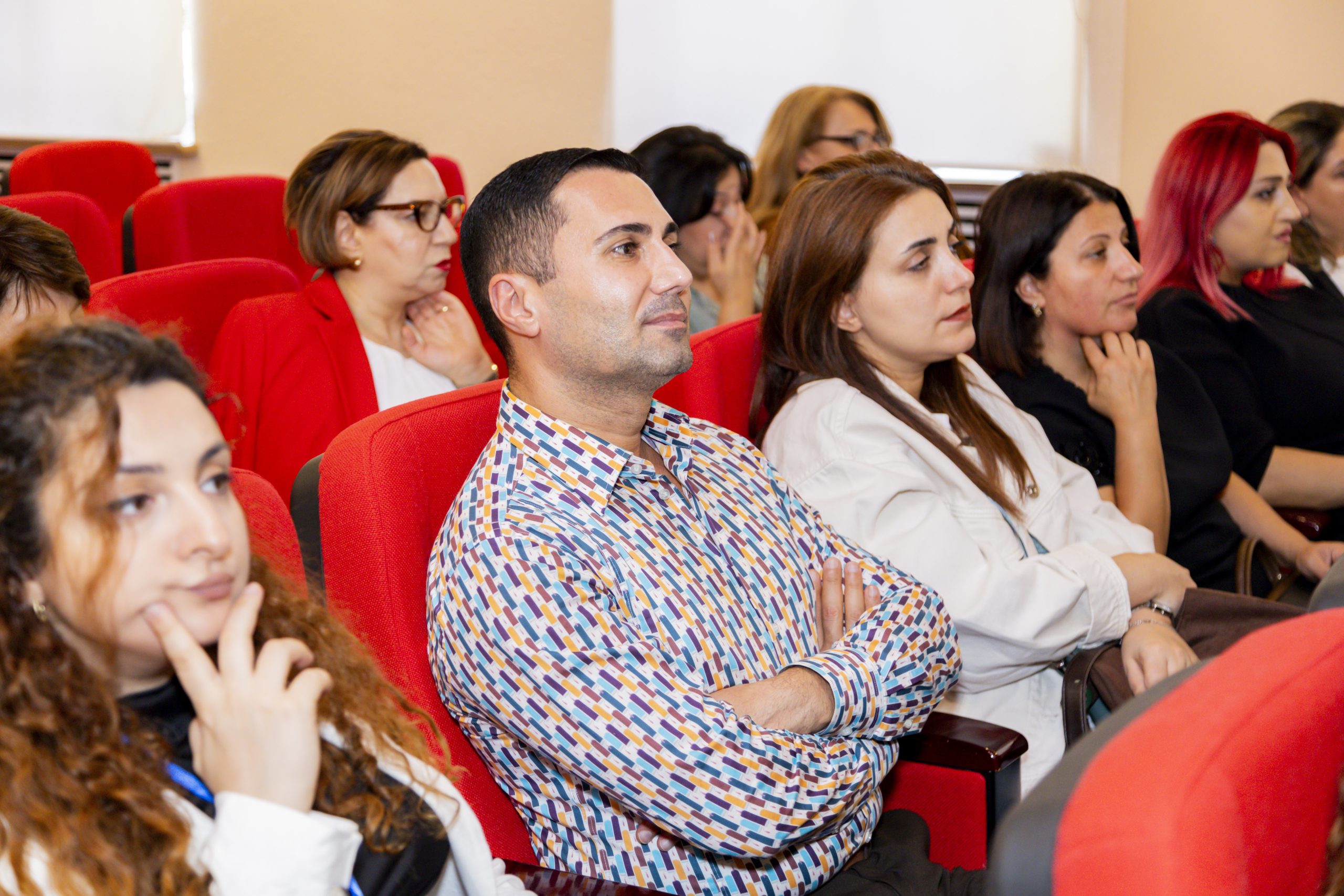
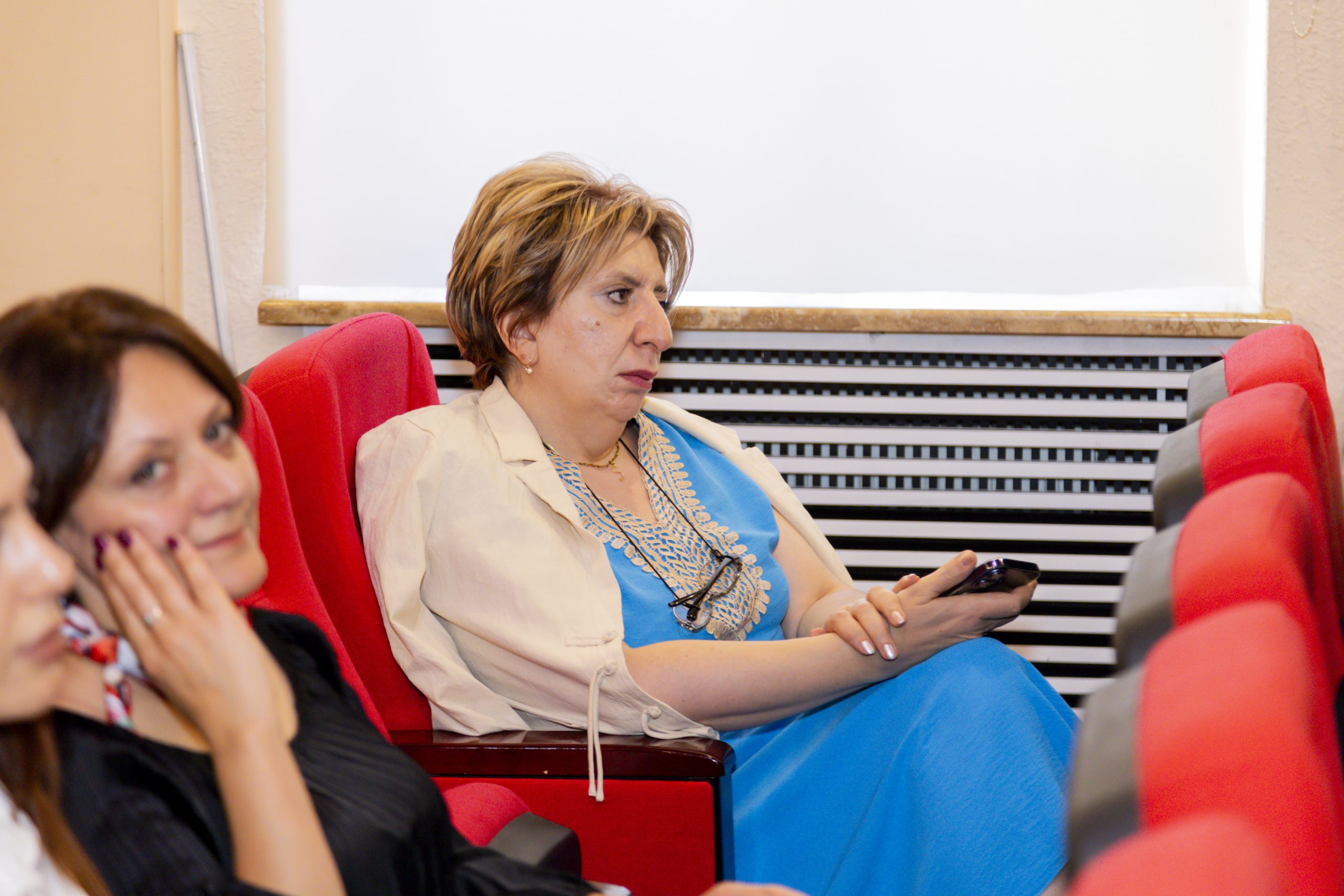
In one space, practicing teachers, future teachers, and university faculty came together around the same questions of teaching and learning.
From Practice to Research
Through WorldView’s three-month training program, teachers develop skills in using new educational methods, digital resources, and teaching tools. The Researcher Teacher track takes that process one step further: from applying a method to examining what actually happens when it is used.
Does student engagement change?
Does the same approach work equally well for different learners?
What changes in achievement, thinking, collaboration, or behavior?
And most importantly, how can those changes be observed, measured, and analysed?
During her overview of the research, Arevik Avetisyan, Head of the WorldView Program, connected this approach with John Dewey’s emphasis on deliberate reflection on experience:
“The teacher begins to replace professional intuition with observation, measurement, and data.”
That shift lies at the heart of the Researcher Teacher track.
From 75 Applicants to 49 Completed Studies and 13 Presenters
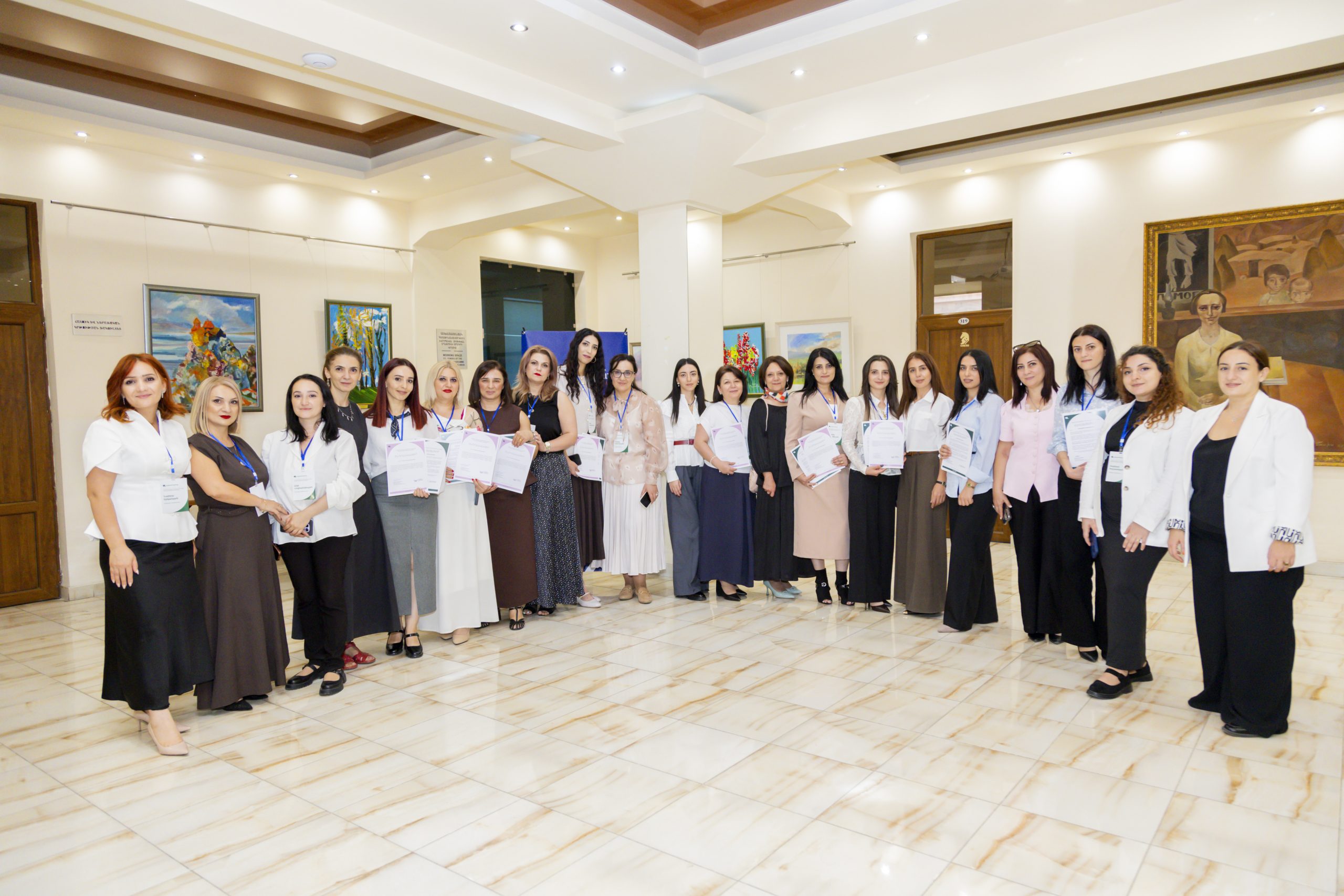
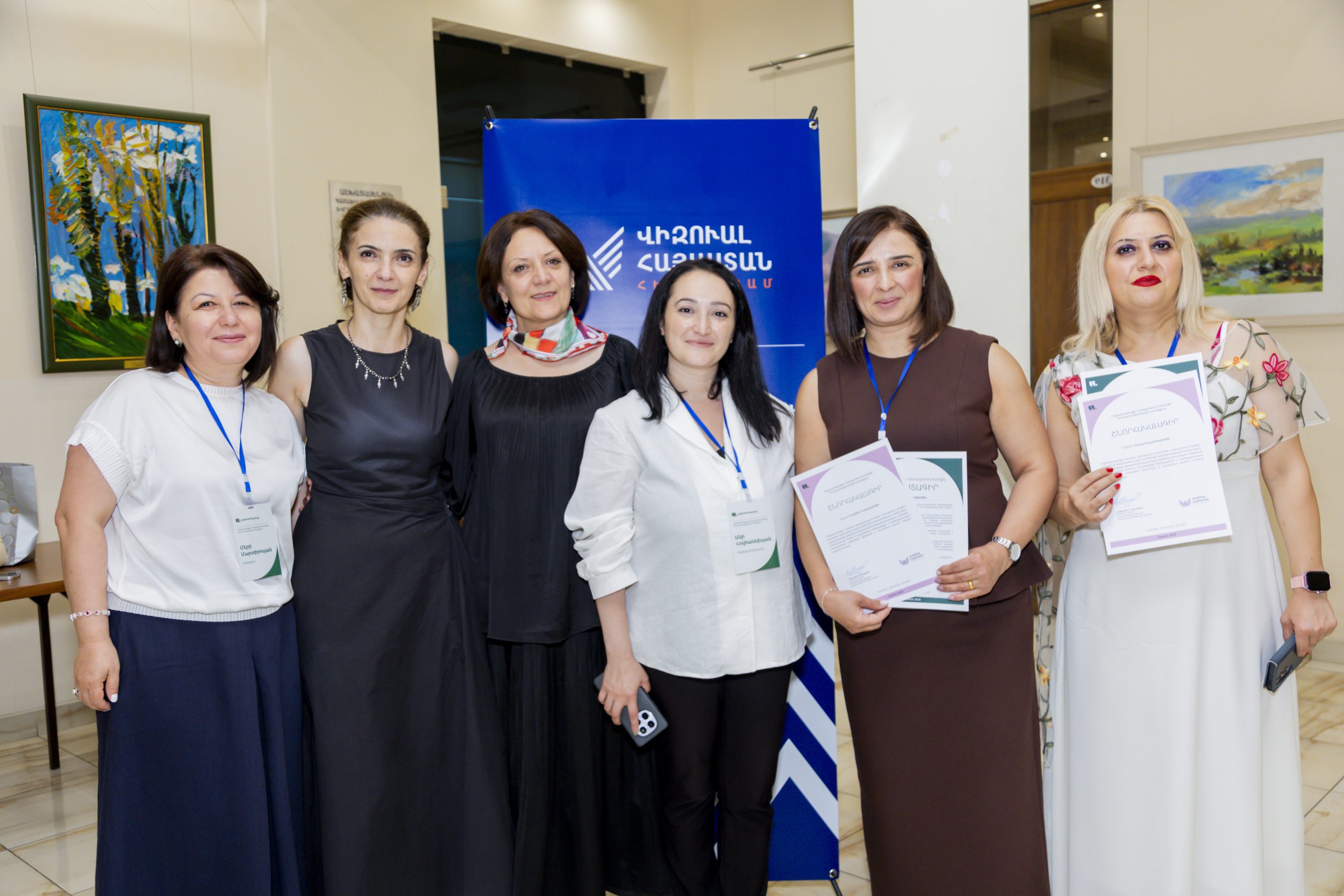
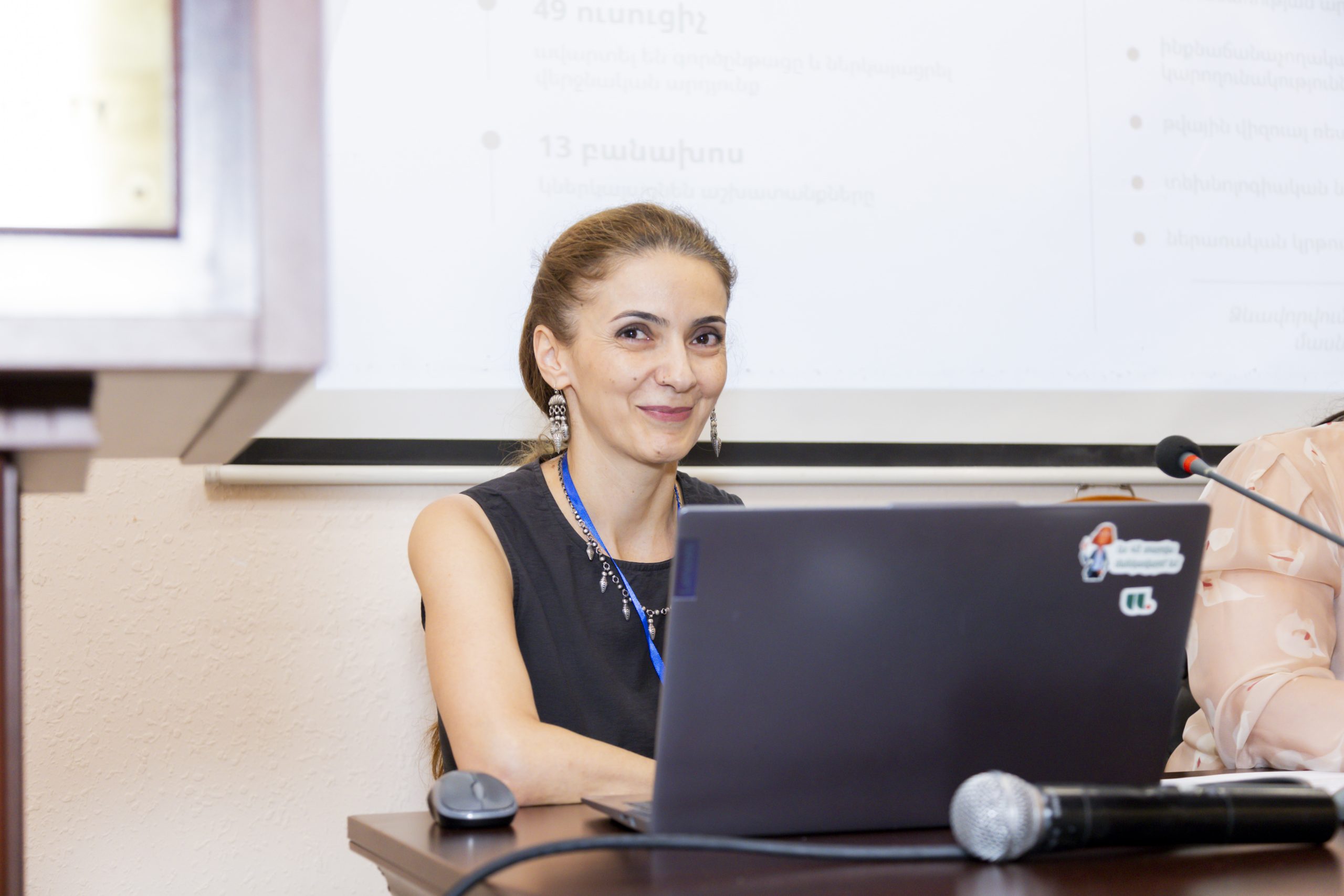
A total of 75 teachers initially applied to participate in the Researcher Teacher track. Of these, 49 completed the full process and submitted final research projects, and 13 were selected to present their work at the workshop.
The numbers tell only part of the story.
What is beginning to emerge is a professional community in which teachers are not only users of methods developed elsewhere. They are increasingly becoming investigators of their own practice and contributors to professional knowledge.
What Were Teachers Researching?
The research addressed a wide range of classroom questions, including student-centered and differentiated learning, learning effectiveness, students’ self-awareness and social competencies, digital visual resources, technology-based projects and educational games, and inclusive education.
The first session focused on WorldView in the context of learning effectiveness and student-centered teaching. Teachers presented research on differentiated learning, the Learning Stations method, student-centered approaches, and work with different groups of learners.
Subsequent sessions explored the use of digital visual resources, technology-based projects and educational games, as well as WorldView’s potential in inclusive and individualized learning.
Some studies also reported measurable changes.
One research project recorded an approximately 30-32% improvement in student performance. Another followed 56 students over three weeks, examining changes in collaboration, independence, and self-assessment. In one study focused on inclusive education, a learner’s sustained attention increased from 7 to 17 minutes, while overall engagement increased by approximately 25%.
These are findings from individual classroom studies and cannot be generalized to the education system as a whole.
But their significance lies elsewhere.
Teachers are beginning to describe what happens in their classrooms not only through impressions, but through observation, evidence, and data.
Research Also Means Asking Harder Questions
An equally important part of the Researcher Teacher track was the critical review of the studies themselves.
Reviewers identified recurring areas for further development. Some studies lacked control groups; others relied on small samples or relatively short observation periods. In several cases, clearer indicators were needed to assess complex competencies such as self-awareness or collaboration. Questions also emerged around data analysis, academic formulation, and the reproducibility of findings.
These limitations are not being treated simply as shortcomings.
They provide a roadmap for the next stage of the program.
The next step is to help teachers formulate sharper research questions, select more meaningful and measurable indicators, use comparative approaches where appropriate, analyse data more systematically, and, perhaps most importantly, distinguish clearly between what has been observed and what the evidence actually allows them to conclude.
That distinction is fundamental to research.
From School to University and Back Again
One of the most important choices behind the workshop was to bring teacher-led research into the Pedagogical University itself.
In this setting, the school–university connection became tangible.
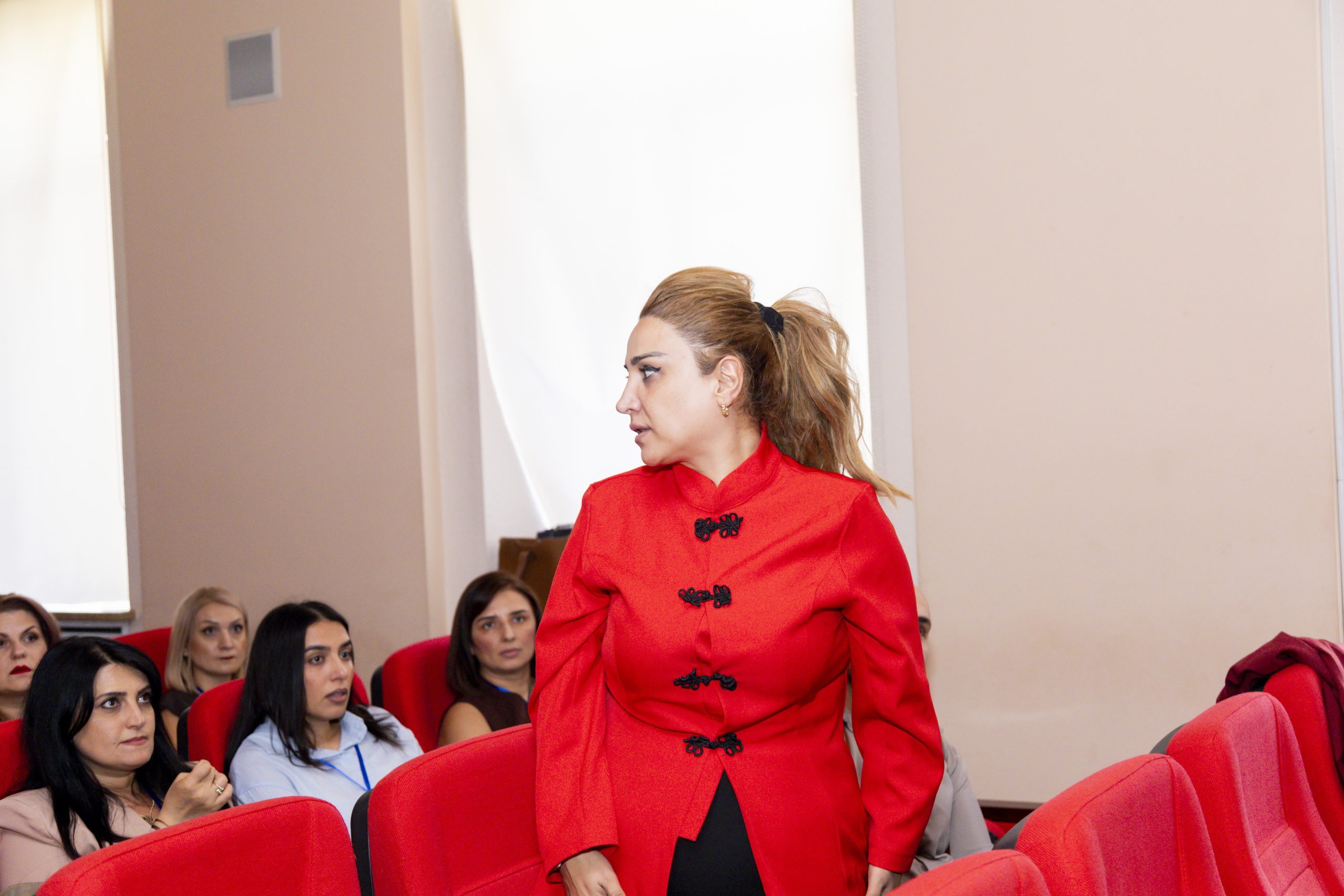
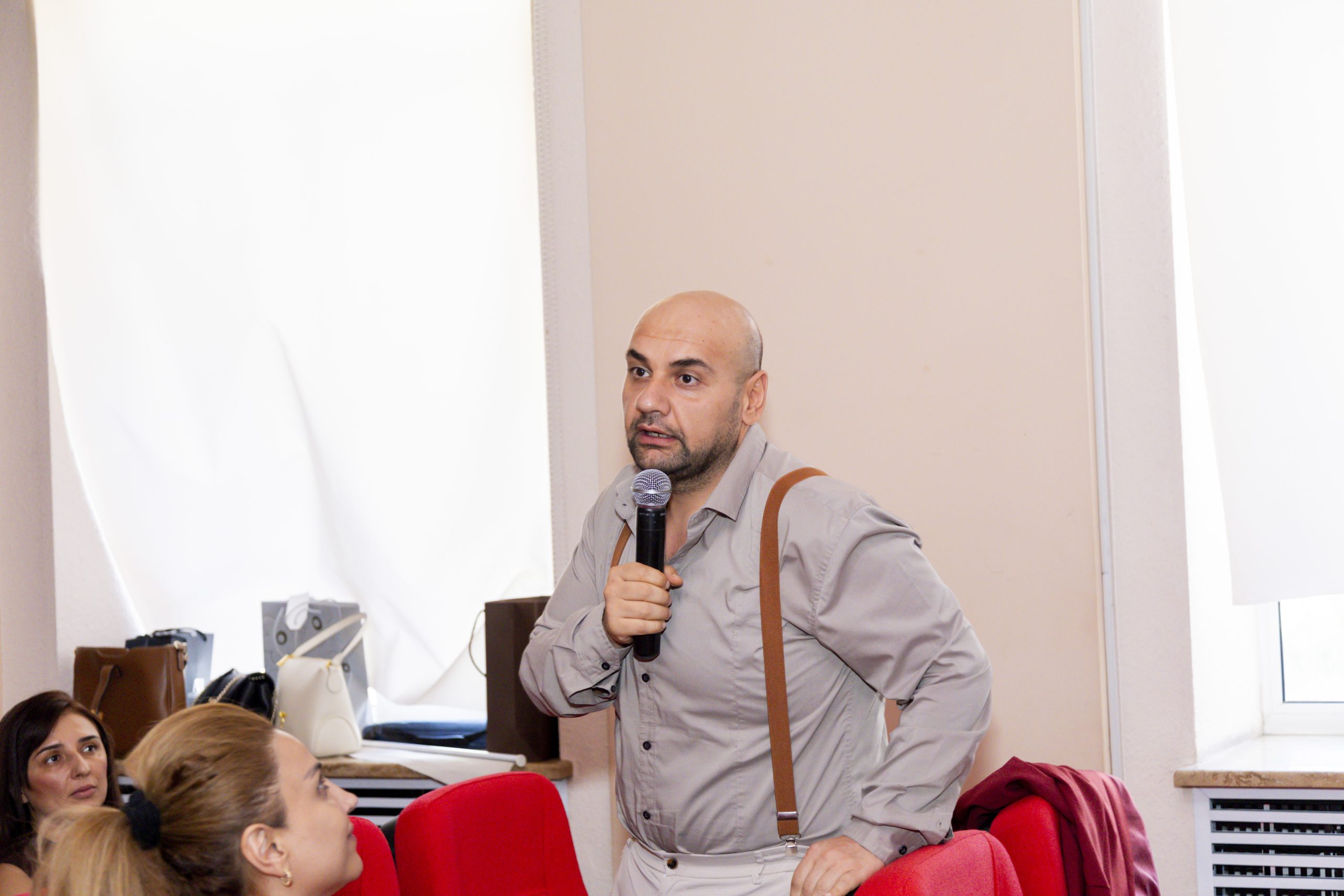
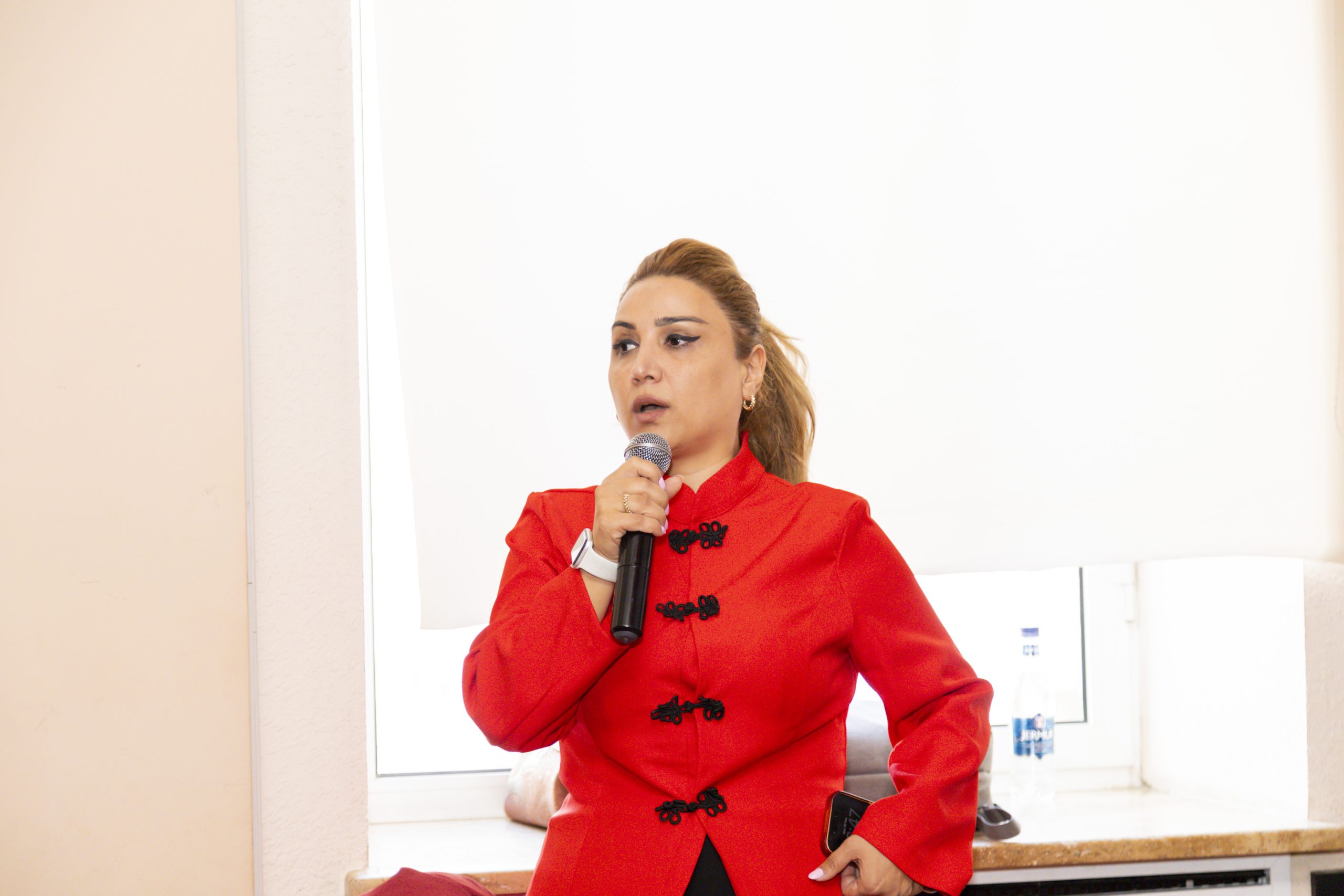
Questions born in classrooms entered university-level professional discussion. Teachers had an opportunity to present their research to a wider professional audience, discuss their findings, and receive feedback. At the same time, university faculty and future teachers were exposed to questions emerging directly from real teaching practice.
The logic is simple:
Schools bring universities real questions, real challenges, and real classroom experience. Universities return methodology, professional feedback, and new knowledge to schools.
This is the kind of exchange through which the boundary between academic knowledge and classroom practice can gradually become more permeable.
The workshop therefore served two purposes at once: it marked the completion of the current Researcher Teacher cycle while also opening a new stage in the professional relationship between schools, practicing teachers, future teachers, and the university.
When “I Used It” Becomes “I Investigated It”
Perhaps the most important outcome of the Researcher Teacher track is not a conclusion about the effectiveness of any single method, platform feature, or digital tool.
It is a change in professional culture.
A culture in which a teacher can move beyond saying:
“I used this method, and it worked well.”
and instead say:
“I formulated a question. I tested an approach. I collected evidence. I analysed what happened. Now I can explain what I know, what I still do not know, and what I need to investigate next.”
That is where the teacher-researcher begins.
And perhaps that is also where a more research-informed school begins.