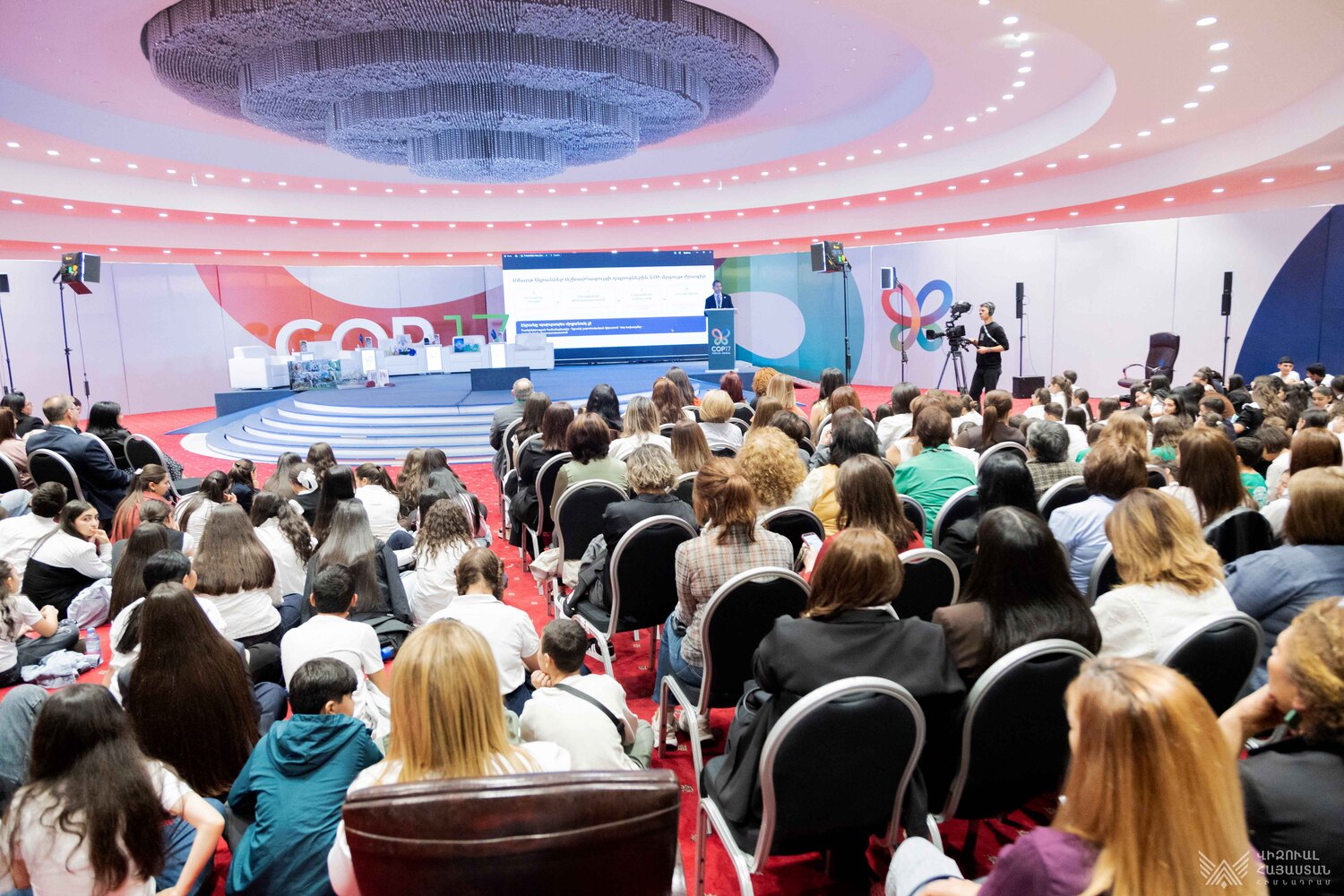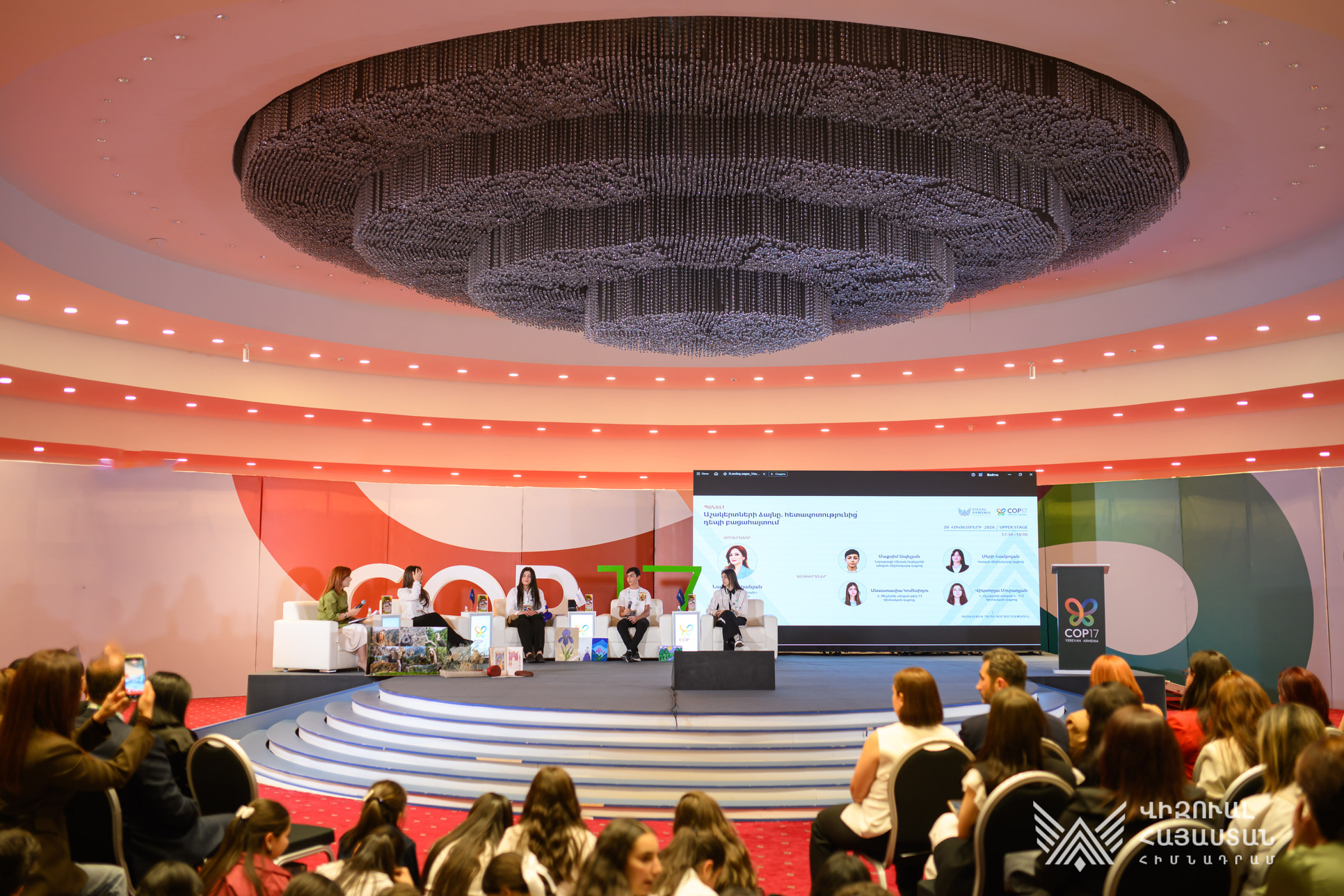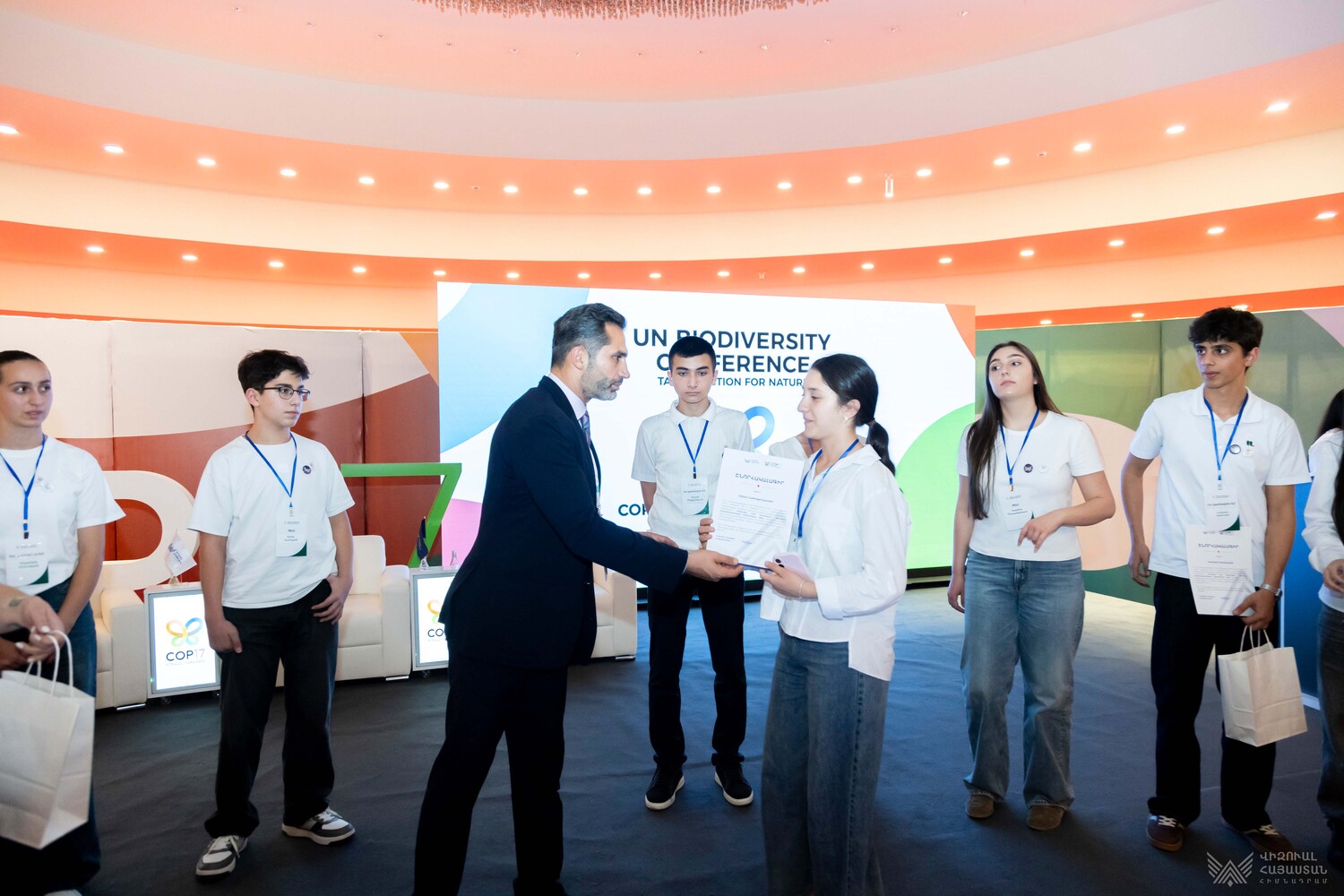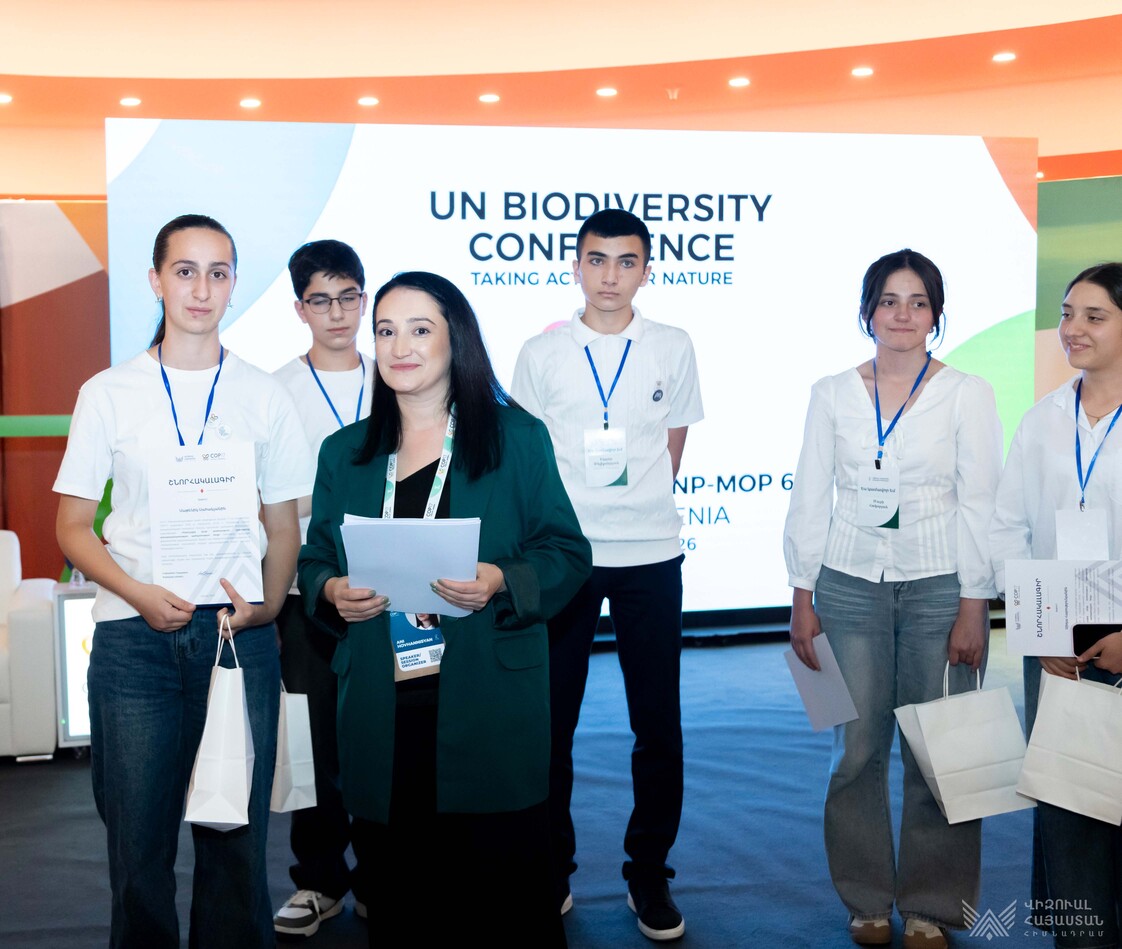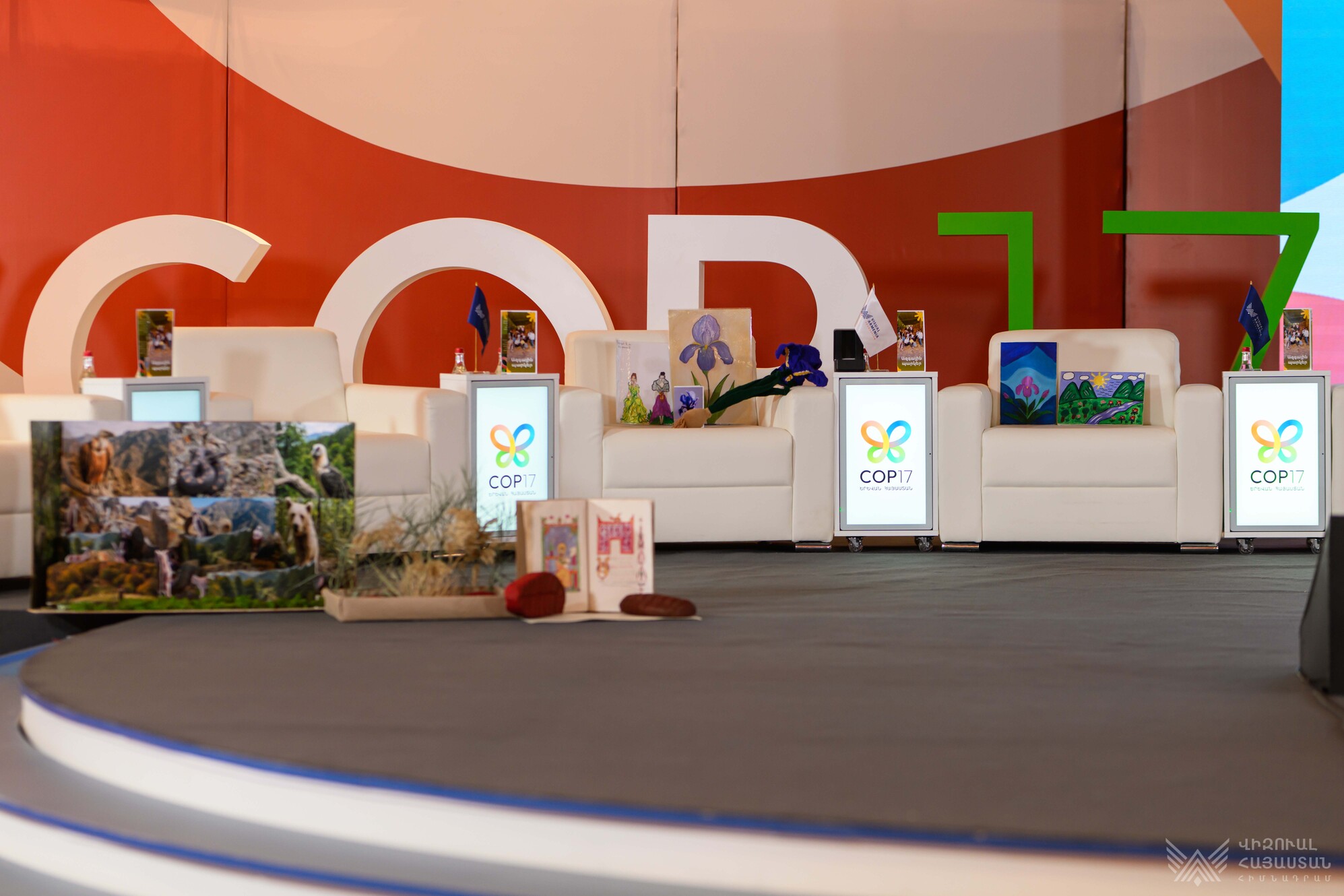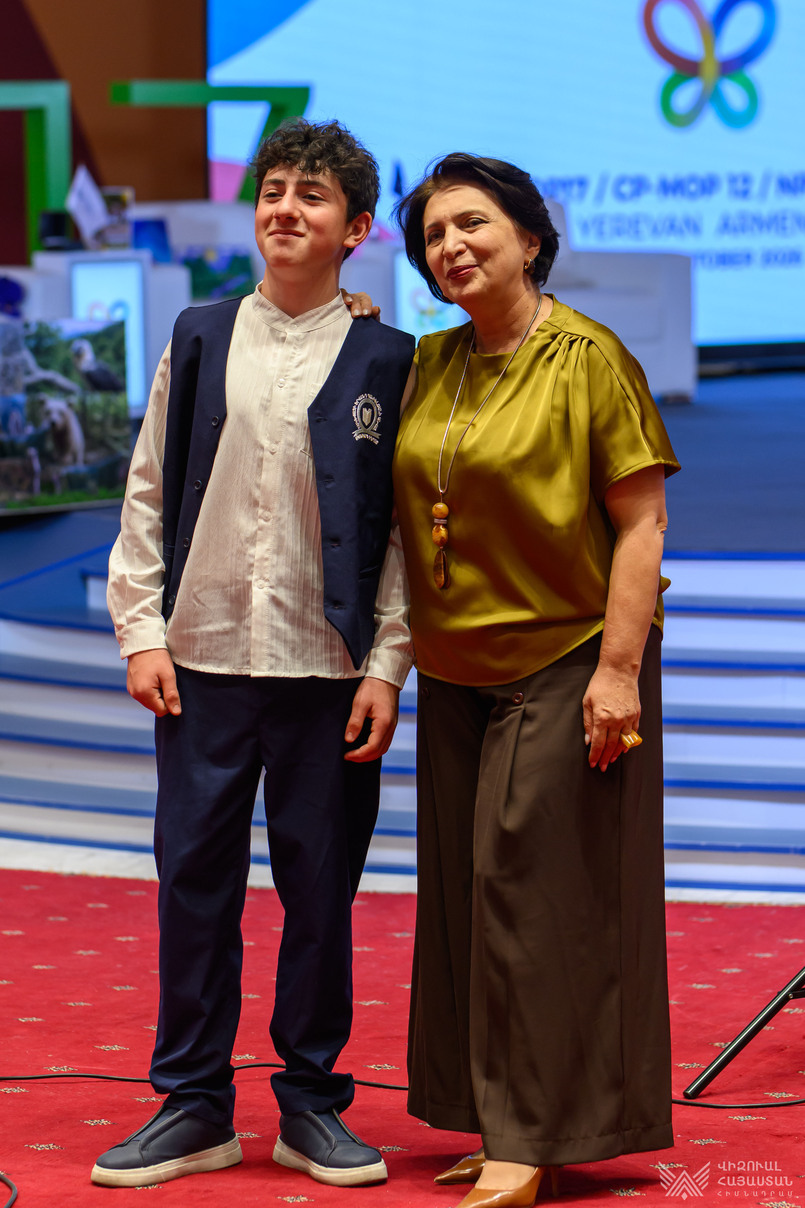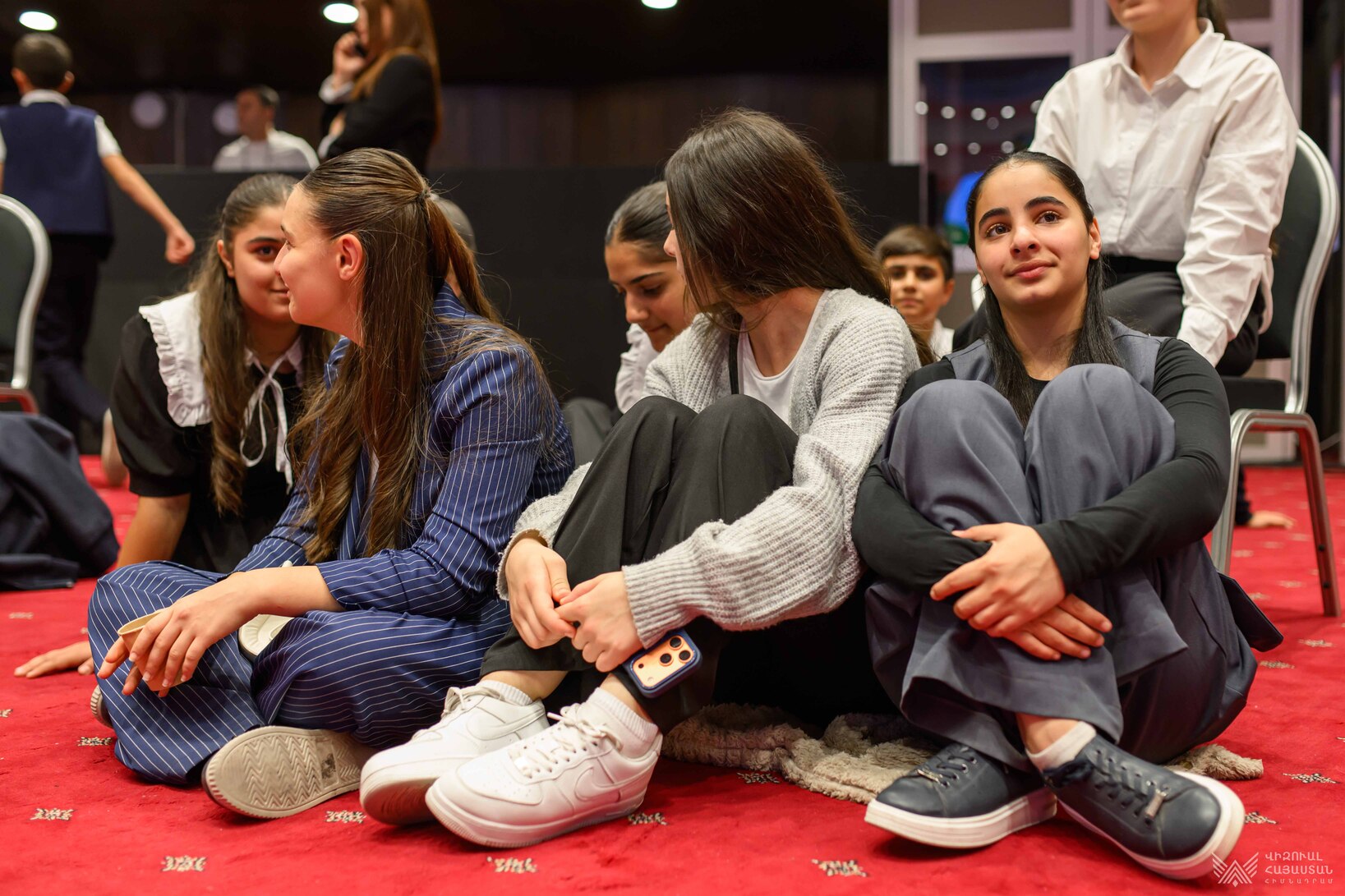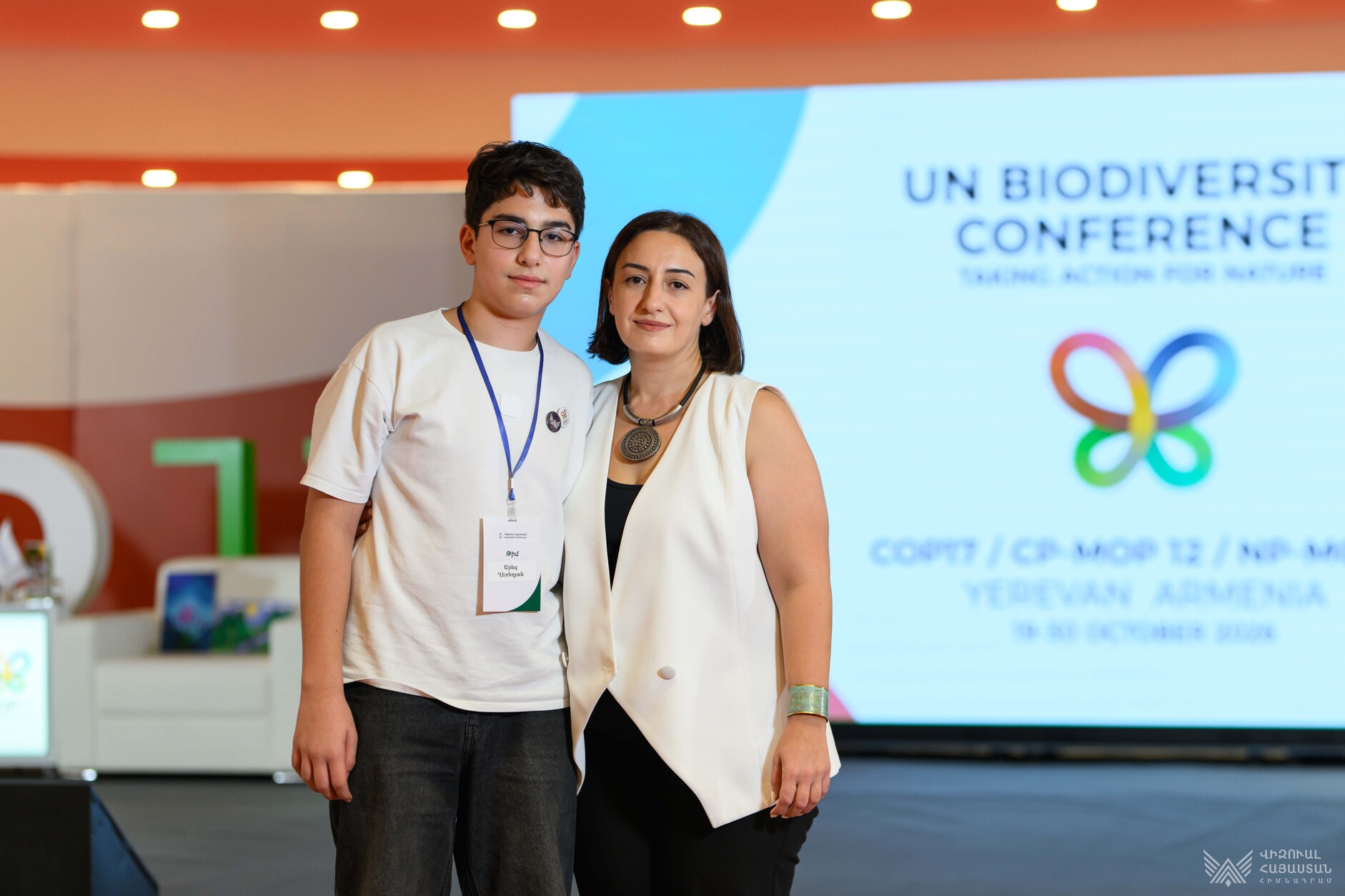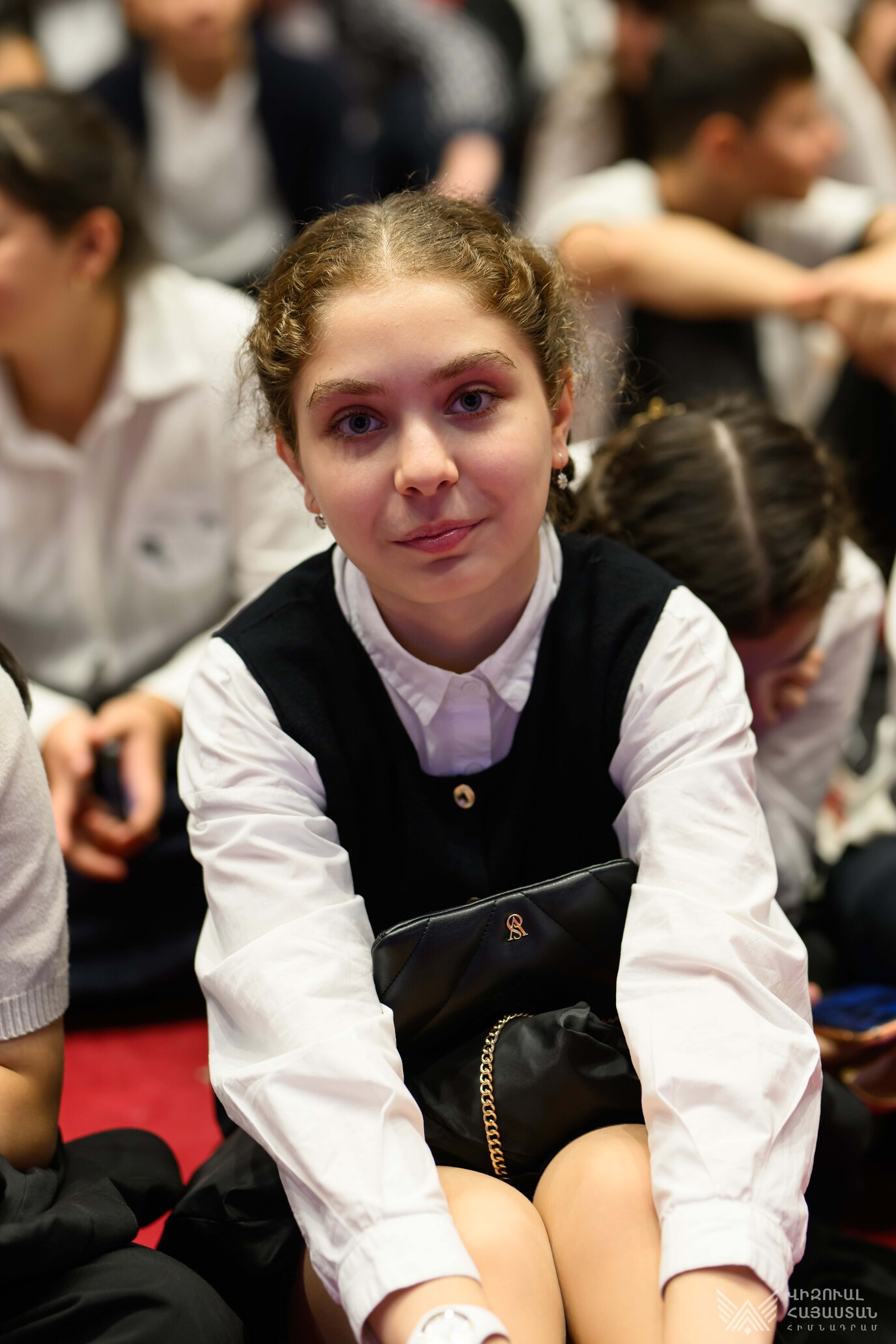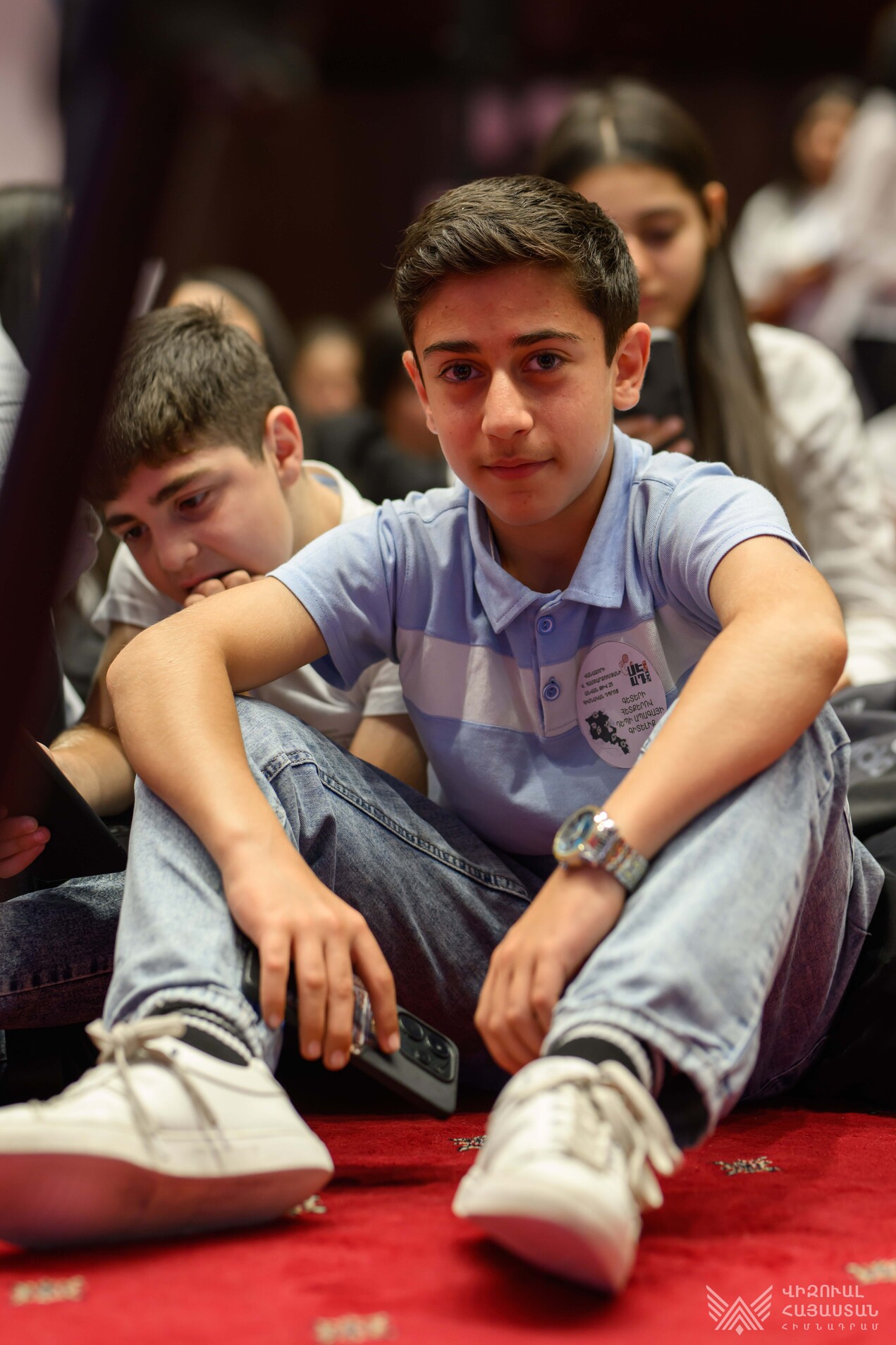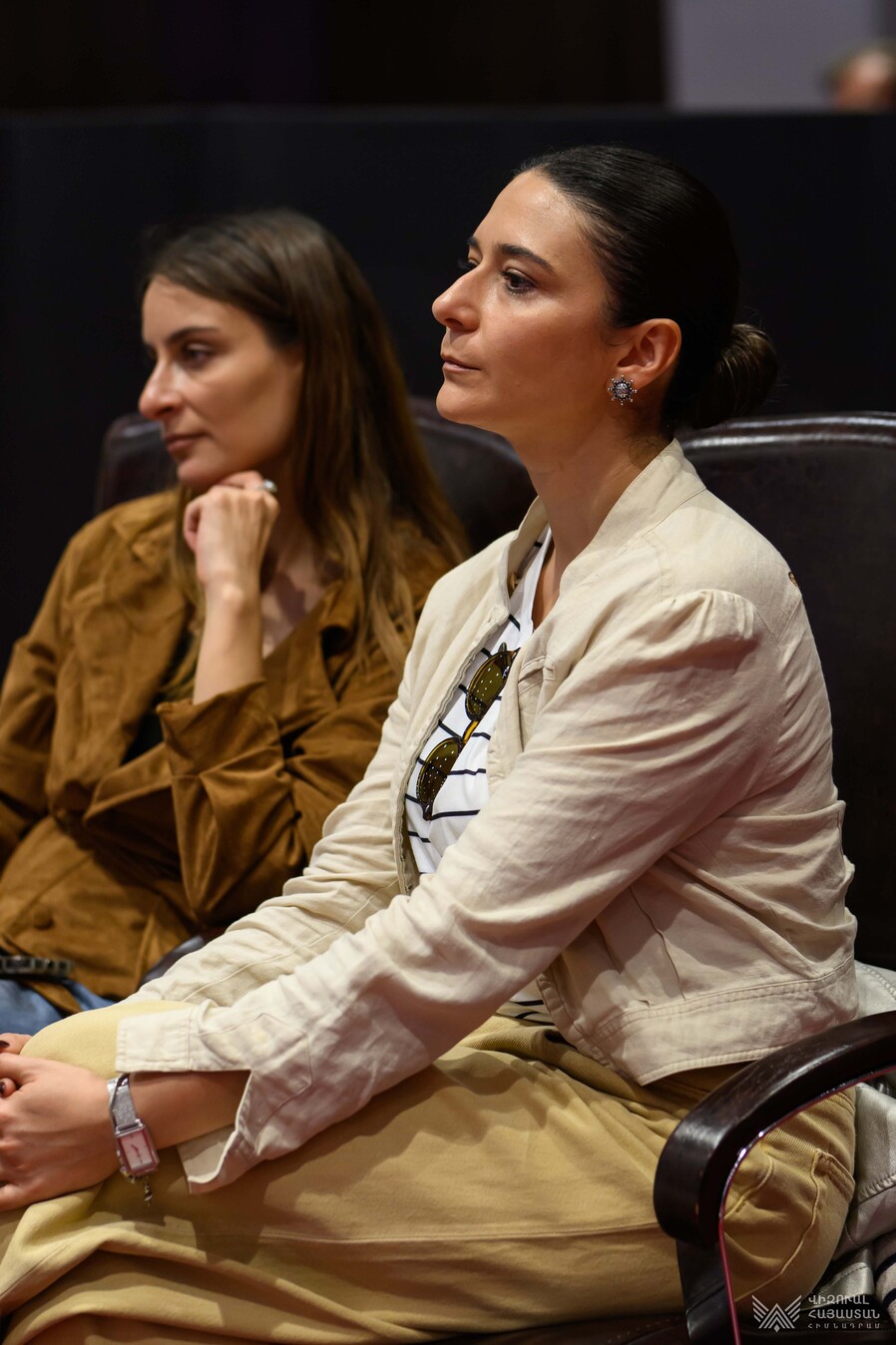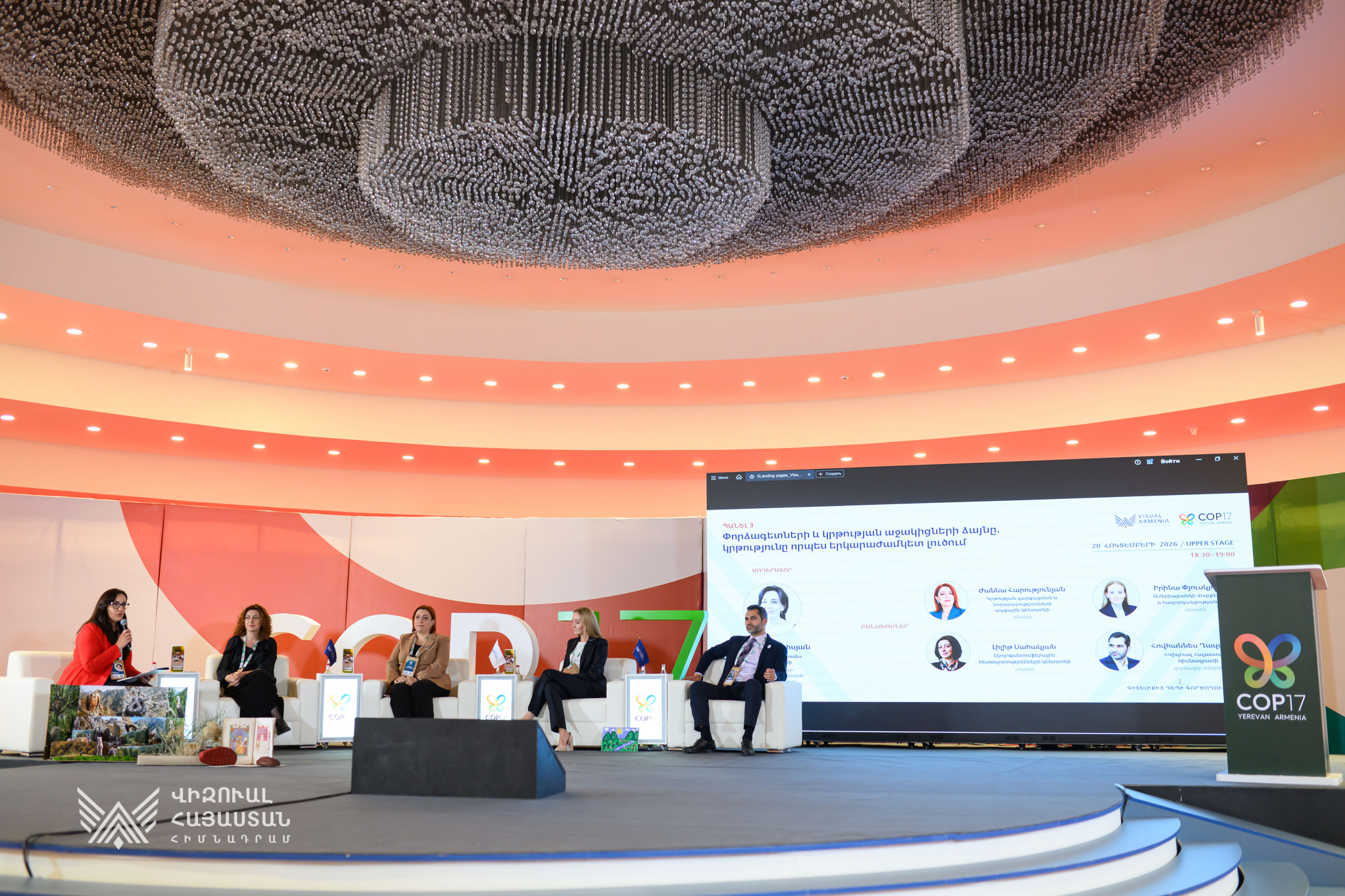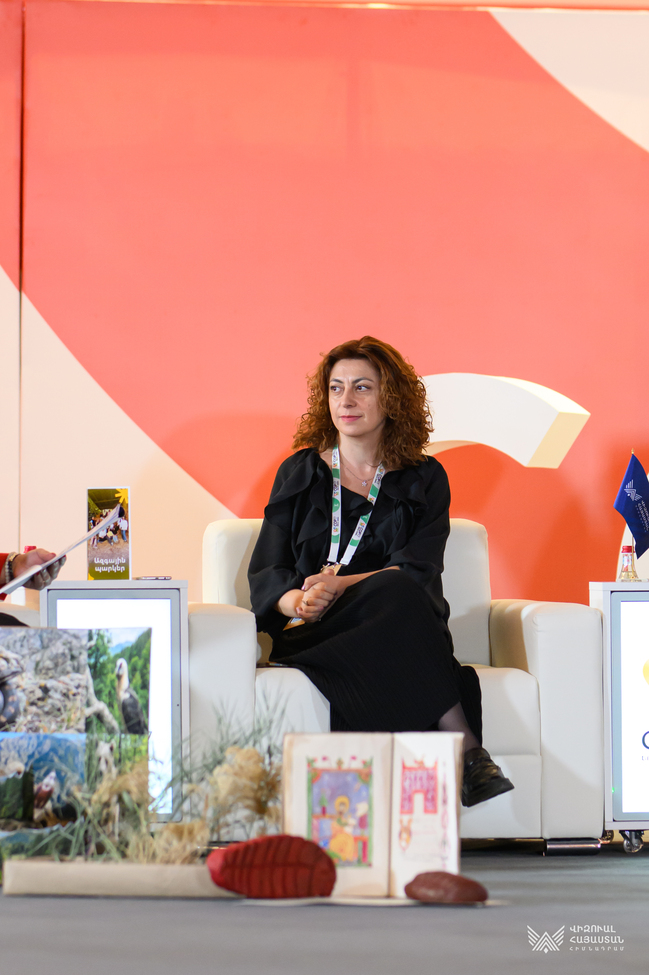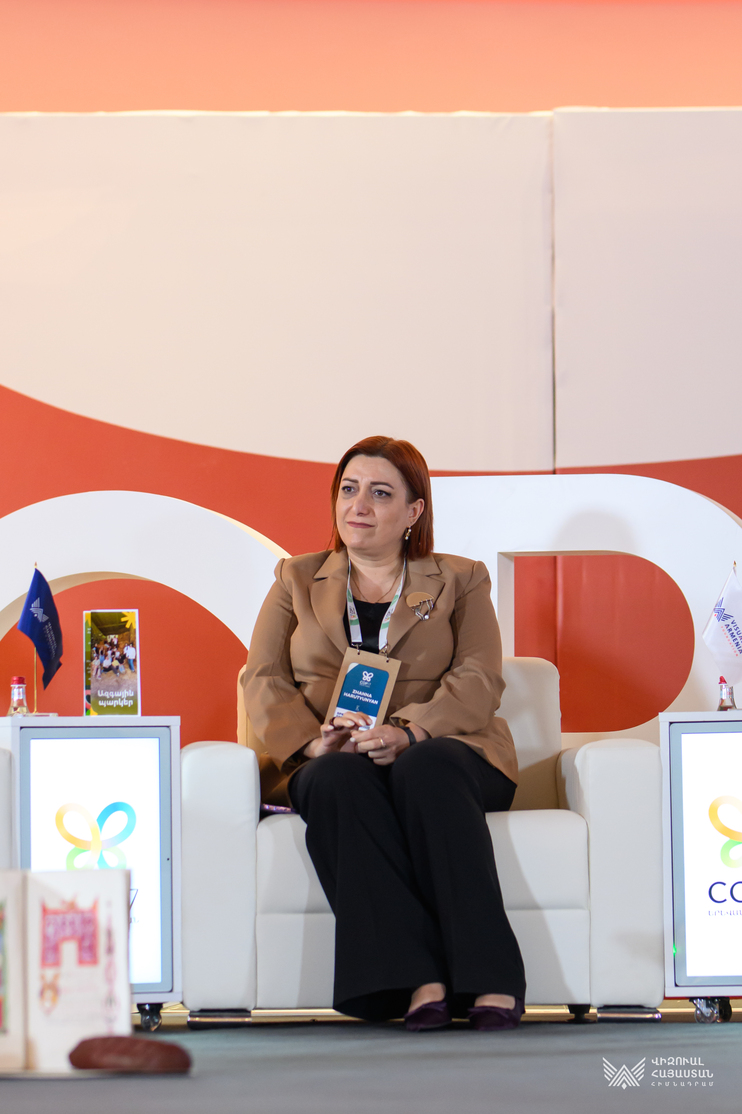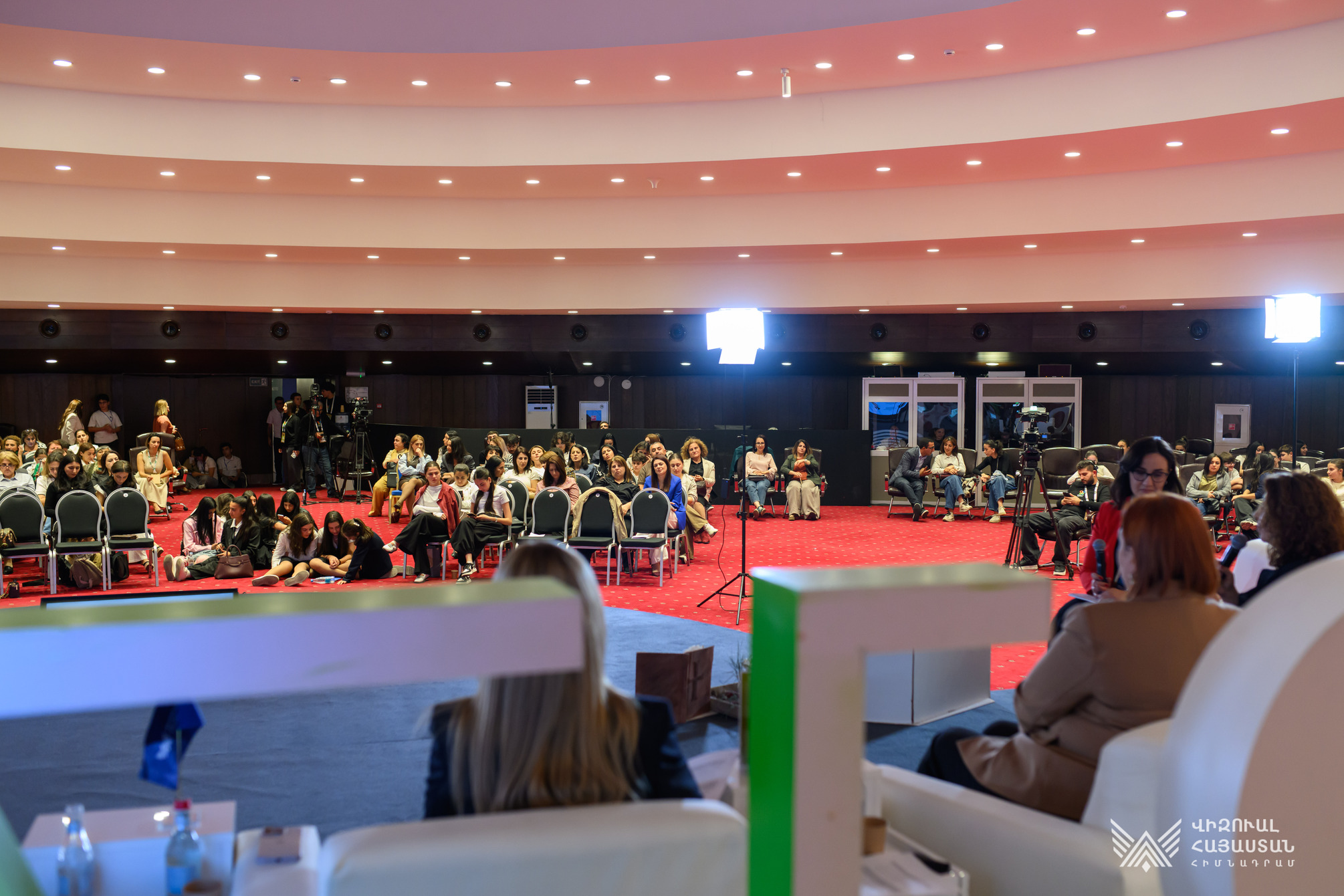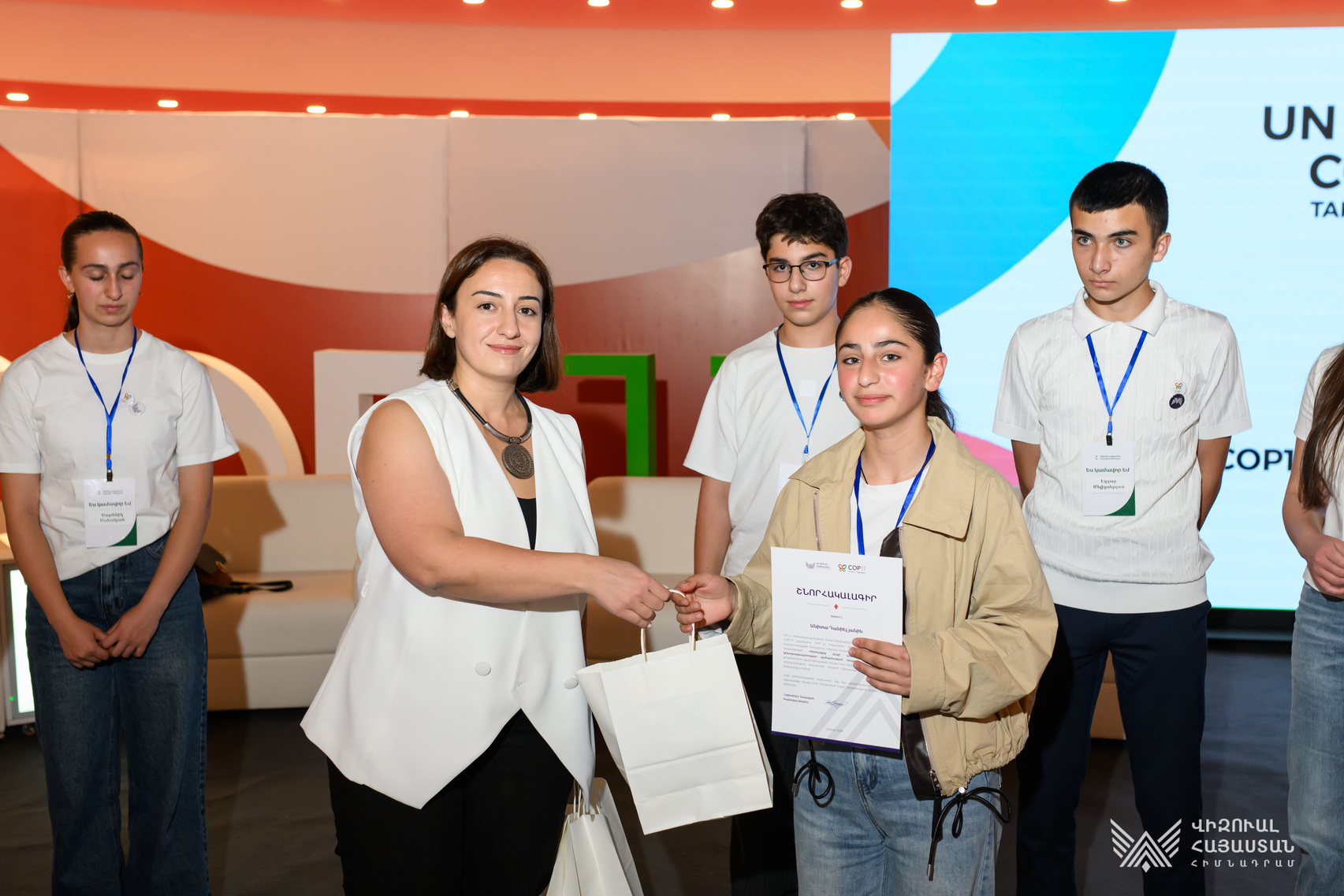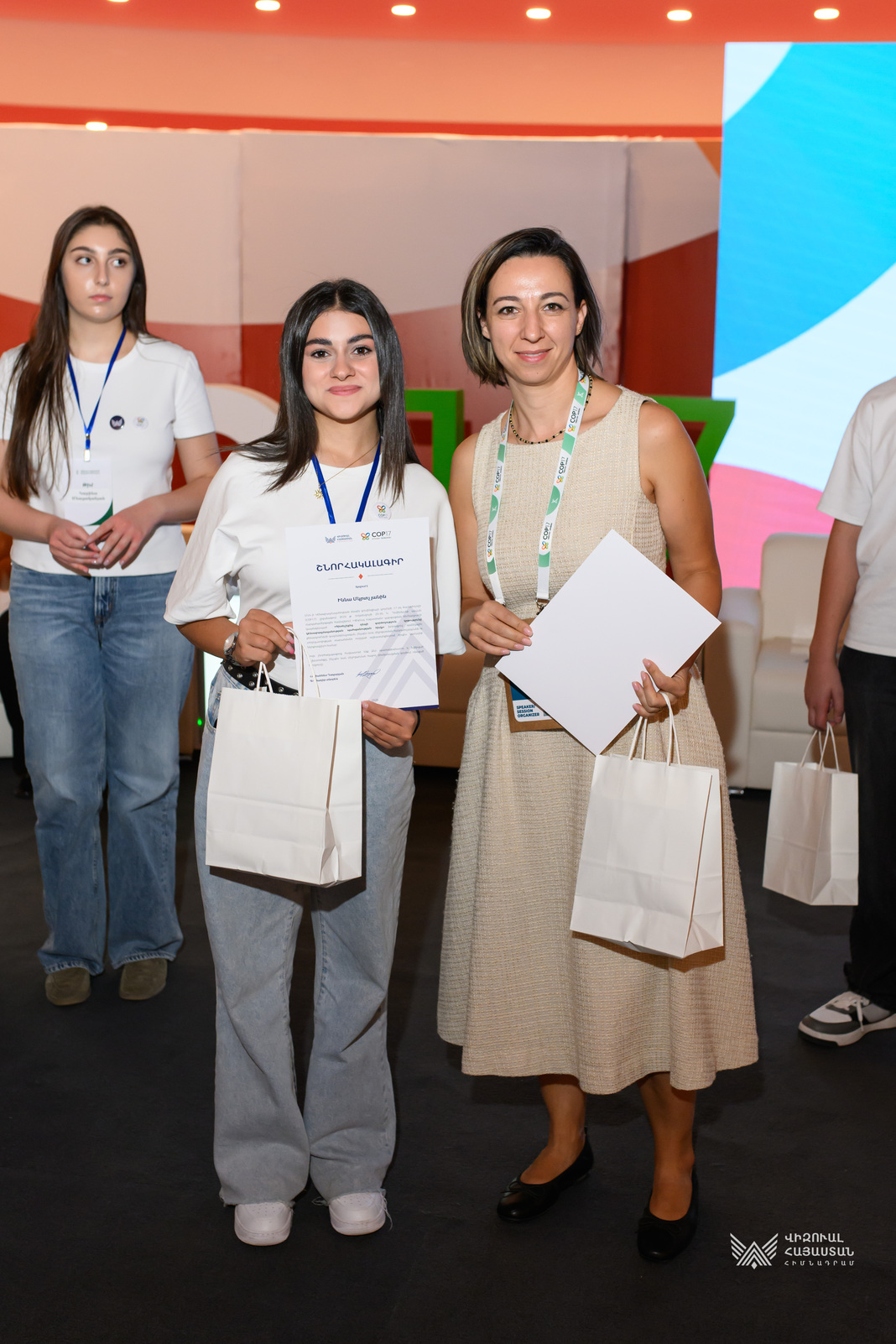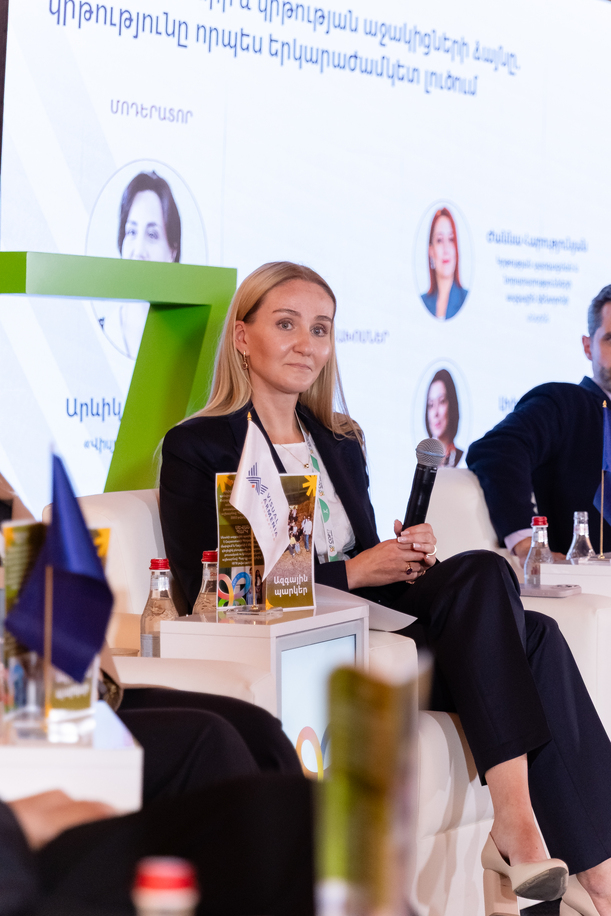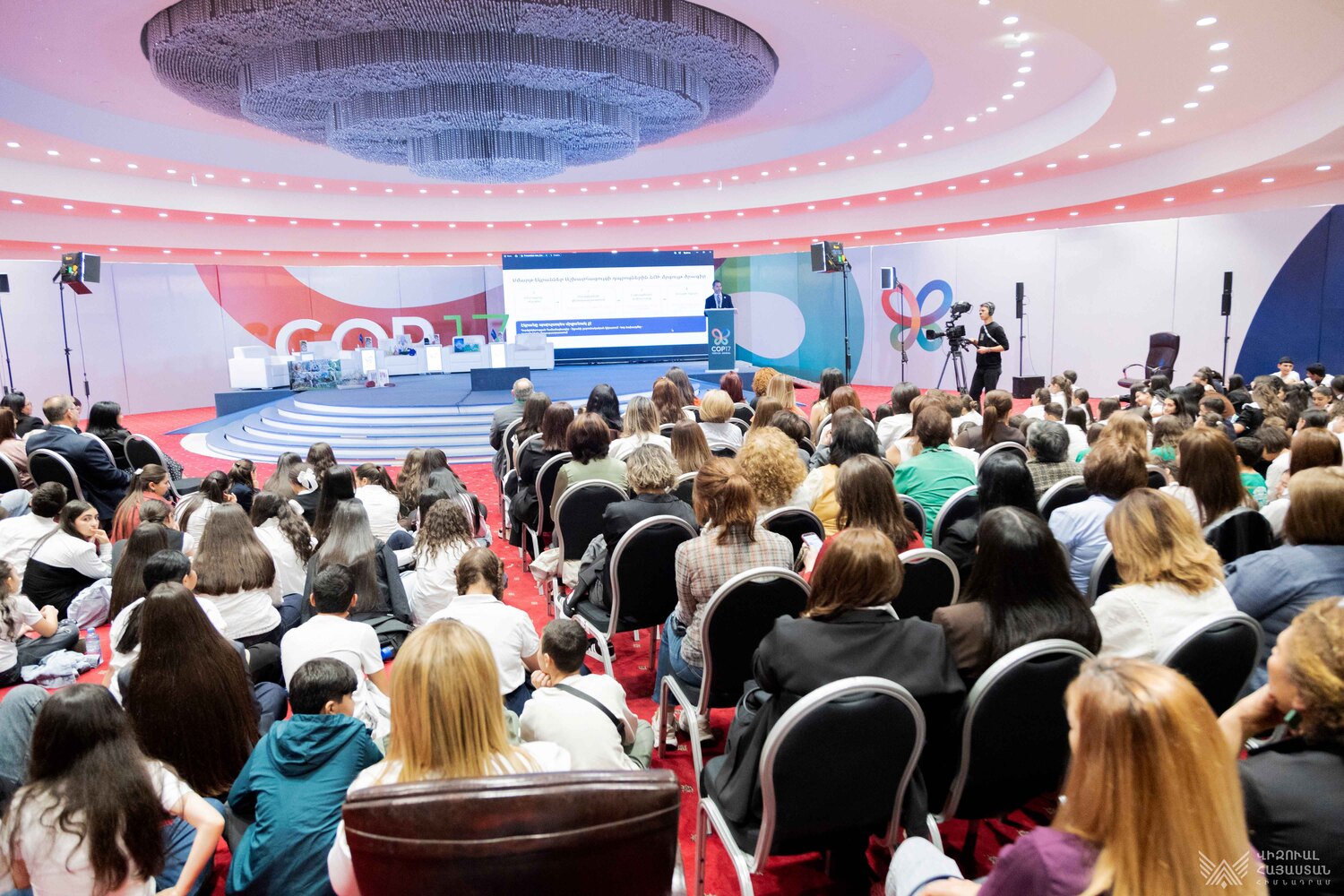
On October 20, in the COP17 Green Zone in Yerevan, Visual Armenia Foundation presented an educational approach grounded in a simple but important idea: knowledge of nature can become a foundation for conservation when students connect it to their surroundings, investigate problems independently, and share their findings with their communities and specialists.
On the COP17 stage, students spoke not in general terms about nature, but about the work they had carried out in their communities: their observations, maps, questions, and discoveries. Their experiences showed what can change when students become not only recipients of information, but also researchers and active participants in their own learning.
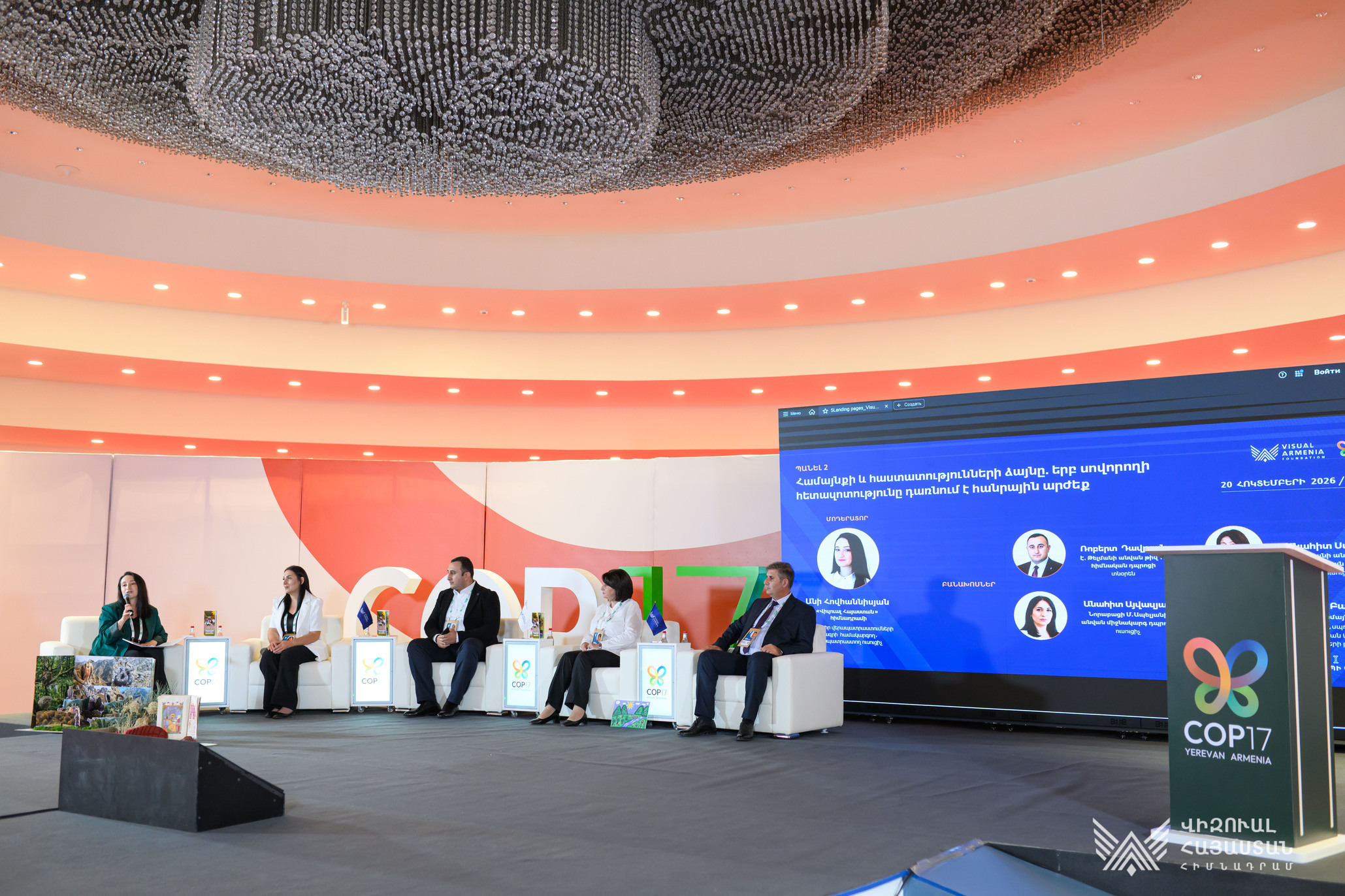
Visual Armenia’s keynote speech and three panel discussions centred on the experience of SBWS2026. Through the WorldView programme’s Smart Boards for WorldView Schools (SBWS) project-based competition, 226 school teams, comprising 2,260 students and teachers, worked on this year’s theme: “Mapping the Future of Armenia’s Environment: Global Challenges, Local Solutions.”
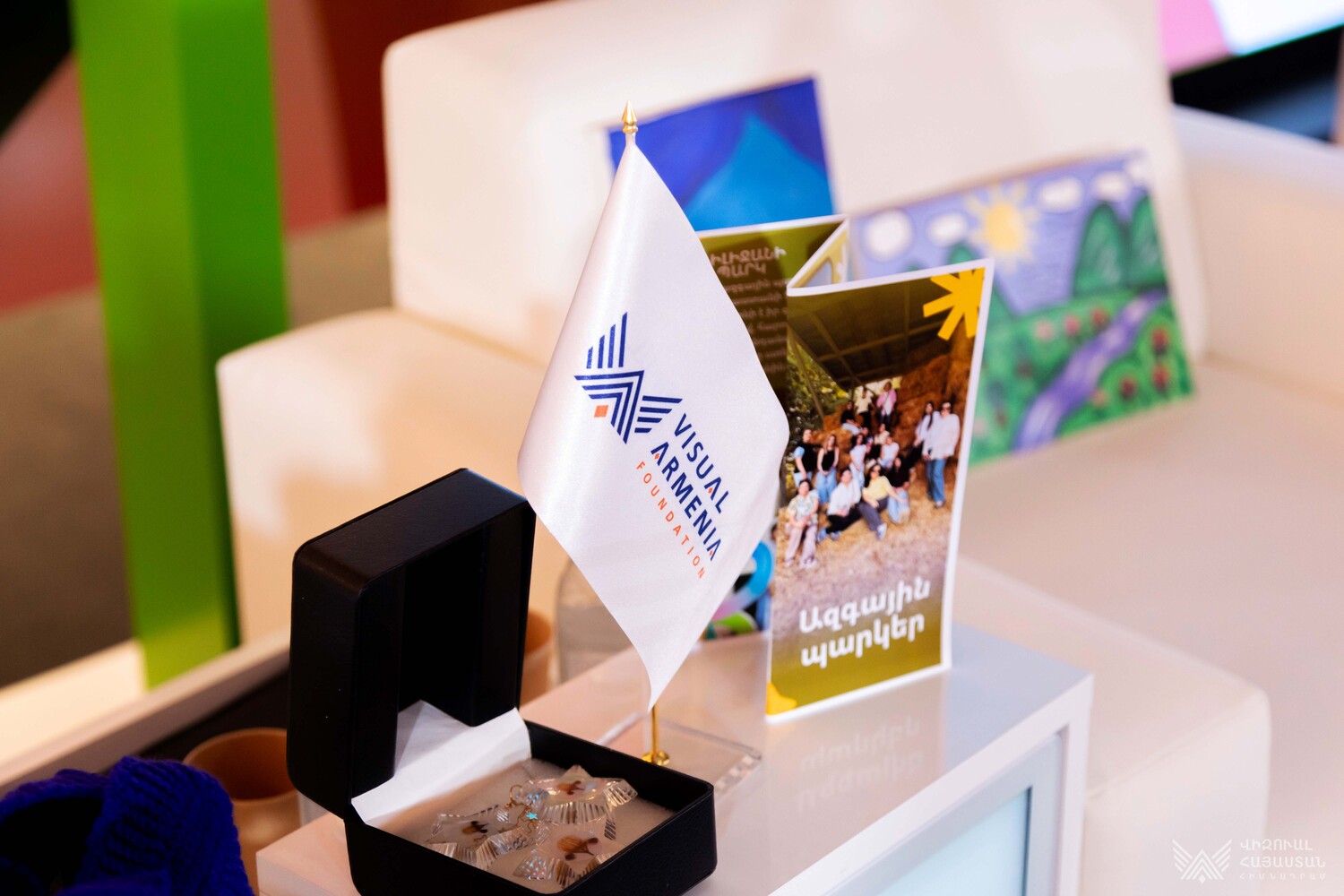
The SBWS approach brings together in-depth training for teachers and students, project-based learning, a digital learning environment, and collaboration with communities and specialists. Teams investigate the natural assets and environmental challenges in their surroundings and, through their project work, have the opportunity to earn an interactive smart board for their school. The question explored at COP17 was how this experience could contribute to biodiversity education and help establish sustained learning in schools.
From Knowledge to the World Around Us
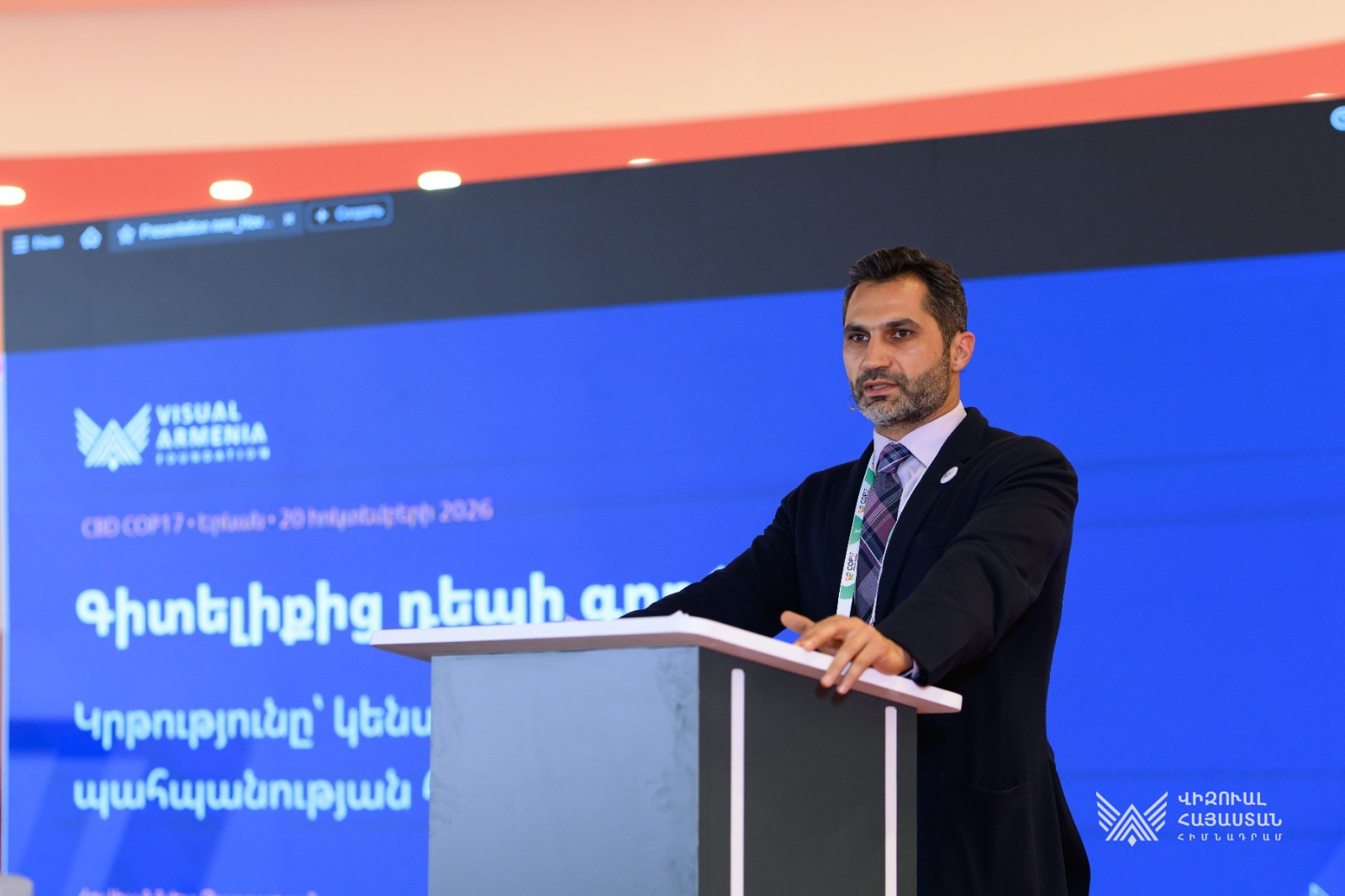
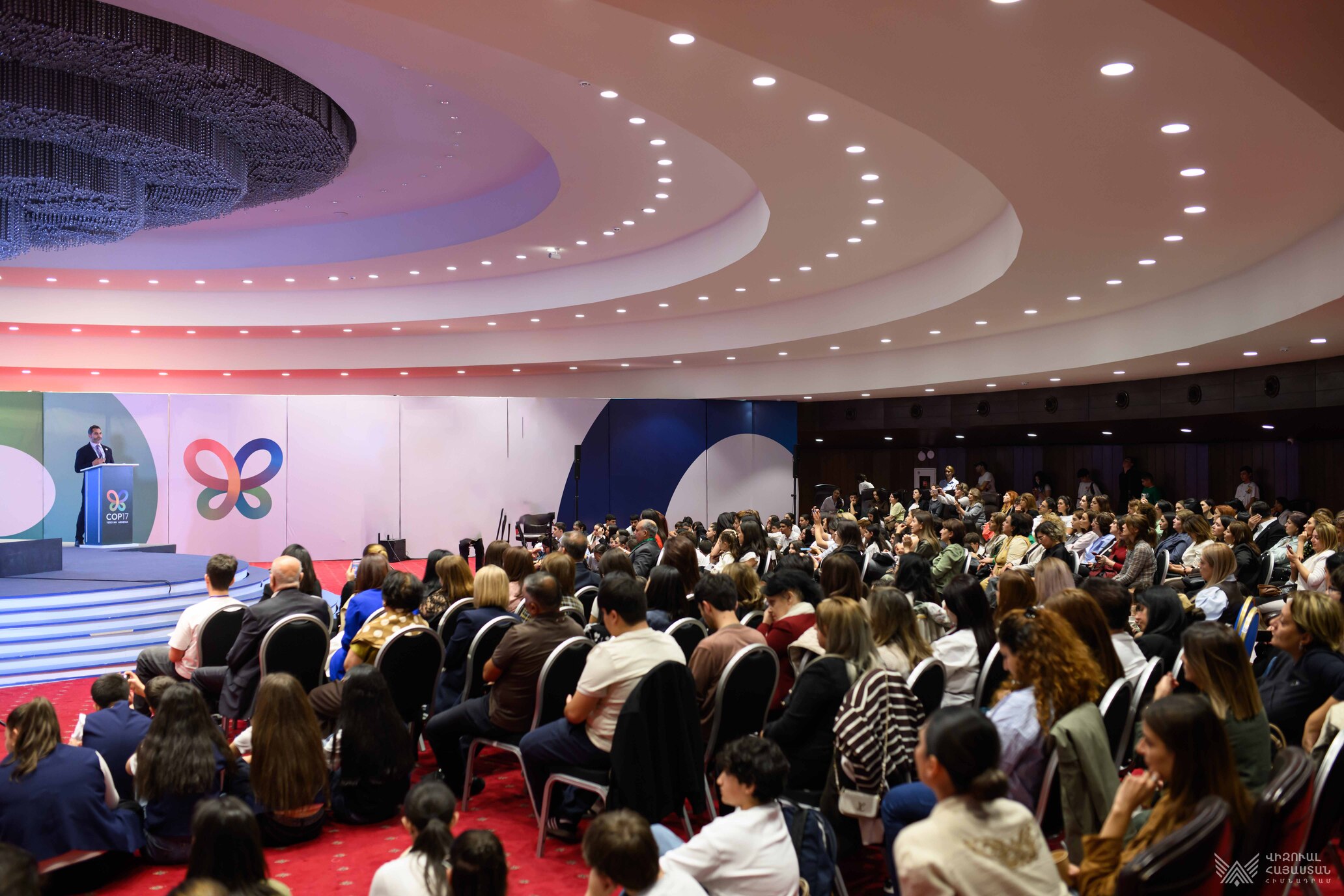
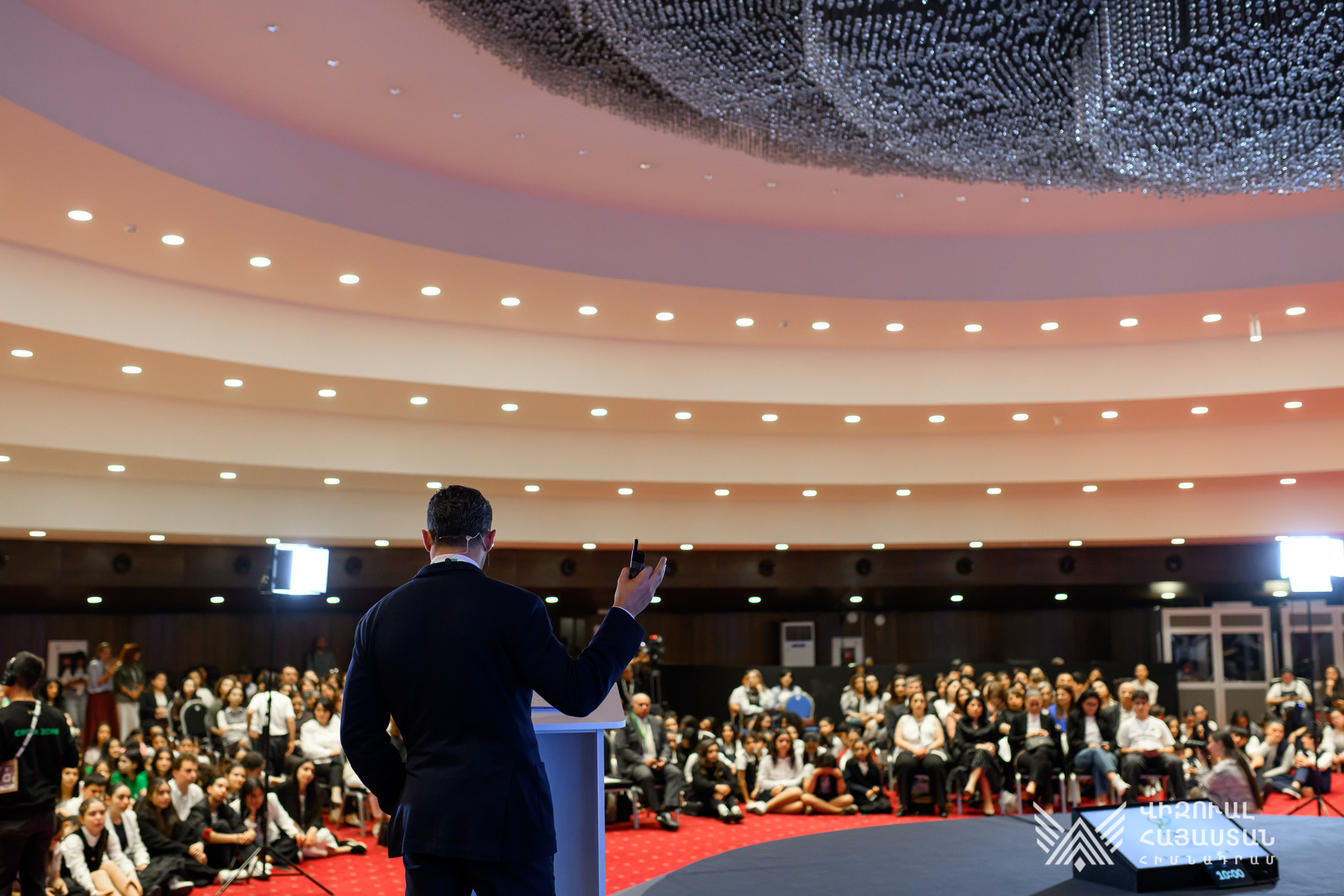
The keynote speech by the Foundation’s Executive Director, Hovhannes Ghazaryan, “From Knowledge to Action: Education as a Foundation for Biodiversity Conservation,” explored the role of education in shaping lasting attitudes towards nature. When students investigate their immediate surroundings, they ask questions, identify problems, collect and analyse data, document and map their findings, collaborate with specialists, and consider possible solutions.
Along this path, knowledge becomes a starting point for understanding the value of nature, developing care for it, and acting responsibly. One fundamental question ran through the speech and the panels: if tomorrow’s professionals, citizens, and decision-makers are schoolchildren today, what relationship are we helping them build with nature now?
Three Panels: From Students’ Discoveries to Long-Term Impact
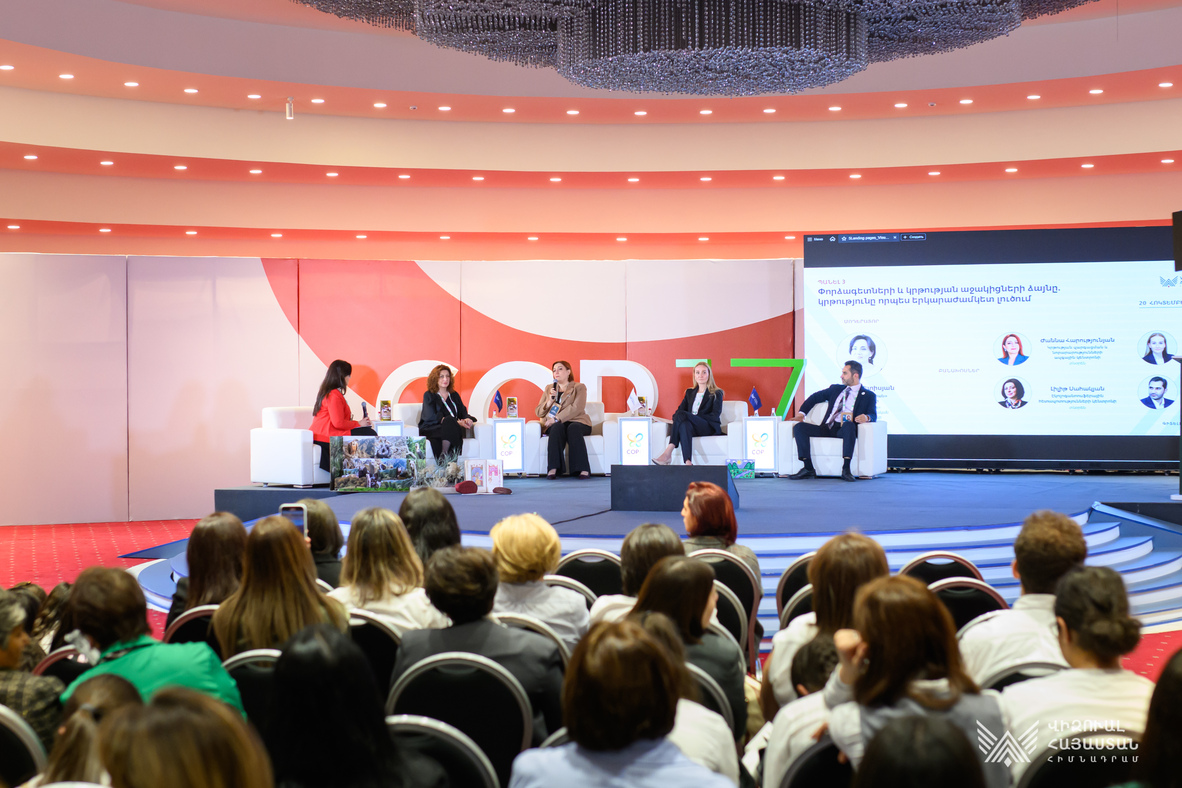
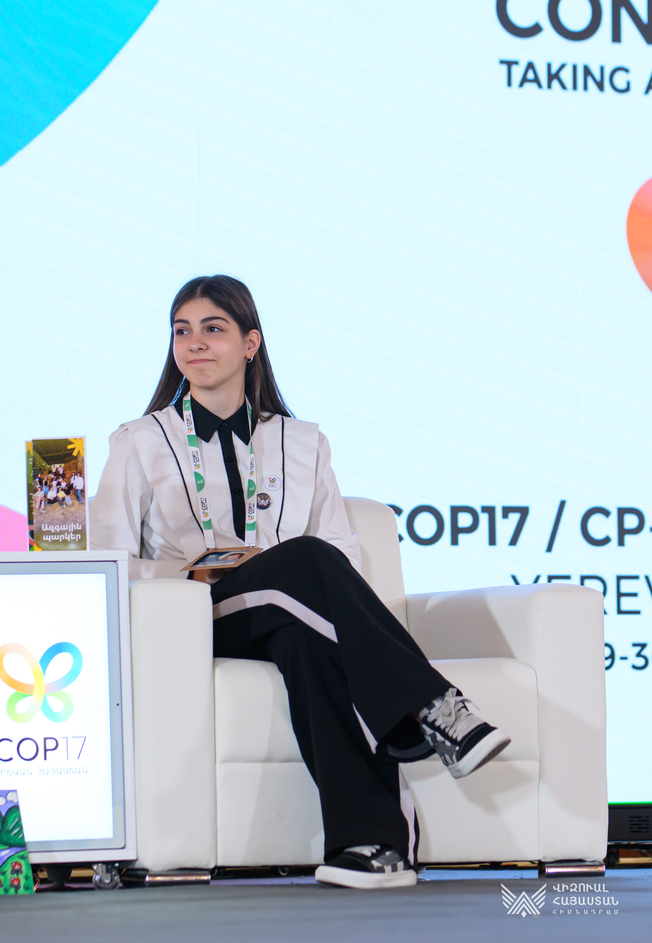
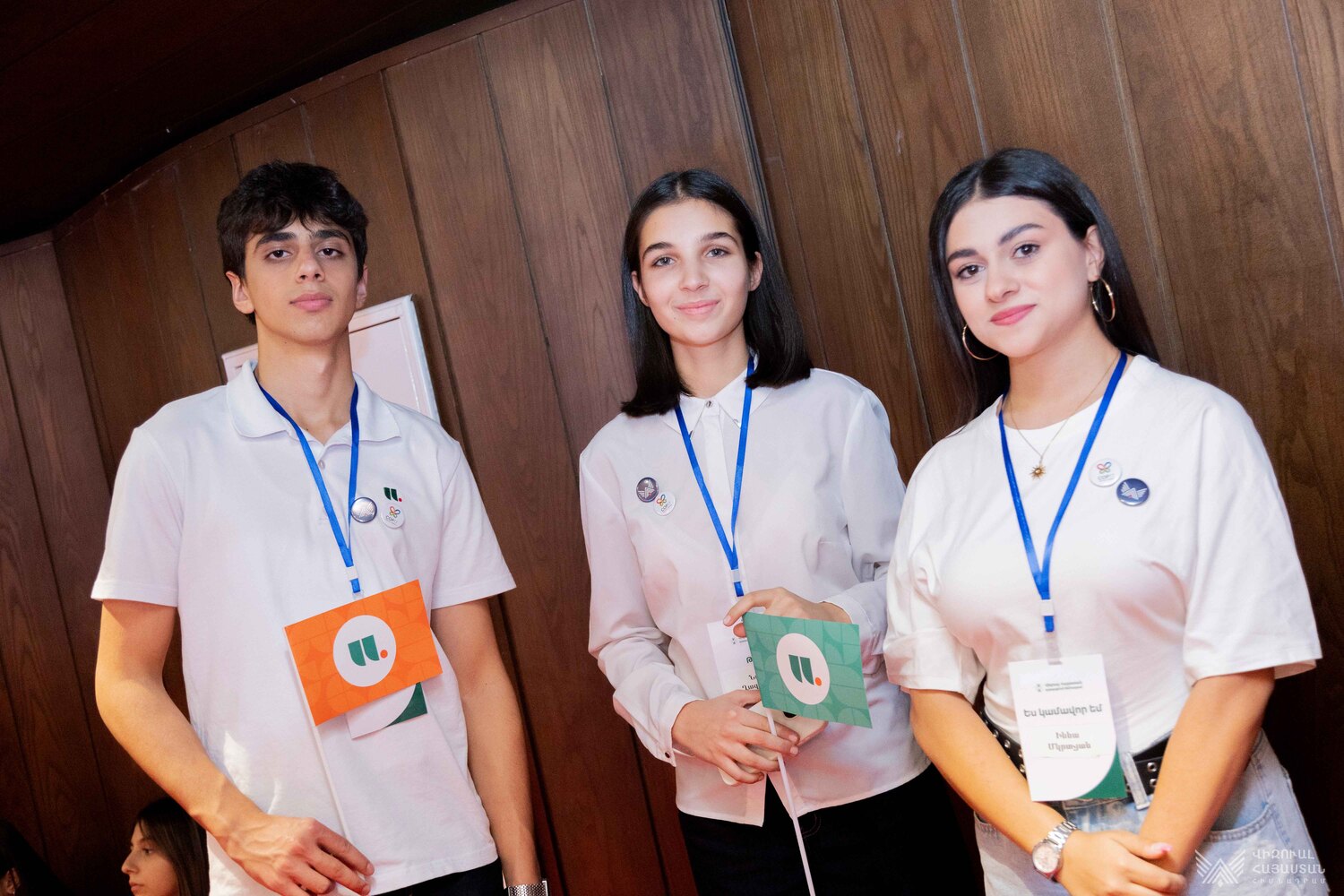
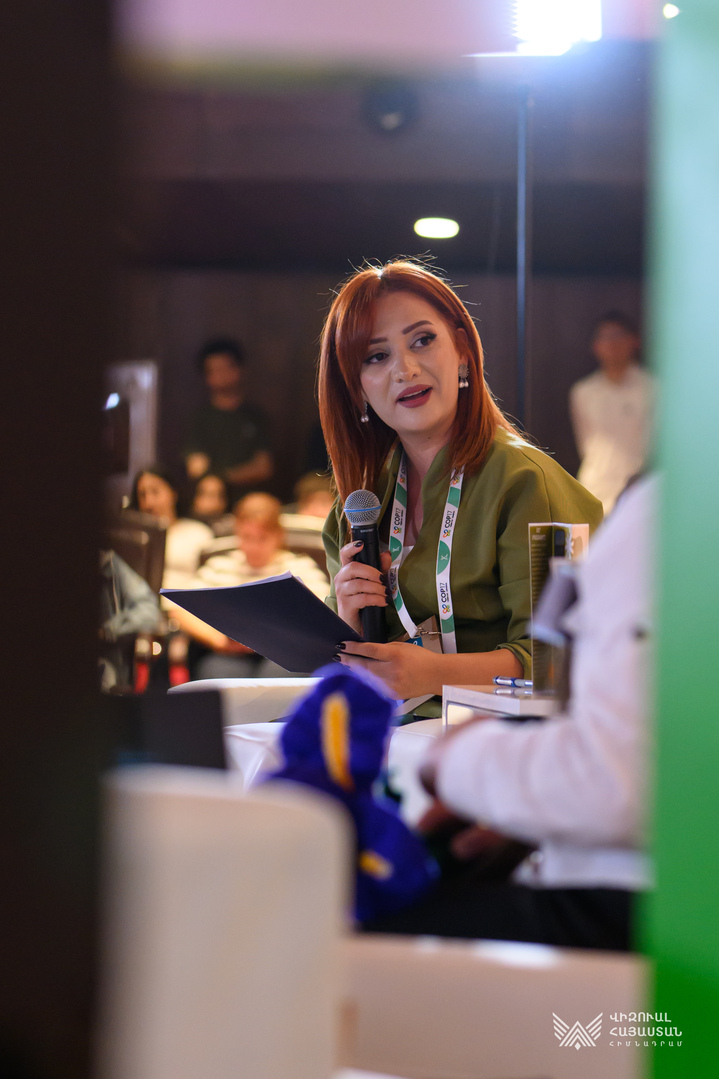
The first panel, “The Student Voice: From Research to Discovery,” focused on students’ experiences. They spoke not only about their project results, but also about the process: the questions they began with, the sources and digital tools they used, the people they collaborated with, and what they discovered about their communities and surroundings.
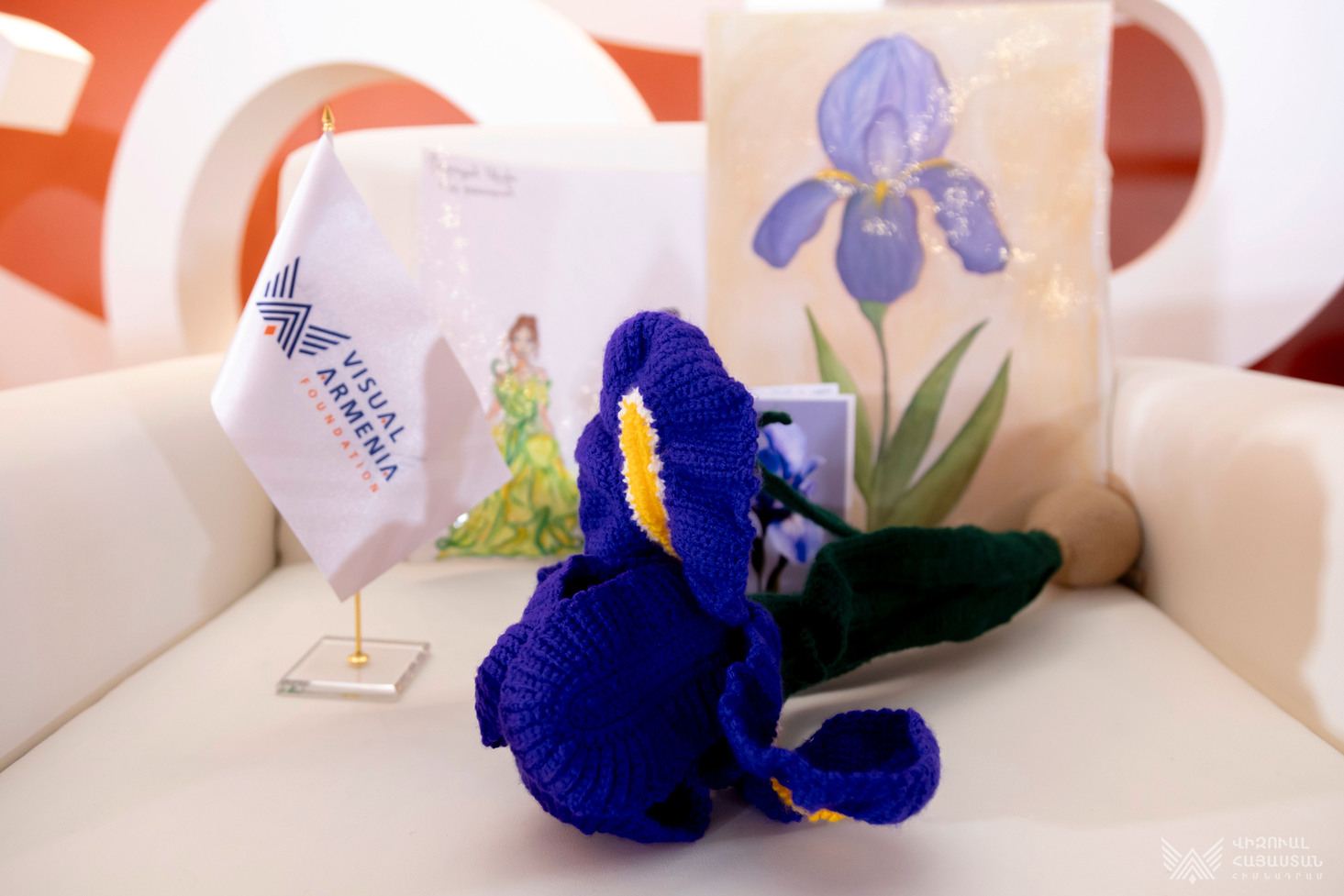
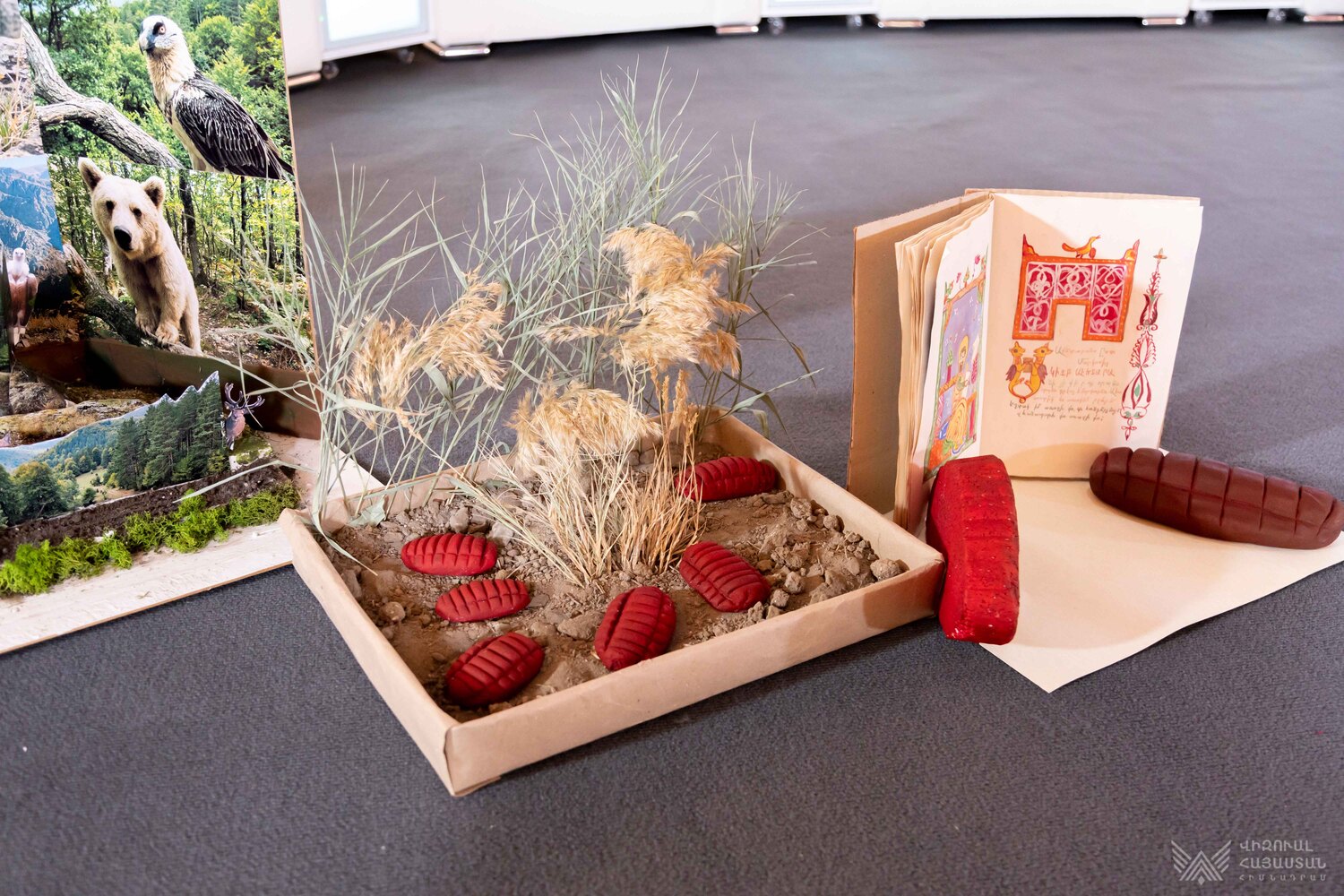
Meri Hamboyan, a student at Kaps Secondary School, presented the project “The Hidden Path of the Iris: From Discovery to Conservation.” Her team investigated the distribution of rare iris species, conducted field observations, and mapped the plants’ habitats on the WorldView platform. During their work, the students also created awareness-raising materials and an exhibition to share their findings with their school and community.
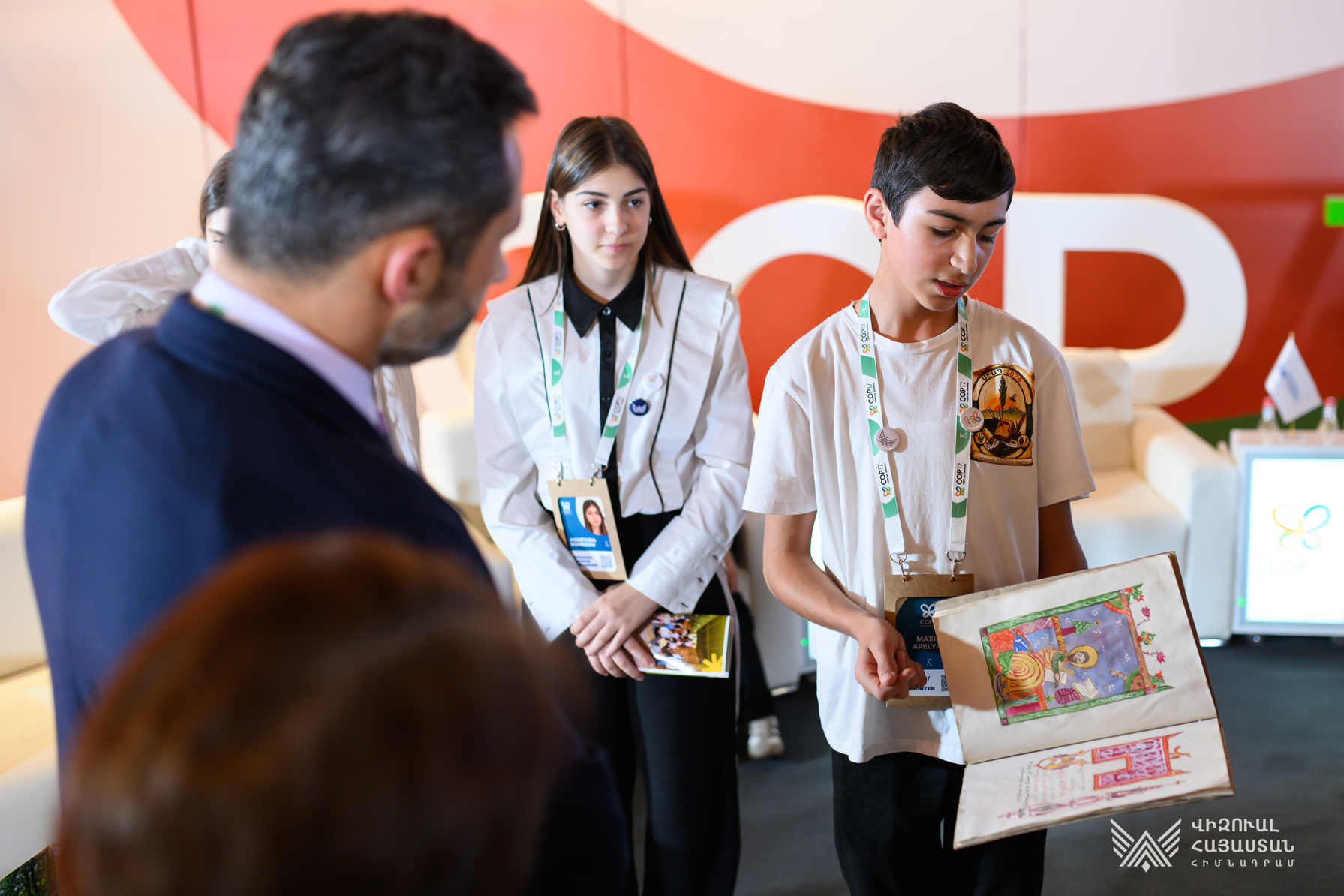
The second panel, “The Community Voice: When Students Create Public Value,” brought school research into the wider context of collaboration with communities and institutions. The team from Misak Apelyan Secondary School in Norabats, in the Masis community, studied saltgrass and the Ararat cochineal. After documenting the cochineal’s presence in the Sis area, the students submitted their data and the coordinates of the discovery site to Armenia’s Ministry of Environment. Ministry specialists surveyed the area and reported that they would continue observations the following year, taking the species’ biological characteristics into account.
This example showed how a school project can bring students, teachers, communities, and a specialist institution together around a real issue. Students raise the question, teachers help structure the research, specialists help verify and interpret the data, and the relevant institution can consider the findings in the context of its further work.
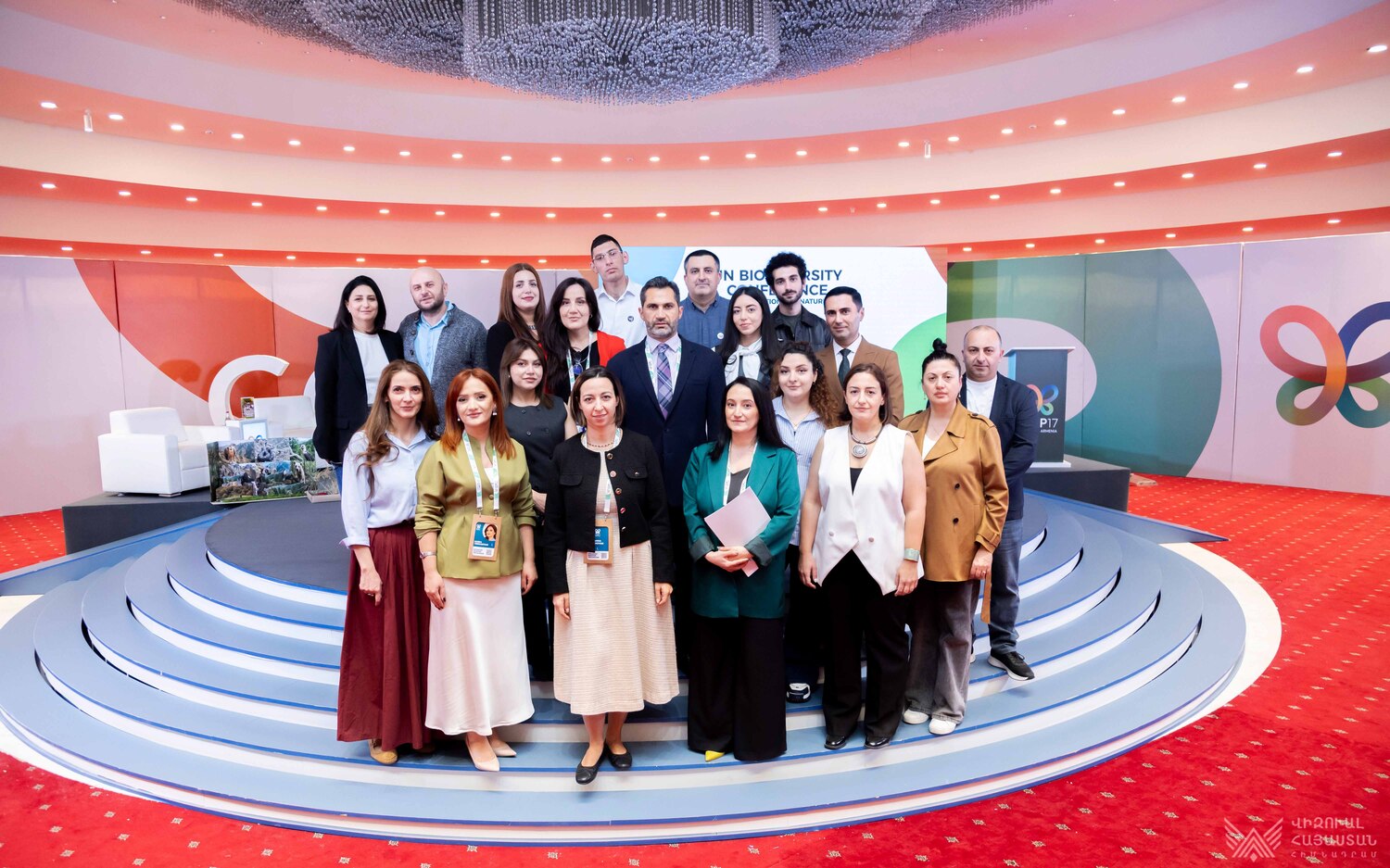
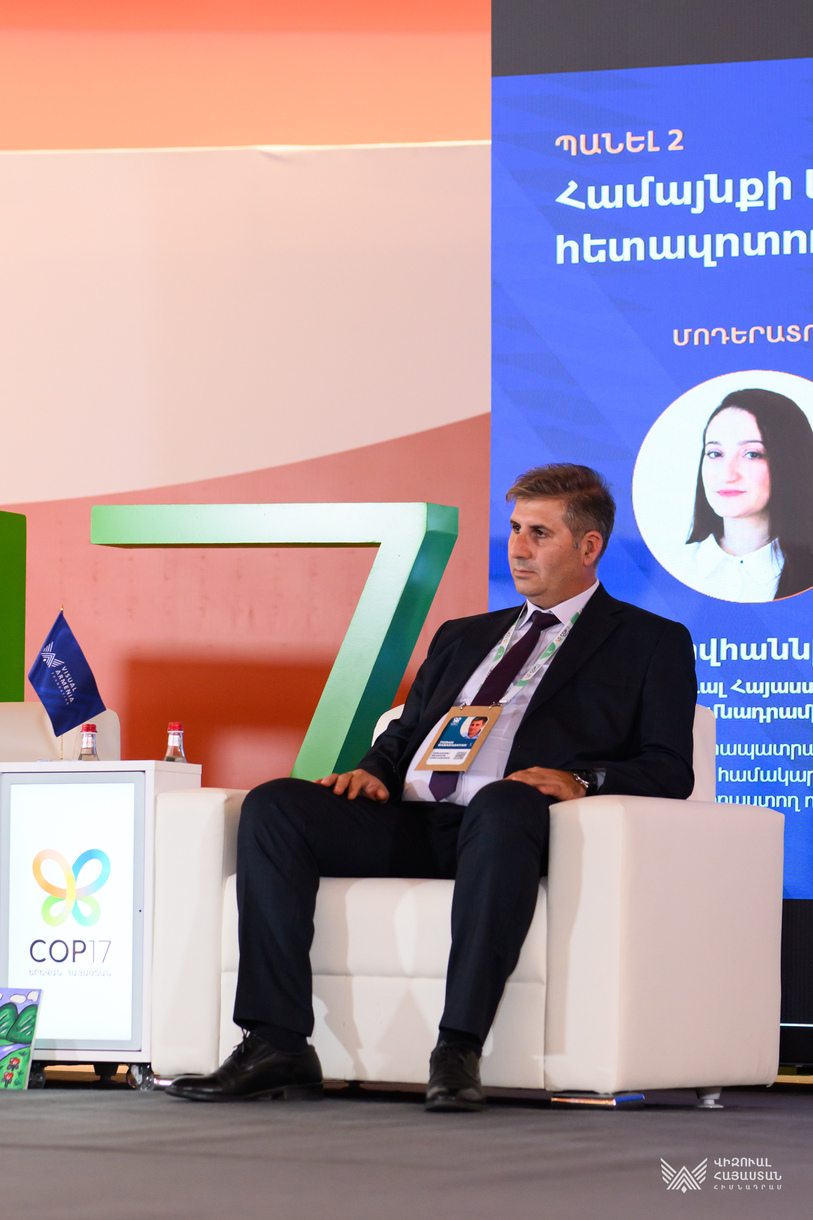
The third and final panel, “The Voice of Experts and Education Professionals: Education as a Long-Term Investment,” explored the conditions needed for individual projects to become sustained educational practice. Representatives of science, education, and the private sector considered the roles of teacher support, work with schools, professional connections, and technological opportunities.
At the heart of the discussion was education as a long-term investment: one that can contribute to environmental literacy, civic engagement, and the development of future professionals. The discussion also left an important question open: how can we build partnerships that make successful educational practice accessible to more schools?
The experience presented at COP17 raises a question that extends beyond any single programme: what kind of education do we need to connect knowledge of nature with real experience, community, and responsible action? The students’ stories showed that this journey can begin at school, with a single question, an observation, or a new curiosity about their surroundings. What happens next depends on our willingness to listen to those questions and give students opportunities to investigate, collaborate, and act.