120 Schools, 120 Lessons: Tracing the Footprint of WorldView
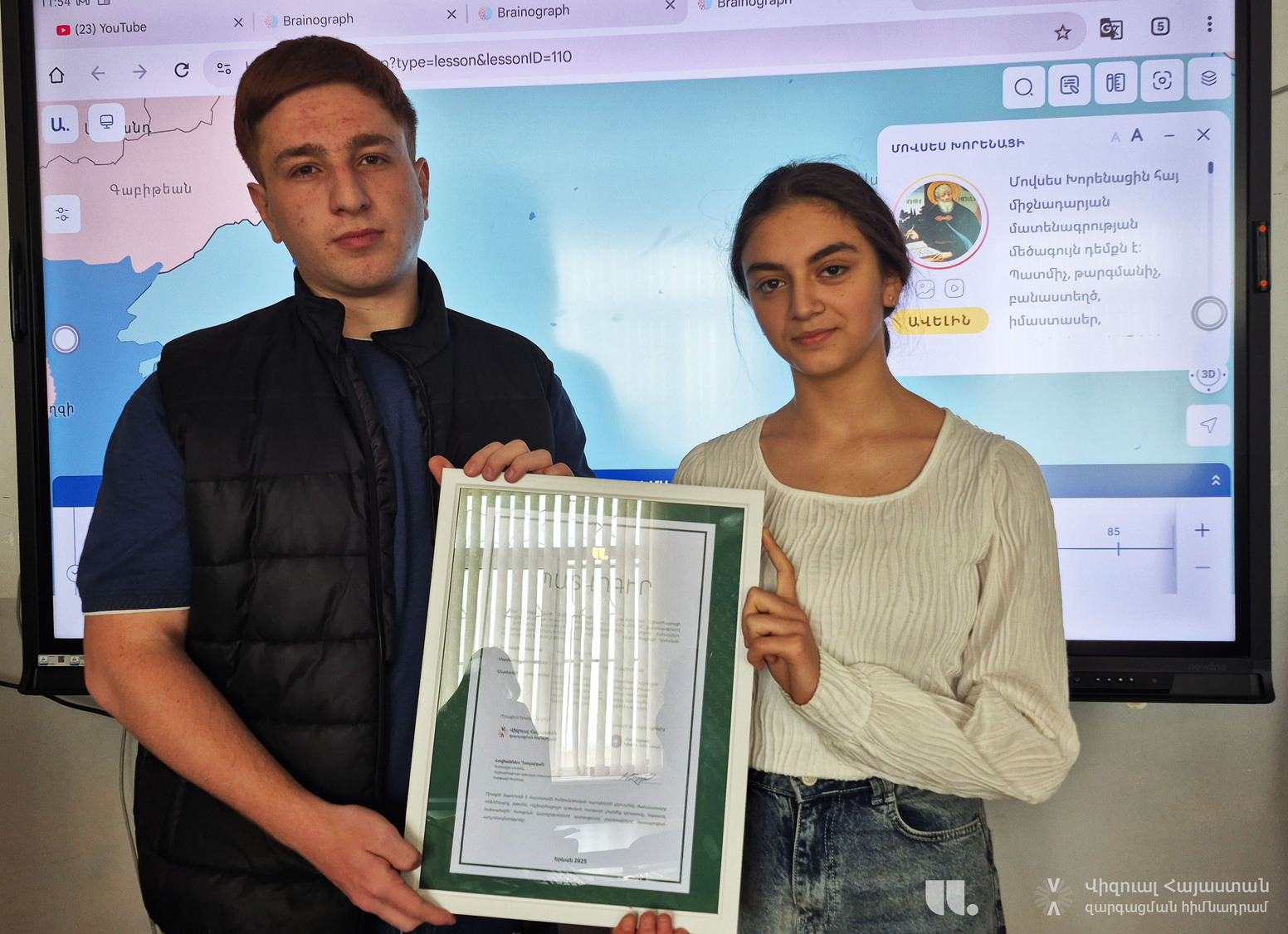
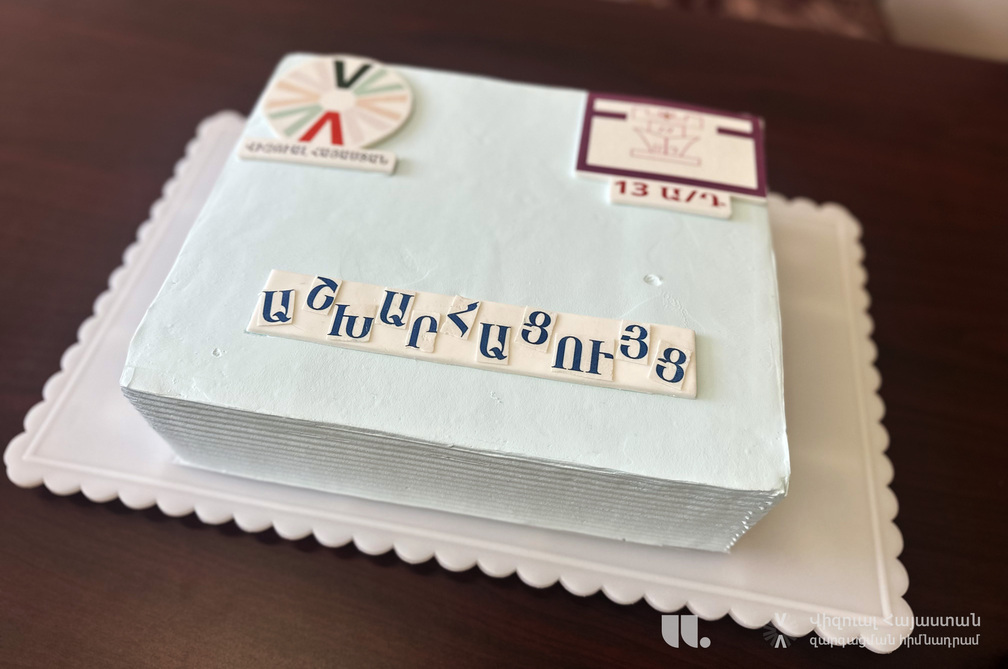
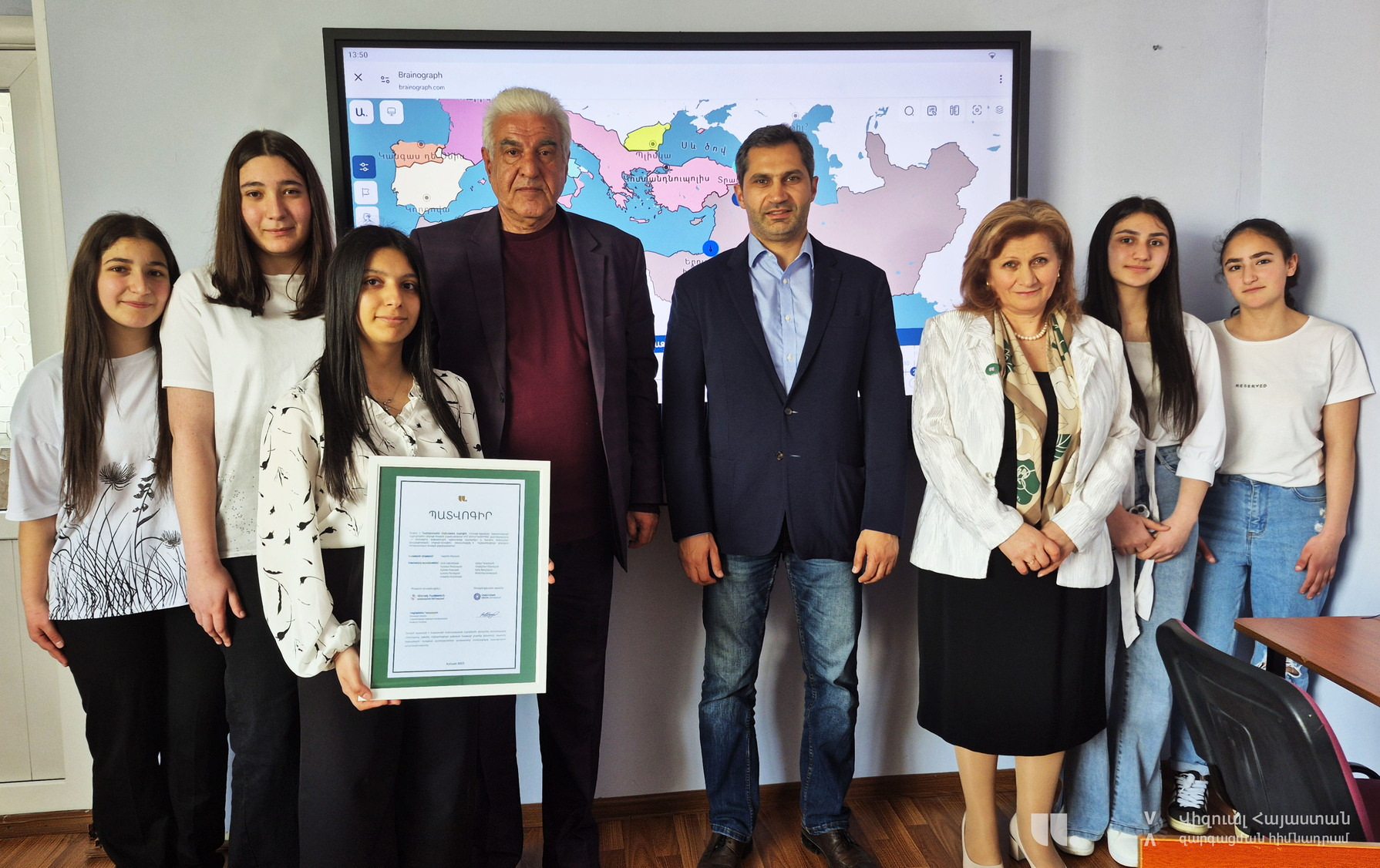
As schools prepare to wrap up the academic year and head into summer break, we, too, take a moment to reflect on our journey—one that led us to 120 public schools across Armenia, from Yerevan to Chinari, from Tsaghkashen to Isahakyan.
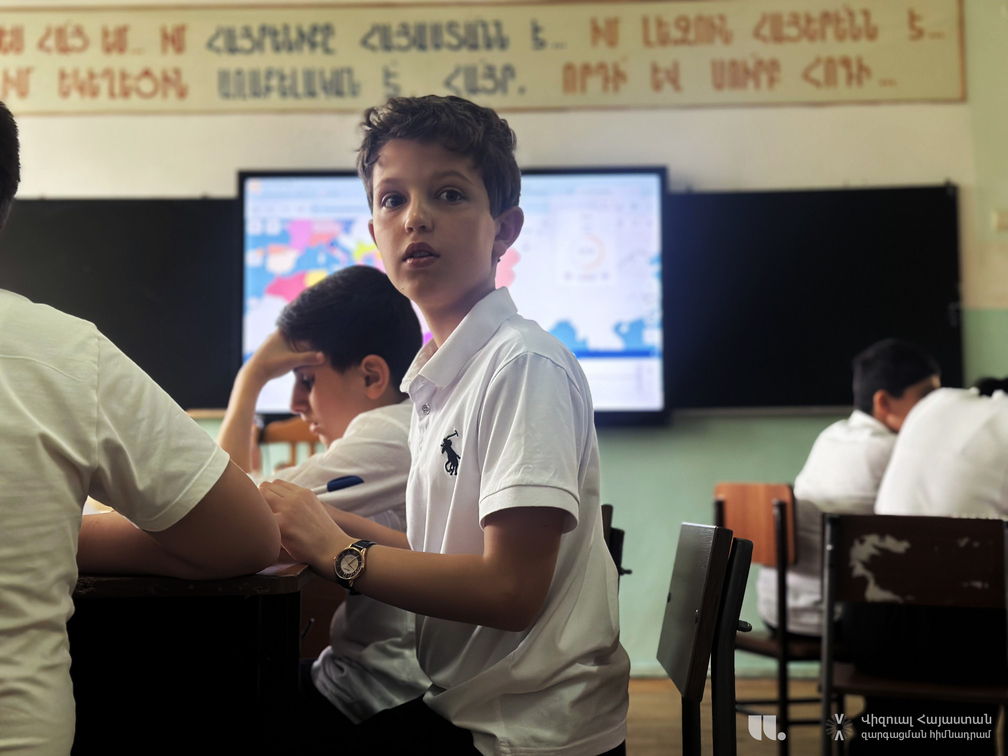
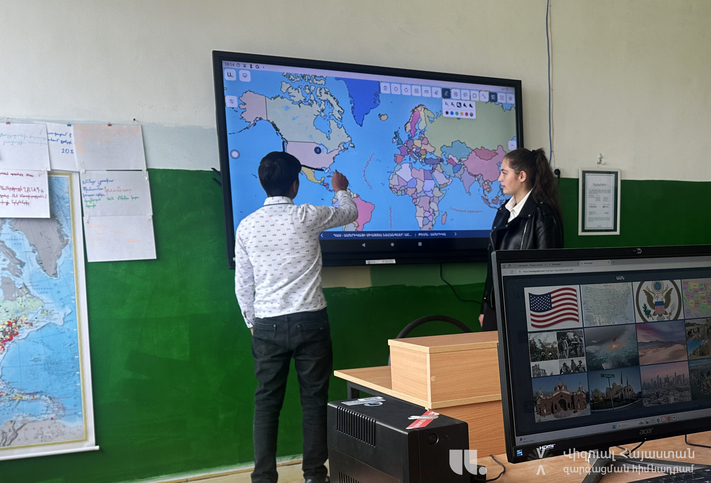
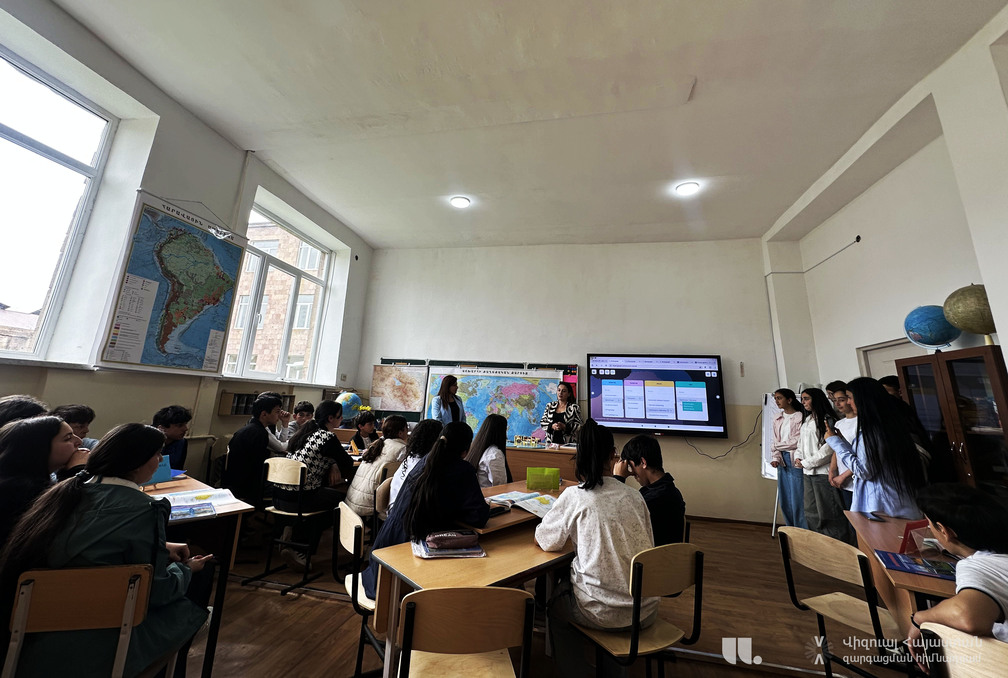
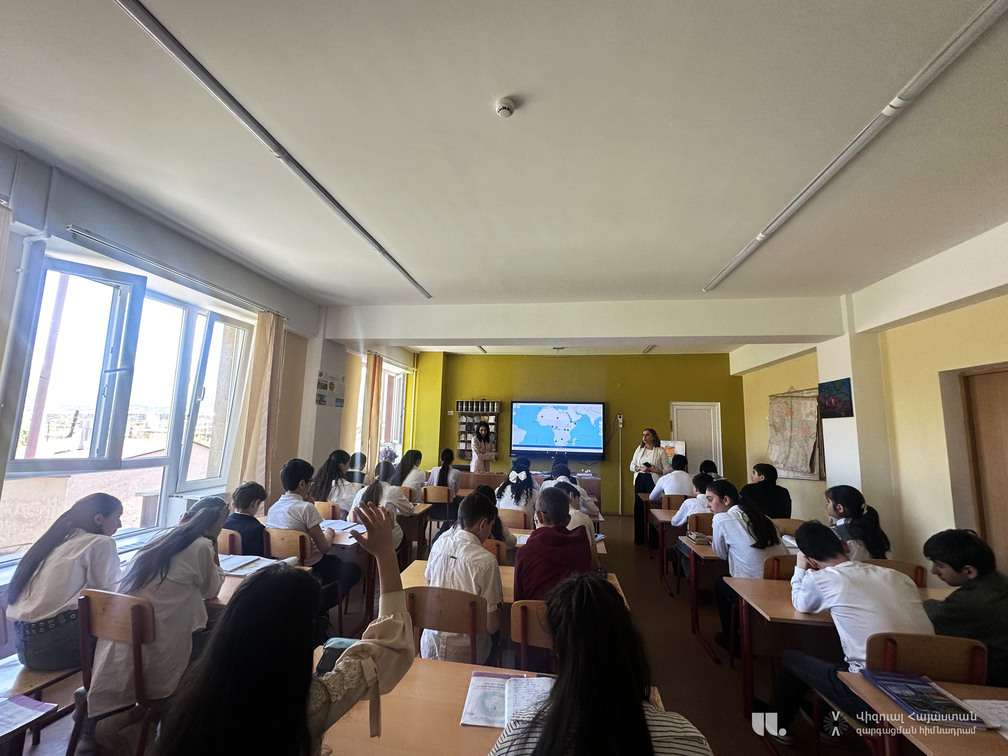
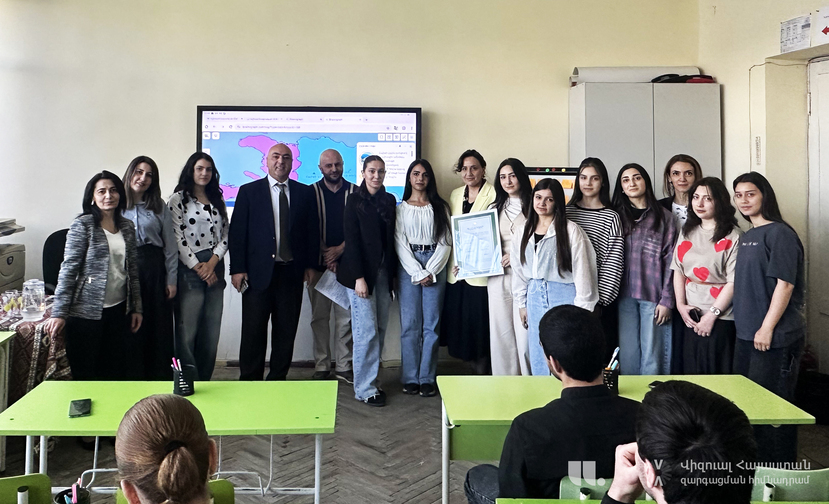
Over the course of three months, the Foundation’s team traveled more than 7,000 kilometers, observing WorldView-powered lessons in both smart board-equipped classrooms and schools still awaiting that upgrade.
Each visit was rich with real stories—unforgettable lessons of varying quality, conversations with children full of untapped potential and boundless imagination, and observations that will shape our work ahead.
Every one of the 120 schools offered a distinct lesson. And yet, they were strikingly similar in one profound way: WorldView had empowered them all. It had become a compass for teachers striving to bring 21st-century education into their classrooms. It had reshaped the concept of the lesson itself, turning into a new space for dialogue between teacher and student.
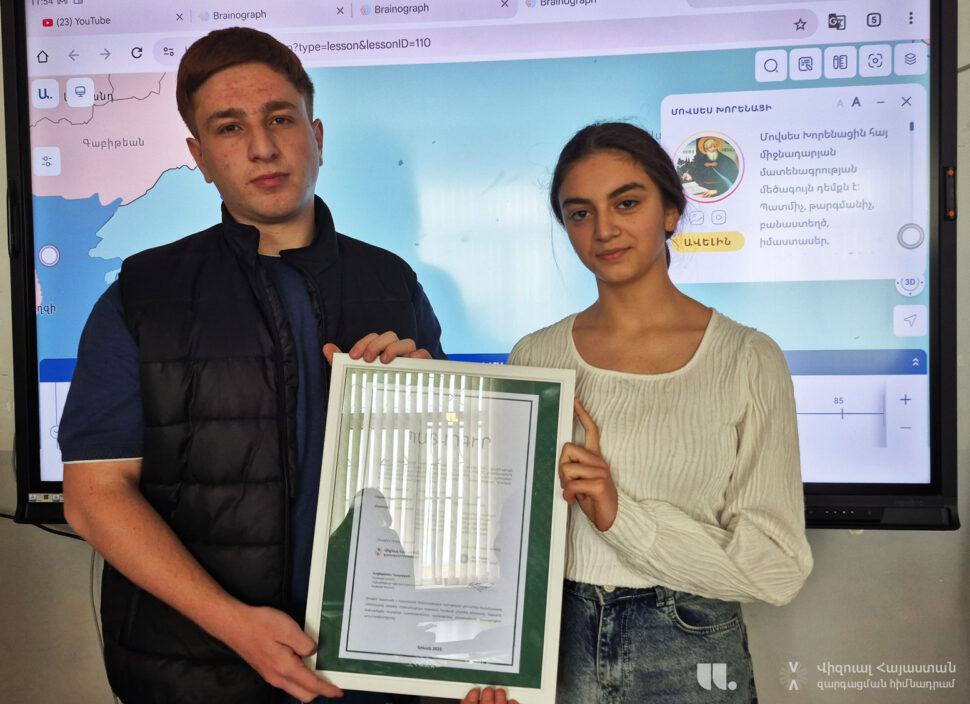
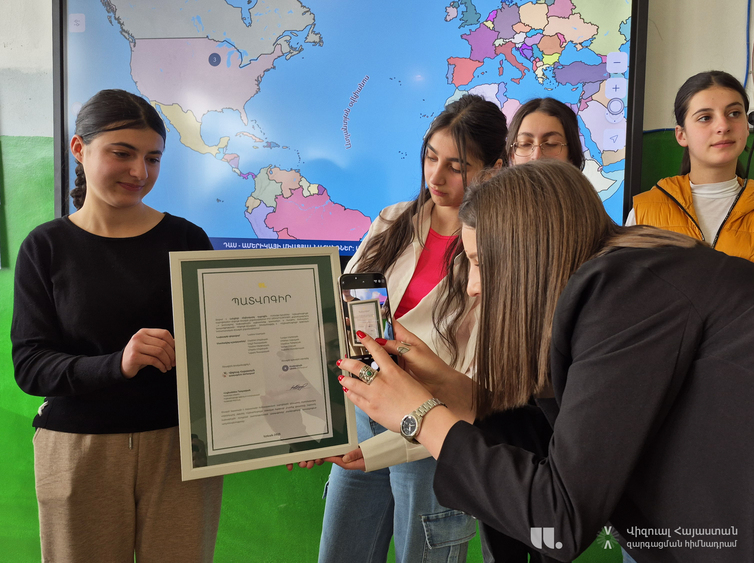
Beyond experiencing the energy and hospitality of our educational communities, we had the rare opportunity to truly listen—closely and attentively—to hundreds of teachers, students, and principals. We learned from them. We saw transformed learning environments, like the history classroom at Noratus Secondary School No. 2. On our first visit, it was in disrepair; by our return, it had been renovated through the principal’s efforts—“so the smart board and my students would feel at home.”
These visits became a wellspring of insight—for platform improvements, for deeper programming, and for need-driven innovation. At Yerevan School No. 166, 7th graders told us: “We want direct and fast feedback on the platform, so we can send our suggestions and real-time ideas straight to you.”
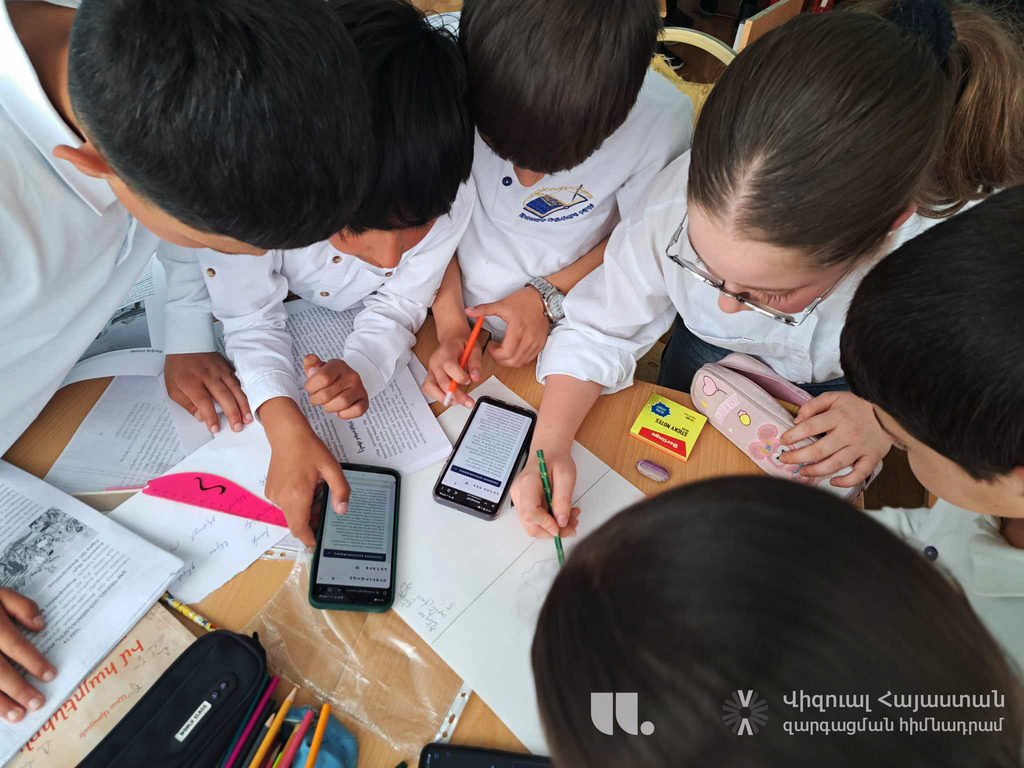
In every school we visited, we heard a strong call for a mobile version of WorldView—students noted that smartphones are their most accessible learning tool. Another recurring request: to have all school subjects available on the platform. “It makes learning so much more effective,” they said.
The students at Alapars Secondary School left us speechless. Ninth graders there had mastered not only WorldView’s existing tools but also its newest features—creating original articles and lessons. And in dozens of schools, we saw that WorldView had become the go-to source for reliable, curriculum-aligned content—for class, homework, and further reading. No more searching for trustworthy information on an author, event, or location. The answer was clear: WorldView. It saves time and enhances learning.
At Mastara Secondary School, a geography lesson using the WorldView platform could rival those in the world’s most advanced schools. It fully captivated not just the students—but us, the observers.
We’re hopeful that the new academic year will allow us to continue these school visits—beginning next in Syunik.
Yes, Armenia is a homeland meant to be known deeply, felt fully, and loved fiercely.



 Antarayin 164/1