One proposal voiced at the Vanadzor meeting was particularly thought provoking: teachers suggested making WorldView training compulsory. Discussions about educational change usually focus on what teachers should learn. This time, the need was being articulated by teachers who had already completed the training and wanted their colleagues to have the same opportunity.
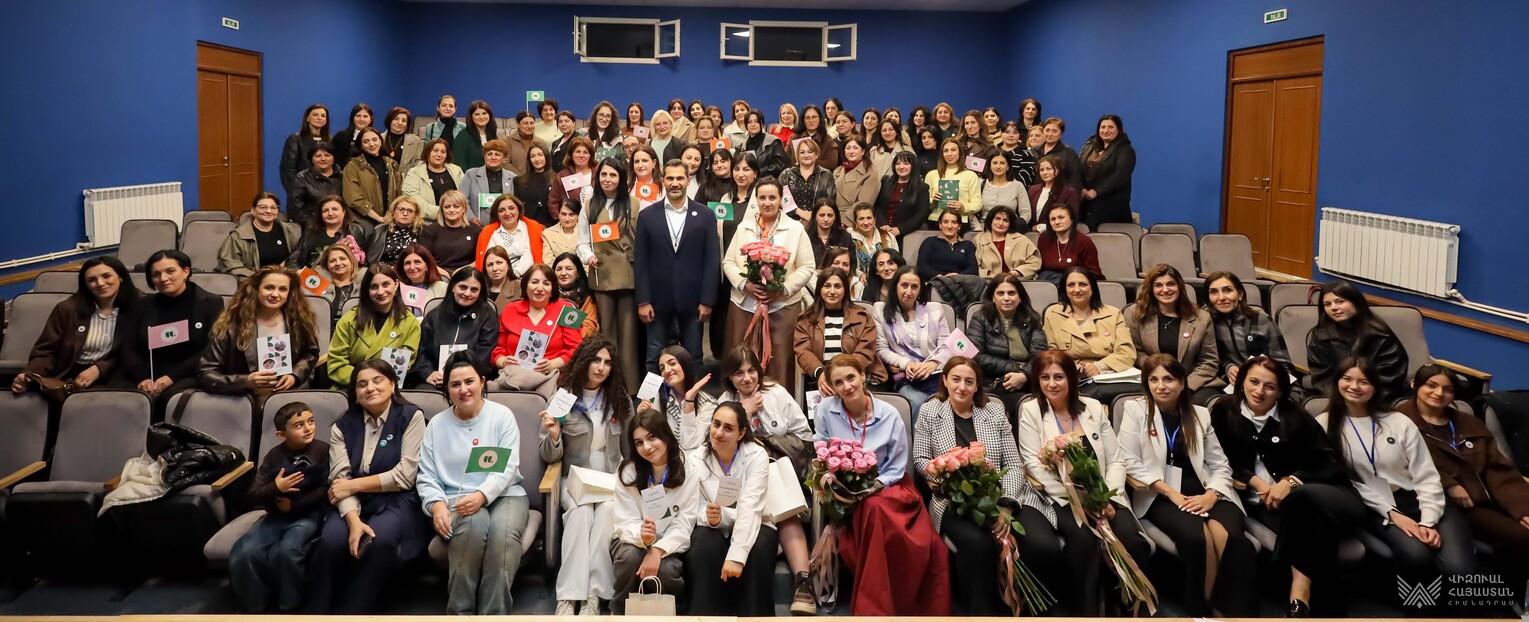
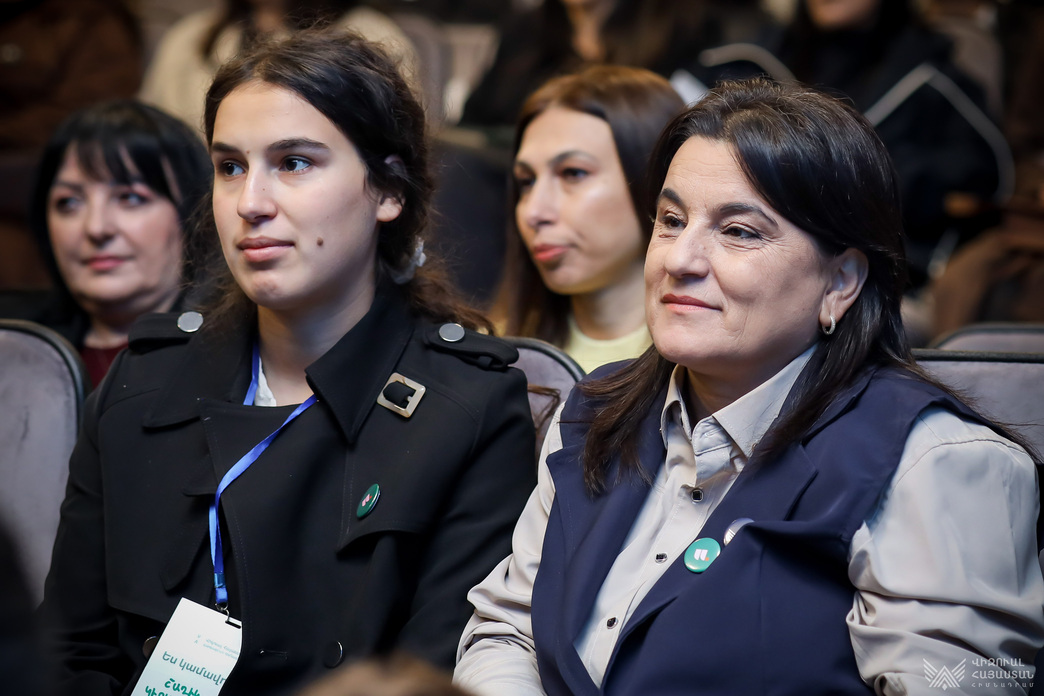
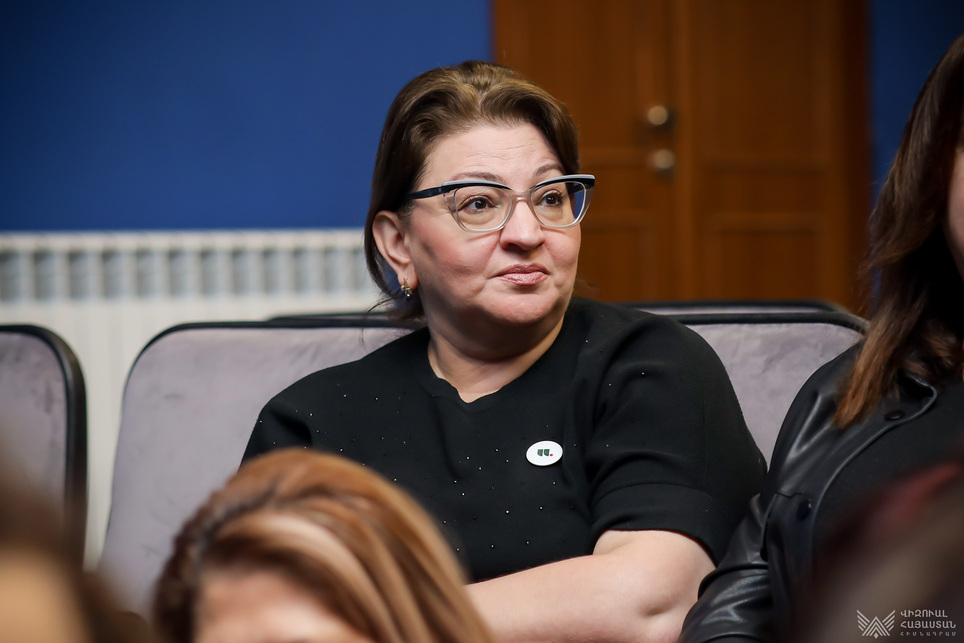
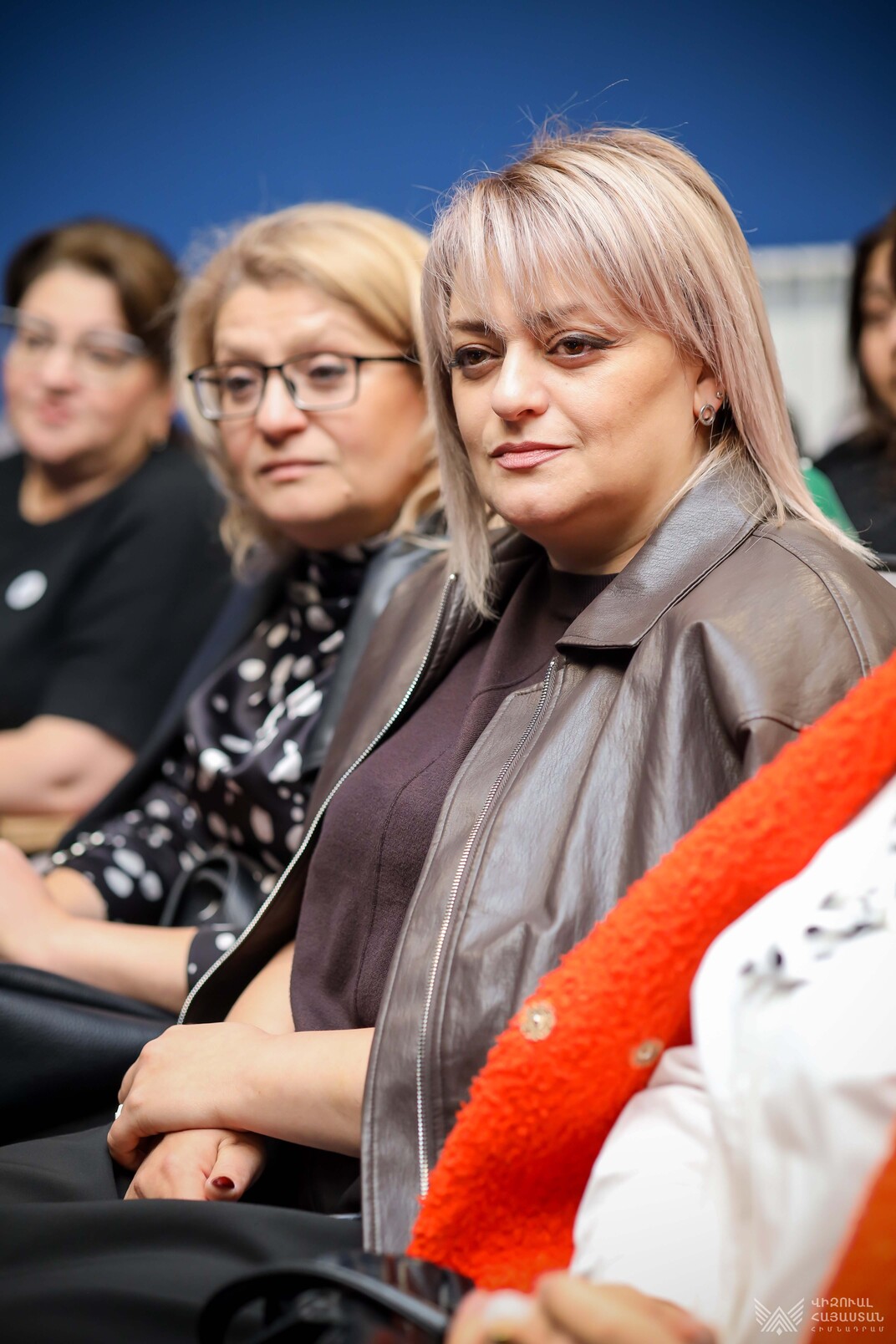
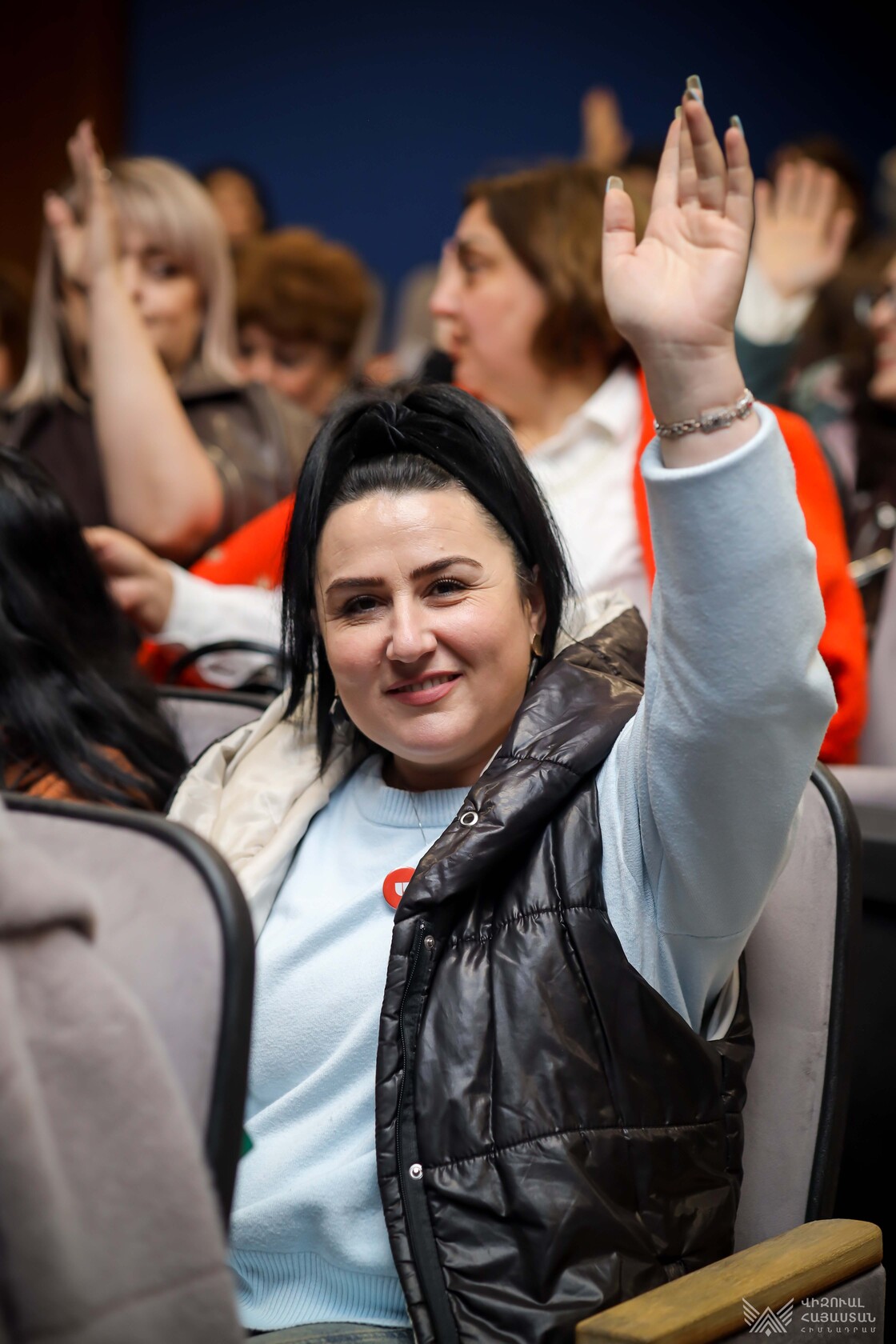
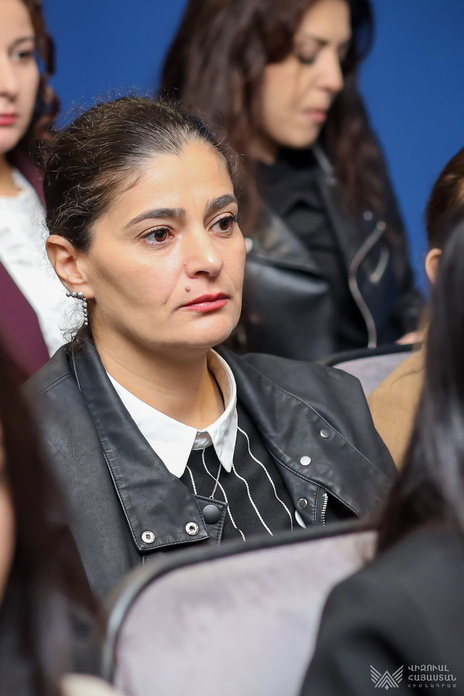
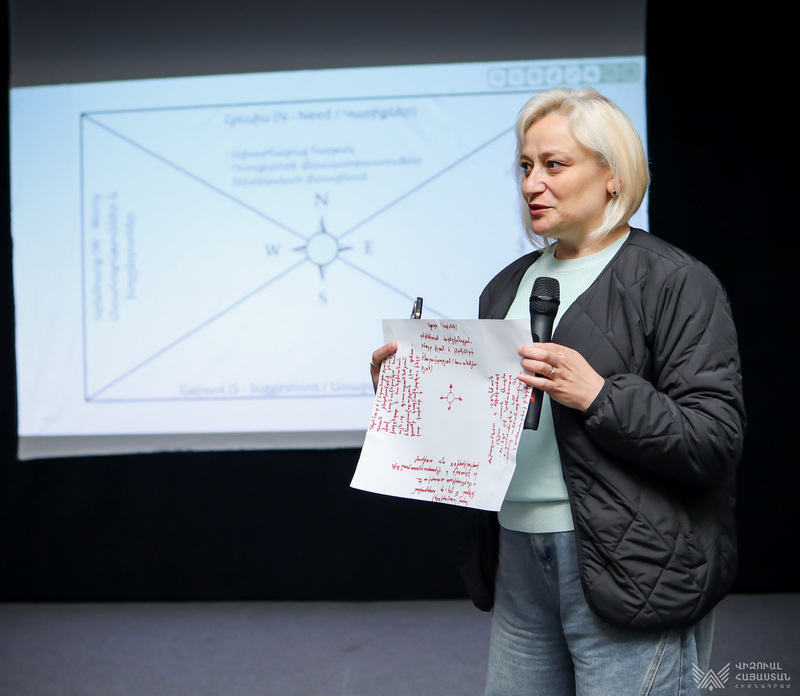
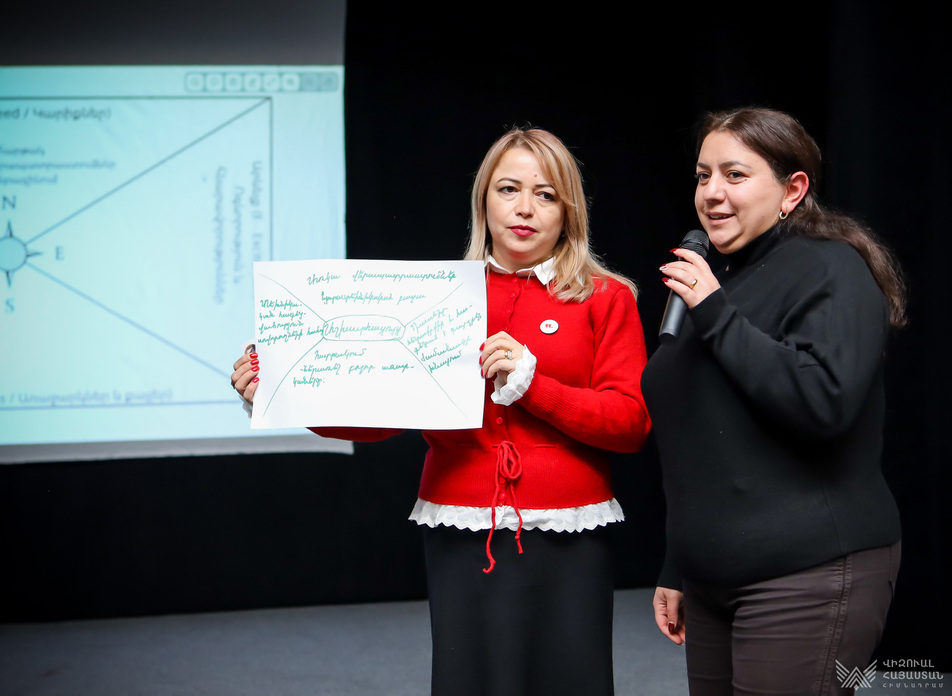
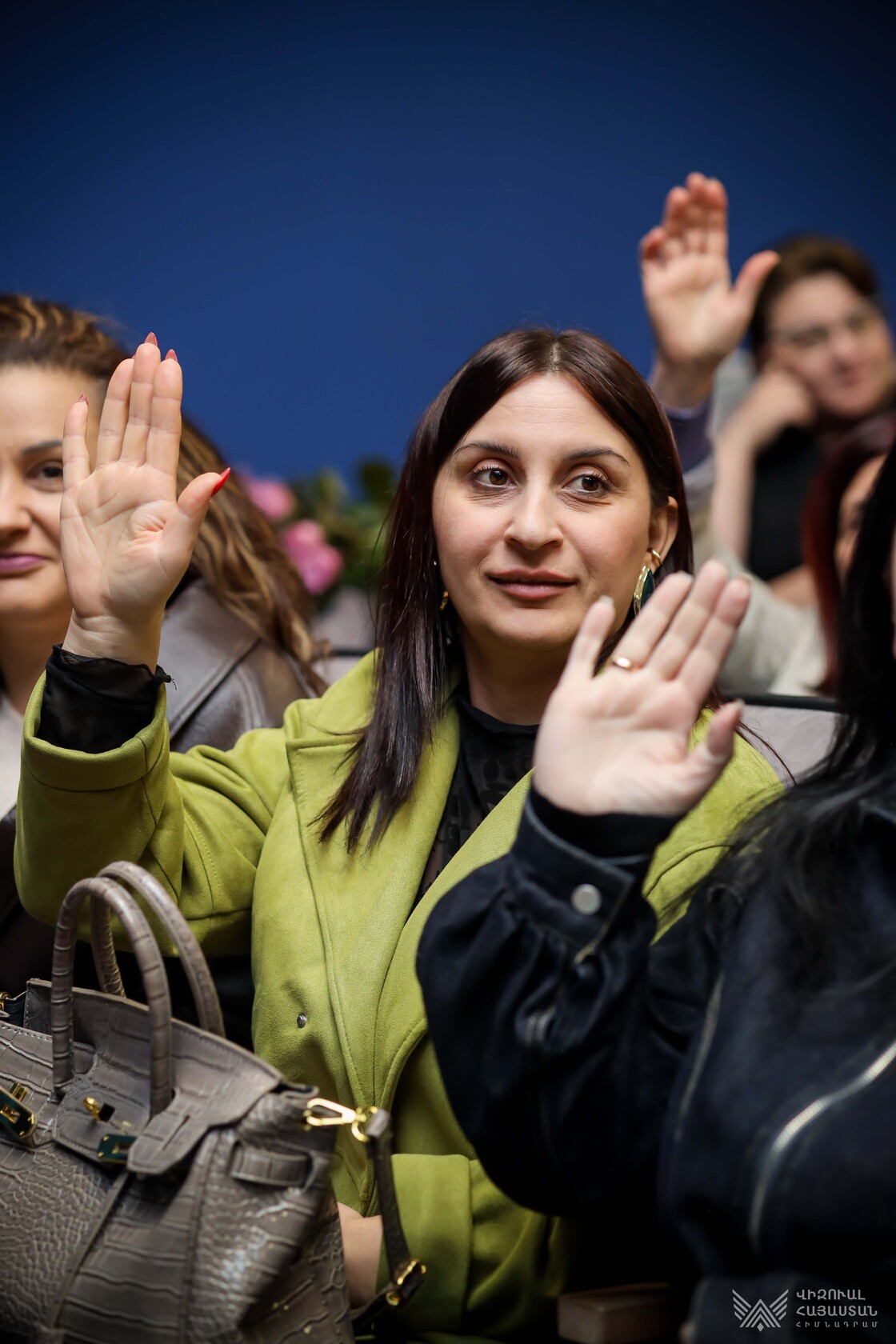
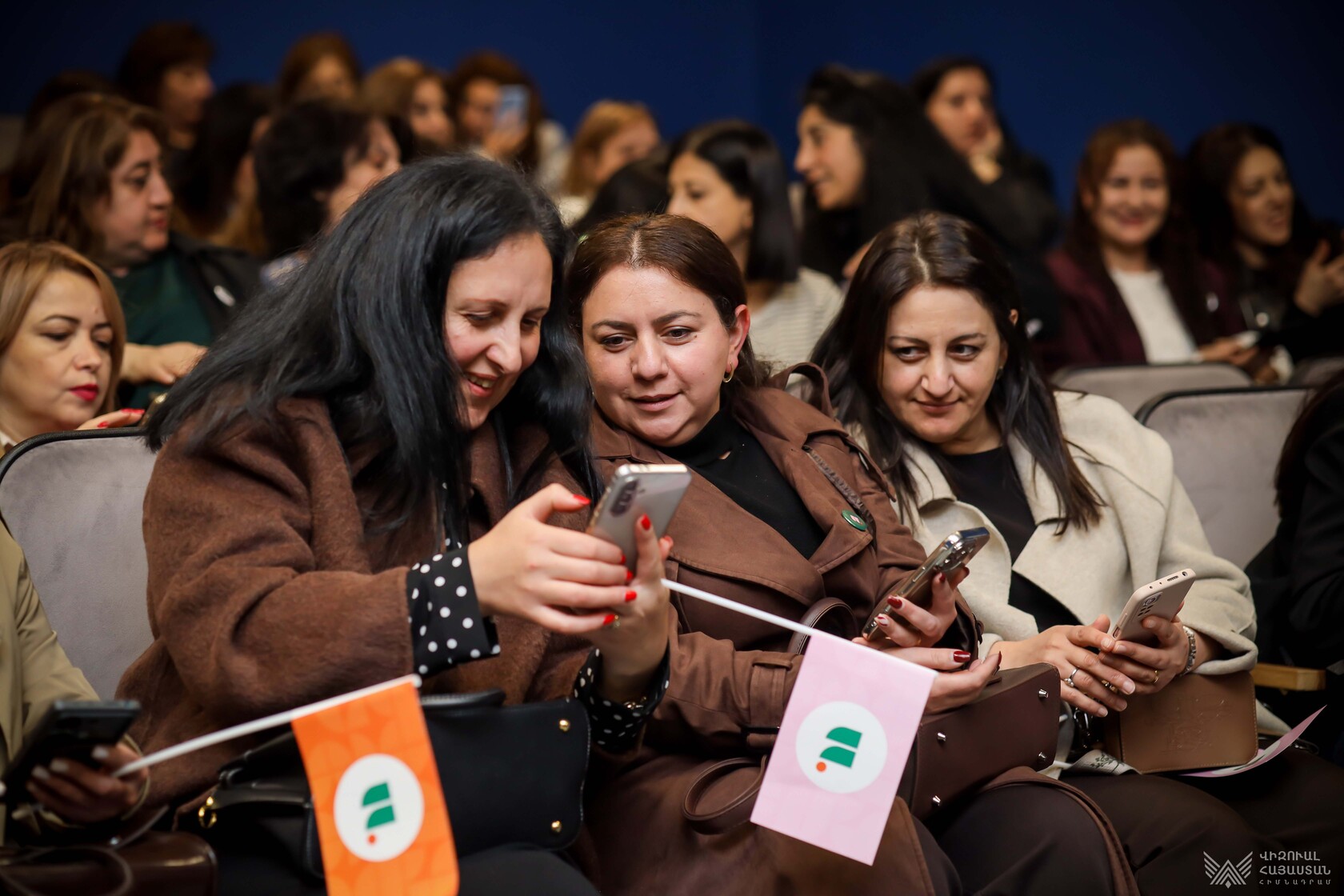
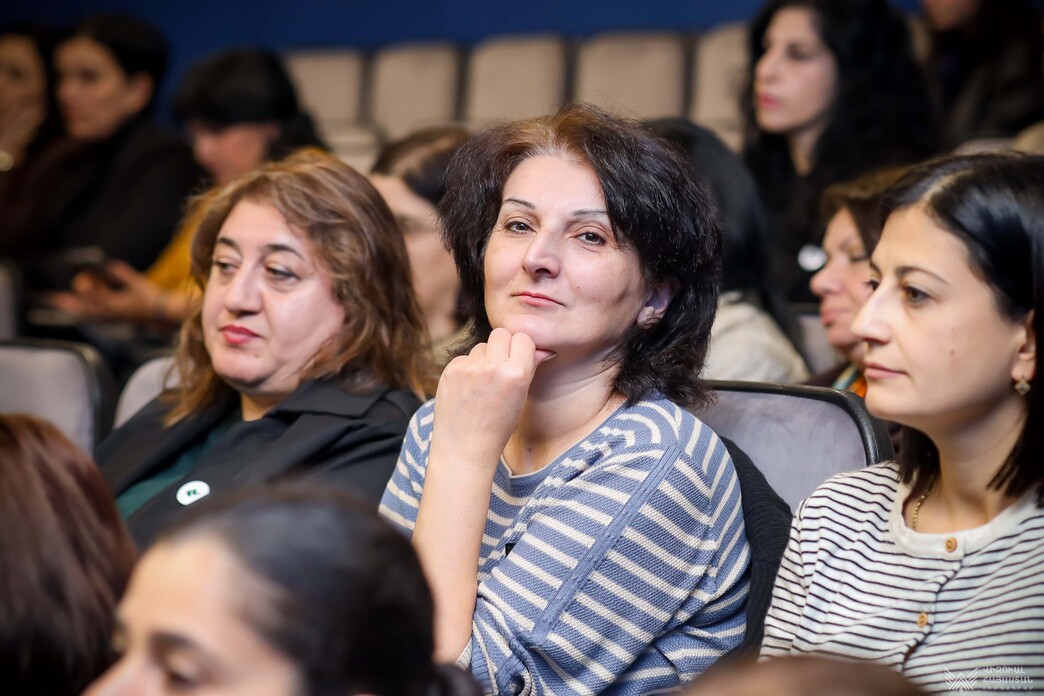
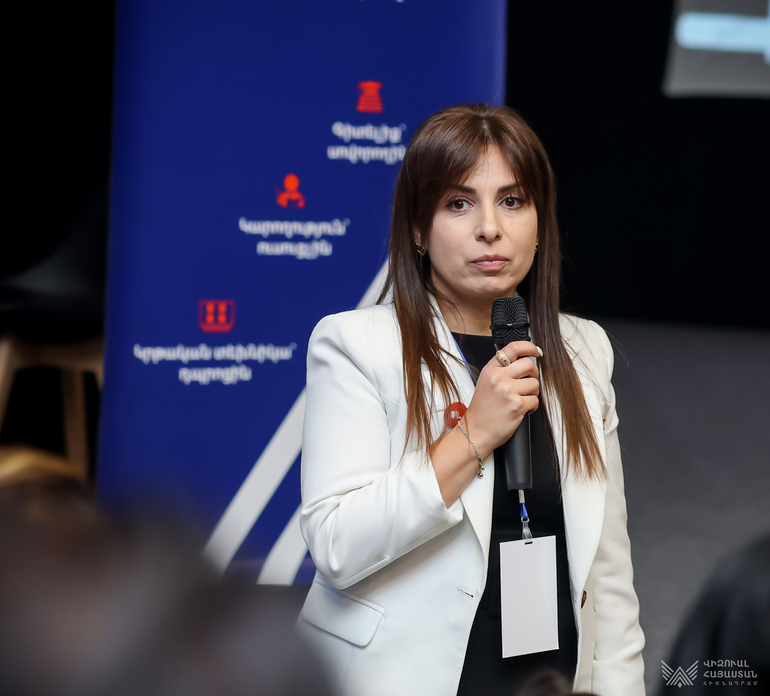
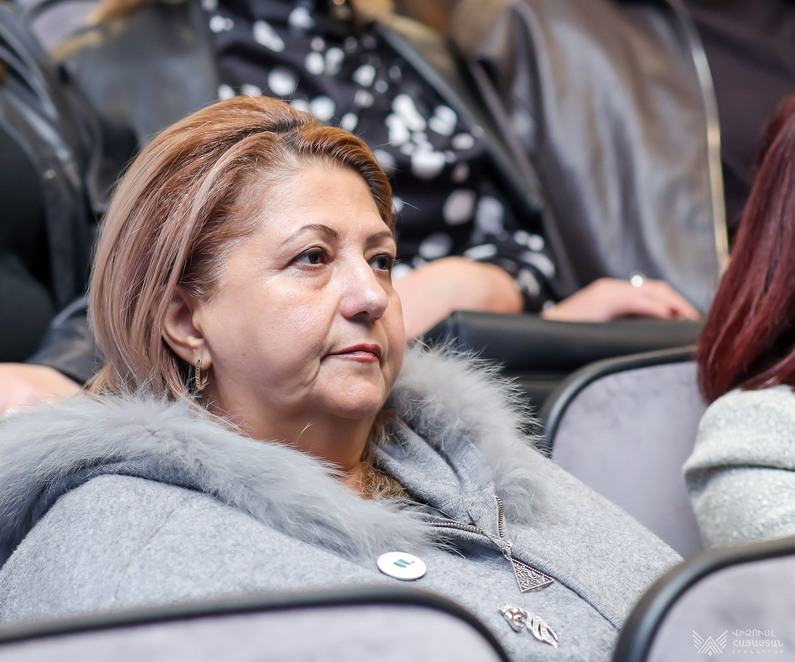
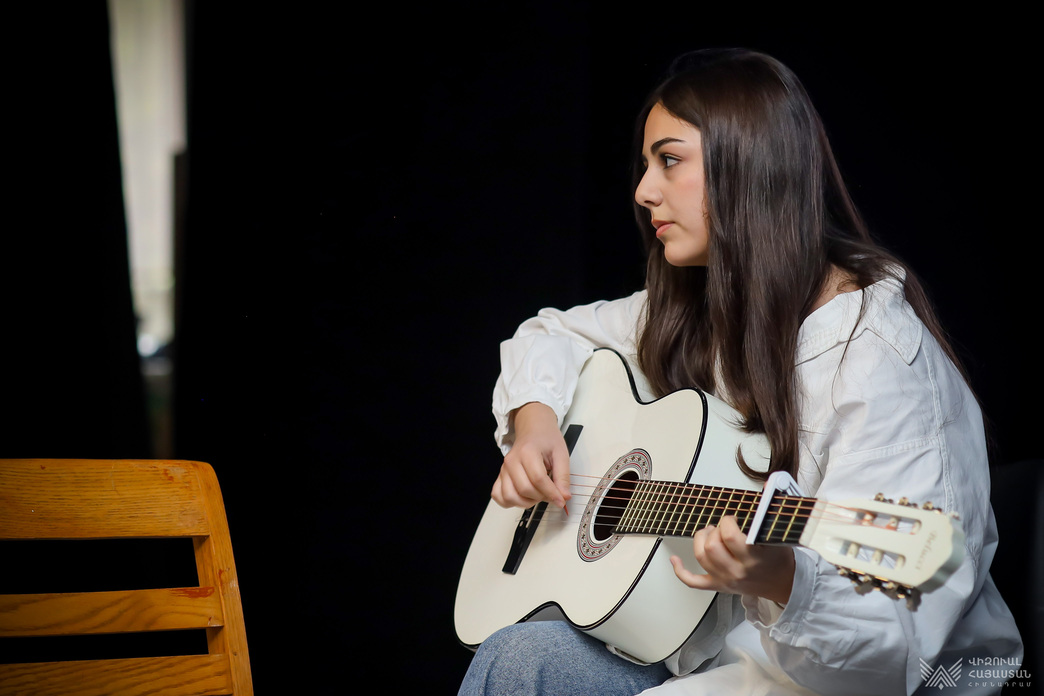
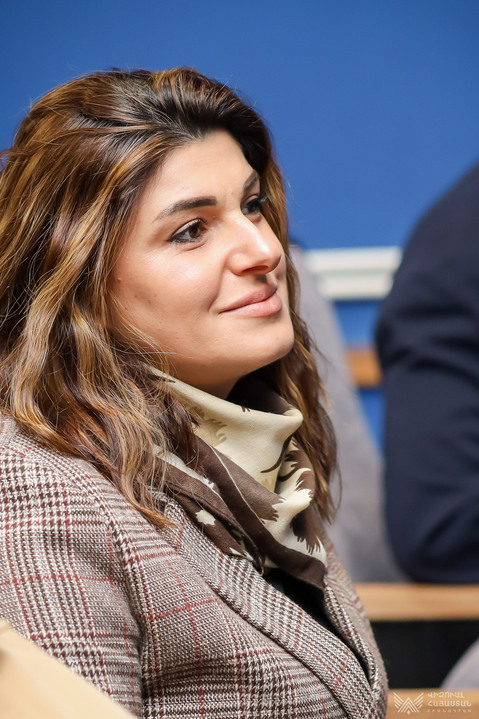
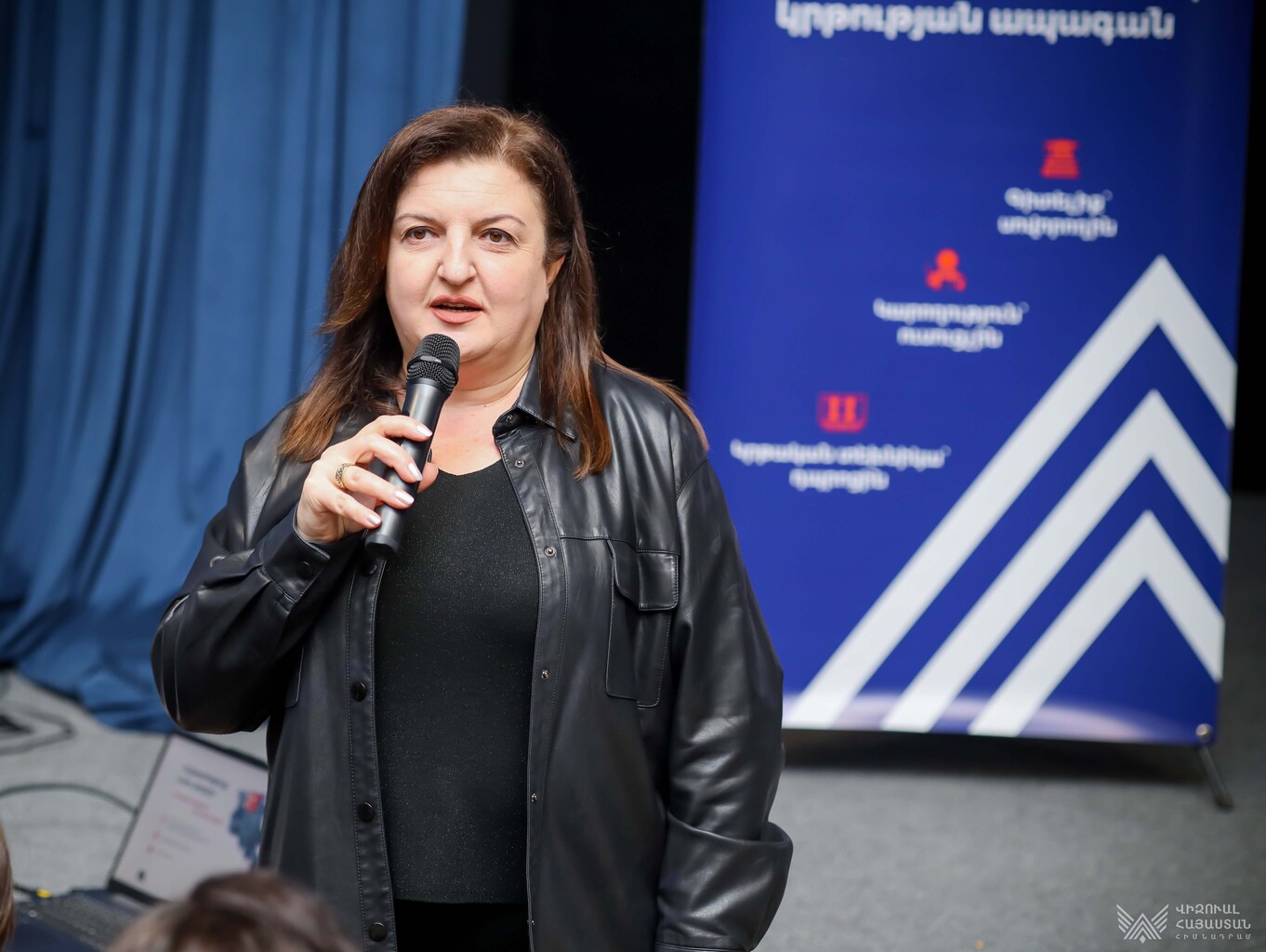
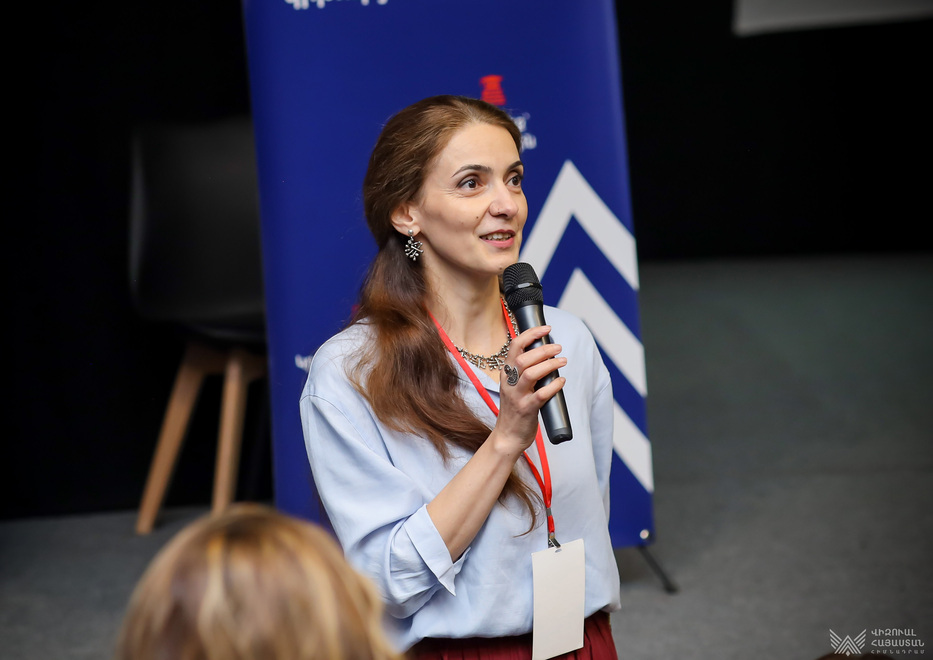
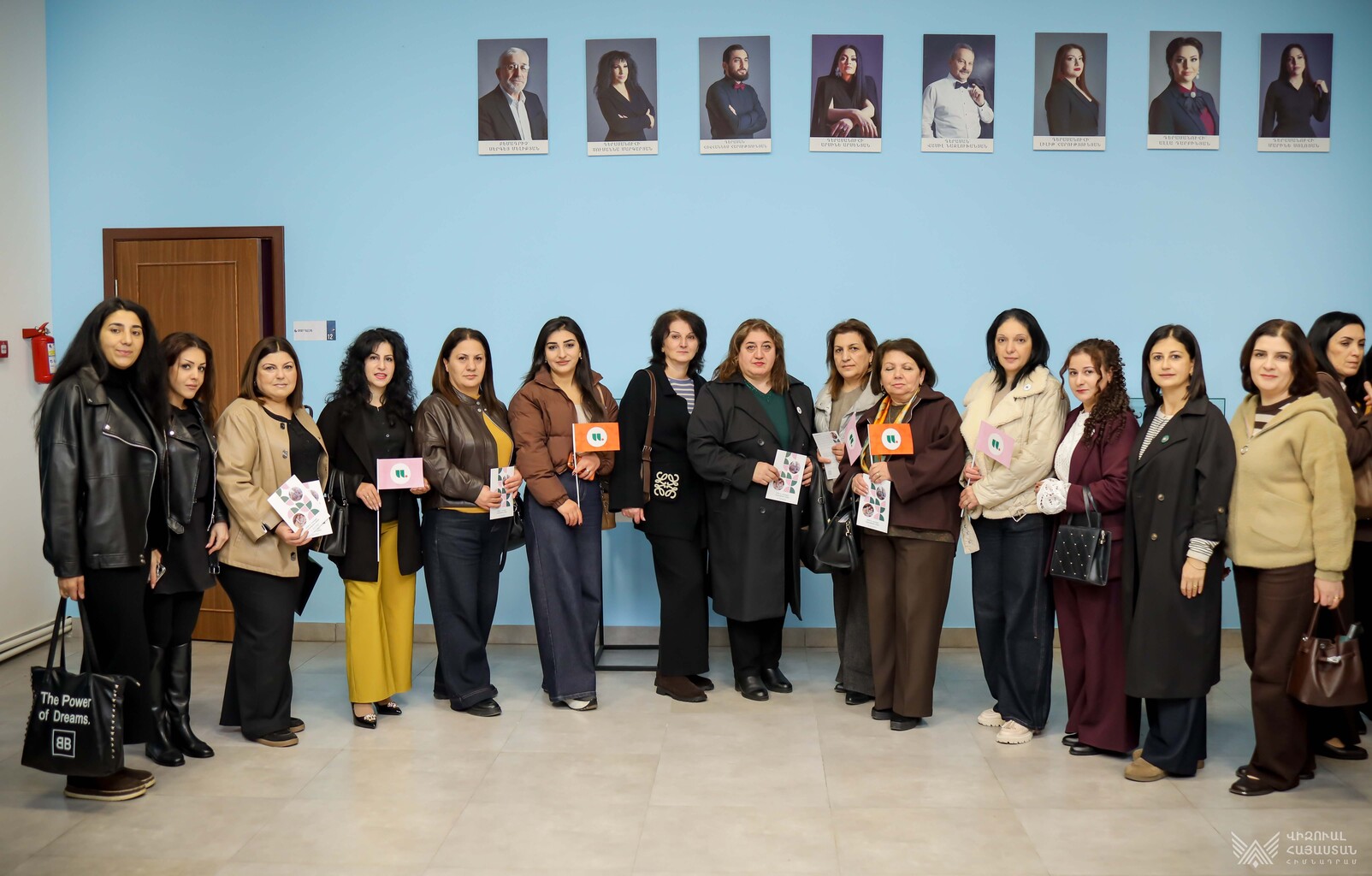
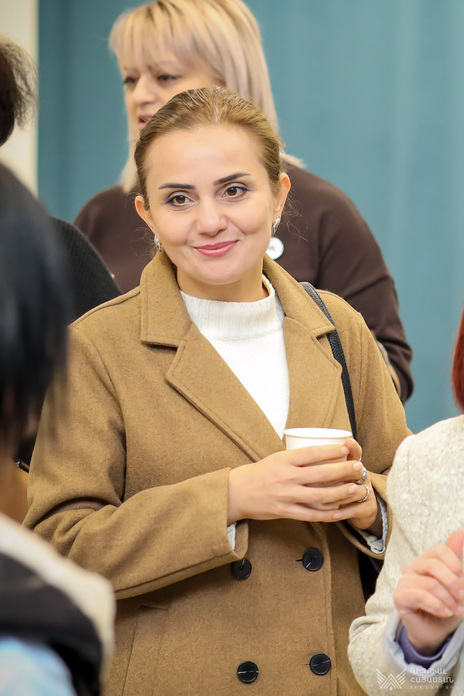
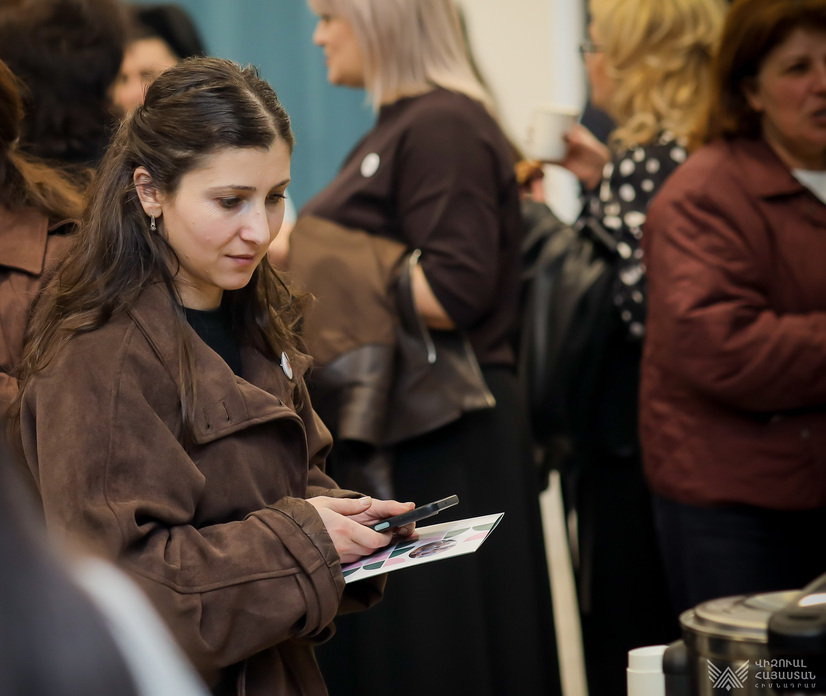
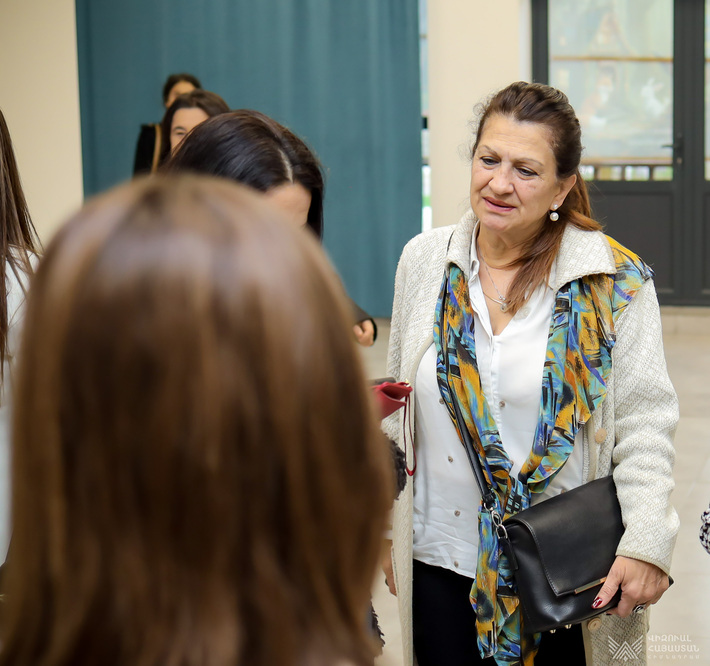
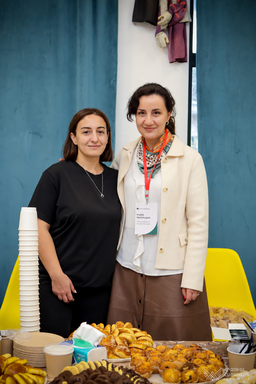
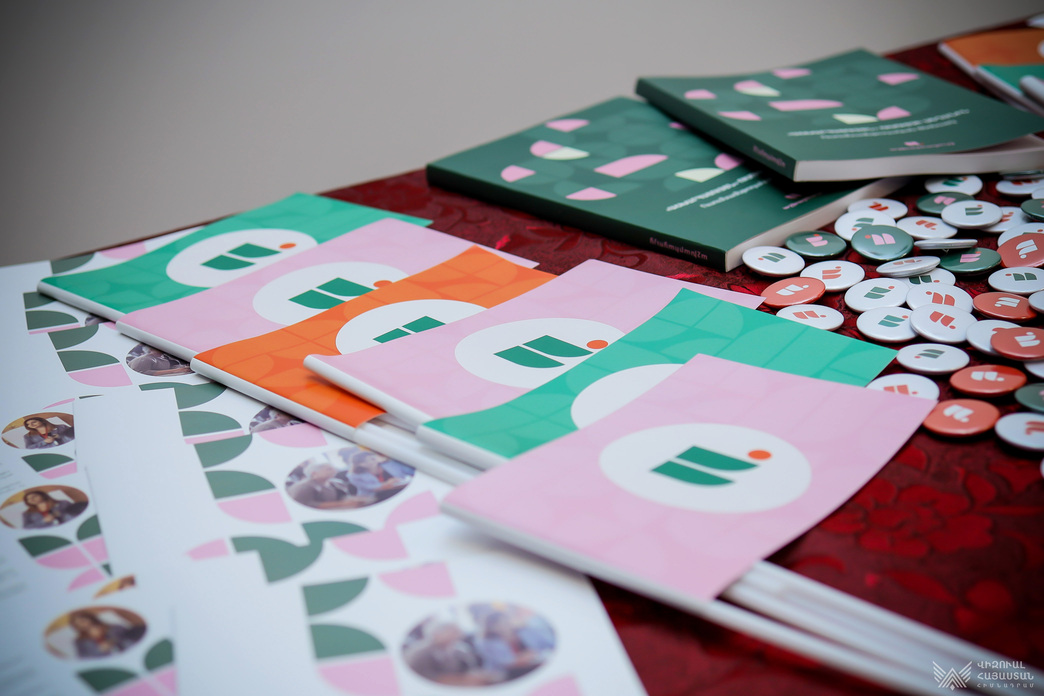
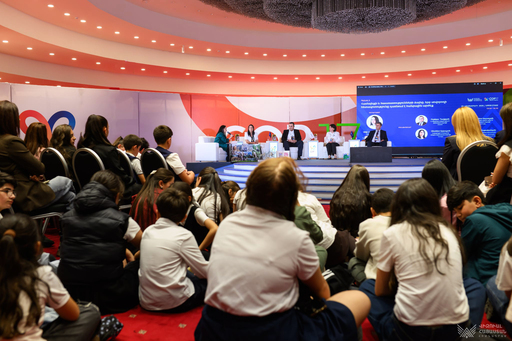
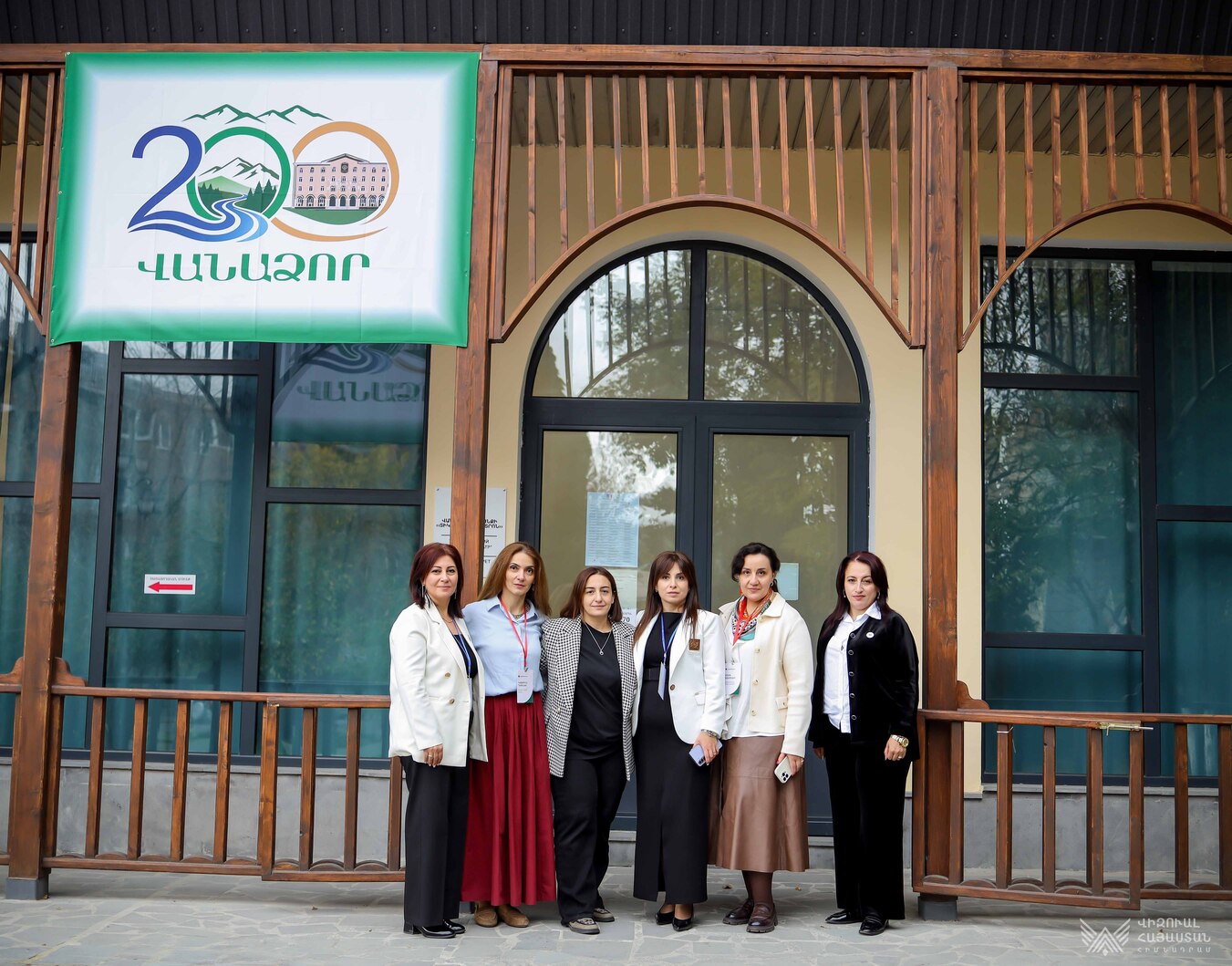
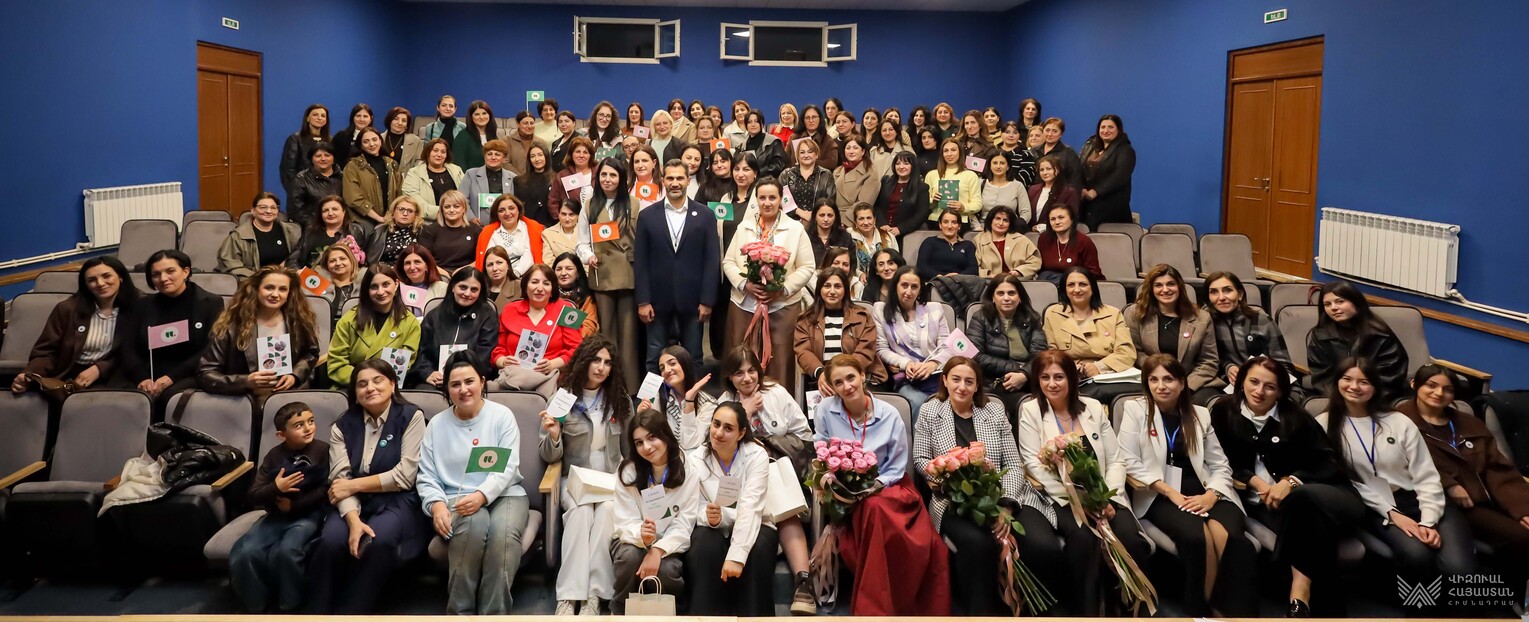
On October 29, despite the cold and rain, more than a hundred participants gathered at the Vanadzor Puppet Theatre, including school principals, teachers and representatives of the parent community. They came to Visual Armenia Foundation’s review meeting, “WorldView: The Lori Experience,” bringing classroom experience, questions about new tools and an understanding of their schools’ needs. As the conversation unfolded, it became increasingly clear that the value of training also reveals itself afterwards, when teachers return to their classrooms and try to put what they have learned into practice.
This work began in Lori on March 23. A total of 545 teachers from 85 schools took part in face-to-face and online training across 21 groups, and 540 have already received certificates. Training is ongoing. Behind these figures are resources created by teachers, lessons planned across subjects and opportunities to learn from one another, spanning history and languages, physics, chess, and me and the surrounding world.”
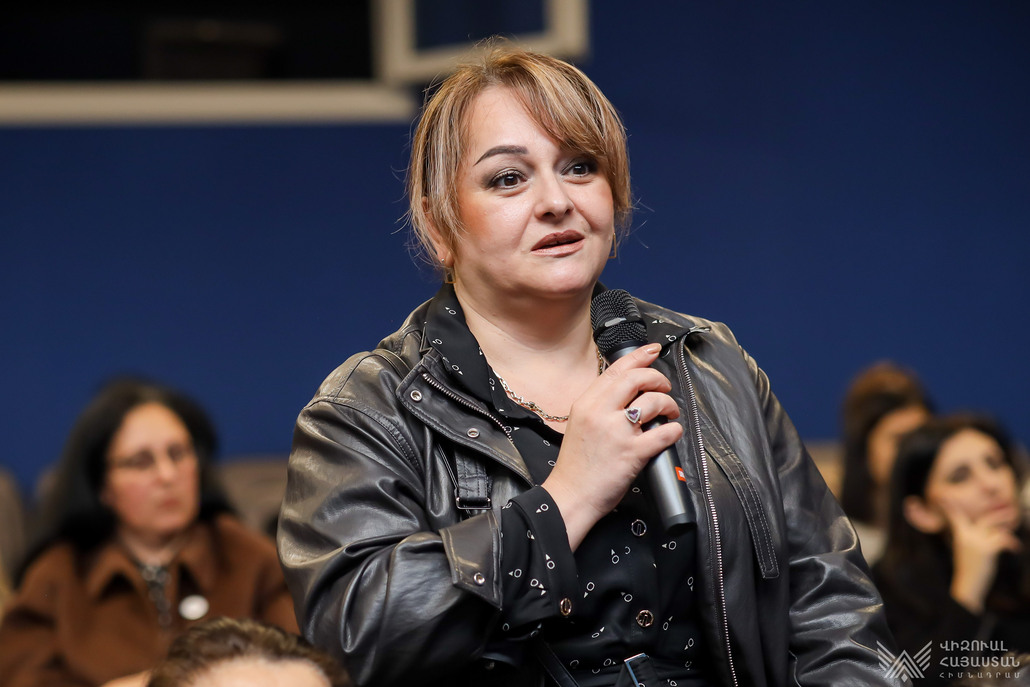
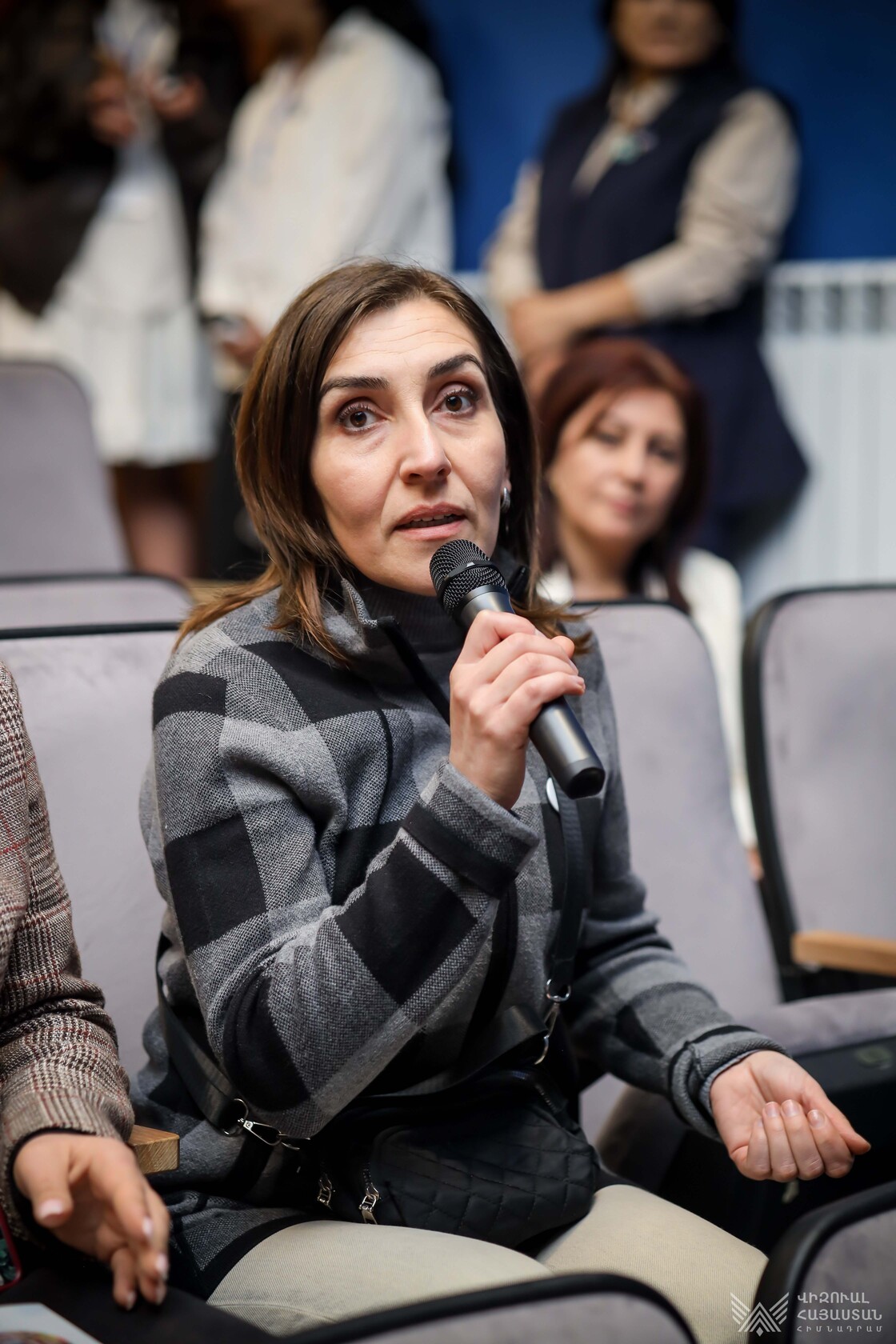
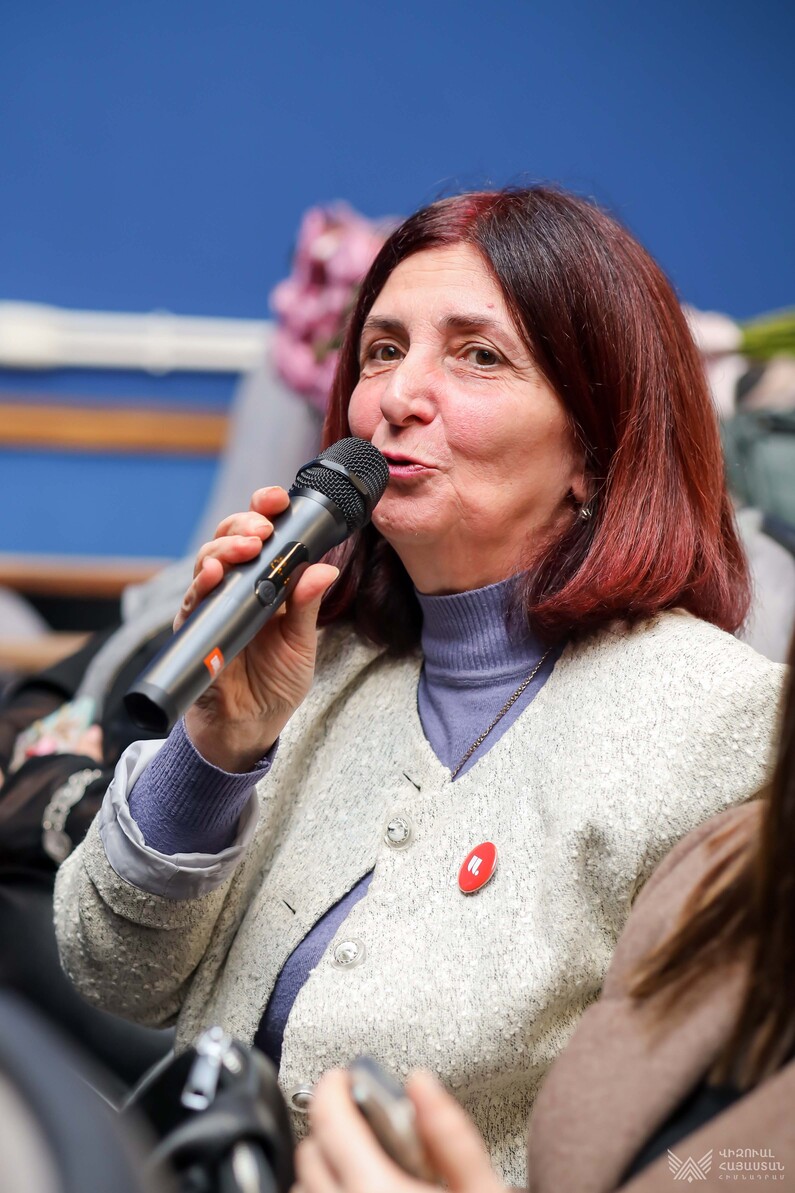
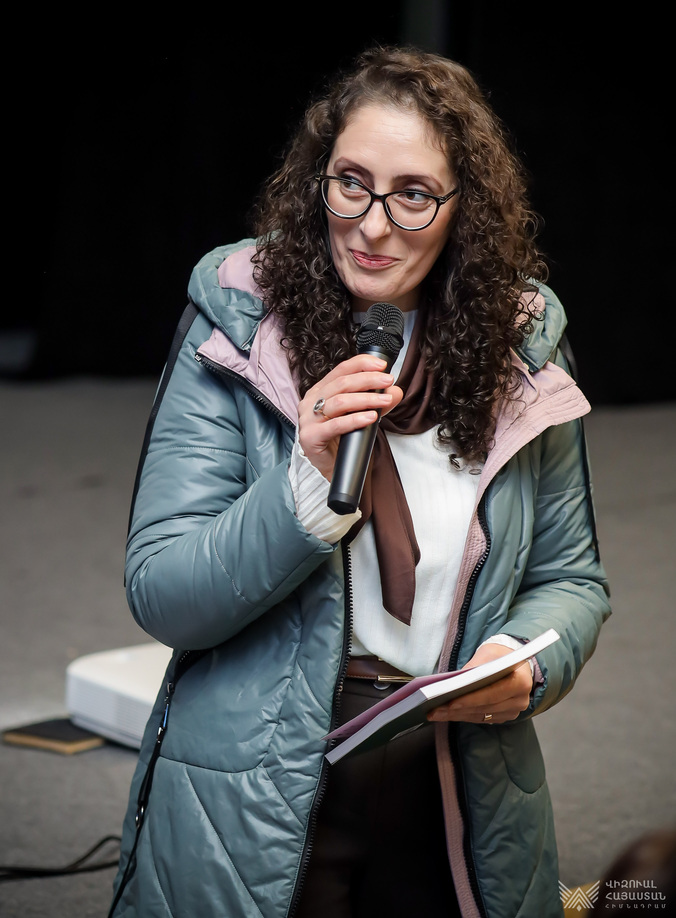
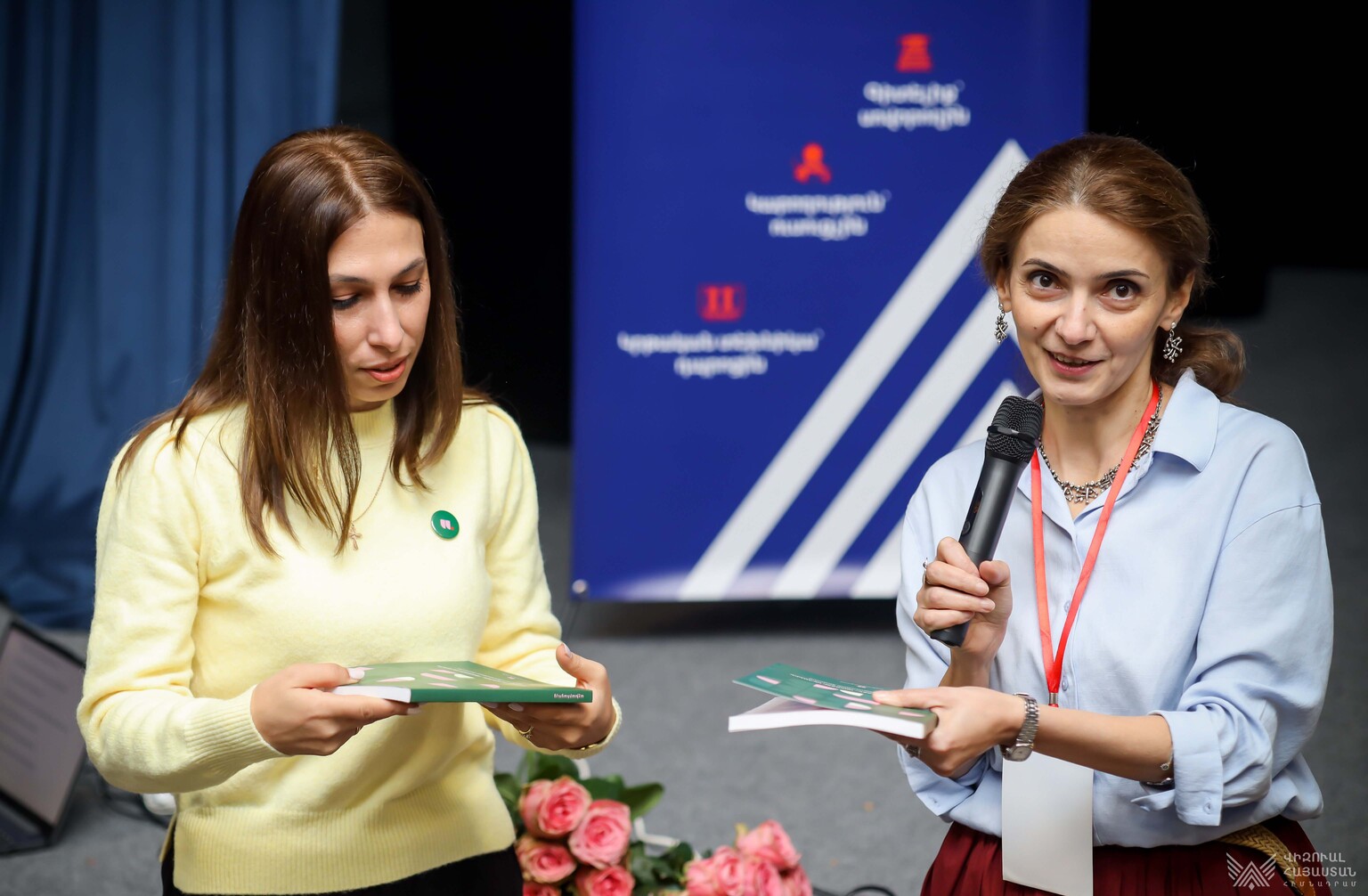
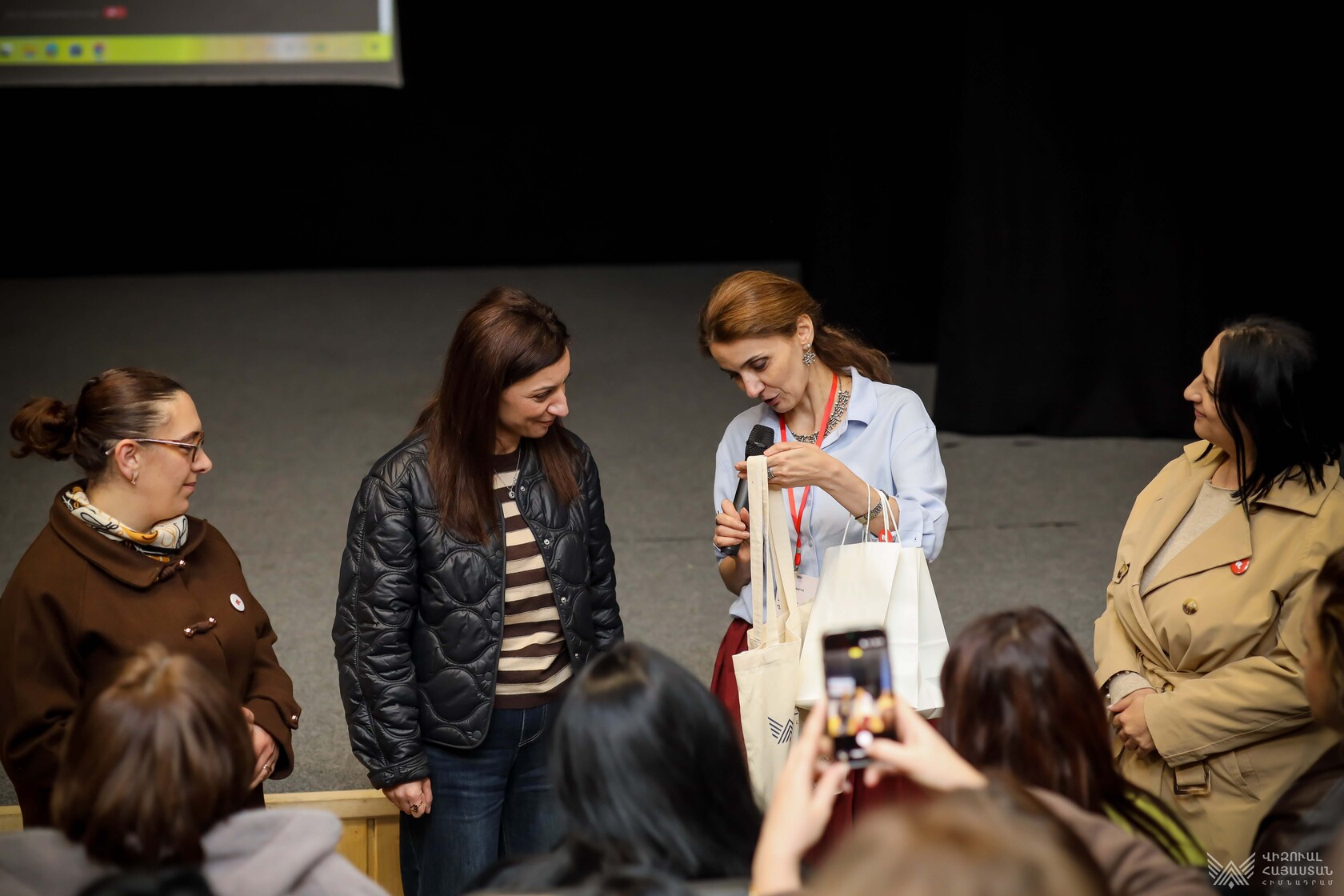
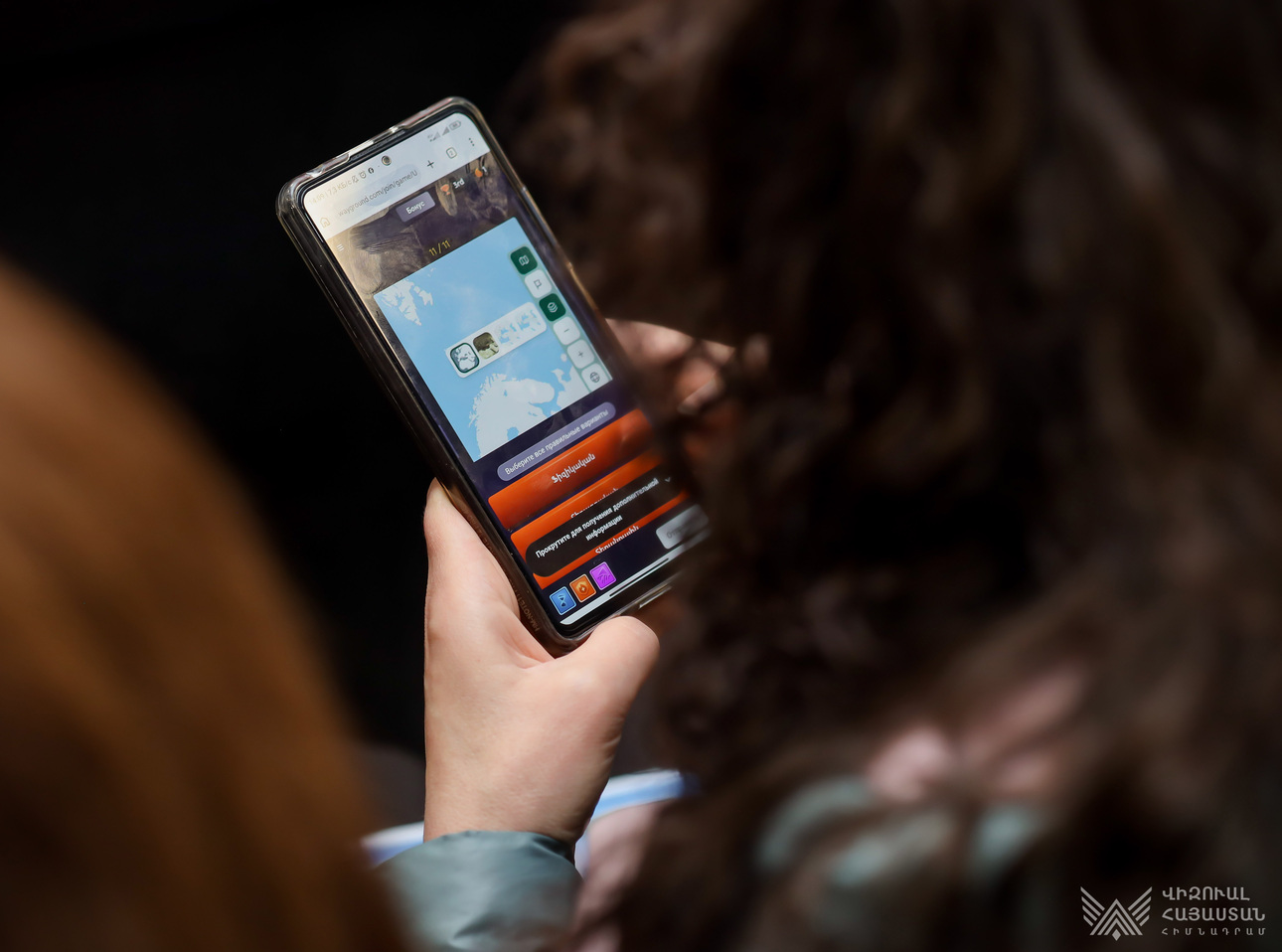
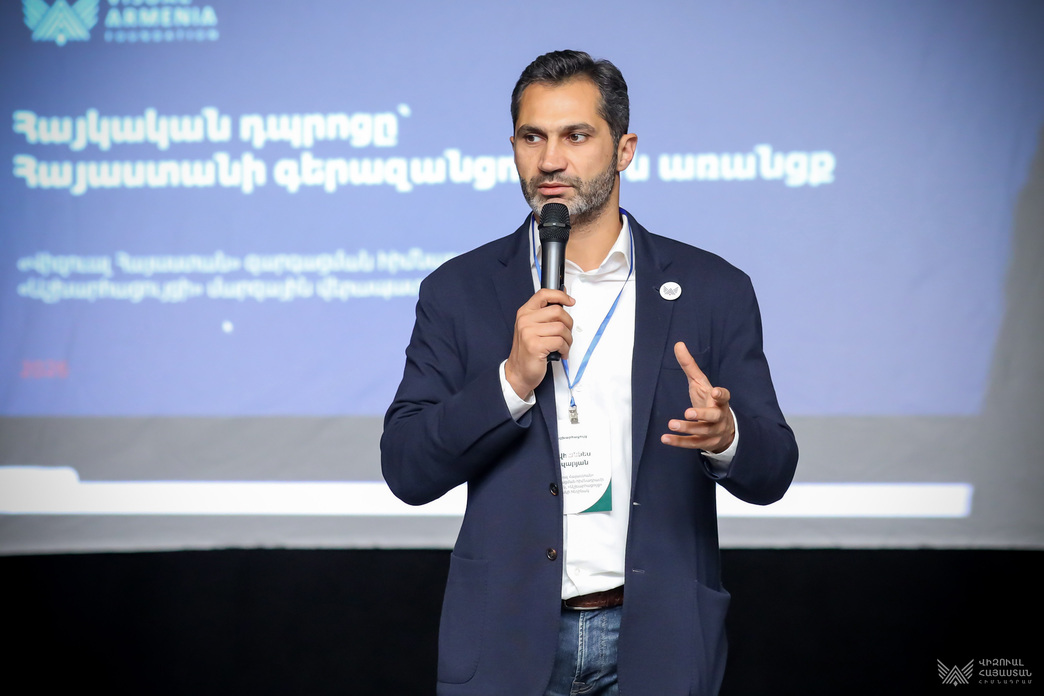
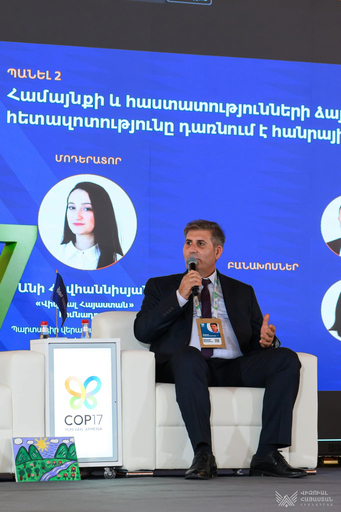
Naira Sargsyan, a mentor teacher in the region, presented the results to date, highlighting teachers’ engagement, their enthusiasm for trying new tools and the professional community taking shape. The meeting was facilitated by Haykanush Ghevondyan, coordinator of the regional teacher training programme. A lively exchange with Hovhannes Ghazaryan, the Foundation’s Executive Director and creator of the WorldView platform, and the team prompted numerous questions and answers, ranging from the platform’s use and development to opportunities to join the Foundation’s other programmes.
Even before the meeting, teachers had outlined their ideas for collaboration in their registration forms. “Could we have a centre or a team in the region that would bring WorldView teachers together?” one asked. Others wanted to know how they could contribute to creating subject content for the platform. These questions reflected a willingness to contribute their own experience and knowledge: teachers wanted to help develop the learning environment they use.
Their questions also addressed how to ensure every child’s participation in the classroom. How could the platform be developed to support learners with different levels of attainment and learning needs? Underlying this question is a familiar daily challenge for teachers: children in the same classroom have different levels of prior knowledge, learn at different paces and have different educational needs. The platform’s capabilities are therefore judged by how effectively they help each pupil understand the material, participate in the lesson and make progress from their own starting point.
During the meeting, questions about the support needed to put learning into practice also took a very practical form: the desire to have a smart board. The need in schools is considerable. Teachers want to use the tools they have encountered during training in their classrooms. Alongside new skills, they need the conditions that will allow them to make those skills part of their everyday work.
Visits to rural schools and continued collaboration after training also featured prominently among teachers’ expectations. Two registration forms contained the same brief response: “I value human interaction.” Within a community forming around a digital platform, teachers also valued the opportunity to meet, ask questions and share their experience.
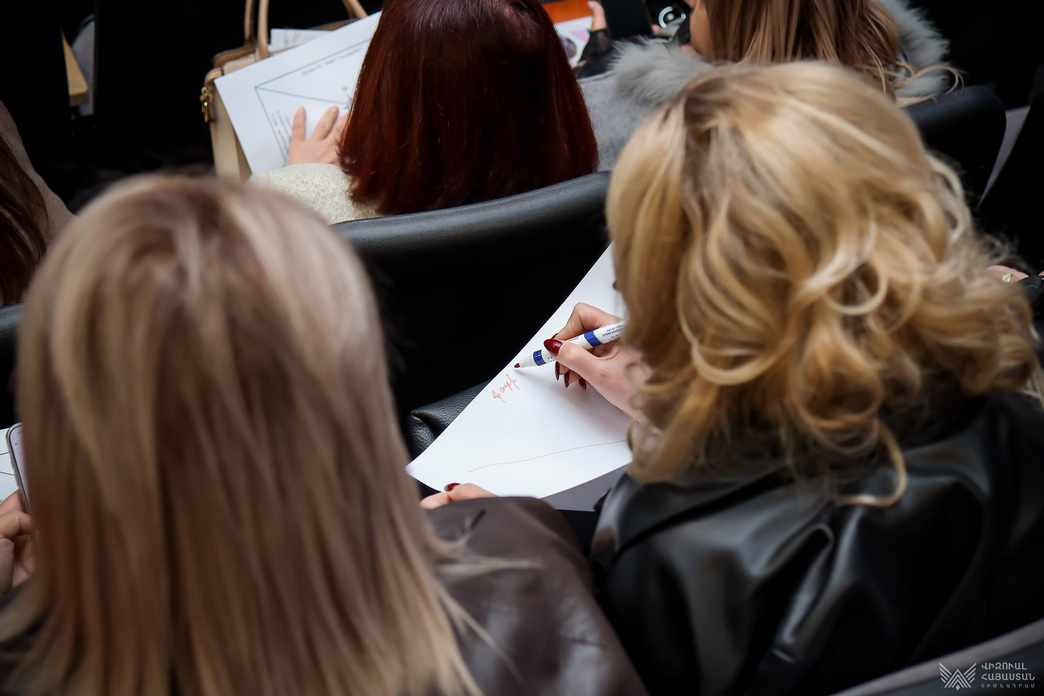
The conversation continued during a group activity entitled “If We Join WorldView, Our School Will…” Participants articulated their expectations and ideas. Their responses and suggestions helped our team better understand the support Lori’s schools need today and how to continue our work together.
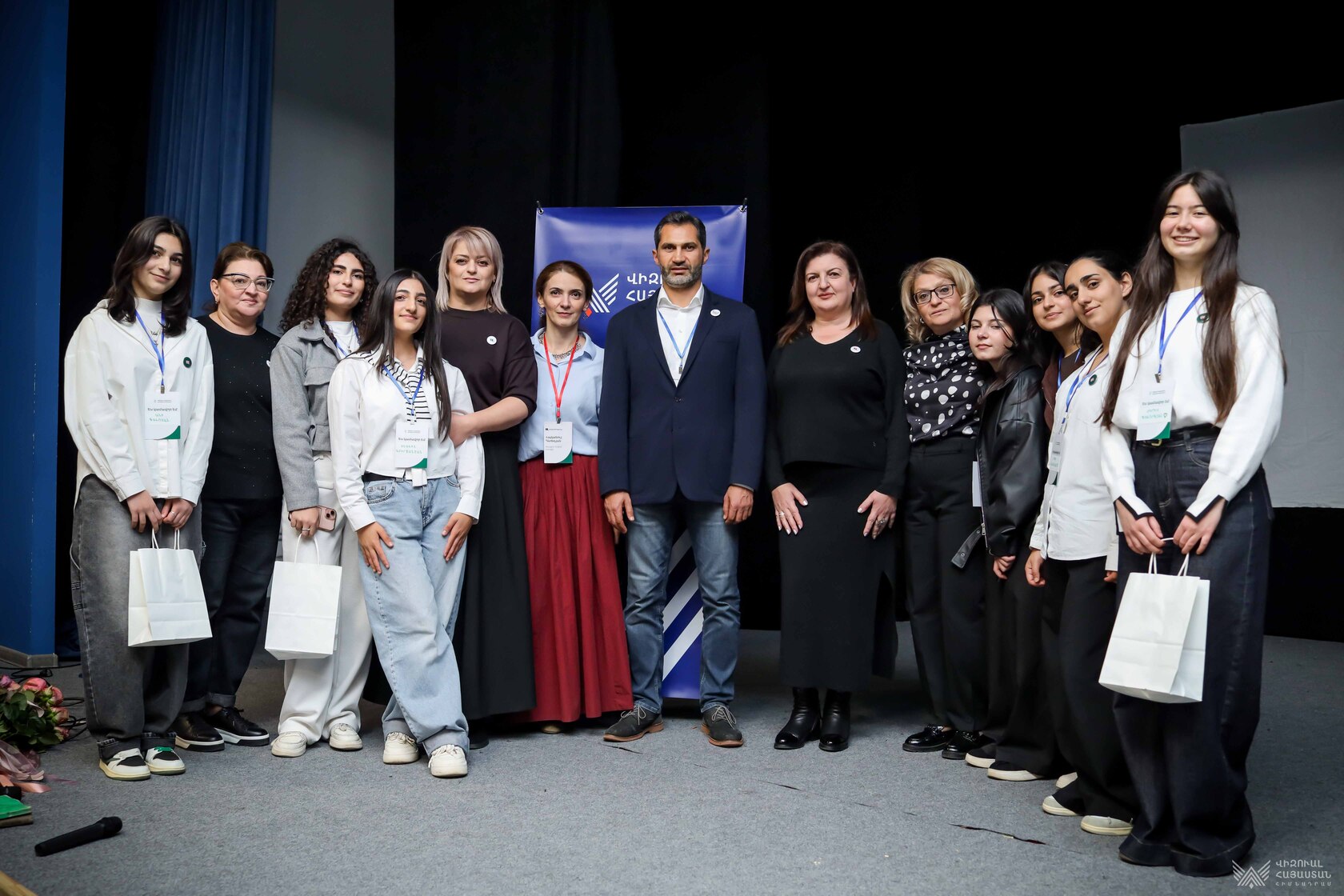
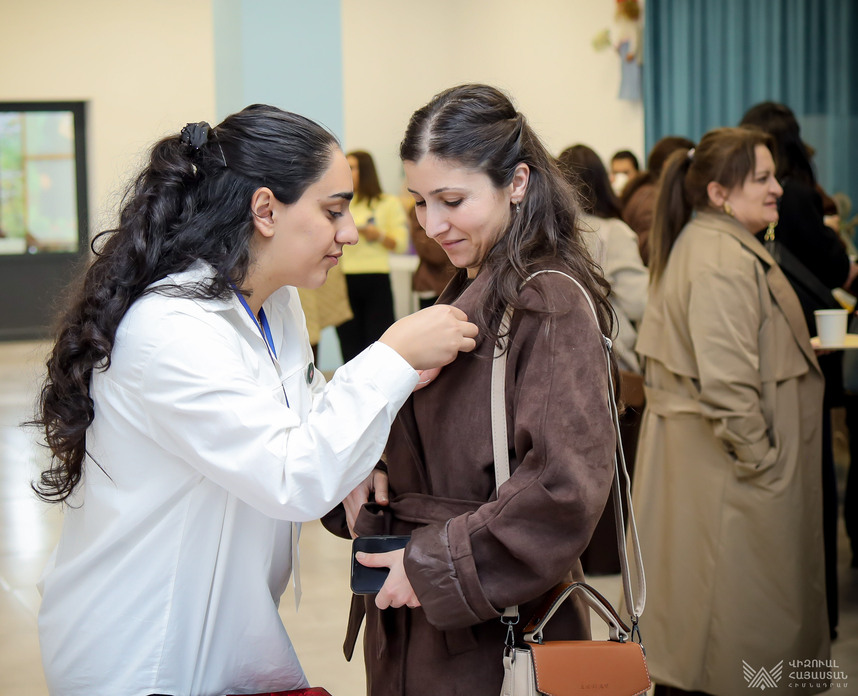
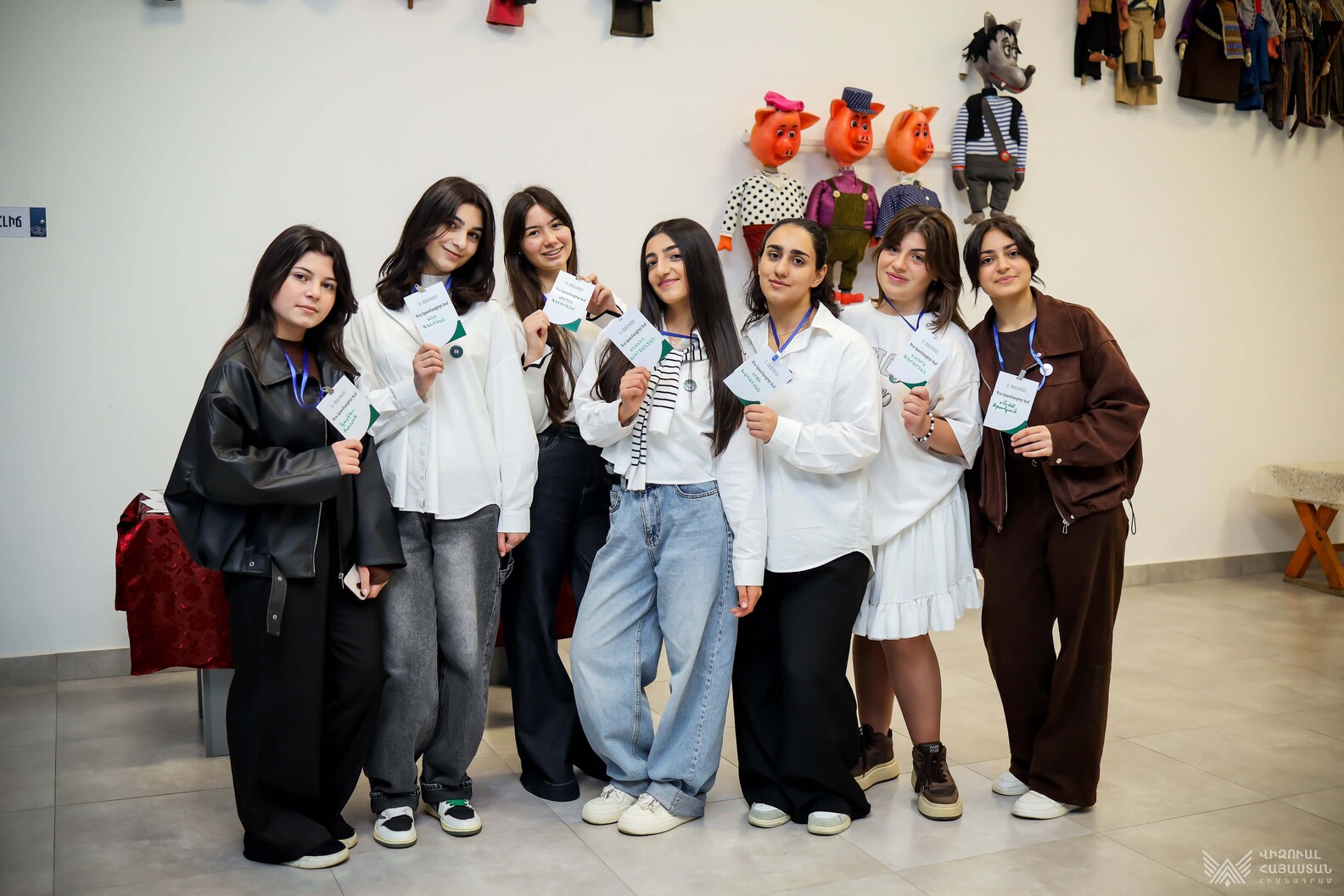
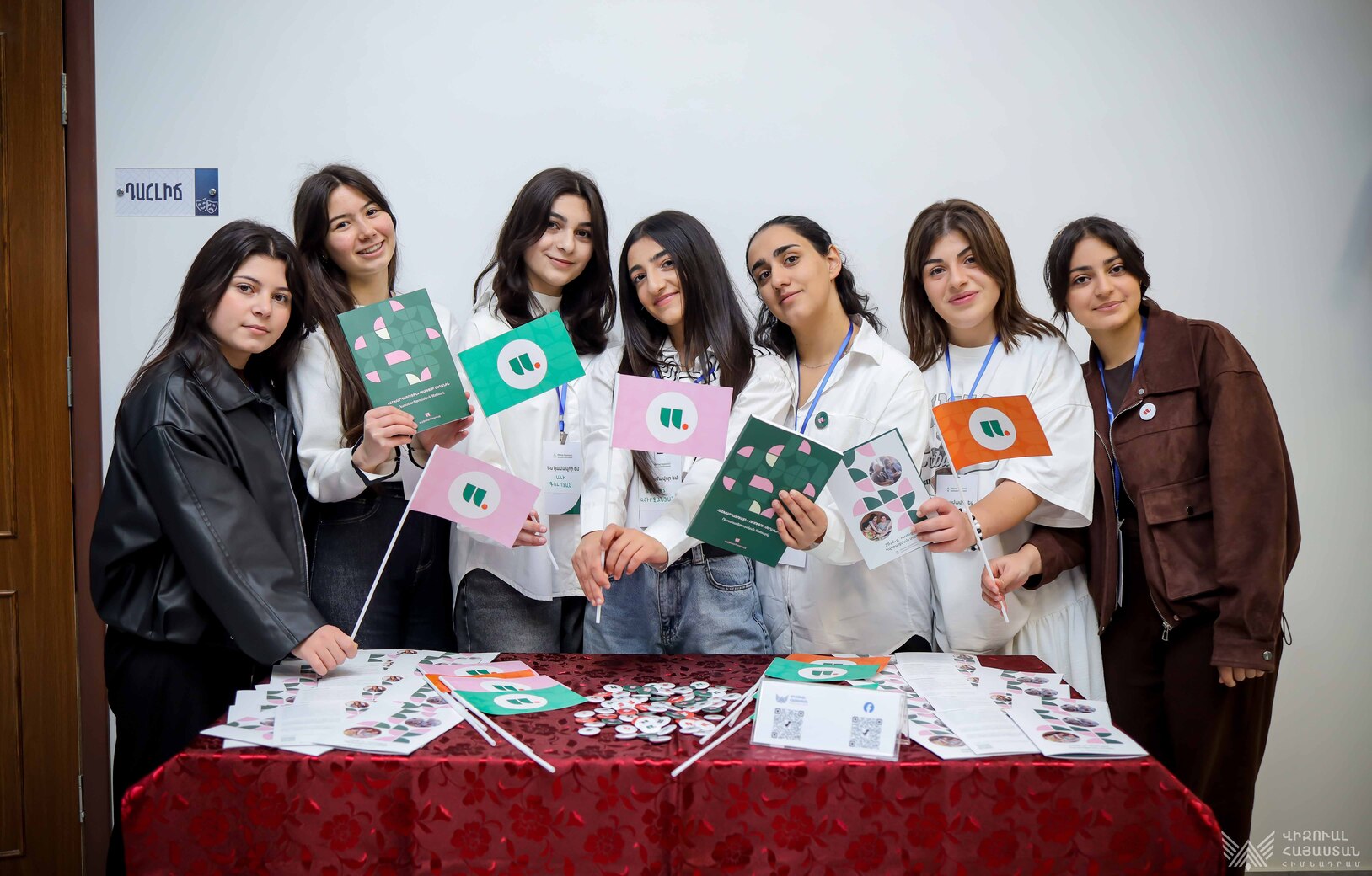
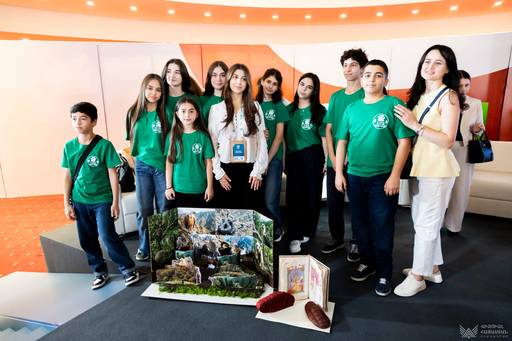
Volunteers also helped organise the meeting. Their support, the teachers’ openness and their willingness to participate were among the details that made the emerging community visible throughout the day.
We returned from Vanadzor with the teachers’ questions, proposals and expectations. Their desire to continue training, contribute to content development and equip their schools with technology shared a common purpose: to bring what they had learned into the classroom and use it to respond more effectively to children’s needs. That day, it was the teachers themselves who set the agenda for our continued work together.