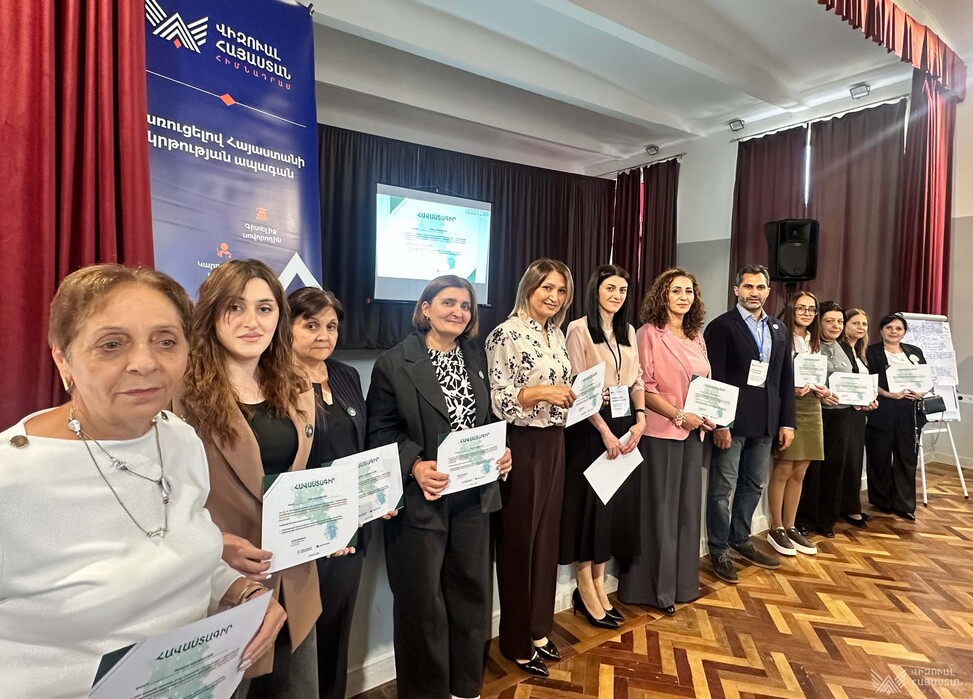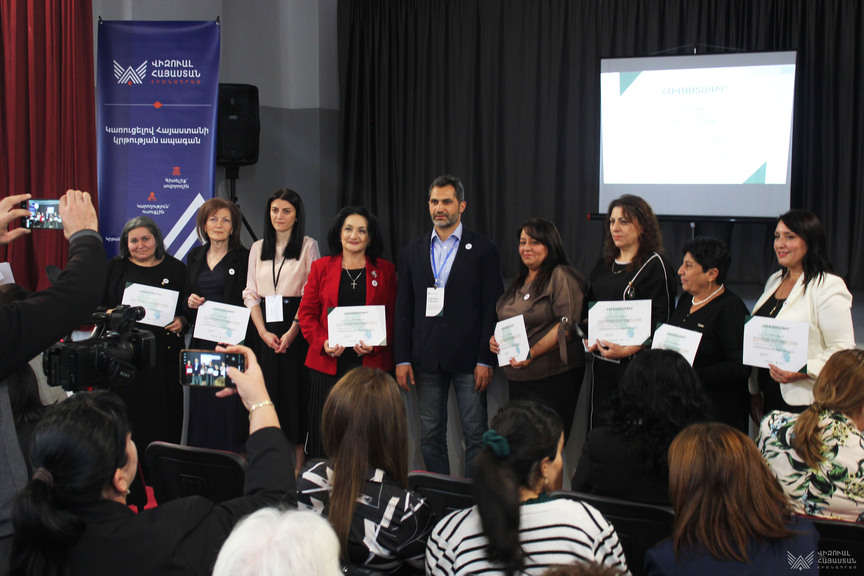
In Aragatsotn, 459 teachers have taken part in Worldview training across 28 groups. At a meeting to reflect on their progress, the figures came to life through stories of learning, helping one another and trying something new at school.
One training group included a married couple. The husband would ask for the tools to be explained to him first so that he could help his wife at home.
In another group, a teacher on childcare leave was determined to learn. She wanted to master Worldview’s tools before returning to school so that she could make her lessons more engaging. Caring for her young child had prevented her from completing the training. So she joined again, this time with the next group.
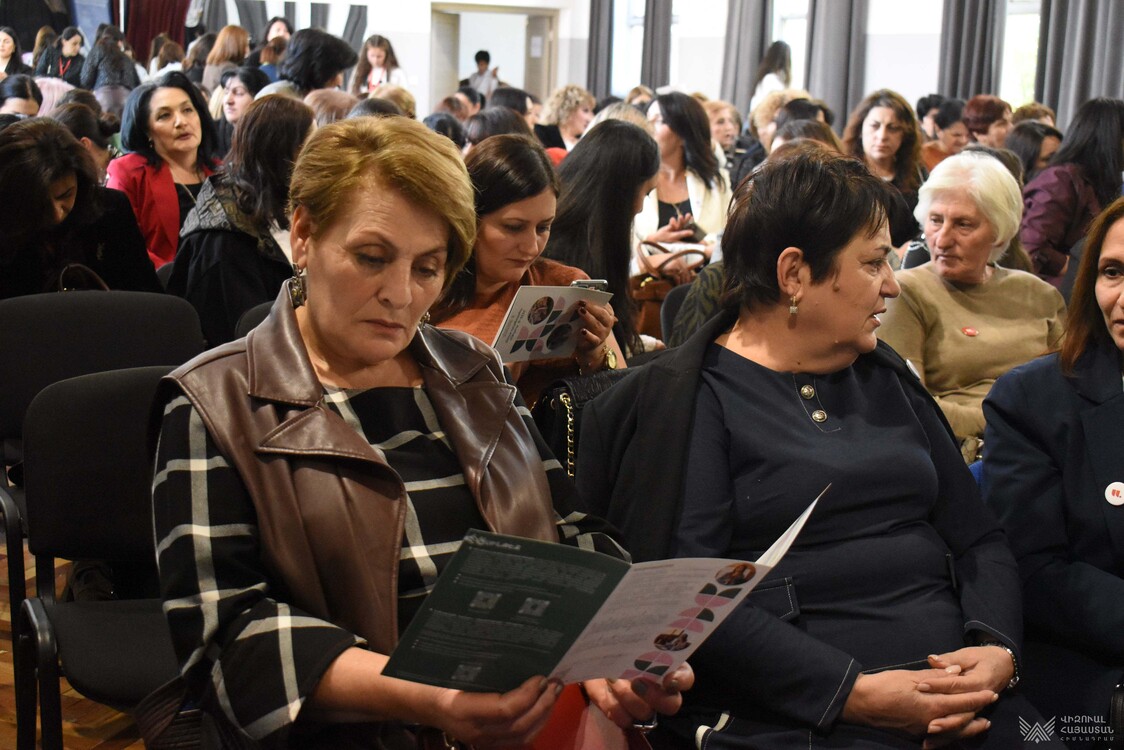
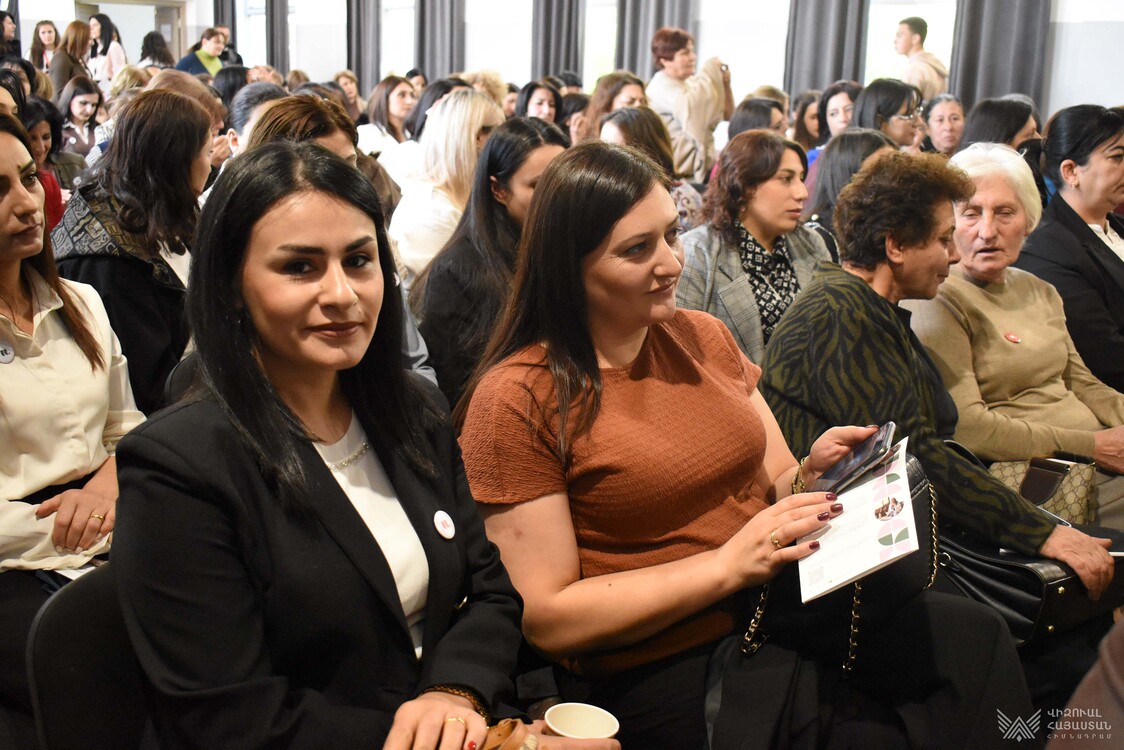
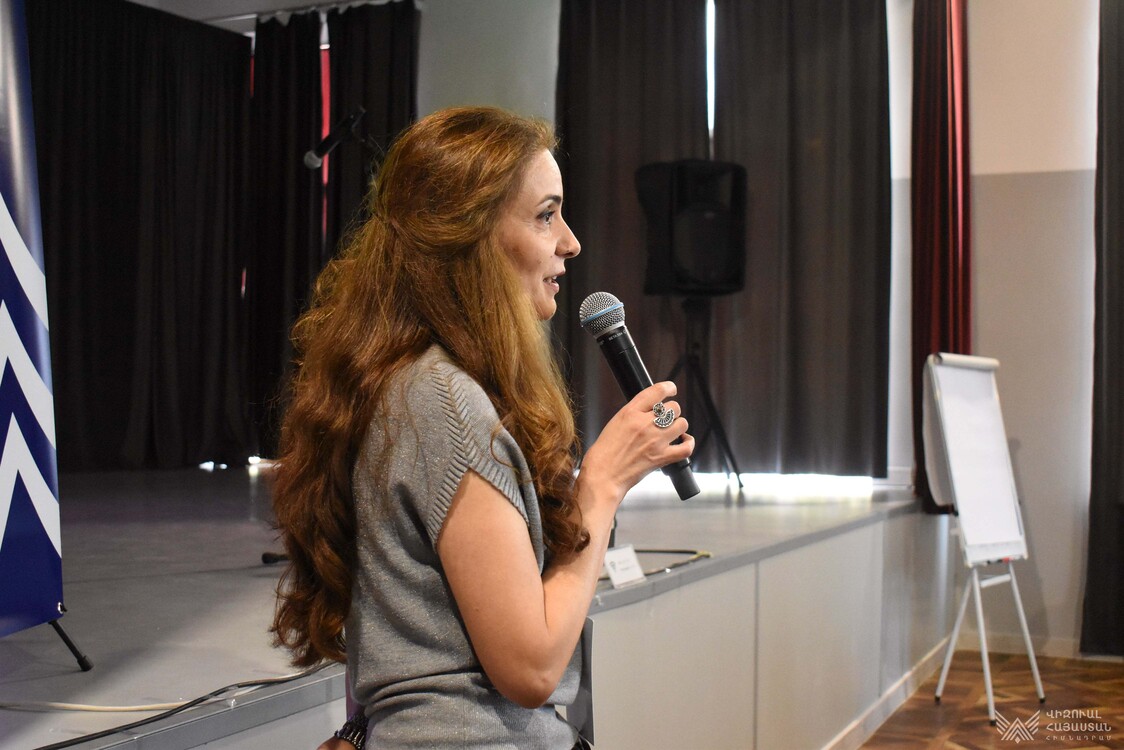
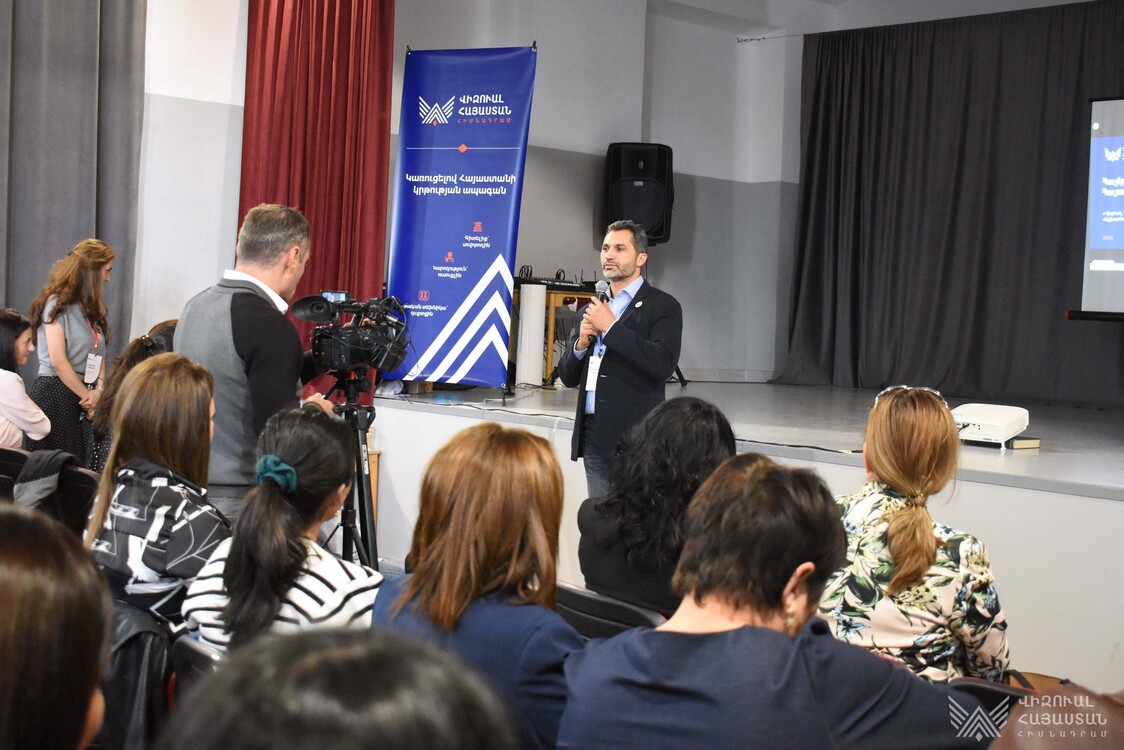
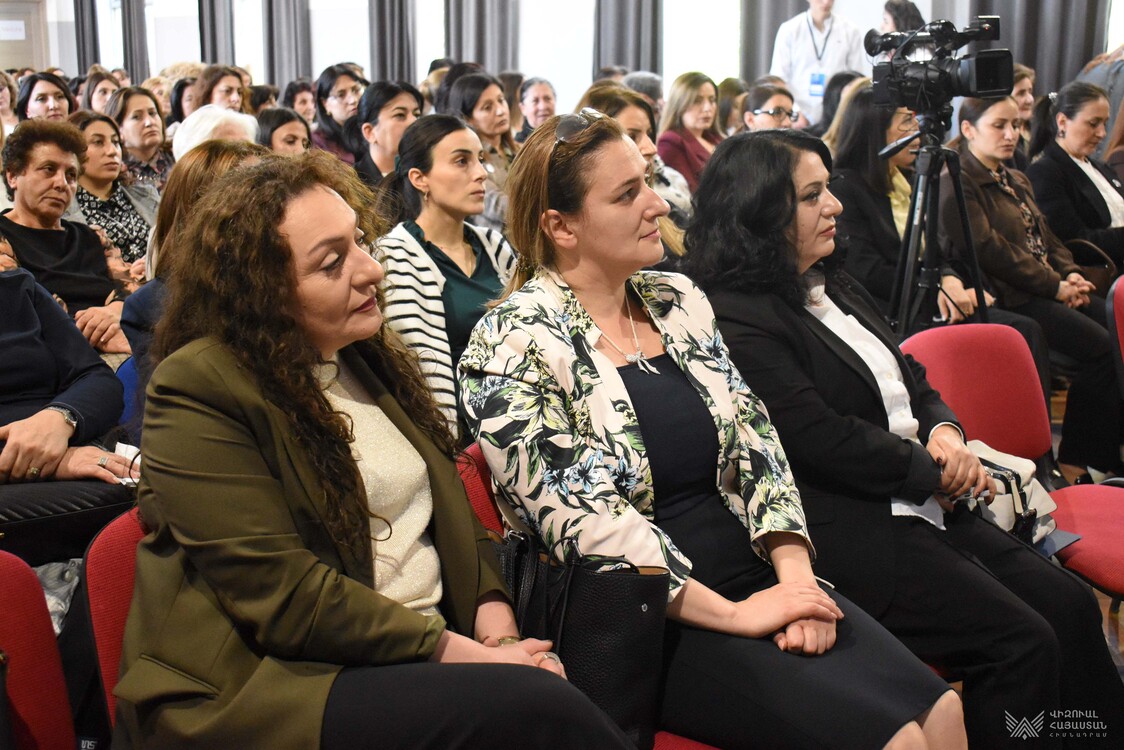
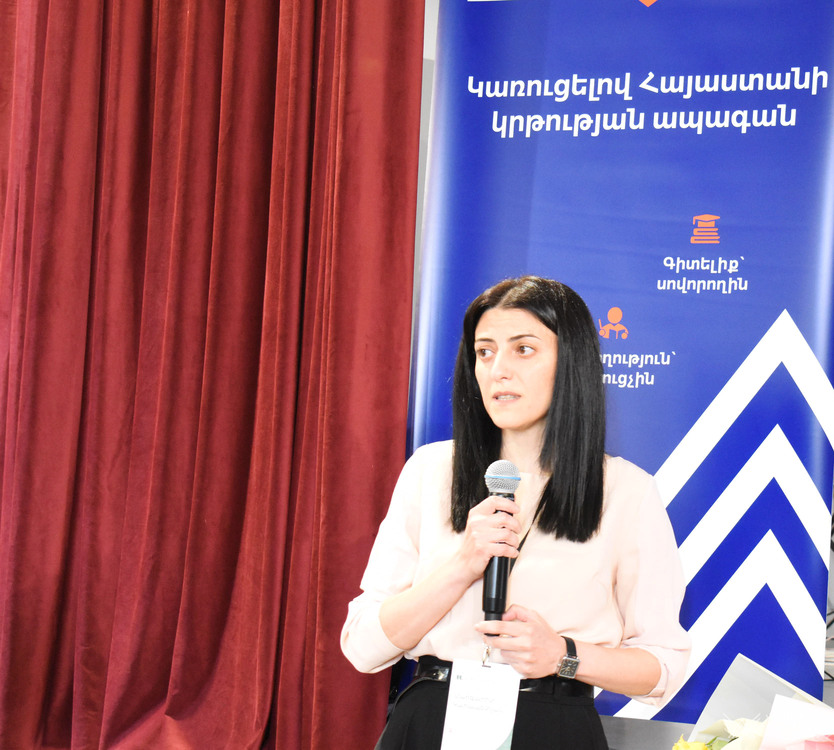
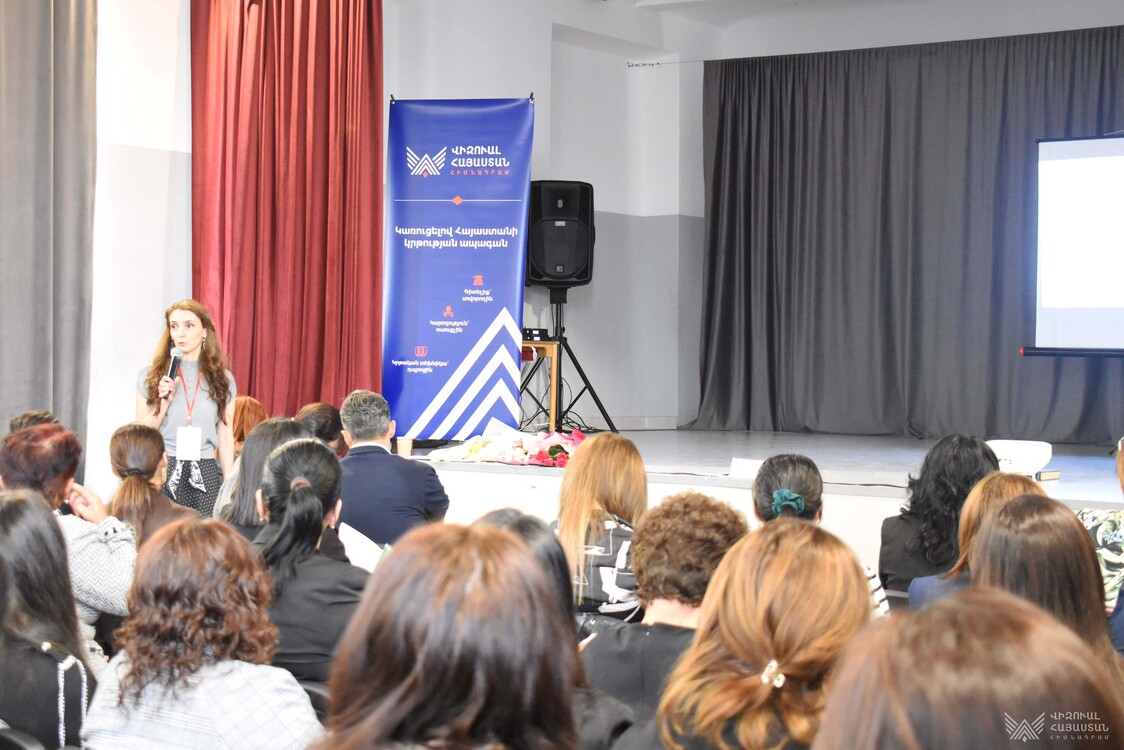
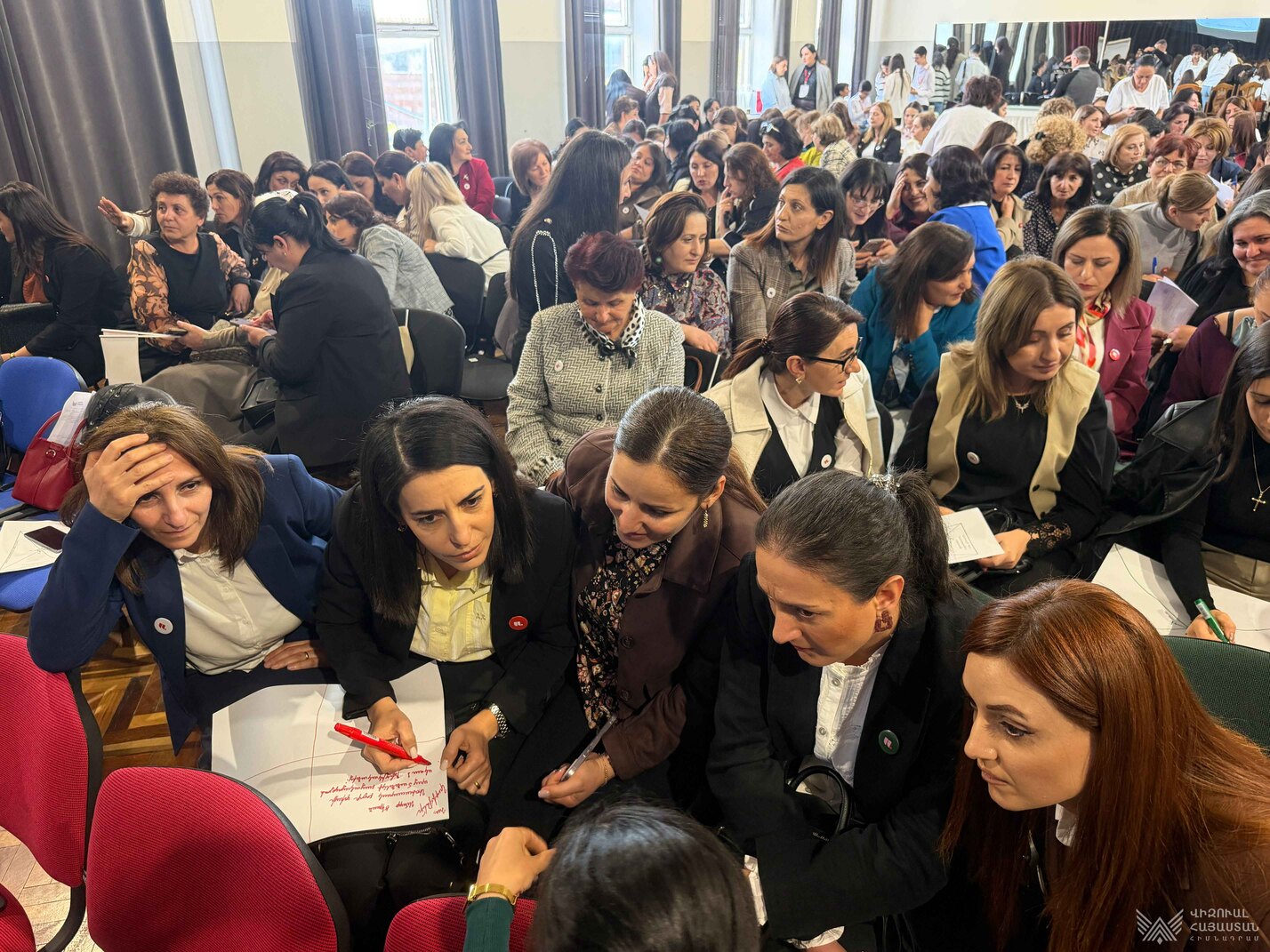
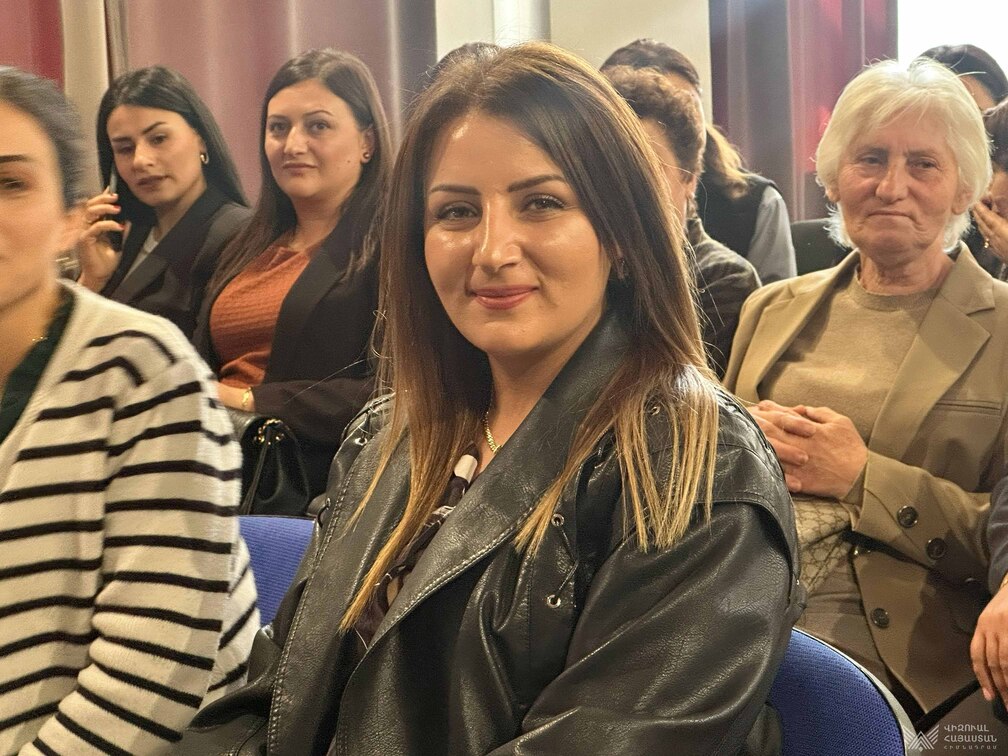
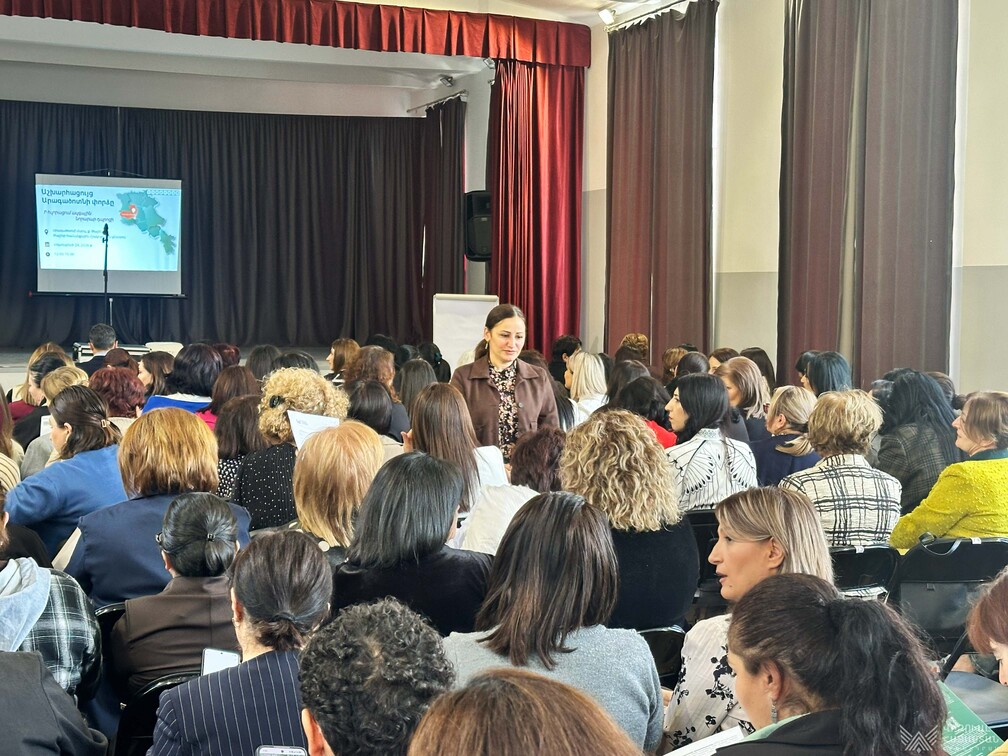
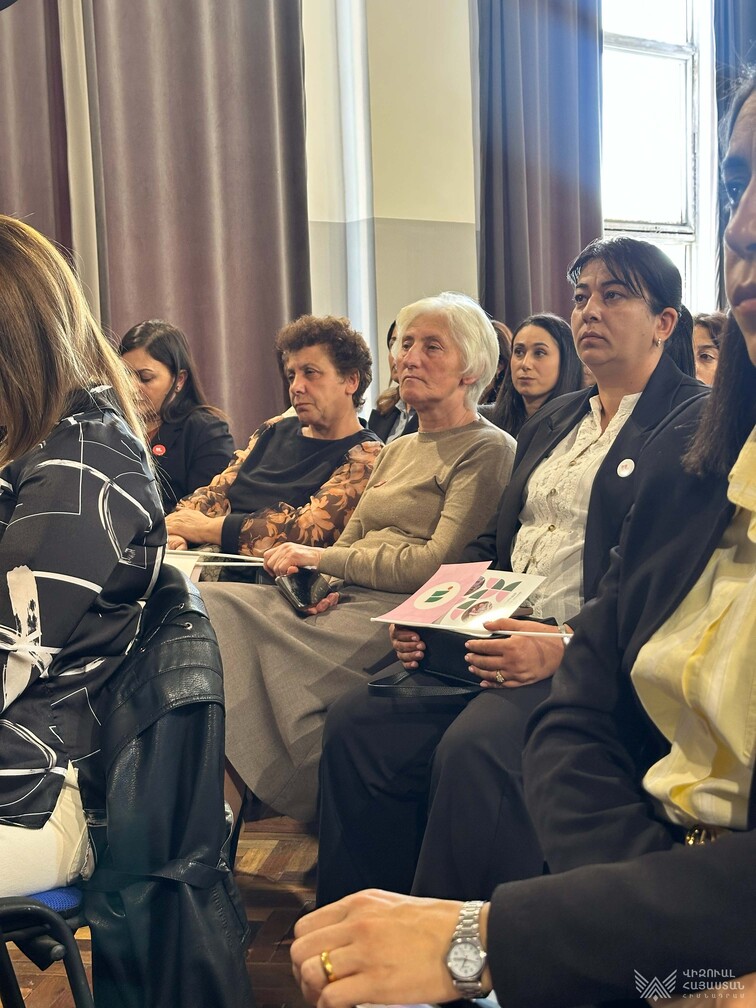
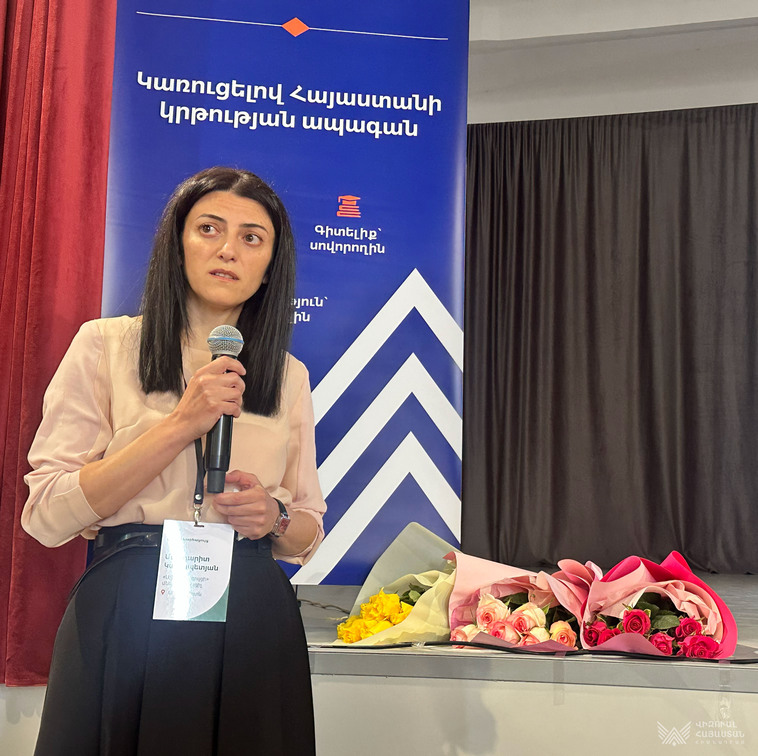
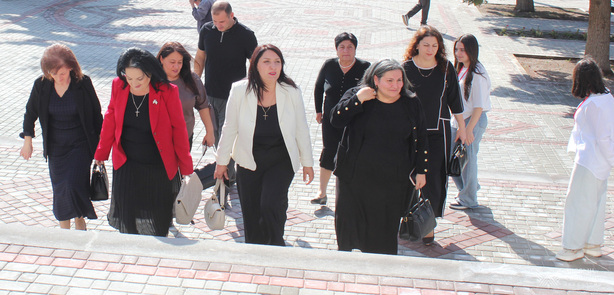
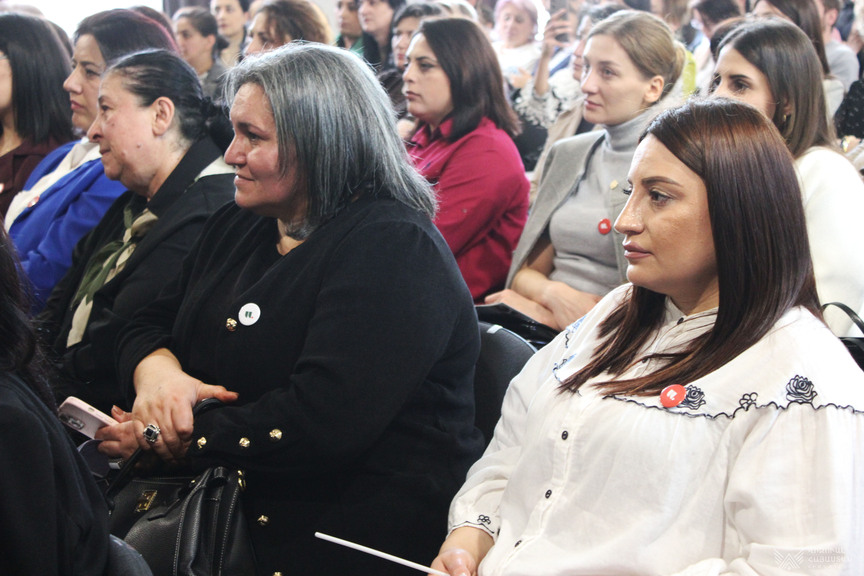
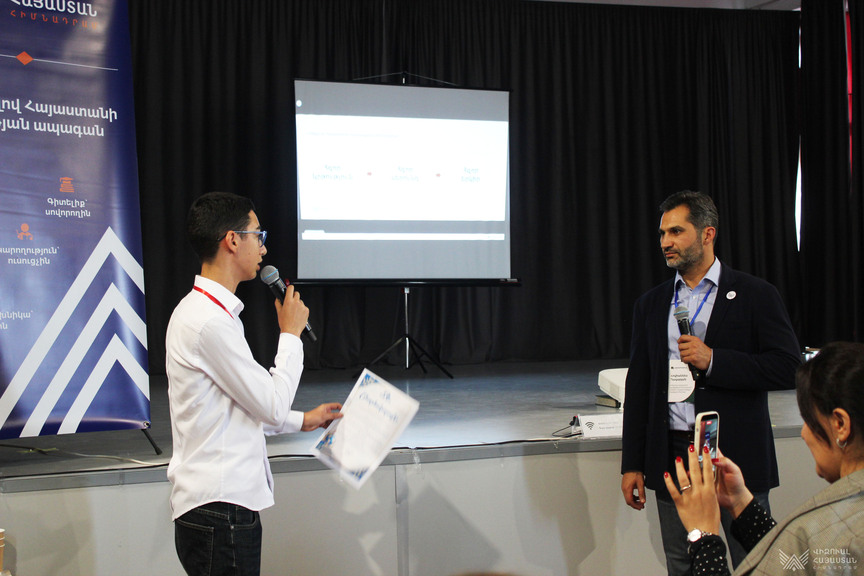
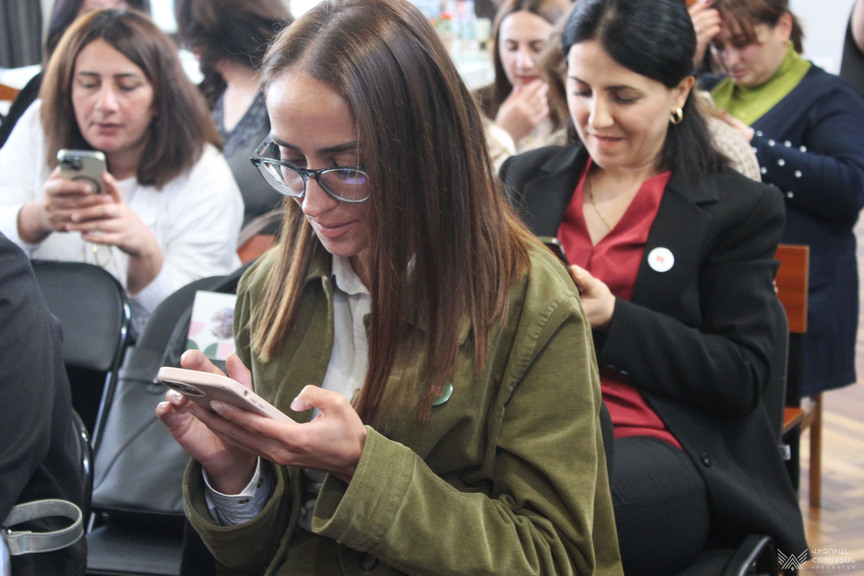
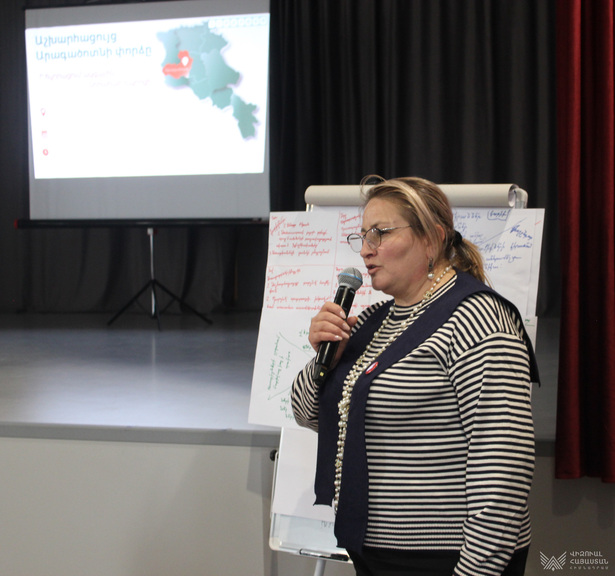
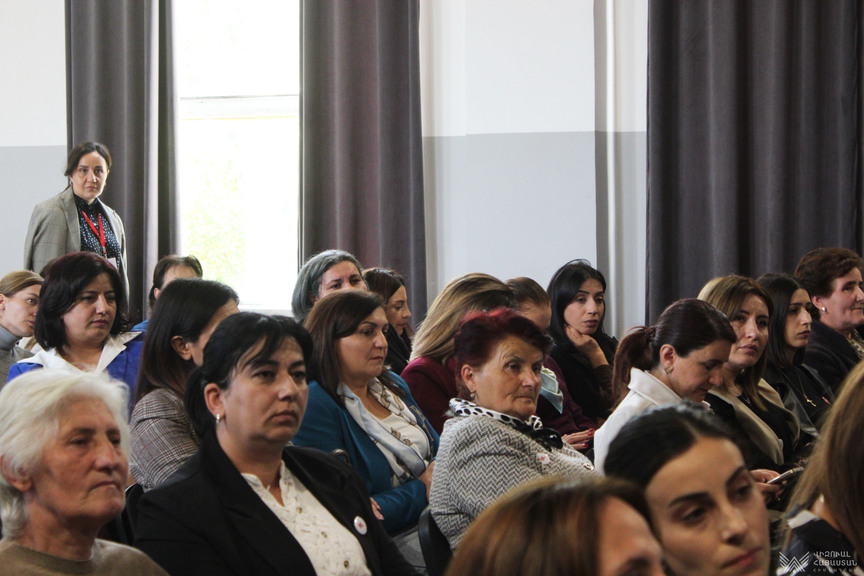
Margarit Karapetyan, a Worldview mentor teacher in Aragatsotn, shared these stories on October 24 at the Talin Community Cultural Centre. School principals and teachers had gathered to take stock of several months of work. Yet the stories moved the conversation beyond the figures and into everyday life: the moments when a teacher makes time to learn, asks for help or shares what they know with a colleague.
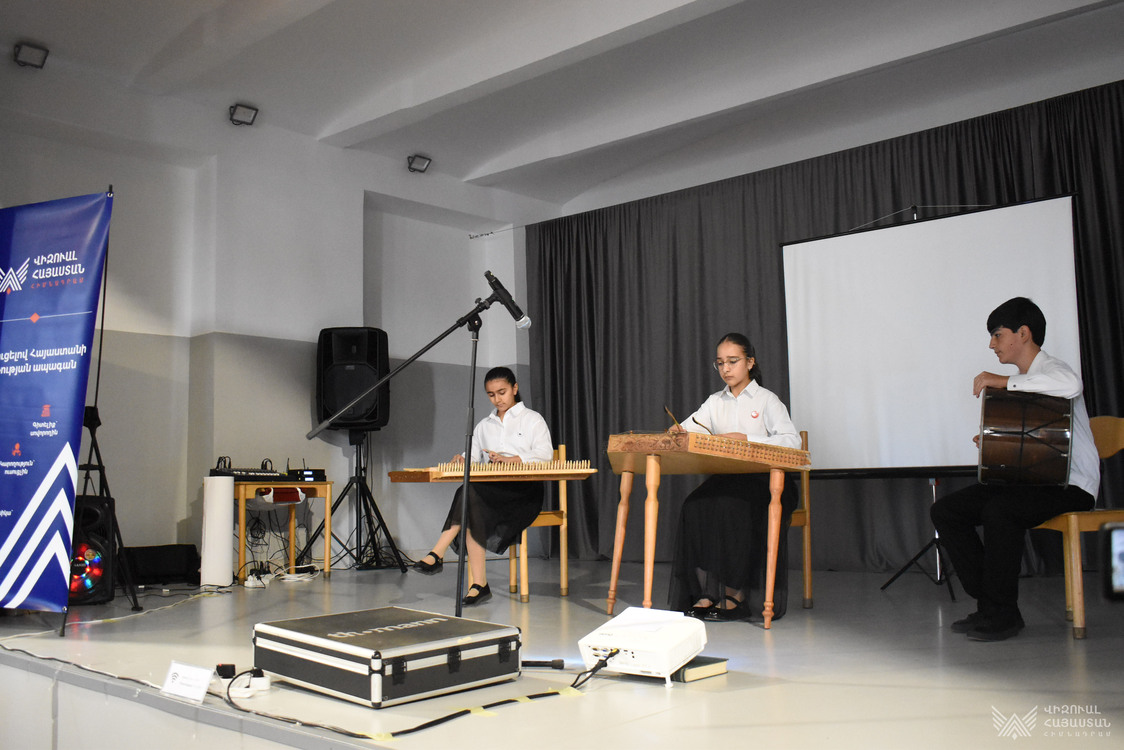
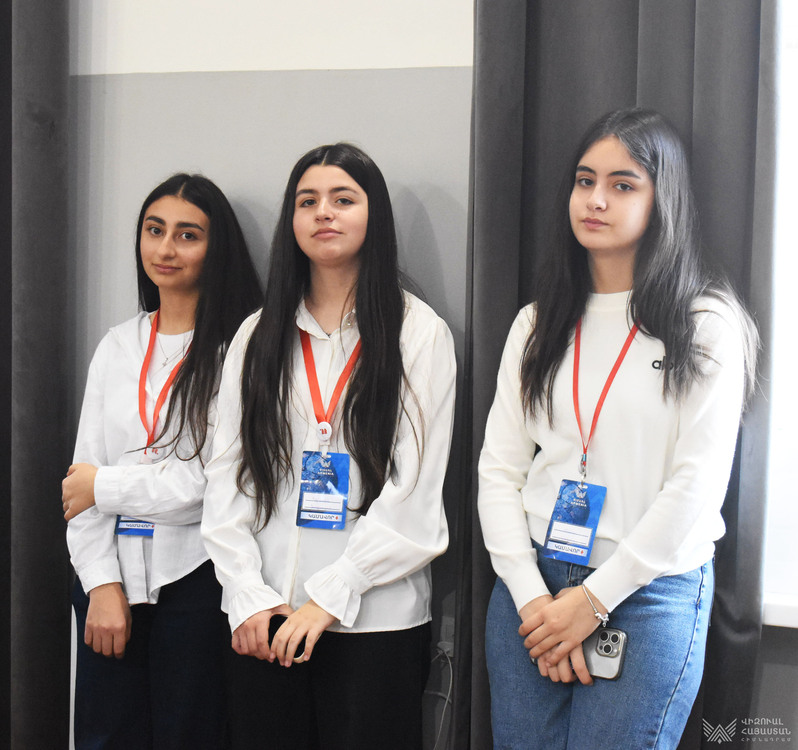
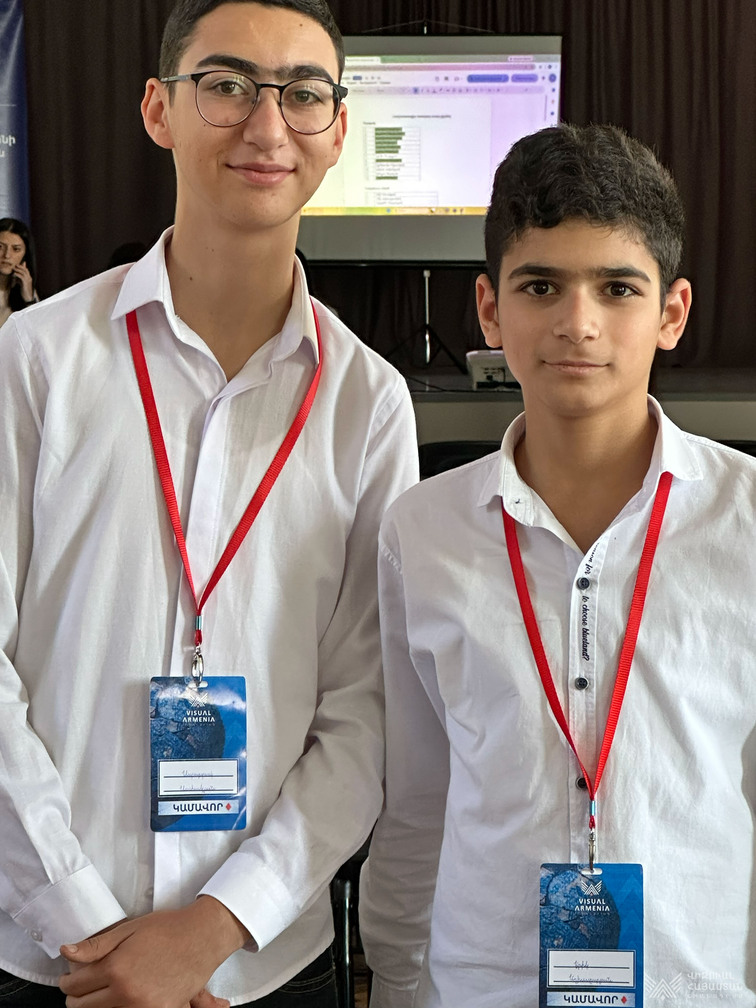
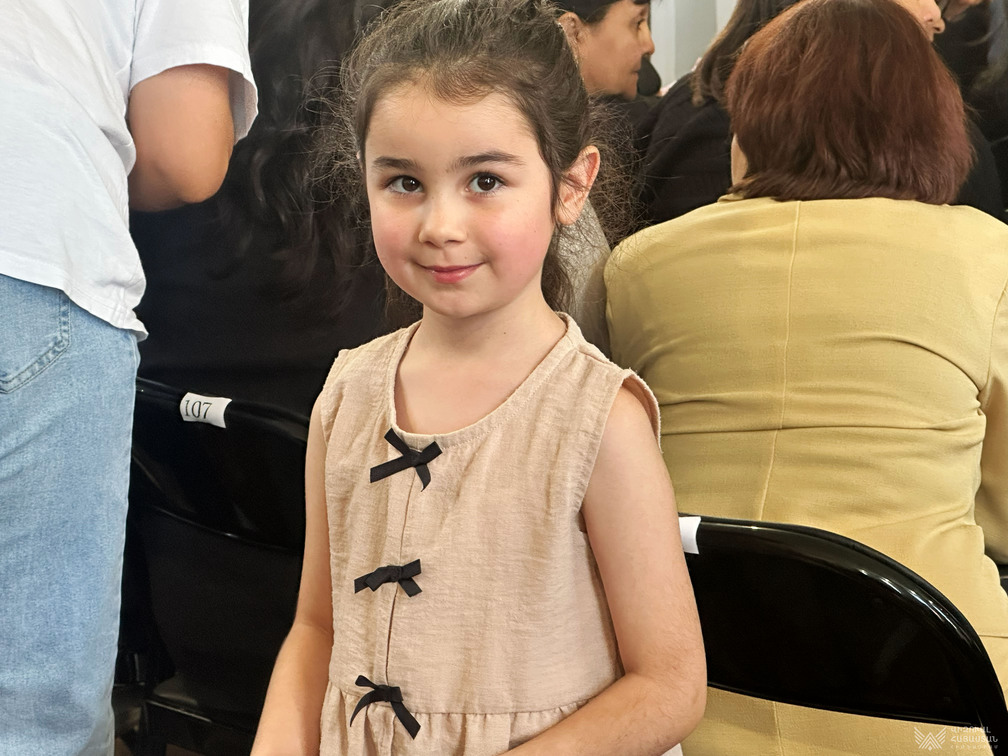
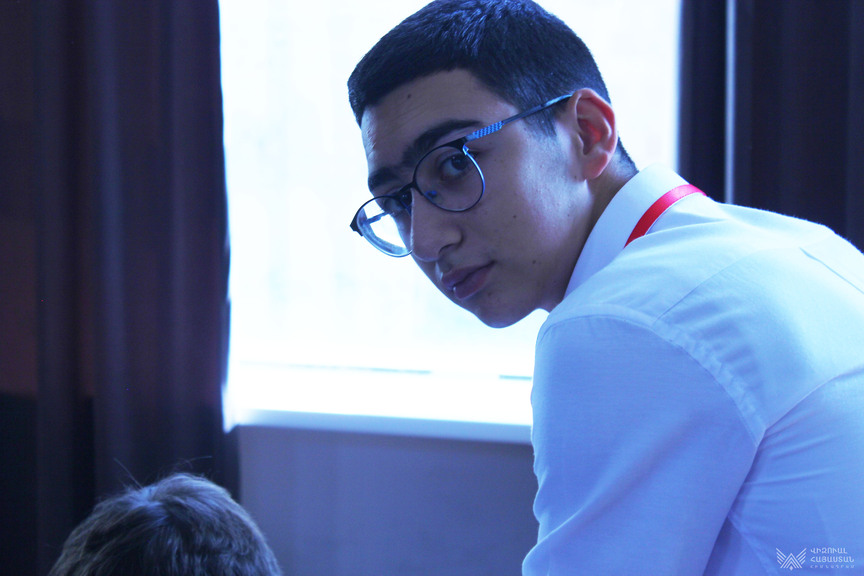
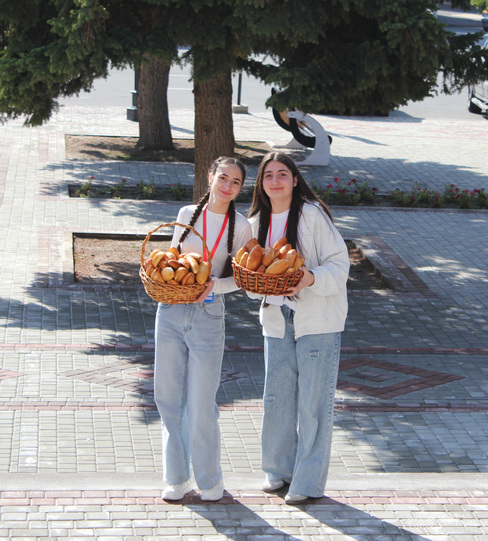
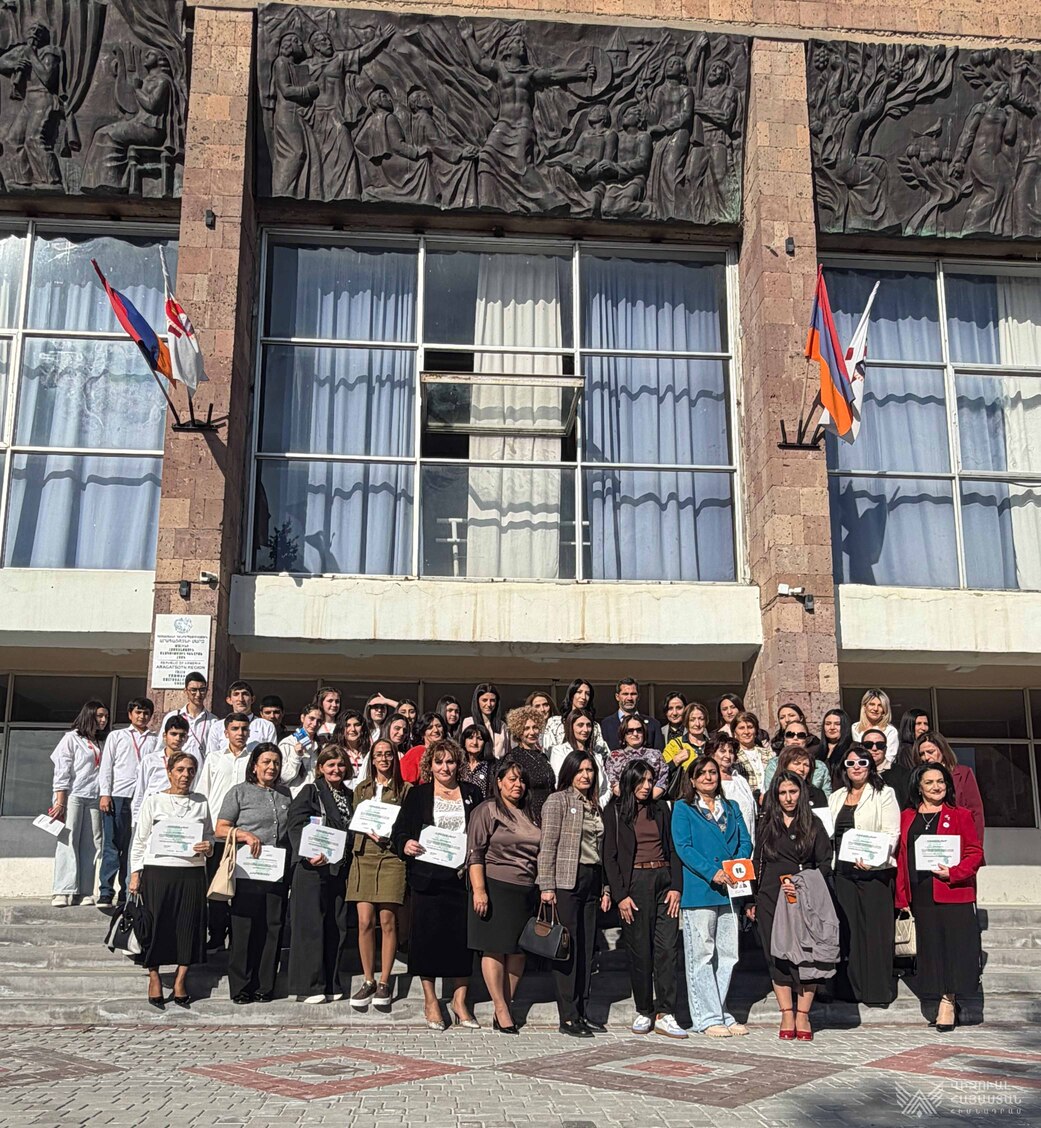
It was a sunny autumn Saturday in Aragatsotn. A team of student volunteers was also at work in the hall. Teachers and students had come together outside the classroom to help organise an event devoted to the future of their schools.
Organised by the Visual Armenia Foundation, “Worldview: The Aragatsotn Experience” marked the third stage of the regional training programme: a central gathering to review progress. It brought together two questions: what has been achieved, and what is needed to take the next step?
From Training to the Classroom
Training in Aragatsotn began on March 23, 2026, primarily involving teachers from the Talin, Ashtarak and Aparan areas.
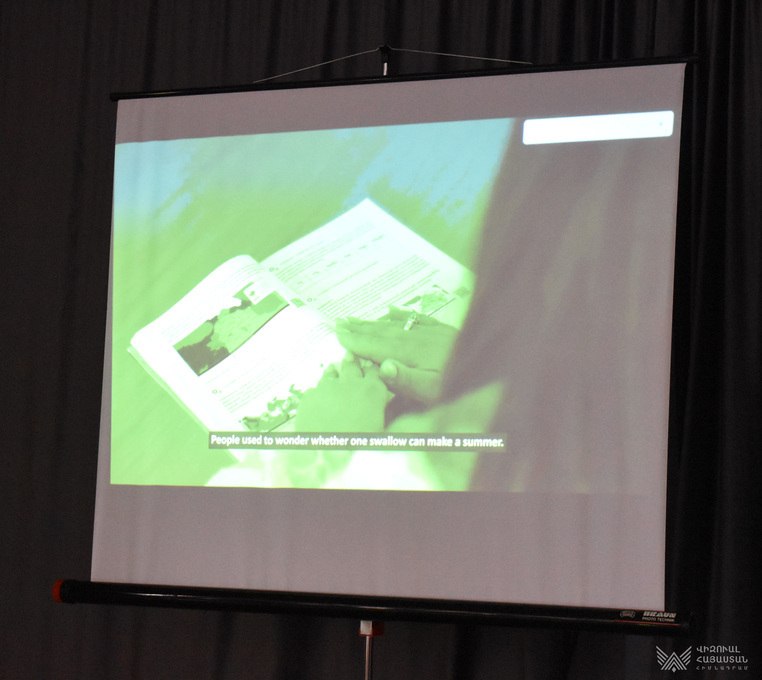
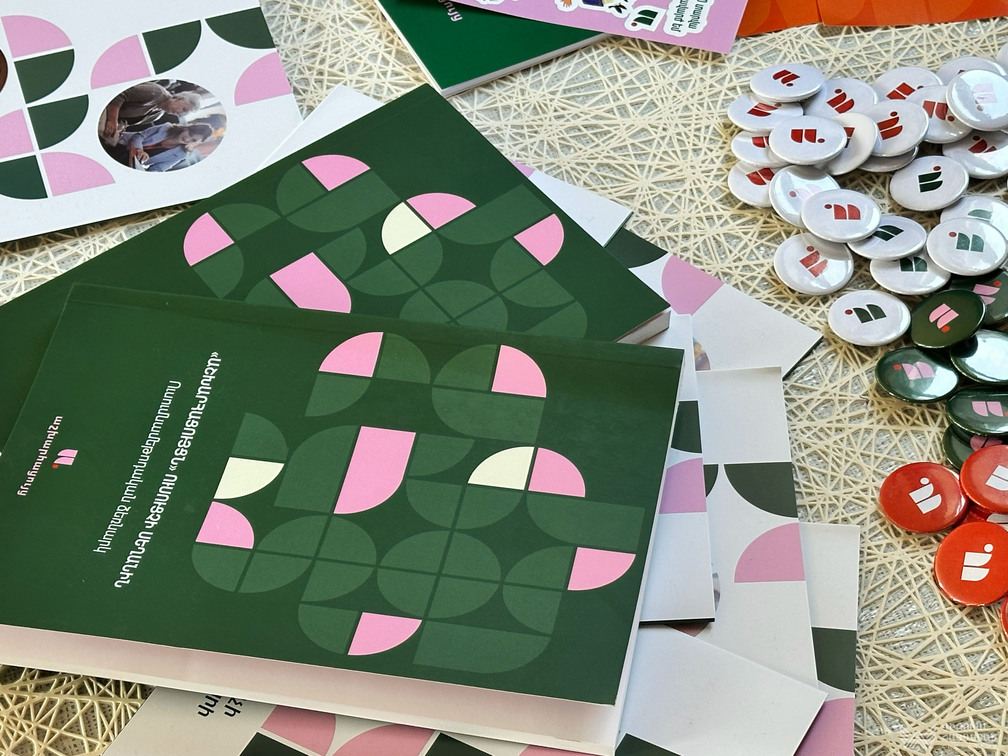
Participants explored the tools available on the Worldview educational platform and the teaching manual Worldview on the Teacher’s Desk. Through practical exercises and homework assignments, they created pins and presentations, exploring how digital tools could support their lessons.
Their work spanned Armenian language, literature, history, geography, biology, physics, chess and foreign languages. Teachers used the same platform in different ways, adapting it to their subjects and their students’ needs.
In one of Margarit’s stories, an English teacher described the platform as a teaching assistant: teacher and students would read and translate its materials together. A mathematics teacher had also found an inventive way to use Worldview.
These examples illustrate different approaches to using the platform. They do not yet measure changes in student learning outcomes, but they offer insight into how teachers are incorporating it into their work.
What Do Teachers Want?
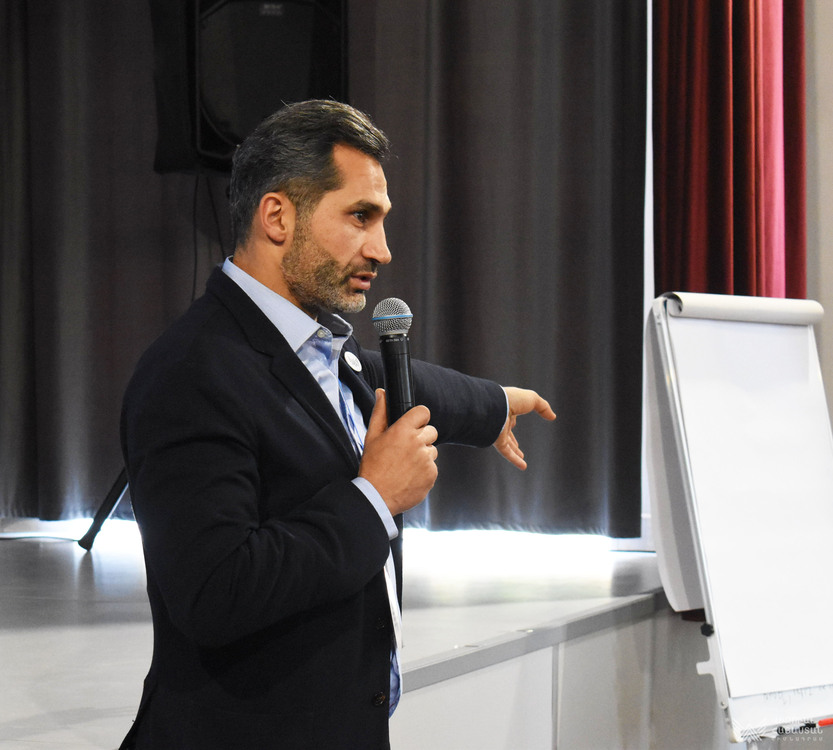
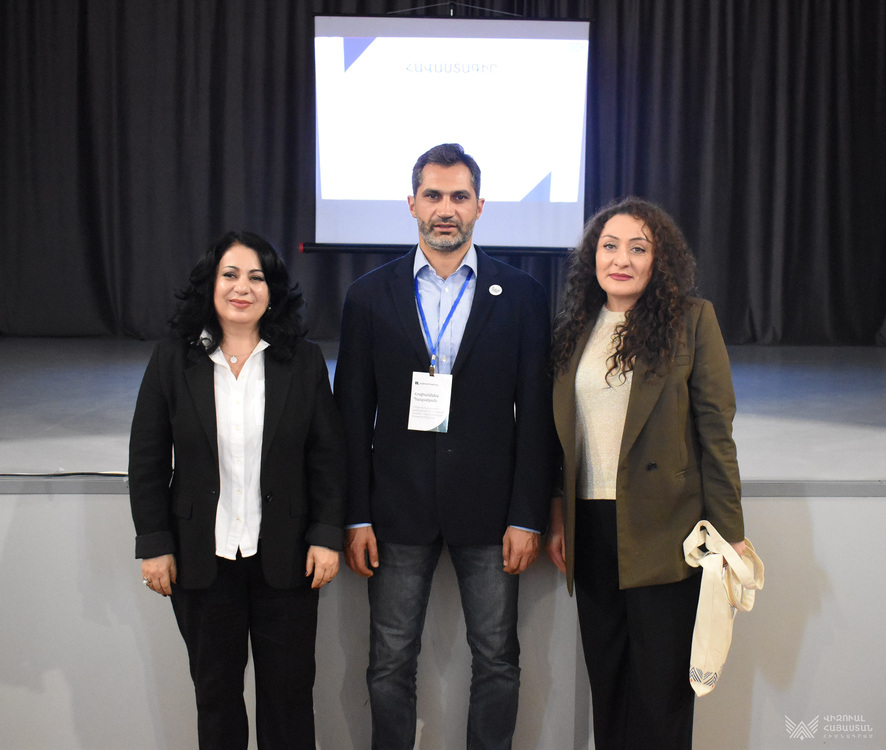
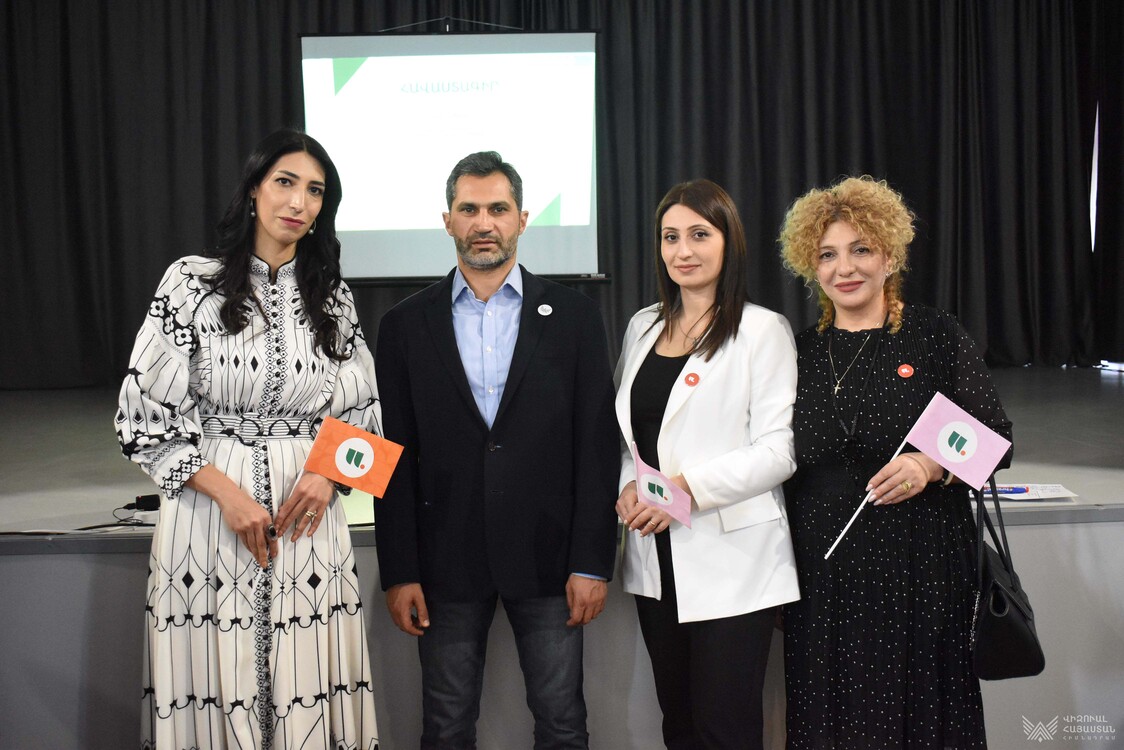
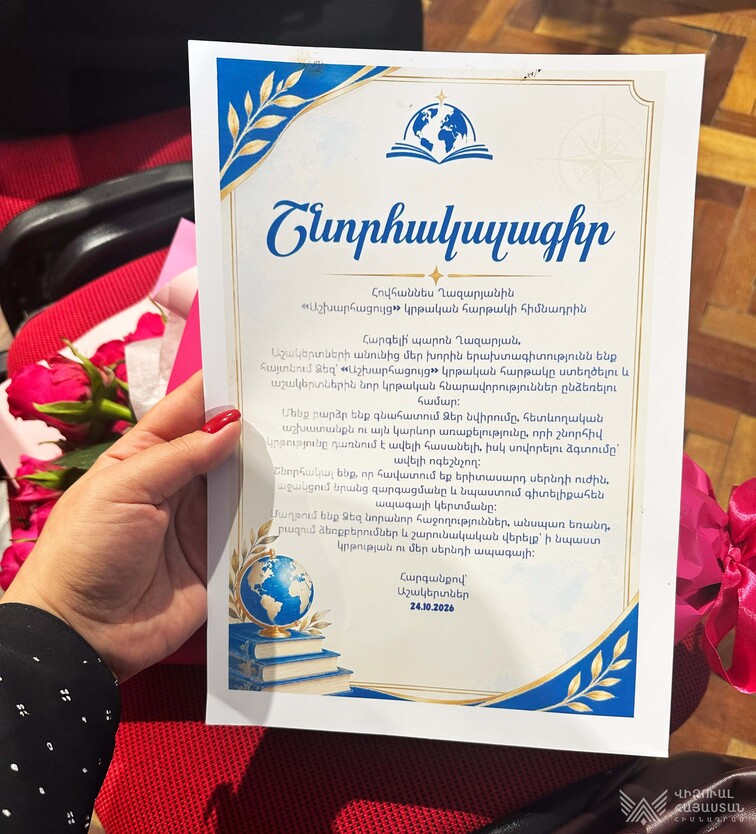
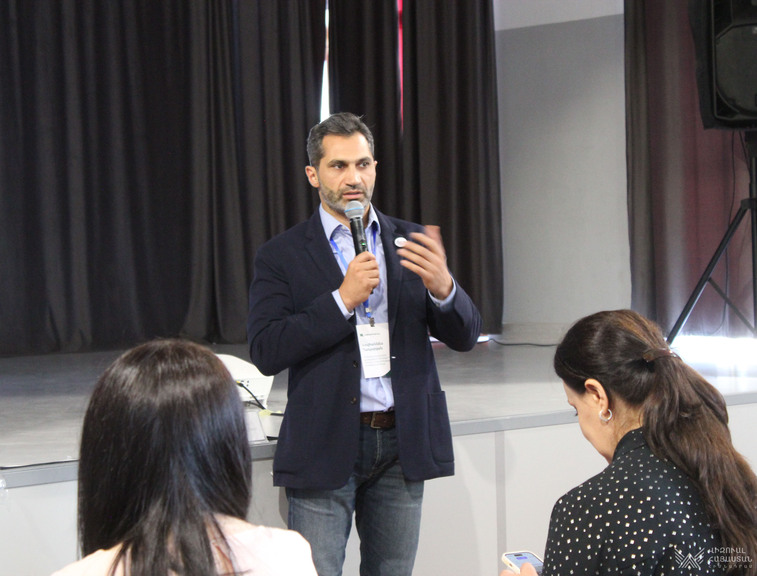
Opening remarks were delivered by Alla Gasparyan, Deputy Head of the Talin Municipality’s Department of Education, Culture, Sport and Youth Affairs, and Hovhannes Ghazaryan, Director of the Visual Armenia Foundation and creator of the Worldview innovative educational platform.
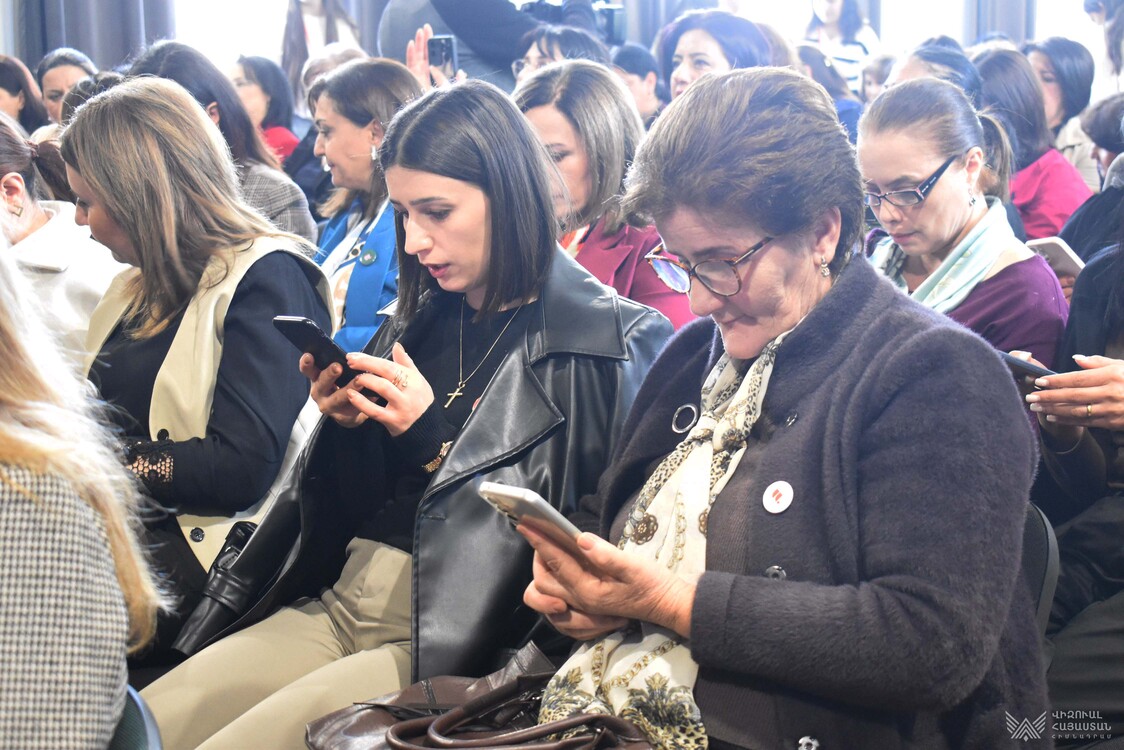
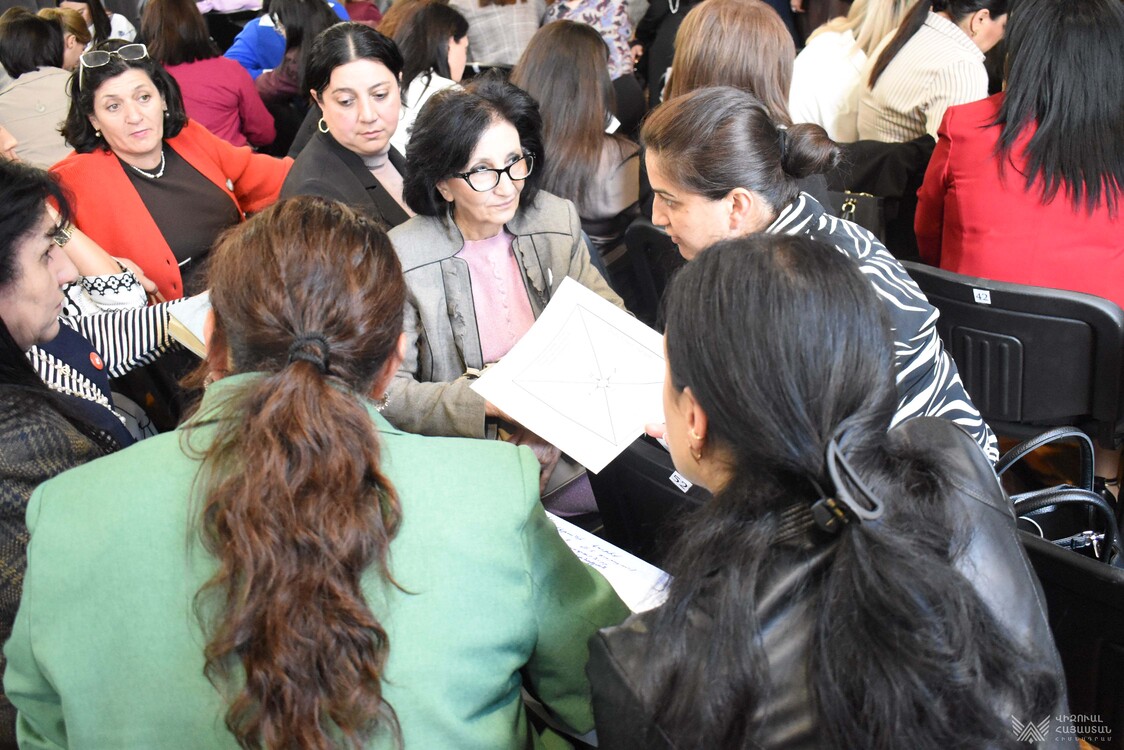
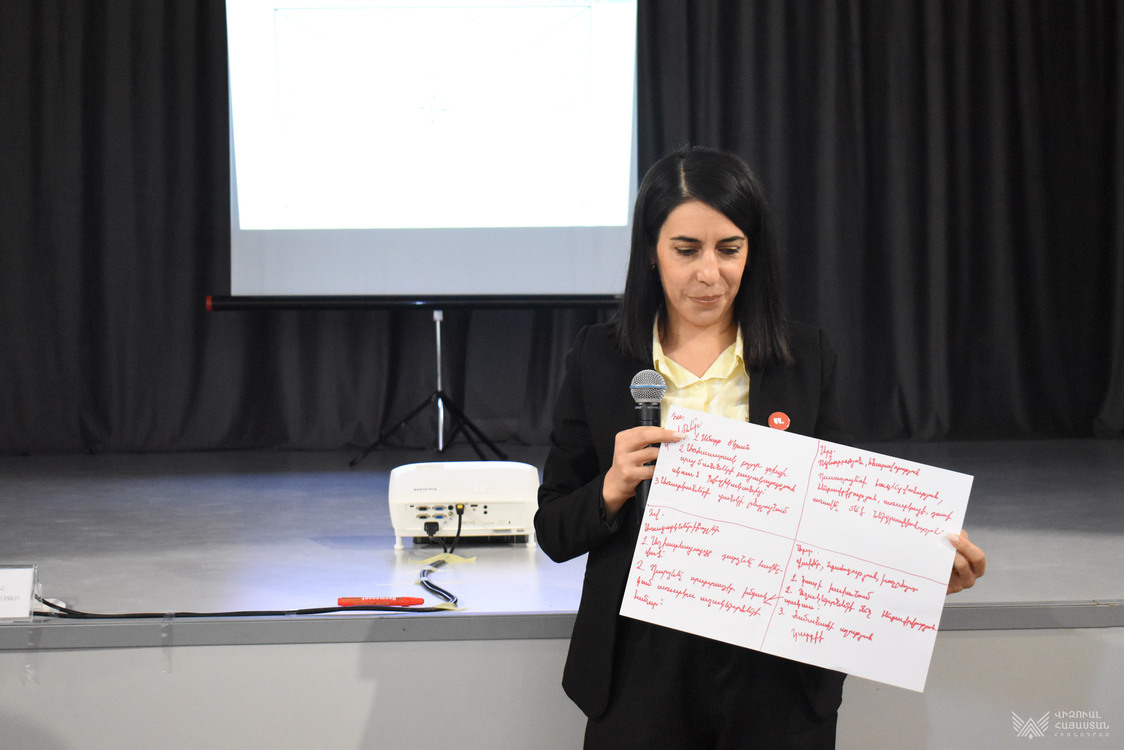
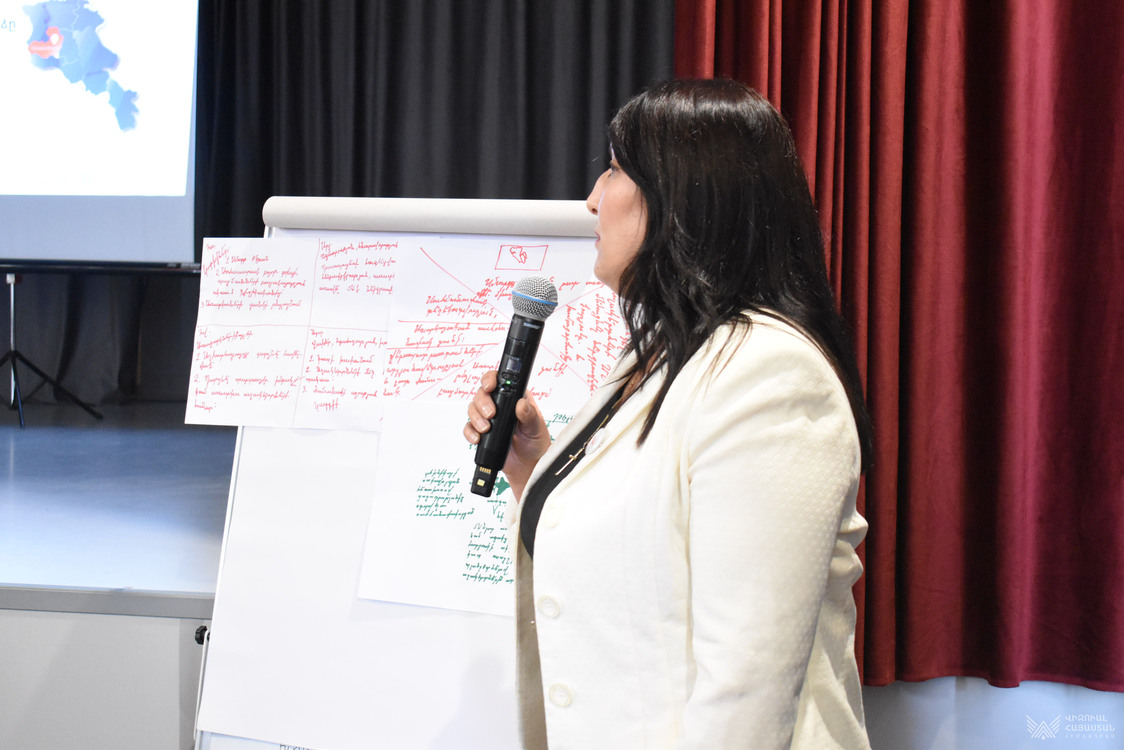
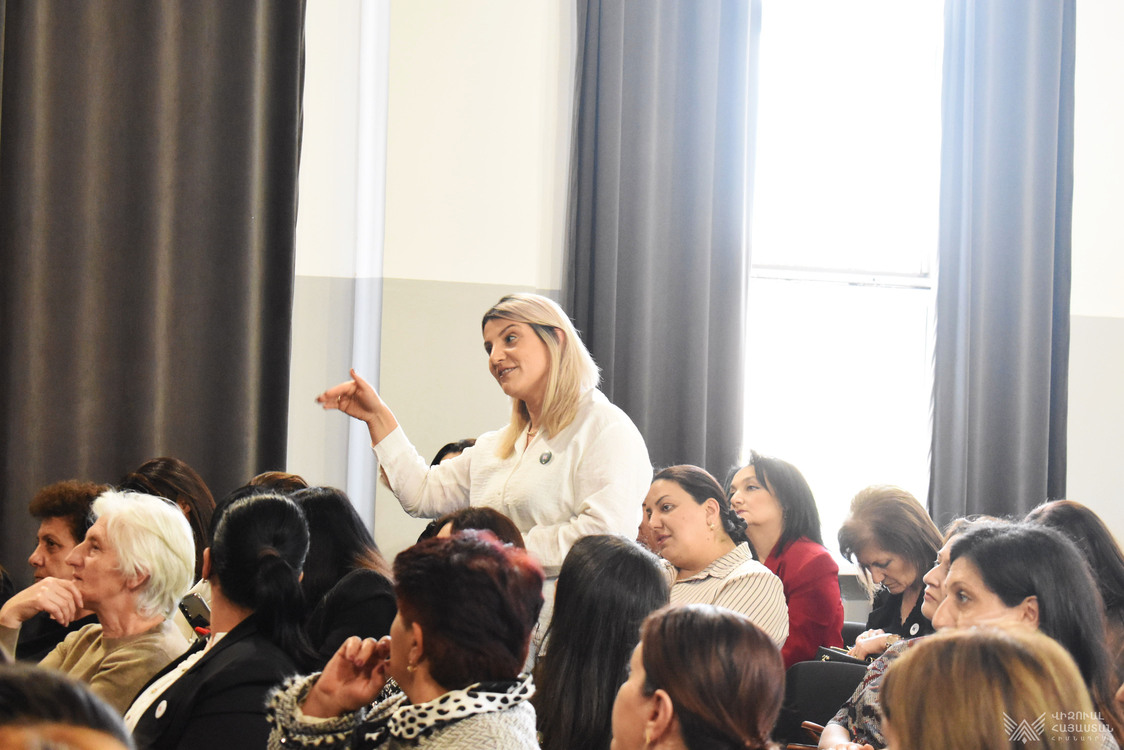
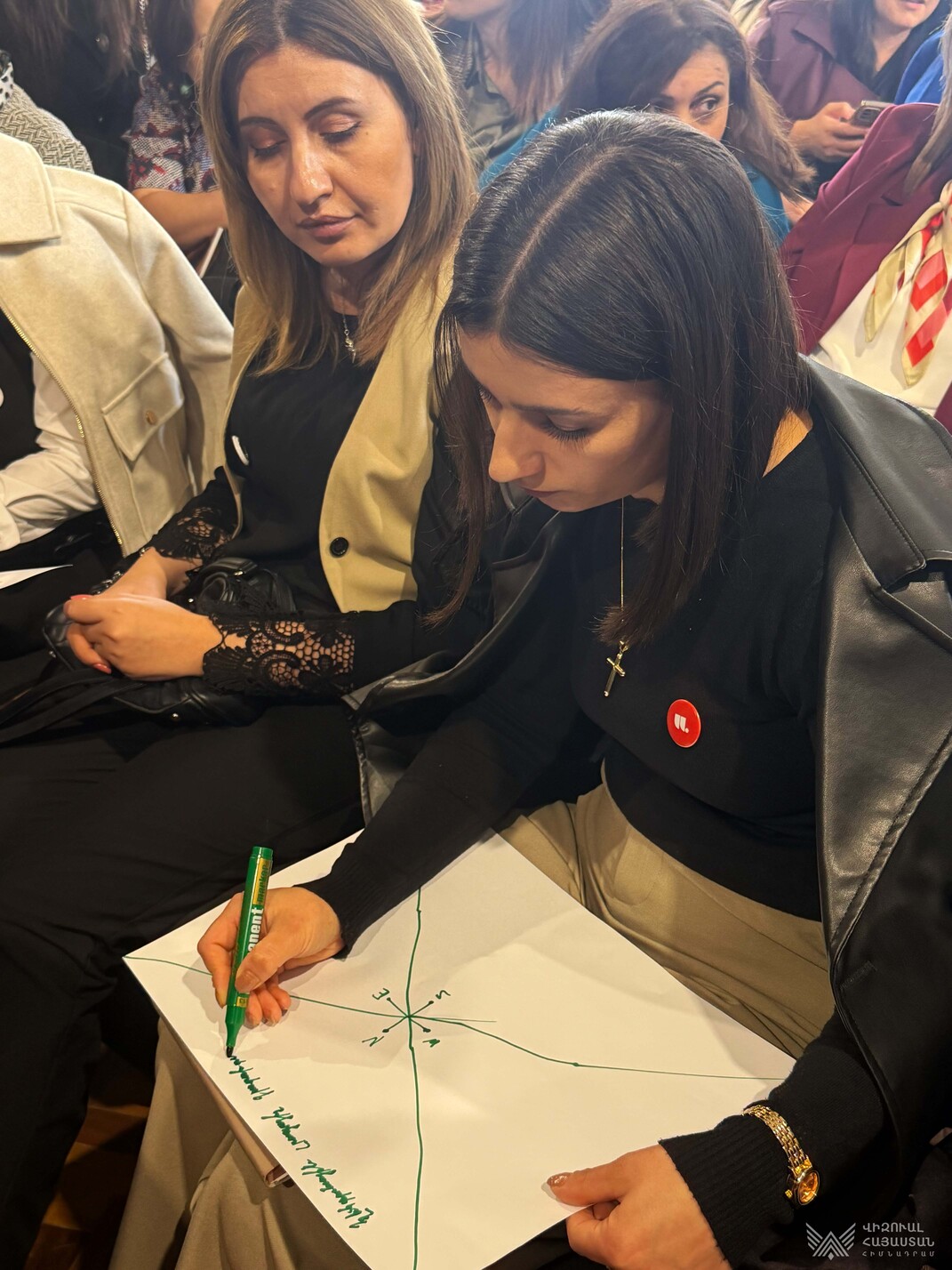
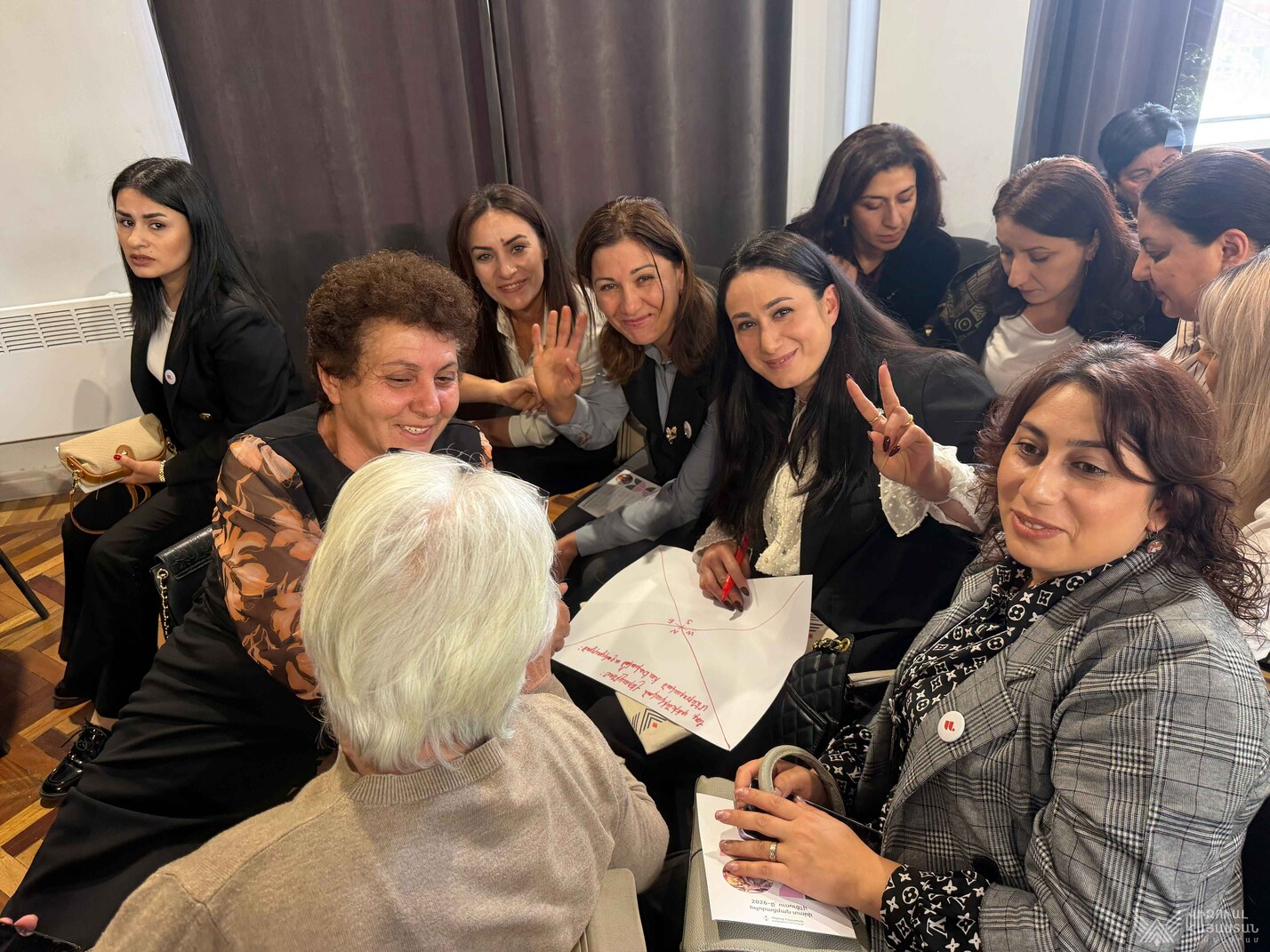
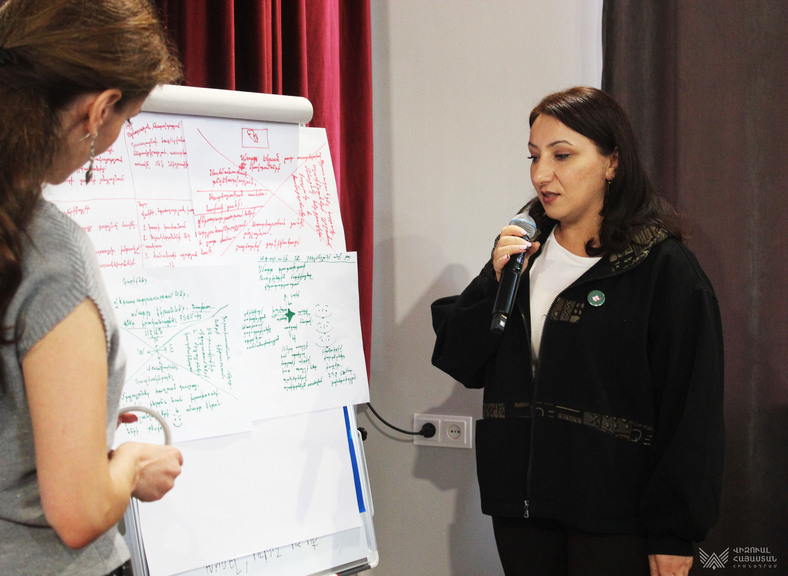
The discussion then turned to participants’ experiences and proposals. A practical exercise using the “Compass” method gave them an opportunity to explore what they hoped to achieve through collaboration and what they needed to move forward.
A recurring theme was the desire to involve students more widely. Teachers proposed stronger cooperation between schools, joint initiatives and competitions. They also wanted more opportunities to meet in person, discuss their experiences and stay connected with colleagues.
The conversation about digital education quickly turned to practical needs. Students need tablets. The platform needs to cover more subjects. Participants particularly emphasised the value of a mobile app that would make Worldview easier to use on a phone.
These proposals helped clarify priorities for the work ahead, from expanding content to improving access to devices and ease of use. They also showed that teachers were actively considering how to make Worldview a greater part of their everyday practice.
When the Community Takes Ownership
The local team’s ability to take the lead was evident throughout the Talin meeting. Mentors, teachers and student volunteers had prepared a warm welcome and kept the event running smoothly.
For the programme team, this was another opportunity to reflect on what years of work had made possible. There were now people in the community ready to take responsibility, bring colleagues together and carry the shared effort forward. Teachers’ professional connections extended beyond their training groups, while students were contributing to the life of that community.
The journey back from Talin offered time to reflect and reassess. What lingered were the small moments: the teacher who had joined the next group to try again, the husband who wanted to help his wife at home, the students volunteering on a Saturday.
Through those moments, what happens between training sessions became clearer: people keep learning, helping one another and proposing the next step for their schools.